
Introduction to CSCTRUCK China Tank Truck
CSCTRUCK China Tank Truck is a professional manufacturer specializing in tank trucks and special-purpose commercial vehicles. The company provides customized transportation solutions for industries requiring safe and efficient movement of liquids, gases, and dry bulk materials. With extensive manufacturing experience, advanced production facilities, and strict quality-control systems, CSCTRUCK China Tank Truck supplies various tanker vehicles for global markets.
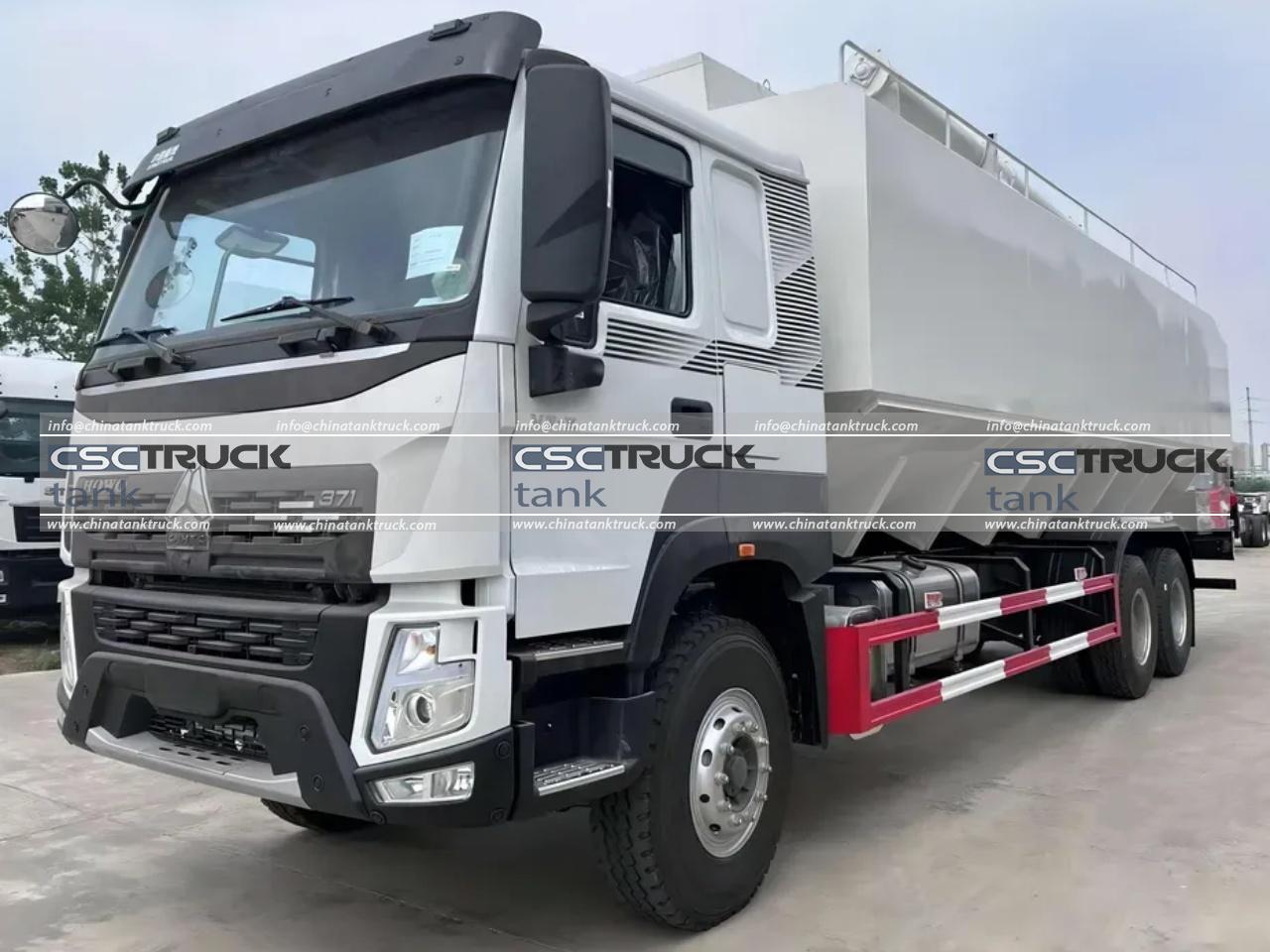
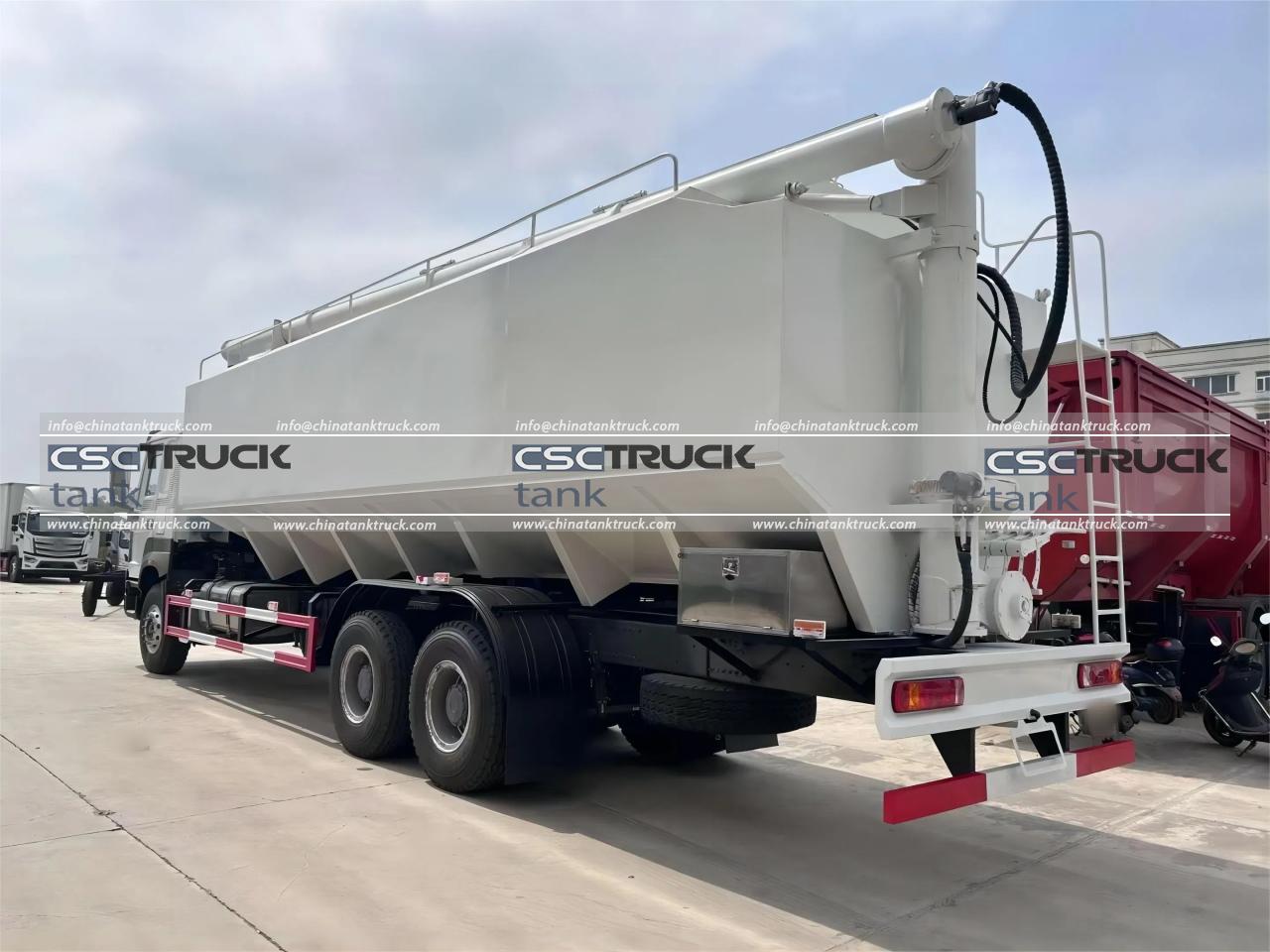
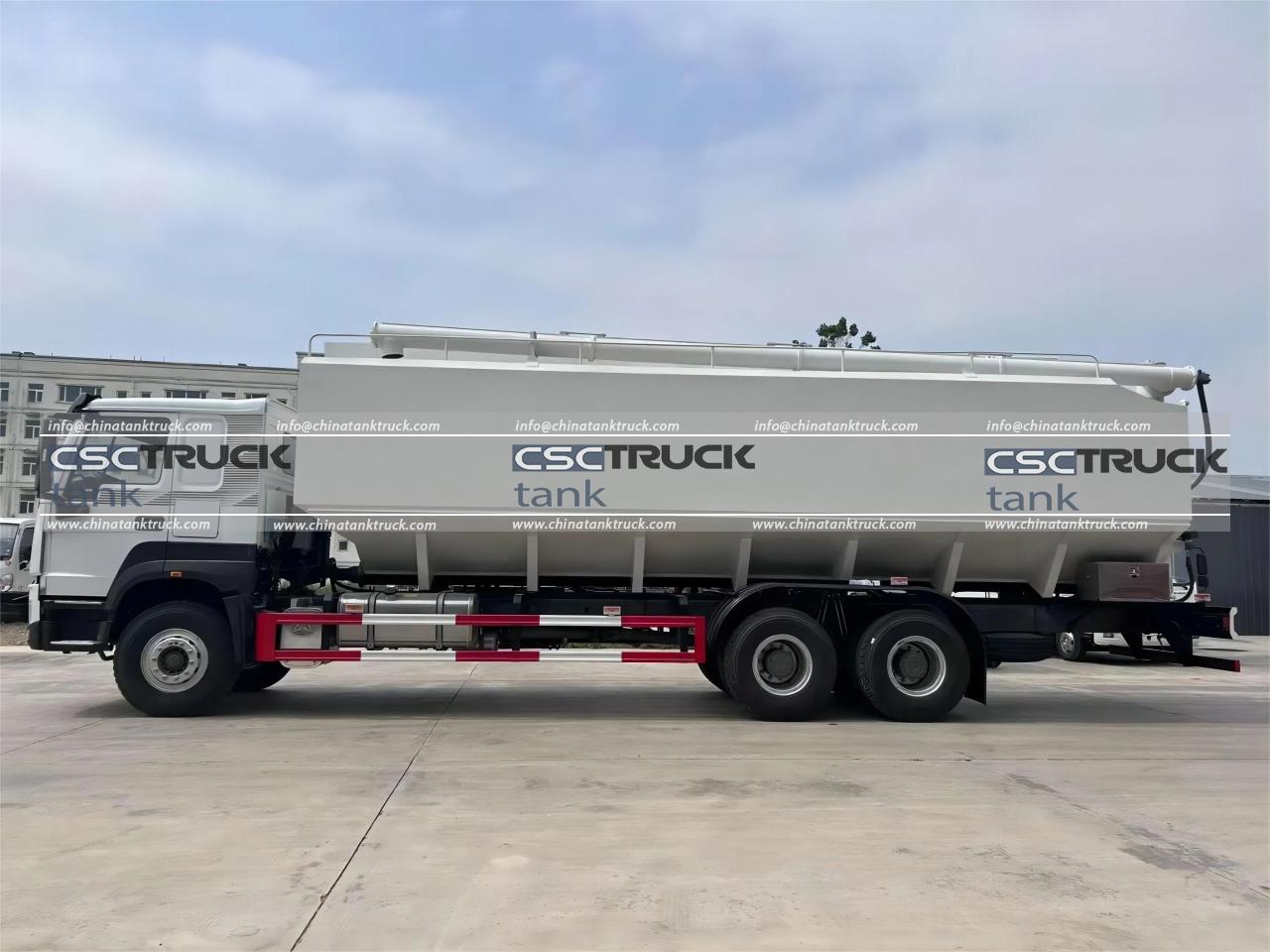
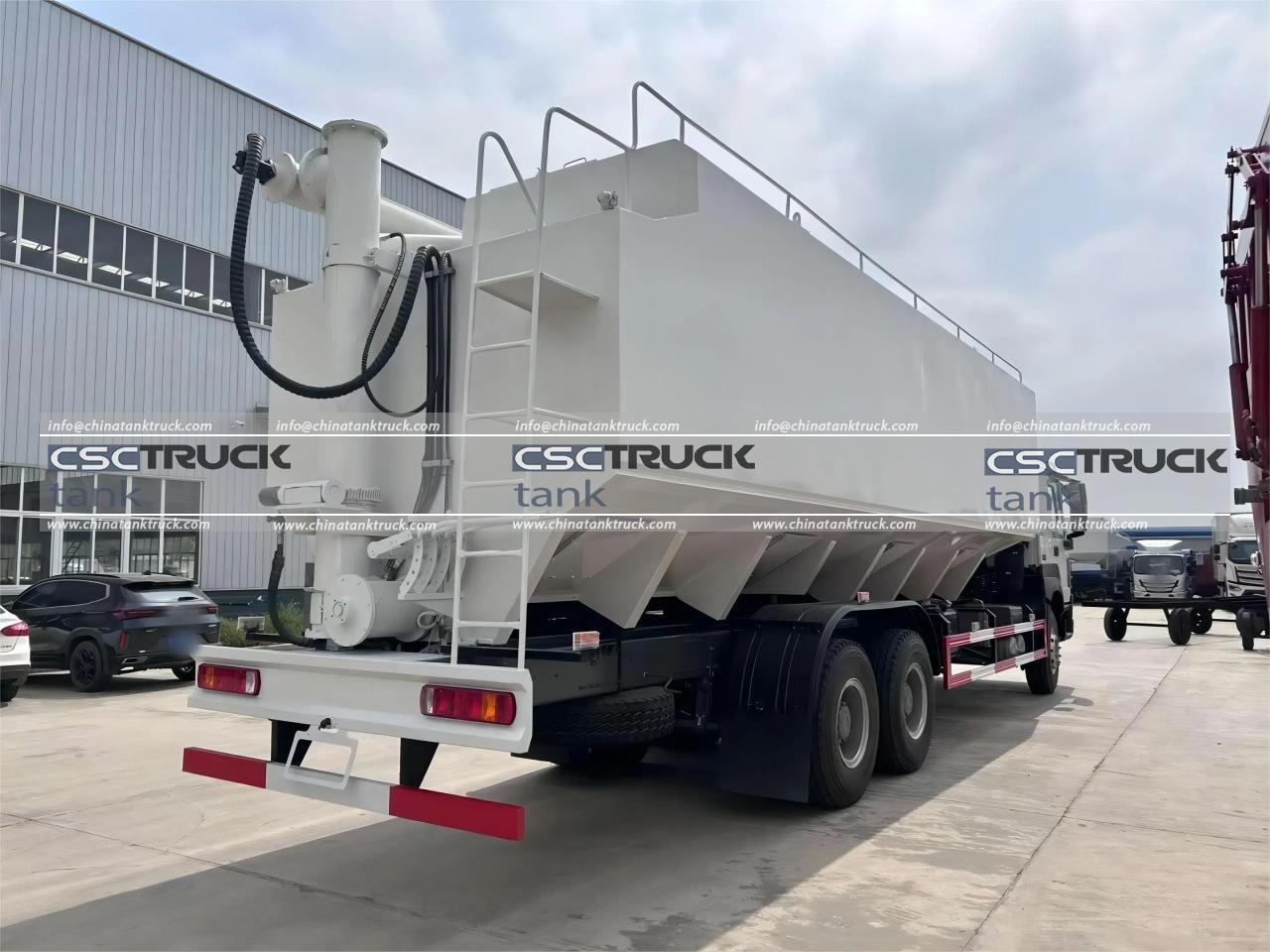
Among its specialized products, pneumatic tank trucks are designed for transporting dry bulk materials such as cement, fly ash, lime powder, mineral powder, and other powdered or granular materials. These trucks use compressed air technology to discharge materials efficiently without manual handling. CSCTRUCK China Tank Truck’s pneumatic tank trucks are available in different capacities and configurations to meet different transportation requirements, including heavy-duty models for large-scale construction and industrial applications.
Operating a pneumatic tank truck correctly is essential for safety, efficient unloading, and extending the service life of the vehicle. Unlike ordinary cargo trucks, pneumatic tank trucks combine a pressure vessel, an air compressor system, a pipeline network, and discharge controls. Drivers and operators must understand each step of the operation process to ensure reliable performance.
1. Understand the Main Components Before Operation
Before operating a pneumatic tank truck, the driver should become familiar with its major components and functions.
Tank Body
The tank body is a sealed pressure container used to store dry bulk materials. It is designed to withstand internal pressure during unloading. Depending on the model, the tank capacity may vary from small units for local delivery to large-volume trucks for long-distance transportation.
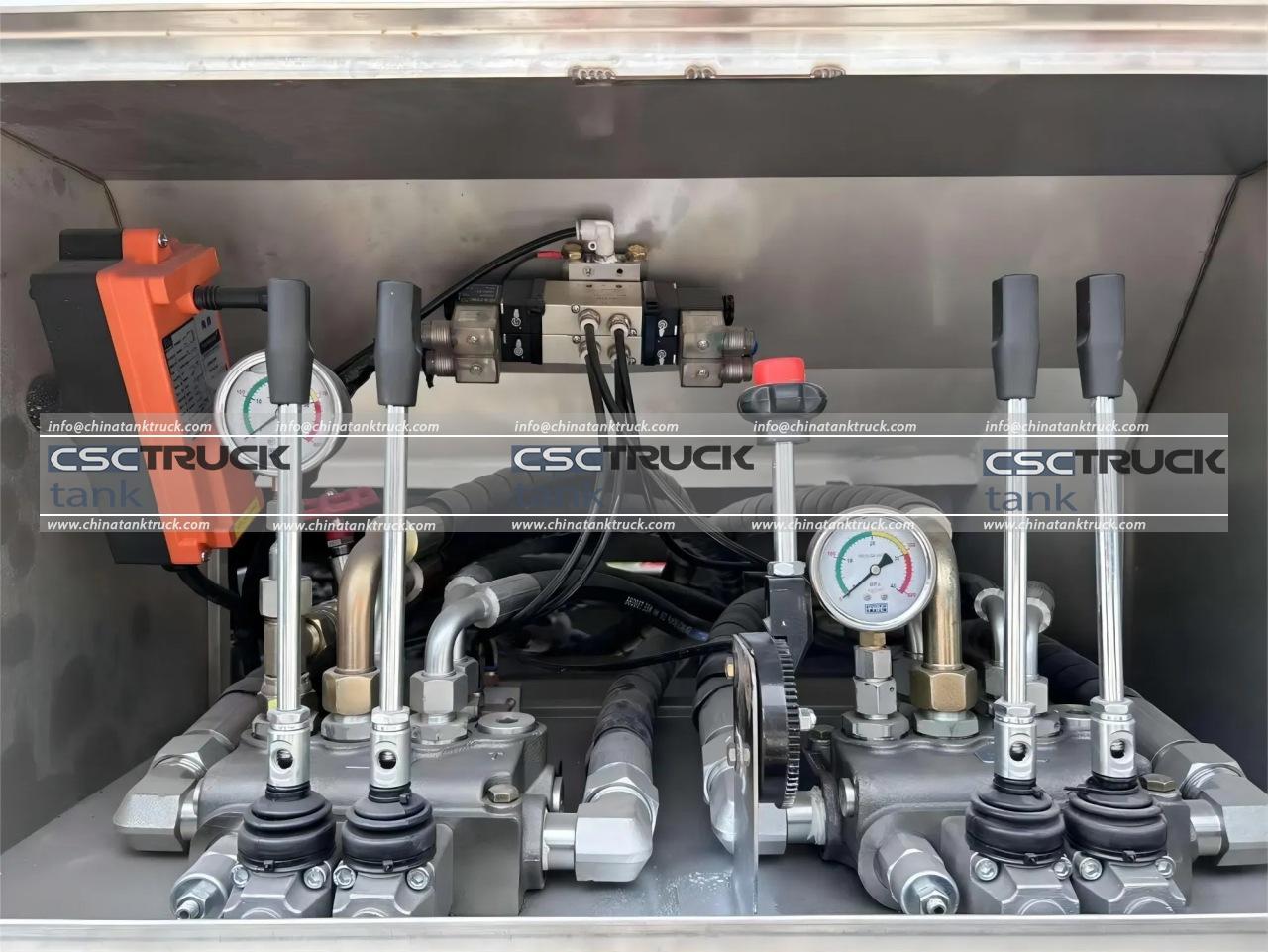
Air Compressor System
The air compressor is the heart of the pneumatic unloading system. It produces compressed air that fluidizes the powder material and pushes it out through discharge pipelines.
The compressor is usually powered by the truck engine through a power take-off (PTO) system. Proper operation of the PTO and compressor is critical for stable unloading.
Air Tank and Pipeline System
The compressed air flows through pipelines into the tank. Special air chambers or aeration systems mix air with the powder, reducing friction and allowing the material to flow smoothly.
Discharge Valve and Outlet Pipe
The discharge valve controls the release of material from the tank. Operators must open and close valves in the correct sequence to prevent pressure problems and material blockage.
2. Perform Pre-Operation Inspection
A complete inspection should be carried out before starting work.
Check the Tank Condition
Inspect the tank body for:
- Visible damage or deformation
- Loose bolts or connections
- Leakage around valves and pipelines
- Signs of corrosion
Because the tank operates under pressure, any abnormal condition should be corrected before operation.
Check the Compressor System
Confirm that:
- Lubricating oil levels are normal
- Drive belts and connections are secure
- Air pipelines are properly connected
- Pressure gauges work correctly
A damaged compressor system can reduce unloading efficiency or create safety risks.
Check Safety Devices
Operators should verify:
- Pressure relief valves
- Pressure gauges
- Emergency shut-off systems
- Valve handles
Safety equipment must always remain functional.
3. Load the Pneumatic Tank Truck Correctly
Proper loading is important for vehicle stability and unloading performance.
During loading:
- Park the truck on a stable surface.
- Ensure the loading opening is properly sealed after filling.
- Confirm that the material matches the tank design.
- Avoid overloading the tank beyond its rated capacity.
Different materials have different flow characteristics. Cement, fly ash, lime powder, and chemical powders may require different unloading pressure settings.
A properly loaded pneumatic tank truck provides better fuel efficiency, safer driving, and smoother discharge.
4. Position the Truck for Unloading
When arriving at the unloading location:
- Park on firm and level ground.
- Engage the parking brake.
- Turn off unnecessary electrical equipment.
- Connect the discharge hose securely.
The unloading area should be checked for:
- Adequate space
- Proper receiving equipment
- Safe distance from personnel
- Correct connection points
Poor positioning can cause hose movement, material leakage, or unstable unloading.
5. Start the Pneumatic Unloading System
The unloading process usually follows several steps.
Step 1: Engage the PTO
The operator activates the PTO system to transfer engine power to the air compressor.
The truck engine speed should be adjusted according to the manufacturer’s recommendations. Excessive speed may damage the compressor, while insufficient speed may reduce air pressure.
Step 2: Start the Compressor
Once activated, the compressor generates compressed air and sends it into the tank.
Operators should monitor:
- Air pressure
- Compressor sound
- Temperature
- System stability
Any unusual noise or vibration should be investigated immediately.
Step 3: Build Tank Pressure
The tank gradually reaches the required working pressure. The operator should observe the pressure gauge and avoid exceeding the maximum allowable pressure.
Most pneumatic tank trucks operate within carefully controlled pressure ranges depending on their design and material requirements.
6. Control Material Discharge
After reaching proper pressure, the discharge valve can be opened.
The typical unloading sequence is:
- Open the air supply valve.
- Allow compressed air to enter the tank.
- Open the discharge valve gradually.
- Monitor material flow.
- Adjust pressure and airflow if necessary.
A gradual valve opening prevents sudden pressure changes and reduces the possibility of pipeline blockage.
During discharge, operators should observe:
- Material flow speed
- Tank pressure
- Hose condition
- Compressor performance
If material stops flowing, the operator should not immediately increase pressure. The problem may be caused by a blocked pipeline, moisture, or improper aeration.
7. Complete the Unloading Process
After all material has been discharged:
- Close the discharge valve.
- Stop compressed air supply.
- Release remaining pressure safely.
- Turn off the compressor.
- Disengage the PTO.
Never open tank covers or pipelines while pressure remains inside the tank.
Residual pressure can cause dangerous releases of air or powder.
8. Cleaning and Maintenance After Operation
Regular maintenance ensures long-term reliability.
Clean the Pipeline System
Powder residue inside pipelines can harden and cause blockages. Operators should clean the system regularly according to operating conditions.
Inspect Valves
Check:
- Valve sealing performance
- Valve movement
- Rubber seals
- Connections
Damaged valves can cause air leaks and inefficient unloading.
Maintain the Compressor
The compressor requires:
- Regular lubrication
- Oil replacement
- Filter inspection
- Temperature monitoring
A well-maintained compressor improves unloading speed and reduces operating costs.
9. Important Safety Practices
Operating a pneumatic tank truck requires strict safety awareness.
Operators should:
- Never exceed rated pressure
- Never stand directly near discharge outlets
- Never open valves suddenly under high pressure
- Wear appropriate protective equipment
- Follow the manufacturer’s operating instructions
Training is especially important because pneumatic systems combine mechanical, electrical, and pressure-related hazards.
Conclusion
Operating a pneumatic tank truck involves more than simply driving and unloading. The operator must understand the pressure system, compressor operation, valve sequence, and safety procedures. Proper operation improves unloading efficiency, protects equipment, and reduces workplace risks.
Manufacturers such as CSCTRUCK China Tank Truck provide pneumatic tank trucks designed for reliable bulk material transportation across industries, including construction, cement production, mining, and chemical processing. With correct operation and regular maintenance, a pneumatic tank truck can deliver years of efficient and dependable service.