
Introduction to CSCTRUCK China Tank Truck
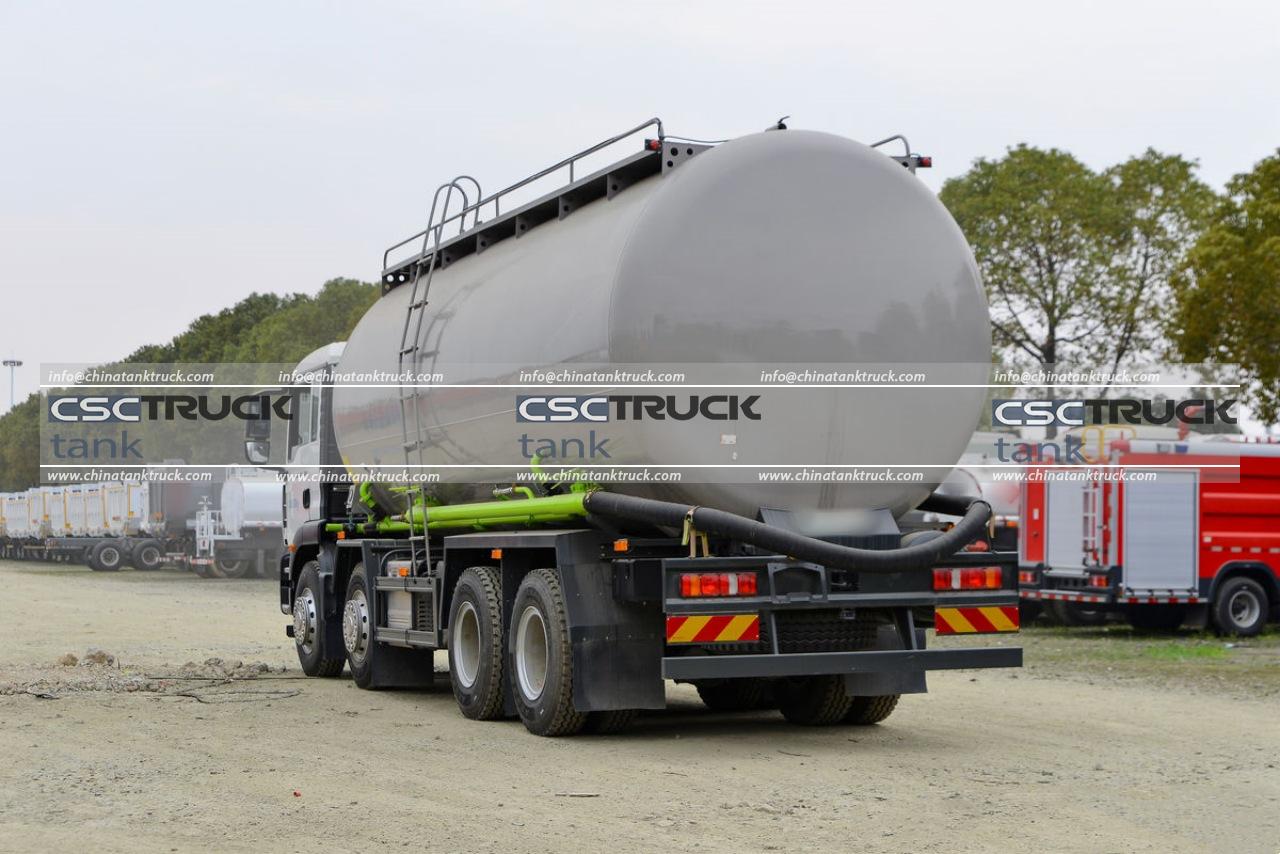
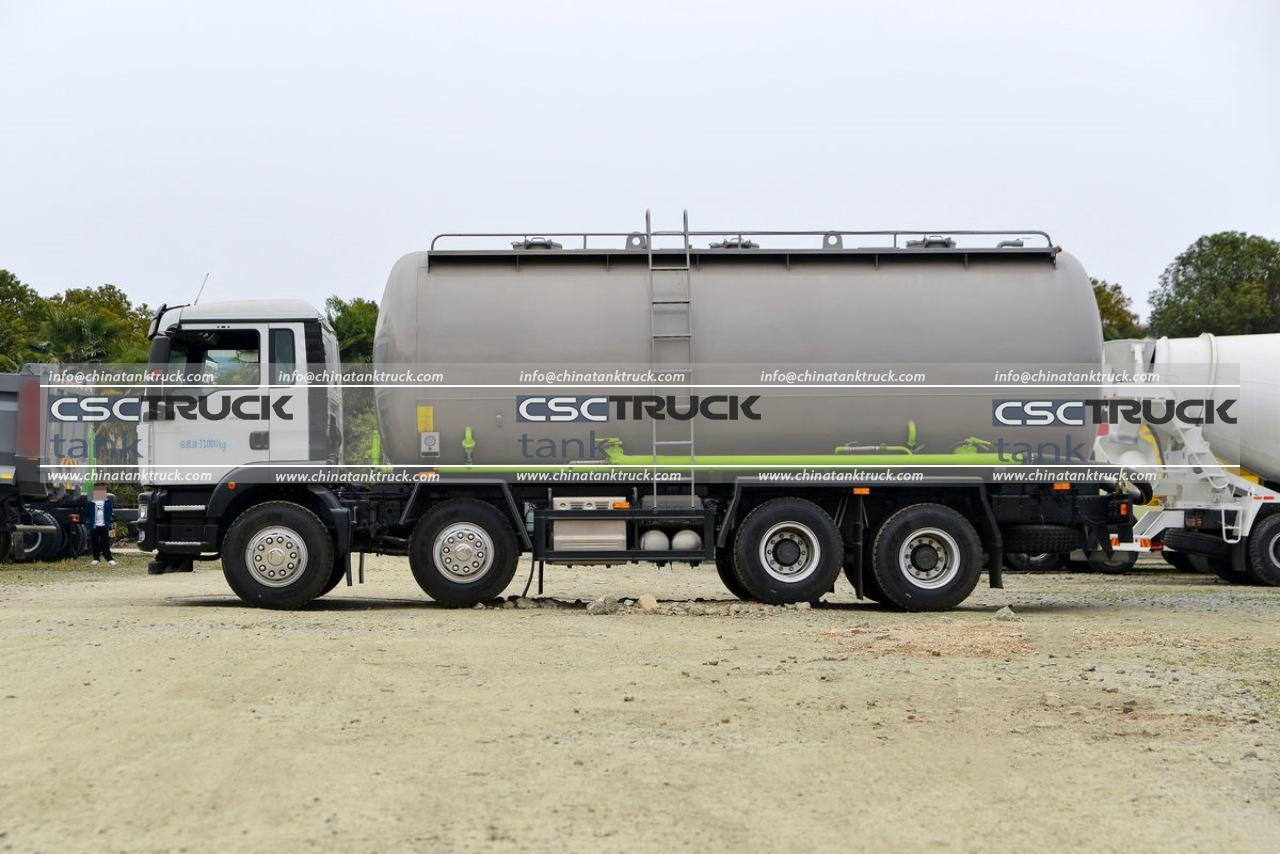
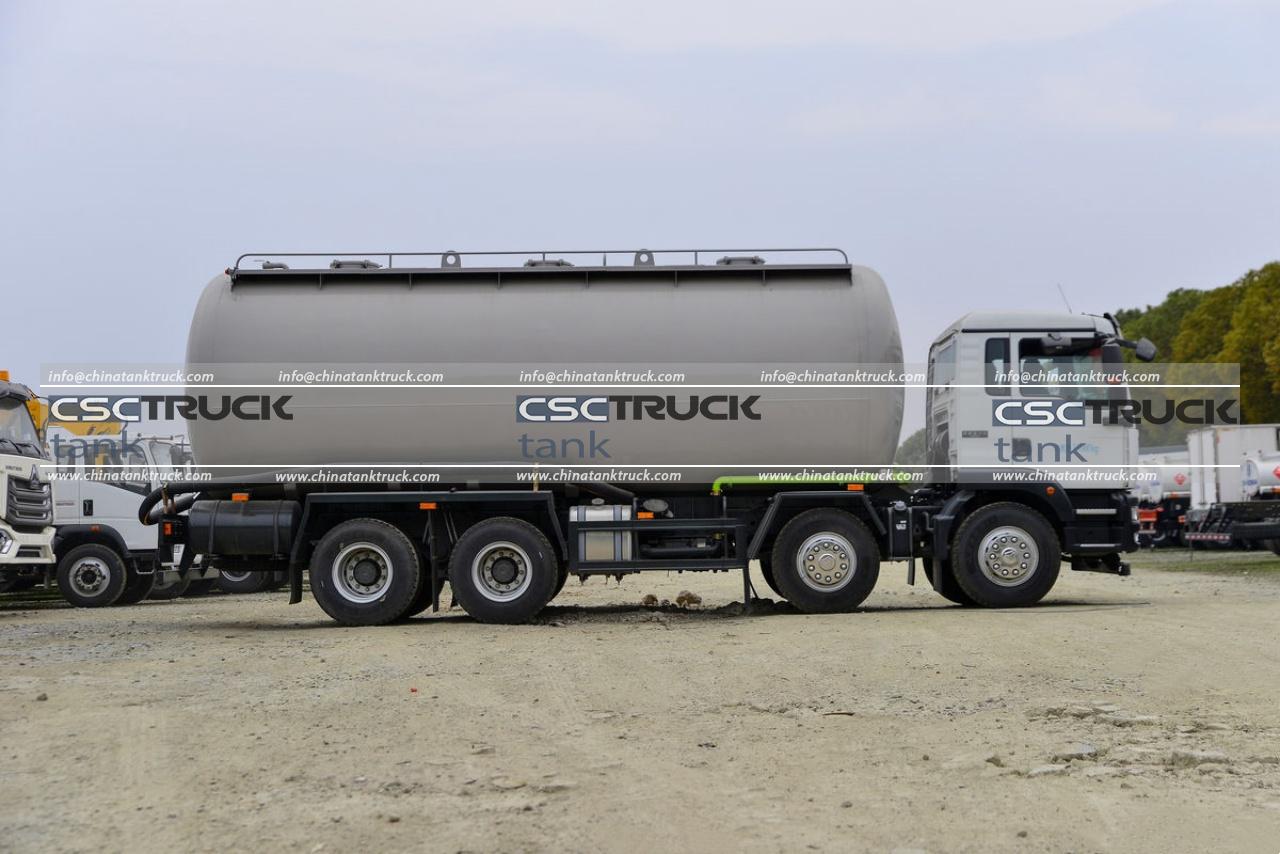
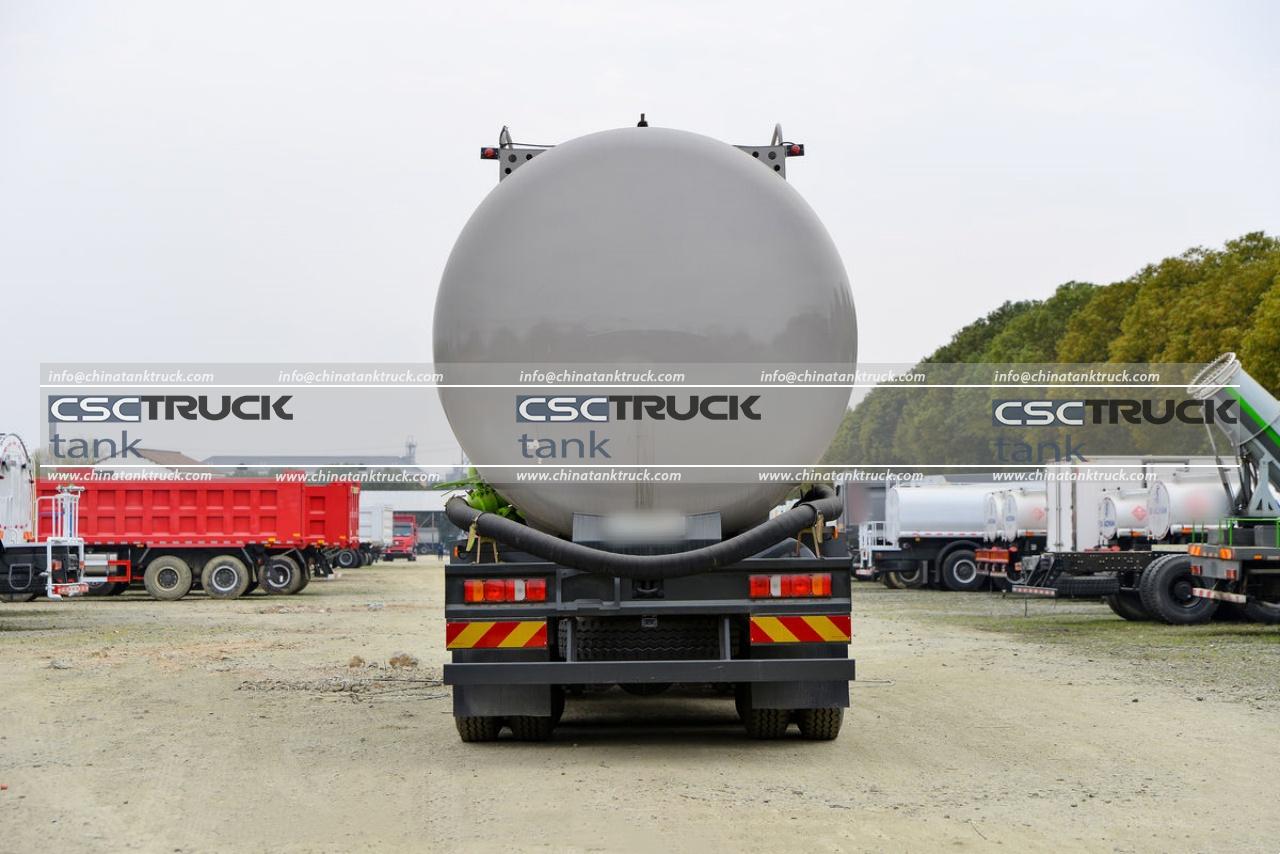
Pneumatic tank trucks are specialized vehicles designed for the safe and efficient transportation of dry bulk materials, including cement, fly ash, lime powder, chemical powders, and other granular products. Because these trucks operate with pressurized tanks and pneumatic discharge systems, proper safety procedures are essential to protect operators, equipment, transported materials, and surrounding personnel.
CSCTRUCK China Tank Truck is a professional manufacturer specializing in tank trucks and customized transportation solutions. The company provides various tanker vehicles, including pneumatic tank trucks designed for bulk powder transportation. With manufacturing experience, engineering capabilities, and strict quality control procedures, CSCTRUCK China Tank Truck develops vehicles focused on reliability, operational efficiency, and safety for customers worldwide.
Operating a pneumatic tank truck requires more than simply driving the vehicle. Drivers and operators must understand pressure systems, loading and unloading procedures, emergency response, and daily maintenance requirements. Following correct safety practices can significantly reduce the risk of accidents, equipment damage, and material contamination.
1. Receive Proper Training Before Operation
The first safety procedure for any pneumatic tank truck operator is receiving professional training. Operators should understand:
- Vehicle controls and operating systems
- Pneumatic discharge principles
- Compressor and air pressure systems
- Tank loading limitations
- Emergency shutdown procedures
- Safety regulations for bulk material transportation
A pneumatic tank truck combines a heavy-duty vehicle chassis with a pressurized bulk tank system. Operators who are unfamiliar with pressure equipment may accidentally create dangerous conditions by opening valves incorrectly, exceeding pressure limits, or operating the compressor improperly.
Training should include both classroom instruction and practical operation. Experienced operators should demonstrate loading, unloading, inspection, and emergency procedures before a new driver operates the vehicle independently.
2. Perform a Complete Pre-Trip Inspection
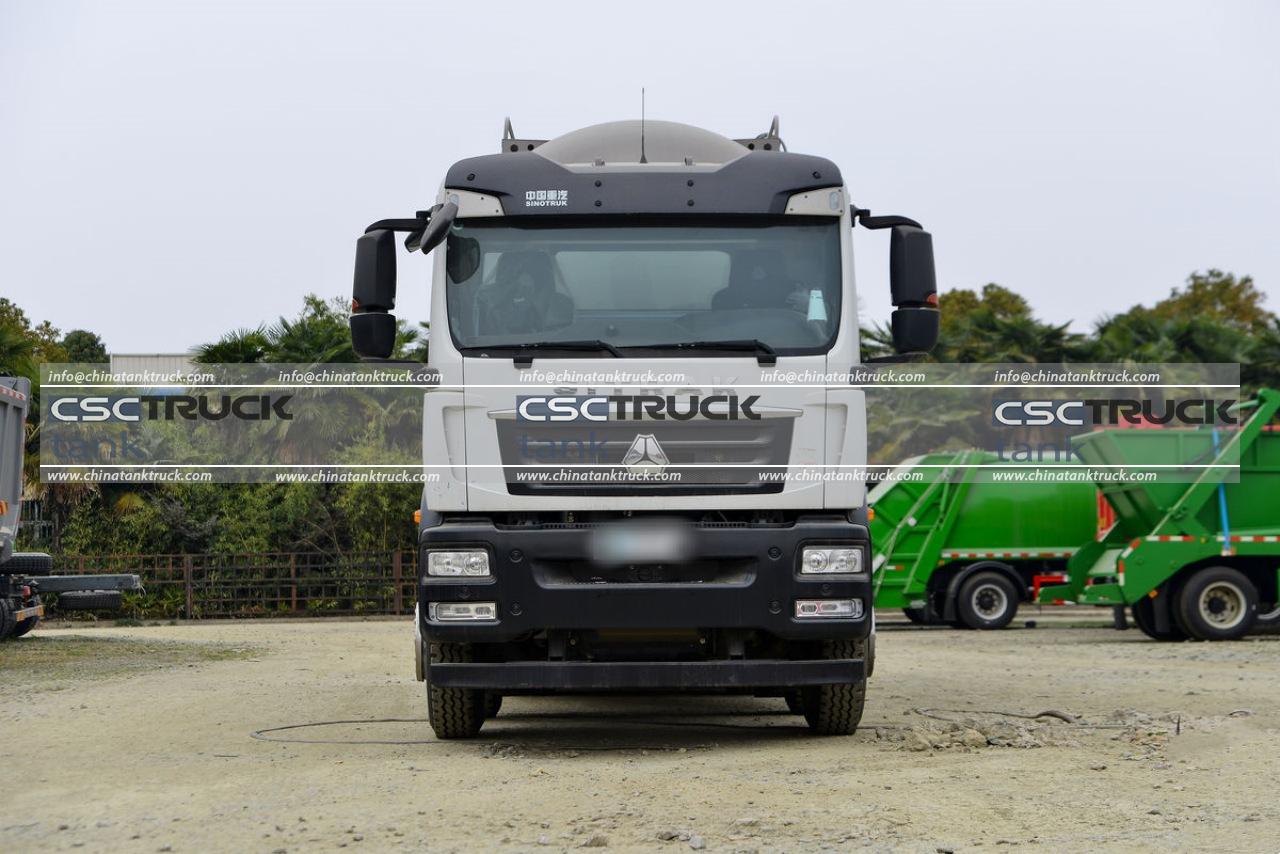
Before every journey, operators should conduct a detailed inspection of the pneumatic tank truck. A pre-trip inspection helps identify mechanical problems before they become safety hazards.
Important inspection points include:
Tank Body Inspection
Operators should check:
- Tank shell condition
- Weld areas for cracks or damage
- Manhole covers and seals
- Pressure relief valves
- Discharge pipelines
- Connection points
The tank must remain structurally sound because it operates under internal pressure during unloading.
Pneumatic System Inspection
The pneumatic system should be checked for:
- Compressor operation
- Air hoses and pipelines
- Air leaks
- Pressure gauges
- Valves and controls
Air leaks can reduce discharge efficiency and may indicate damaged components.
Vehicle Inspection
Drivers should also inspect:
- Tires and wheel condition
- Brake systems
- Lights and warning signals
- Engine fluids
- Suspension components
- Safety equipment
A pneumatic tank truck is often operated under heavy loads, so proper vehicle condition is critical for safe transportation.
3. Never Exceed the Rated Pressure
One of the most important safety rules for pneumatic tank truck operation is maintaining safe operating pressure.
During unloading, compressed air is introduced into the tank to fluidize and discharge powder materials. Operators must monitor pressure gauges continuously and ensure the pressure remains within the manufacturer’s recommended range.
Excessive pressure can cause:
- Damage to the tank structure
- Failure of valves or pipelines
- Leakage of materials
- Serious safety incidents
For example, many pneumatic tank trucks are equipped with pressure relief valves and safety devices to prevent dangerous pressure buildup. Operators must never disable, block, or modify these safety systems.
4. Follow Safe Loading Procedures
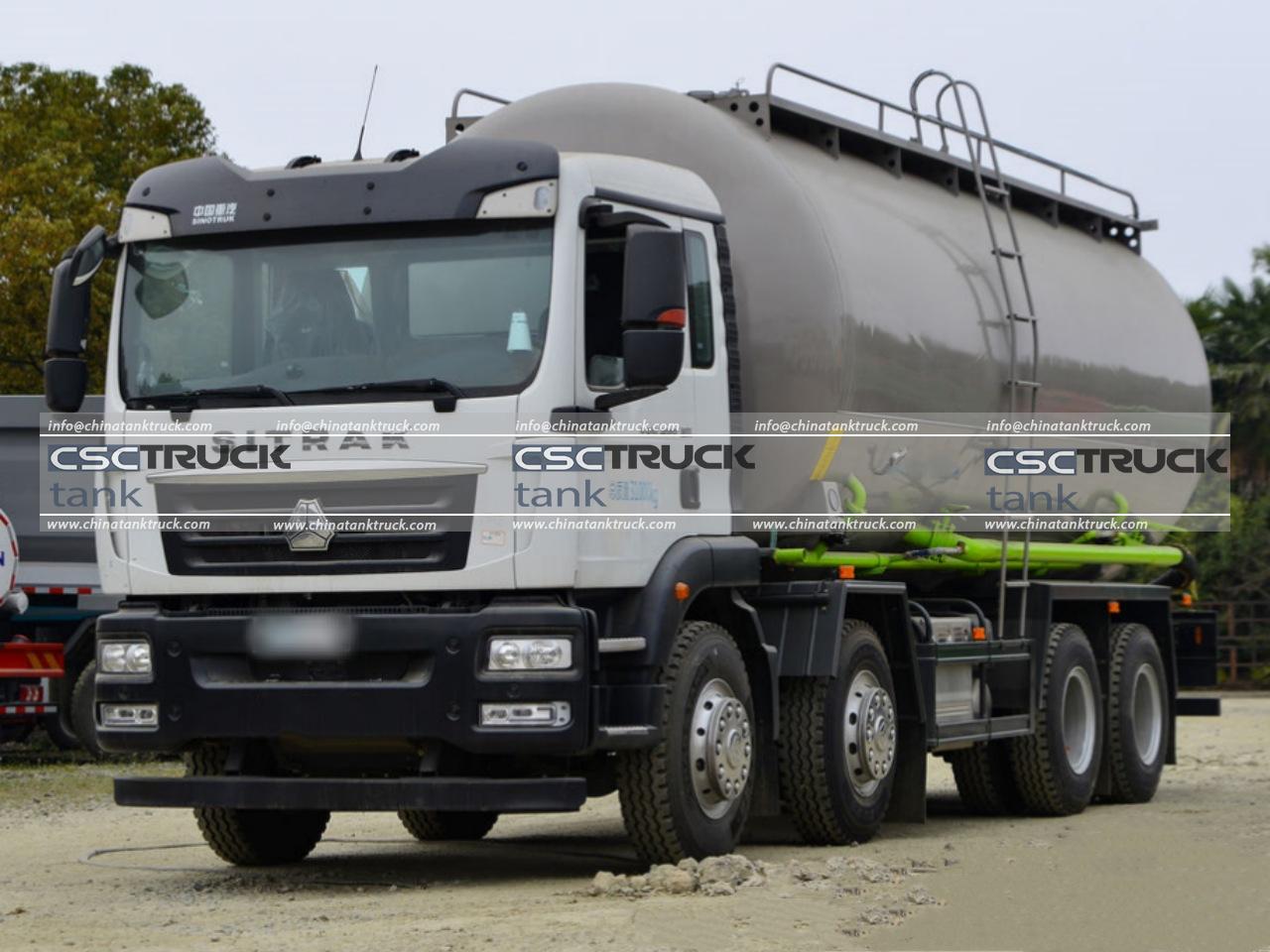
Proper loading is essential for both vehicle stability and operational safety.
Operators should:
- Confirm the correct material before loading
- Check that the tank is clean and suitable
- Avoid exceeding the maximum payload
- Ensure loading connections are secure
- Close all valves after loading
Overloading can affect:
- Vehicle braking performance
- Tire durability
- Suspension components
- Road handling ability
Uneven material distribution may also affect vehicle stability, especially when driving on curves or uneven roads.
5. Use Correct Unloading Procedures
The unloading process is one of the highest-risk stages of pneumatic tank truck operation because it involves pressurized equipment.
A safe unloading procedure usually includes:
Step 1: Park on Stable Ground
The truck should be positioned on level and stable ground before unloading. The parking brake must be applied, and unauthorized personnel should stay away from the operation area.
Step 2: Check Connections
Before starting the pneumatic system, operators should confirm:
- Discharge hoses are properly connected
- Valves are correctly positioned
- Connections are tightly secured
Loose connections may cause sudden hose movement or material leakage.
Step 3: Start the Pneumatic System Gradually
Operators should increase pressure slowly and monitor:
- Tank pressure
- Air compressor performance
- Material flow
- Pipeline condition
Sudden pressure increases may create unnecessary stress on the system.
Step 4: Complete Shutdown Correctly
After unloading:
- Stop the compressor
- Release pressure according to procedures
- Close valves
- Disconnect hoses carefully
Never open tank access points while pressure remains inside the vessel.
6. Wear Appropriate Personal Protective Equipment (PPE)
Pneumatic tank truck operators should use suitable protective equipment when working around the vehicle.
Recommended PPE includes:
- Safety glasses or goggles
- Protective gloves
- Safety shoes
- Dust masks or respirators when handling fine powders
- Hearing protection near compressors
Many bulk materials, such as cement, lime powder, and chemical powders, can create airborne dust during loading and unloading. Proper protection reduces exposure risks.
7. Maintain Safe Driving Practices
Although pneumatic tank trucks are specialized equipment, they are still heavy commercial vehicles that require careful driving.
Operators should:
- Maintain safe following distances
- Avoid sudden braking
- Reduce speed on curves
- Be cautious on slopes
- Follow legal weight limits
- Avoid aggressive acceleration
A fully loaded pneumatic tank truck has a higher center of gravity and greater braking distance compared with smaller vehicles. Smooth driving helps prevent rollovers and mechanical stress.
8. Conduct Regular Maintenance
Preventive maintenance is one of the most effective safety procedures.
Maintenance schedules should include:
Daily Checks
- Air leaks
- Valve operation
- Tire condition
- Warning systems
Regular Service
- Compressor maintenance
- Pressure valve inspection
- Tank inspection
- Pipeline cleaning
- Brake system servicing
Operators should report unusual noises, pressure problems, or abnormal discharge performance immediately.
Manufacturers such as CSCTRUCK China Tank Truck provide specialized tanker solutions and emphasize reliable construction and quality control to support long-term vehicle operation.
9. Follow Emergency Response Procedures
Operators should know what to do during emergencies, including:
Air System Failure
If pneumatic equipment fails:
- Stop operation
- Shut down the compressor
- Check for leaks
- Contact maintenance personnel
Material Leakage
If material leaks:
- Stop unloading immediately
- Keep people away
- Wear protective equipment
- Repair the problem before continuing
Vehicle Accident
In case of an accident:
- Secure the area
- Turn off the vehicle if safe
- Report the incident
- Follow company emergency procedures
Quick and correct action can prevent a small problem from becoming a major accident.
10. Keep Accurate Operating Records
Good documentation improves safety management.
Operators should record:
- Inspection results
- Maintenance activities
- Loading information
- Unloading locations
- Equipment problems
These records help identify repeated issues and support preventive maintenance planning.
Conclusion
Operating a pneumatic tank truck safely requires technical knowledge, thorough inspection, adherence to proper loading and unloading procedures, and continuous monitoring of equipment condition. Because these vehicles use pressurized systems to transport bulk materials, even small operational mistakes can create significant risks.
Professional manufacturers such as CSCTRUCK China Tank Truck provide reliable pneumatic tank truck solutions designed for industries requiring efficient and safe powder transportation. However, the safety performance of any pneumatic tank truck depends heavily on trained operators who consistently follow correct procedures.
By performing inspections, controlling pressure, using protective equipment, maintaining the vehicle, and following emergency protocols, operators can ensure safer transportation, longer equipment life, and more efficient bulk material handling operations.