
Introduction to CSCTRUCK China Tank Truck
In bulk material transportation, maintaining product purity is one of the most important responsibilities of pneumatic tank truck operators. Pneumatic tank trucks are widely used for transporting dry bulk materials such as cement, lime powder, chemical powders, minerals, food-grade powders, and other granular products. Because these materials are often sensitive to moisture, foreign particles, and chemical residues, preventing contamination is essential for ensuring product quality and safe delivery.
CSCTRUCK China Tank Truck is a professional manufacturer specializing in tank trucks and customized transportation equipment. The company provides solutions for industries requiring reliable liquid, gas, and powder transportation vehicles. CSCTRUCK China Tank Truck develops pneumatic tank trucks designed for efficient bulk material handling, with attention to durability, safety, and operational performance.
A pneumatic tank truck must be carefully designed, operated, and maintained to avoid contamination risks. Even small amounts of leftover materials, moisture, oil, or foreign substances can affect the quality of transported products. The following practices help operators maintain clean and contamination-free pneumatic transportation systems.
1. Select the Right Pneumatic Tank Truck for the Material
The first step in preventing contamination is choosing a pneumatic tank truck that matches the transported material.
Different products have different transportation requirements:
- Cement requires a tank resistant to abrasion and dust accumulation.
- Food-grade powders require strict hygiene standards and easy-clean surfaces.
- Chemical powders may require special materials to prevent reactions.
- Fine powders require effective sealing to avoid external contamination.
Using one tank truck for incompatible materials without proper cleaning can create cross-contamination problems. For example, transporting chemical powder and later carrying food ingredients in the same tank without complete sanitation could create serious safety risks.
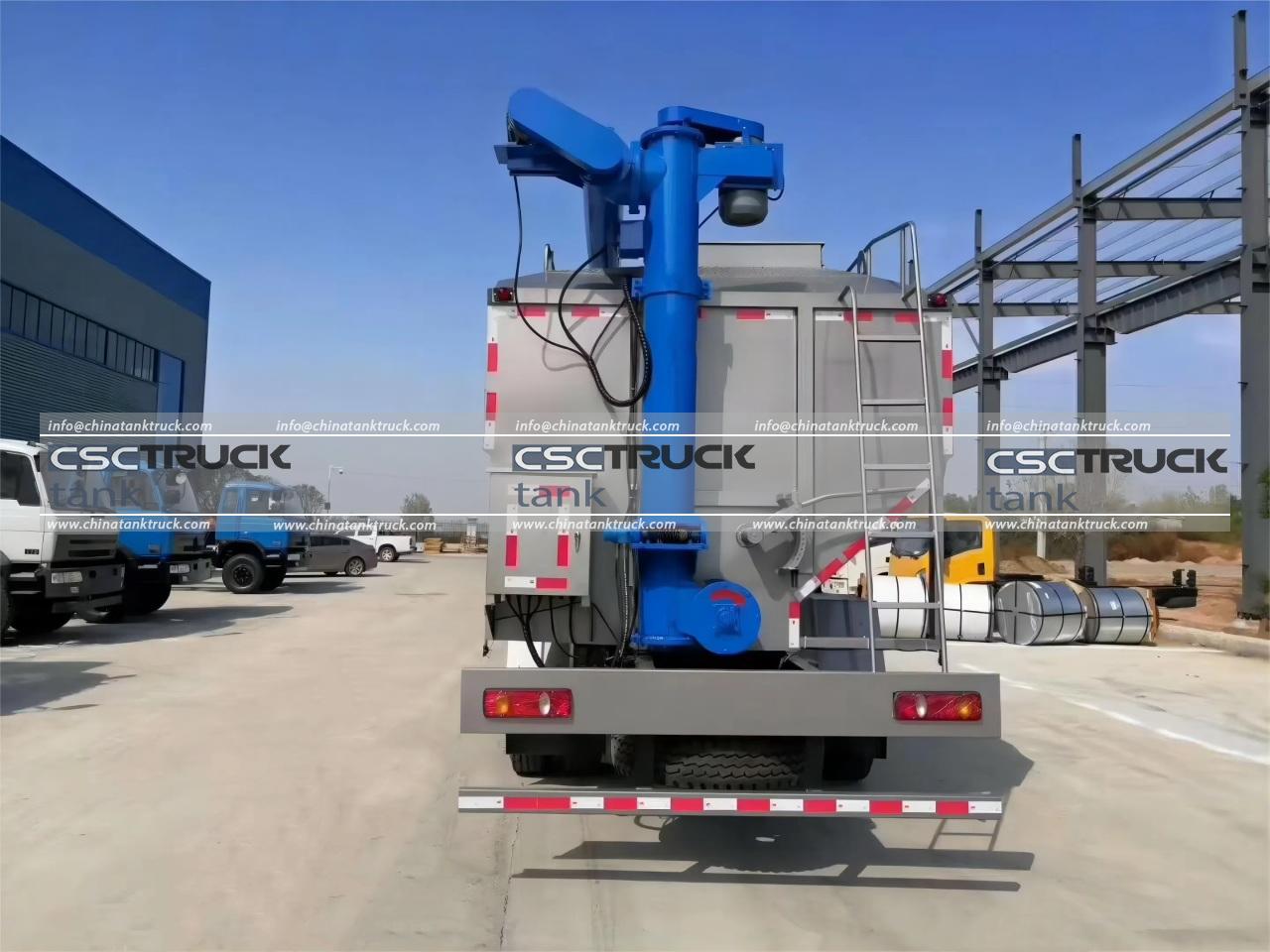
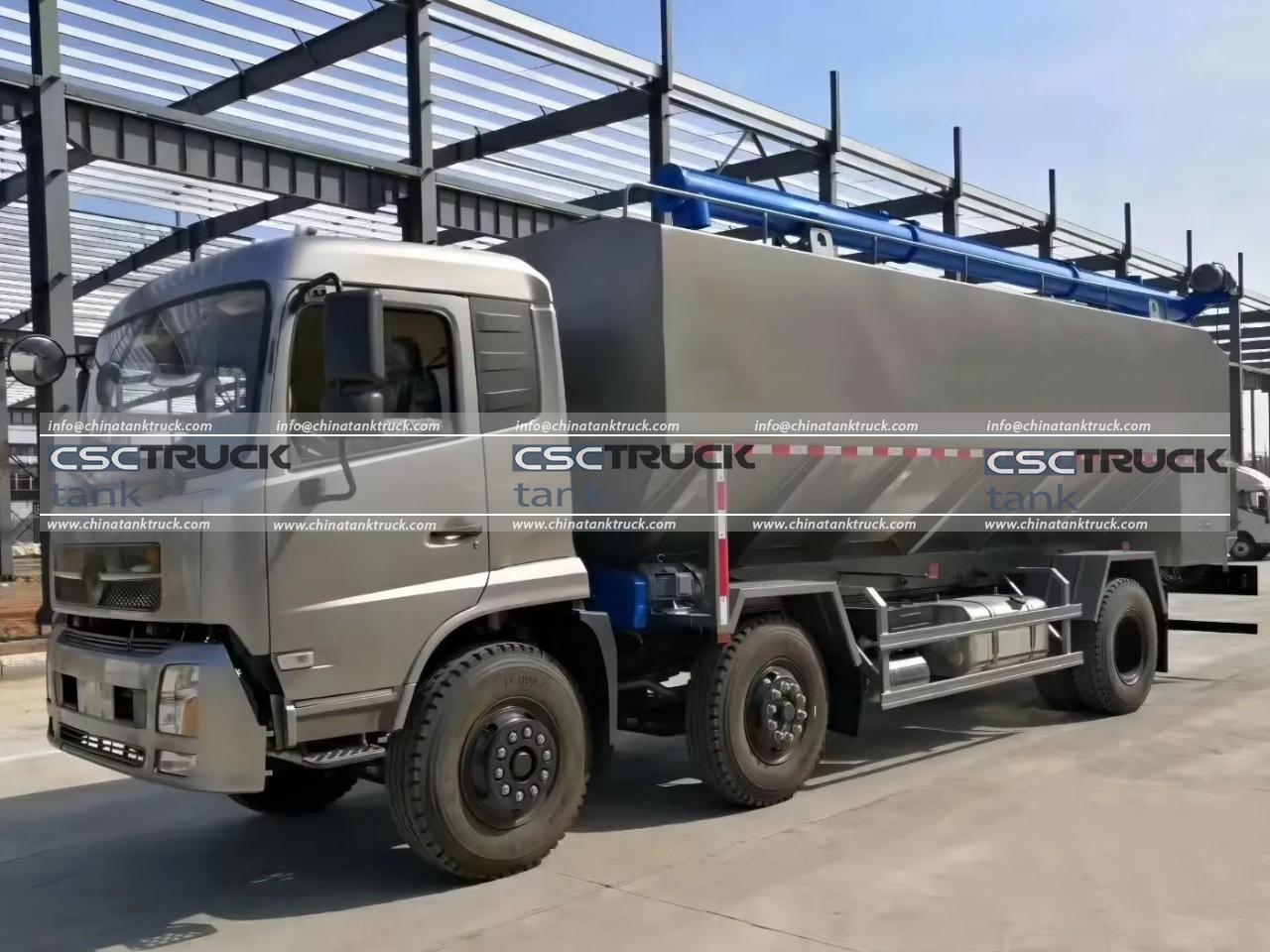
Manufacturers such as CSCTRUCK China Tank Truck provide different pneumatic tank truck configurations to meet various industrial requirements, including models designed for bulk powder transportation.
2. Perform Thorough Tank Cleaning After Each Operation
Regular cleaning is the most effective method for preventing contamination.
After unloading, operators should inspect the tank interior and remove:
- Remaining powder deposits
- Hardened material buildup
- Dust accumulation
- Moisture residue
- Foreign particles
Residual materials can remain inside tank corners, discharge pipes, valves, and air systems. During the next transportation cycle, these materials may mix with the new load.
A proper cleaning procedure usually includes:
- Completely emptying the tank.
- Opening inspection ports if necessary.
- Removing visible residues.
- Cleaning discharge pipelines.
- Checking valves and seals.
- Drying the tank before loading new material.
For food, pharmaceutical, or chemical applications, cleaning procedures may require additional inspection and documentation.
3. Keep Moisture Out of the Tank System
Moisture is one of the biggest contamination risks for pneumatic tank trucks.
Many dry bulk materials are highly sensitive to water. Cement, gypsum, lime, and similar powders can absorb moisture and form hard blocks inside the tank. This reduces unloading efficiency and may contaminate future loads.
To prevent moisture problems:
- Ensure the tank is completely dry before loading.
- Check air compressors and air dryers regularly.
- Inspect seals and covers for leaks.
- Avoid leaving the tank open during rain or humid conditions.
- Drain moisture from air systems frequently.
A well-maintained compressed air system helps keep transported materials dry and prevents product degradation.
4. Maintain Clean Loading and Unloading Equipment
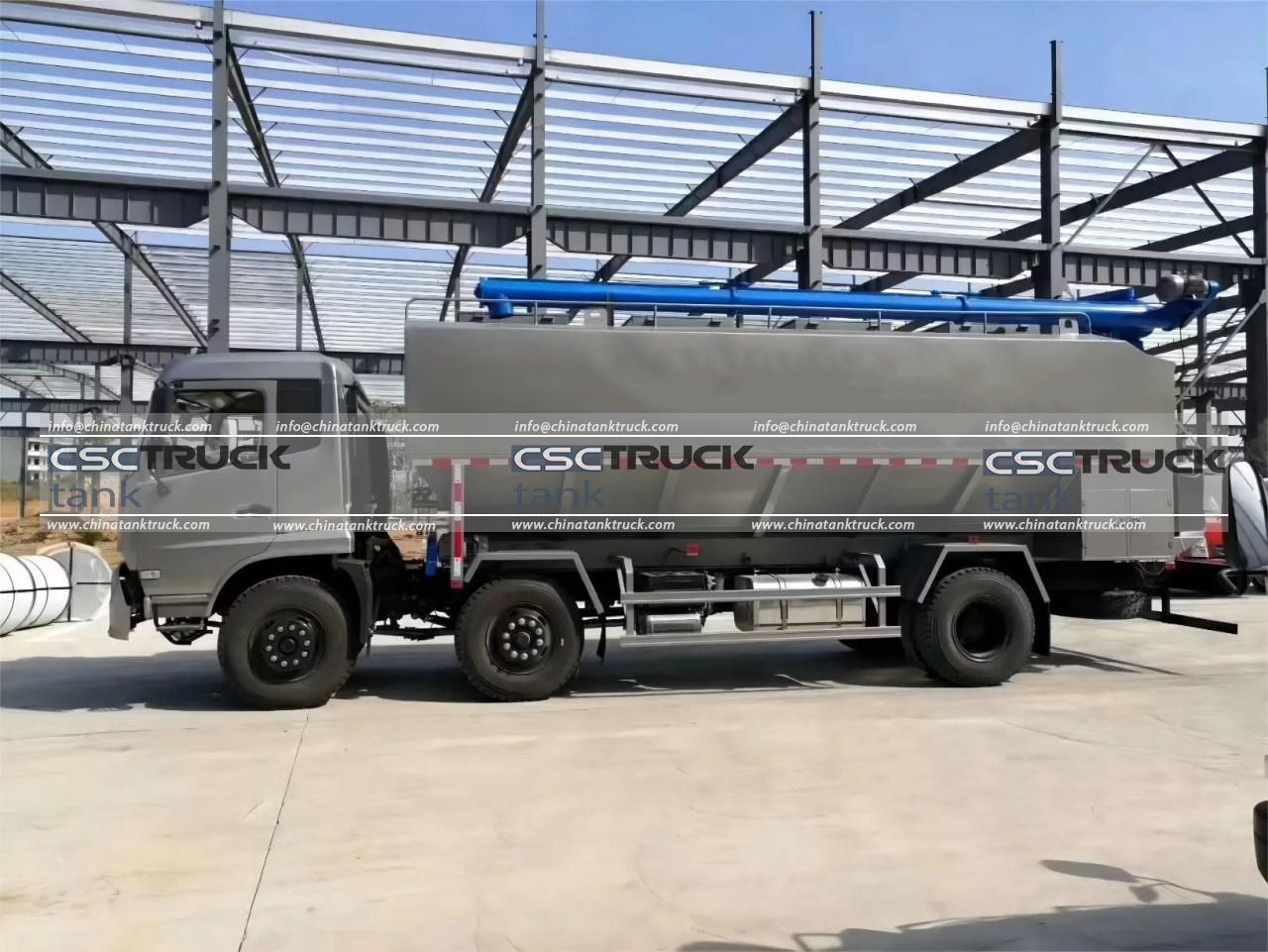
Contamination does not only occur inside the tank. Loading and unloading equipment can also introduce unwanted materials.
Important components requiring regular inspection include:
- Loading openings
- Discharge pipes
- Butterfly valves
- Air pipelines
- Filters
- Pressure relief systems
Operators should avoid placing dirty hoses or tools near product contact areas. If external equipment is shared between different materials, it should be cleaned before connection.
Damaged seals can also allow dust, water, or outside particles to enter the system. Replacing worn components promptly reduces contamination risks.
5. Use Proper Material Separation Practices
Many companies transport different types of bulk materials using the same fleet. In such cases, strict material separation procedures are necessary.
Recommended practices include:
- Assigning specific trucks to specific materials whenever possible.
- Recording previous cargo information.
- Cleaning tanks between different products.
- Labeling tanks according to their approved applications.
- Avoiding the transportation of incompatible materials.
A transportation history record helps operators determine whether additional cleaning is needed before loading.
For example, a tank previously used for industrial chemicals should not automatically be used for food-grade powder transportation without proper cleaning verification.
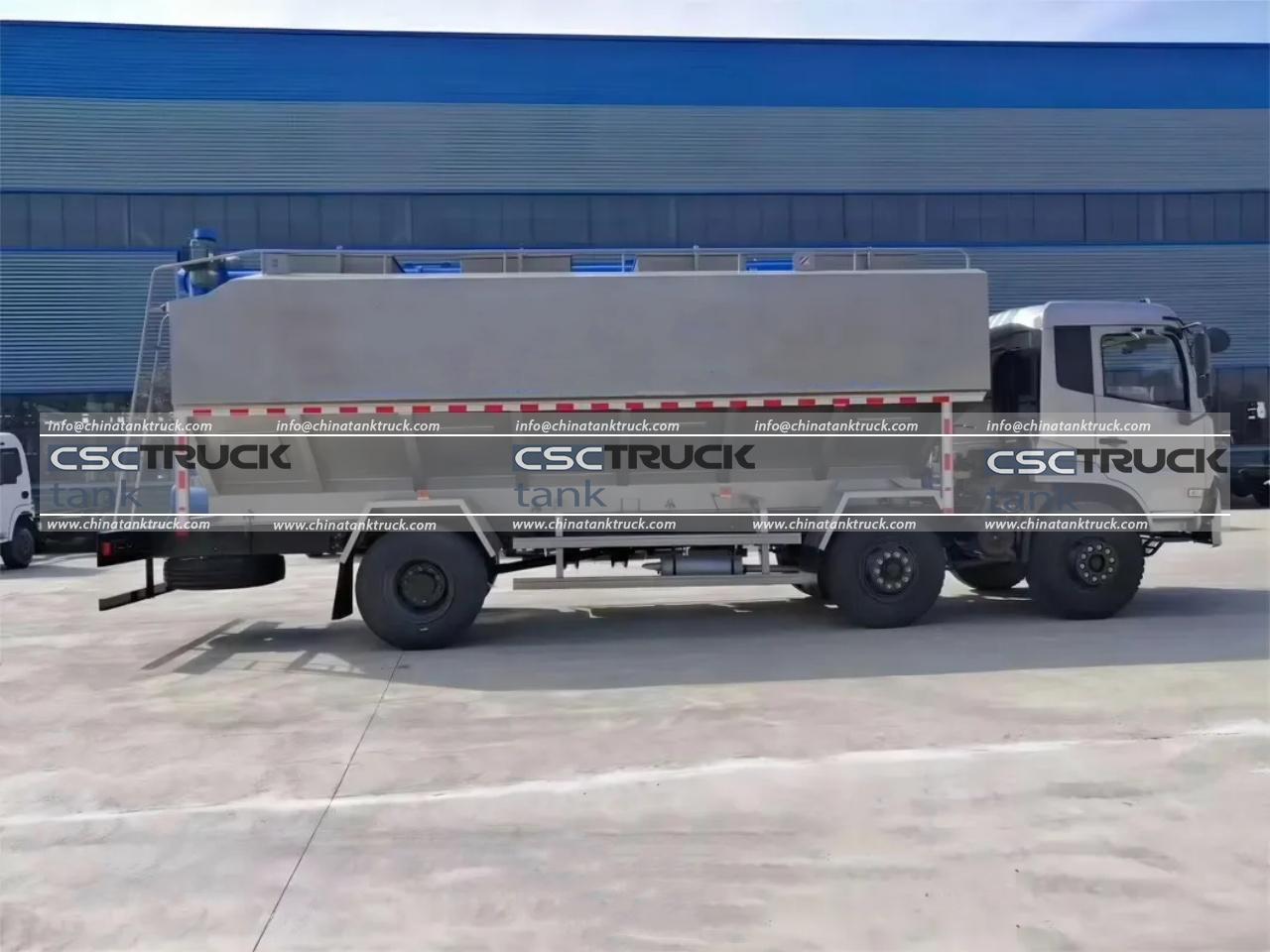
6. Inspect Tank Interior Regularly
Routine inspections help identify contamination sources before they become serious problems.
Operators should check:
Tank Walls
The interior surface should remain smooth and free from corrosion, cracks, or material buildup.
Welded Areas
Damaged welds may collect powder residues and create difficult-to-clean areas.
Valves and Connections
Leaks or damaged components may introduce external contaminants.
Air Delivery System
Oil contamination from compressors or dirty air filters can affect product quality.
Regular inspections are especially important for vehicles operating in harsh environments or transporting sensitive materials.
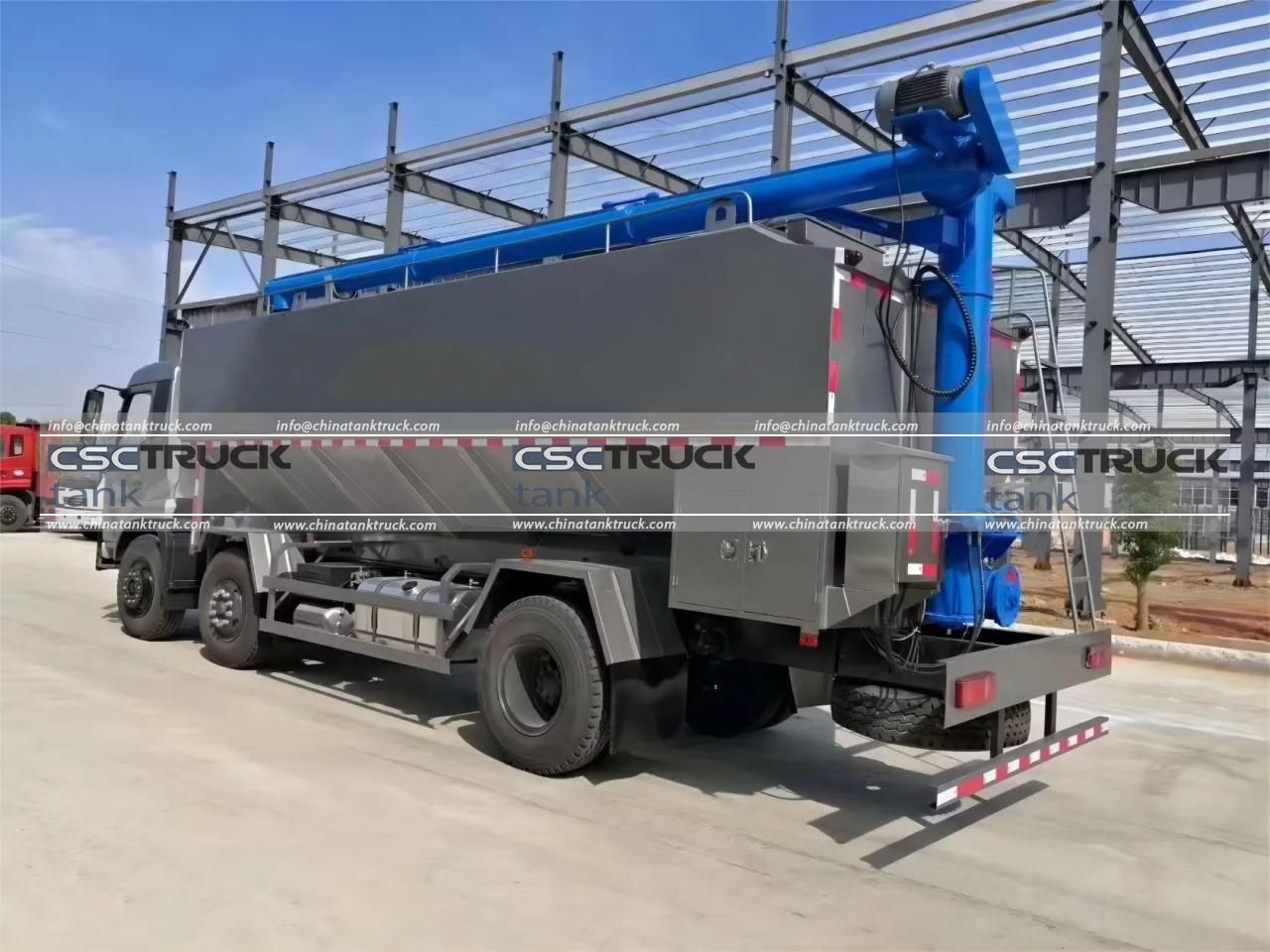
7. Maintain the Air Compressor System
The pneumatic unloading process depends on compressed air. If the air supply is contaminated, the transported material can also become contaminated.
Operators should:
- Replace air filters according to maintenance schedules.
- Check compressor lubrication systems.
- Prevent oil from entering product pipelines.
- Inspect air dryers.
- Monitor air pressure performance.
Clean compressed air ensures efficient unloading while protecting product quality.
8. Train Operators on Contamination Prevention
Even the best equipment can experience contamination problems if operators do not follow proper procedures.
Driver and maintenance training should include:
- Correct loading procedures
- Cleaning requirements
- Inspection methods
- Emergency handling
- Valve operation
- Documentation procedures
Operators should understand that contamination prevention is not only a maintenance task but also an operational responsibility.
9. Avoid Overloading the Pneumatic Tank Truck
Overloading can create several contamination-related problems.
When a tank is overloaded:
- Material may accumulate unevenly.
- Unloading efficiency decreases.
- Residues may remain inside the tank.
- Airflow distribution becomes unstable.
Operating within the designed capacity range helps maintain proper material movement and reduces leftover material inside the tank.
CSCTRUCK China Tank Truck pneumatic tank trucks are available in different capacities and configurations to match various transportation requirements, helping customers select suitable vehicles for their applications.
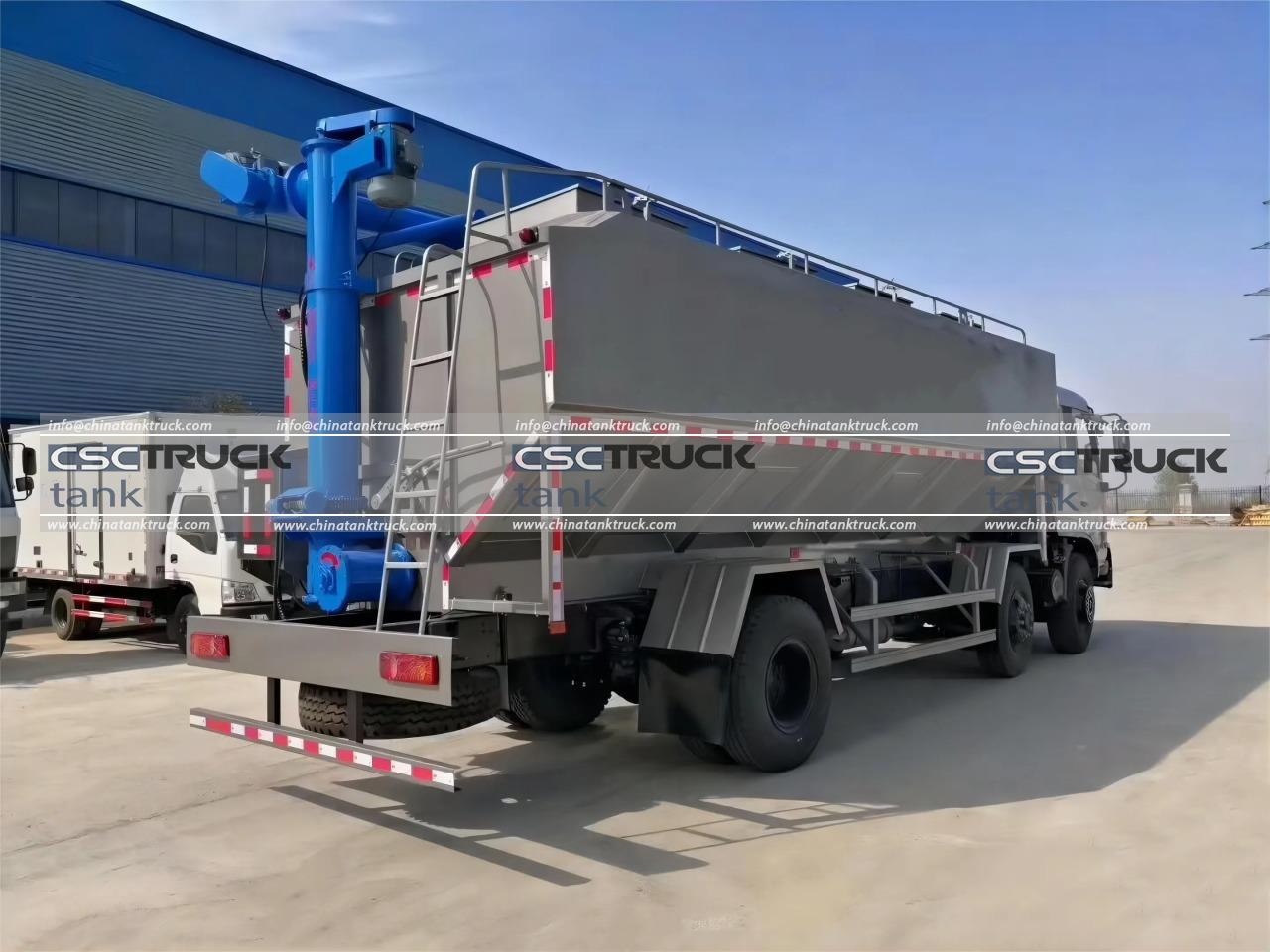
10. Establish a Preventive Maintenance Program
Preventive maintenance is essential for long-term contamination control.
A maintenance schedule should include:
Daily Checks
- Inspect hoses and valves.
- Check for leaks.
- Confirm tank cleanliness.
Monthly Checks
- Inspect air systems.
- Check seals and filters.
- Examine discharge equipment.
Periodic Service
- Conduct complete tank inspections.
- Replace worn components.
- Verify pressure system performance.
A proactive maintenance approach reduces unexpected failures and protects transported materials.
Conclusion
Avoiding contamination in pneumatic tank truck operations requires a combination of proper equipment selection, regular cleaning, moisture control, equipment maintenance, and operator training. Every part of the transportation process—from loading to unloading—can influence product quality.
A reliable pneumatic tank truck is the foundation of clean and efficient bulk transportation. With professional manufacturing experience and customized solutions, CSCTRUCK China Tank Truck provides pneumatic tank truck options designed for industries that require safe, dependable, and contamination-controlled material handling.
By following strict contamination prevention procedures, companies can reduce product loss, improve transportation efficiency, and ensure that every load arrives at its destination in the expected condition.