
Introduction: CSCTRUCK China Tank Truck and Reliable Bulk Material Transport
In industries such as construction, cement production, chemical processing, mining, and agriculture, pneumatic tank trucks play an essential role in transporting dry bulk materials efficiently. These specialized vehicles use compressed air systems to move powders, granules, and other dry materials from the tank into storage silos or processing equipment. However, one of the most common operational challenges is material blockage, which can reduce unloading efficiency, increase downtime, and potentially damage equipment.
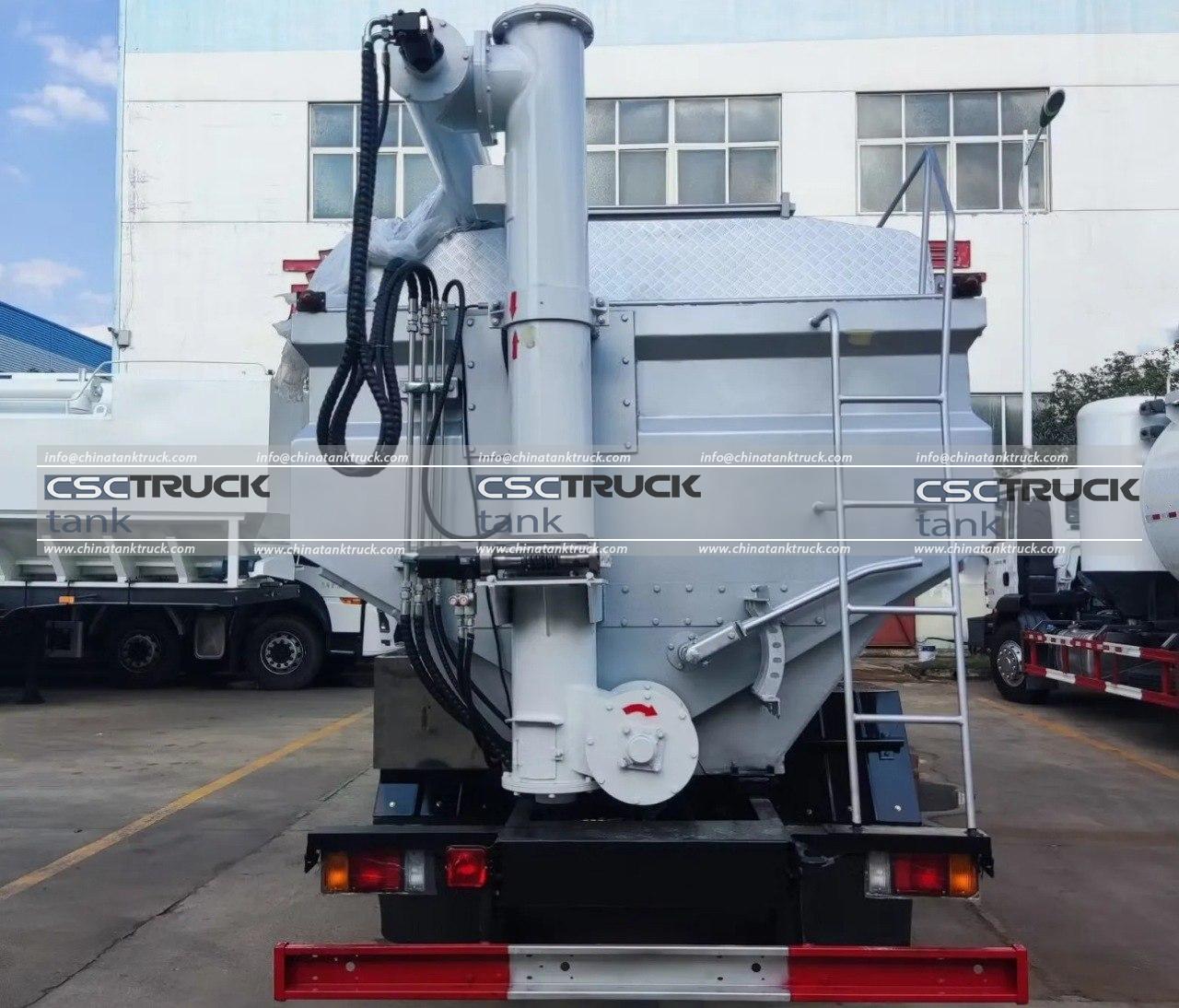
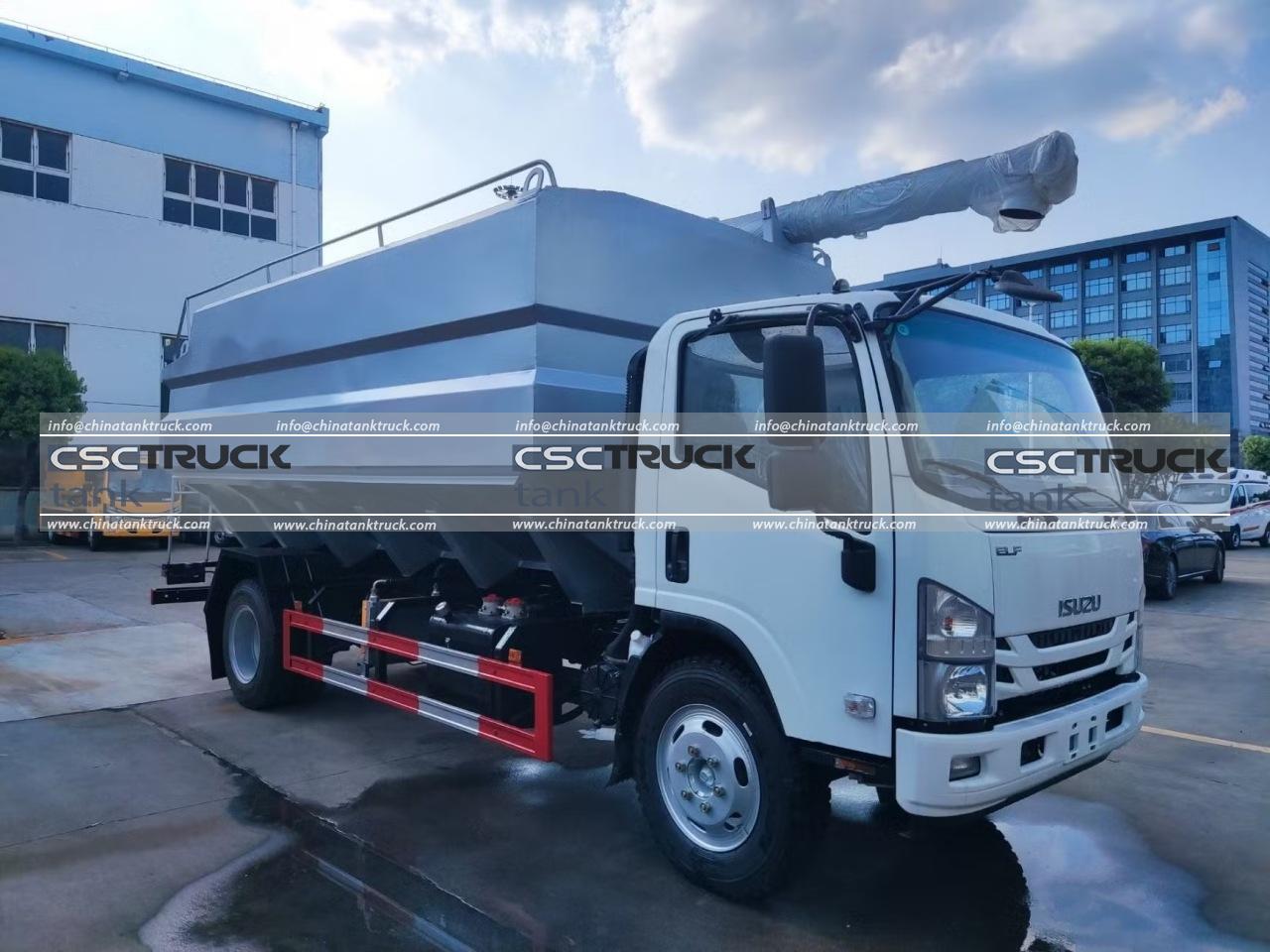
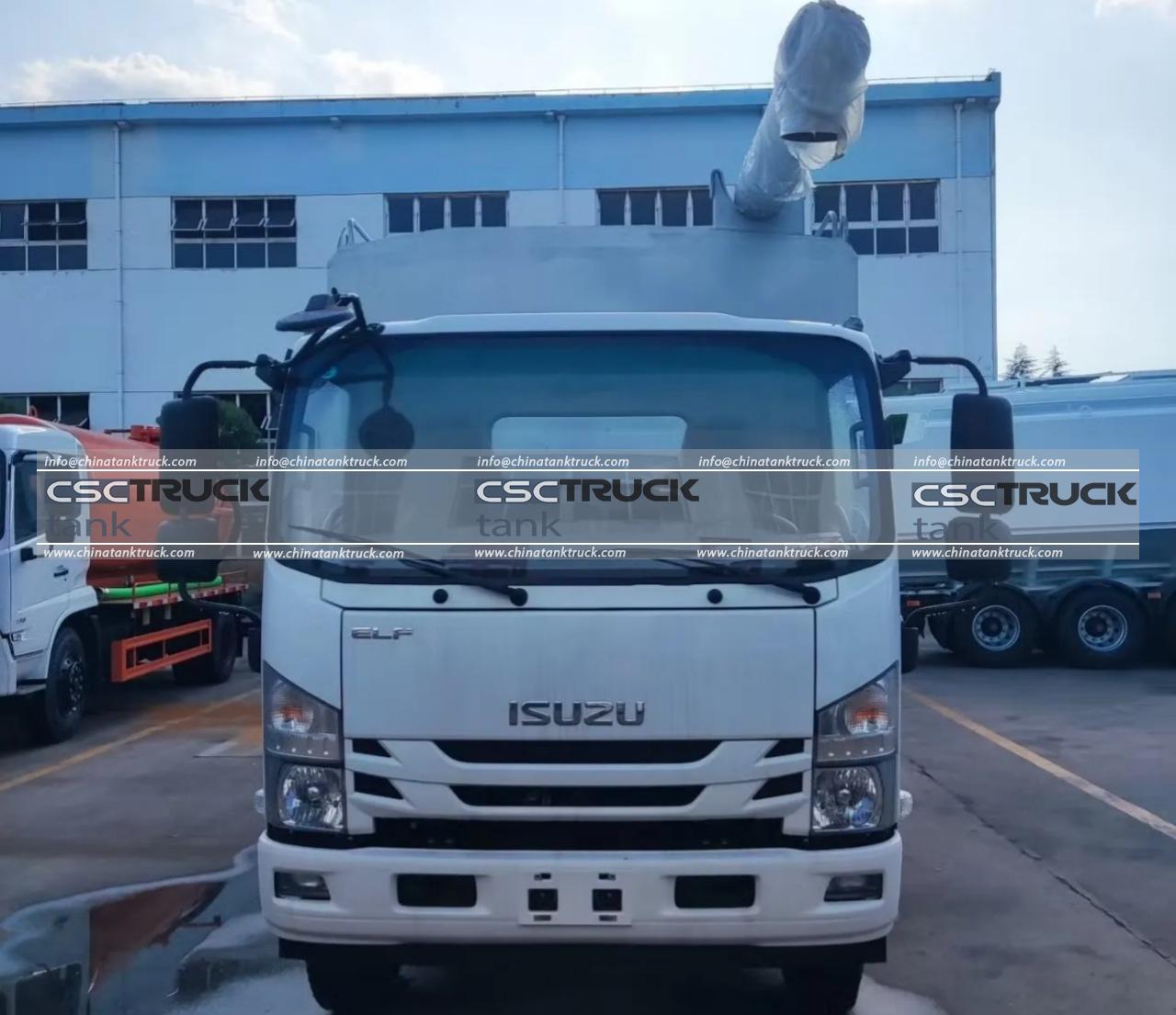
CSCTRUCK China Tank Truck is a professional manufacturer specializing in tank trucks and special-purpose vehicles. The company provides customized transportation solutions for various industries, including bulk powder transport applications. CSCTRUCK China Tank Truck focuses on reliable designs, strict manufacturing standards, and practical solutions for customers requiring efficient and safe material handling equipment. Its pneumatic tank trucks are designed for transporting materials such as cement, powders, and granules while improving unloading performance and operational reliability.
Preventing blockages is a key part of operating a pneumatic tank truck correctly. Understanding the causes of blockages and applying proper operating and maintenance methods can significantly improve productivity and extend vehicle service life.
1. Understand Why Pneumatic Tank Truck Blockages Occur
Before preventing blockages, operators must understand their causes. A pneumatic tank truck relies on a combination of compressed air, pressure control, and material flow characteristics. If any part of this system is not working correctly, material movement can slow down or stop completely.
Material Moisture Problems
Moisture is one of the biggest causes of blockage. Many dry bulk materials, including cement, lime powder, and mineral powders, absorb moisture easily. When moisture enters the tank, materials can become sticky and form lumps that cannot flow smoothly through discharge pipelines.
Moisture may enter through:
- Poorly sealed tank covers
- Wet loading areas
- Rain exposure during operation
- Condensation inside the tank
Keeping materials dry before loading is one of the most effective ways to prevent blockages.
Incorrect Material Loading
Overloading the tank or loading materials unevenly can also create flow problems. When a tank is filled beyond its recommended capacity, there may not be enough air space for effective fluidization and discharge.
Operators should always follow the rated loading capacity and ensure that materials are evenly distributed inside the tank.
Insufficient Air Pressure
Pneumatic unloading depends on compressed air to create material movement. If the pressure is too low, the air cannot properly suspend and transport the material through the pipeline.
Common causes include:
- Compressor problems
- Air leakage
- Damaged valves
- Incorrect pressure settings
Maintaining proper operating pressure is essential for smooth unloading.
2. Maintain Proper Air Supply During Unloading
The compressed air system is the heart of a pneumatic tank truck. A stable air supply helps prevent material from settling and blocking the discharge system.
Operators should:
- Check compressor performance before operation
- Inspect air hoses and connections for leaks
- Confirm pressure gauges are functioning correctly
- Clean air filters regularly
- Avoid sudden pressure changes
During unloading, air pressure should be increased gradually rather than suddenly. Rapid pressure changes can cause material to compact inside the tank or pipeline.
3. Use Correct Unloading Procedures
Proper unloading procedures can prevent most blockage problems.
A recommended process includes:
Step 1: Park on Level Ground
The truck should be positioned on stable and relatively flat ground. Excessive vehicle inclination may cause materials to collect in certain areas of the tank, reducing discharge efficiency.
Step 2: Connect the Discharge Pipeline Correctly
Before starting the unloading process:
- Check that the discharge hose is properly connected
- Ensure there are no sharp bends
- Confirm valves are open in the correct sequence
A restricted pipeline can quickly lead to material accumulation.
Step 3: Start Air Pressure Gradually
Operators should allow pressure to build slowly. This helps fluidize the material evenly and prevents sudden blockage.
Step 4: Monitor Material Flow
During unloading, operators should observe:
- Pressure readings
- Material discharge speed
- Compressor operation
- Pipeline vibration
If discharge becomes slower than normal, action should be taken immediately before a complete blockage develops.
4. Keep Discharge Pipelines Clean
The discharge pipeline is one of the most common blockage locations. Residual materials left inside pipes can harden over time and reduce the available flow area.
To avoid this problem:
- Clean pipelines after unloading
- Remove remaining powder deposits
- Inspect pipe bends regularly
- Replace damaged hoses
Long pipelines with many bends create greater resistance and increase the possibility of blockage. Whenever possible, use shorter and smoother pipeline arrangements.
5. Choose the Right Tank Design for the Material
Different materials require different pneumatic tank configurations. A tank designed for cement may not perform equally well with materials that have different densities, particle sizes, or moisture characteristics.
Important design factors include:
Tank Shape
A properly designed tank allows materials to move naturally toward discharge outlets. Poor internal designs may create dead zones where materials accumulate.
Fluidization System
Fluidization pads or air chambers help loosen compacted materials and improve flow. They must be maintained properly to ensure consistent performance.
Discharge Outlet Design
The outlet size, valve design, and pipeline diameter directly affect unloading efficiency. Incorrect specifications can increase blockage risks.
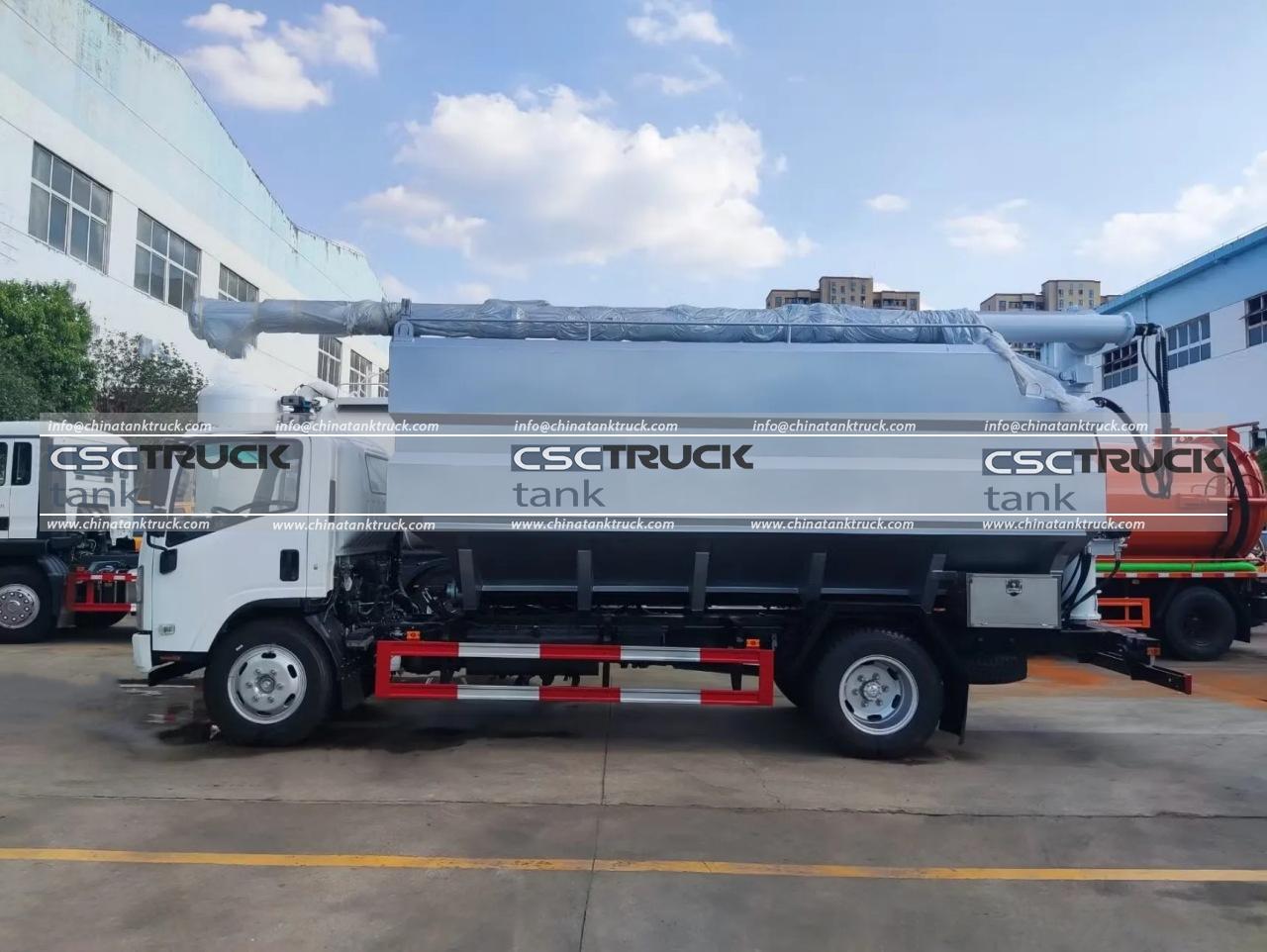
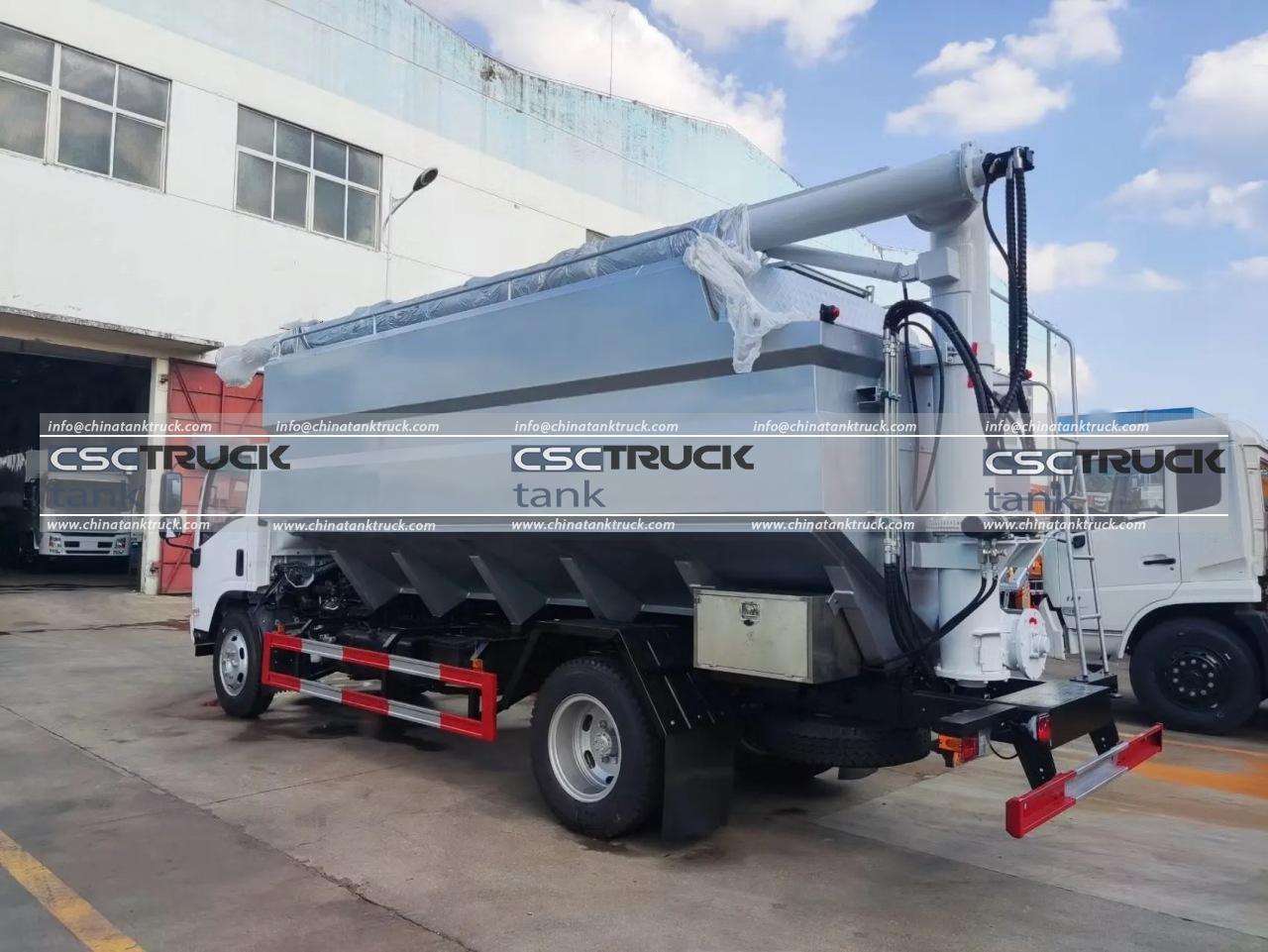
CSCTRUCK China Tank Truck offers different pneumatic tank truck configurations designed for bulk material transportation needs, including models with different capacities and chassis options.
6. Perform Regular Maintenance
Preventive maintenance is more effective than repairing a blocked system during operation.
Important maintenance tasks include:
Inspect Valves
Valves control material flow and air pressure. Damaged or blocked valves can interrupt unloading.
Check Air Compressor Components
The compressor should be inspected regularly for:
- Lubrication problems
- Abnormal noise
- Reduced air output
- Overheating
Clean the Tank Interior
Over time, powder residue can accumulate inside the tank. Regular cleaning prevents hardened deposits.
Inspect Pressure Equipment
Pressure gauges, safety valves, and air lines should be checked frequently to ensure accurate operation.
7. Train Operators Properly
Operator experience has a major impact on blockage prevention. Even a well-designed pneumatic tank truck can experience problems if operated incorrectly.
Training should include:
- Understanding material characteristics
- Correct loading methods
- Proper pressure control
- Emergency blockage procedures
- Daily inspection routines
Operators should avoid attempting to force material flow by excessively increasing pressure, as this may damage pipelines or other components.
8. How to Clear a Pneumatic Tank Truck Blockage Safely
If a blockage occurs, operators should follow safe procedures.
Stop the Unloading Process
Immediately stop the compressor and close relevant valves.
Release Pressure Safely
Never open pipelines or tank covers while the system is pressurized.
Identify the Blockage Location
Check:
- Discharge outlet
- Valves
- Pipeline bends
- Hose connections
Remove the Blockage Carefully
Use approved cleaning tools and methods. Avoid striking pressure components or using unsafe methods that could damage equipment.
Conclusion
Preventing pneumatic tank truck material blockages requires a combination of proper operation, regular maintenance, correct equipment selection, and operator training. Moisture control, stable air pressure, clean pipelines, and suitable unloading procedures are essential for maintaining efficient material flow.
A reliable manufacturer such as CSCTRUCK China Tank Truck helps customers achieve better bulk transportation performance through professionally designed pneumatic tank trucks and customized solutions. By following recommended operating practices and maintaining equipment regularly, businesses can reduce downtime, improve unloading efficiency, and extend the working life of their pneumatic tank trucks.