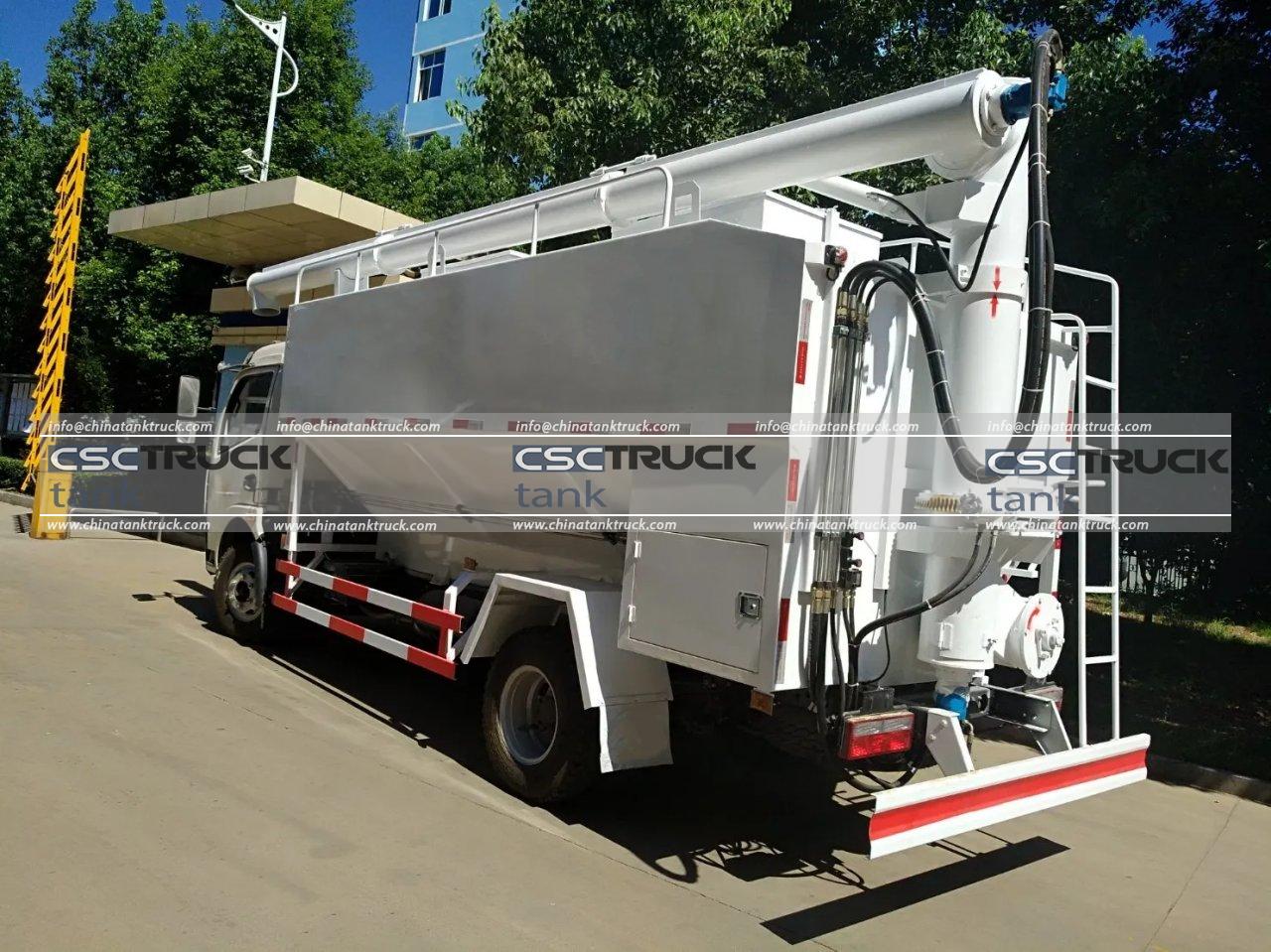

Pneumatic tank trucks are widely used for transporting and unloading dry bulk materials such as cement, fly ash, lime, flour, plastic pellets, silica sand, and other powdered or granular products. These specialized vehicles use compressed air to fluidize and discharge cargo quickly without requiring external unloading equipment. Their efficiency has made them an essential part of industries including construction, chemical manufacturing, food processing, and agriculture.
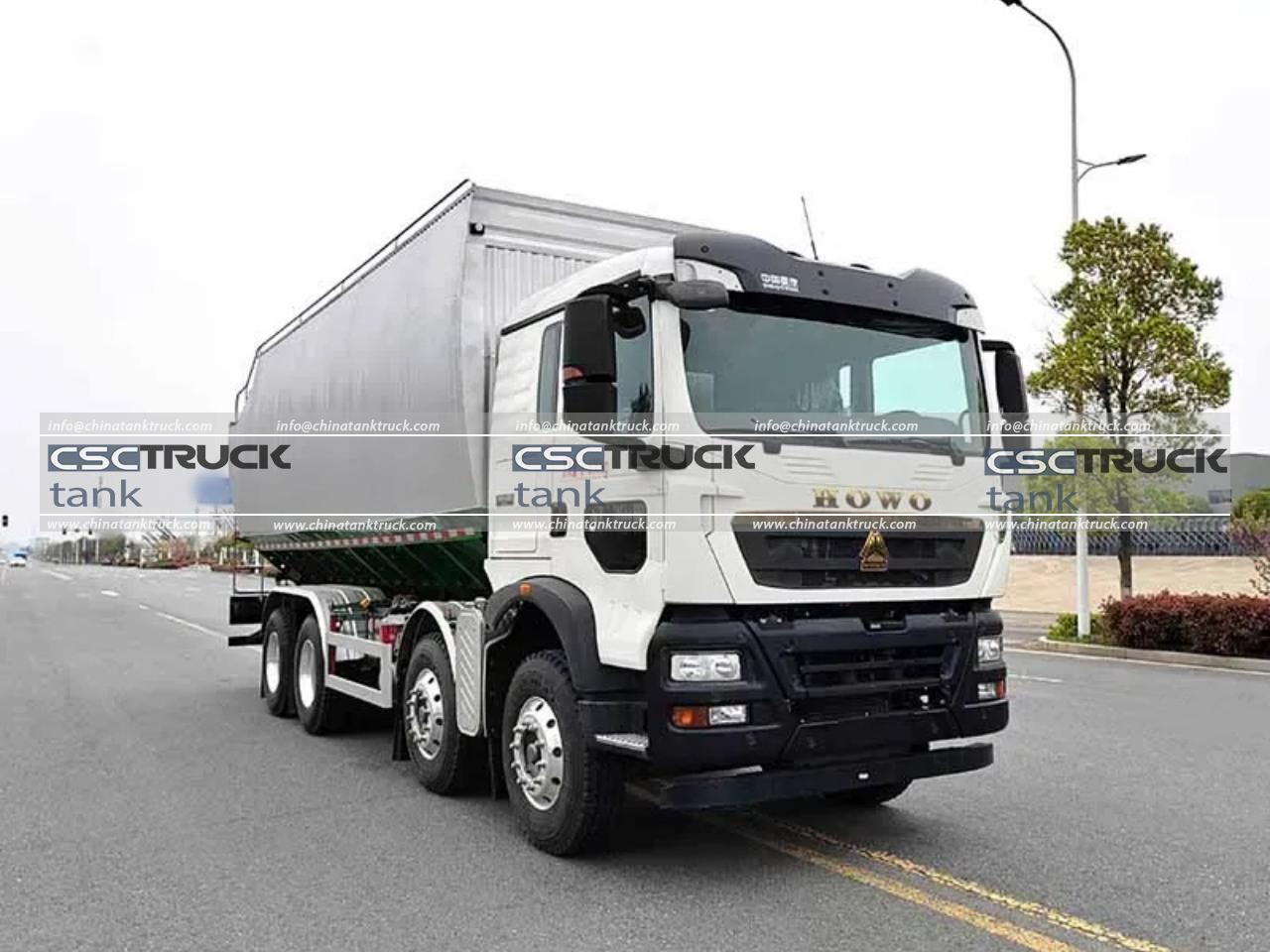
As one of China‘s professional manufacturers of specialized transport equipment, CSCTRUCK China Tank Truck offers a wide range of pneumatic tank trucks designed for reliable dry bulk transportation. Founded in 2005, the company manufactures customized tank trucks for global customers using advanced production technologies, strict quality control, and tailored engineering solutions. Its product portfolio includes dry bulk tank trucks, fuel tankers, LPG transport vehicles, chemical tank trucks, and many other specialized commercial vehicles for various industries.
While pneumatic tank trucks provide numerous operational advantages, they are not the perfect solution for every application. Understanding their limitations helps fleet managers choose the right equipment for their transportation needs.
1. Higher Initial Purchase Cost
One of the biggest disadvantages of pneumatic tank trucks is their relatively high purchase price.
Unlike conventional dump trucks or gravity-discharge trailers, pneumatic tank trucks require:
- Heavy-duty pressure vessels
- Air compressors
- Power take-off (PTO) systems
- Specialized discharge piping
- Pressure control valves
- Safety equipment
These additional components significantly increase manufacturing complexity and overall vehicle cost.
For companies transporting dry bulk materials only occasionally, the higher investment may not be financially justified.
2. More Complex Maintenance
A pneumatic tank truck contains far more mechanical components than a standard cargo truck.
Regular maintenance includes inspecting:
- Air compressors
- Pressure gauges
- Relief valves
- Fluidizing membranes
- Discharge hoses
- Air pipelines
- Seals and gaskets
- PTO systems
Any failure within the pneumatic system can interrupt unloading operations.
Maintenance also requires technicians familiar with compressed-air systems, making repairs more specialized and sometimes more expensive.
3. Increased Fuel Consumption During Unloading
Although transportation fuel economy is similar to that of many heavy-duty trucks, pneumatic unloading consumes additional engine power.
During unloading, the truck engine drives the air compressor continuously.
The compressor must generate sufficient airflow and pressure to move bulk material through the discharge pipeline.
Depending on cargo type and unloading duration:
- Engine idle time increases.
- Fuel consumption rises.
- Operating costs become higher.
For fleets performing multiple unloads daily, this additional fuel use becomes noticeable over time.
4. Longer Unloading Time for Some Materials
While pneumatic unloading is often faster than manual unloading, certain materials require longer discharge times.
Examples include:
- Damp cement
- Wet fly ash
- Sticky lime powder
- Fine silica dust
These materials may bridge, compact, or clog inside the tank.
Operators may need to:
- Adjust pressure
- Re-fluidize the product
- Pause unloading
- Clear blockages
This reduces productivity compared with free-flowing products.
5. Limited Cargo Compatibility
Pneumatic tank trucks are designed specifically for dry bulk materials.
They cannot transport:
- Liquids
- Large aggregates
- Heavy rocks
- Steel products
- Oversized materials
- General palletized cargo
Even among powders, not every material works well.
Products with:
- High moisture
- Large particle sizes
- Sticky consistency
- Poor flowability
may not unload efficiently through pneumatic systems.
This limits the truck’s versatility compared with flatbeds or dump trucks.
6. Sensitive to Moisture
Moisture is one of the greatest challenges for pneumatic bulk transport.
If water enters the tank:
- Cement hardens.
- Lime reacts chemically.
- Powders form lumps.
- Material bridges inside the tank.
Once material hardens, unloading becomes extremely difficult and may require manual cleaning.
For this reason, operators must ensure:
- Airtight seals
- Dry compressed air
- Proper storage
- Careful loading procedures
Rainy weather also increases operational risks if loading ports are not properly sealed.
7. Risk of Pipeline Blockage
The discharge pipeline is a critical part of the unloading system.
Blockages may occur due to:
- Wet material
- Excessive particle size
- Low air pressure
- Improper airflow
- Product segregation
A blocked pipeline can stop unloading completely.
Clearing the blockage often requires shutting down operations and manually cleaning the system, resulting in downtime and additional labor.
8. Requires Skilled Operators
Operating a pneumatic tank truck is more complicated than driving a conventional cargo truck.
Drivers must understand:
- Pressure regulation
- Compressor operation
- PTO engagement
- Fluidization techniques
- Safety procedures
- Emergency pressure release
Incorrect operation may cause:
- Slow unloading
- Material damage
- Equipment wear
- Safety hazards
Therefore, operators require specialized training before handling pneumatic bulk deliveries.
9. Weight of Additional Equipment
Air compressors, pressure tanks, piping systems, and heavy-duty steel tanks increase the truck’s empty weight.
This reduces payload capacity compared with some alternative transport methods.
For example:
- More truck weight means less cargo within legal gross vehicle weight limits.
- Fleet efficiency may decline on long-distance routes where payload maximization is important.
Although aluminum tanks can reduce weight, they also increase vehicle cost.
10. Higher Repair Costs
When major components fail, repair expenses can be substantial.
Common costly repairs include:
- Compressor replacement
- PTO repair
- Pressure vessel welding
- Valve replacement
- Air system overhaul
- Pipeline replacement
Because these components are specialized, replacement parts may cost more than standard truck components.
Downtime can also become expensive if replacement parts are not immediately available.
11. Noise During Unloading
Air compressors generate considerable noise during operation.
At construction sites or industrial facilities, this may not be a major issue.
However, unloading near:
- Residential areas
- Hospitals
- Schools
- Urban environments
can create noise concerns.
Some modern compressors include noise reduction features, but pneumatic unloading remains louder than gravity discharge.

12. Safety Risks Associated with Compressed Air
Compressed air systems operate under significant pressure.
Improper operation or poor maintenance can lead to:
- Hose failures
- Pressure leaks
- Valve malfunctions
- Flying debris
- Dust release
To minimize these risks, operators must follow strict safety procedures and routinely inspect all pressure-related components.
Fortunately, modern pneumatic tank trucks incorporate multiple safety features such as pressure relief valves and monitoring systems.
13. Environmental Dust Concerns
If unloading equipment is not properly connected or maintained, fine powders may escape into the surrounding environment.
Dust emissions can:
- Reduce air quality
- Create cleanup costs
- Pose respiratory hazards
- Violate environmental regulations
Proper sealing, filtration systems, and regular maintenance help minimize these issues.
Are These Disadvantages Serious?
Despite these limitations, pneumatic tank trucks remain one of the most efficient solutions for transporting dry bulk materials.
For industries handling large quantities of powders and granules, their advantages often outweigh the disadvantages.
Benefits include:
- Fast unloading
- Minimal product contamination
- Reduced labor requirements
- Closed-system material handling
- High transport efficiency
- Suitable for long-distance logistics
When properly maintained and operated by trained personnel, pneumatic tank trucks deliver reliable, safe, and cost-effective performance.
Conclusion
Pneumatic tank trucks offer exceptional efficiency for transporting and unloading powdered and granular materials, but they also come with several disadvantages. Higher purchase costs, specialized maintenance, increased fuel consumption during unloading, moisture sensitivity, limited cargo compatibility, and the need for skilled operators are among the most important considerations.
Before investing in a pneumatic tank truck, fleet managers should carefully evaluate their transportation requirements, cargo characteristics, operating environment, and long-term maintenance capabilities.
Manufacturers such as CSCTRUCK China Tank Truck continue improving pneumatic tank truck technology by developing lighter tanks, more efficient air compressors, enhanced safety systems, and customized configurations for different industries. By selecting the right specifications and following proper maintenance practices, operators can minimize these disadvantages while maximizing productivity and service life.