
Introduction: CSCTRUCK China Tank Truck and Flexible Bulk Transportation Solutions
Modern industries require efficient transportation systems for handling large quantities of dry bulk materials. Pneumatic tank trucks have become an essential solution for transporting powdered and granular products such as cement, lime powder, fly ash, mineral powder, plastic pellets, and other dry materials. However, many operators often ask an important question: Can different products be transported in the same pneumatic tank truck tank?
The answer is YES, but only under specific conditions. A pneumatic tank truck can transport different products during its service life, but proper cleaning, inspection, and operational procedures are necessary to prevent contamination and maintain product quality.
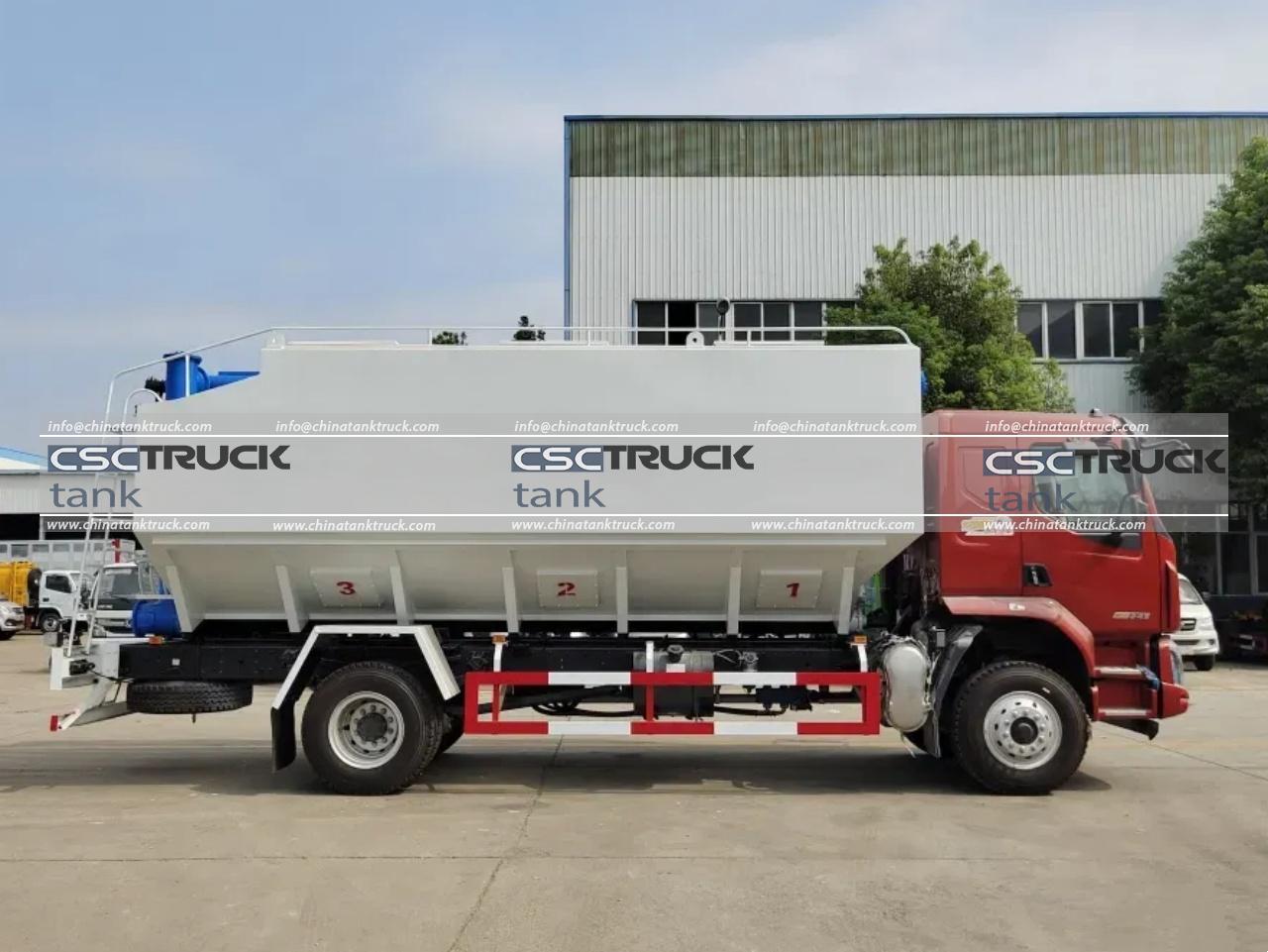
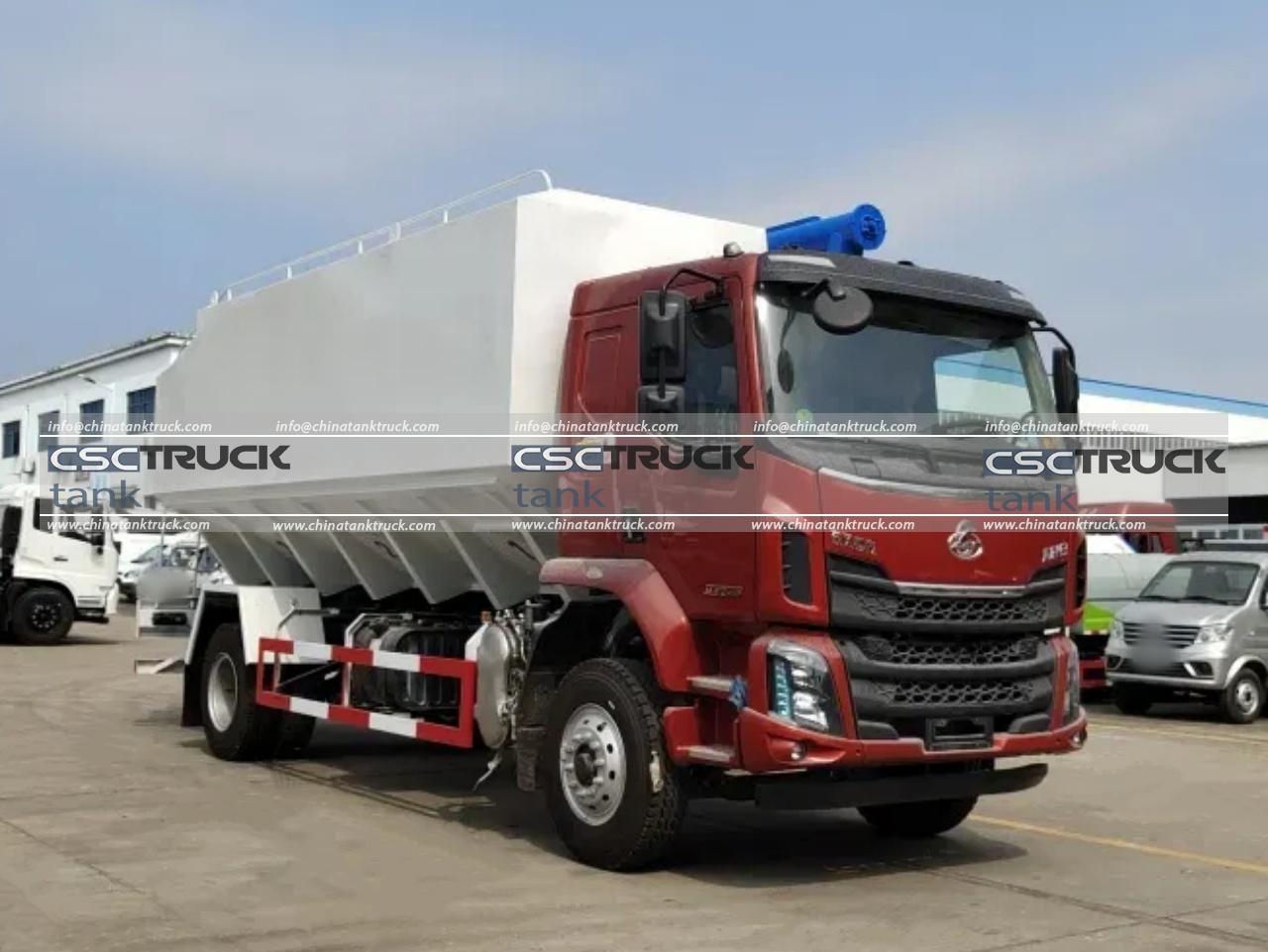
CSCTRUCK China Tank Truck specializes in designing and manufacturing tank trucks and specialized transport vehicles for industries including construction, chemicals, agriculture, and bulk material logistics. The company provides customized pneumatic tank truck solutions designed for reliable powder and granular material transportation. CSCTRUCK China Tank Truck’s pneumatic tank trucks are built with durable tanks, efficient unloading systems, and configurations suitable for various bulk materials.
Understanding when and how one pneumatic tank truck can handle multiple products helps companies reduce equipment costs while maintaining safe and efficient transportation operations.
Understanding Pneumatic Tank Truck Applications
A pneumatic tank truck is designed to transport dry bulk materials using compressed air. Unlike ordinary cargo trucks, these vehicles use a sealed pressure vessel combined with an air compressor, pipelines, and fluidizing systems to unload materials efficiently.
Common materials transported by pneumatic tank trucks include:
- Cement
- Fly ash
- Lime powder
- Silica powder
- Gypsum powder
- Mineral powder
- Plastic pellets
- Agricultural feed ingredients
- Certain chemical powders
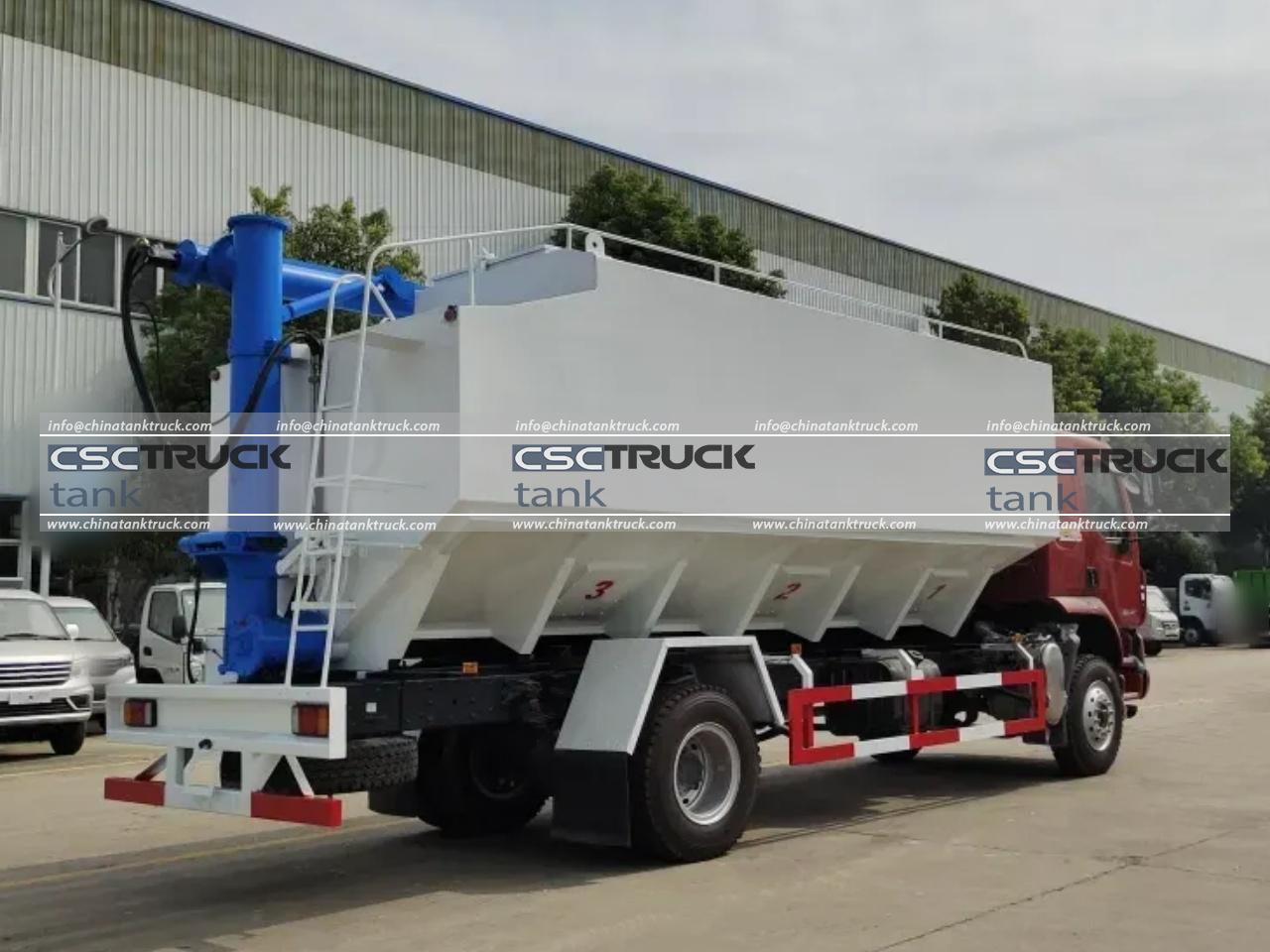
CSCTRUCK China Tank Truck pneumatic tank trucks are commonly configured for bulk powder transportation, with tank volumes and unloading systems designed according to customer requirements and material characteristics. For example, some models use specialized air systems, discharge pipelines, and fluidizing devices to improve unloading performance.
Because many industries use similar dry bulk transportation methods, fleet owners often want one truck to serve multiple purposes instead of purchasing separate vehicles for every product.

Can One Pneumatic Tank Truck Carry Different Products?
Yes, a pneumatic tank truck can transport different products, but it depends on several factors.
The main considerations include:
- Material compatibility
- Cleaning requirements
- Risk of contamination
- Tank design
- Industry regulations
For example, a truck that transports cement today may transport fly ash or lime powder later, after proper cleaning. However, transporting food-grade powder after carrying industrial chemicals may require much stricter cleaning procedures or even a dedicated tank.
Therefore, the ability to transport different products does not mean that every product can be mixed in the same tank without preparation.
Products That Can Usually Share the Same Pneumatic Tank Truck
Many construction and industrial materials have similar transportation requirements and can often be carried by the same pneumatic tank truck.
1. Cement and Fly Ash
Cement and fly ash are among the most common pneumatic tanker materials. Both are dry powders and are usually unloaded using compressed air systems.
A pneumatic tank truck used for cement transportation can often transport fly ash afterward if:
- The remaining cement is completely removed
- The tank interior is cleaned
- The discharge pipeline is inspected
Because both materials are used in construction applications, switching between them is relatively common.
2. Lime Powder and Mineral Powder
Lime powder, calcium carbonate, and some mineral powders have similar physical characteristics. They can often be transported using the same equipment.
However, operators must consider:
- Powder density differences
- Moisture sensitivity
- Potential chemical reactions
Fine powders can remain attached to tank walls and pipelines, so thorough cleaning is necessary before switching materials.
3. Plastic Pellets and Granular Materials
Some pneumatic tank trucks are designed for transporting granular products such as plastic pellets. These materials may require different unloading pressures compared with fine powders.
Before switching between products, operators should check:
- Tank pressure requirements
- Pipeline diameter
- Airflow settings
- Discharge equipment compatibility
A tank optimized for cement powder may not always provide the best performance for lightweight plastic pellets.
Products That Should Not Share the Same Tank Without Special Cleaning
Some materials require greater separation because contamination could create safety risks or reduce product quality.
Food-Grade Products
Food powders such as:
- Flour
- Sugar
- Milk powder
- Starch
usually require dedicated food-grade transportation equipment.
A pneumatic tank previously used for industrial materials may not meet hygiene requirements even after basic cleaning.
Chemical Products
Chemical powders require careful management because different substances may react with each other.
Examples include:
- Reactive chemicals
- Corrosive powders
- Pharmaceutical materials
Operators must verify compatibility before using the same tank truck for different chemical products.
Importance of Cleaning Between Different Products
Cleaning is the most important step when using one pneumatic tank truck for multiple products.
A proper cleaning process usually includes:
1. Emptying Remaining Material
Before loading a new product, all previous material must be removed from:
- Tank interior surfaces
- Discharge pipes
- Valves
- Air systems
Even a small amount of leftover powder can contaminate the next load.
2. Air Purging
Compressed air can help remove remaining particles from pipelines and internal areas.
Many pneumatic tank trucks use air systems that assist both unloading and cleaning operations.
3. Mechanical Cleaning
For sensitive applications, additional cleaning may include:
- Opening inspection ports
- Manual cleaning
- Vacuum removal
- Internal inspection
4. Checking the Unloading System
The compressor, valves, hoses, and pipelines should be checked before changing products.
Residual material trapped inside the unloading system is one of the most common causes of contamination.
Benefits of Using One Pneumatic Tank Truck for Multiple Products
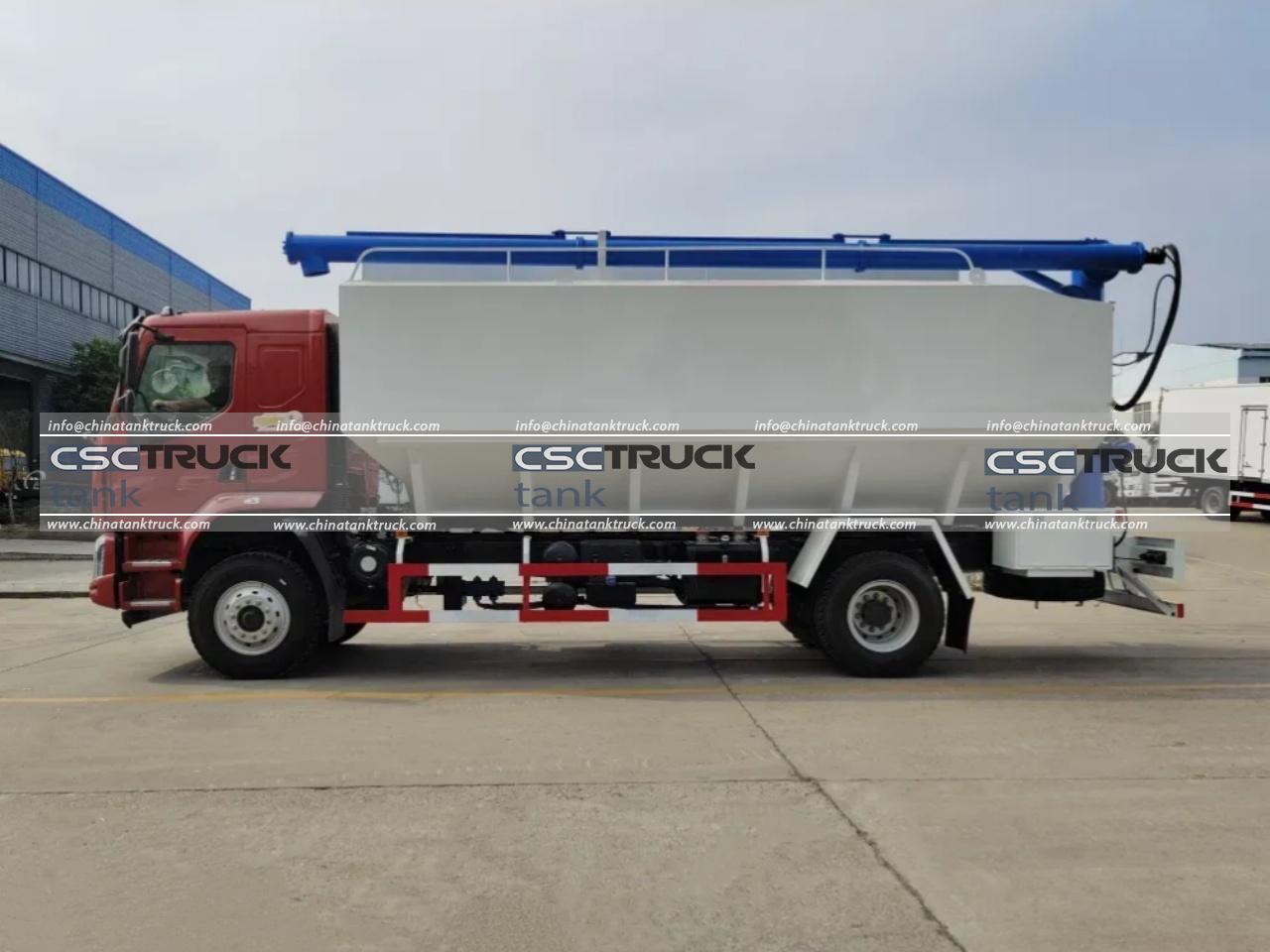
Using a versatile pneumatic tank truck provides several advantages.
Reduced Equipment Investment
Companies can avoid purchasing separate trucks for every material type.
A properly maintained pneumatic tanker can serve multiple transportation needs.
Higher Fleet Efficiency
A multi-purpose truck can reduce idle time and improve vehicle utilization.
For logistics companies handling different bulk materials, this flexibility can significantly improve operational efficiency.
Easier Fleet Management
Maintaining fewer vehicles simplifies:
- Driver training
- Maintenance scheduling
- Spare parts management
How to Choose a Multi-Purpose Pneumatic Tank Truck
If a company plans to transport multiple materials, it should consider the following features:
Tank Material and Design
The tank should be suitable for different bulk products and resistant to corrosion or wear.
Flexible Discharge System
Adjustable unloading systems allow better performance with different materials.
Easy Cleaning Structure
A tank with accessible inspection openings and efficient pipeline design makes product switching easier.
Proper Capacity Selection
Tank volume should match transportation requirements. CSCTRUCK China Tank Truck offers pneumatic tank truck models with different capacities and configurations to meet various applications.
Best Practices for Transporting Multiple Products
To safely use one pneumatic tank truck for different materials:
- Create a cleaning procedure after every product change.
- Keep transportation records for each load.
- Inspect the tank regularly.
- Train operators on material handling requirements.
- Avoid switching between incompatible products.
- Follow customer and industry quality standards.
These practices help prevent contamination, reduce maintenance problems, and extend the service life of the truck.
Conclusion
A pneumatic tank truck can transport different products in the same tank, but only when proper precautions are taken. Materials with similar characteristics, such as cement, fly ash, and certain mineral powders, can often share the same vehicle after thorough cleaning. However, food products, pharmaceuticals, and reactive chemicals usually require dedicated equipment or strict sanitation procedures.
Choosing a high-quality pneumatic tank truck from an experienced manufacturer is essential for flexible and reliable operation. CSCTRUCK China Tank Truck provides customized pneumatic tank truck solutions designed for efficient dry bulk transportation across multiple industries. With suitable tank design, proper maintenance, and correct cleaning procedures, one pneumatic tank truck can safely support a wide range of transportation applications.