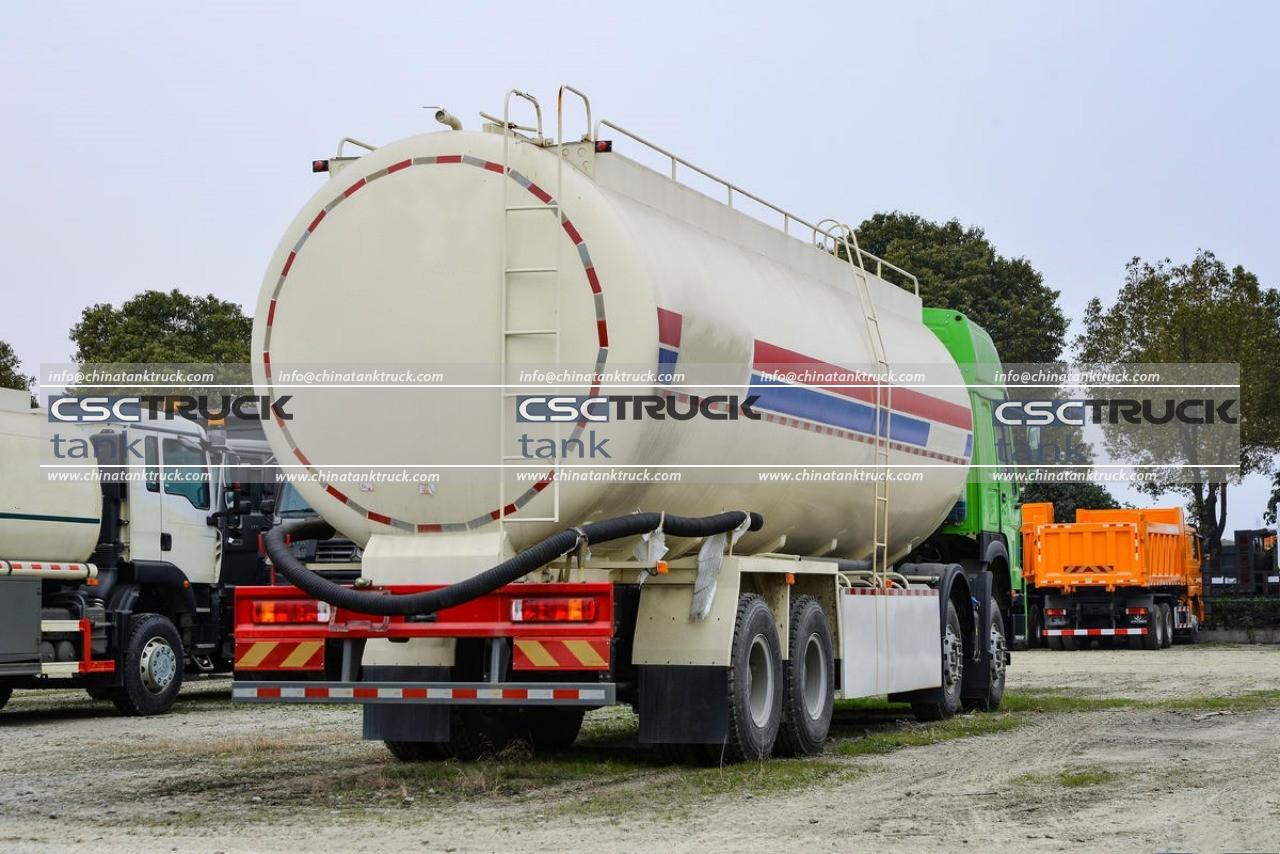

Introduction to CSCTRUCK China Tank Truck
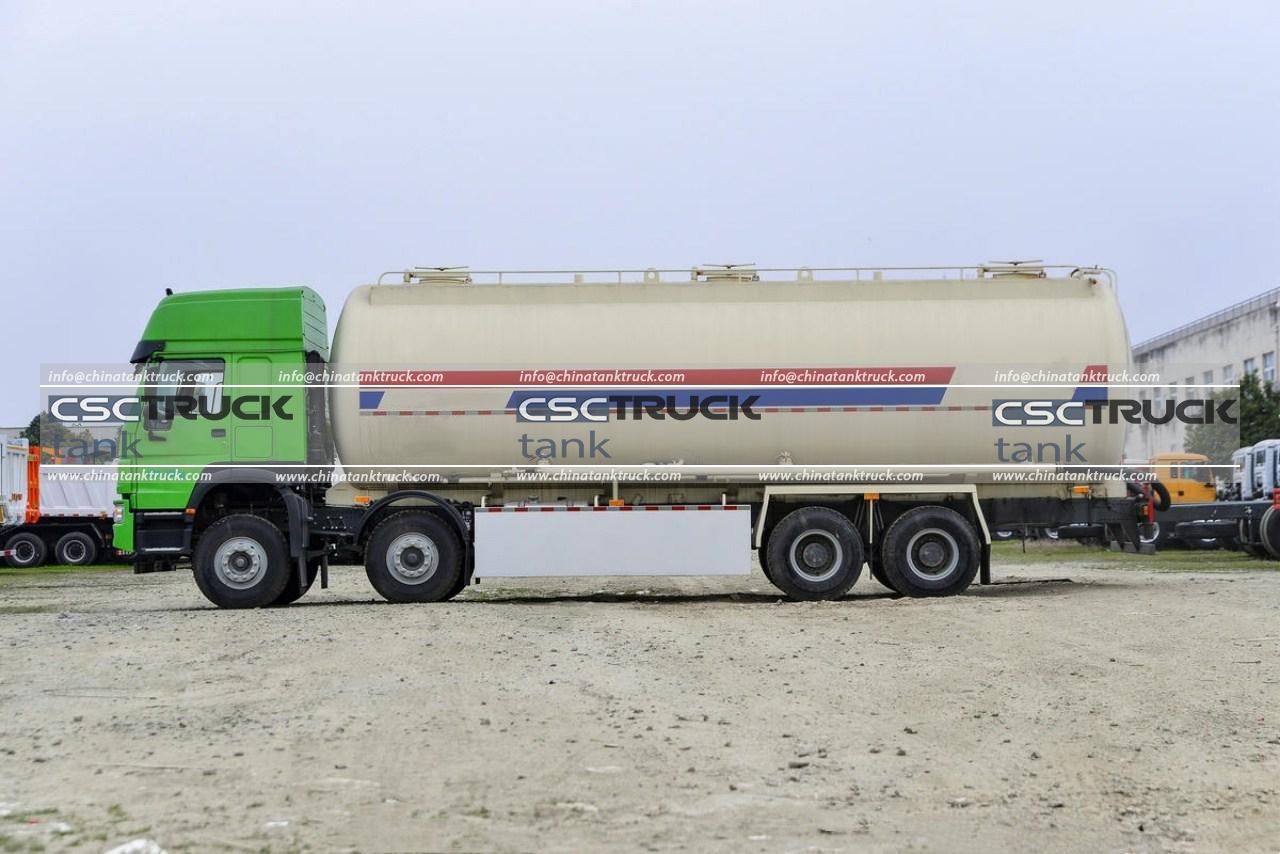
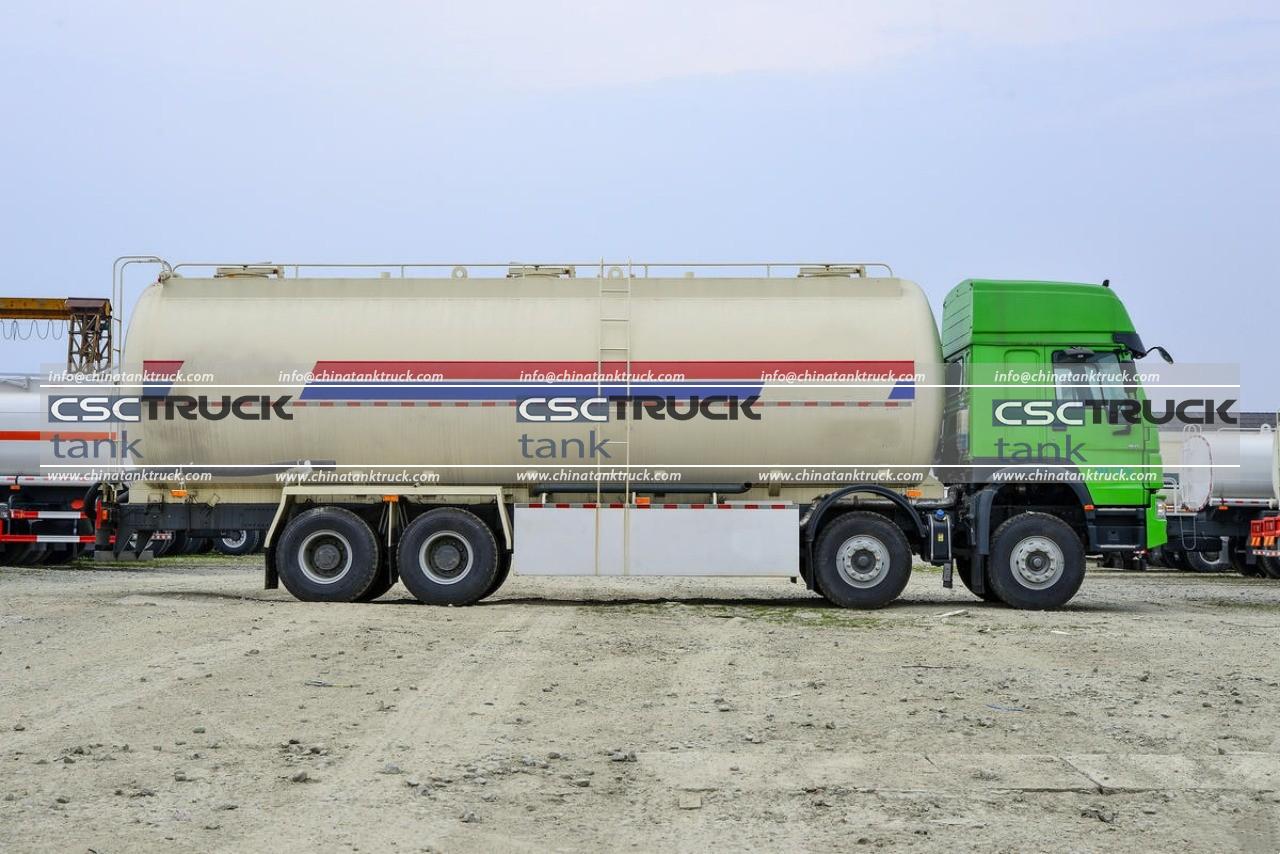
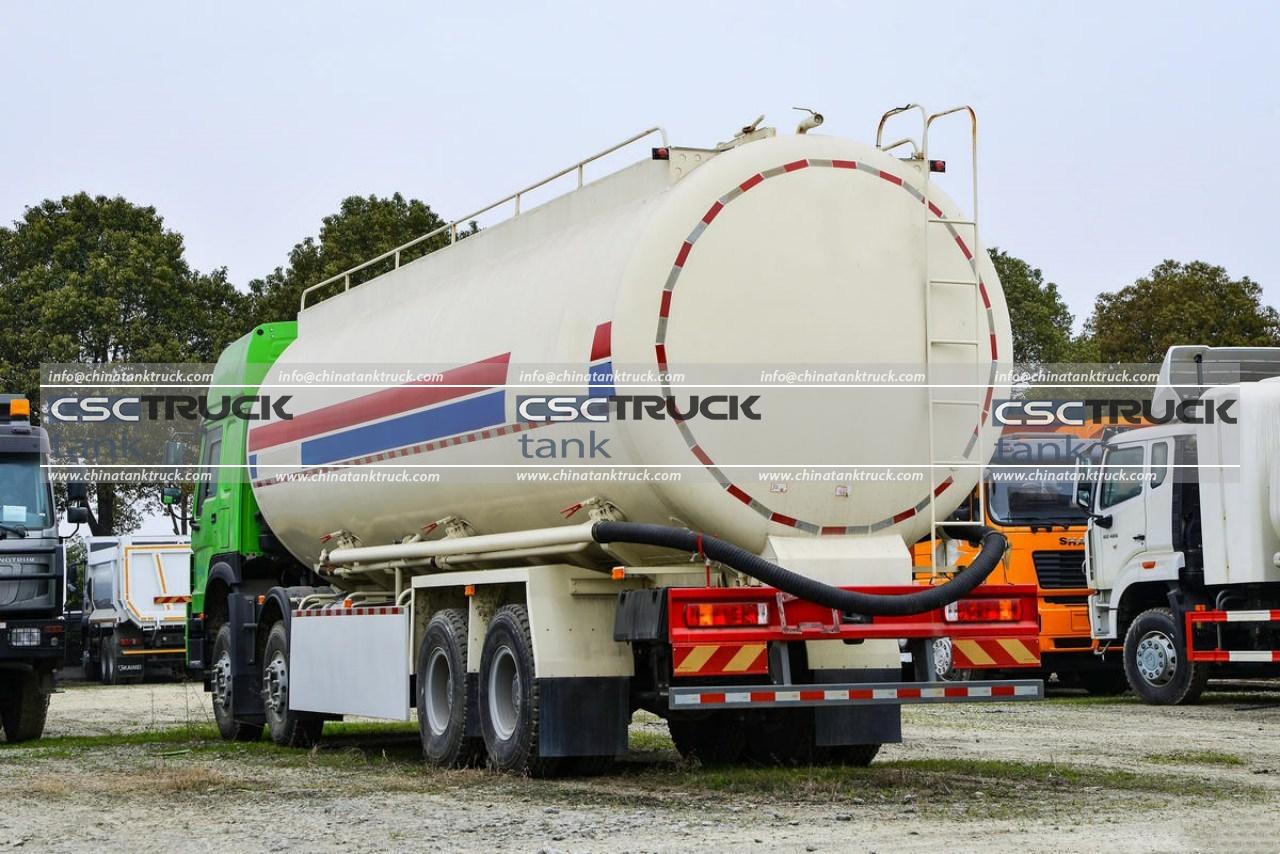
Pneumatic tank trucks are specialized vehicles designed for the efficient transportation and unloading of dry bulk materials such as cement, fly ash, lime powder, mineral powder, and other granular products. Unlike traditional dump trucks or containers, pneumatic tank trucks use compressed air to fluidize and discharge materials through pipelines, allowing faster, cleaner, and more controlled unloading operations.
CSCTRUCK China Tank Truck is a professional manufacturer of tank trucks and special-purpose vehicles in China. The company provides various pneumatic tank truck solutions designed for industries including construction, agriculture, chemical processing, and bulk material logistics. With experience in manufacturing customized tank vehicles, CSCTRUCK China Tank Truck produces pneumatic tank trucks with different capacities, chassis configurations, and operating systems to meet international transportation requirements. For example, CSCTRUCK China Tank Truck offers pneumatic trucks ranging from medium-capacity models to large-volume units, such as 29 CBM and 46 CBM pneumatic tank trucks, designed for efficient dry bulk transportation.
Starting the unloading process of a pneumatic tank truck requires careful preparation and correct operation. Because the system works under compressed air pressure, operators must follow proper procedures to ensure safety, prevent equipment damage, and achieve efficient material discharge.
1. Park the Pneumatic Tank Truck in the Correct Unloading Position
The first step in starting the unloading process is positioning the pneumatic tank truck correctly at the unloading site.
The driver should:
- Park on stable and level ground whenever possible.
- Engage the parking brake.
- Turn off unnecessary vehicle systems.
- Confirm that the discharge pipeline can reach the receiving silo, storage tank, or unloading point.
- Ensure there are no obstacles around the truck.
A stable parking position is important because pneumatic unloading involves pressure buildup inside the tank. An unstable vehicle position may affect safety, especially when the tank contains a heavy load.
Before connecting unloading equipment, the operator should communicate with site personnel and confirm that the receiving facility is ready to accept the material.

2. Inspect the Pneumatic System Before Operation
Before starting the compressor or air supply system, operators should perform a complete inspection.
Important inspection points include:
Air Compressor
The air compressor is the heart of the pneumatic unloading system. It generates compressed air that transports powder materials from the tank.
Check:
- Compressor oil level
- Drive belt condition
- Air intake condition
- Unusual noises or vibration
- Connection between the compressor and the tank system
Pipeline and Valves
Inspect:
- Discharge pipes
- Air hoses
- Butterfly valves
- Pressure relief valves
- Connection points
Any loose connection or damaged hose can cause air leakage, reduced unloading efficiency, or safety risks.
Tank Condition
The operator should confirm:
- Tank outlets are closed before pressurization.
- Pressure gauges are working correctly.
- Safety valves are not blocked.
- The tank has no visible damage.
A proper inspection ensures that the unloading system can operate safely under pressure.
3. Connect the Discharge Pipeline
After inspection, the next step is connecting the unloading pipeline.
The discharge pipe connects the pneumatic tank truck to the receiving equipment. Depending on the material and unloading location, the connection may be made to:
- Cement silos
- Powder storage tanks
- Construction material systems
- Industrial processing equipment
The operator should make sure:
- The pipeline connection is tight.
- The pipe diameter matches the unloading requirement.
- Clamps and seals are properly installed.
Air leakage during unloading reduces pressure efficiency and may cause slow discharge or material blockage.
Many CSCTRUCK China Tank Truck pneumatic tank trucks are designed for transporting dry bulk materials with efficient pneumatic discharge systems, making proper pipeline connection an important part of achieving reliable operation.

4. Start the Power Take-Off (PTO) System
Most pneumatic tank trucks use a PTO system connected to the truck engine to power the air compressor.
The general operating sequence is:
- Start the truck engine.
- Allow the engine to reach normal operating conditions.
- Engage the PTO switch.
- Activate the compressor drive system.
The PTO transfers engine power to the compressor, allowing compressed air production.
Operators should avoid immediately running the compressor at maximum speed. Gradual engagement helps protect mechanical components and reduces unnecessary wear.
5. Build Tank Pressure Slowly
Once the compressor starts working, compressed air enters the tank system.
The operator should monitor:
- Tank pressure gauge
- Compressor operation
- Air flow condition
- Possible leaks
The pressure should increase gradually until it reaches the recommended operating range.
During this stage:
- Do not open discharge valves too quickly.
- Do not exceed the designed pressure limit.
- Watch for abnormal sounds or pressure fluctuations.
Proper pressure control is essential because excessive pressure may damage equipment, while insufficient pressure may prevent effective material discharge.
6. Open the Air Supply and Discharge Valves
After reaching the required pressure, the unloading process can begin.
The usual sequence is:
- Open the aeration air valve.
- Allow compressed air to fluidize the material inside the tank.
- Open the discharge valve gradually.
- Control the material flow rate.
The compressed air mixes with the powder material, reducing friction and allowing the material to move through the discharge pipeline.
Opening the valve gradually prevents:
- Pipeline blockage
- Excessive pressure drops
- Sudden material flow
- Damage to the unloading system
Experienced operators adjust valve openings according to the material characteristics. For example, cement powder may require different airflow control compared with fly ash or lime powder.
7. Monitor the Unloading Process
During unloading, the operator should continuously monitor system performance.
Key indicators include:
Pressure
Stable pressure indicates that the system is operating correctly.
Material Flow
A steady material flow means the air pressure and discharge settings are appropriate.
Compressor Condition
The compressor should run smoothly without overheating or abnormal vibration.
Tank Weight
If weighing equipment is available, operators can monitor the remaining material quantity.
If pressure suddenly drops, material stops flowing, or unusual noises occur, the operator should stop the process and investigate the cause.
8. Complete the Unloading Process Safely
When the tank is empty, the operator should not immediately shut down the compressor.
The recommended finishing steps are:
- Close the discharge valve.
- Allow the remaining air pressure to clear the pipeline.
- Stop the compressor.
- Disengage the PTO.
- Release remaining tank pressure safely.
- Disconnect the unloading pipe.
The pipeline should be depressurized before disconnecting. Removing a pressurized hose can be dangerous.
After unloading, operators should inspect the system and clean any remaining material from connection points.
Common Mistakes to Avoid During Pneumatic Tank Truck Unloading
Several operational mistakes can reduce efficiency or create safety hazards.
Opening Valves Too Quickly
This may cause material blockage and unstable pressure.
Ignoring Pressure Gauges
Pressure monitoring is essential for safe operation.
Operating With Damaged Pipes
Leaks reduce performance and may create unsafe conditions.
Failing to Release Pressure Before Disconnecting
This can cause sudden air discharge and material spray.
Skipping Maintenance Checks
Regular inspection of compressors, valves, and pipelines extends equipment life.
Conclusion
Starting the unloading process of a pneumatic tank truck requires a careful sequence of preparation, inspection, connection, pressurization, and controlled discharge. Operators must position the vehicle correctly, check the pneumatic system, connect the pipeline, activate the compressor, build pressure gradually, and control material flow throughout the operation.
Modern pneumatic tank trucks, such as those manufactured by CSCTRUCK China Tank Truck, are engineered to provide efficient and reliable bulk material transportation. With proper operating procedures and regular maintenance, these vehicles can deliver excellent unloading performance for industries requiring safe and efficient powder material handling.
A well-trained operator is the key factor in maximizing the performance, safety, and service life of a pneumatic tank truck. Following correct unloading procedures ensures smoother operations, reduced downtime, and safer transportation of dry bulk materials.