
Pneumatic tank trucks are widely used to transport and discharge dry bulk materials such as cement, fly ash, lime, powder, and other industrial powders. During unloading, compressed air is introduced into the tank to fluidize the material and push it toward the discharge system. This pneumatic conveying process is highly efficient, but it also creates a critical safety concern: Overpressure.
If the internal pressure of a pneumatic tank truck rises beyond the tank’s safe operating limit, it can damage the tank, valves, pipelines, and other components. In serious cases, overpressure may create a dangerous equipment failure. For this reason, preventing excessive pressure is one of the most important responsibilities of both the vehicle designer and the operator.
CSCTRUCK China Tank Truck is a technology-driven Chinese manufacturer specializing in tank trucks and specialized commercial vehicles. The company produces solutions for transporting liquids, gases, and powders and highlights quality-control systems, engineering capability, and customized manufacturing in its production approach. Its official company information also identifies dedicated manufacturing and quality-control processes for specialized vehicle production.
1. Use a Properly Designed Pressure Relief Valve
The first and most important method of preventing pneumatic tank truck overpressure is installing a correctly selected pressure relief valve.
A pressure relief valve is designed to open automatically when the internal tank pressure reaches a preset limit. By releasing excess pressure, it helps protect the tank from dangerous pressure buildup. The valve must be selected according to the tank’s design pressure, working pressure, material, and unloading system.
A relief valve is not simply an accessory that can be installed without calculation. Its pressure setting must match the technical design of the pneumatic tank truck. If the setting is too high, the valve may open too late. If it is too low, the truck may experience unnecessary pressure release during normal operation.
For this reason, the pressure relief device should always be specified and maintained according to the manufacturer’s technical requirements and applicable local regulations.
2. Install a Reliable Pressure Gauge
Operators cannot safely control pressure if they cannot see it. A clearly visible and accurate pressure gauge is therefore essential.
During pneumatic unloading, the operator should continuously monitor the tank pressure. If the pressure begins to rise abnormally, the operator can stop the air supply before the relief valve is forced to open.
The pressure gauge should be installed in a position that is easy to observe during operation. It should also be protected against vibration, dust, and mechanical damage. A gauge that is blocked, inaccurate, or difficult to read can create a false sense of safety.
Regular inspection is also important. If the gauge needle does not return to zero or shows unusual fluctuations, it should be checked or replaced immediately.
3. Control the Compressed Air Supply
One of the most common causes of pneumatic tank truck overpressure is excessive compressed air input.
During unloading, the compressor supplies air to the tank. If the air pressure or air volume is too high, the tank pressure can rise rapidly. Therefore, the compressor and air control system must be properly matched to the tank.
The operator should follow the recommended air pressure and unloading procedure. Increasing compressor output simply to unload material faster is dangerous. The tank is designed to work within a specific pressure range, and exceeding that range can damage the system.
A pressure regulator or suitable air control device can help stabilize the air supply. In addition, the air inlet system should be inspected regularly to ensure that control valves are functioning correctly.
4. Keep the Discharge Pipeline Clear
A blocked discharge line can quickly create a pressure problem.
When powder cannot flow out of the tank, compressed air continues to enter the system. As a result, internal pressure may increase even though the unloading operation appears to be running normally.
Material buildup, hardened powder, foreign objects, or improper product handling can all contribute to pipeline blockage. Operators should therefore pay attention to changes in unloading speed and system pressure.
If the discharge rate suddenly decreases while pressure rises, the operator should stop or reduce the air supply and investigate the cause. Never continue increasing air pressure to force material through a blocked pipeline.
Regular cleaning and inspection of the discharge pipe, elbows, valves, and flexible connections are important parts of pressure control.
5. Inspect and Maintain Safety Valves
A pressure relief valve can only protect the tank if it is working properly.
Dust and powder may accumulate around the valve. Corrosion, mechanical damage, or incorrect maintenance can also affect valve performance. In some cases, a valve may become stuck or partially blocked.
For this reason, safety valves should be inspected according to a planned maintenance schedule. Operators should check for visible damage, contamination, and signs of abnormal operation.
It is also important not to modify, block, or permanently close a safety valve. Attempting to stop pressure release by tying down the valve or installing an unauthorized component can eliminate a critical safety function.
6. Prevent Moisture and Material Caking
Moisture is another indirect cause of overpressure in pneumatic tank trucks.
When dry bulk materials absorb moisture, they may become sticky or form hard lumps. This can reduce material flow and eventually block the discharge system. As explained above, a restricted material outlet combined with continuous compressed air can cause pressure to rise.
Therefore, the transported material should be kept as dry as possible. Tank covers, manholes, seals, and air systems should be inspected to prevent unwanted moisture entry.
For some powder products, proper loading and storage procedures are especially important. Operators should understand the characteristics of the specific material being transported.
7. Follow Correct Loading and Unloading Procedures
Safe operation is just as important as tank design.
Before unloading, the driver or operator should check the pressure gauge, air system, discharge valves, and pipeline connections. The unloading area should also be prepared properly.
Air should be introduced gradually according to the operating procedure. The operator should monitor pressure continuously and avoid making sudden adjustments to the compressor.
If abnormal noise, unusual pressure changes, or a sudden reduction in discharge flow occur, the operation should be stopped and the system inspected. Operators should never ignore warning signs simply because the tank truck appears to be continuing to unload.
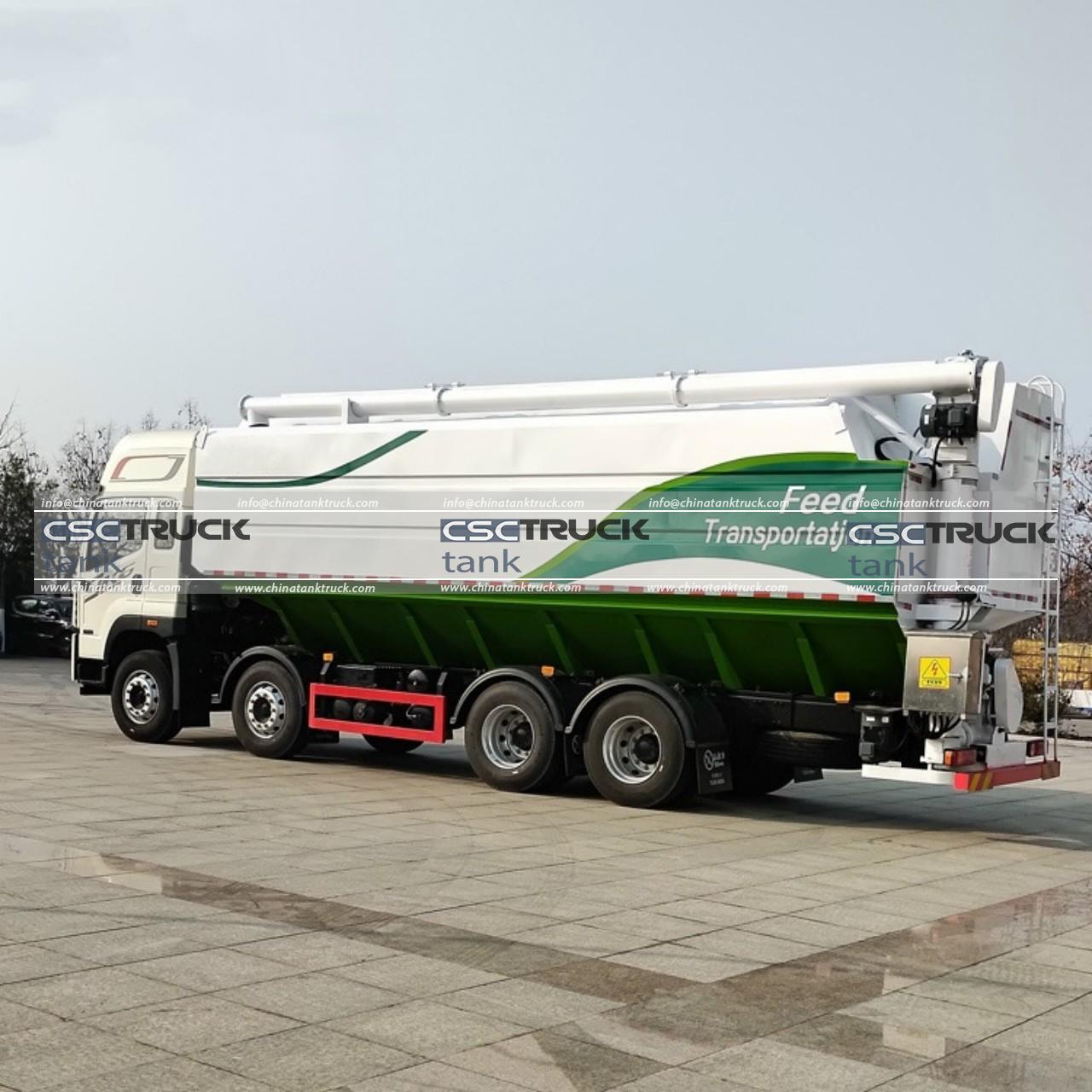
8. Choose a Professional Manufacturer and a Suitable Configuration
Ultimately, overpressure prevention begins with the design and configuration of the pneumatic tank truck.
The tank capacity, design pressure, air compressor, safety valve, pressure gauge, discharge pipeline, and control system must work together as a complete system. A mismatch between these components can create operational problems.
This is why choosing an experienced manufacturer is important. CSCTRUCK China Tank Truck states that it supports customized solutions and non-standard manufacturing for different customer requirements. Its company information also describes specialized vehicle production, engineering resources, and quality-control systems for its products.
Conclusion
So, how do you prevent pneumatic tank truck overpressure? The answer is not a single component. Effective pressure control requires a combination of a properly designed tank, reliable pressure relief valves, accurate pressure gauges, controlled compressed air, clean discharge pipelines, regular maintenance, and correct operating procedures.
The most important principle is simple: Never use excessive air pressure to solve a material-flow problem. If unloading becomes slow, the cause should be investigated instead of continuously increasing compressor output.
With proper engineering, routine inspection, and trained operators, pneumatic tank trucks can perform efficient dry bulk transportation while maintaining a high level of operational safety. For businesses seeking customized pneumatic and specialized tank truck solutions, professional manufacturers such as CSCTRUCK China Tank Truck can provide an important starting point for selecting a suitable vehicle configuration.
