
Buying a milk tank truck is an important investment for dairy farms, milk collection centers, food-processing companies, and refrigerated logistics operators. Unlike ordinary liquid tankers, milk transport vehicles must meet strict requirements for hygiene, temperature control, material safety, cleaning, and product protection. Choosing the wrong truck can lead to milk spoilage, contamination risks, higher operating costs, and difficulties complying with local food transportation regulations.
Before placing an order, buyers should carefully evaluate the tank material, capacity, insulation, cooling requirements, chassis, cleaning system, and supplier reliability. This guide explains the key factors to consider when purchasing a milk tank truck and how to select a configuration suitable for your business.
1. Determine Your Milk Transportation Requirements
The first step is to understand how and where the truck will be used. Different dairy operations require different vehicle configurations.
Consider the following questions:
- How many liters of milk will be transported per trip?
- What is the average distance between farms and processing plants?
- Will the truck collect milk from multiple farms?
- Is the vehicle intended for short-distance or long-distance transportation?
- Will it transport raw milk, processed milk, or other food-grade liquids?
- What road conditions and climate will it operate in?
For example, a small dairy collection business may only need a 3,000–6,000-liter milk tank truck, while a large dairy company may require a 10,000–25,000-liter vehicle. Selecting the correct capacity helps balance transportation efficiency, vehicle cost, fuel consumption, and payload limits.
2. Choose the Appropriate Tank Capacity
Tank capacity directly affects logistics efficiency and operating costs. A larger tank can transport more milk per trip, reducing the number of journeys required. However, an oversized truck may be unsuitable for narrow rural roads, small collection points, or areas with limited loading infrastructure.
Common milk tank truck capacities include:
- 3,000–5,000 liters for small-scale collection
- 6,000–10,000 liters for medium-sized dairy operations
- 12,000–20,000 liters for large milk transportation networks
- 20,000–25,000 liters or more for high-volume industrial logistics
The selected capacity should comply with the truck’s gross vehicle weight rating and local road regulations. Buyers should evaluate not only the tank volume but also the actual payload, chassis capacity, axle configuration, and weight distribution.
3. Pay Attention to Stainless Steel Quality
Tank material is one of the most important considerations when buying a milk tanker. Milk is a food product that can easily be affected by contamination, corrosion, and poor-quality surfaces.
Food-grade stainless steel is widely used because it offers:
- Excellent corrosion resistance
- Smooth and hygienic internal surfaces
- Easy cleaning and sanitization
- Good durability and long service life
- Reduced risk of product contamination
Many milk tank trucks use 304 stainless steel, while 316 stainless steel may be selected for applications requiring improved corrosion resistance or more demanding cleaning conditions.
The buyer should ask the manufacturer about the stainless steel grade used for:
- Inner tank walls
- External tank surfaces
- Milk inlet and outlet pipes
- Valves and fittings
- Pump components
- Manholes and cleaning systems
It is also important to confirm that all milk-contact components are suitable for food transportation.
4. Check the Insulation and Temperature-Control System
Raw milk is highly perishable and must be protected from temperature increases during transportation. Therefore, thermal insulation is a critical part of a milk tank truck.
A properly insulated tank helps maintain the milk’s temperature and reduces the impact of external heat. Common insulation materials include polyurethane foam and other food-transport thermal insulation systems.
When evaluating insulation, consider:
- Insulation thickness
- Thermal performance
- Tank structure
- Ambient operating temperature
- Expected transportation duration
- Whether active refrigeration is required
Some milk tank trucks are designed mainly for short-distance collection using insulated tanks, while others may include refrigeration or cooling systems for longer journeys. Buyers operating in hot climates should pay particular attention to heat retention and temperature monitoring.
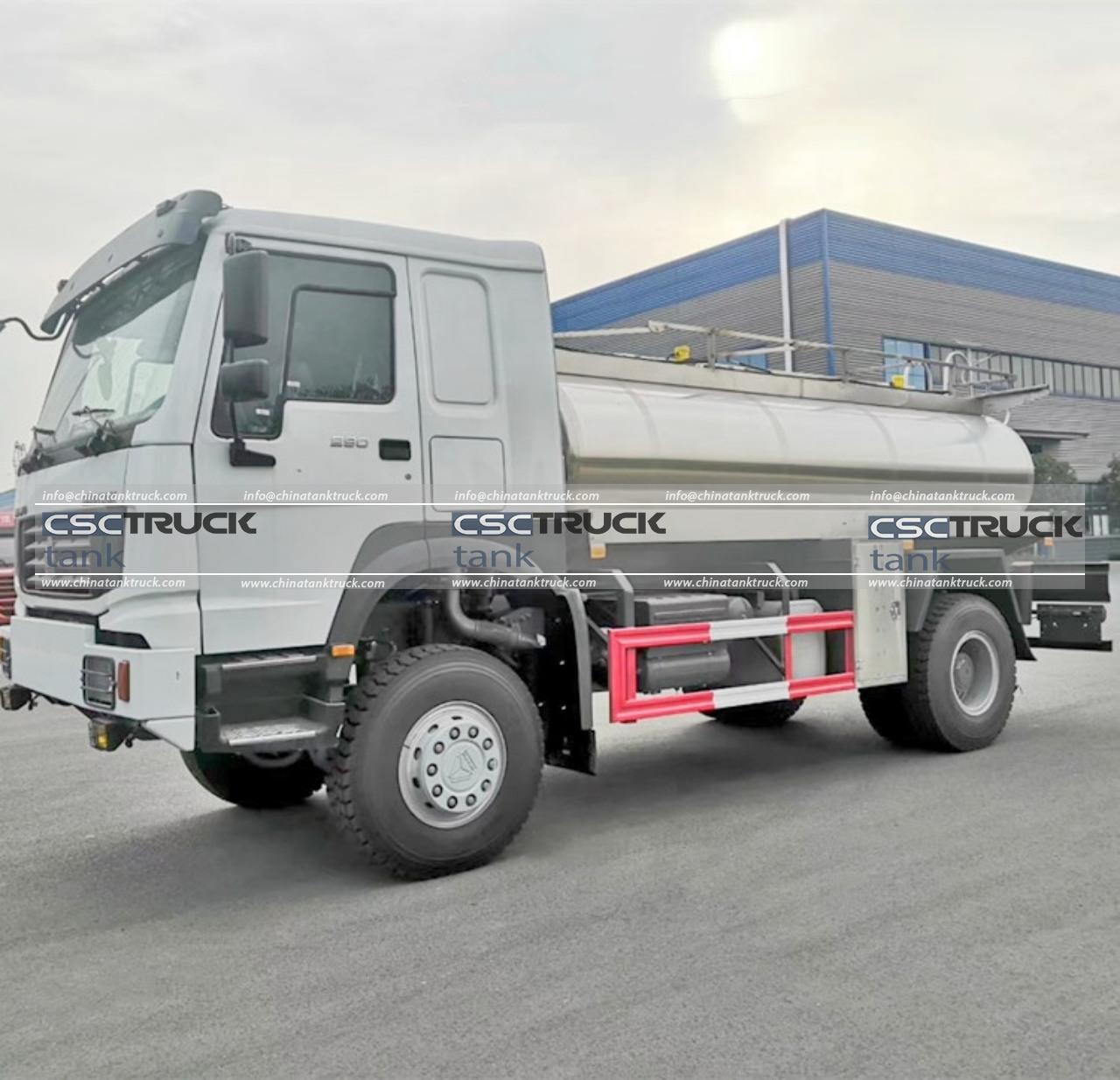
5. Evaluate the Tank Structure and Internal Design
The internal design of the tank affects milk quality, cleaning efficiency, and transportation stability.
Important features may include:
- Cylindrical or elliptical tank design
- Multiple compartments
- Internal anti-surge baffles
- Smooth welds
- Hygienic manholes
- Food-grade pipelines
- Sanitary valves and fittings
Anti-surge baffles help reduce liquid movement while the truck is driving, improving vehicle stability and reducing stress on the chassis.
A multi-compartment tank can be useful when collecting milk from different suppliers or transporting milk batches separately. However, more compartments may increase complexity and cleaning requirements, so the design should match the actual operating process.
6. Confirm the Cleaning and CIP System
Milk residue can quickly create bacterial growth if the tank is not cleaned correctly. For this reason, cleaning and sanitization should be considered before purchasing the vehicle—not treated as an afterthought.
A modern milk tank truck may be equipped with a Clean-in-Place (CIP) system that allows internal tank cleaning without completely dismantling the equipment.
Ask the supplier whether the truck includes:
- CIP spray balls
- Cleaning solution circulation
- Sanitary pipelines
- Drainage systems
- Easy-access inspection openings
- Automatic or semi-automatic cleaning functions
The tank should be designed with minimal dead corners where milk residue can accumulate. Weld quality and internal surface smoothness are also important for effective sanitation.
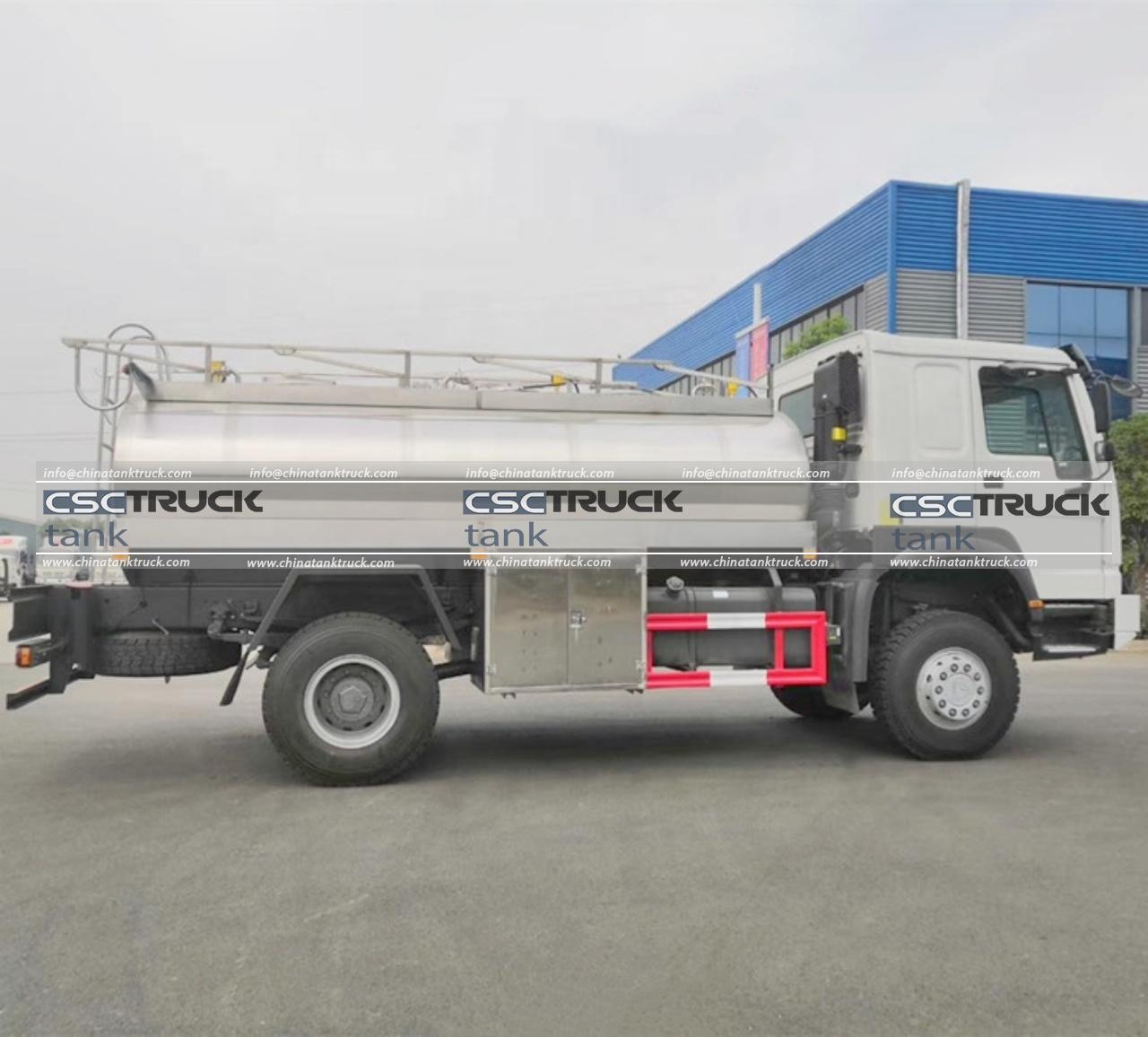
7. Select a Suitable Chassis and Engine
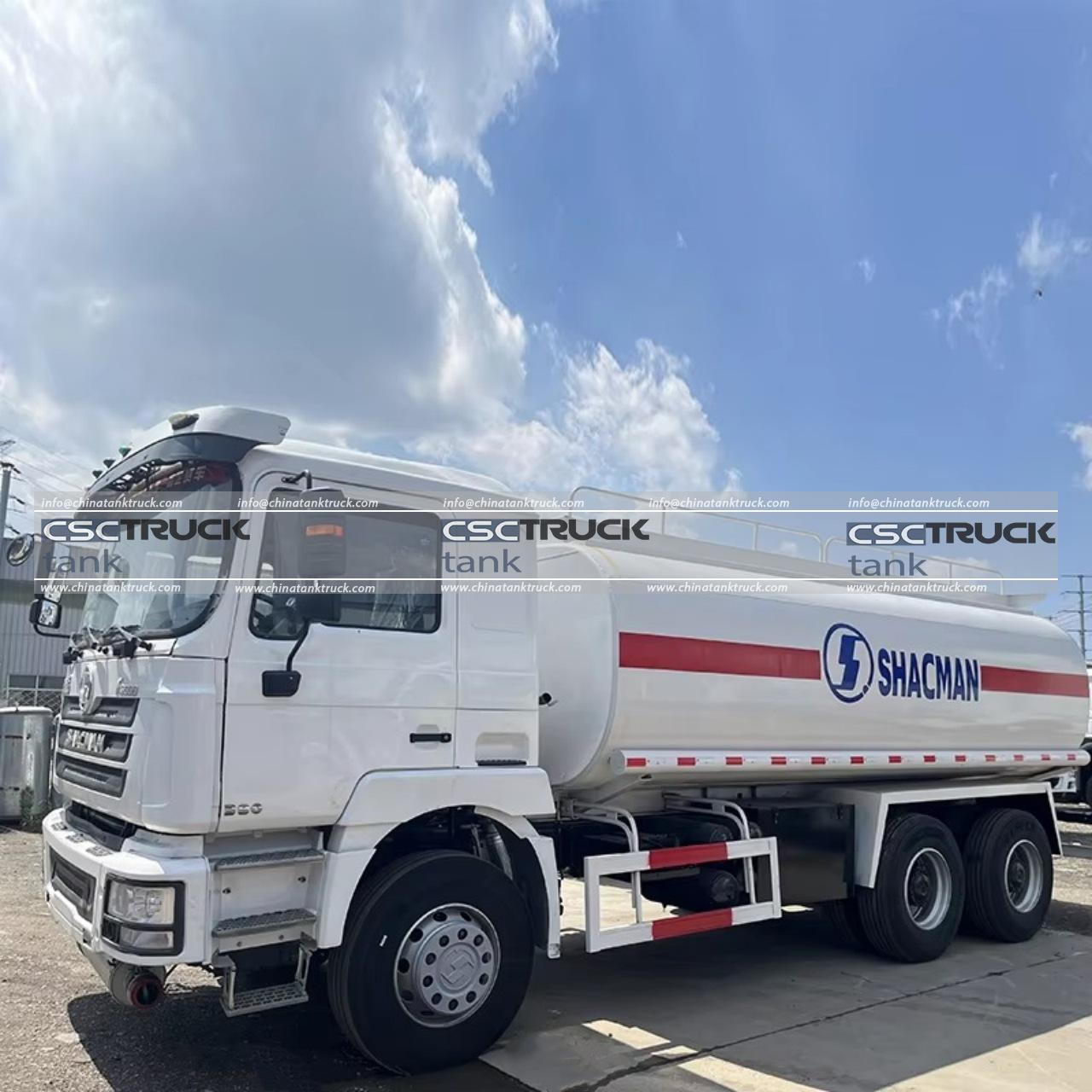
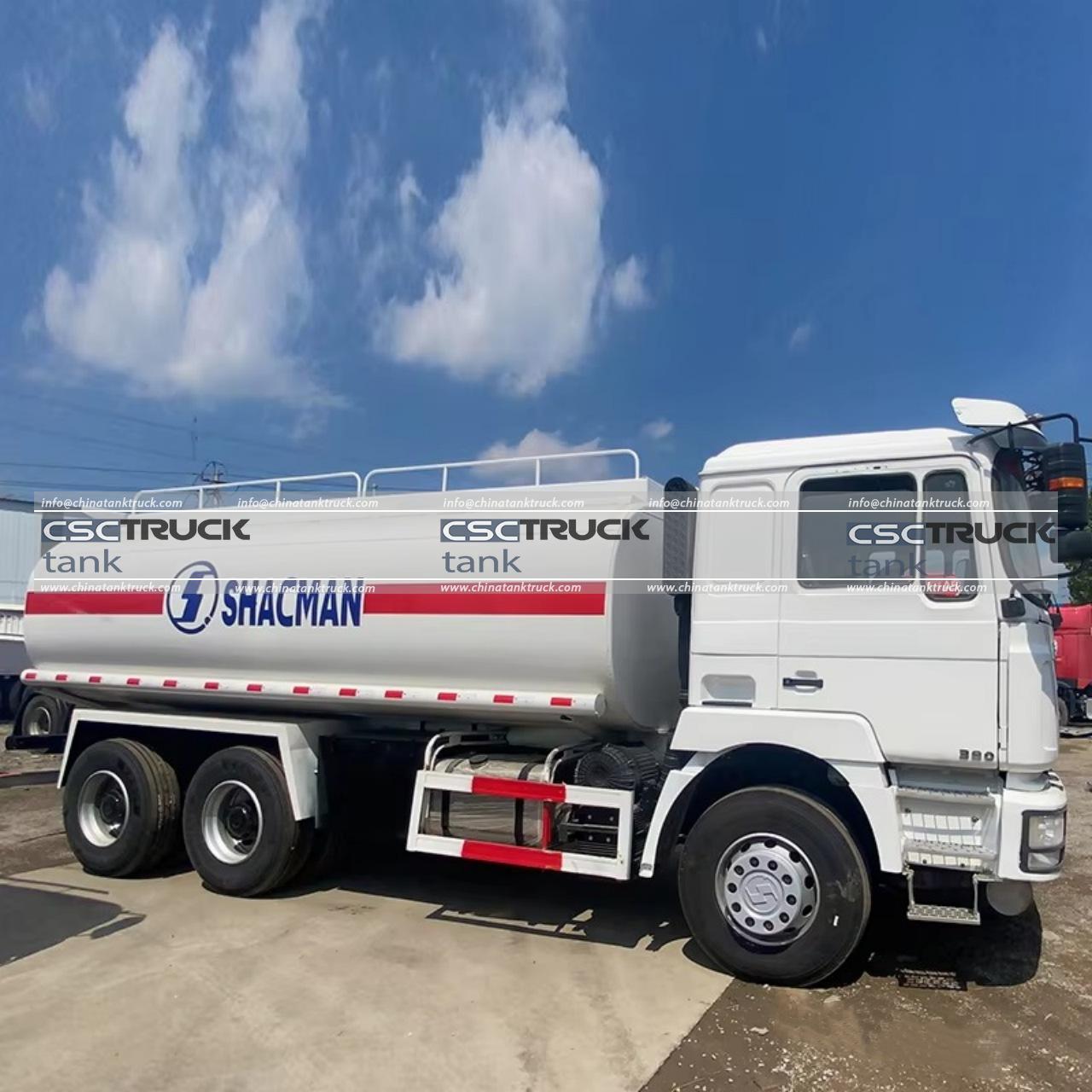
The chassis determines the truck’s driving performance, reliability, payload capacity, and maintenance costs. Buyers should select a chassis brand and configuration suitable for local road conditions and available service support.
Common considerations include:
- Left-hand drive or right-hand drive
- 4×2, 6×4, or other axle configurations
- Engine power and fuel efficiency
- Emission standards
- Wheelbase
- Gross vehicle weight
- Suspension design
- Spare parts availability
- Local maintenance support
For rural milk collection, a compact 4×2 truck may be sufficient. For high-volume transportation or challenging roads, a stronger 6×4 chassis may be more appropriate.
The engine and transmission should also be matched to the vehicle’s full-load operating conditions, especially in mountainous regions or hot climates.
8. Consider Milk Loading and Unloading Equipment
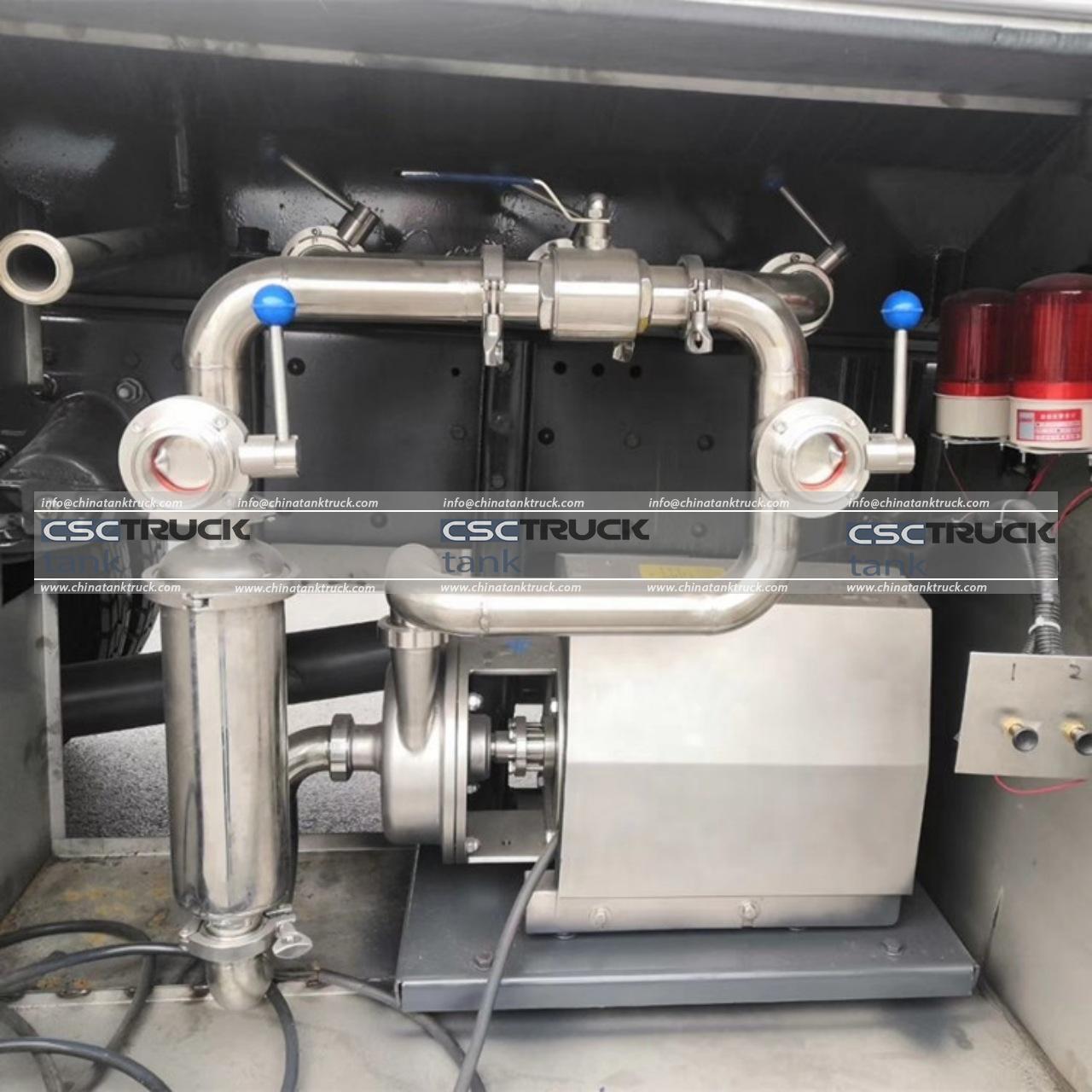
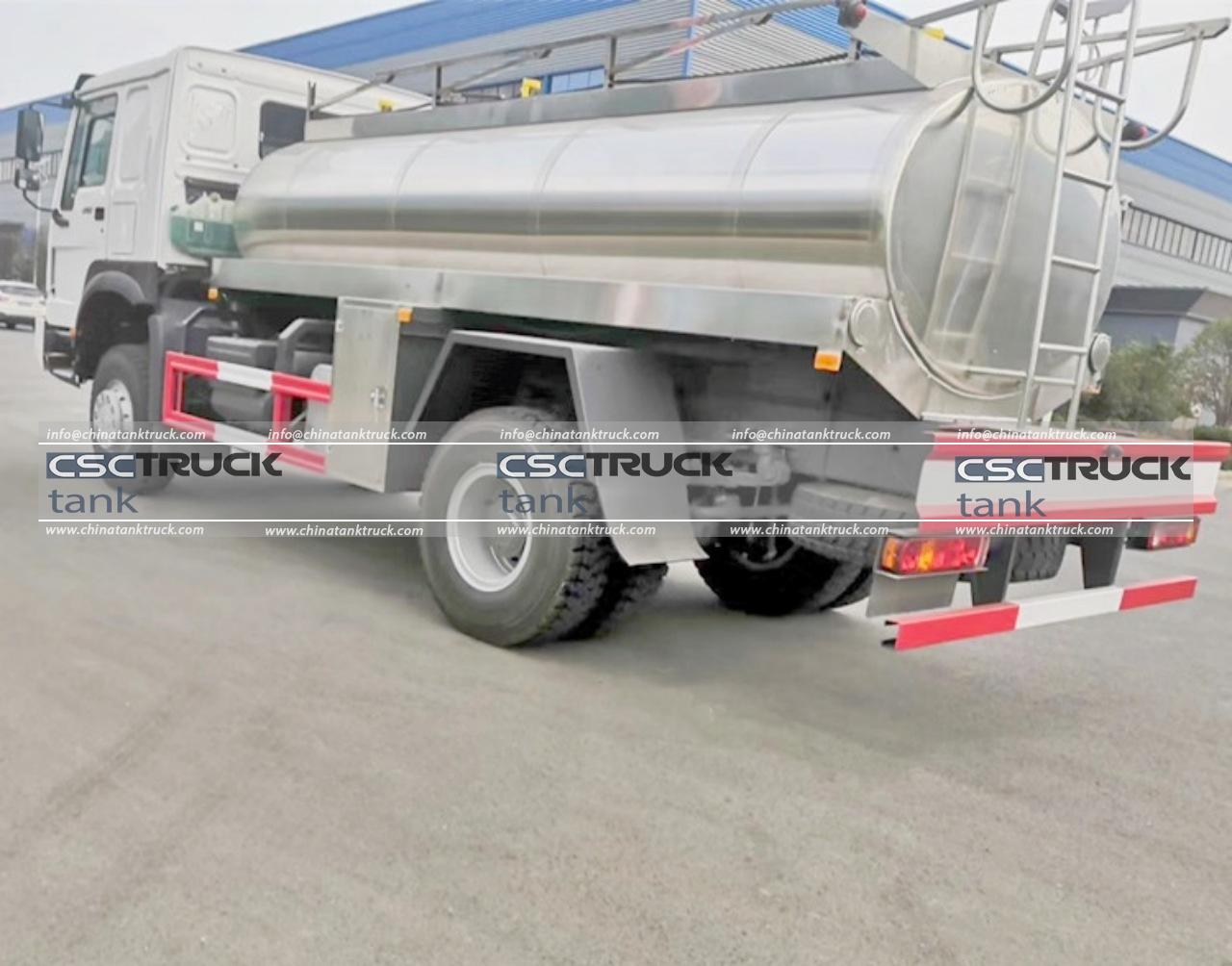
Efficient loading and unloading can significantly improve daily productivity. A milk tank truck may use a milk pump, sanitary hoses, valves, and dedicated inlet/outlet systems.
Before buying, check:
- Pump flow rate
- Pump material
- Loading and unloading speed
- Hose length
- Sanitary connection type
- Valve quality
- Ease of operation
- Compatibility with farm and dairy plant equipment
If the truck will collect milk from multiple farms, a reliable pump and flexible hose arrangement can save considerable time during daily operations.
9. Check Safety, Hygiene, and Regulatory Compliance
Milk transportation is subject to food safety and vehicle regulations in many countries. The truck should comply with applicable standards for food-contact materials, road operation, and transportation safety.
Buyers should request information about:
- Tank pressure and leak testing
- Welding inspection
- Food-grade material certificates
- Vehicle certification
- Export documentation
- Local registration requirements
- Sanitation and hygiene compliance
It is advisable to confirm the regulations of the destination country before production begins, especially regarding dimensions, axle loads, emissions, electrical systems, and food transportation standards.
10. Compare Total Cost, Not Just Purchase Price
The cheapest milk tank truck is not always the most economical option. Buyers should consider the total cost of ownership, including:
- Initial purchase price
- Shipping and import costs
- Fuel consumption
- Maintenance expenses
- Cleaning costs
- Spare parts
- Cooling energy consumption
- Expected service life
- After-sales technical support
A better-insulated tank, reliable pump, durable stainless steel, and high-quality chassis may increase the initial price but reduce operating costs over many years.
About CSCTRUCK China Tank Truck
CSCTRUCK China Tank Truck is a Chinese manufacturer and exporter of specialized tank trucks and trailers, offering customized transportation solutions for liquid, gas, chemical, fuel, water, and milk applications. Its product range includes milk tank trucks in different capacities and chassis configurations, such as stainless steel milk tankers designed for dairy collection and transportation.
CSCTRUCK China Tank Truck supports customized tank capacity, materials, chassis brands, compartments, pumps, and export documentation. The company also provides quality inspections, shipping assistance, and after-sales technical support for international customers.
Conclusion
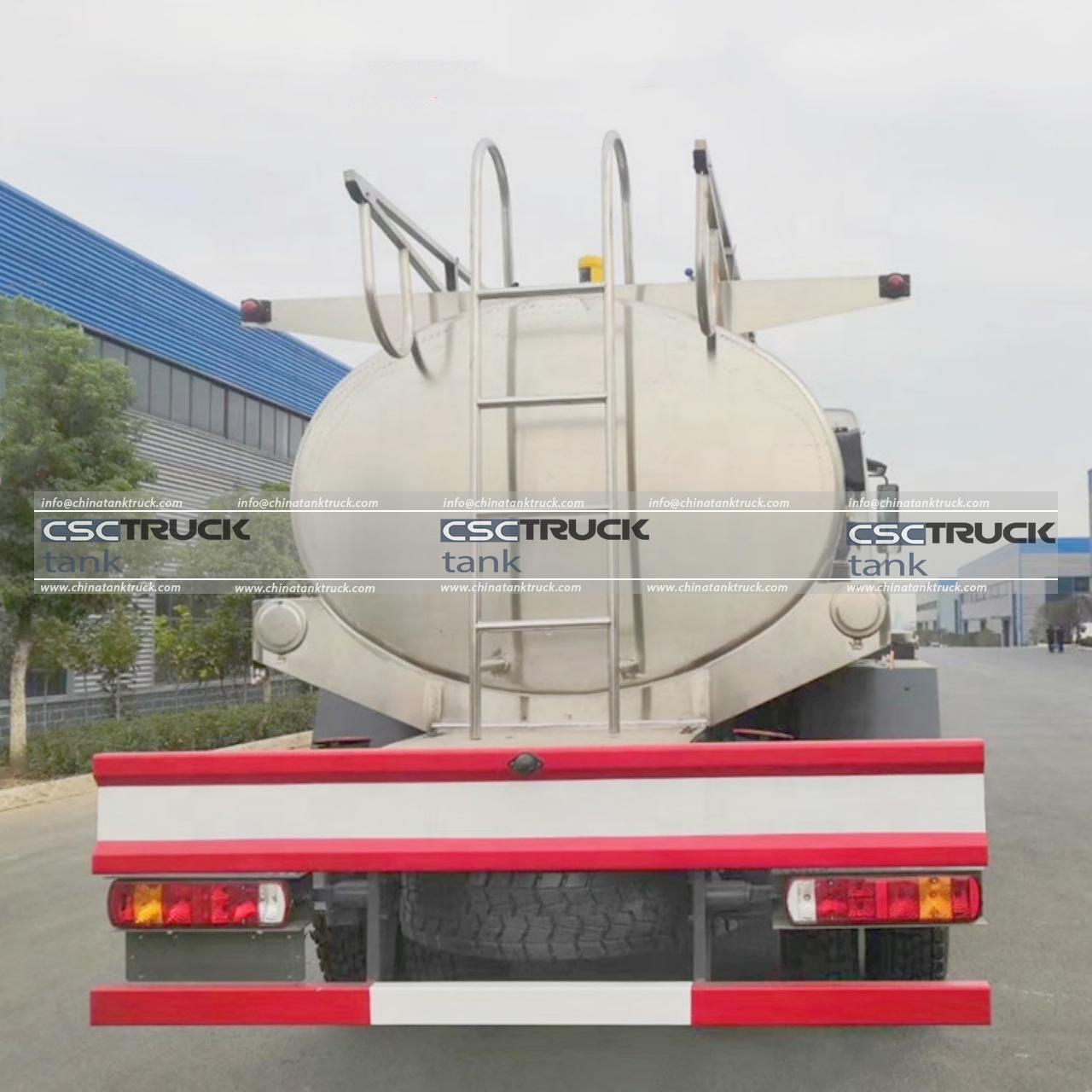
When buying a milk tank truck, buyers should look beyond capacity and price. Tank material, insulation, hygiene design, CIP cleaning, chassis performance, loading equipment, regulatory compliance, and after-sales service all directly affect transportation safety and long-term profitability.
A well-selected milk tanker can help dairy businesses reduce product losses, improve collection efficiency, maintain milk quality, and build a more reliable cold-chain transportation system. Before ordering, prepare a detailed specification list and discuss your operating conditions with an experienced manufacturer to ensure the truck is configured for your actual needs.