
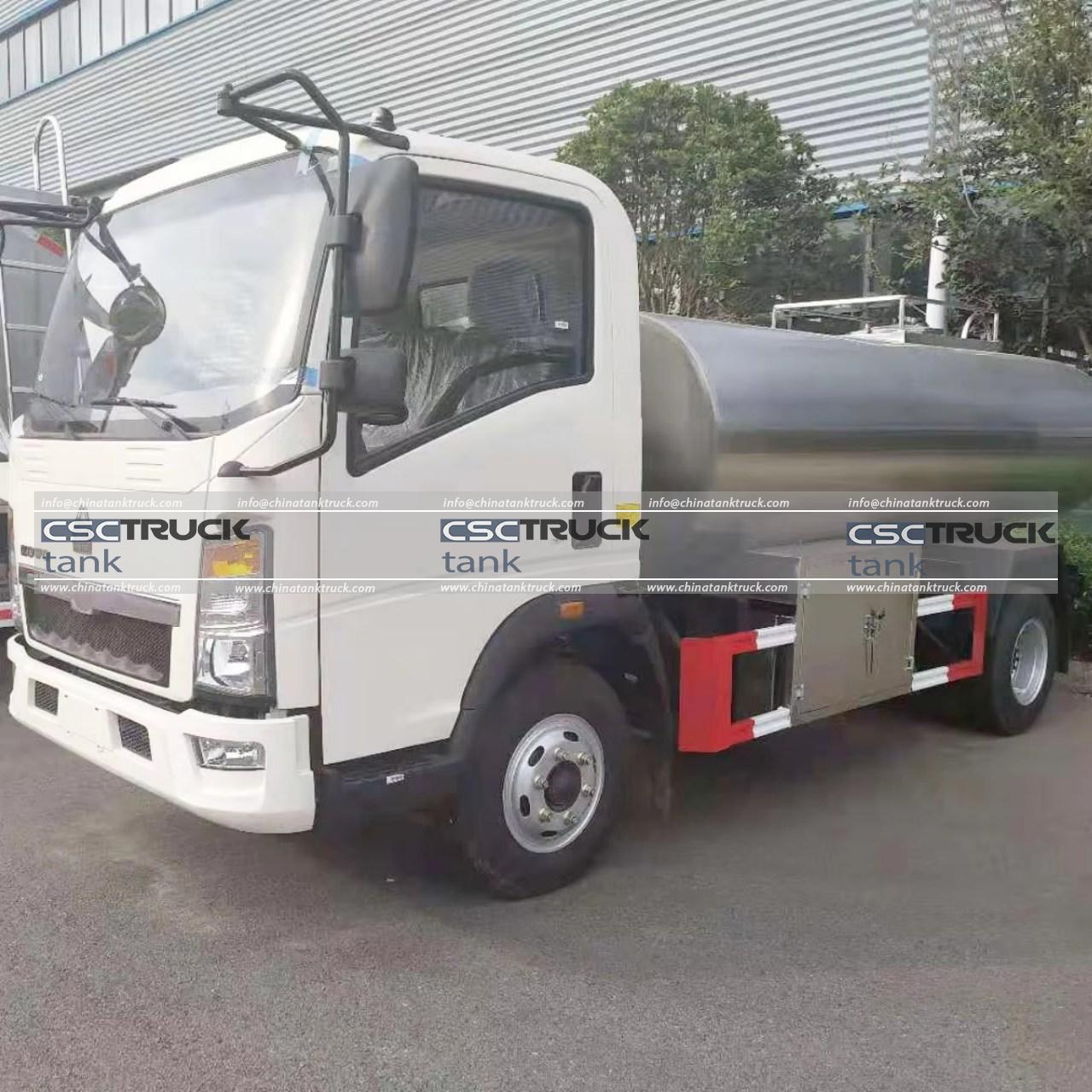
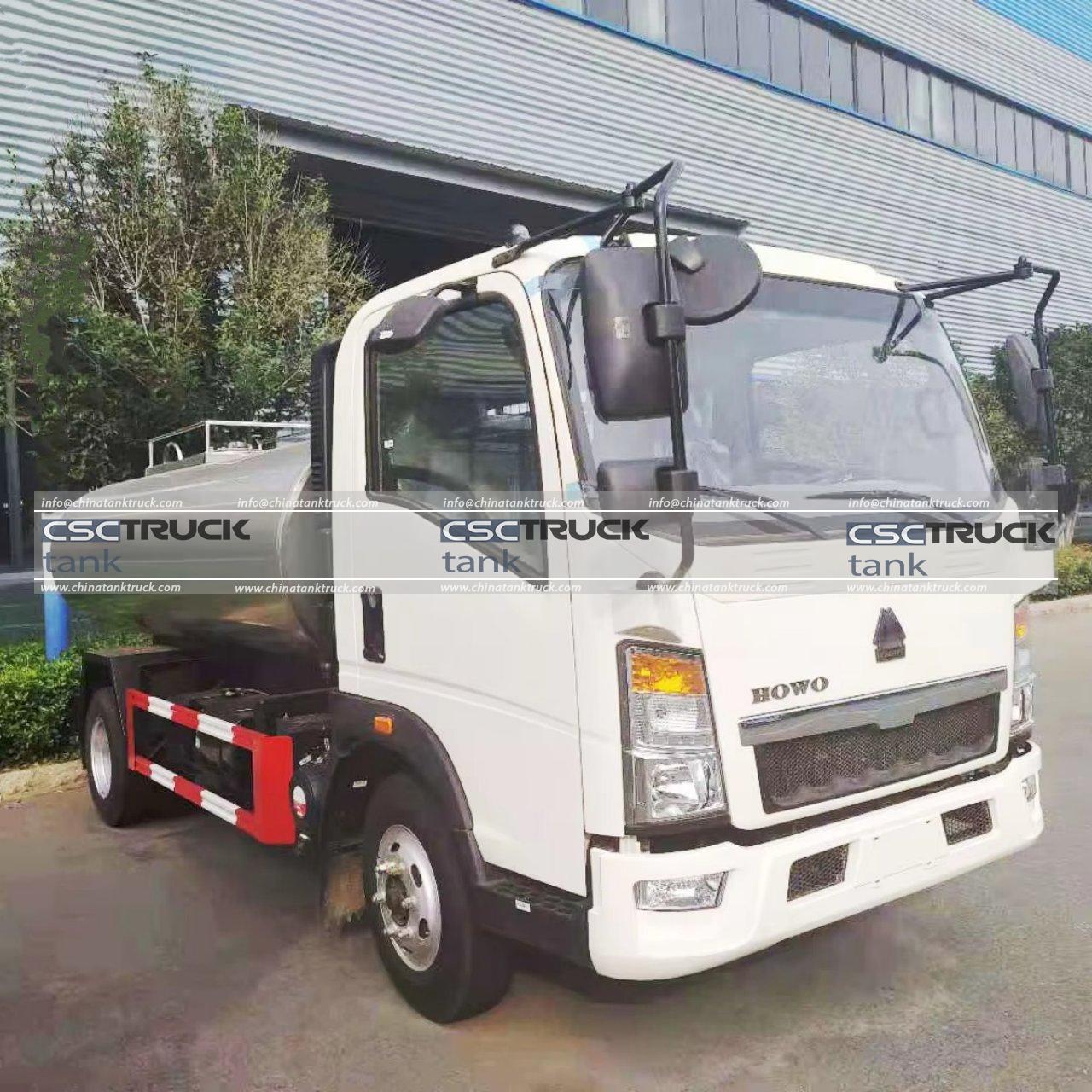
A milk tank truck is a specialized vehicle designed to transport fresh milk safely from dairy farms, collection centers, and processing facilities. Unlike ordinary tankers, it must maintain strict hygiene, protect milk quality, and operate reliably under demanding transportation conditions. Regular maintenance is therefore essential for preventing contamination, reducing downtime, extending vehicle life, and ensuring compliance with food transportation requirements.
CSCTRUCK China Tank Truck is a professional Chinese manufacturer and exporter of specialized tank trucks, including stainless steel milk tank trucks, fuel tankers, water tankers, chemical tank trucks, and other customized transportation vehicles. With factory-direct production, customization capabilities, export support, and after-sales technical assistance, CSCTRUCK China Tank Truck provides milk transportation solutions for dairy businesses and logistics operators worldwide.
Why Preventive Maintenance Matters for Milk Tank Trucks
Milk is highly perishable and sensitive to temperature, contamination, and improper handling. A mechanical failure or poorly maintained tank can lead to product loss, delivery delays, hygiene problems, or expensive repairs.
Preventive maintenance helps operators:
- Maintain milk hygiene and product quality
- Prevent tank leakage and contamination
- Keep refrigeration or insulation systems effective
- Reduce unexpected breakdowns
- Improve fuel economy and vehicle performance
- Extend the service life of the chassis and tank body
- Maintain compliance with applicable food transportation standards
A good maintenance program should cover the vehicle chassis, milk tank, insulation system, valves, pump, refrigeration equipment, electrical system, and cleaning equipment.
1. Inspect the Milk Tank Interior Regularly
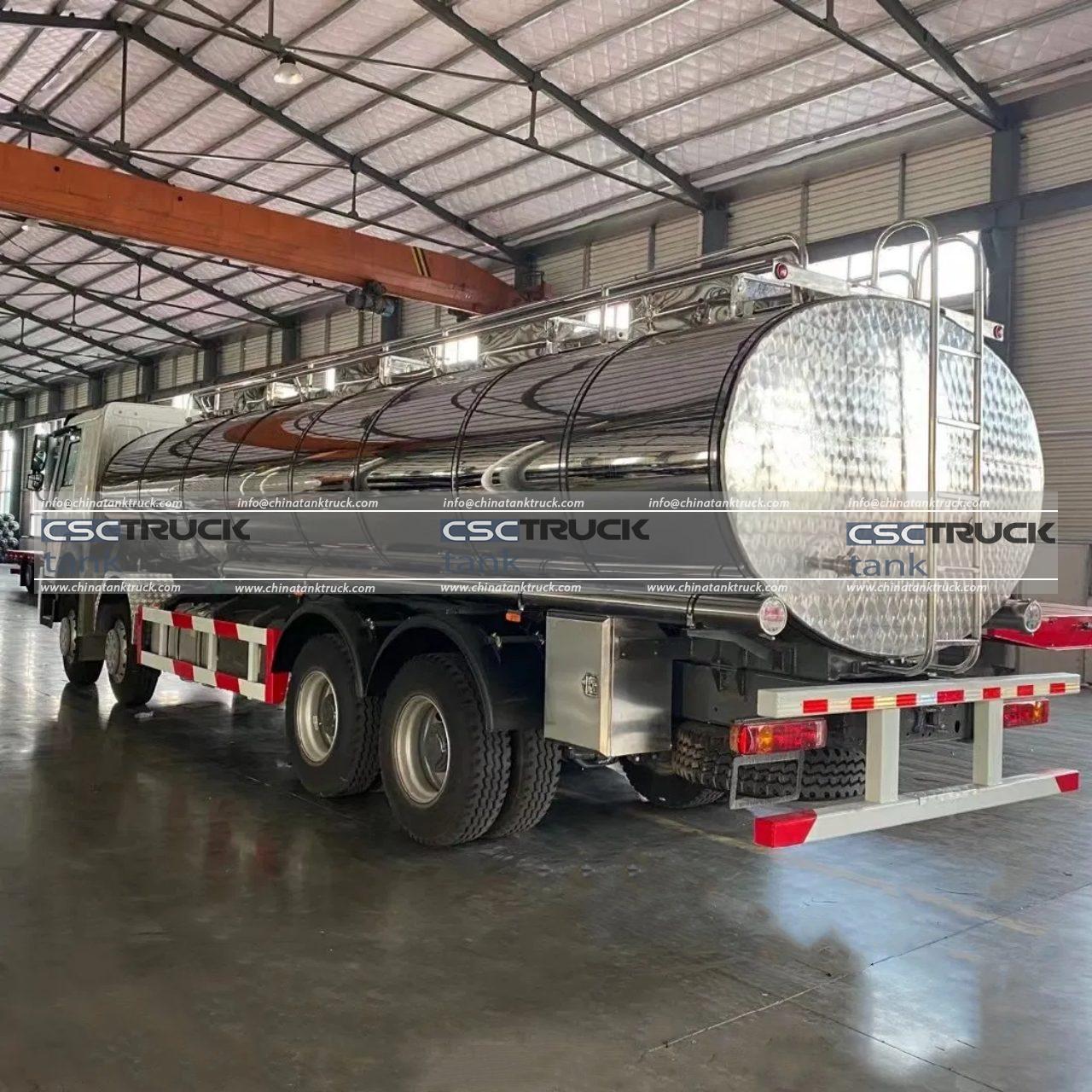
The stainless steel tank is the most important component of a milk tanker. Its internal surface must remain smooth, clean, corrosion-resistant, and free from cracks or deposits.
During routine inspections, check for:
- Milk residue or protein buildup
- Scratches, dents, and surface damage
- Corrosion or discoloration
- Weld cracks or damaged joints
- Loose internal fittings
- Damaged spray balls or cleaning heads
- Unusual odors after cleaning
The tank should be cleaned immediately after each delivery according to the operator’s sanitation procedure. Allowing milk residue to dry inside the tank can encourage bacterial growth and make cleaning more difficult.
For food-grade applications, avoid abrasive tools or harsh cleaning methods that may damage the stainless steel surface.
2. Maintain Valves, Seals, and Tank Connections
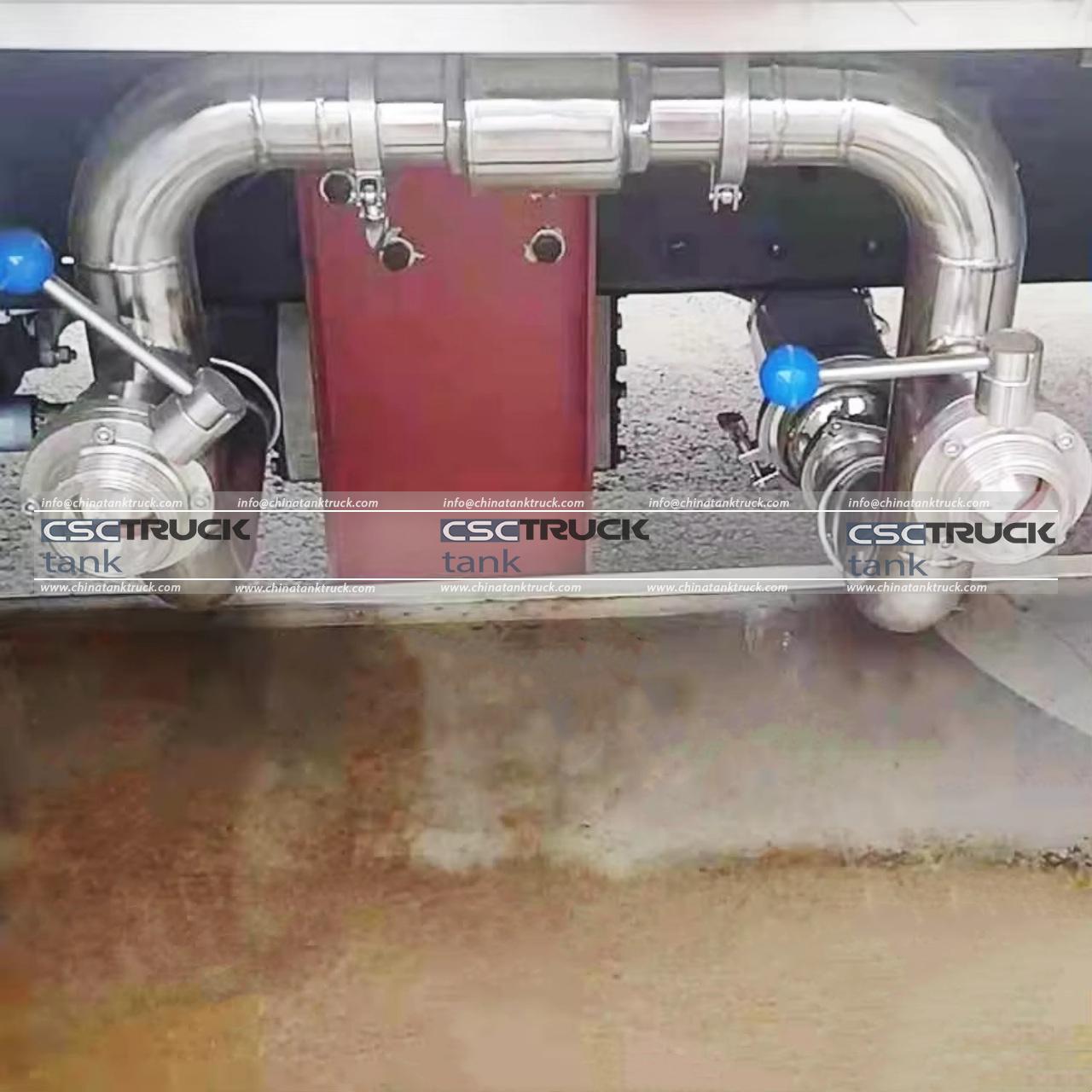
Milk tank trucks use sanitary valves, manhole covers, outlet fittings, hoses, and gaskets to prevent leakage and contamination. These components require frequent inspection because small seal failures can affect both hygiene and transportation efficiency.
Check the following items:
- Manhole cover gasket
- Milk outlet valve
- Air vent and pressure relief components
- Sampling ports
- Hose connections
- Sanitary clamps
- Rubber seals and O-rings
Replace damaged, hardened, cracked, or deformed seals promptly. All connections should be tightened correctly without over-tightening, which may damage sanitary fittings.
Only food-grade replacement seals and compatible materials should be used in components that contact milk.
3. Check the Milk Pump and Transfer System
Many milk tank trucks are equipped with a sanitary milk pump for loading and unloading. The pump should be inspected regularly to ensure smooth milk transfer without excessive vibration, leakage, or contamination.
Important maintenance points include:
- Pump noise and vibration
- Pump pressure and flow rate
- Mechanical seal condition
- Motor or hydraulic drive system
- Pump housing cleanliness
- Milk hose condition
- Connections and clamps
If the pump produces unusual noise, loses pressure, or transfers milk slowly, inspect it immediately. Running a pump dry for extended periods can damage internal components, depending on the pump design.
Milk hoses should also be cleaned, drained, and stored properly after use. Replace hoses showing cracks, deformation, odor retention, or internal surface damage.
4. Inspect the Insulation and Refrigeration System
Milk tank trucks may use insulated tanks or active cooling systems, depending on the design and operating requirements. The insulation system helps maintain milk temperature during transportation, while refrigeration equipment may be used for longer routes or specific applications.
Inspect:
- Insulation panels and outer tank covering
- Refrigeration compressor
- Condenser and evaporator
- Refrigerant lines
- Temperature sensors
- Control panel
- Cooling fan
- Electrical connections
Watch for temperature increases during transportation, abnormal compressor noise, refrigerant leakage, or poor cooling performance.
Operators should record milk temperature at loading, during transportation when required, and at delivery. A temperature log can help identify cooling problems before they cause product loss.
5. Clean and Sanitize the Tank After Every Use
Cleaning is not simply a maintenance task—it is a critical part of milk tanker operation.
A typical cleaning process may include:
- Draining all remaining milk
- Pre-rinsing with suitable water
- Applying an approved cleaning solution
- Circulating the solution through the tank and pipeline
- Rinsing thoroughly
- Applying sanitizing treatment when required
- Allowing the system to drain and dry properly
The exact procedure should follow the equipment manufacturer’s instructions and the dairy company’s sanitation program.
Pay special attention to difficult-to-clean areas such as valves, bends, pump housings, hose interiors, manhole seals, and outlet pipes. A tank that appears clean externally may still contain contamination inside its transfer system.
6. Perform Chassis and Engine Maintenance
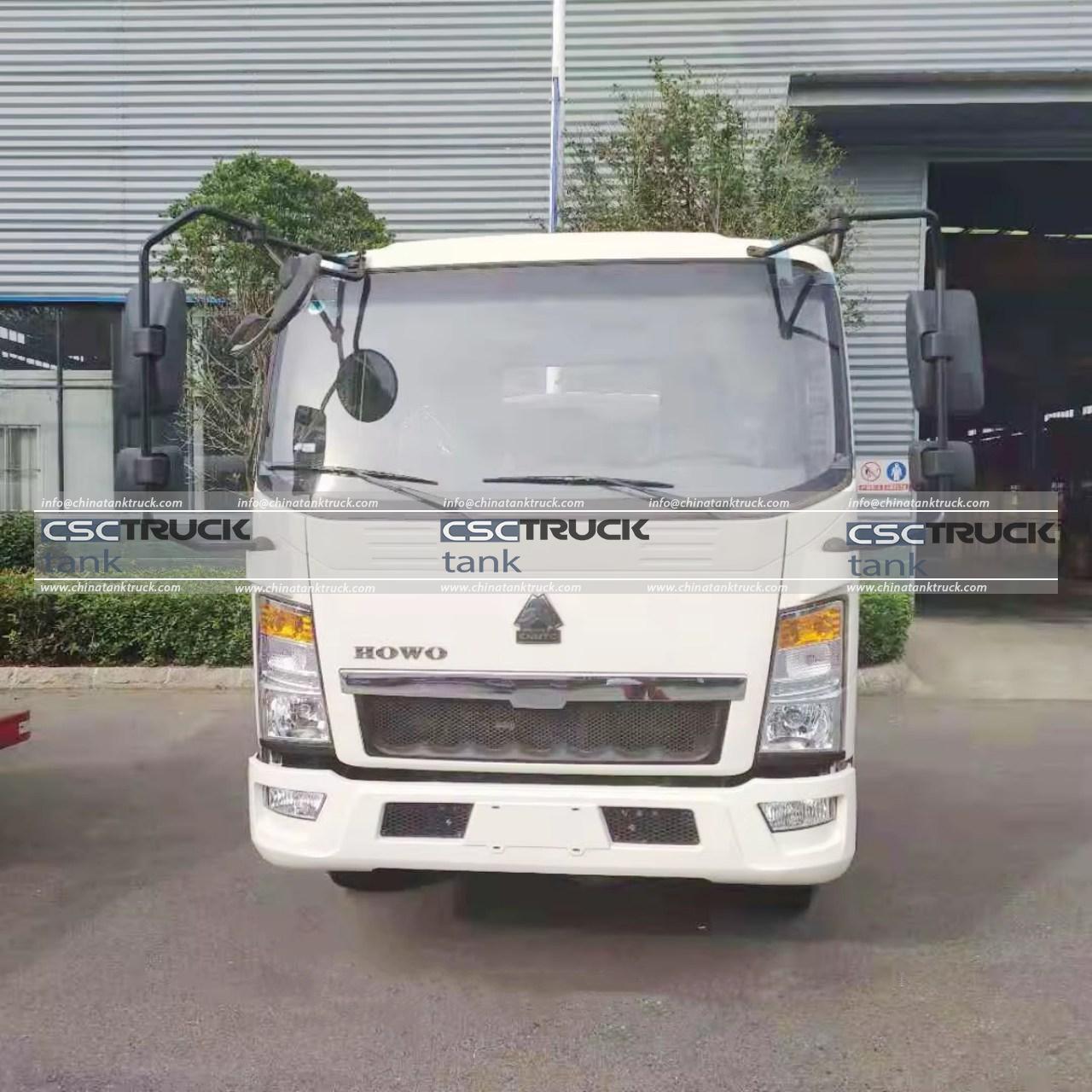
Although the tank is specialized, the milk tanker still depends on a commercial truck chassis for safe and reliable operation. Standard vehicle maintenance must not be neglected.
Regularly inspect and service:
- Engine oil and filters
- Coolant level and cooling system
- Fuel filters
- Transmission oil
- Brake system
- Steering components
- Suspension
- Tires and wheel alignment
- Battery and alternator
- Lights and warning systems
Follow the chassis manufacturer’s recommended service intervals. Heavy loads, frequent stops, rural roads, and long-distance transportation can accelerate wear on brakes, tires, suspension, and drivetrain components.
7. Inspect the Tank Mounting and Structural Components
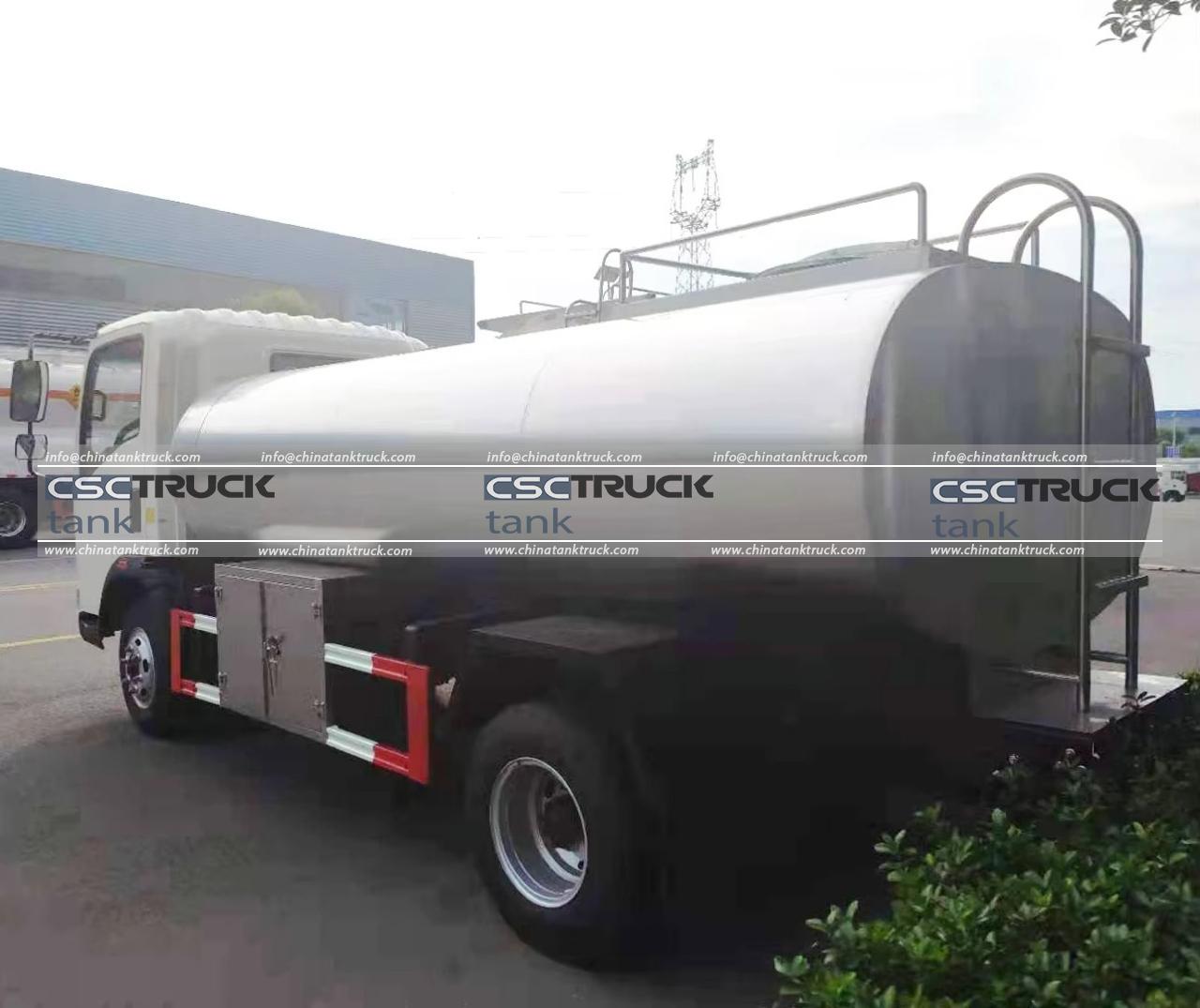
The milk tank must be securely mounted to the chassis. Loose mounting brackets or damaged support structures can create serious safety risks and lead to tank deformation.
Check:
- Tank mounting brackets
- Bolts and fasteners
- Subframe condition
- Welded support points
- Anti-vibration components
- Rear protection structures
- Ladder and platform fittings
Look for cracks, corrosion, loose bolts, and unusual movement between the tank and chassis. Any structural damage should be repaired by qualified technicians before the vehicle returns to service.
8. Check Electrical and Control Systems
Modern milk tank trucks may include digital temperature displays, pump controls, refrigeration controls, lighting, and monitoring equipment.
Inspect:
- Battery condition
- Wiring harnesses
- Fuses and relays
- Temperature display accuracy
- Control switches
- Warning indicators
- Ground connections
- Rear and side lighting
Protect electrical components from water intrusion during washing. Damaged wiring or unreliable temperature sensors can cause incorrect readings and affect milk quality management.
9. Establish a Practical Maintenance Schedule
A preventive maintenance schedule makes inspections easier and reduces the chance of missed problems.
Daily Checks
- Inspect tires and lights
- Check for fluid or milk leaks
- Confirm tank cleanliness
- Inspect hoses and valves
- Check pump operation
- Verify temperature readings
- Examine unusual noises or vibrations
Weekly Checks
- Inspect tank seals and sanitary fittings
- Check pump connections
- Inspect insulation and external tank panels
- Check battery terminals
- Examine chassis fluid levels
- Inspect mounting bolts and brackets
Monthly Checks
- Inspect the complete transfer system
- Test temperature monitoring equipment
- Check refrigeration performance
- Inspect suspension and brake components
- Review cleaning and sanitation records
- Examine structural welds and corrosion
Periodic Professional Service
At scheduled service intervals, qualified technicians should inspect the engine, transmission, braking system, tank structure, pump, refrigeration system, and safety equipment according to manufacturer recommendations.
10. Keep Detailed Maintenance Records
Every milk tank truck should have a maintenance and sanitation log. Records should include:
- Date and vehicle mileage
- Cleaning and sanitization activities
- Parts replaced
- Pump and refrigeration inspections
- Temperature readings
- Detected faults
- Repairs completed
- Technician or operator responsible
Detailed records help identify recurring problems, support food safety audits, and improve fleet management.
Conclusion
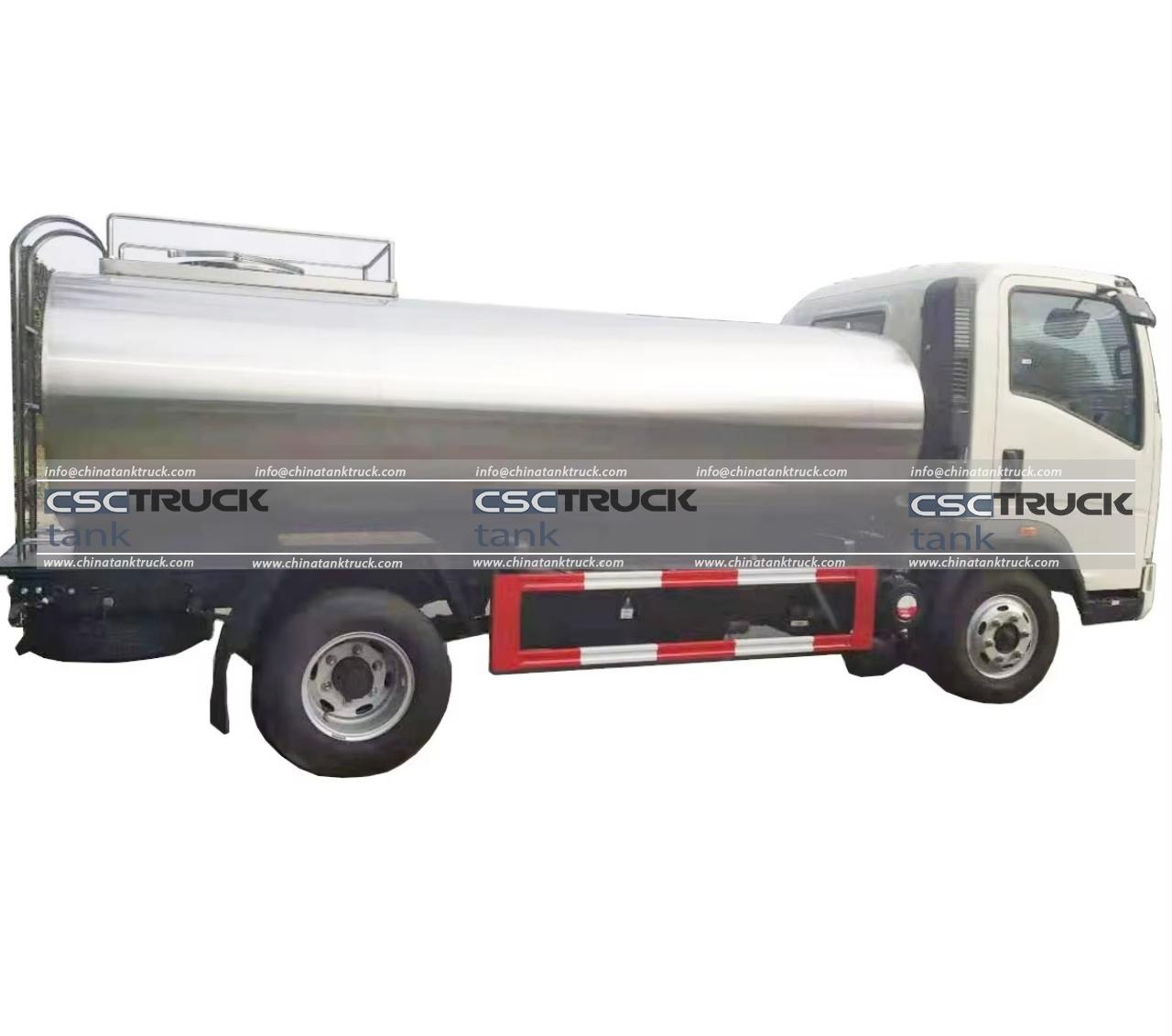
Milk tank truck maintenance requires more than ordinary vehicle servicing. Operators must maintain the sanitary tank, valves, hoses, pump, insulation, refrigeration equipment, chassis, and electrical systems as one integrated transportation solution. Regular cleaning, timely inspections, professional servicing, and accurate maintenance records are the foundation of safe and efficient milk transportation.
When purchasing a new vehicle, selecting a manufacturer that provides reliable engineering, quality components, customization, spare parts, and after-sales support is equally important. CSCTRUCK China Tank Truck offers customized milk tank trucks and other specialized tank transportation solutions for international customers, helping dairy operators choose equipment suited to their capacity, chassis, material, and operating requirements.