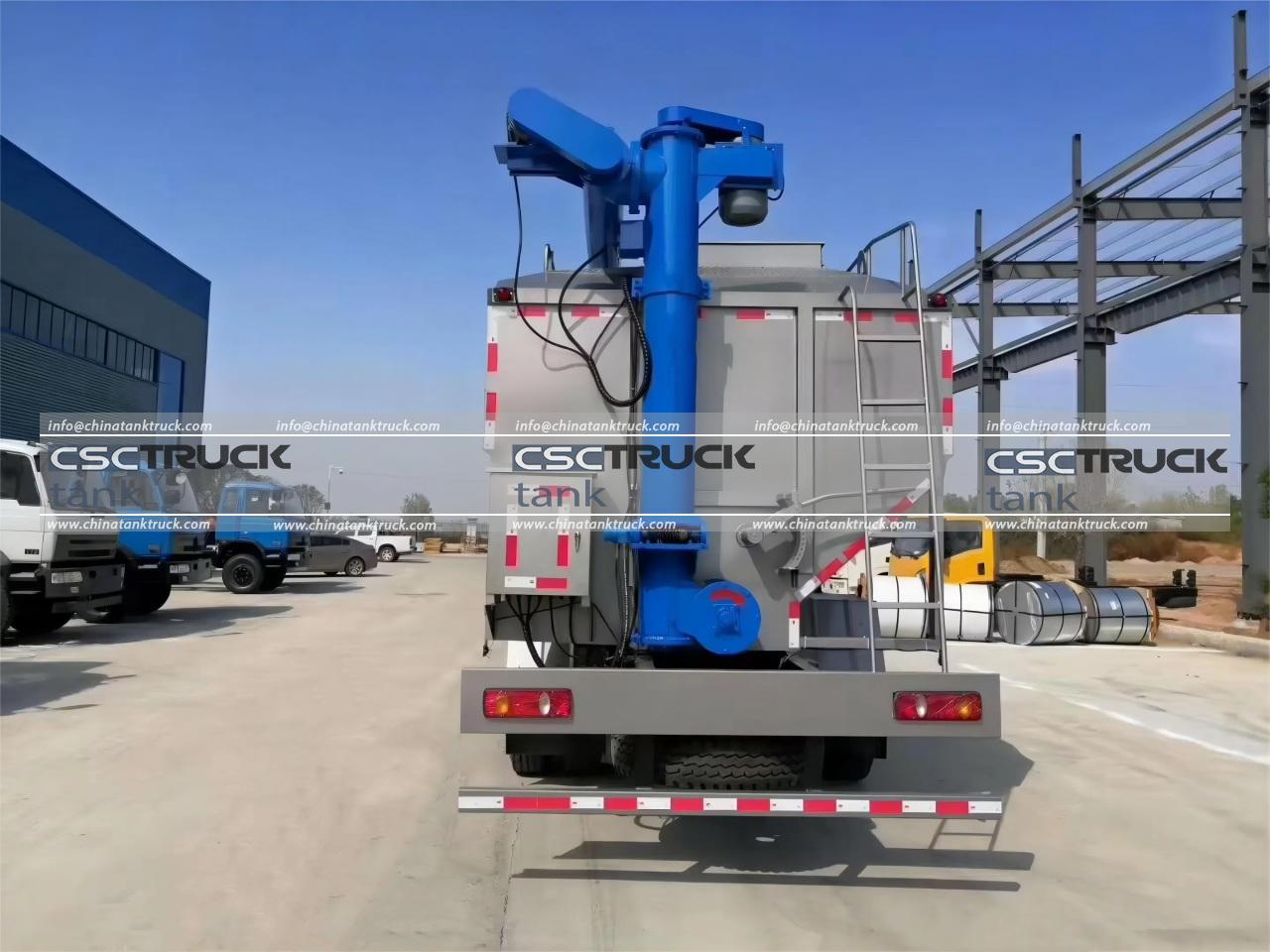

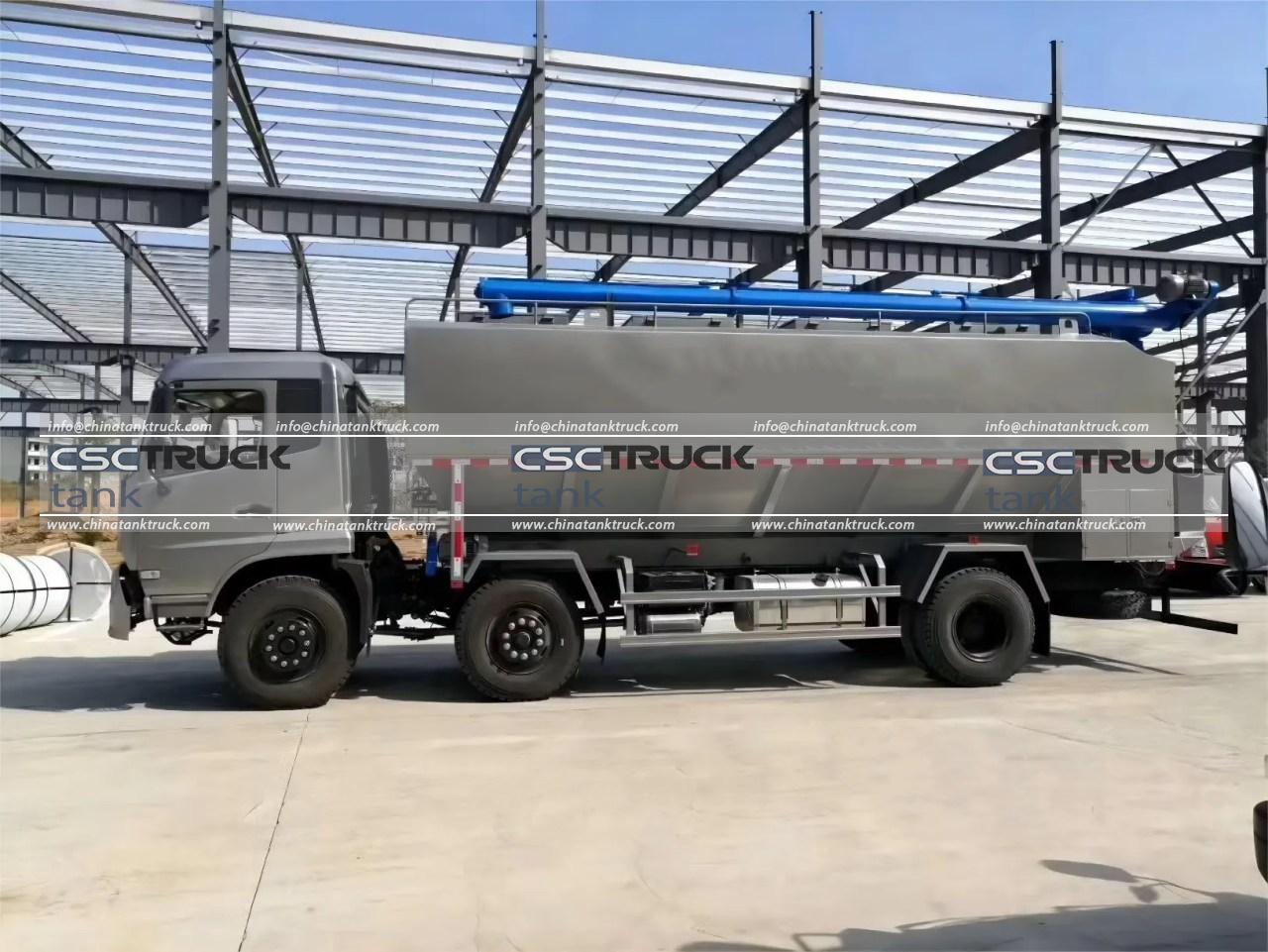
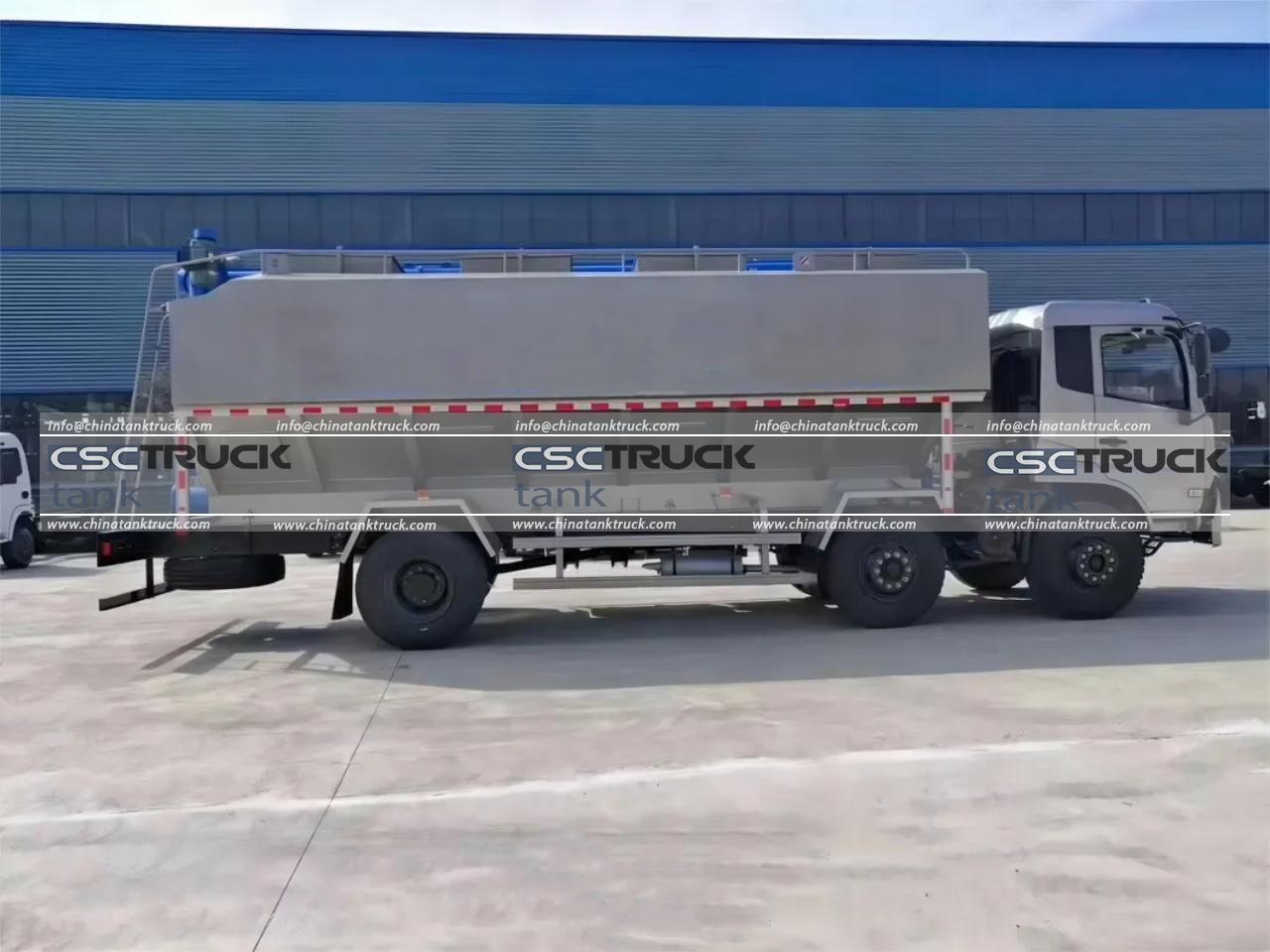
Pneumatic tank trucks are widely used to transport and unload dry bulk materials, including cement, fly ash, lime, flour, and other powdered or granular products. Unlike conventional cargo trucks, these specialized vehicles use compressed air to fluidize and discharge materials through pipelines. This makes unloading fast and efficient, but it also creates specific safety risks involving dust, pressure, noise, and exposure to materials. Therefore, wearing the correct personal protective equipment (PPE) during unloading is essential.
CSCTRUCK China Tank Truck is a professional manufacturer of specialized tank trucks and commercial vehicles. Founded in 2005 in Suizhou, Hubei, CSCTRUCK China Tank Truck produces pneumatic tank trucks and other tank transport solutions for industries including construction, chemicals, petroleum, and bulk material transportation. Its pneumatic tank truck designs focus on the coordinated performance of the tank, compressor, valves, and discharge system, helping customers achieve efficient and reliable bulk material transport.
But even with a well-designed pneumatic tank truck, PPE remains an important part of safe unloading operations. So, what PPE is required?
1. Safety Helmet
A safety helmet is one of the basic PPE items required during pneumatic tank truck unloading. Operators may work around silos, loading platforms, pipelines, and other industrial equipment where falling objects or accidental impacts are possible.
During unloading, workers may also need to access elevated walkways or work near the top of the tanker. A helmet helps protect the head from contact with structural components, tools, or other falling objects.
For industrial operations, the helmet should be properly fitted and comply with the relevant local safety standards. It should also be inspected regularly for cracks, damage, or signs of deterioration.

2. Safety Goggles or Chemical-Resistant Eye Protection
Eye protection is particularly important when unloading pneumatic tank trucks because dry bulk materials can create dust. Cement, lime, fly ash, and chemical powders may irritate or seriously damage the eyes.
Safety goggles or tightly fitting protective eyewear help prevent dust particles from entering the eyes. Standard safety glasses may be sufficient for some low-dust operations, but goggles are often a better choice where airborne powder is likely.
If the transported material is corrosive or chemically hazardous, the required eye protection must be selected according to the material’s safety data sheet (SDS). In some cases, a face shield may also be necessary to provide additional protection against splashes or unexpected material release.
3. Dust Mask or Respiratory Protection
Respiratory protection is one of the most important PPE considerations during pneumatic tank truck unloading.
Although pneumatic systems are designed to transfer dry bulk material through enclosed pipelines, dust can still escape from connections, vents, damaged hoses, or during coupling and uncoupling operations. Fine particles may be hazardous when inhaled, depending on the material.
For ordinary nuisance dust, an appropriate dust mask or particulate respirator may be required. For materials such as cement, silica-containing products, or hazardous chemicals, the respiratory protection must be selected based on the actual exposure risk and applicable workplace regulations.
Workers should never assume that a simple disposable mask is suitable for every pneumatic unloading task. The material being transported and the site’s risk assessment should determine the correct respiratory equipment.
4. Protective Gloves
Protective gloves are essential when connecting discharge hoses, operating valves, and handling couplings.
During unloading, workers may come into contact with abrasive powders, contaminated equipment, or sharp metal edges. Gloves protect against minor cuts, abrasions, and direct contact with the transported material.
For general cement or dry bulk unloading, durable work gloves may be suitable. However, if the pneumatic tank truck is transporting a chemical powder, chemical-resistant gloves must be selected according to the specific substance.
Gloves should also provide sufficient grip. This is important because operators may need to handle valves or hose connections while working in dusty or industrial environments.
5. Safety Footwear
Safety shoes or safety boots are strongly recommended during pneumatic tank truck unloading. The unloading area may contain heavy hoses, couplings, tools, and other equipment that could fall onto a worker’s feet.
Protective footwear with reinforced toe protection helps reduce the risk of crushing injuries. Slip-resistant soles are also important because dust or spilled material can make industrial surfaces slippery.
In some operations, additional requirements may include puncture-resistant soles or chemical-resistant footwear. The correct footwear should be chosen based on the unloading site and cargo type.
6. High-Visibility Clothing
High-visibility vests or workwear may be required at busy industrial sites, construction projects, warehouses, and bulk material terminals.
Pneumatic tank trucks often operate around other trucks, loaders, forklifts, and heavy machinery. High-visibility clothing makes the operator easier for drivers and equipment operators to see.
Although high-visibility clothing does not protect against dust or pressure hazards, it plays an important role in preventing vehicle and pedestrian accidents during unloading.
7. Hearing Protection
Pneumatic unloading systems can generate significant noise. The air compressor, PTO system, truck engine, and material flow through the discharge pipeline may all contribute to workplace noise.
If the noise level exceeds the limits established by local occupational safety regulations, workers may need earplugs or earmuffs. Hearing protection is especially important for personnel who spend long periods near operating compressors or multiple pneumatic tank trucks.
A practical approach is to assess the noise level at the unloading point rather than relying only on the apparent sound level.
8. Flame-Resistant or Special Protective Clothing
Not every pneumatic tank truck unloading operation requires flame-resistant clothing. However, special protective clothing may be necessary when the truck transports combustible, hazardous, or chemically sensitive materials.
For example, the PPE requirements for a cement tanker may be very different from those for a chemical powder tanker. The material’s SDS, site procedures, and applicable regulations should always be reviewed before unloading begins.
This is why PPE should be treated as cargo-specific, not simply truck-specific.
PPE Must Be Combined with Safe Unloading Procedures
It is important to understand that PPE is the last line of defense. It cannot replace proper unloading procedures.
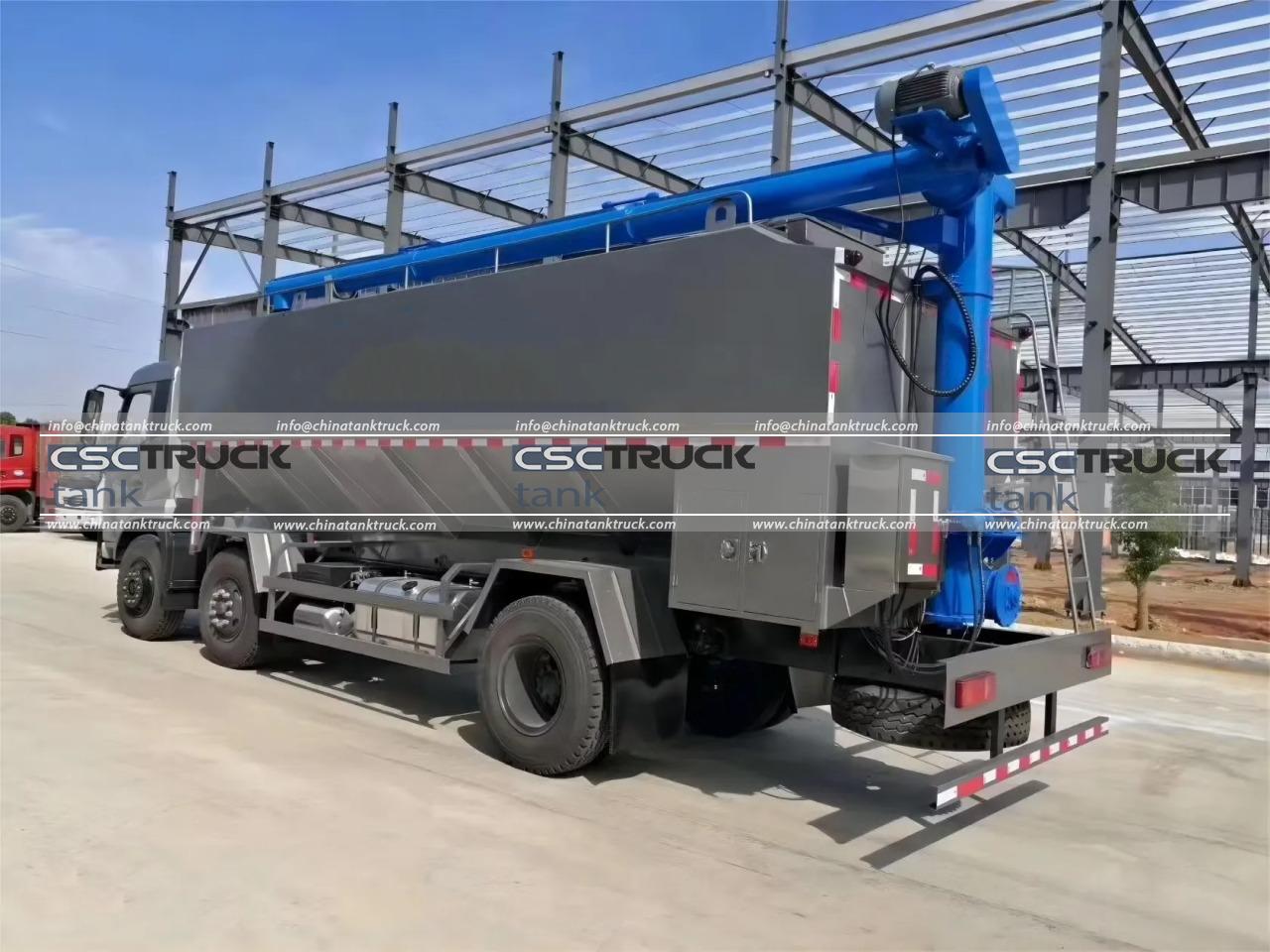
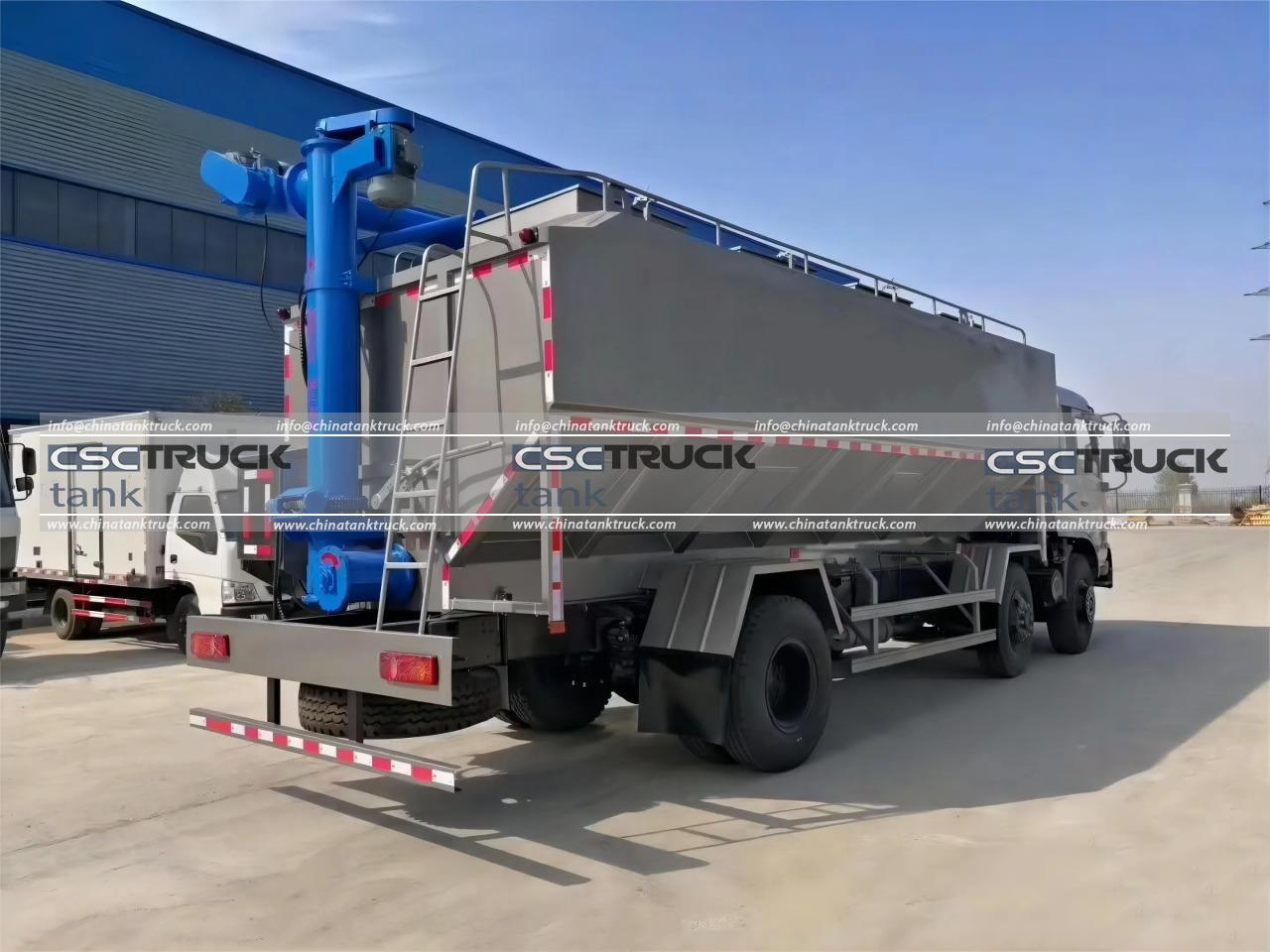
Before unloading a pneumatic tank truck, operators should inspect the truck, hoses, valves, and connections. CSCTRUCK China Tank Truck pneumatic tank truck designs commonly incorporate components such as pressure relief valves, check valves, discharge valves, and pressure gauges to support safe pneumatic operation.
Workers should also confirm the correct receiving silo, connect the discharge hose securely, and follow the manufacturer’s operating instructions. The compressor should be operated within the specified pressure range, and personnel should never stand directly in front of a pressurized connection.
Pressurized air systems can store significant energy. Canadian transportation guidance, for example, warns that failures involving pressurized air can release energy suddenly and cause severe injury, highlighting the importance of controlling pressure-related risks.
Final Thoughts
So, what PPE is required during pneumatic tank truck unloading? In most operations, the basic PPE includes a safety helmet, eye protection, suitable gloves, safety footwear, and appropriate respiratory protection. Depending on the unloading environment, workers may also need high-visibility clothing, hearing protection, chemical-resistant equipment, or specialized protective clothing.
The exact PPE requirements depend on the transported material, unloading system, workplace risk assessment, and local regulations. A professional pneumatic tank truck manufacturer, such as CSCTRUCK China Tank Truck, can provide reliable equipment, but safe operation ultimately depends on proper procedures, trained personnel, and the correct PPE.
The right PPE protects the operator, supports safer unloading, and helps ensure that pneumatic tank truck operations remain efficient and reliable.