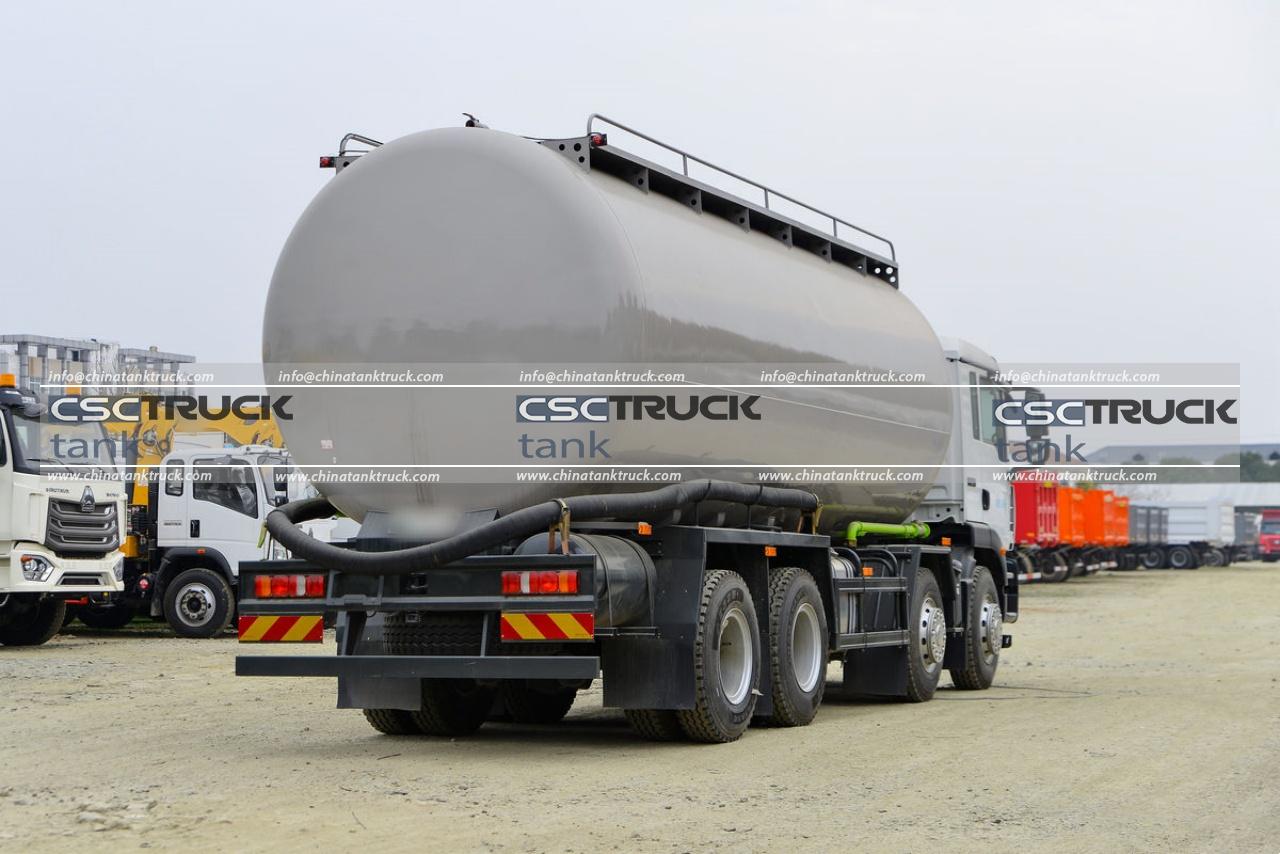

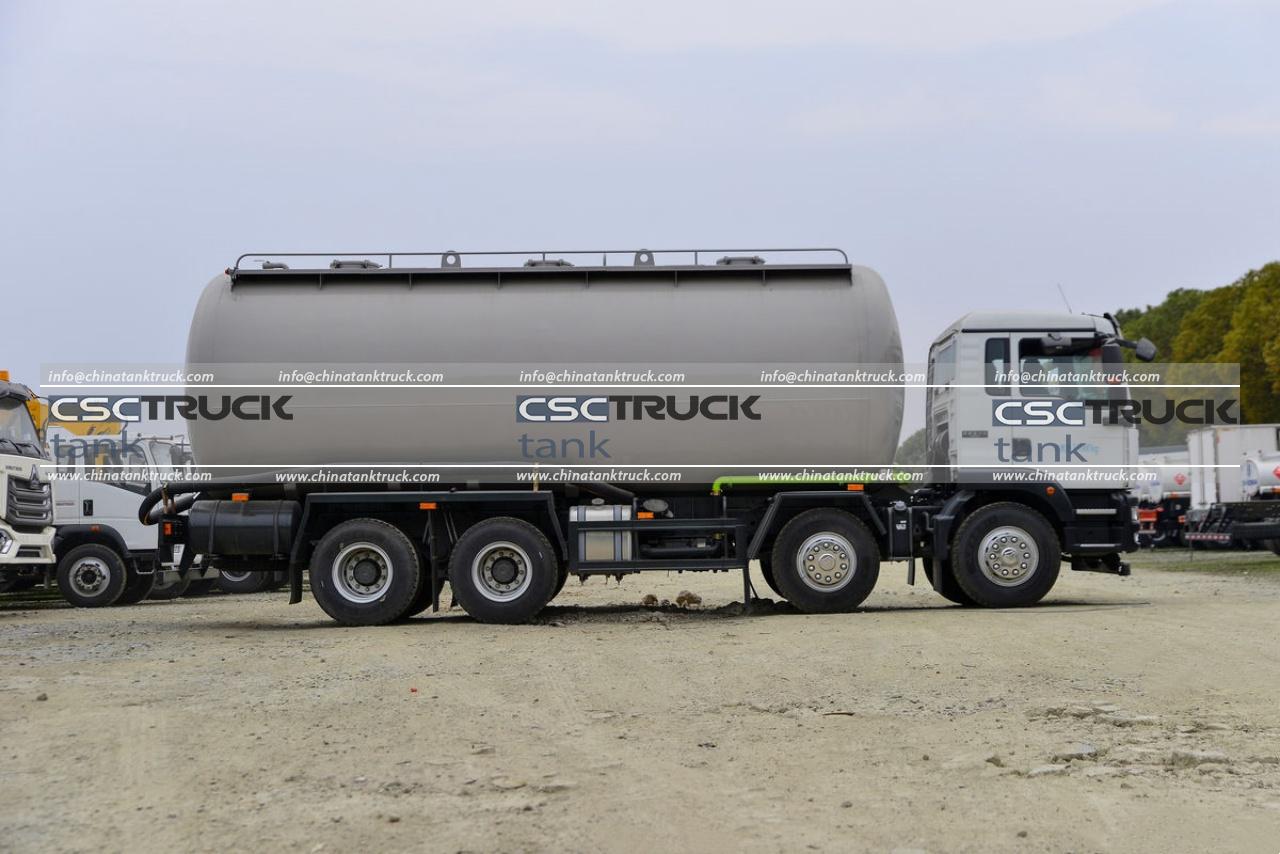
Pneumatic tank trucks are essential for transporting and unloading dry bulk materials, including cement, fly ash, lime, flour, and other powdery products. Unlike ordinary cargo trucks, these vehicles rely on a combination of pressure, compressed air, valves, pipelines, and specialized unloading equipment. Because many components work under vibration, pressure, dust, and continuous operating cycles, some pneumatic tank truck spare parts naturally wear out faster than others.
Understanding which parts require the most frequent replacement can help fleet owners reduce unexpected downtime, improve maintenance planning, and maintain efficient unloading operations.
Introduction to CSCTRUCK China Tank Truck
CSCTRUCK China Tank Truck is a specialized manufacturer of tank trucks and commercial vehicles, offering solutions for the transportation of liquids, gases, and dry bulk materials. The company provides a wide range of tank truck products and emphasizes customized manufacturing, quality control, and after-sales support, including maintenance, repairs, and spare parts services.
For operators using pneumatic tank trucks in demanding industries, selecting the right replacement parts and following a regular maintenance schedule are important factors in maintaining vehicle performance. So, which spare parts wear out most often?
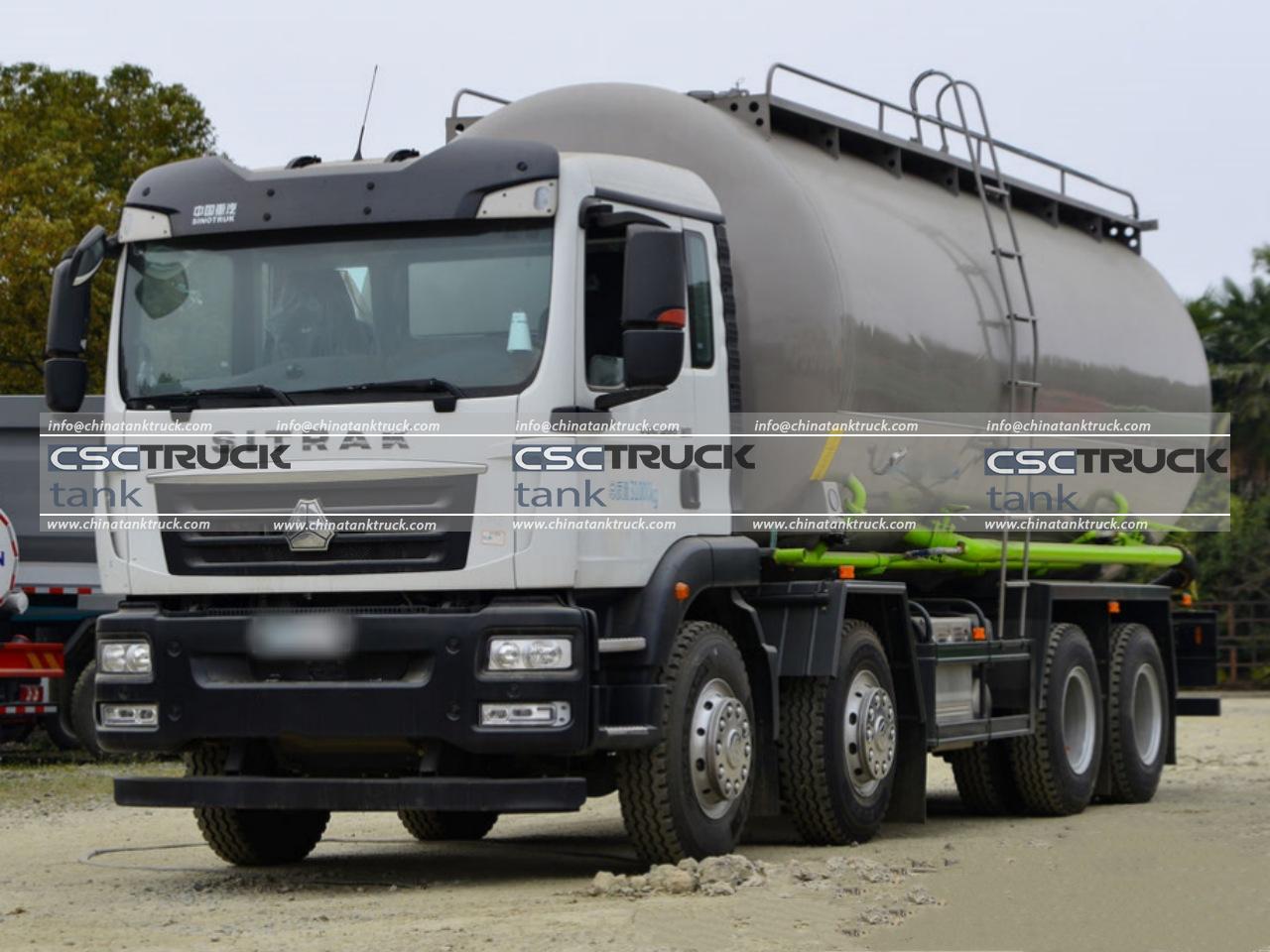
1. Air Compressor Parts
The air compressor is one of the most important components of a pneumatic tank truck. It generates the compressed air required to pressurize the tank and move dry bulk material through the discharge system.
Because the compressor operates frequently and may run for extended periods, several internal parts can experience significant wear. Common wear items include piston rings, seals, bearings, valves, and gaskets. Dust contamination, poor lubrication, excessive operating temperature, or running the compressor beyond its recommended limits can accelerate damage.
Typical warning signs include reduced air pressure, longer unloading times, unusual noise, and excessive oil consumption. In some cases, the compressor may still operate but fail to provide sufficient airflow for efficient unloading.
Regular lubrication checks and timely replacement of worn compressor parts can prevent a small problem from developing into a major system failure.
2. Air and Material Pipeline Seals
Pneumatic tank trucks use multiple pipelines to transport compressed air and dry bulk materials. The connection points of these pipelines are usually protected by seals, O-rings, and gaskets.
These small parts are among the most frequently replaced pneumatic tank truck spare parts. Continuous vibration, pressure changes, temperature variations, and contact with abrasive powder can cause sealing materials to harden, crack, or deform.
A damaged seal may result in air leakage or material leakage. Even a relatively small air leak can reduce system pressure and increase unloading time. Operators should pay particular attention to flange connections, pipe joints, and valve interfaces.
When replacing seals, it is important to use materials compatible with the operating pressure, temperature, and transported material.

3. Butterfly Valve Seals and Valve Components
Butterfly valves are widely used to control the flow of air or dry bulk material in pneumatic tank truck systems. The valve body itself is generally durable, but the sealing components can wear out much faster.
The valve seat and sealing ring are exposed to repeated opening and closing cycles. When abrasive materials such as cement or fly ash pass through the system, they can gradually wear the sealing surface.
A worn butterfly valve may become difficult to close completely. Operators may notice material leakage, pressure loss, or an inability to maintain stable tank pressure.
Valve handles, shafts, and other mechanical components can also wear over time, especially when valves are operated roughly or without proper cleaning.
4. Discharge Pipe and Elbow Components
The discharge pipe is directly exposed to the flow of abrasive dry bulk material. For this reason, discharge pipes and elbow sections are highly susceptible to internal wear.
Material flowing at high speed can gradually reduce the wall thickness of the pipe. Elbow sections are particularly vulnerable because the material changes direction as it passes through the pipe.
Over time, operators may discover thin areas, pinholes, or cracks. In serious cases, a damaged pipe can cause material leakage and create a significant workplace safety problem.
The service life of discharge pipes depends heavily on the type of material being transported, operating pressure, unloading frequency, and pipe design. Regular inspection is essential for high-frequency pneumatic tank truck operations.
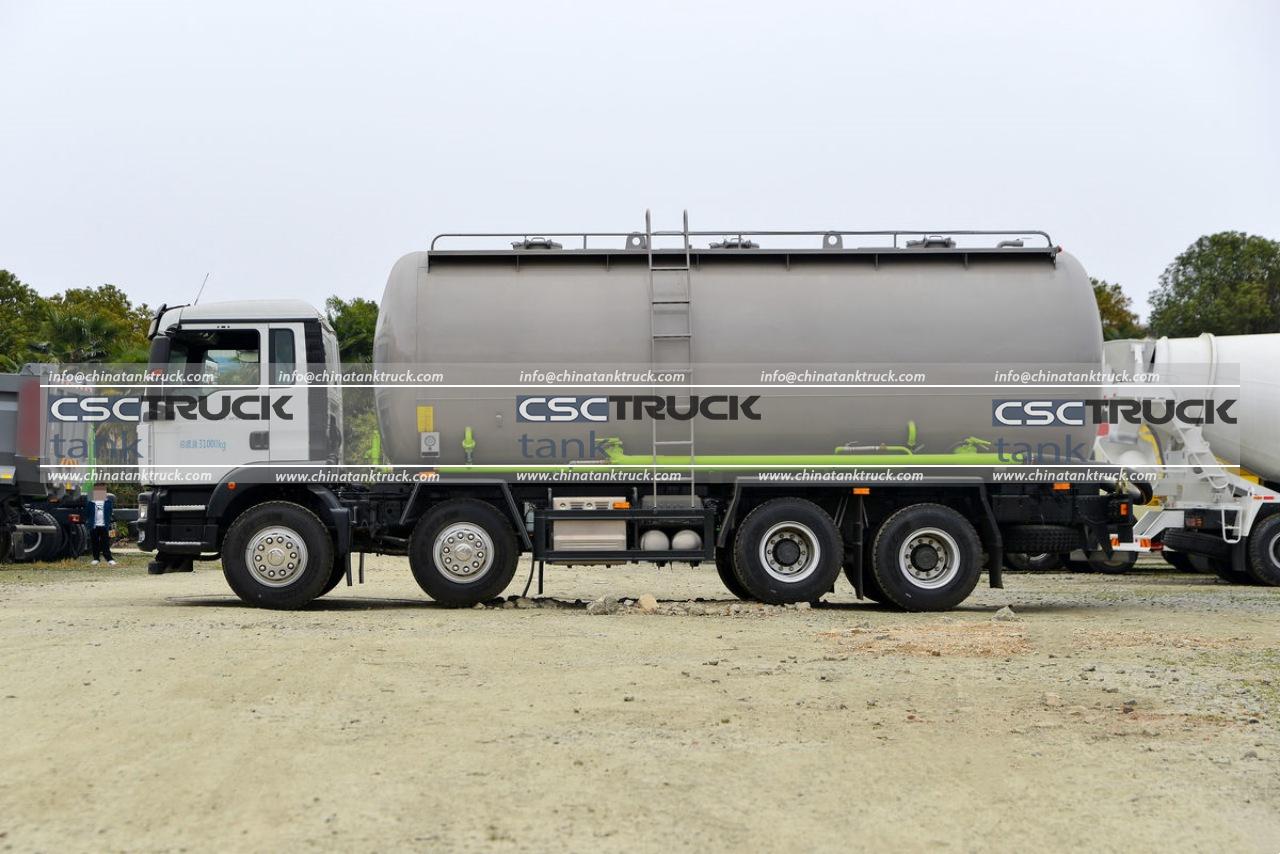
5. Air Filter Elements
The pneumatic system requires clean air. Air filters help prevent dust, dirt, and other contaminants from entering the compressor and air circuit.
However, filter elements gradually become clogged. A blocked filter restricts airflow and forces the compressor to work harder. This can reduce unloading performance and increase fuel consumption.
Air filter elements are relatively inexpensive compared with major pneumatic components, so they should not be neglected. Replacing them at the correct maintenance interval is often one of the simplest ways to protect the entire air system.
In dusty environments, filter replacement may be required more frequently than the standard maintenance schedule.
6. Pressure Gauges and Pressure-Related Components
Pressure gauges are used to monitor the internal pressure of the pneumatic tank and air system. Although gauges do not normally experience the same mechanical wear as valves or pipes, they can become inaccurate due to vibration, pressure fluctuations, or long-term use.
A damaged or inaccurate pressure gauge is a serious maintenance concern. If the operator cannot correctly monitor tank pressure, the unloading process may become inefficient or unsafe.
Pressure relief valves and related pressure-control components may also require inspection and eventual replacement. Their condition is particularly important because it is directly associated with pressure management.
7. Rubber Hoses
Flexible rubber hoses are used in many pneumatic tank truck systems. They help connect components that experience movement or vibration.
Repeated bending, twisting, pressure changes, and exposure to heat can gradually cause hoses to harden or crack. External damage may also occur when hoses are dragged across rough surfaces or improperly stored.
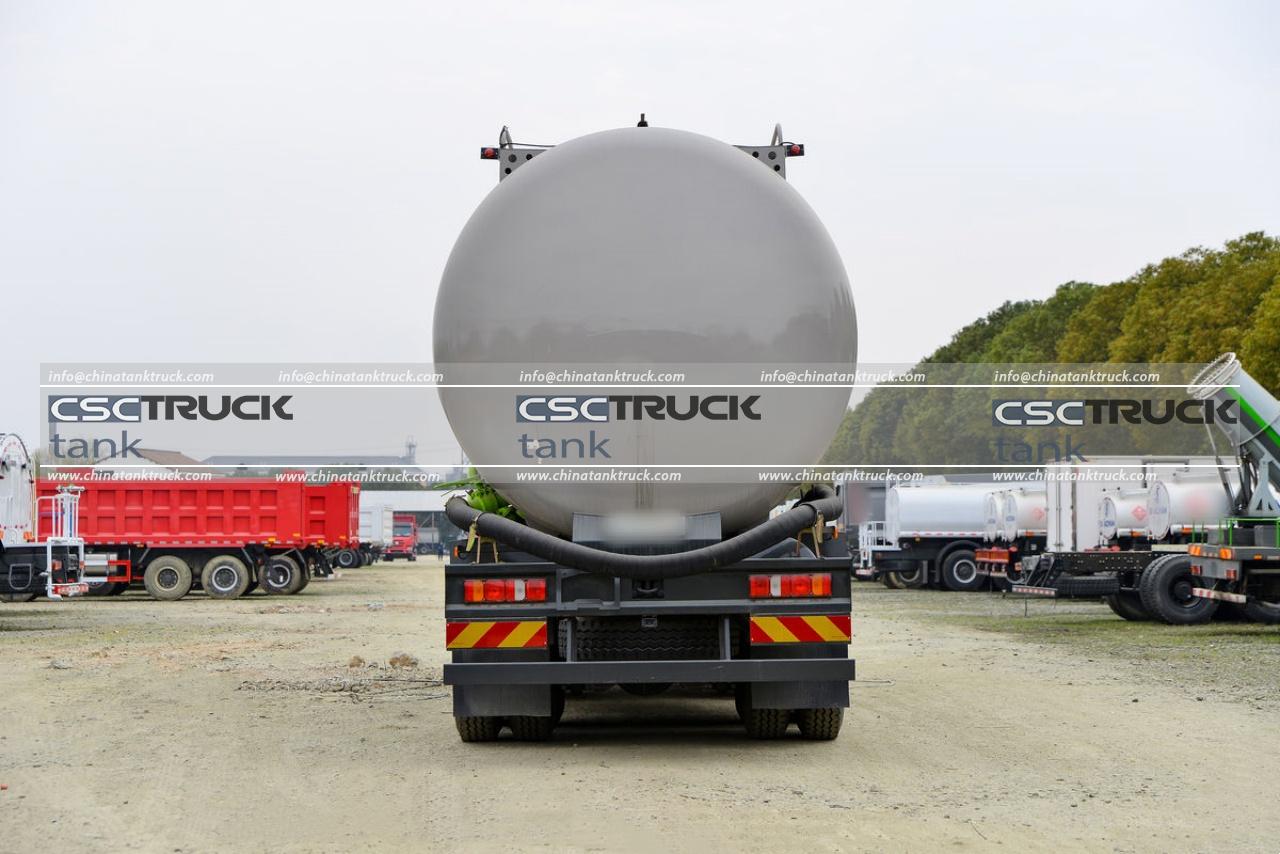
A worn hose may leak compressed air or material. Before every major operating period, operators should check hoses for cracks, bulges, abrasion marks, and loose connections.
Replacing a hose early is usually much less expensive than dealing with a sudden unloading failure.
8. Bearings and Mechanical Wear Parts
Although the pneumatic system receives most of the attention, mechanical components also wear out. Bearings in auxiliary equipment, compressor systems, and other rotating components can gradually deteriorate.
Poor lubrication, contamination, excessive load, and vibration can shorten bearing life. Typical symptoms include abnormal noise, overheating, and increased vibration.
When a bearing shows signs of damage, continued operation can cause secondary damage to shafts and connected components. Therefore, early replacement is strongly recommended.
How Can Operators Reduce Spare Part Wear?
The best way to reduce pneumatic tank truck spare parts consumption is to combine preventive maintenance with proper operating procedures. Operators should regularly inspect air pressure, valves, pipelines, seals, filters, and hoses.
The transported material should also be considered. Abrasive powders can wear pipes and seals much faster than less abrasive products. Correct unloading pressure and airflow are equally important.
In addition, using high-quality replacement parts that match the original equipment specifications can improve reliability. Keeping a small inventory of commonly used seals, gaskets, hoses, and filter elements can also reduce downtime.
Conclusion
The pneumatic tank truck spare parts that wear out most often are usually seals, gaskets, valve components, air filter elements, hoses, discharge pipes, and compressor wear parts. These components are exposed to pressure, vibration, dust, and abrasive materials during normal operation.
By identifying these common wear parts and inspecting them regularly, fleet operators can prevent unexpected failures and maintain stable unloading performance. For businesses looking for reliable pneumatic tank truck solutions and professional after-sales support, CSCTRUCK China Tank Truck offers customized tank truck manufacturing and related service capabilities for different transportation applications.