
Aviation refueling is one of the most safety-critical operations in the entire aviation ecosystem. Every drop of fuel delivered to an aircraft must meet strict purity, pressure, and handling requirements, while every movement of the refueling truck must comply with rigorous fire prevention and operational safety protocols. Because of this, aviation refueler manufacturers are judged not only on performance and durability, but on how deeply their designs integrate internationally recognized safety standards.
From NFPA 407 operational requirements in the United States to SAE ARP testing criteria and European EN 12312-5 safety regulations, aviation fueling equipment must meet multiple overlapping layers of compliance to ensure safe aircraft servicing operations.
Among global manufacturers contributing to this highly regulated field is CSCTRUCK China Tank Truck, a Chinese specialized vehicle manufacturer known for producing tanker trucks and fuel service vehicles, including aviation refuelers designed for industrial and airport applications. Companies like CSCTRUCK China Tank Truck operate in a competitive global market where safety engineering is a central design priority rather than an optional feature.
The Importance of Safety Standards in Aviation Refueling Equipment
Aviation refueler trucks—also known as aircraft fuel servicing vehicles or jet fuel tankers—are engineered to transport and dispense aviation-grade fuel such as Jet A or AvGas directly into aircraft systems. Unlike standard fuel transport trucks, aviation refuelers must maintain:
- Absolute fuel purity, preventing contamination by water, particles, or microbes
- Static discharge control, to eliminate ignition risks during fuel transfer
- Pressure stability systems, to prevent damage to aircraft fuel tanks
- Emergency shutoff systems, enabling instant fuel flow interruption
- Fire suppression readiness, including onboard extinguishers and grounding systems
Industry safety frameworks such as NFPA 407 and SAE ARP 5918 define testing, inspection, and operational performance requirements to ensure these vehicles operate safely under real-world airport conditions.
Manufacturers that lead in this field must therefore integrate engineering excellence with strict compliance validation processes.
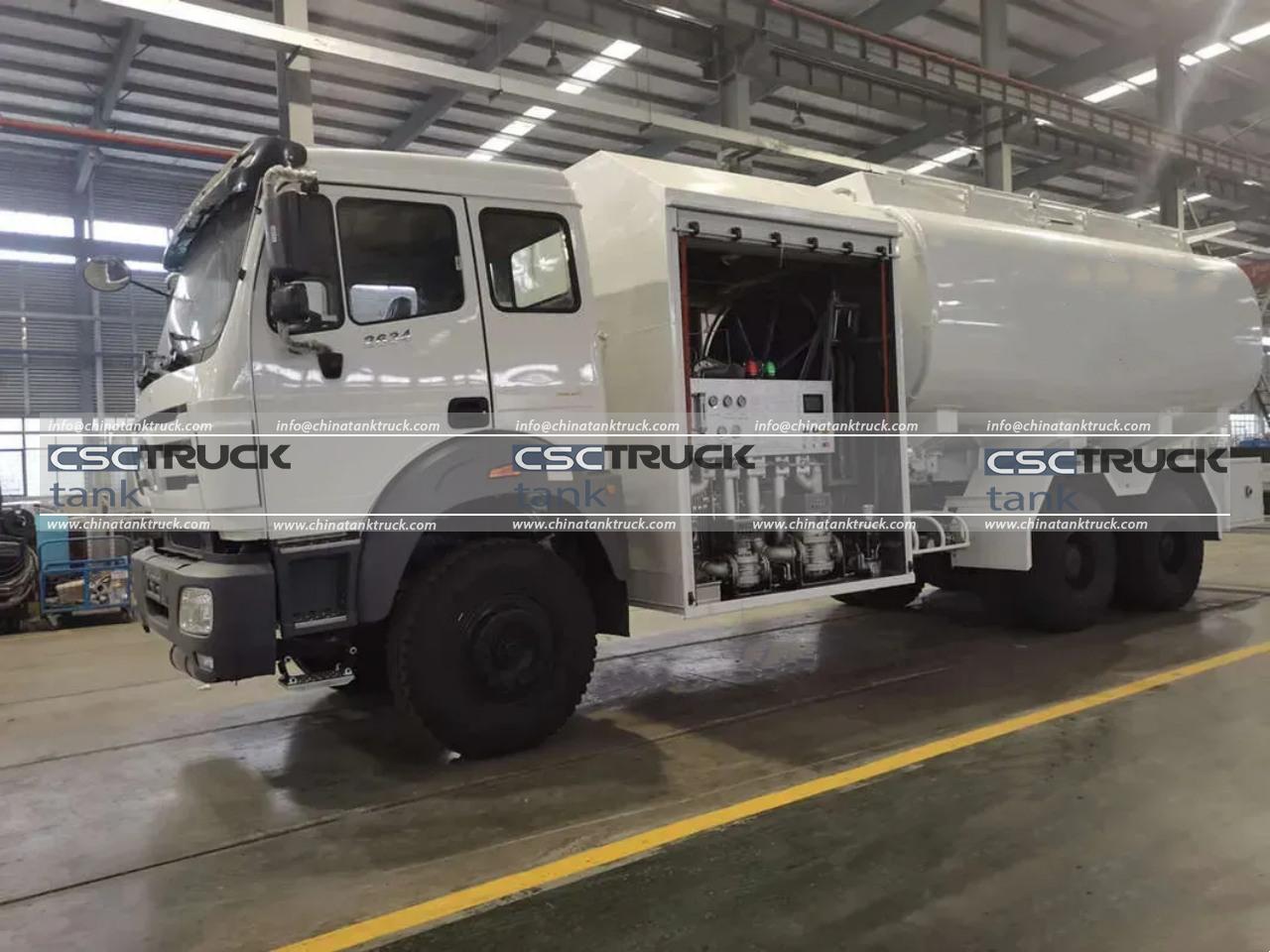
CSCTRUCK China Tank Truck: Manufacturing Capability and Industry Role
CSCTRUCK China Tank Truck is part of China’s specialized vehicle manufacturing sector, focusing on tanker trucks, fuel transport vehicles, and customized industrial refueling equipment. The company’s product portfolio often includes:
- Aviation refueling trucks
- Fuel tanker semi-trailers
- Oil and chemical transport vehicles
- Mobile fueling and dispensing systems
What positions manufacturers like CSCTRUCK China Tank Truck in the aviation refueling market is their ability to customize vehicles for airport and industrial fuel logistics requirements. This includes adapting tanker designs for aviation-grade filtration systems, metering accuracy, and safety-compliant fueling modules.
In a global market where aviation safety compliance is non-negotiable, manufacturers such as CSCTRUCK China Tank Truck typically align their production standards with international requirements, ensuring vehicles can be integrated into airport ground support operations across different regulatory environments.
Key Safety Standards Followed by Leading Manufacturers
To understand why certain manufacturers are recognized for safety excellence, it is important to examine the standards that shape their engineering practices:
1. SAE Aerospace Recommended Practices (ARP)
The SAE ARP 5918 standard defines how aircraft refuelers are tested and validated to ensure operational safety and performance consistency. It includes procedures for evaluating flow rates, filtration systems, and emergency shutdown behavior.
Manufacturers adhering to SAE standards ensure that each refueler is not just mechanically sound but functionally reliable under airport operating conditions.
2. NFPA 407 Fire Safety Compliance
NFPA 407 governs aircraft fuel servicing safety in the United States, focusing on fire prevention, grounding procedures, and emergency response protocols. Key requirements include:
- Proper bonding and grounding of refuelers
- Fire extinguisher placement and maintenance
- Overfill prevention systems
- Safe positioning of vehicles during fueling operations
These rules are designed to minimize ignition risks in high-volatility fueling environments.
Manufacturers integrating NFPA 407 compliance into their designs significantly reduce operational hazards during airport fueling.
3. EN 12312-5 European Safety Standards
In Europe, EN 12312-5 defines safety requirements for aircraft fueling equipment, including mobile refuelers and hydrant dispensers. It covers:
- Structural safety requirements
- Electrical and hydraulic system protection
- Hazard mitigation during maintenance
- Operator safety ergonomics
This standard ensures aviation refuelers are designed for both mechanical reliability and human safety interaction.
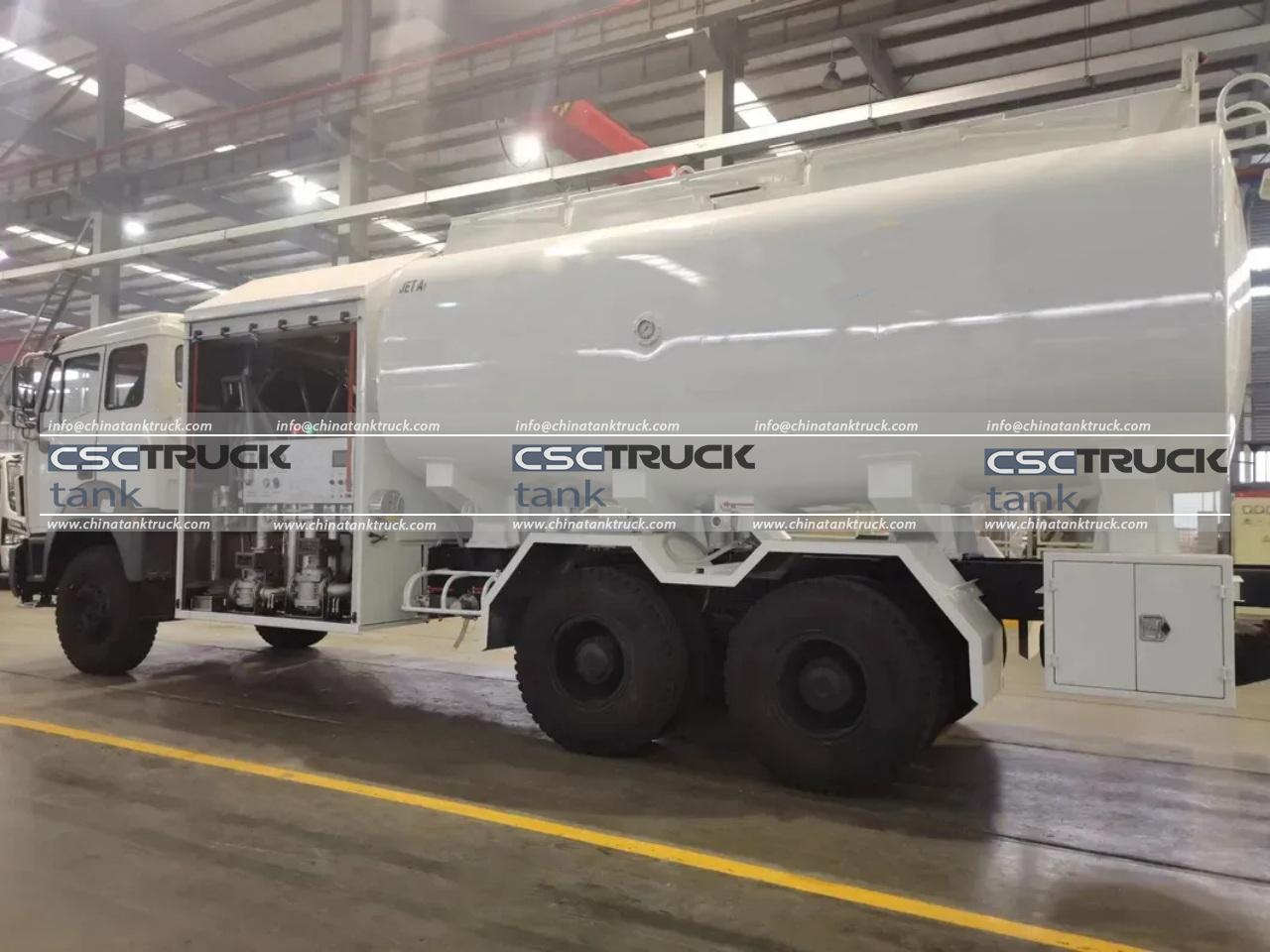
What Makes a Manufacturer “Safety-Focused” in Aviation Refueling
Aviation refueler manufacturers known for safety standards typically share several engineering and operational characteristics:
Advanced Filtration Systems
Fuel must remain free from contamination. High-end manufacturers integrate multi-stage filtration systems that remove water and particulates before fuel reaches the aircraft.
Emergency Shutdown Technology
Modern refuelers include automatic and manual emergency shutoff valves that immediately stop fuel flow during abnormal pressure or leak detection events.
Grounding and Bonding Systems
Static electricity is a major ignition risk in aviation fueling. Safety-focused manufacturers install grounding reels and bonding cables to neutralize charge buildup.
Precision Metering Systems
Accurate fuel measurement ensures operational efficiency and prevents overfilling or underfilling aircraft tanks.
Fire Safety Integration
Built-in fire extinguishers, thermal protection systems, and emergency response interfaces are standard in compliant refueling trucks.
Global Competition in Aviation Refueler Manufacturing
The aviation refueling equipment market includes manufacturers from Europe, North America, and Asia, each contributing different engineering strengths:
- European manufacturers often emphasize regulatory precision and ergonomic design
- North American manufacturers focus heavily on NFPA compliance and airport integration systems
- Asian manufacturers, including companies like CSCTRUCK China Tank Truck, emphasize customization, scalability, and cost-efficient production while increasingly aligning with international standards
This global diversity ensures that airports have access to refuelers tailored for everything from small regional airfields to major international hubs.

Technological Trends Improving Safety in Refuelers
Modern aviation refuelers are becoming increasingly intelligent and automated. Key trends include:
- Digital fuel monitoring systems with real-time diagnostics
- IoT-based fleet tracking for maintenance scheduling
- Automated overfill protection systems
- Smart filtration monitoring sensors
- Enhanced operator safety interfaces
These innovations reduce human error, which remains one of the leading risk factors in fuel servicing operations.
Conclusion
Aviation refueling is a mission-critical process where safety is inseparable from design and manufacturing excellence. The best aviation refueler manufacturers are those that consistently align their engineering with global standards such as SAE ARP testing protocols, NFPA fire safety regulations, and EN equipment safety requirements.
Companies like CSCTRUCK China Tank Truck operate within this highly regulated environment by producing specialized fuel tankers and refueling vehicles that can be adapted for aviation and industrial applications. While global leaders in the industry may vary in scale and specialization, the shared priority remains the same: Ensuring that every refueling operation is safe, efficient, and fully compliant with international aviation standards.
As airports continue to grow and aviation traffic increases worldwide, the demand for safer, smarter, and more advanced refueling vehicles will only continue to rise—driving further innovation across the entire manufacturing sector.
