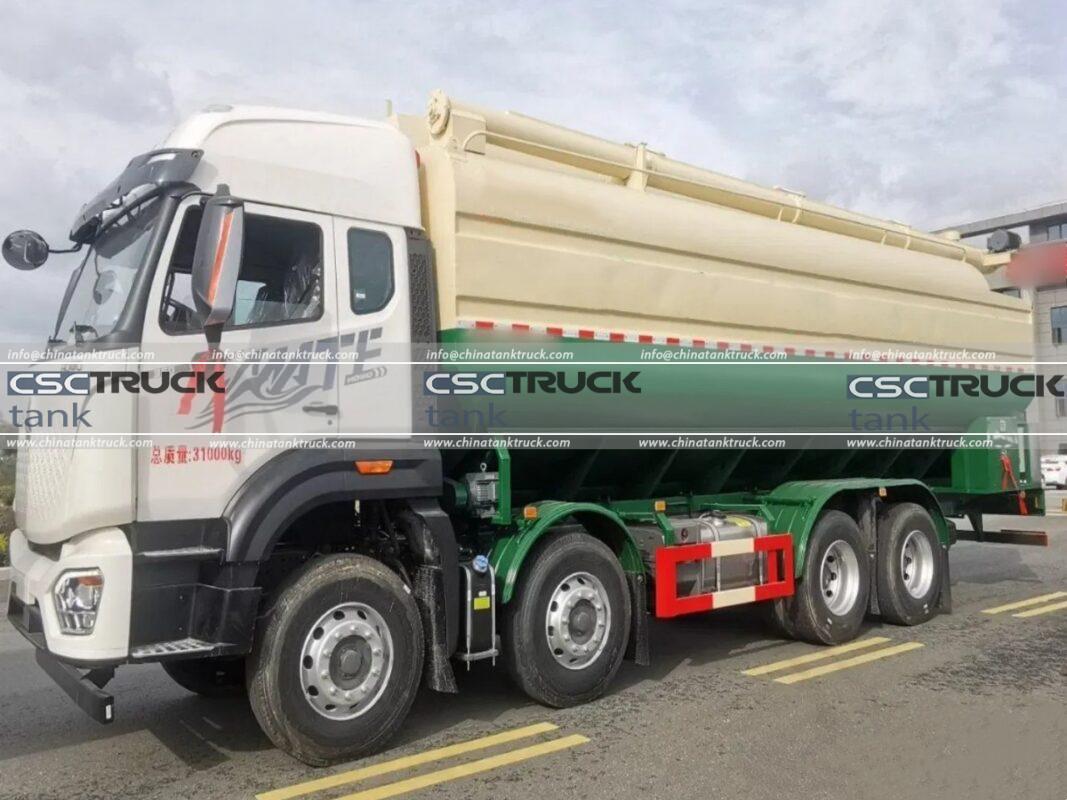
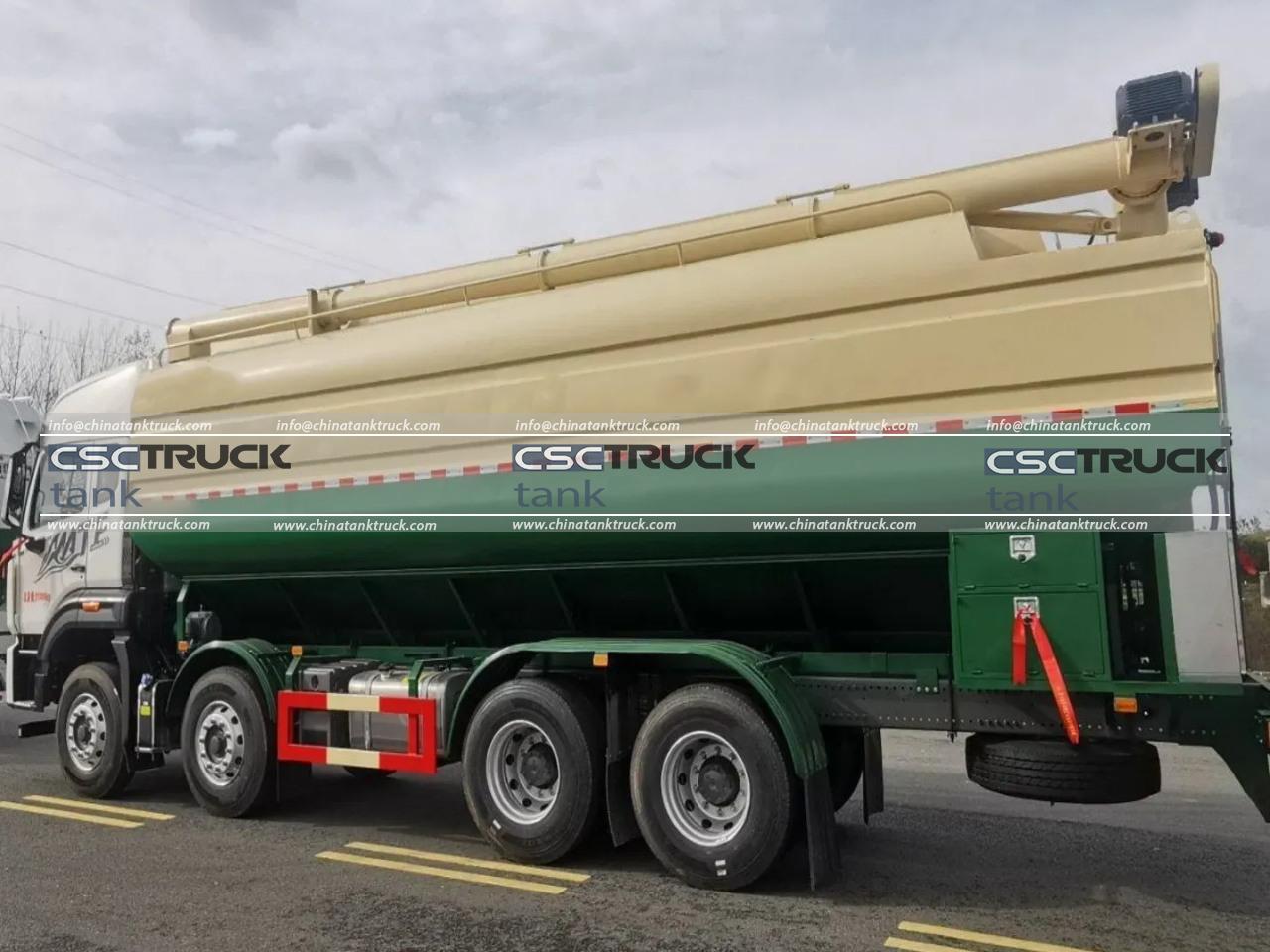
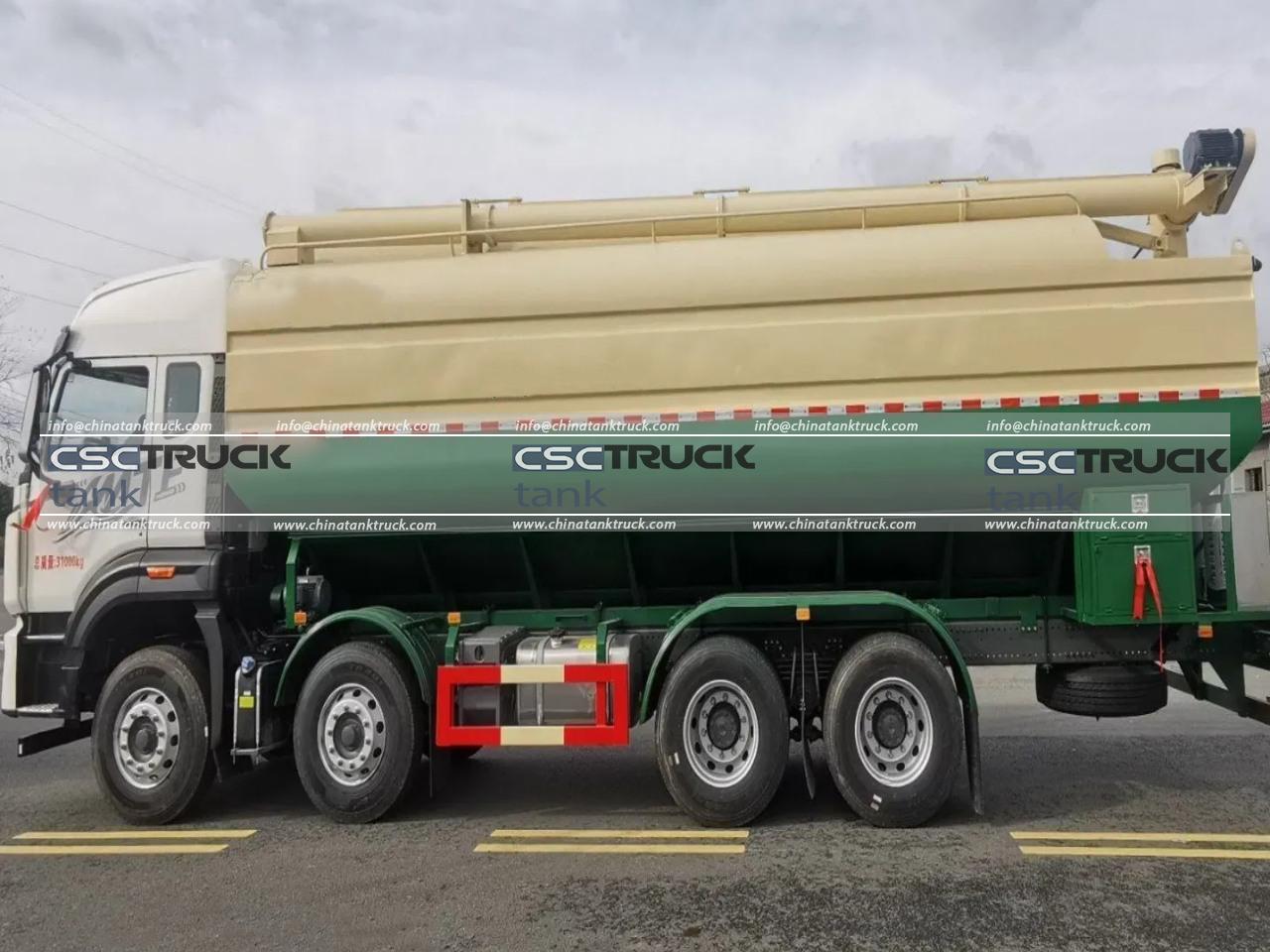
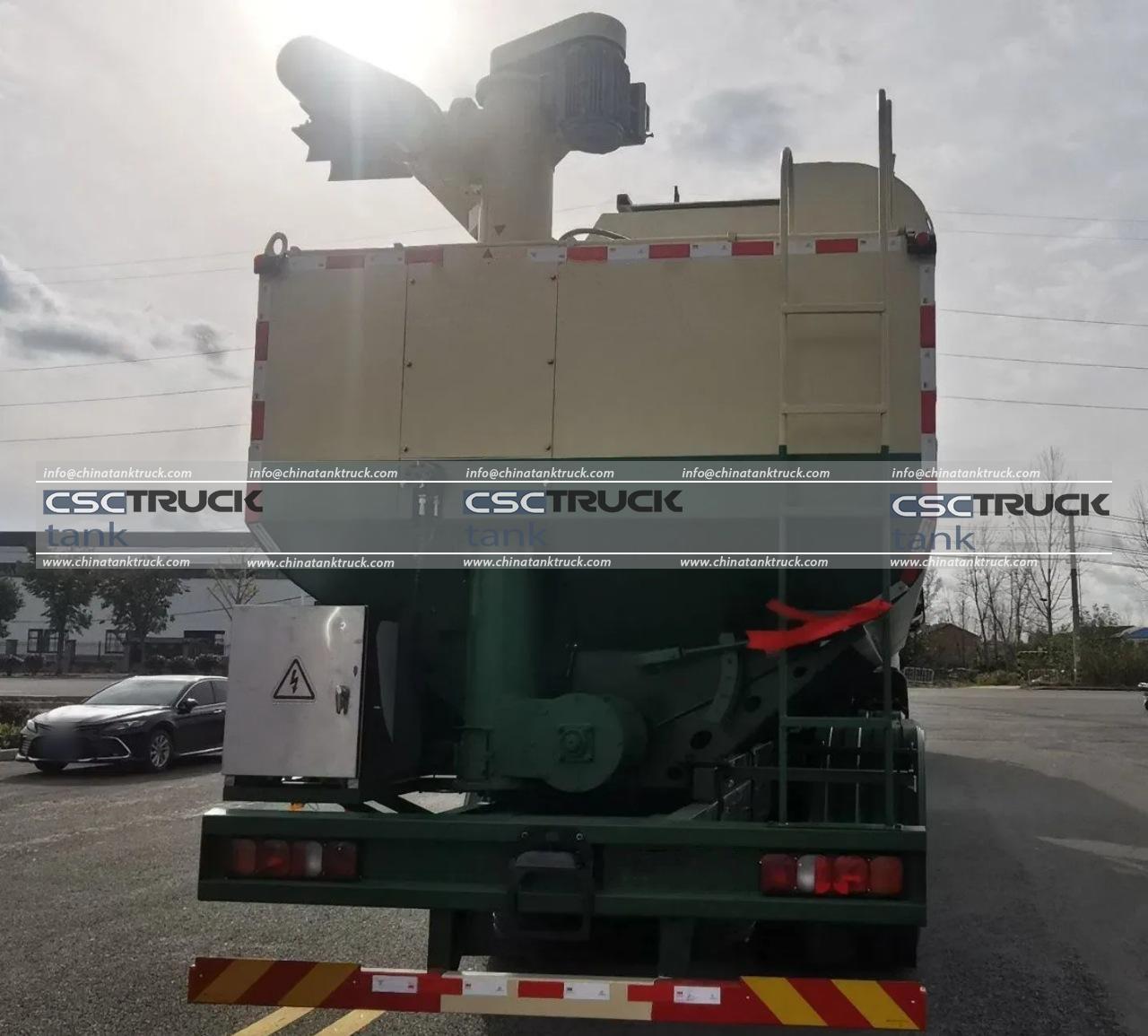
Pneumatic bulk trucks, also called pneumatic tank trucks, dry bulk tankers, powder tank trucks, or pneumatic bulk carriers, are specialized vehicles designed to transport and discharge dry powders and granular materials efficiently. Common cargoes include cement, fly ash, lime, mineral powder, flour, starch, plastic pellets, fertilizers, and certain chemical products. Unlike conventional dump trucks, pneumatic bulk trucks use compressed air to fluidize and move materials through pipelines into silos or storage systems. This enclosed unloading method can reduce dust, product loss, and contamination while improving unloading efficiency.
For buyers, however, choosing the right truck involves more than selecting tank capacity. Tank construction, compressor performance, chassis specifications, pressure control, material compatibility, safety equipment, maintenance requirements, and after-sales support can all influence long-term operating costs.
CSCTRUCK China Tank Truck is a China-based manufacturer of specialized tank trucks and commercial vehicles. Founded in 2005 in Suizhou, Hubei, the company produces tank trucks and customized transport solutions for customers in international markets. Its product range includes pneumatic tank trucks and dry bulk transport equipment designed around different materials, capacity, chassis, and operating requirements.
Here are 10 important buying and operating tips every pneumatic bulk truck buyer should know.
1. Match the Truck to the Material You Transport
The first step is identifying exactly what material the truck will carry. Different powders and granules have different bulk densities, moisture sensitivities, flow characteristics, and unloading requirements.
Cement, fly ash, lime, flour, starch, plastic pellets, and chemical powders may require different pneumatic configurations. Fine powders can behave differently from coarse granular products, while moisture-sensitive materials require excellent tank sealing and clean internal surfaces.
Before purchasing, provide the manufacturer with:
- Material name and characteristics
- Bulk density
- Typical moisture content
- Required unloading method
- Required unloading distance and height
- Expected daily or monthly transport volume
This information helps determine the appropriate tank, compressor, aeration system, and discharge configuration.
2. Choose Tank Capacity Based on Payload, Not Volume Alone
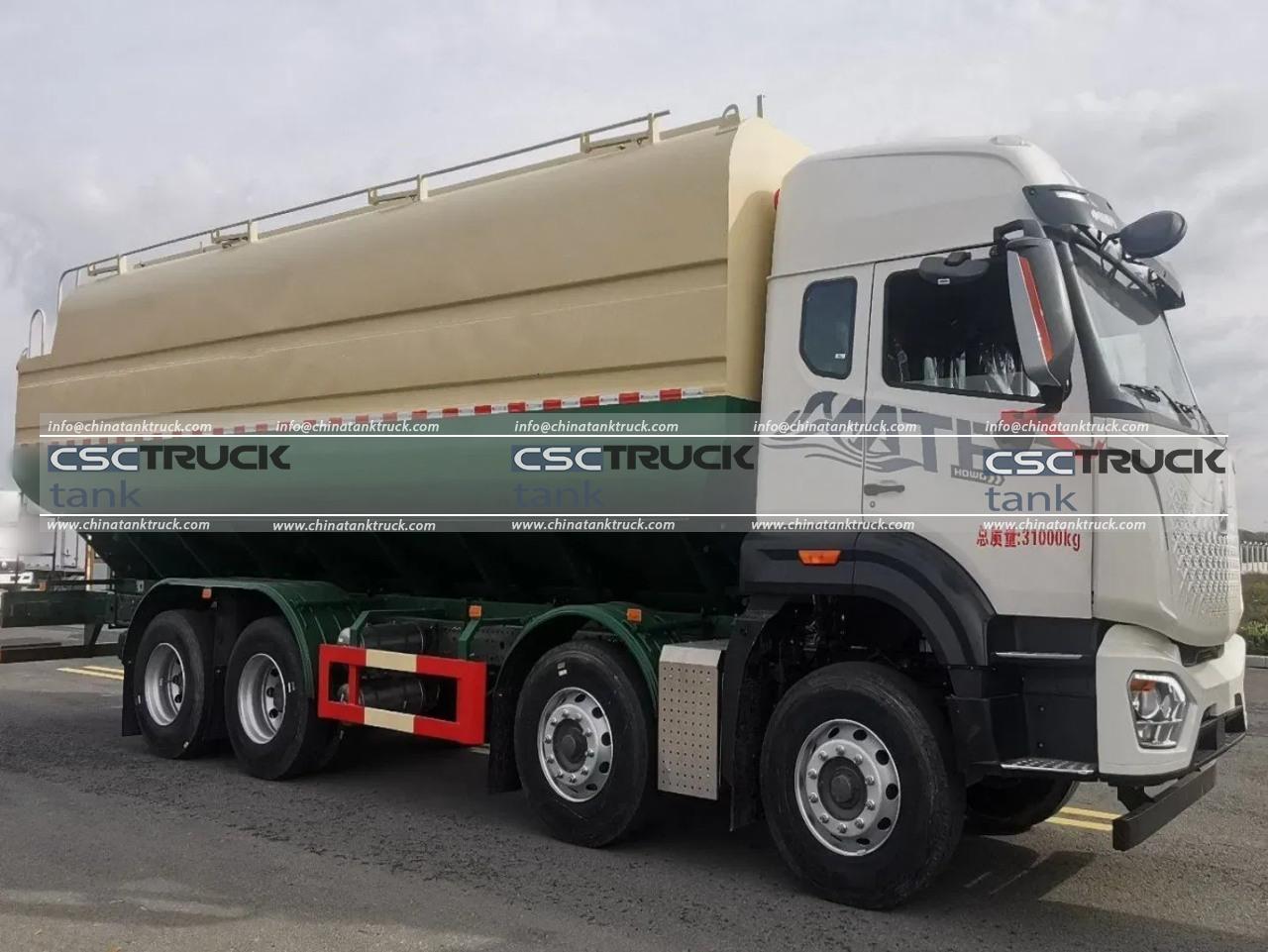
A larger tank is not automatically better. The ideal capacity depends on cargo density, road regulations, chassis GVW, axle-load limits, and the actual payload required.
Pneumatic bulk trucks can have substantially different payload capacities depending on tank size, vehicle configuration, material density, and local legal weight limits.
For example, a low-density product may require a larger-volume tank, while a high-density material may reach the vehicle’s legal payload limit before the tank is full.
Therefore, consider both CBM and tons when comparing trucks. Ask the manufacturer to calculate the recommended configuration according to your local road regulations and cargo density.
3. Pay Close Attention to Tank Construction
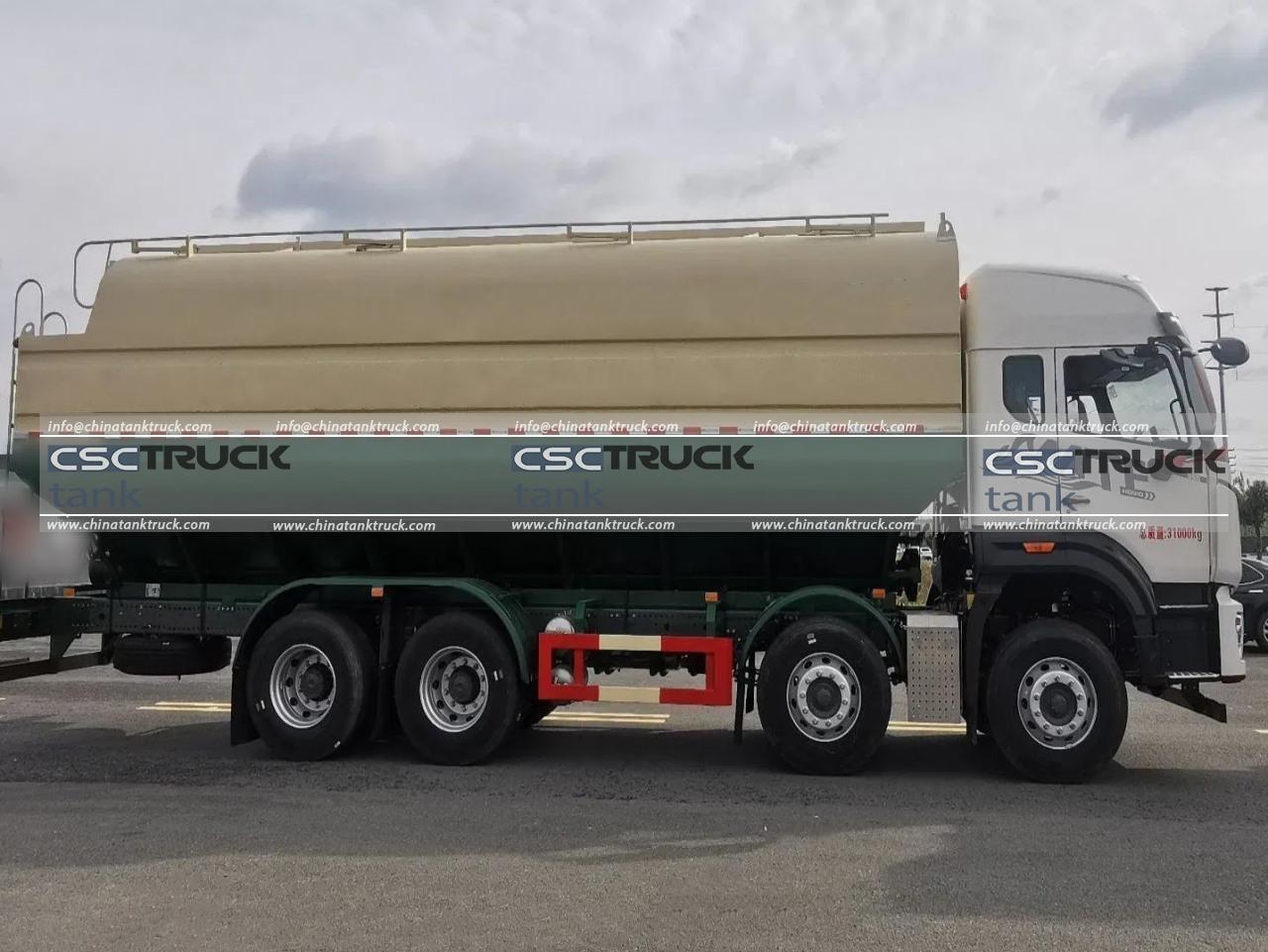
The tank is the most important structural component of a pneumatic bulk truck. It must withstand transportation loads while maintaining reliable pressure performance during unloading.
When comparing vehicles, examine:
- Tank material and thickness
- Tank shape and internal design
- Welding quality
- Pressure rating
- Manhole construction
- Aeration or fluidization system
- Discharge outlets
- Corrosion resistance
A well-designed tank should support efficient material flow while minimizing residual material after unloading. For demanding applications, buyers should also confirm applicable pressure-vessel standards and certification requirements in the destination country.
4. Select the Right Air Compressor
The compressor is essentially the power source of the pneumatic unloading system. It supplies the compressed air required to fluidize and convey the material.
An undersized compressor can result in slow unloading, unstable material flow, or difficulty handling long discharge pipelines. An oversized system, meanwhile, can increase fuel consumption and unnecessary operating costs.
Ask about:
- Air displacement
- Operating pressure
- Compressor type
- PTO drive system
- Compressor durability
- Lubrication requirements
- Spare-parts availability
PTO-driven compressors are widely used because the truck’s engine can provide power without requiring a separate engine for the compressor.
5. Check the Complete Pneumatic System
Do not evaluate the compressor by itself. The entire pneumatic system must work together.
Important components include:
- Air compressor
- Air lines
- Fluidization pads or membranes
- Pressure gauges
- Pressure relief valves
- Check valves
- Butterfly valves
- Discharge hoses
- Air control valves
- Filters
A mismatch between compressor capacity, tank design, aeration system, and discharge piping can reduce overall performance. The system should be configured according to the material and the required unloading distance.
6. Consider Your Actual Unloading Conditions
Before buying, determine where and how the material will be discharged.
Will the truck unload into a nearby silo, or will it need to move material through a long horizontal pipeline and several meters vertically? Long pipelines, small pipe diameters, and sharp bends can increase resistance and affect unloading performance.
Give the manufacturer information about:
- Horizontal discharge distance
- Vertical discharge height
- Pipeline diameter
- Number of bends
- Receiving silo connection
- Expected unloading time
This allows the pneumatic system to be properly matched to your working environment.
7. Never Ignore Safety Equipment
Because pneumatic bulk trucks operate with pressurized air, safety equipment is essential.
A properly equipped vehicle should include appropriate pressure gauges, relief valves, check valves, and other protective devices. Operators should never exceed the tank’s permitted working pressure.
Before unloading, inspect hoses, fittings, valves, pressure gauges, and safety devices. Never open the tank cover while the tank is pressurized or while unloading is underway.
During operation, pressure should be monitored continuously. If pressure rises unexpectedly, operators should stop and investigate rather than simply increasing compressor output.
8. Train Operators Before Putting the Truck Into Service
Even a high-quality pneumatic bulk truck can become dangerous or inefficient if operated incorrectly.
Drivers and operators should understand:
- How to position and secure the vehicle.
- How to connect the discharge hose.
- How to check valve positions.
- How to start and control the compressor.
- How to monitor tank pressure.
- How to identify abnormal pressure changes.
- How to deal with potential pipeline blockages.
- How to safely depressurize the tank.
- How to disconnect hoses after unloading.
A common mistake is opening or closing valves in the wrong sequence. Operators should always follow the manufacturer’s operating manual and the procedures required by local regulations.
9. Establish a Preventive Maintenance Program
Regular maintenance is essential for maintaining unloading efficiency and preventing unexpected downtime.
Inspect the compressor, valves, hoses, pressure gauges, fluidization membranes, air filters, and discharge pipelines regularly. Compressor oil levels and lubrication should be checked according to the manufacturer’s recommendations.
Particular attention should be paid to:
- Air leaks
- Damaged hoses
- Worn valves
- Blocked filters
- Damaged aeration pads
- Pressure-gauge accuracy
- Safety-valve condition
- Compressor performance
Preventive maintenance is generally much less expensive than repairing a major pneumatic-system failure during an urgent delivery.
10. Evaluate the Manufacturer and After-Sales Support
The purchase price is only one part of the total cost of owning a pneumatic bulk truck. Buyers should also evaluate engineering support, spare-parts availability, warranty terms, documentation, customization capabilities, and communication after delivery.
CSCTRUCK China Tank Truck states that it supports customized solutions, OEM/ODM manufacturing, export services, and specialized tank-truck engineering. Its experience covers different tank truck configurations and international customer requirements.
Before placing an order, ask for detailed technical drawings, specifications, component brands, certificates, warranty conditions, spare-parts recommendations, and commissioning instructions. A manufacturer capable of providing clear technical documentation can make vehicle operation and future maintenance considerably easier.
Conclusion
Buying a pneumatic bulk truck is a long-term investment, so the right choice should be based on the complete operating system rather than tank volume or purchase price alone. Material characteristics, payload, tank construction, compressor capacity, pneumatic components, unloading distance, safety equipment, maintenance, and manufacturer support all deserve careful consideration.
During operation, safety should always come first. Proper pressure control, correct valve sequencing, regular inspections, operator training, and preventive maintenance can significantly improve reliability and service life.
With the right configuration and operating practices, a pneumatic bulk truck can provide fast, clean, and efficient transportation of dry bulk materials while reducing manual handling and product loss. For buyers looking for customized dry bulk transport solutions, CSCTRUCK China Tank Truck provides pneumatic tank trucks and specialized commercial vehicles designed for a range of industrial applications.