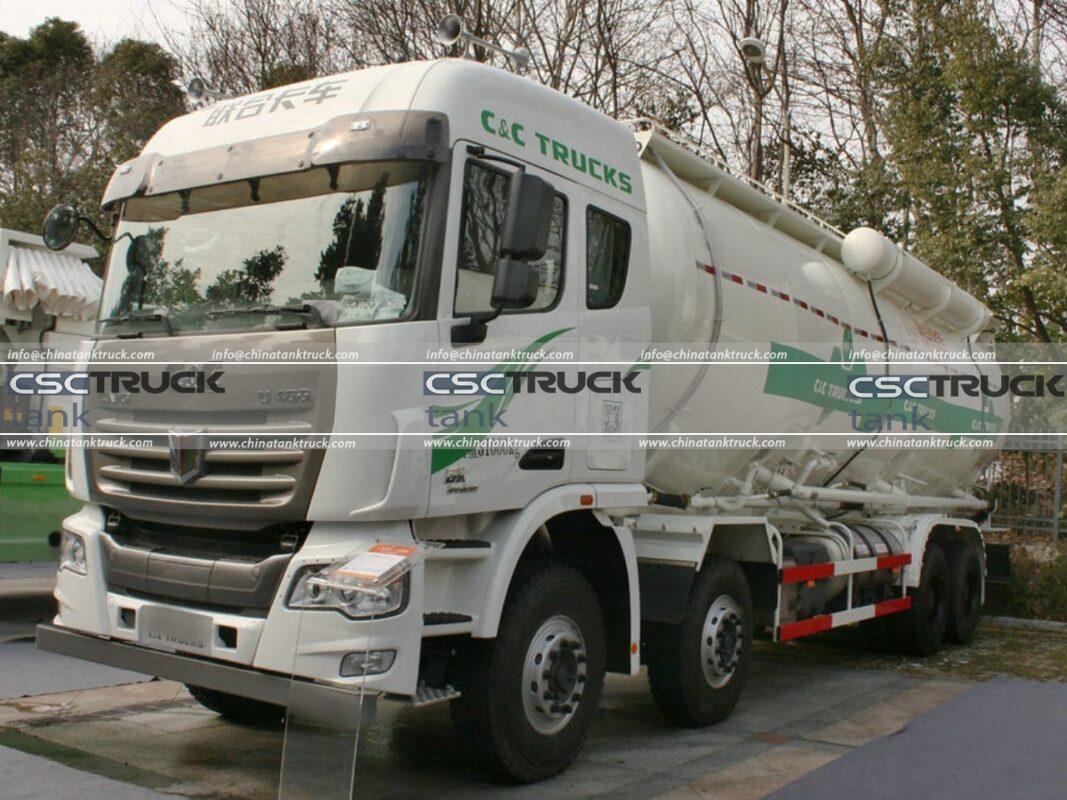
A pneumatic cement tanker, also known as a cement bulk tanker, powder tanker, or dry bulk tanker, is an essential vehicle for transporting cement and other powdered materials efficiently over long distances. Unlike conventional dump trucks, pneumatic tankers use compressed air to discharge dry bulk materials directly into silos, storage systems, or concrete production facilities. This makes them especially valuable for construction projects, cement plants, ready-mix concrete companies, and industrial material suppliers.
However, choosing the right pneumatic cement tanker requires more than simply comparing tank capacity and purchase price. Tank construction, pneumatic equipment, chassis performance, unloading speed, safety systems, maintenance requirements, and after-sales support can all have a significant impact on the truck’s long-term operating cost and reliability.
CSCTRUCK China Tank Truck is a China-based manufacturer specializing in tank trucks and specialized commercial vehicles. Its product range includes pneumatic tank trucks and dry bulk transport equipment, with customizable tank capacities, chassis configurations, and discharge systems. The company states that it supports OEM and ODM services, international export documentation, and customized solutions for different operating requirements.
If you are planning to purchase a pneumatic cement tanker, the following 10 tips can help you make a more informed decision.
1. Determine the Required Tank Capacity
The first consideration is tank capacity. Pneumatic cement tankers are available in different sizes, so you should select a capacity that matches your transportation requirements, road regulations, and loading facilities.
For example, smaller tankers may be suitable for local construction projects, while larger 30–40 CBM or higher-capacity units can be more economical for long-distance bulk transportation. CSCTRUCK China Tank Truck offers various pneumatic configurations, including 22 CBM, 30 CBM, 33 CBM, 40 CBM, 45 CBM, and 46 CBM models on its website.
Do not automatically choose the largest tank. A larger tanker may increase payload efficiency but could also exceed local weight restrictions or become less practical on narrow or mountainous roads.
2. Check the Tank Material and Structural Quality
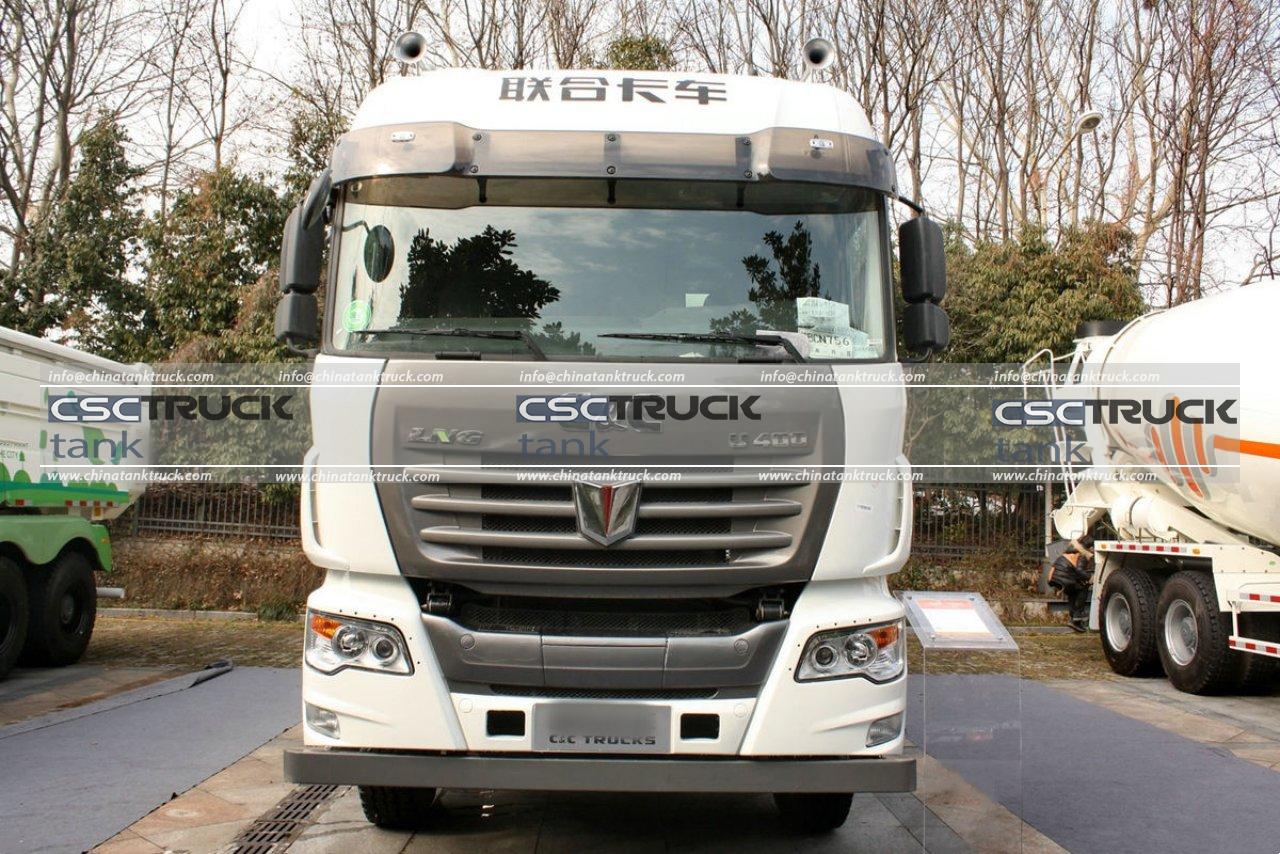
The tank is one of the most important components of a pneumatic cement tanker. Cement is abrasive, and continuous loading and unloading can place significant stress on the tank and internal components.
Ask the manufacturer about the tank material, plate thickness, welding quality, reinforcement structure, and surface treatment. Carbon steel is commonly used for heavy-duty applications, while aluminum can reduce vehicle weight and increase available payload.
The tank should also have an appropriate internal structure to support efficient material flow and withstand the pressure used during pneumatic unloading.
3. Pay Attention to the Pneumatic Discharge System
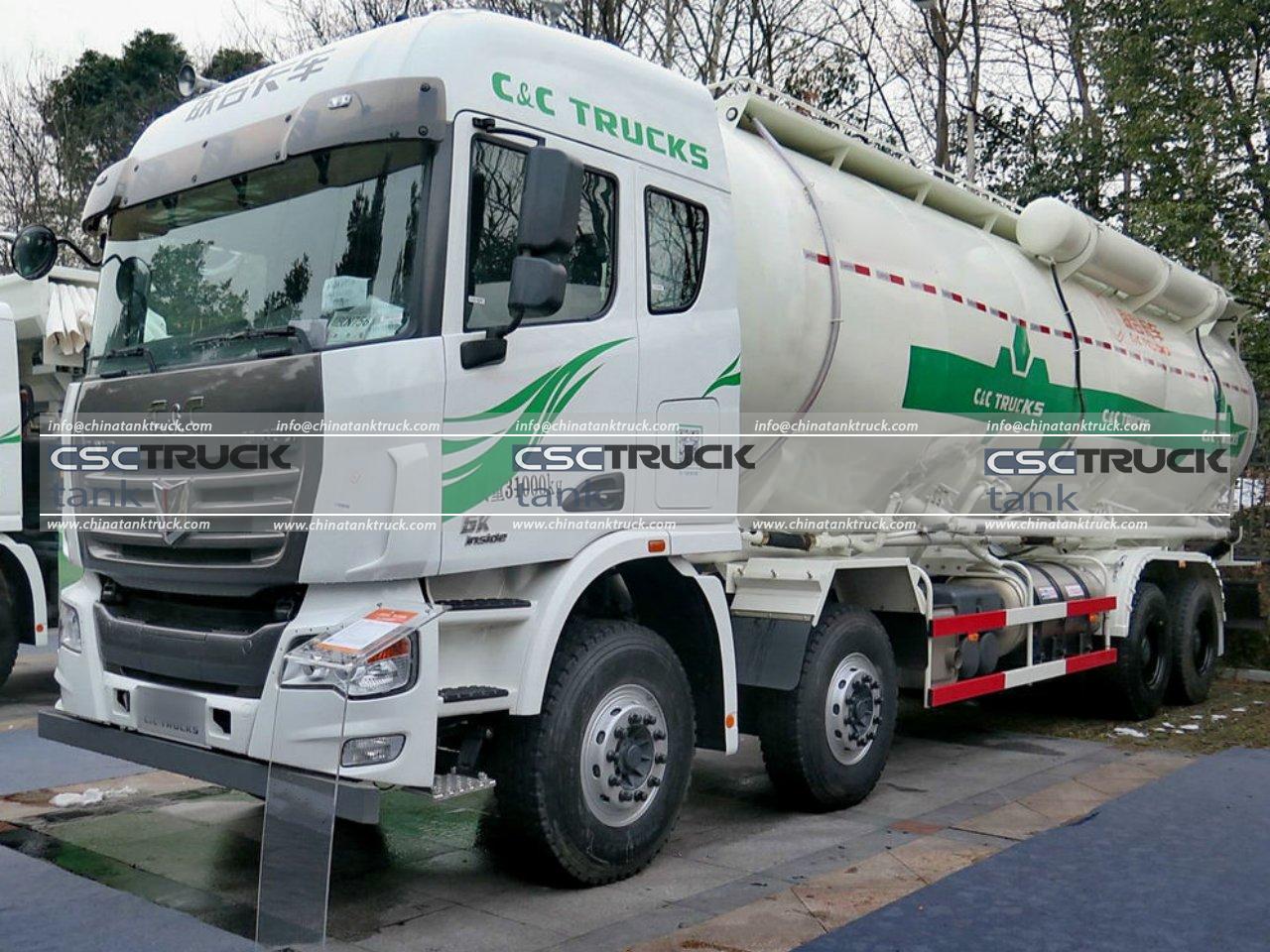
The pneumatic system determines how efficiently the tanker can unload cement. A typical system includes an air compressor, air pipes, valves, pressure controls, fluidization components, and discharge pipelines.
A reliable pneumatic system should provide stable air pressure and sufficient airflow without excessive energy consumption. The compressor must be correctly matched with the tank volume and the material being transported.
Since compressed air is the key mechanism for moving dry bulk material, the compressor and associated components deserve as much attention as the tank itself.
4. Evaluate Unloading Speed
Fast unloading can significantly improve fleet productivity. If one tanker takes too long to discharge, the vehicle spends more time waiting at the destination and completes fewer trips per day.
When comparing models, ask the supplier for actual unloading performance rather than relying only on general marketing claims. Consider factors such as unloading distance, material characteristics, air pressure, compressor capacity, and receiving silo configuration.
The discharge pipe is also important because its size can affect pressure loss, conveying efficiency, and unloading speed.
5. Choose the Right Chassis
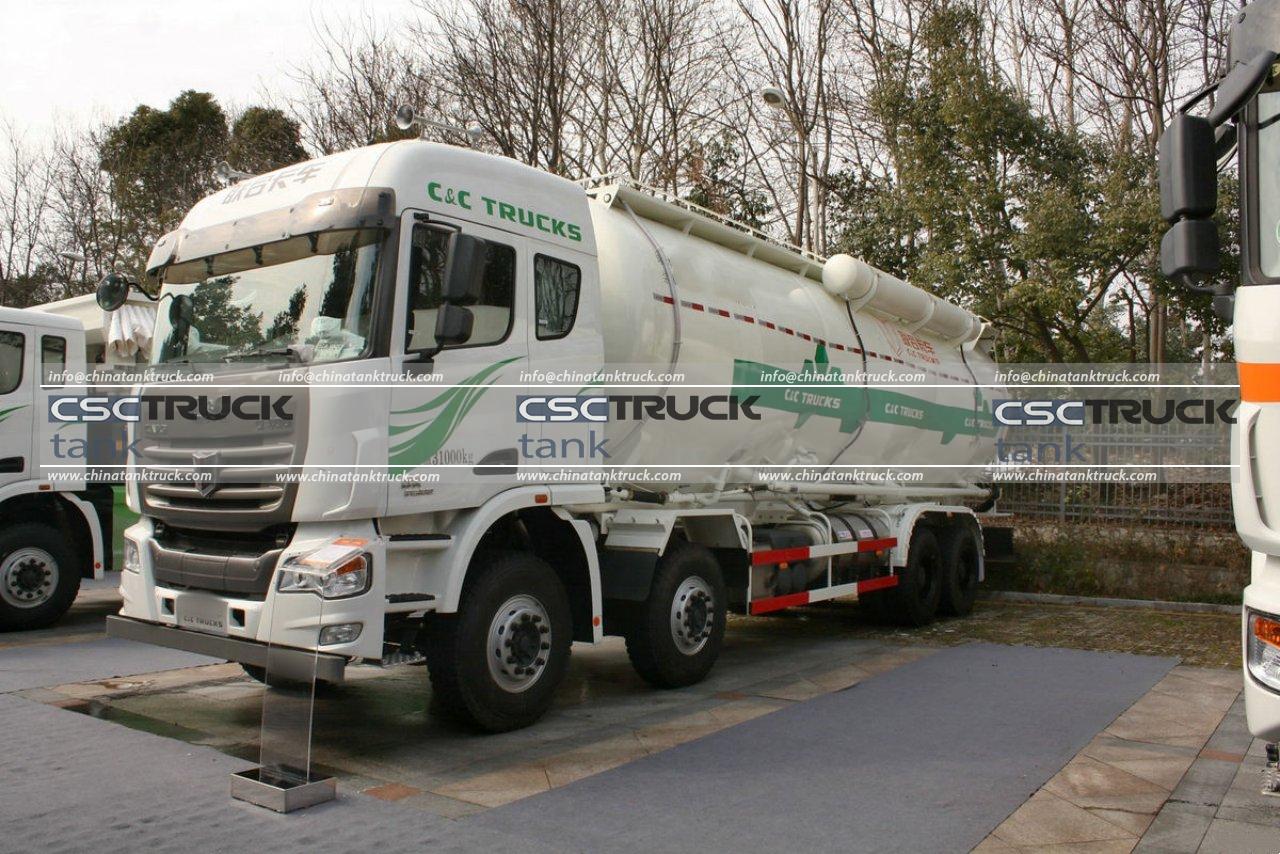
A reliable tanker needs a reliable chassis. The chassis should provide sufficient engine power, payload capacity, braking performance, suspension strength, and road-handling capability for your operating environment.
Popular heavy-duty chassis brands may include HOWO, SHACMAN, FAW, FOTON, SINOTRUK, or other locally supported brands. The best choice depends on your country, road conditions, spare-parts availability, fuel quality, and service network.
For difficult terrain or heavy-duty applications, pay particular attention to drivetrain configuration, axle capacity, ground clearance, and engine torque.
6. Verify Operating Pressure and Safety Systems
Because pneumatic cement tankers use compressed air, pressure management is a critical safety consideration. The tank, valves, pressure gauges, safety valves, and related components must be properly designed and tested.
Before purchasing, ask the manufacturer for technical documentation showing the tank’s operating parameters and applicable safety certifications. The operating pressure should be suitable for the intended material and unloading system rather than simply being as high as possible.
A properly designed pressure system helps protect both operators and equipment while maintaining stable unloading performance.
7. Consider Local Road and Regulatory Requirements
A tanker that performs well in 1 country may not automatically comply with another country’s regulations.
Before placing an order, confirm maximum vehicle dimensions, gross vehicle weight, axle-load restrictions, emissions requirements, lighting regulations, braking standards, pressure-vessel requirements, and certification requirements in your destination market.
For export purchases, it is also useful to ask the supplier whether they can provide the necessary technical and customs documentation. CSCTRUCK China Tank Truck states that it supports export documentation and certifications such as BV, SGS, CCC, and ISO, depending on project requirements.
8. Compare Maintenance Requirements
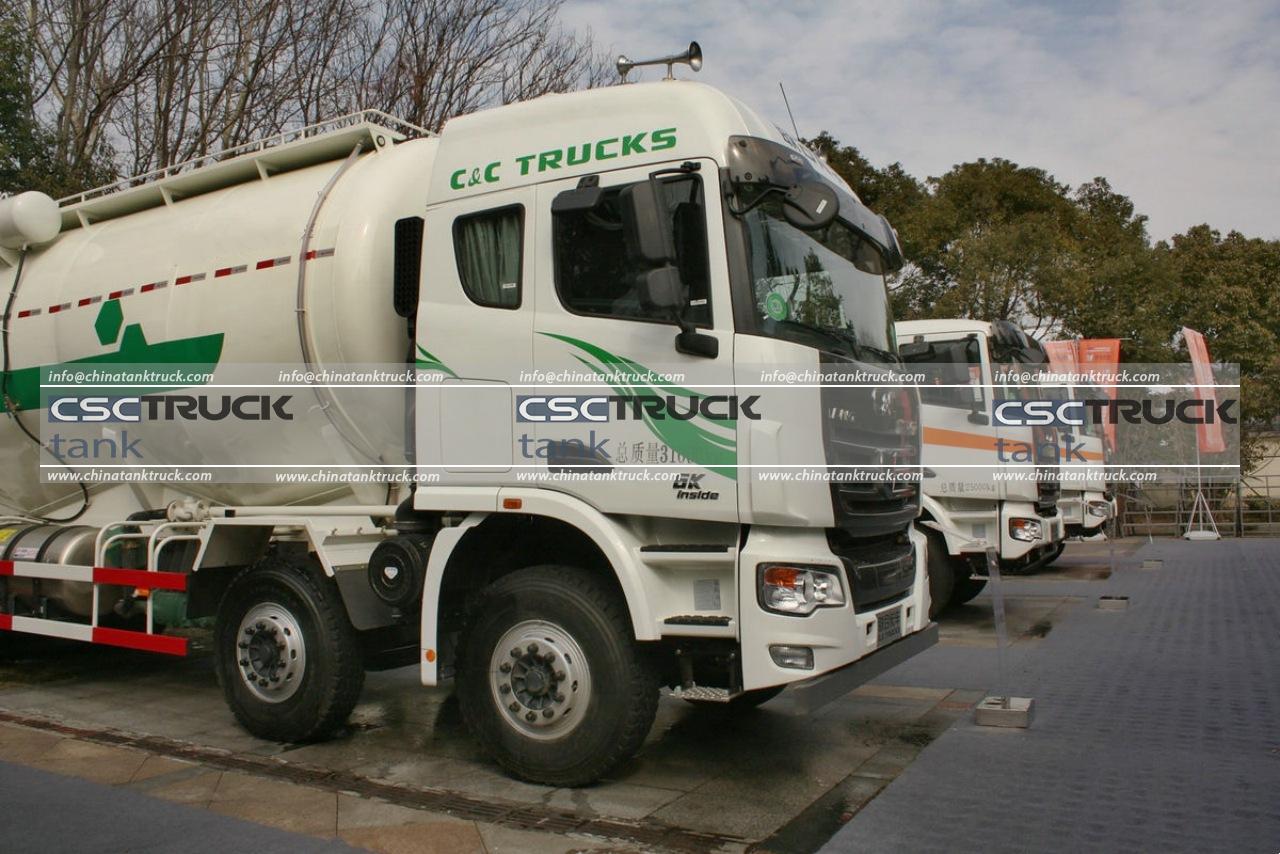
Purchase price is only 1 part of the total cost of ownership. A cheaper tanker can become expensive if its compressor, valves, seals, discharge pipes, or other components require frequent replacement.
Before buying, ask:
- How often does the compressor require maintenance?
- Which wearing parts need regular replacement?
- Are spare parts readily available?
- Can local technicians service the pneumatic system?
- Does the manufacturer provide maintenance instructions?
- Is technical support available after delivery?
A simple and serviceable design can often provide better long-term value than a highly complicated system that is difficult to repair.
9. Check Manufacturer Experience and Quality Control
The manufacturer is just as important as the vehicle specifications. Look for a supplier with experience in pneumatic tankers, export markets, engineering support, and quality control.
CSCTRUCK China Tank Truck states that it was founded in 2005 and integrates research and development, manufacturing, and after-sales service. Its website also describes quality-control procedures including pressure testing, welding inspection, leak testing, and surface treatment before delivery.
When evaluating a supplier, request factory photos, inspection reports, technical drawings, certificates, customer references, and videos of completed vehicles whenever possible.
10. Consider Customization and After-Sales Support
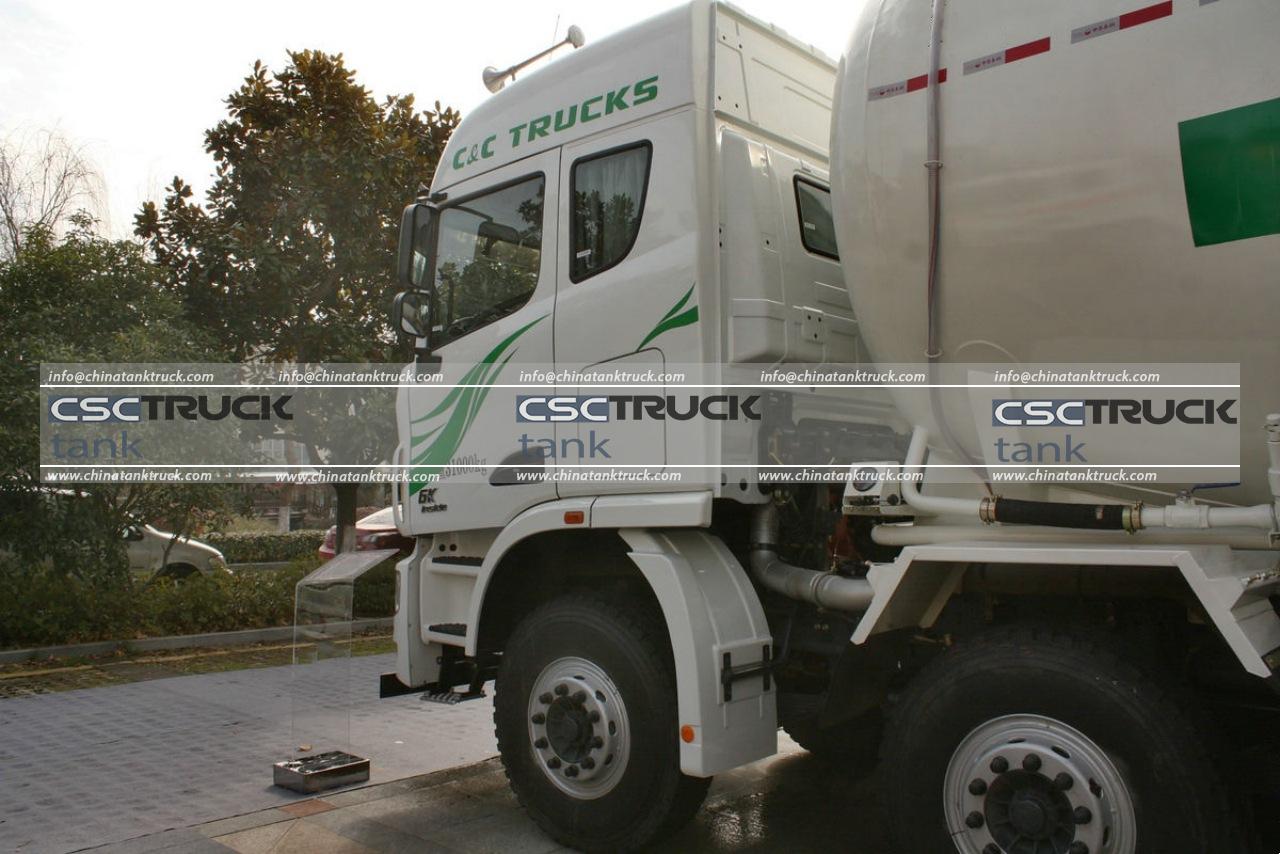
Every operation has different requirements. You may need a specific tank volume, chassis brand, axle configuration, compressor, discharge pipe size, suspension system, or other equipment.
A manufacturer capable of customization can build the tanker around your actual operating environment instead of forcing you to adapt your business to a standard configuration.
After-sales support is equally important. CSCTRUCK China Tank Truck states that it provides lifetime technical support, spare parts within warranty, and online guidance for operation and maintenance. It also supports customized tank capacity, materials, equipment, and chassis configurations.
Conclusion
Buying a reliable pneumatic cement tanker is a long-term investment. The right vehicle should provide sufficient capacity, strong tank construction, efficient pneumatic unloading, dependable chassis performance, safe pressure control, easy maintenance, and good after-sales support.
Instead of focusing only on the initial purchase price, compare the tanker’s total operating cost, unloading efficiency, expected service life, local regulations, spare-parts availability, and manufacturer support. A well-selected pneumatic cement tanker can reduce transportation costs, improve delivery efficiency, and provide dependable performance for years.
For buyers looking for customizable dry bulk transport solutions, CSCTRUCK China Tank Truck offers a range of pneumatic tank trucks and dry bulk tankers for different capacities and applications.