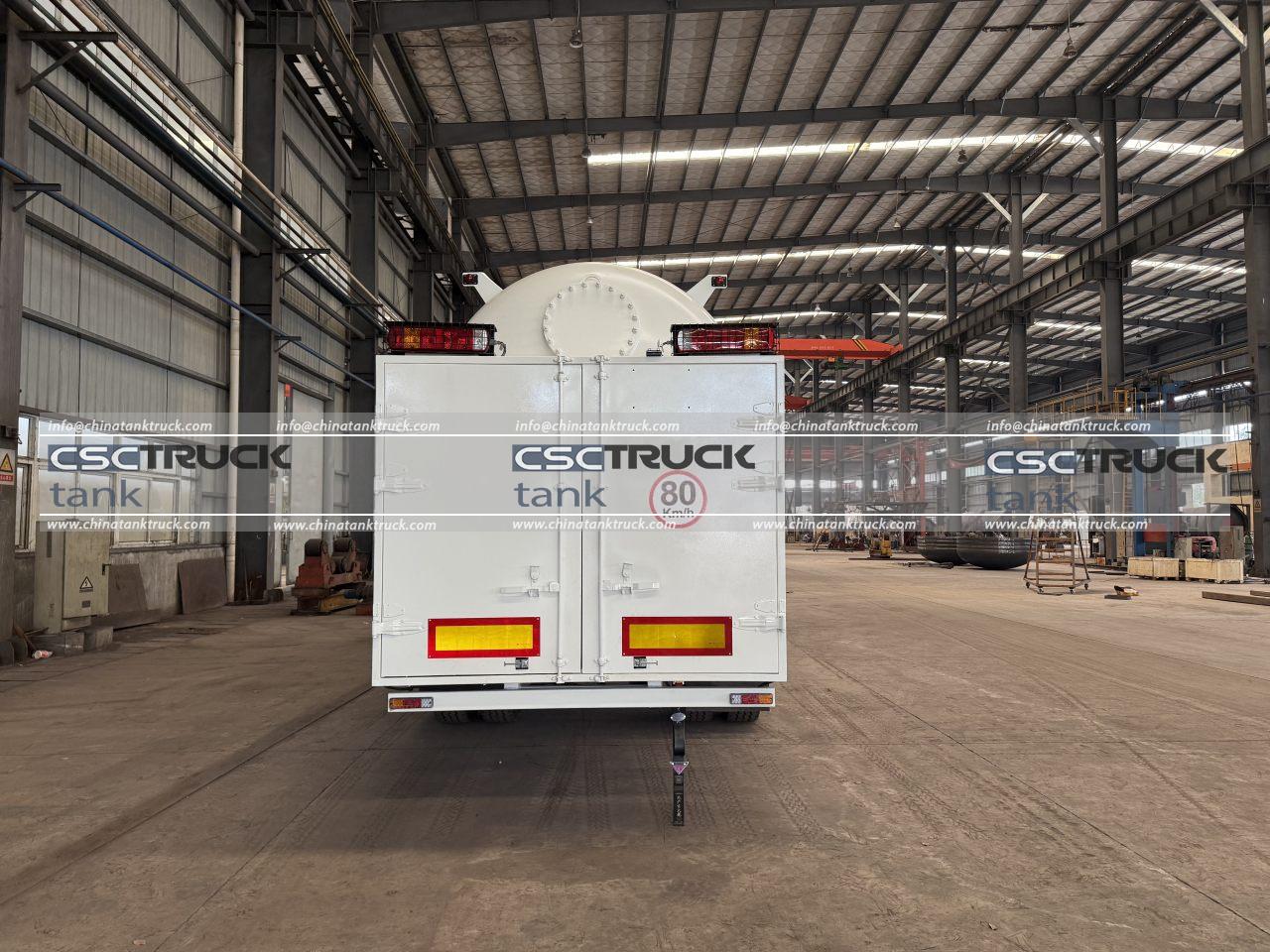

Liquefied Petroleum Gas (LPG) is widely used for residential cooking, commercial heating, industrial applications, agriculture, and vehicle fuel. Because LPG is stored as a liquefied gas under pressure and is highly flammable, every stage of its handling—from loading and transportation to final dispensing—requires strict operating procedures.
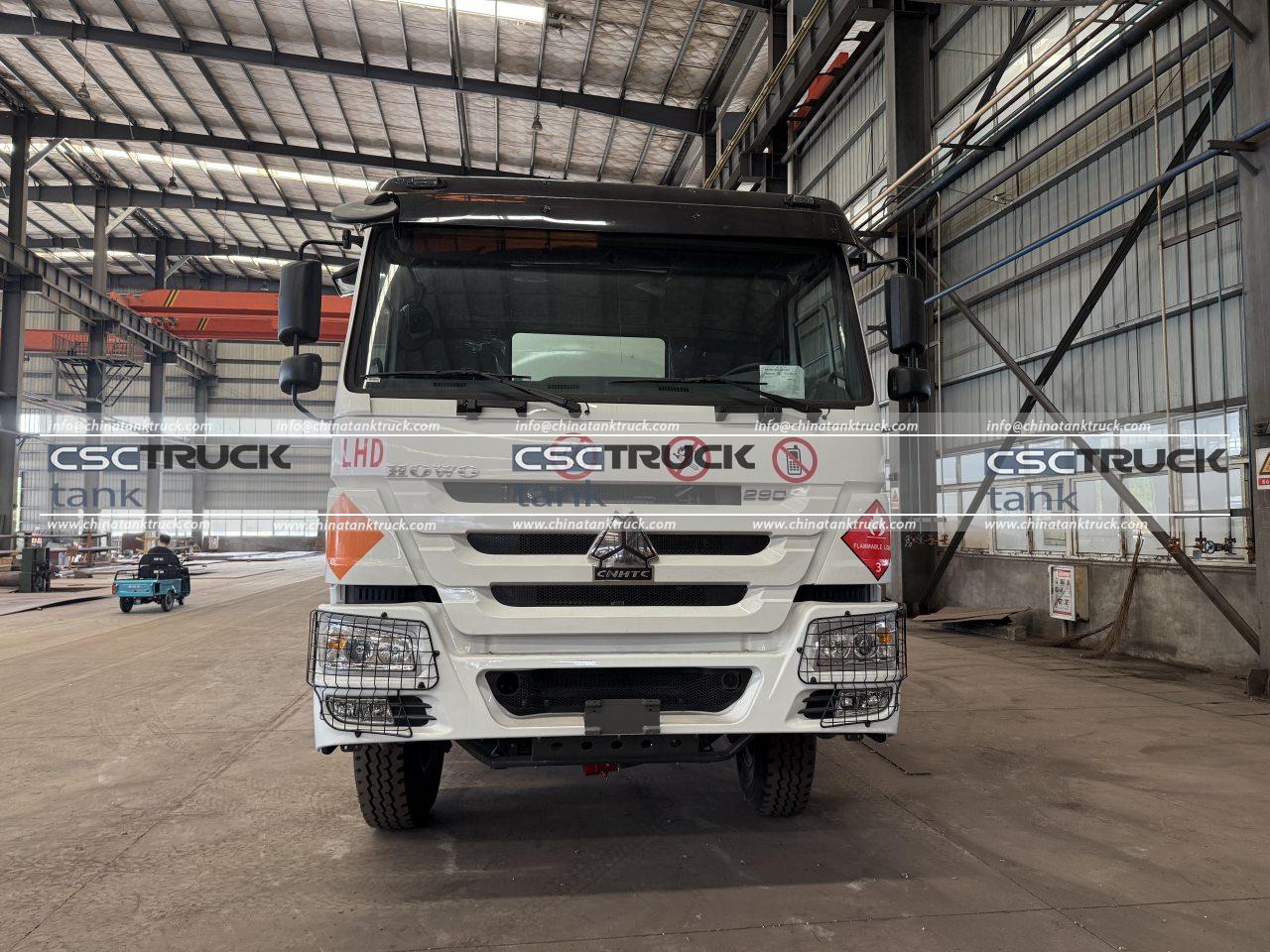
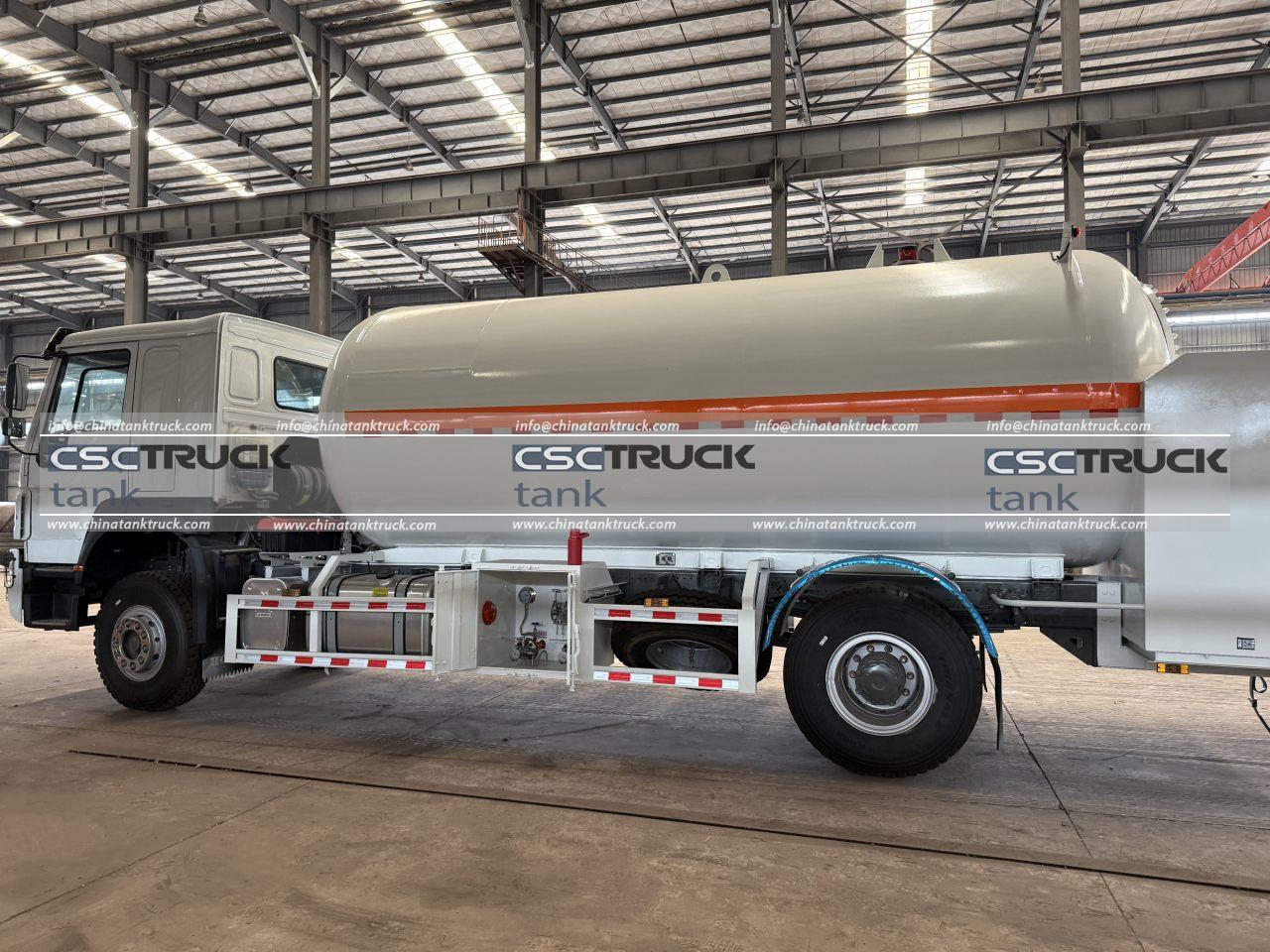
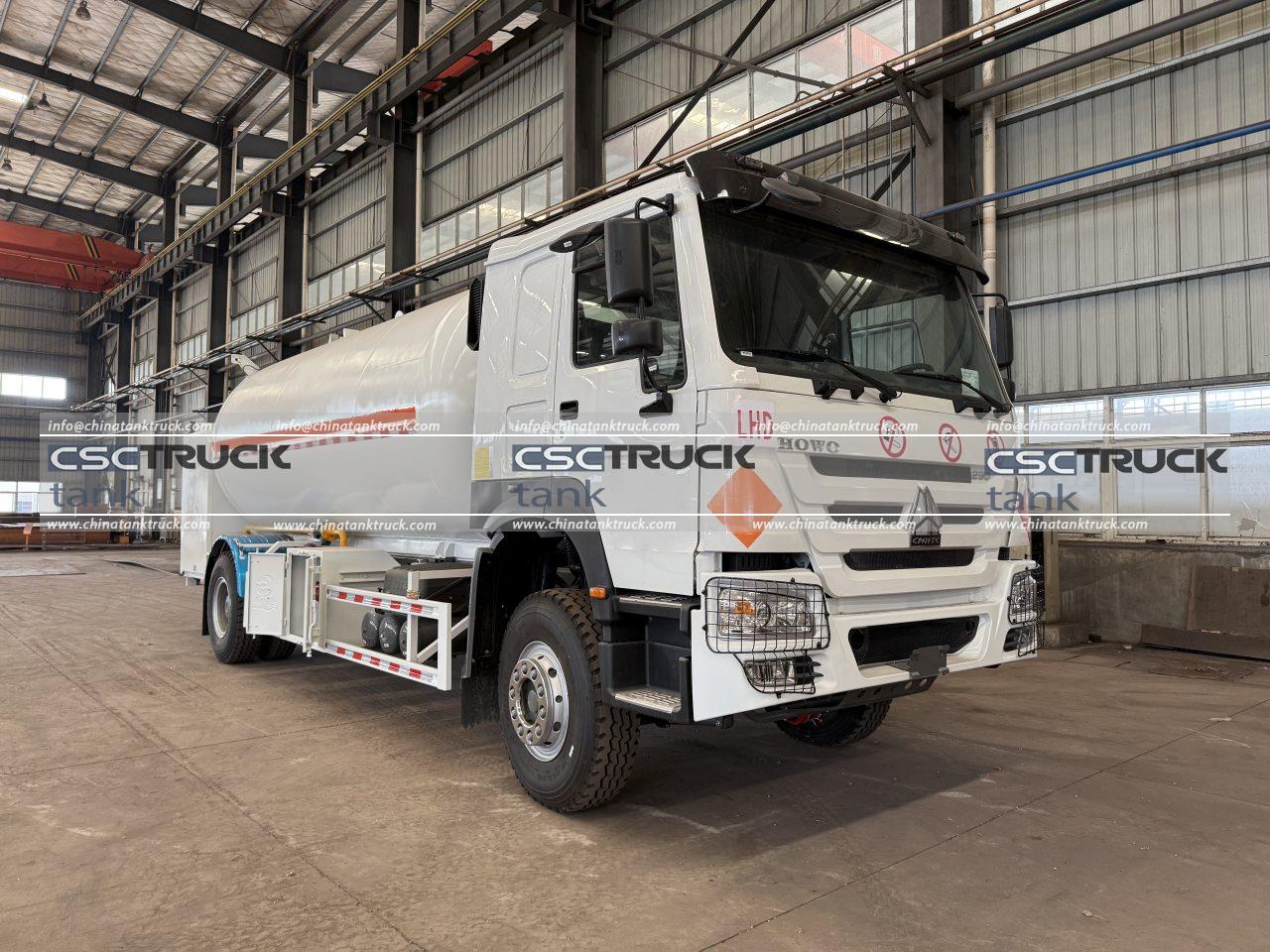
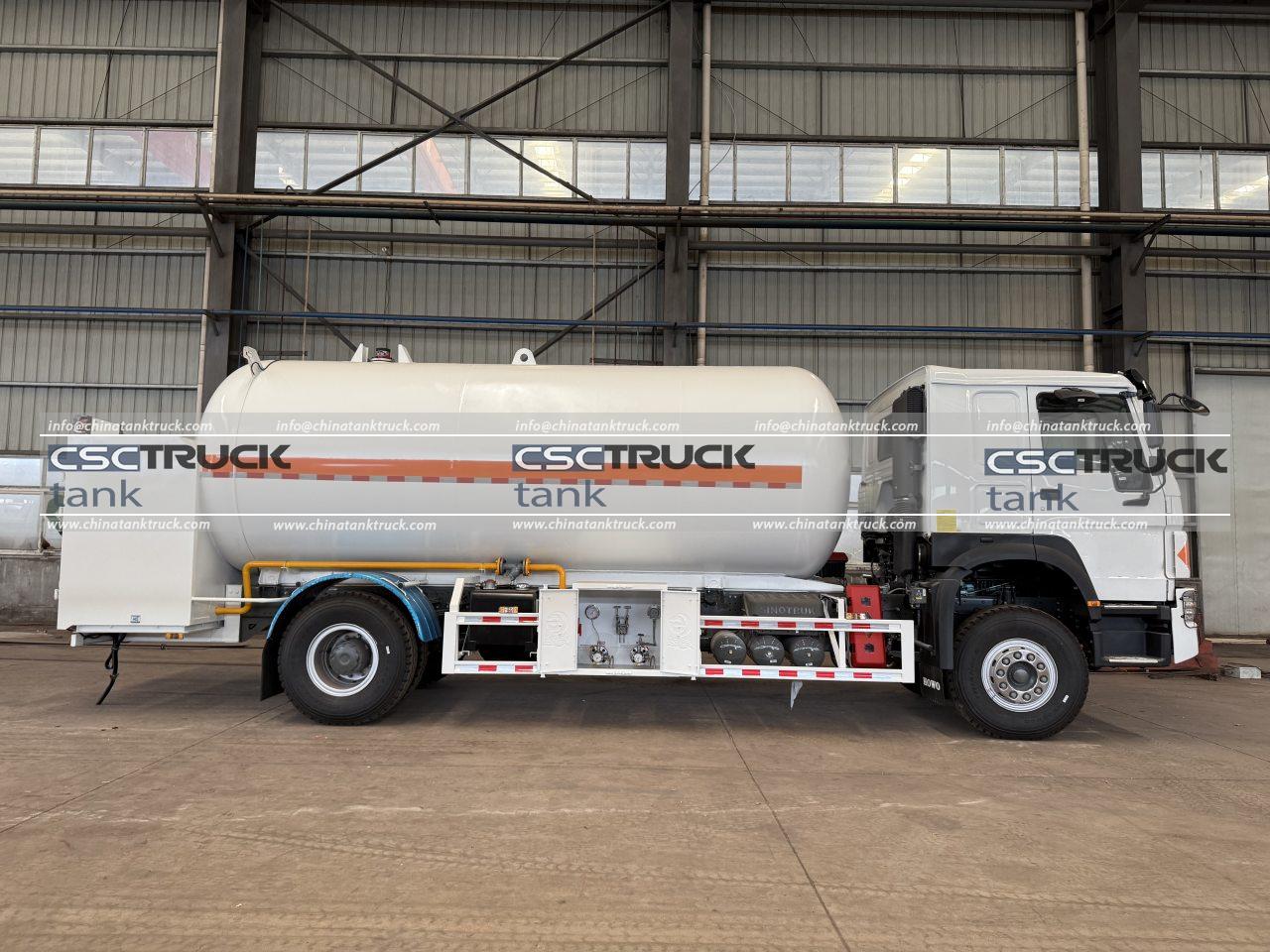
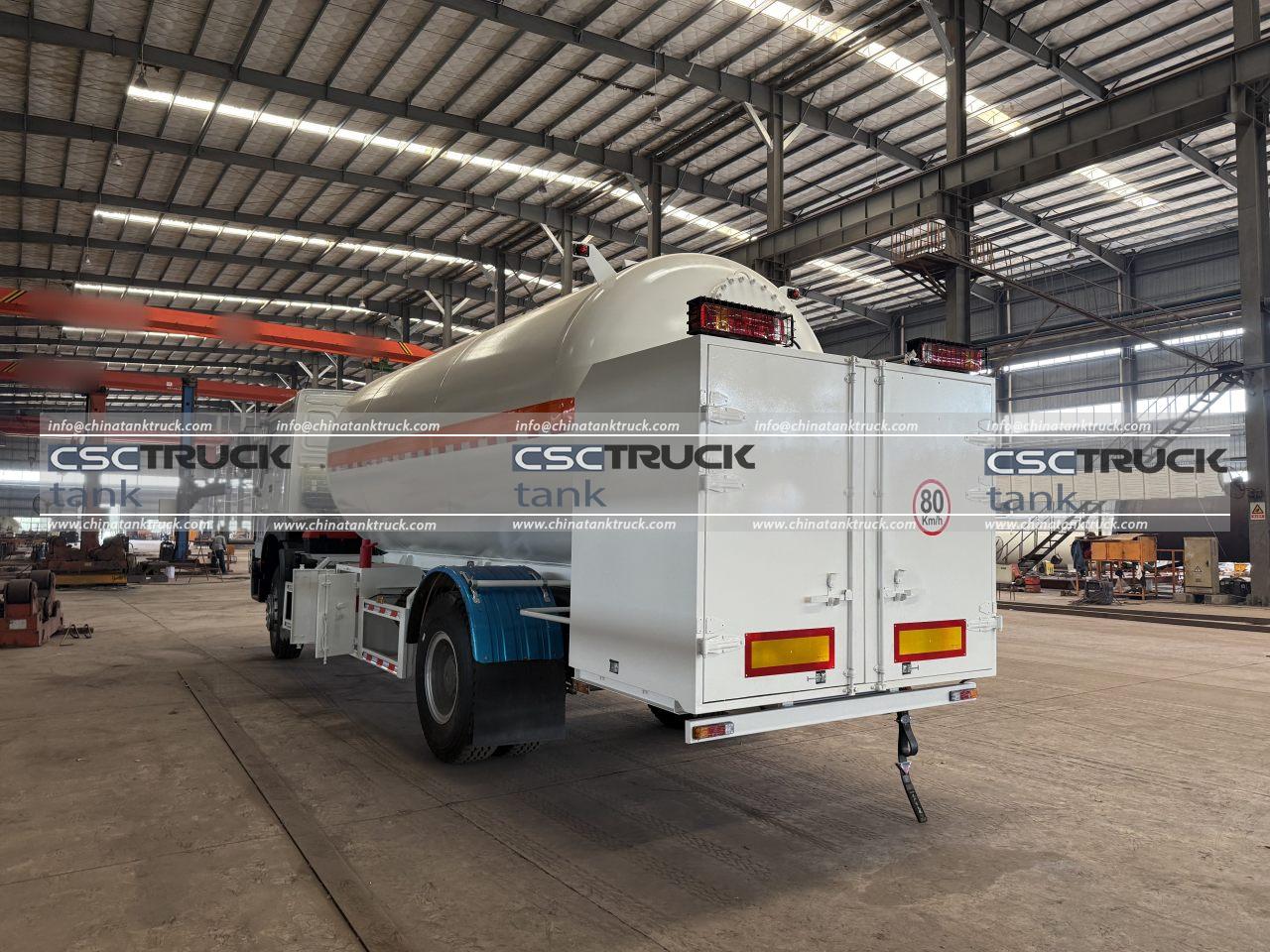
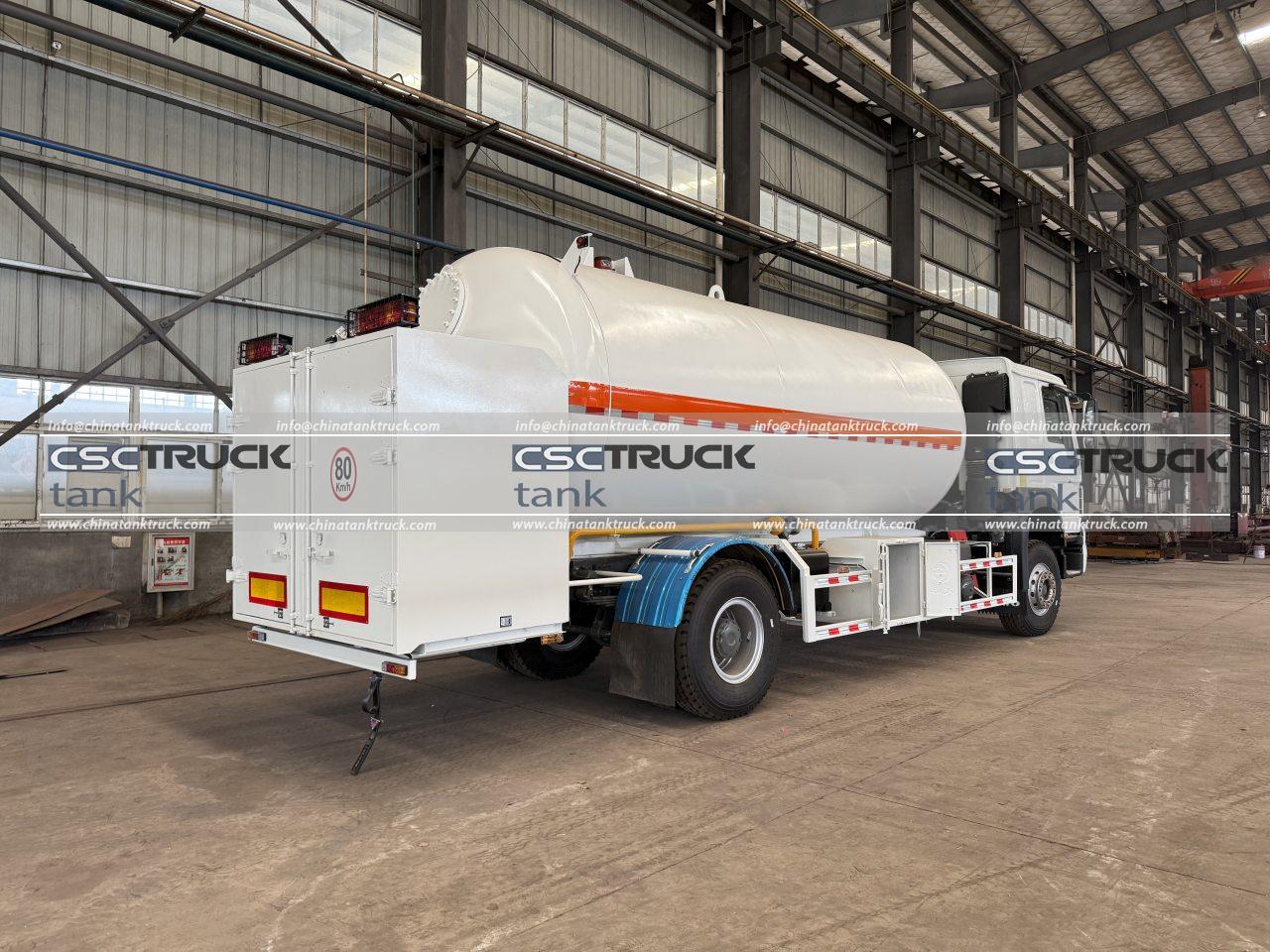
An LPG dispenser truck combines a pressure tank, vehicle chassis, LPG pump, piping, valves, metering system, delivery hose, and safety equipment into 1 mobile gas distribution solution. When properly operated, it can provide flexible LPG delivery to gas stations, commercial facilities, industrial users, construction sites, and remote areas.
CSCTRUCK China Tank Truck specializes in tank trucks and specialized transport vehicles, including LPG refueling trucks, propane tank trucks, LPG semi-trailers, and other pressure-vessel transportation solutions. Its product range includes mobile LPG refueling trucks such as 5 CBM and larger LPG transportation equipment. CSCTRUCK China Tank Truck also emphasizes pressure testing, welding inspection, leak testing, and pre-delivery quality inspection for its tank truck products.
Below are practical LPG dispenser truck operation tips covering the 3 most important stages: Loading, transportation, and gas dispensing.
1. Conduct a Complete Pre-Operation Inspection
Before starting an LPG dispenser truck, the driver and operator should perform a systematic inspection.
Check the LPG tank, valves, pipelines, pump, hose, dispenser, pressure gauges, emergency shut-off devices, electrical system, tires, brakes, and lighting equipment. Pay particular attention to signs of leakage, damaged fittings, loose connections, corrosion, or abnormal pressure.
The truck should never be operated if an LPG leak or other safety-critical defect is detected. Transportation and unloading should also be carried out only by qualified personnel following controlled procedures.
Safety equipment should be readily accessible. Depending on local regulations, this may include suitable dry-chemical fire extinguishers, wheel chocks, warning signs, emergency shutdown equipment, and personal protective equipment.
For example, Quebec dangerous-goods guidance requires LPG tank trucks to carry wheel chocks and specifies fire-extinguisher requirements for vehicles transporting LPG.
2. Choose an Authorized LPG Loading Area
LPG loading should take place at an approved filling facility with appropriate safety controls.
Before connecting the truck, make sure the loading area is:
- Free from smoking and open flames
- Properly ventilated
- Away from unnecessary personnel and vehicle traffic
- Equipped with appropriate emergency equipment
- Suitable for the specific LPG product and truck
- Properly grounded or bonded where required by applicable procedures
The truck should be positioned securely and according to the loading facility’s instructions. The parking brake should be applied, and wheel chocks should be used where required.
Never improvise a loading location simply because it is convenient. LPG operations should always follow the applicable dangerous-goods, pressure-vessel, fire-safety, and transportation regulations in the country where the vehicle operates.
3. Inspect and Connect Loading Equipment Carefully
Before loading, inspect the loading hose, couplings, valves, gaskets, and connection points.
The operator should confirm that the correct LPG product is being loaded and that the hose is connected to the correct tank connection. Connections should be properly secured before opening any valve.
A useful operating principle is:
Connect → Verify → Open → Transfer → Monitor → Stop → Isolate → Disconnect.
Do not rush the connection process. A damaged gasket, incorrectly connected hose, or partially engaged coupling can create a serious leak during pressurized transfer.
Modern LPG tankers may use remotely or pneumatically operated valves and emergency shut-off systems to provide greater control during loading and unloading.
4. Control the LPG Filling Process
The LPG tank must never be filled beyond its approved filling limit.
Operators should continuously monitor tank pressure, filling quantity, equipment condition, and transfer performance. The exact filling limit depends on the tank design, LPG product, applicable regulations, temperature, and approved operating procedures.
Do not attempt to increase loading speed beyond the manufacturer’s or loading facility’s specified limits simply to shorten the filling time.
If abnormal pressure, unusual noise, vibration, leakage, or equipment malfunction occurs, stop the transfer according to the emergency procedure and isolate the system.
The operator should remain attentive throughout the loading process rather than leaving the truck unattended.
5. Secure the Truck Before Transportation
After loading, all valves, caps, connections, and protective devices should be checked before departure.
The operator should confirm that:
- All required valves are in their specified travel positions
- Hoses are properly disconnected and secured
- Protective caps and covers are installed
- No LPG leakage is detected
- Emergency equipment is accessible
- Tank pressure is within the permitted operating range
- The vehicle’s brakes, tires, lights, and other road equipment are satisfactory
The LPG tank should be properly secured to the chassis, while the vehicle’s center of gravity and total weight must remain within approved limits.
A properly engineered LPG tanker may incorporate safety features such as pressure-relief devices, emergency shut-off valves, suitable running gear, and stability systems.
6. Drive Defensively During LPG Transportation
Safe transportation is not only about the tank; it also depends heavily on driving behavior.
The driver should maintain a safe speed, avoid sudden acceleration and braking, take corners carefully, and maintain sufficient following distance. Rough roads, sharp turns, excessive speed, and aggressive driving can increase vehicle instability and mechanical stress.
The driver should also follow designated dangerous-goods routes and local restrictions where applicable.
During transportation, the operator should monitor the vehicle for unusual smells, pressure abnormalities, warning signals, or mechanical problems. If an LPG leak or other emergency occurs, the driver should follow the vehicle’s emergency response plan rather than attempting an improvised repair.
7. Select a Safe Dispensing Location
Before dispensing LPG, position the truck on stable ground in an authorized delivery area.
The vehicle should be immobilized using the parking/service brake, with wheel chocks applied where required. Quebec guidance, for example, specifically requires tank trucks to be immobilized during LPG unloading and requires 2 wheel chocks when unloading on a slope.
The dispensing area should have adequate ventilation and should be kept away from ignition sources. Traffic and unauthorized personnel should be controlled.
Industry good-practice guidance also recommends that the operator have clear access and visibility between the truck and the receiving tank whenever possible, together with emergency shutdown capability.
8. Connect the Dispensing Hose Correctly
Before opening the dispensing valves, inspect the delivery hose and coupling.
Connect the hose to the receiving LPG tank according to the manufacturer’s instructions. Confirm that the connection is secure before starting the pump.
The operator should know the location of the emergency shutdown device before beginning the transfer. A remote shutdown control located near the delivery hose can allow the operator to stop the transfer quickly if an abnormal situation develops.
Never continue dispensing when a hose, valve, fitting, or connection shows signs of leakage or damage.
9. Monitor the Dispensing Process Continuously
Once dispensing begins, the operator should monitor the pump, meter, pressure gauges, hose, valves, and receiving tank.
Do not leave the transfer operation unattended.
Watch for:
- Unexpected pressure changes
- LPG leakage
- Abnormal pump noise
- Excessive vibration
- Damaged or moving hoses
- Meter abnormalities
- Unexpected tank conditions
If an emergency occurs, stop the pump and activate the emergency shutdown system according to the established procedure.
The objective is not simply to transfer LPG quickly, but to maintain controlled, measurable, and stable gas transfer.
10. Shut Down the System in the Correct Sequence
When the required quantity has been delivered, stop the transfer according to the manufacturer’s operating procedure.
Typically, the operator should stop the pump, close the appropriate valves, isolate the transfer system, and confirm that pressure has been safely managed before disconnecting the hose. The exact sequence must follow the specific truck and dispenser design.
After disconnection, secure the hose and inspect the connections again for leakage.
Only after the transfer system is safely isolated should the vehicle be prepared to leave.
11. Maintain the LPG Dispenser Truck Regularly
Preventive maintenance is one of the most effective ways to reduce operational risk.
Regular inspections should cover:
- LPG tank and pressure-vessel components
- Safety valves and emergency shut-off valves
- LPG pump
- Metering system
- Delivery hoses and couplings
- Pressure gauges
- Piping and fittings
- Chassis and suspension
- Braking system
- Tires
- Electrical system
- Fire extinguishers
- Warning and emergency equipment
Tank maintenance and inspection should follow the applicable pressure-vessel regulations and manufacturer’s requirements. CSCTRUCK China Tank Truck notes that its tank trucks undergo inspections including pressure tests, welding checks, and leak tests before delivery.
Conclusion
Safe LPG dispenser truck operation depends on disciplined procedures at every stage. Before loading, inspect the vehicle and equipment. During loading, control connections, pressure, and filling limits. During transportation, drive defensively and keep the vehicle in safe operating condition. During dispensing, secure the truck, eliminate ignition sources, monitor the transfer continuously, and maintain immediate access to emergency shutdown systems.
For companies involved in mobile LPG distribution, choosing the right equipment is equally important. A professionally engineered LPG dispenser truck should combine a suitable pressure vessel, reliable pumping and metering equipment, effective emergency shut-off systems, appropriate chassis performance, and regulatory compliance.
CSCTRUCK China Tank Truck provides customized LPG transportation and refueling solutions for international markets, with options for different capacities, chassis configurations, equipment packages, and export requirements. Its product portfolio includes mobile LPG refueling trucks and larger LPG propane tankers designed for different distribution applications.
Important: LPG handling is a hazardous-goods operation. The procedures above are general operational guidance, not a substitute for the vehicle manufacturer’s manual, certified operator training, or the laws and standards applicable in the country of operation.