Introduction: CSCTRUCK China Tank Truck and Its Role in Modern Bulk Transport
In today’s global logistics and industrial supply chains, pneumatic tank trucks have become essential for transporting dry bulk materials, including cement, flour, plastic pellets, lime, and chemical powders. These specialized vehicles are engineered to ensure safe, efficient, and contamination-free movement of granular and powdered goods.
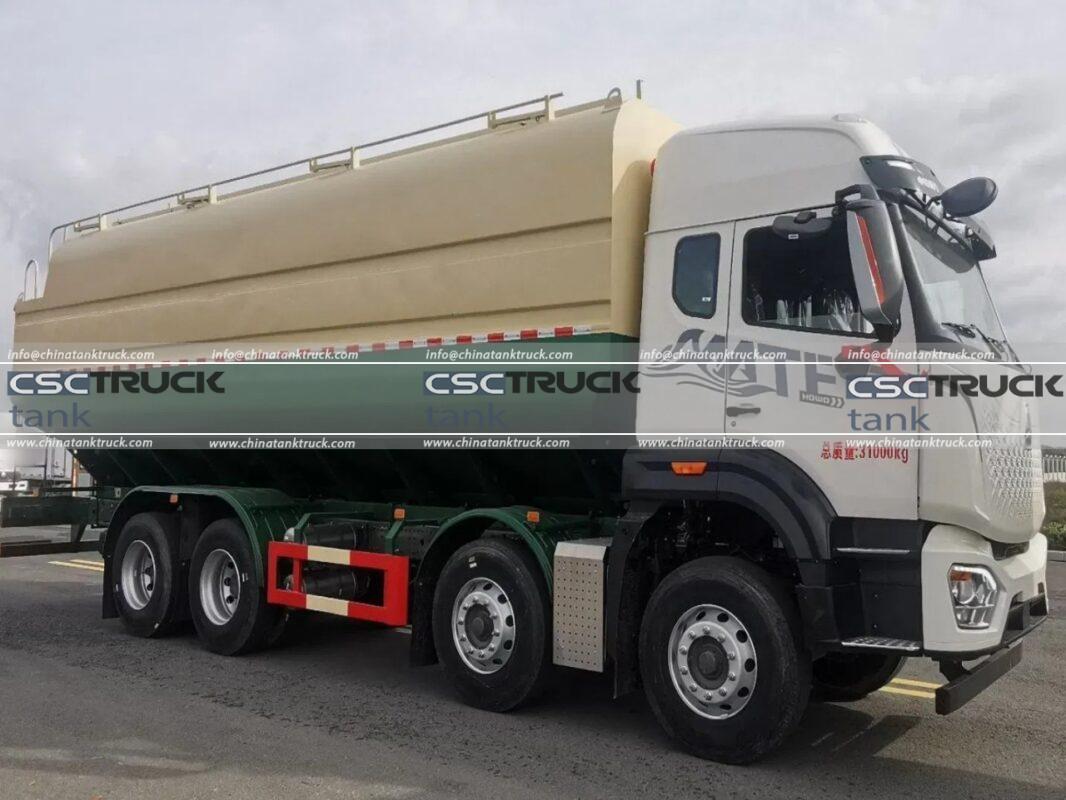
One of the notable manufacturers in this field is CSCTRUCK China Tank Truck, a professional Chinese producer of special-purpose trucks. The company designs and supplies a wide range of tank vehicles, including pneumatic tank trucks built for construction, agriculture, mining, and chemical industries. With a focus on durability and engineering precision, CSCTRUCK China Tank Truck has made significant contributions to the development of modern dry bulk transportation systems worldwide.
Among the most frequently asked questions about these vehicles is a simple but important one: What are pneumatic tank trucks actually made of? The answer involves a combination of high-strength metals, engineered components, and specialized systems designed to withstand pressure, abrasion, and constant industrial use.
1. The Tank Body: The Core Structure
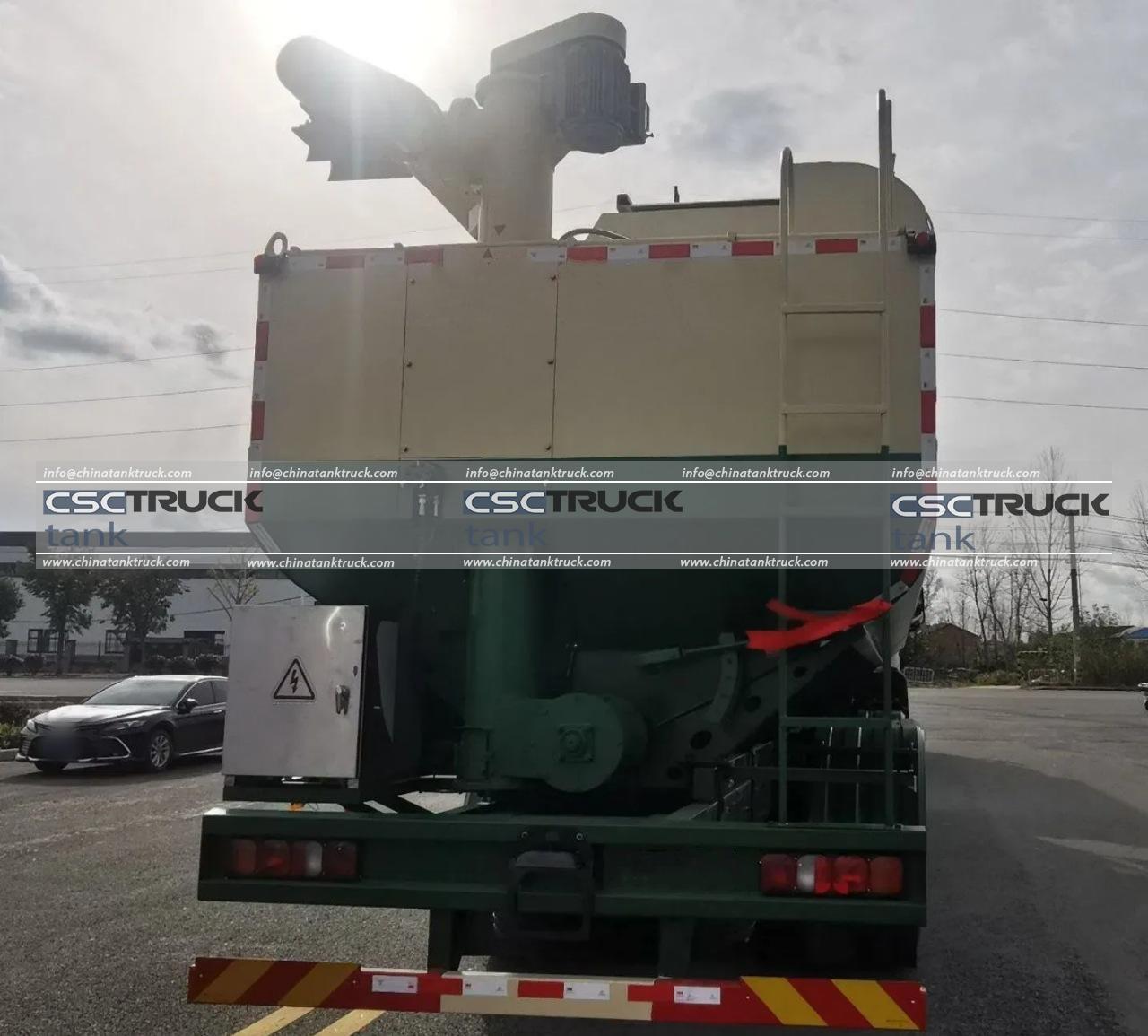
The most important part of a pneumatic tank truck is the tank body itself, which stores the dry bulk materials during transport. This cylindrical structure is engineered to handle internal pressure and heavy payloads while maintaining safety and efficiency.
Common Materials Used
Pneumatic tank bodies are typically made from:
- Carbon steel (Q235 or Q345 grades)
- Aluminum alloy
- Stainless steel (in specialized applications)
Carbon steel is widely used due to its high strength and cost efficiency, especially in heavy-duty industrial models. For example, many CSCTRUCK China Tank Truck pneumatic tank trucks use 5mm Q235 carbon steel for durability and structural integrity.
Aluminum alloy tanks, on the other hand, are lighter and allow for higher payload capacity, making them ideal for long-distance transport where fuel efficiency is important.
Why These Materials Are Used
The tank body must withstand:
- Internal air pressure during unloading
- Mechanical stress from road vibration
- Abrasive wear from materials like cement or sand
- Long-term corrosion exposure
The cylindrical shape also helps distribute pressure evenly, reducing structural fatigue over time.
2. The Frame and Chassis: Structural Support System
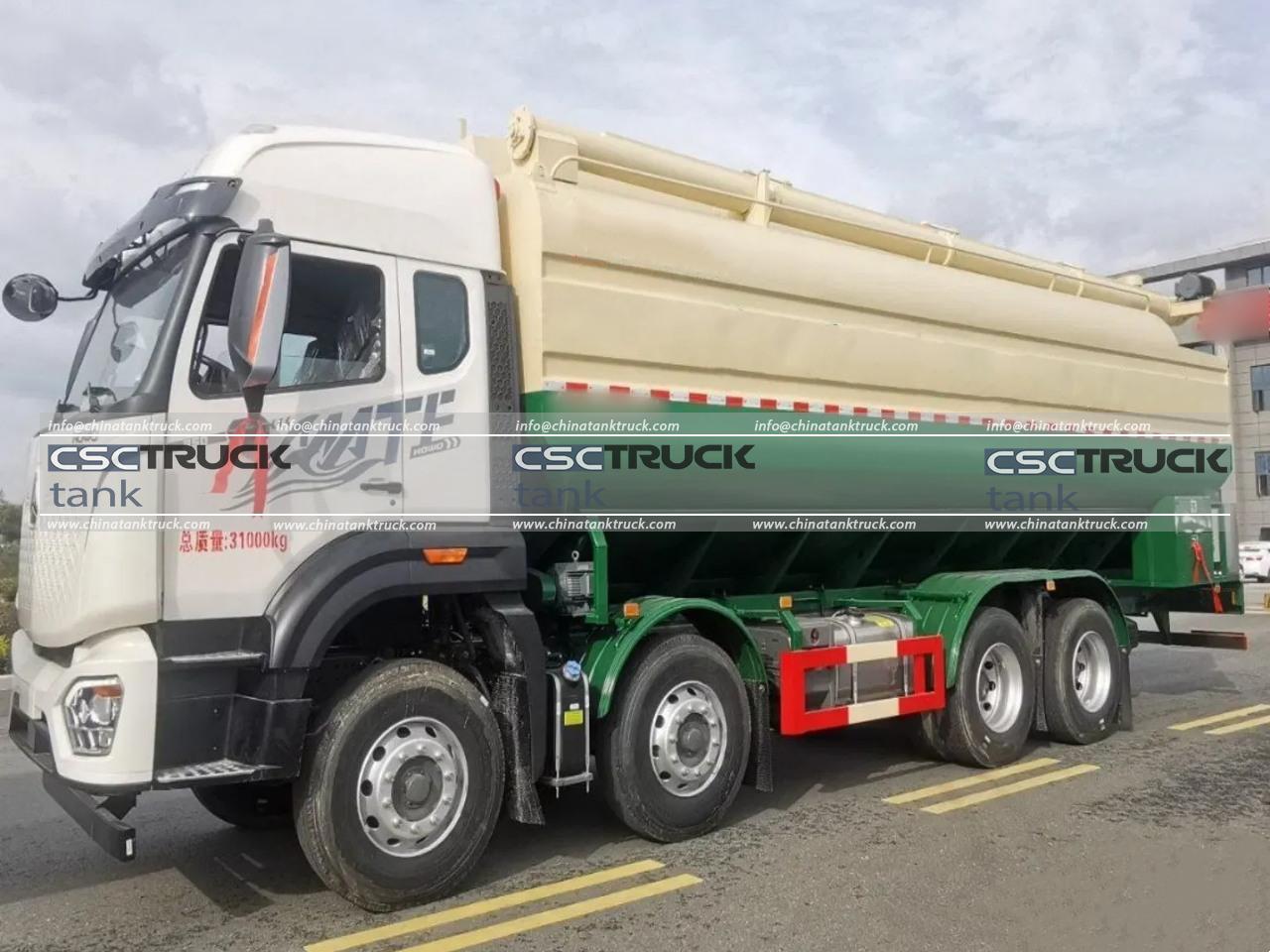
Underneath the tank body is the chassis and main frame, which support the entire vehicle system.
Materials Used in the Frame
- High-strength structural steel (such as Q345 steel)
- Reinforced welded beam structures
The chassis must support not only the tank’s weight but also dynamic loads during transport. In many modern designs, the main beam is reinforced with high-grade steel to ensure stability even under full load conditions.
The frame also integrates:
- Axles and suspension systems
- Landing gear for semi-trailers
- Mounting points for compressors and piping systems
This structural backbone ensures that the tanker can operate reliably in harsh road and industrial environments.
3. Internal Components: Fluidization and Discharge System
Inside the tank, several specialized components work together to enable pneumatic unloading.
Fluidizing Beds (Aeration Pads)
These are installed at the bottom of the tank and are usually made of:
- Porous synthetic fabric materials
- Heat-resistant rubber compounds
- Air-permeable ceramic or polymer layers
Their role is to allow compressed air to pass through the powder, making it behave like a fluid so it can flow easily.
Air and Discharge Piping
The discharge system includes:
- Steel or stainless-steel air pipes
- High-pressure hoses
- Valves and connectors
These components must resist both pressure and abrasive particles moving at high speed during unloading.
4. Air Compressor System: The “Power Source”
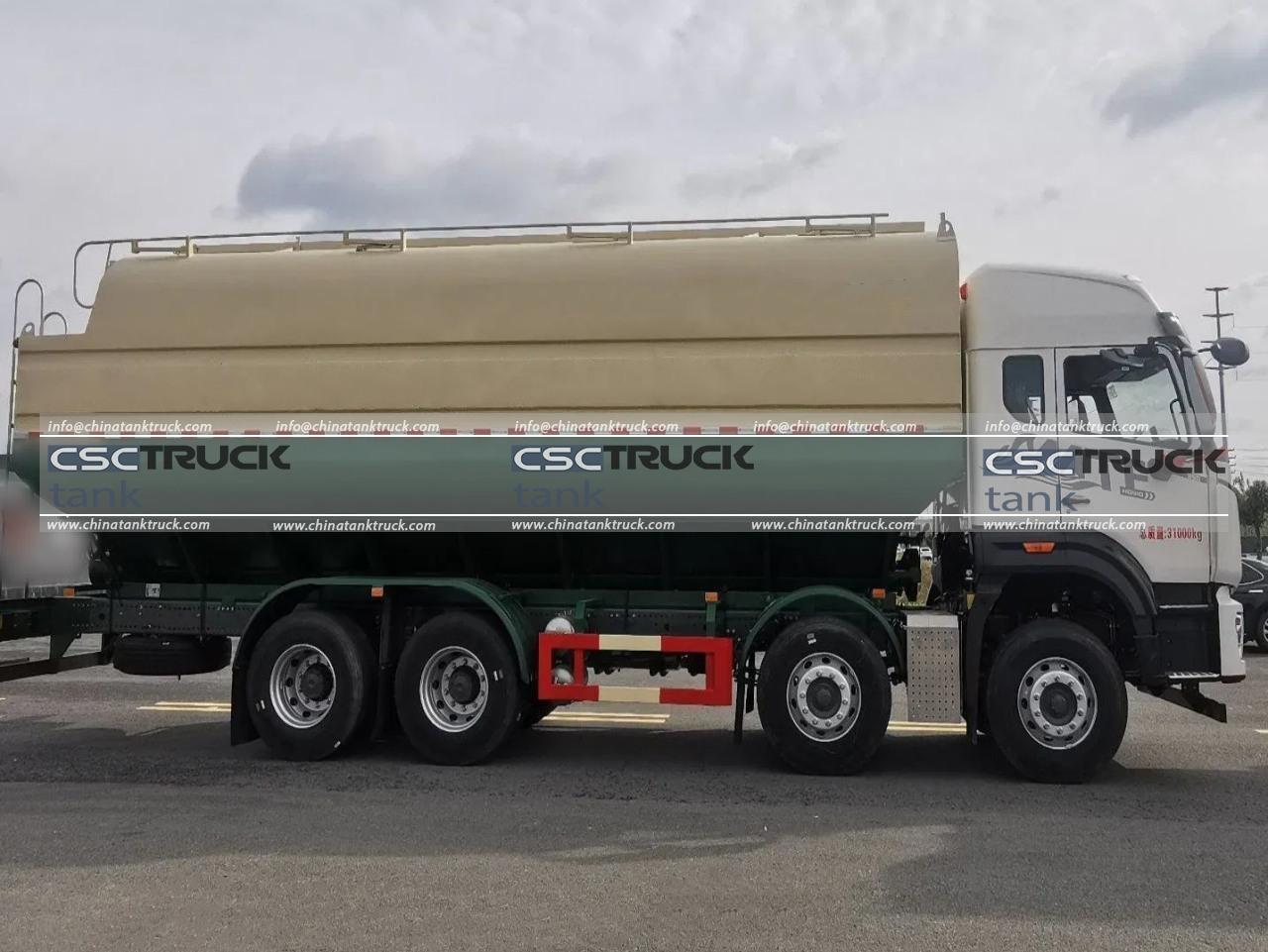
A defining feature of pneumatic tank trucks is the compressed air system, which is responsible for unloading materials.
Components of the Air System
- Engine-driven air compressor or auxiliary blower
- Air tanks or reservoirs
- Pressure gauges and safety valves
- Air distribution pipelines
The compressor is often made of high-strength aluminum and steel alloys to handle the heat and pressure generated during operation.
Function
The system works by injecting air into the tank, which:
- Fluidizes the dry material
- Creates pressure inside the tank
- Forces material through discharge lines
Without this system, unloading dry bulk materials would be slow and inefficient.
5. Valves, Hatches, and Safety Systems
Safety is critical in pneumatic tank truck design. These vehicles operate under controlled pressure conditions, making reliable components essential.
Key Materials Used
- Stainless steel for corrosion resistance
- Brass or alloy steel for precision valves
- Rubber seals for airtight closure
Main Components
- Manhole covers (for loading materials)
- Pressure relief valves (to prevent over-pressurization)
- Discharge valves (for controlled unloading)
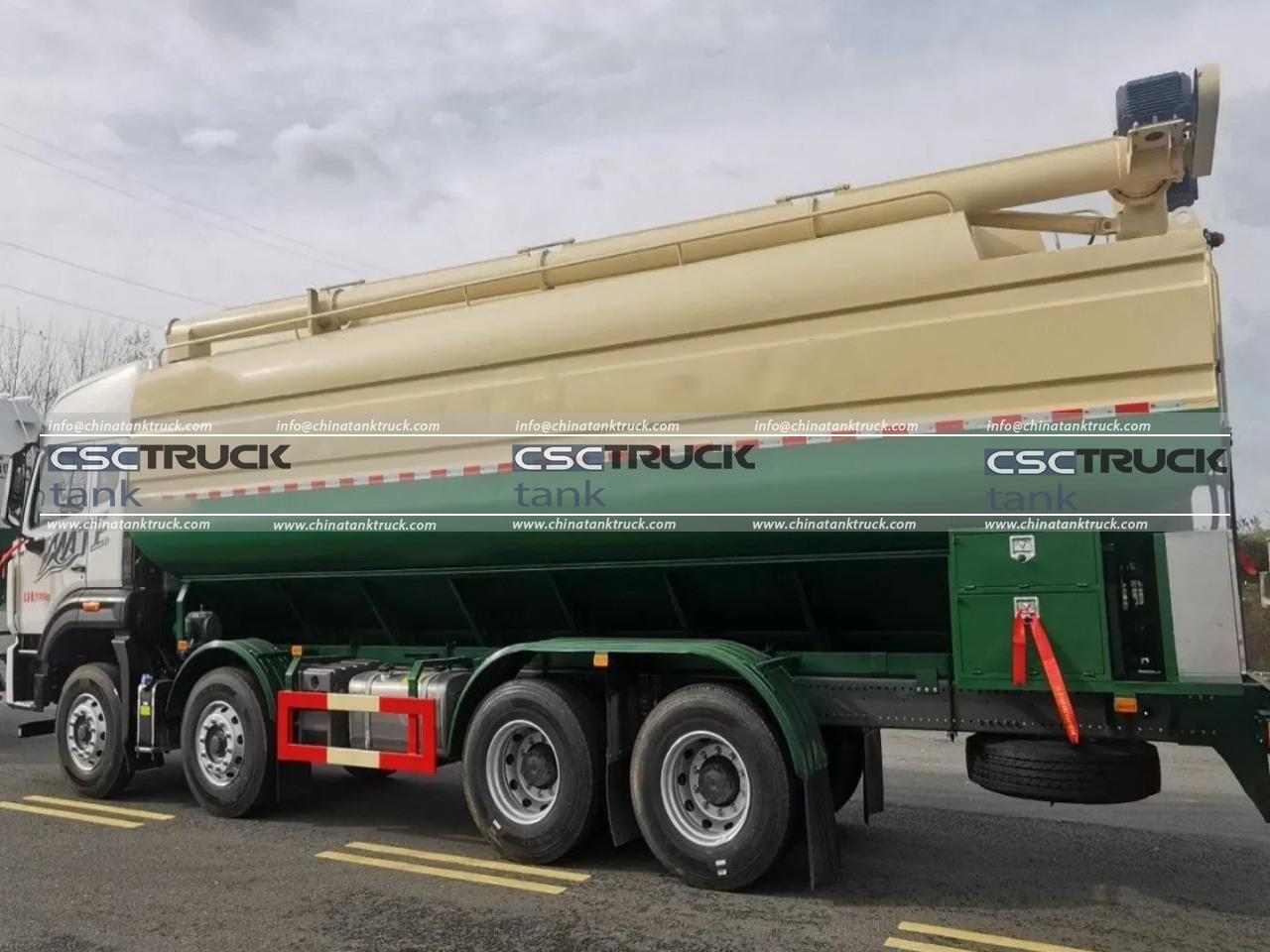
For instance, CSCTRUCK China Tank Truck models often include heavy-duty manhole covers and multiple discharge valves to improve operational efficiency and safety.
6. Coating and Surface Protection Materials
Because pneumatic tank trucks often carry abrasive or corrosive materials, surface protection is crucial.
Common Protective Layers
- Anti-corrosion epoxy coatings
- High-temperature resistant paint
- Internal wear-resistant linings
These coatings protect both internal and external surfaces from:
- Rust and oxidation
- Chemical corrosion
- Abrasive erosion from materials like cement or fly ash
This significantly extends the service life of the tank.
7. Additional Mechanical Components
Beyond the main structure and pneumatic system, several supporting materials are used throughout the vehicle.
Axles and Suspension
- Heavy-duty forged steel axles
- Multi-leaf or air suspension systems
Fasteners and Connectors
- High-tensile steel bolts
- Stainless steel fittings
Sealing Materials
- Silicone rubber seals
- Heat-resistant gaskets
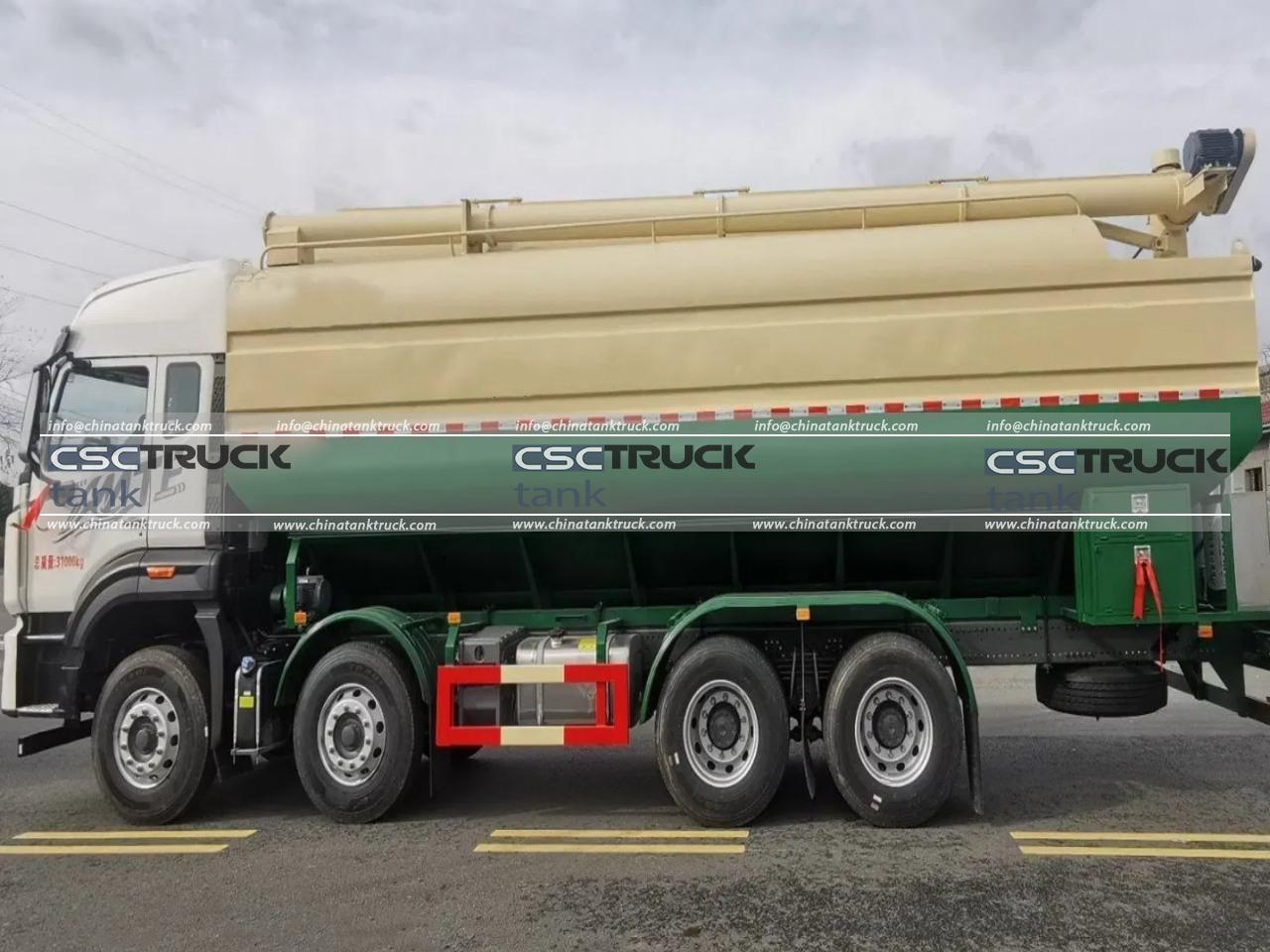
Each of these materials ensures the tanker remains stable, airtight, and safe during long-term use.
8. Why Material Selection Matters
The materials used in pneumatic tank trucks are not random—they are carefully chosen based on performance requirements:
- Strength: To withstand pressure and heavy loads
- Lightweight design: To maximize payload efficiency
- Corrosion resistance: To handle chemicals and moisture
- Wear resistance: To endure abrasive powders
- Safety compliance: To meet industrial transportation standards
A well-designed material combination directly impacts fuel efficiency, maintenance cost, and operational safety.
Conclusion
A pneumatic tank truck is far more than a simple transport vehicle—it is a carefully engineered system built from high-strength steel, aluminum alloys, stainless steel components, and specialized pneumatic equipment. Every material plays a critical role in ensuring safe, efficient, and reliable movement of dry bulk goods.
Manufacturers like CSCTRUCK China Tank Truck continue to refine these designs, using durable steels such as Q235 and Q345, advanced air systems, and corrosion-resistant coatings to meet global industrial demands.
Ultimately, understanding what pneumatic tank trucks are made of reveals why they are so effective in industries ranging from construction and agriculture to chemicals and manufacturing: they are built to endure pressure, protect cargo quality, and perform consistently in demanding environments.