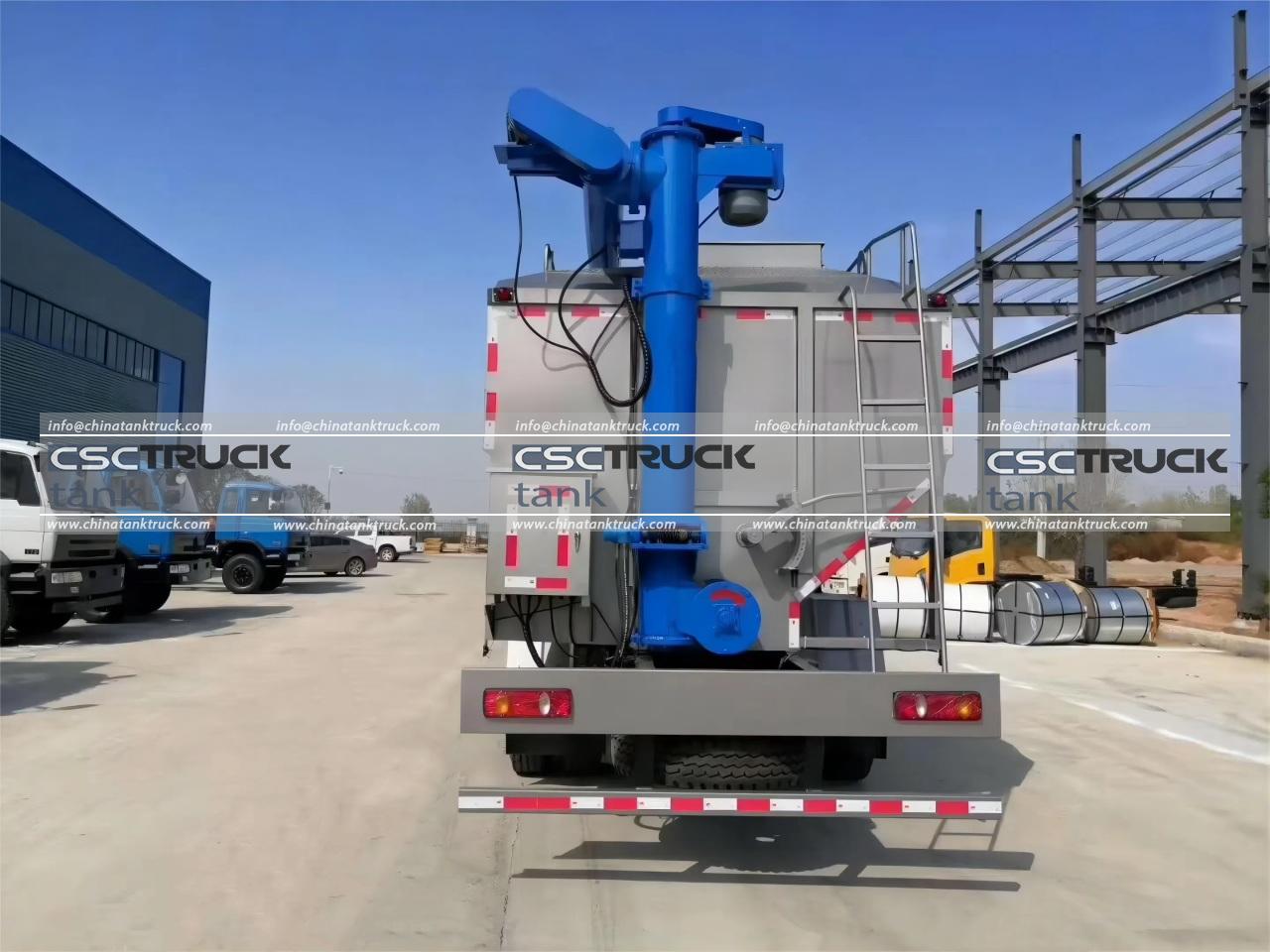

Introduction: Choosing the Right Pneumatic Tank Truck for Efficient Bulk Transport
Pneumatic tank trucks are essential for transporting and unloading dry bulk materials such as cement, fly ash, lime, flour, starch, plastic pellets, agricultural products, and certain chemical powders. Unlike conventional dump trucks, pneumatic tank trucks use compressed air to fluidize and transfer materials through pipelines directly into silos or processing equipment. This enclosed unloading method can improve efficiency while reducing material loss, contamination, and dust emissions.
For companies purchasing this type of specialized vehicle, selecting the correct tank capacity, material, chassis, compressor, discharge system, and safety equipment is just as important as knowing how to operate and maintain it.
CSCTRUCK China Tank Truck is a China-based manufacturer and exporter of tank trucks and specialized transport vehicles. Its product range includes pneumatic trucks, dry bulk tankers, bulk feed trucks, fuel tankers, water tankers, LPG tankers, and other customized transportation solutions. The company states that it supports customization of tank capacity, materials, compartments, pumps, and chassis brands, as well as international export documentation and after-sales technical support.
Here are 10 practical tips to help buyers and operators get better performance, safety, and service life from a pneumatic tank truck.
1. Choose the Tank Capacity According to Your Transport Requirements
Tank capacity should be selected according to the type and density of the material, daily transportation volume, road conditions, loading facilities, and local weight regulations.
Common pneumatic tank truck capacities range from approximately 20 CBM to more than 40 CBM, while larger semi-trailer configurations can provide even greater capacity. CSCTRUCK China Tank Truck, for example, lists pneumatic models including 22 CBM, 30 CBM, 32 CBM, 40 CBM, 45 CBM, 46 CBM, and 58 CBM configurations.
A larger tank is not automatically better. Over-sizing the vehicle can increase purchase costs, fuel consumption, axle loads, and maneuvering difficulties. The ideal capacity should balance payload efficiency with local transportation regulations.
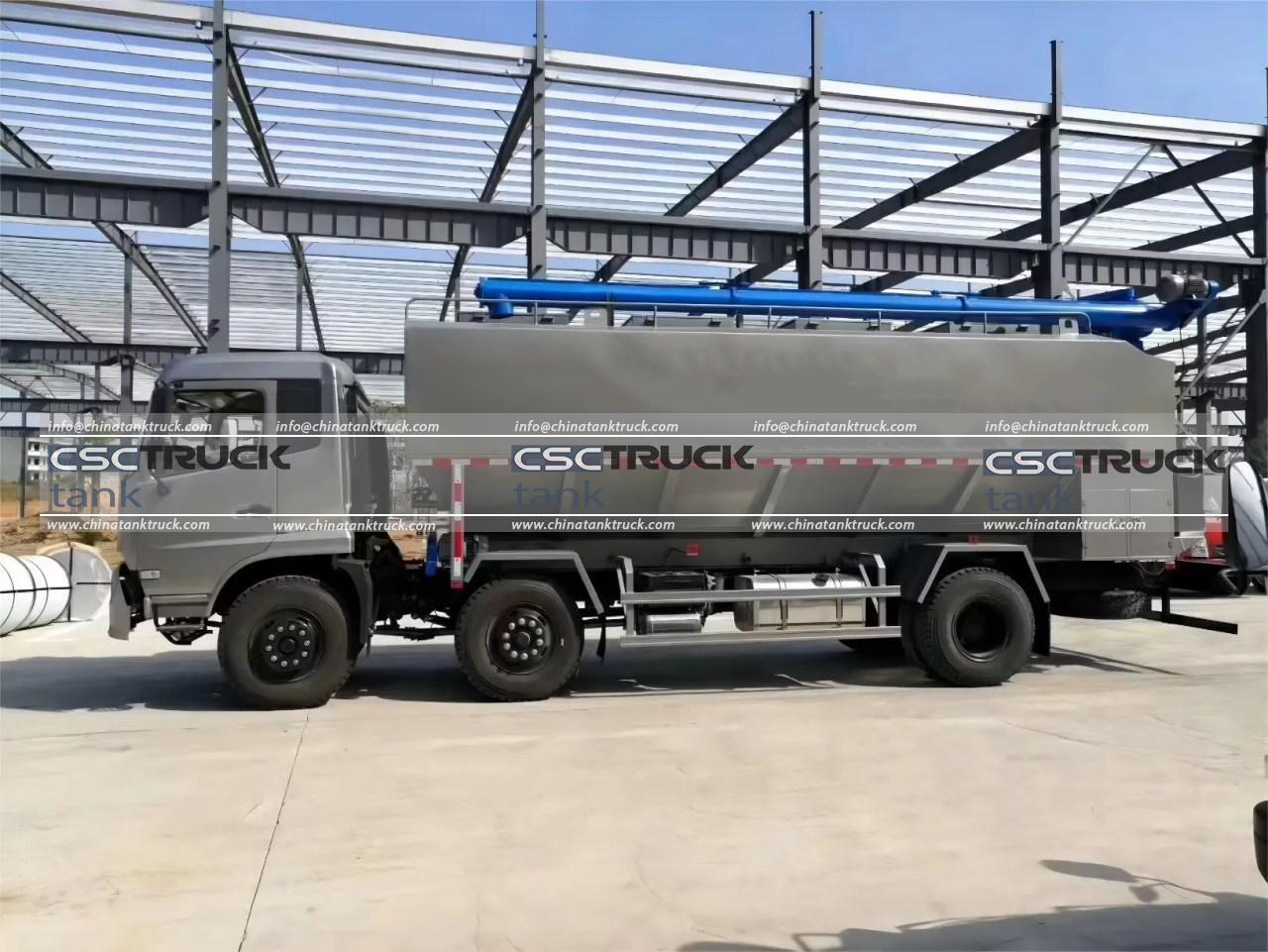
2. Match the Tank Material to the Cargo
The tank material has a direct impact on durability, weight, corrosion resistance, cleanliness, and operating cost.
Aluminum is often attractive when reducing vehicle weight and maximizing payload is important. Carbon steel can provide strong structural performance for demanding industrial applications, while stainless steel is particularly useful when corrosion resistance or strict hygiene requirements are important. Pneumatic tank designs commonly use aluminum or stainless steel depending on the application.
Before ordering, tell the manufacturer exactly what material you intend to transport. The manufacturer can then recommend an appropriate tank material, internal coating, discharge configuration, and cleaning method.
3. Pay Special Attention to the Air Compressor
The air compressor or blower is one of the most important components of a pneumatic tank truck because it provides the compressed air required for fluidization and unloading.
Check the compressor’s air delivery, operating pressure, compatibility with the tank, cooling system, lubrication requirements, and expected service life. The compressor must provide sufficient airflow for the cargo and unloading distance without being continuously overloaded.
Regularly inspect compressor oil, filters, belts, seals, and other components according to the manufacturer’s maintenance schedule. Compressor problems can stop the entire unloading operation, so preventive maintenance is much more economical than emergency repair.
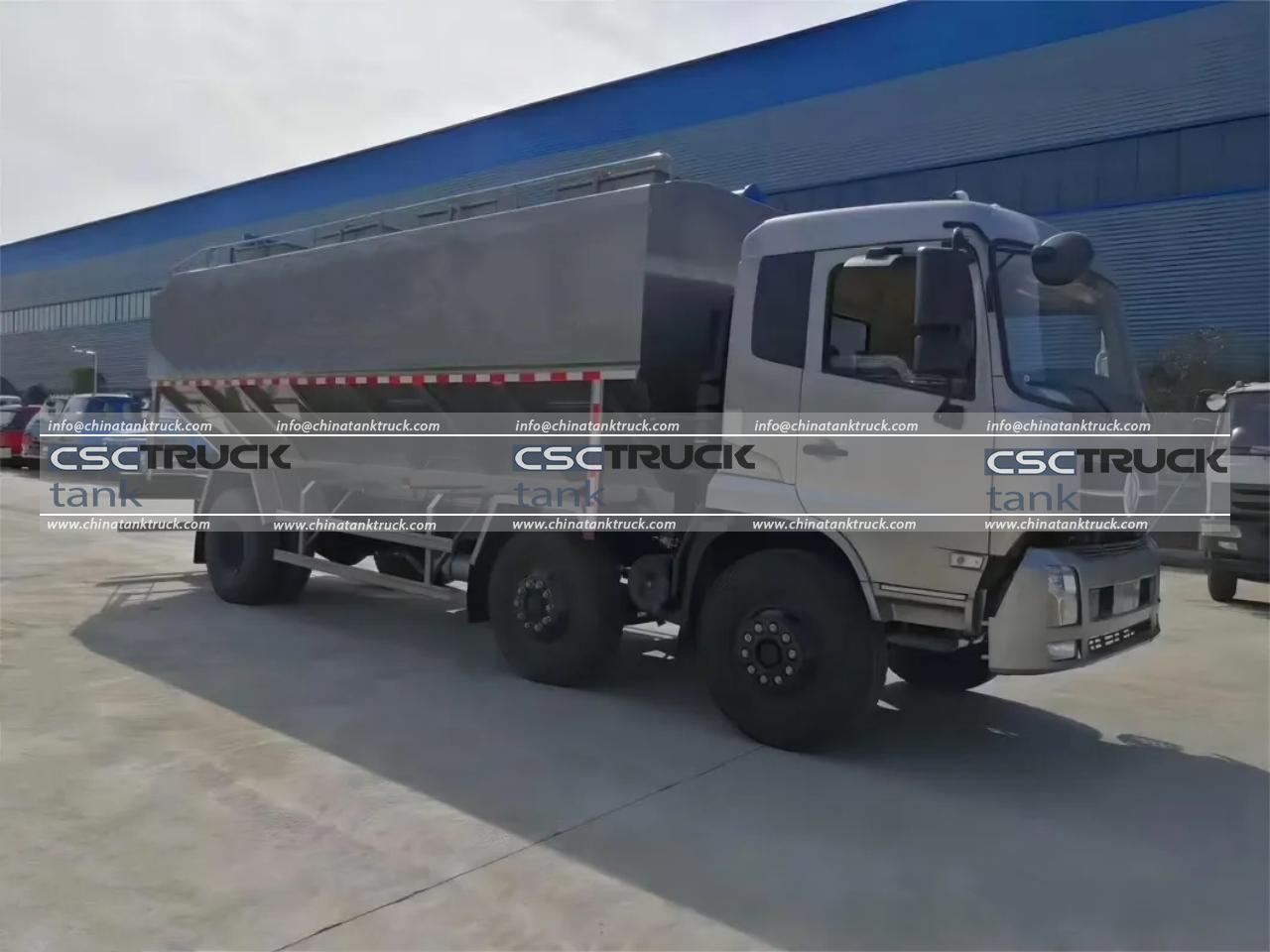
4. Understand the Material Before Operating the Truck
Different dry bulk materials behave differently during pneumatic unloading.
Cement, fly ash, flour, lime, plastic pellets, and chemical powders can differ significantly in density, moisture sensitivity, abrasiveness, and flow characteristics. A material that flows easily through the discharge system may behave very differently from one that tends to bridge, compact, or absorb moisture.
Before loading, operators should understand:
- Material density and flow characteristics
- Recommended loading quantity
- Moisture sensitivity
- Required unloading pressure
- Compatibility with tank and hoses
- Cleaning requirements after unloading
This information helps prevent blockages, excessive pressure, product contamination, and inefficient discharge.
5. Inspect the Truck Before Every Trip
A pre-trip inspection is one of the simplest ways to prevent operational problems.
Check the chassis, tires, brakes, lights, tank body, manholes, valves, hoses, pressure gauges, safety valves, compressor, and electrical connections. Pay particular attention to the discharge hose because it is exposed to abrasive material and mechanical stress during operation.
Look for cracks, leaks, unusual wear, loose fittings, damaged seals, or abnormal sounds. A hose showing significant abrasion or thinning should be replaced rather than used until failure.
CSCTRUCK China Tank Truck‘s maintenance guidance also emphasizes checking hoses, valves, pressure gauges, safety devices, and pneumatic components as part of routine operation and maintenance.
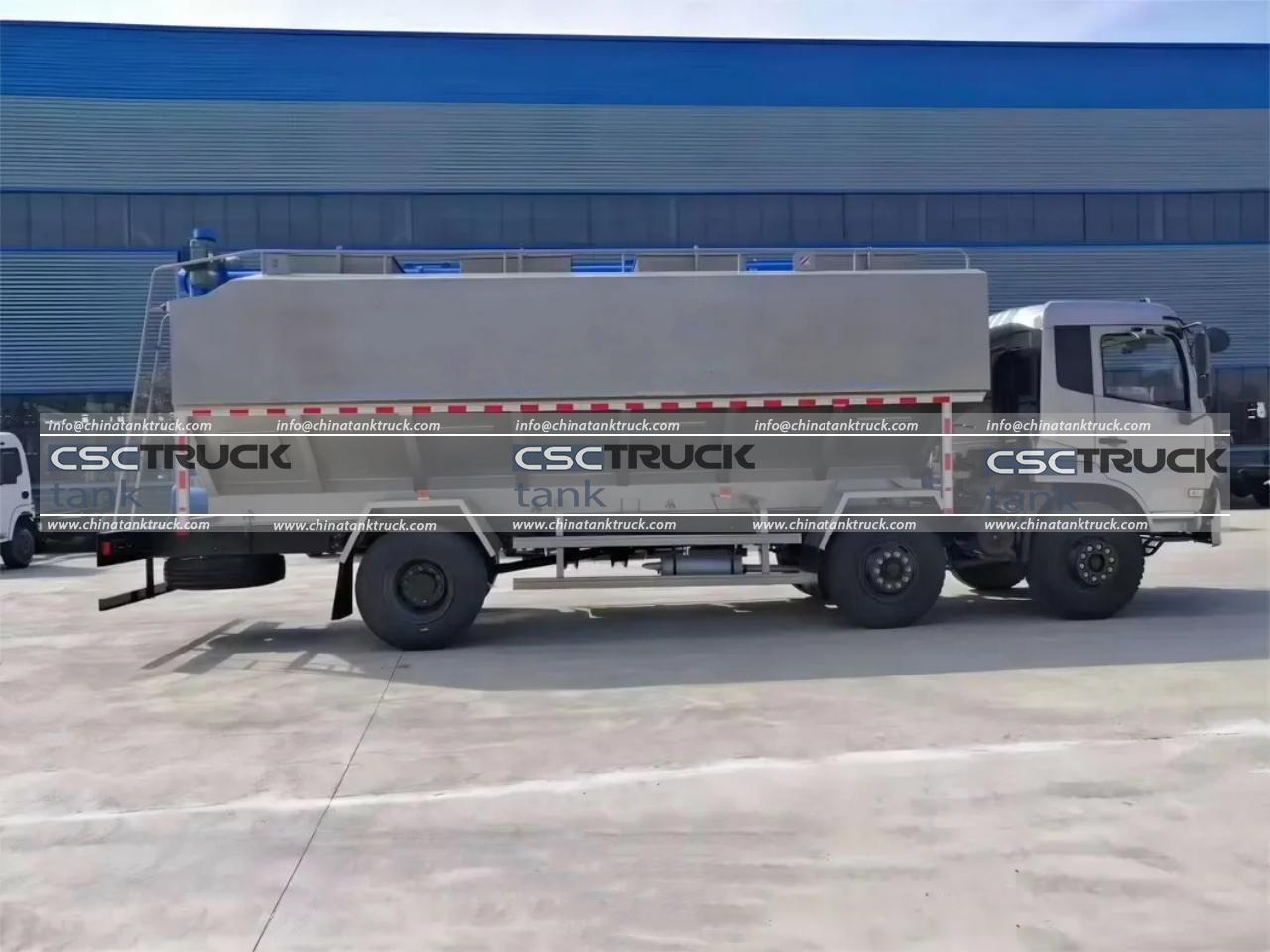
6. Never Exceed the Recommended Working Pressure
Pressure management is critical to safe pneumatic tank truck operation.
Operators should always follow the tank manufacturer’s specified working pressure and operating procedures. Never attempt to increase pressure simply to accelerate unloading.
Excessive pressure can damage valves, hoses, seals, and other components and may create a serious safety hazard. Pressure gauges should remain visible and functional throughout unloading, while pressure relief devices should be inspected and tested according to applicable regulations and manufacturer requirements.
Before disconnecting a hose or opening any connection, completely release the pressure from the system. CSCTRUCK China Tank Truck specifically recommends never exceeding the tank’s maximum working pressure and fully releasing pressure before disconnecting equipment.
7. Use the Correct Unloading Procedure
A typical pneumatic unloading process involves positioning the truck correctly, connecting the discharge hose, checking the receiving silo, starting the air system, fluidizing the material, and gradually transferring the material through the discharge pipeline.
Operators should avoid opening valves suddenly or applying excessive pressure at the beginning of the unloading process. A controlled increase in airflow and pressure helps establish stable material flow.
Before unloading, confirm that:
- The receiving silo has enough available capacity.
- The discharge connection is secure.
- The hose is correctly positioned.
- All required valves are in the correct position.
- Pressure gauges and safety devices are working.
- Personnel are clear of pressurized connections.
Correct operating procedures can reduce unloading time, prevent blockages, and minimize material loss.
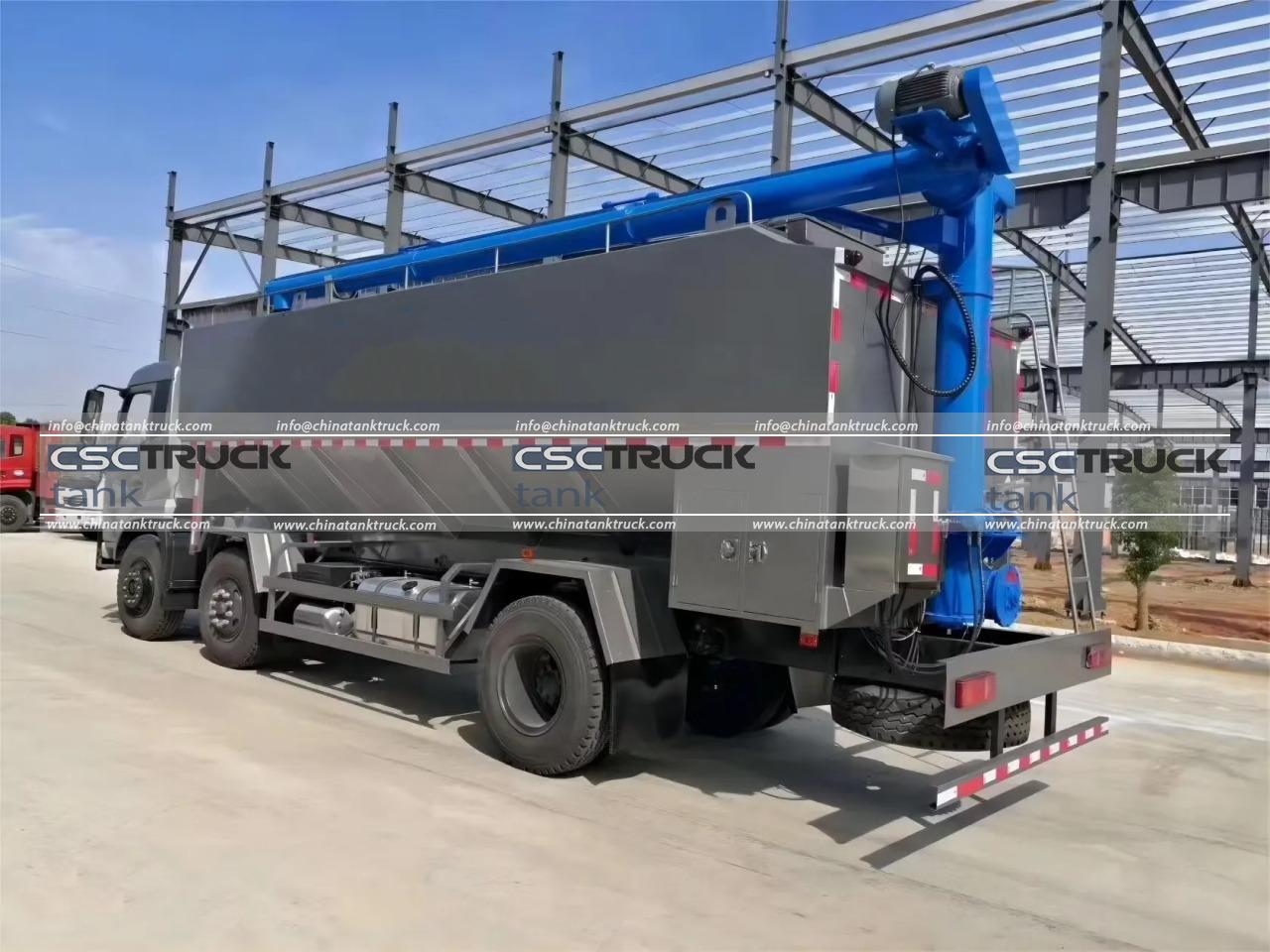
8. Keep Moisture and Contamination Under Control
Moisture is a major concern when transporting many powder products. Water entering the tank can cause materials such as cement or other hygroscopic powders to form lumps or block the discharge system.
Keep manhole covers, seals, valves, and connections in good condition. Avoid leaving the tank open unnecessarily, especially during rain or humid weather.
Cleaning is equally important. When changing from one product to another, the tank, valves, hoses, and discharge lines should be cleaned according to the cargo manufacturer’s requirements. This is particularly important for food-grade, pharmaceutical, chemical, or other contamination-sensitive products.
9. Establish a Preventive Maintenance Schedule
Do not wait for the pneumatic system to fail before performing maintenance.
A preventive maintenance program should include daily, weekly, monthly, and periodic inspections. Depending on the vehicle and manufacturer’s recommendations, maintenance may cover:
- Compressor oil and filters
- Air hoses and piping
- Pressure gauges
- Safety relief valves
- Discharge valves
- Aeration pads or fluidizing membranes
- Tank seals and manhole covers
- Tires, brakes, suspension, and chassis
- Electrical and control systems
- Tank structural integrity
Pressure testing, leak testing, and other inspections should be performed at the intervals required by applicable regulations and the equipment manufacturer. Regular maintenance helps reduce downtime and extend vehicle service life.
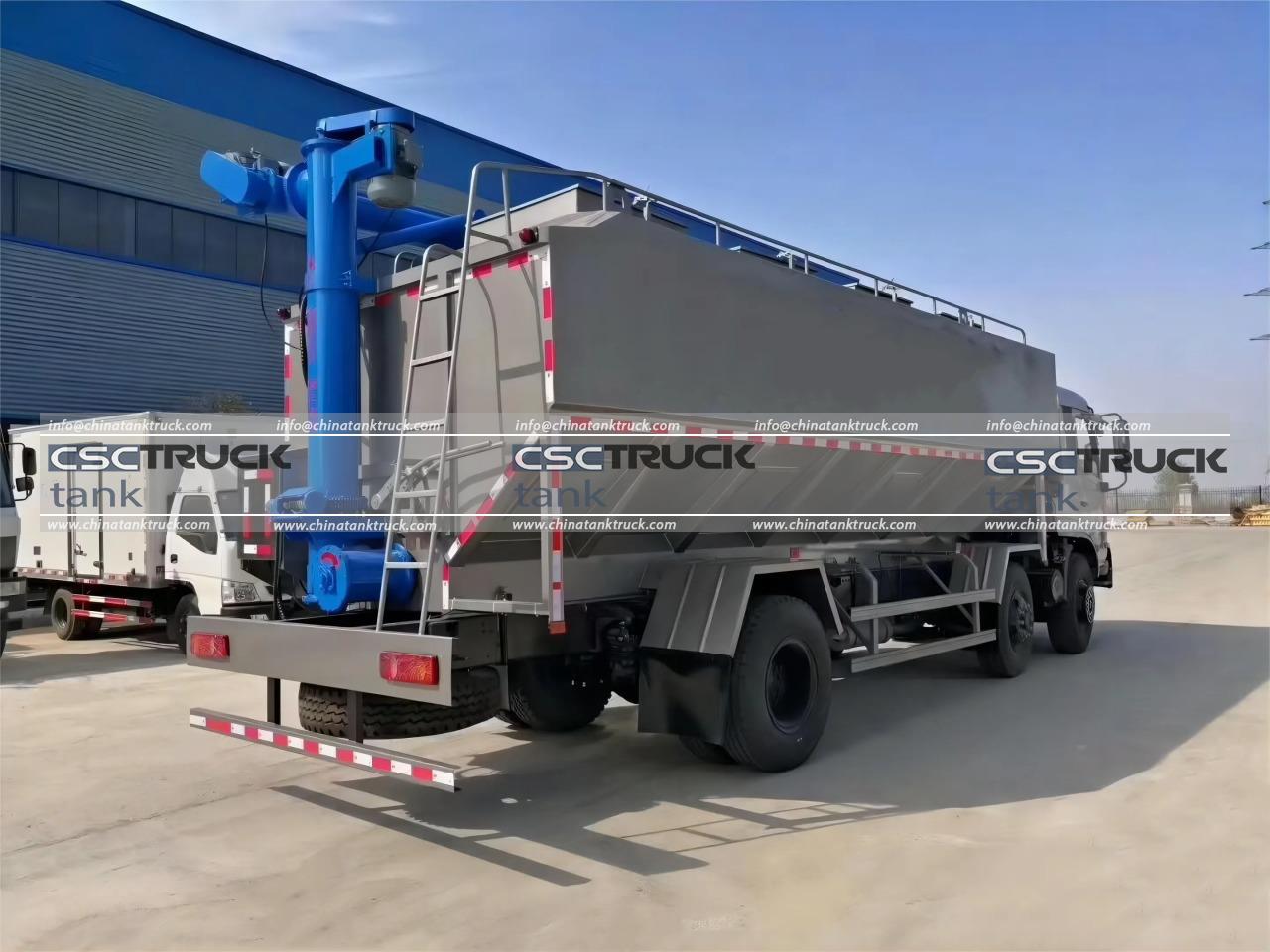
10. Select a Manufacturer That Provides Customization and After-Sales Support
The purchase price is only one part of the total cost of owning a pneumatic tank truck. Buyers should also evaluate manufacturing quality, spare-parts availability, technical support, warranty terms, export experience, and customization capabilities.
A professional manufacturer should be able to discuss the complete configuration rather than simply quoting a tank capacity. Important questions include:
- Which chassis is suitable for the operating environment?
- What compressor and discharge system will be used?
- Is the tank suitable for the intended cargo?
- What safety equipment is included?
- Can the tank capacity and material be customized?
- Are spare parts readily available?
- What technical support is provided after delivery?
CSCTRUCK China Tank Truck states that it provides customized tank trucks, export assistance, technical support, and after-sales service, while its production process includes inspections such as pressure, welding, and leak testing before delivery.
Conclusion
A pneumatic tank truck is more than a simple bulk vehicle. Its performance depends on the coordination of the tank, chassis, compressor, fluidization system, valves, hoses, safety equipment, and operator.
The best approach is to select the vehicle according to the actual cargo and operating environment, use the recommended unloading procedures, control working pressure carefully, inspect the truck before operation, and follow a structured preventive maintenance program.
For companies looking for a customized dry bulk transportation solution, CSCTRUCK China Tank Truck offers a range of pneumatic tank trucks and related specialized vehicles for different industrial applications. With the right configuration and disciplined operation, a pneumatic tank truck can provide efficient, clean, and reliable bulk material transportation for many years.