
Efficient aviation refueling is essential for airports, airlines, military airfields, and aviation fuel service companies. An aviation refueler fleet must deliver fuel safely, accurately, and on schedule while keeping operating costs under control. However, managing multiple refueler trucks involves much more than simply scheduling vehicles. Fleet managers need to consider vehicle utilization, preventive maintenance, operator performance, fuel quality, compliance, operating costs, and equipment availability.
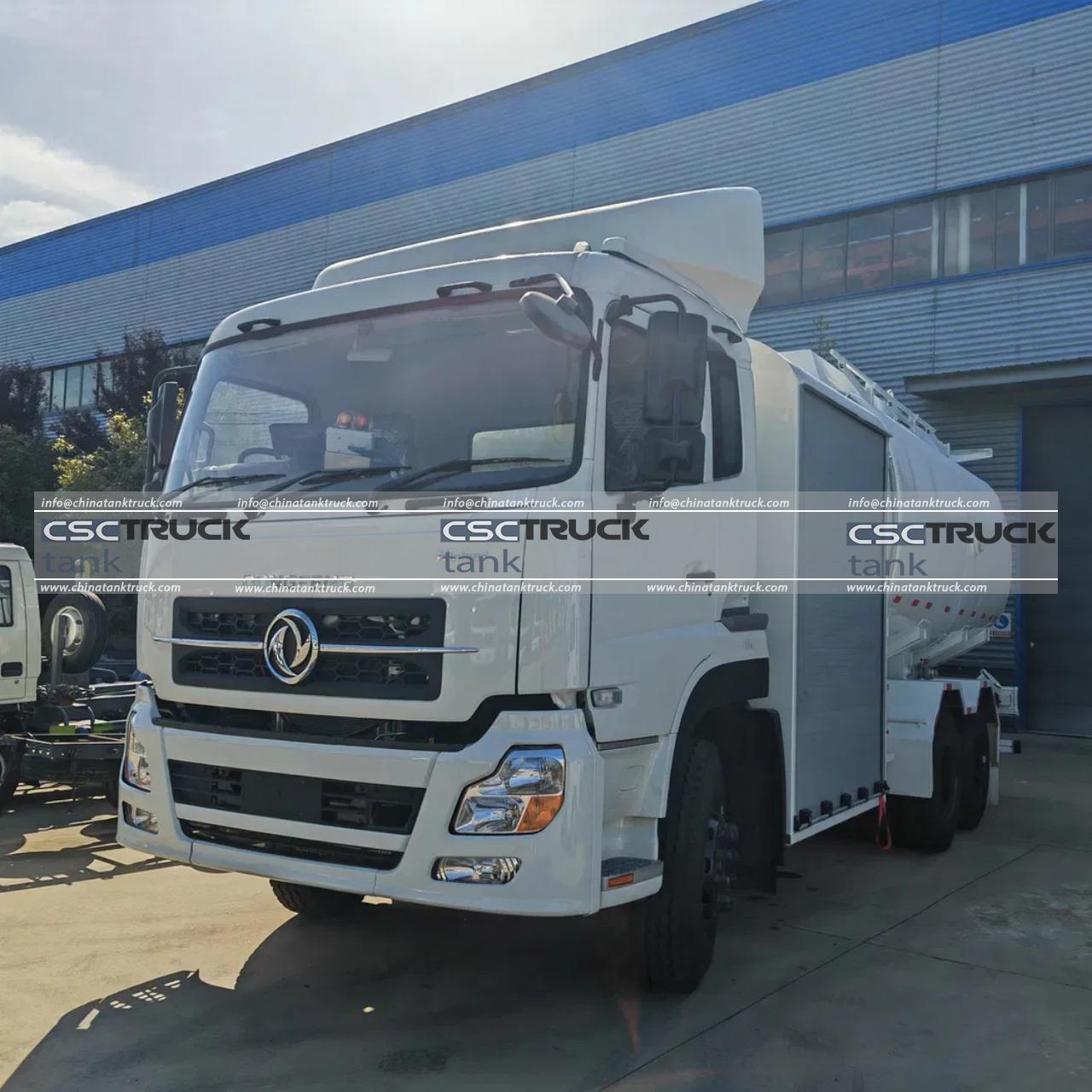
CSCTRUCK China Tank Truck is a professional manufacturer and supplier of specialized tank trucks, including aviation refuelers designed for airport and aviation fuel delivery applications. By combining reliable truck chassis with specialized fuel tanks and refueling systems, CSCTRUCK China Tank Truck provides solutions that can be customized according to capacity, flow rate, chassis configuration, and operational requirements. For companies looking to build or upgrade an aviation refueler fleet, selecting suitable equipment is an important first step toward improving overall fleet efficiency.
Here are 10 practical tips for optimizing aviation refueler fleet management.
1. Create a Comprehensive Fleet Inventory
The first step in effective fleet management is knowing exactly what equipment you have. Create a detailed inventory of every aviation refueler, including chassis model, tank capacity, pump system, flow rate, manufacturing year, mileage, operating hours, and current condition.
It is also useful to record the age and condition of critical components such as pumps, meters, hoses, nozzles, valves, filters, grounding systems, and emergency shut-off devices.
A centralized fleet database makes it easier to identify aging vehicles, frequently repaired units, and underutilized equipment. Managers can then make better decisions about maintenance, replacement, and fleet expansion.
2. Monitor Vehicle Utilization
Not every aviation refueler in a fleet is necessarily being used efficiently. Some trucks may be operating continuously while others spend long periods parked.
Track important utilization indicators such as daily operating hours, number of fueling operations, fuel volume delivered, kilometers driven, idle time, and average turnaround time.
If several trucks have low utilization while others are overloaded, fleet managers can redistribute workloads. Better utilization can increase fleet productivity without immediately requiring additional vehicles.
3. Implement Preventive Maintenance
Preventive maintenance is one of the most effective ways to reduce unexpected downtime. Aviation refuelers operate with specialized equipment, and a failure of a pump, hose, valve, meter, or control system can interrupt airport fueling operations.
Establish maintenance schedules based on manufacturer recommendations, operating hours, mileage, and actual working conditions.
Regular inspections should cover the engine, transmission, brakes, tires, fuel system, tank body, pump, filtration equipment, hoses, nozzles, valves, meters, grounding equipment, and safety systems.
A digital maintenance management system can also send reminders before scheduled service is due.
4. Track Maintenance Costs by Vehicle
Simply maintaining vehicles is not enough; Fleet managers should understand how much each vehicle costs to operate.
Record expenses for spare parts, labor, tires, lubricants, repairs, inspections, and downtime. Comparing these costs across vehicles can reveal which units are becoming uneconomical.
For example, an older refueler may have a relatively low purchase value but require frequent repairs and experience significant downtime. A newer vehicle may have a higher initial investment but lower maintenance and operating costs.
This approach helps managers determine when repair, refurbishment, or replacement makes the most financial sense.
5. Standardize Operator Training
The performance of an aviation refueler fleet depends heavily on its operators. Different driving and fueling habits can significantly affect vehicle efficiency, equipment life, and safety.
Develop standardized training procedures covering vehicle operation, aircraft fueling procedures, grounding and bonding, fuel quality control, emergency response, equipment inspection, and communication protocols.
Operators should also understand the specific refueler model they use. Consistent procedures reduce operational variation and help ensure that every fueling operation meets established safety and quality requirements.
Regular refresher training is equally important, especially when new equipment or procedures are introduced.

6. Use Fleet Management Technology
Modern fleet management software can provide valuable real-time information about vehicle location, utilization, maintenance status, mileage, and operating behavior.
GPS tracking can help managers understand vehicle movements and identify inefficient routes or unnecessary travel. Telematics systems can provide information about engine performance, fuel consumption, idle time, and other operational parameters.
For larger fleets, integrating vehicle data with maintenance and scheduling systems can create a more complete management platform.
The goal is not simply to collect data but to turn that data into practical decisions that improve availability, efficiency, and safety.
7. Optimize Refueling Schedules
Efficient scheduling can significantly improve airport ground operations. Fleet managers should coordinate refueler availability with aircraft arrival and departure schedules, peak fueling periods, shift changes, and expected fuel demand.
Avoid assigning too many vehicles to low-demand periods while having insufficient capacity during busy periods.
Historical fueling data can help managers identify daily and seasonal demand patterns. With better forecasting, the fleet can be positioned where and when it is needed most.
Effective scheduling also reduces unnecessary vehicle movements and waiting time.
8. Maintain Strict Fuel Quality Control
Fleet management should always include fuel quality management. Aviation fuel must remain clean and free from water, dirt, and other contaminants throughout storage and delivery.
Refueler tanks, filters, hoses, pumps, and connections should be inspected and maintained according to applicable procedures. Filter condition and water detection should receive particular attention.
A well-maintained refueler protects both the fuel supply and the aircraft being serviced. Preventing contamination is far less costly than dealing with operational disruptions or equipment problems caused by poor fuel quality.

9. Maintain an Adequate Spare Parts Strategy
Fleet downtime can increase dramatically when a simple replacement component is unavailable. Managers should therefore identify critical spare parts and maintain appropriate inventory levels.
Commonly required items may include filters, seals, gaskets, hoses, valves, electrical components, tires, and other service parts, depending on the refueler design.
Fleet data can be used to determine which components fail most frequently. Maintaining a sufficient stock of high-priority parts can shorten repair times and improve vehicle availability.
When purchasing new aviation refuelers, managers should also consider the manufacturer’s after-sales service, spare parts availability, technical support, and warranty policy.
10. Review Fleet Performance Regularly
Fleet optimization is an ongoing process. Establish key performance indicators and review them regularly.
Useful KPIs can include vehicle availability, utilization rate, maintenance cost per kilometer or operating hour, fuel delivered per vehicle, average fueling time, downtime, fuel consumption, repair frequency, and safety incidents.
Managers should compare actual performance against fleet targets and identify areas for improvement.
When replacing or expanding the fleet, these historical records provide valuable information for choosing the appropriate tank capacity, chassis, pump configuration, refueling equipment, and number of vehicles.
Conclusion
Optimizing an aviation refueler fleet requires a combination of reliable equipment, disciplined maintenance, skilled operators, effective scheduling, fuel quality management, and data-driven decision-making. By creating a detailed fleet inventory, monitoring utilization, implementing preventive maintenance, controlling costs, improving training, adopting fleet technology, and regularly reviewing performance, airport operators can improve both productivity and reliability.
Choosing the right refueler manufacturer is another important part of fleet optimization. CSCTRUCK China Tank Truck provides specialized tank truck solutions for different transportation and fueling applications, with aviation refuelers available in configurations tailored to customer requirements. Factors such as tank capacity, chassis brand, drive configuration, pump performance, refueling equipment, and local operating conditions can be considered when developing a fleet solution.
For airports and aviation fuel service companies, the ultimate goal is to build a fleet that delivers reliable performance while minimizing downtime and operating costs. With systematic fleet management and properly configured aviation refueling equipment, organizations can achieve safer, more efficient, and more dependable aircraft fueling operations.
