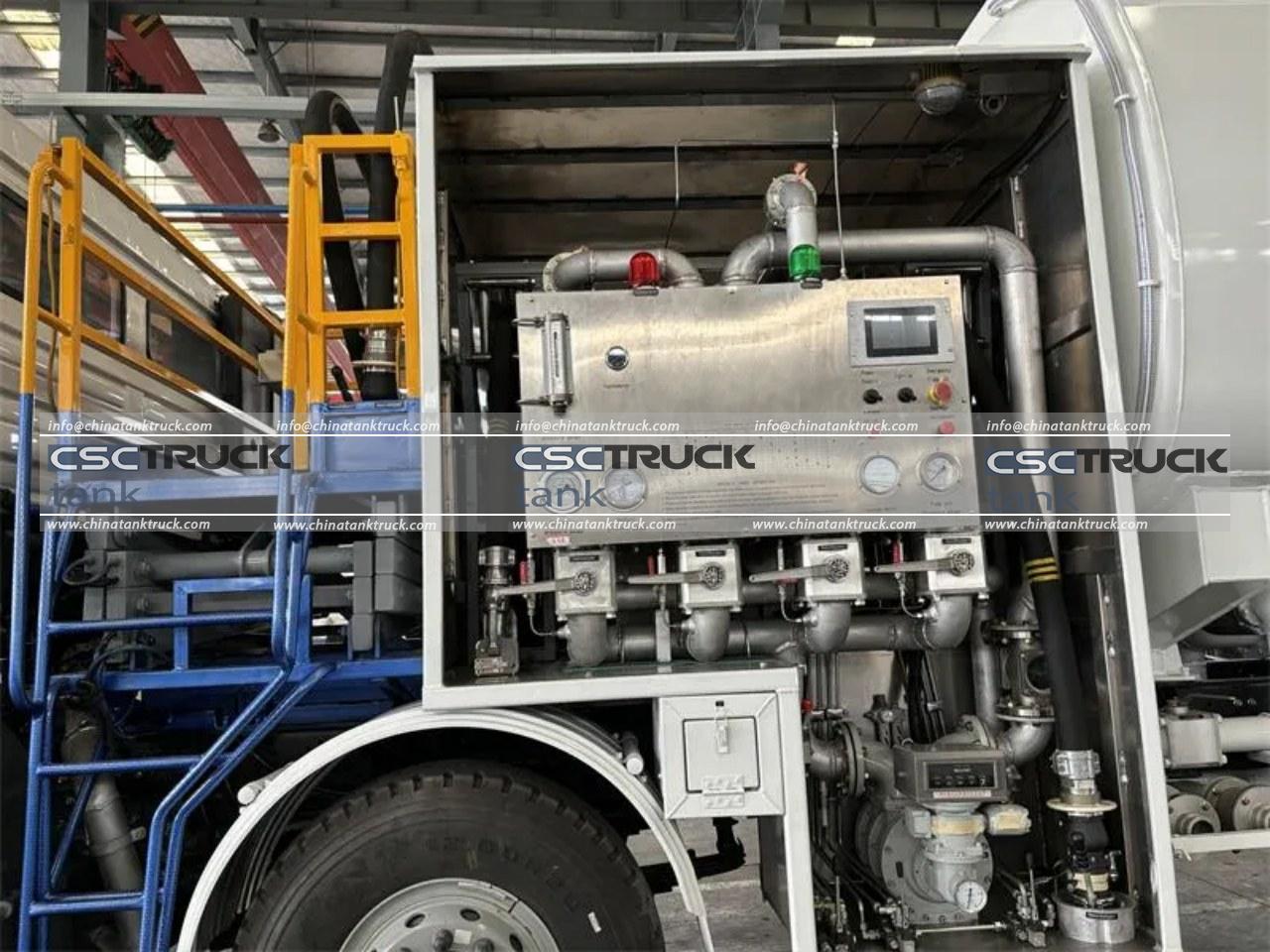

Aviation refuelers are essential ground-support vehicles that ensure aircraft receive the correct type and quantity of fuel safely and efficiently. From airport fueling stations to military airfields and remote aviation operations, these specialized trucks must deliver reliable performance under demanding conditions. Because aviation fuel handling involves strict requirements for cleanliness, flow accuracy, bonding, filtration, and operational safety, even a relatively small equipment problem should be investigated carefully.
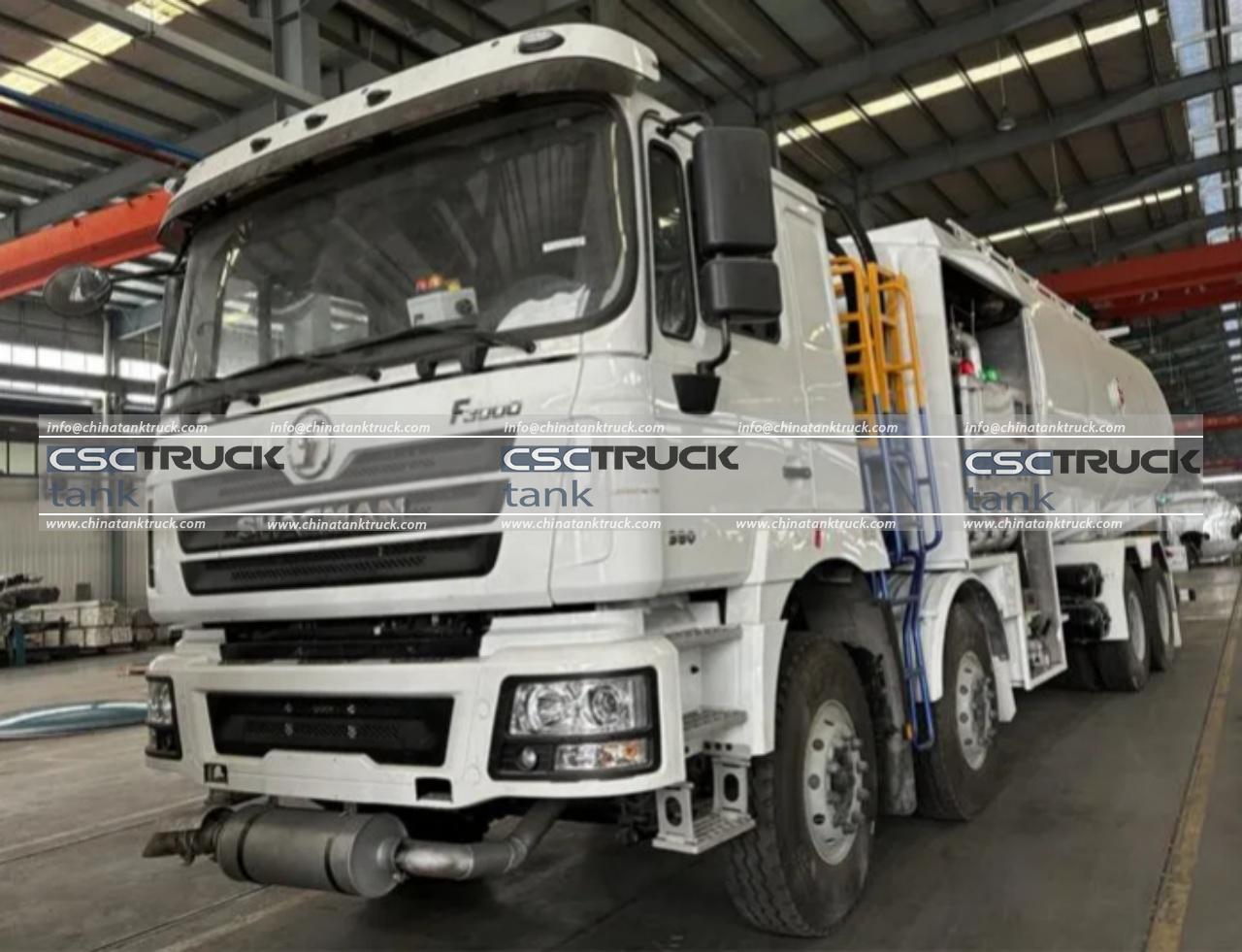
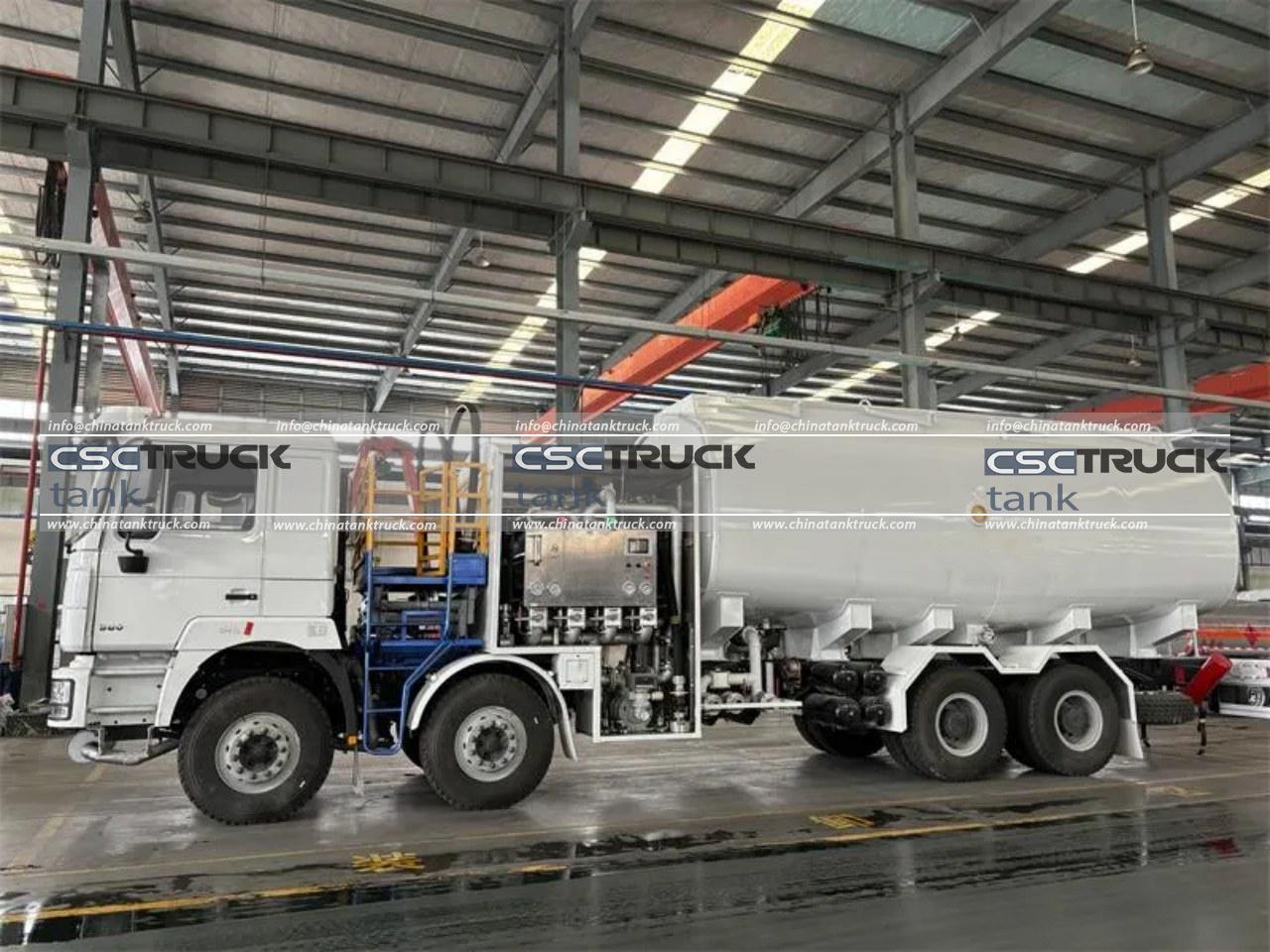
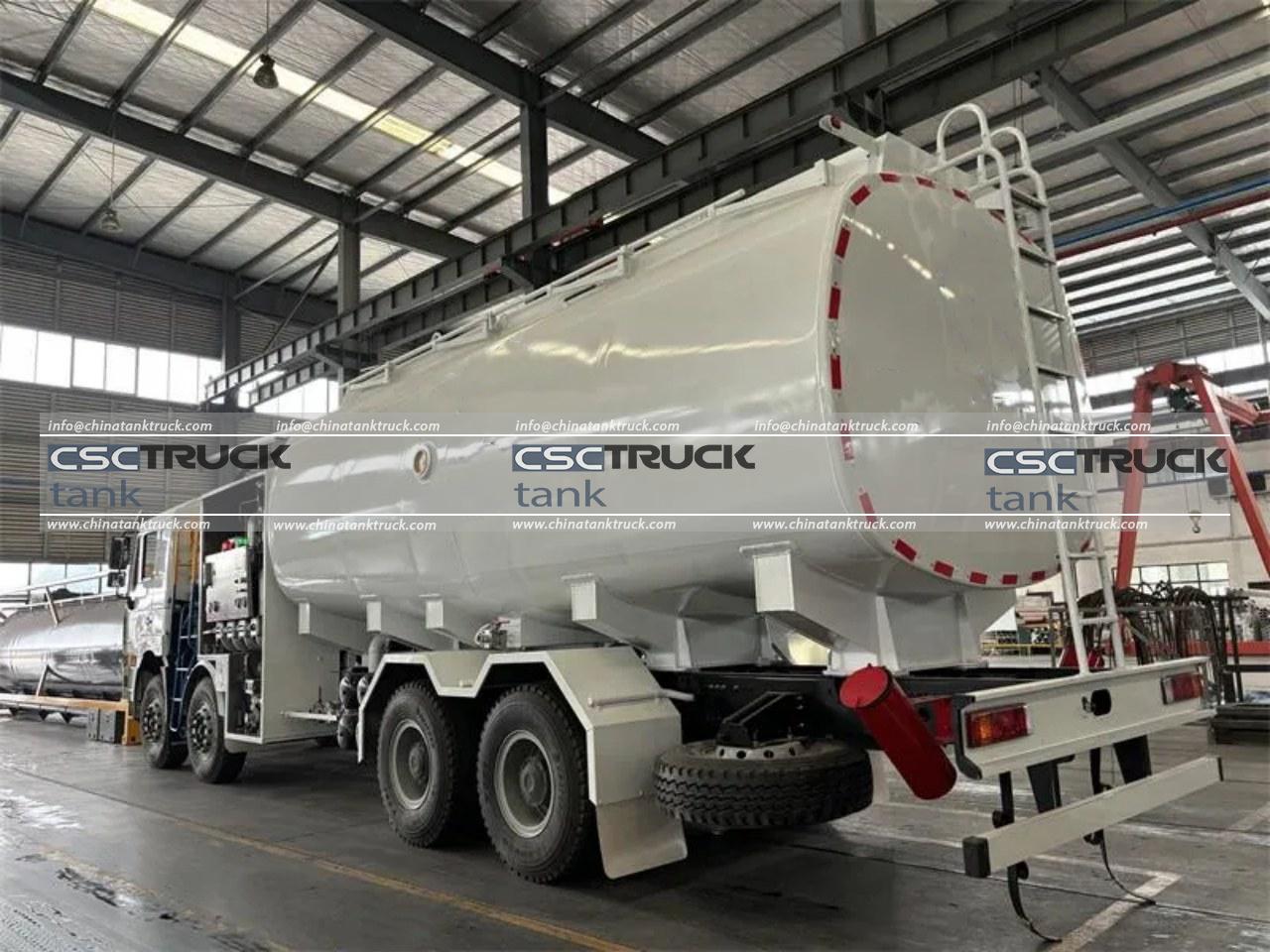
CSCTRUCK China Tank Truck is a China-based manufacturer and supplier of specialized tank trucks, including aviation refuelers and other fuel transportation and delivery equipment. By combining suitable truck chassis with customized tanks, pumps, meters, filtration systems, reels, hoses, and safety equipment, CSCTRUCK China Tank Truck can provide aviation refueling solutions for different airports and operational requirements.
When an aviation refueler develops a problem, replacing parts immediately is not always the best approach. A systematic troubleshooting process can help operators identify the actual cause, reduce downtime, and prevent the same fault from happening again. Below are ten practical tips for troubleshooting common aviation refueler problems.
1. Start with a Complete Safety Check
Before troubleshooting any aviation refueler, make safety the first priority. Stop fueling operations, secure the vehicle, and follow the applicable airport, manufacturer, and fuel-handling procedures.
Check for fuel leakage, unusual odors, visible damage, loose connections, abnormal temperatures, or signs of electrical problems. Never attempt repairs on a pressurized or energized system unless the applicable maintenance procedure specifically permits it.
Fuel transfer systems can also generate static electricity. Proper bonding and grounding are critical during fueling because they help prevent potentially dangerous electrical discharge.
2. Check the Fuel Pump When There Is No or Low Flow
One of the most common complaints is insufficient fuel flow. If the pump runs but little or no fuel reaches the aircraft, begin by checking the basic fuel path.
Inspect the tank outlet, suction line, valves, strainers, and pump inlet for restrictions. A blocked suction strainer can reduce pump performance and may cause air to enter the system. Also, check whether the pump is properly primed.
If the pump does not prime, inspect the pump for damaged components, worn seals, debris, or air leakage around the inlet. Troubleshooting procedures for aviation fuel transfer systems specifically identify pump priming problems, inlet leaks, shaft seals, and pump housing seals as possible failure points.
3. Inspect Filters and Strainers for Blockage
Fuel filtration is particularly important in aviation fueling. A dirty filter can restrict flow, increase pressure drop, and reduce the performance of the entire refueling system.
When the flow gradually decreases, inspect the filter and strainer before assuming that the pump has failed. Look for dirt, sediment, corrosion, water, or other contaminants.
Regular inspection is much better than waiting for a severe restriction. Aviation fuel system maintenance guidance also emphasizes keeping filters and screens clean and free from corrosion.
If a filter becomes blocked unusually quickly after replacement, investigate the source of the contamination rather than simply installing another filter.
4. Investigate Air Entering the Fuel Line
Air in the fuel system can cause unstable flow, pump noise, inaccurate metering, or inconsistent delivery. If the pump sounds different from normal or the flow fluctuates, inspect the suction side carefully.
Check hose connections, O-rings, valve seals, fittings, and pipe joints for potential air leaks. A loose connection may not necessarily produce a visible fuel leak while the pump is operating, but it can still allow air into the suction system.
Air entrainment can also affect flow-meter accuracy. Troubleshooting guidance for fuel meters identifies air entering the suction side as one potential cause of abnormal readings.
5. Check the Flow Meter When Readings Are Incorrect
Accurate fuel measurement is essential for aviation fueling operations. If the amount displayed by the refueler does not correspond with the actual delivered volume, do not immediately assume the meter itself is defective.
First, check whether the fuel flow is stable and whether air is present in the system. Then inspect meter connections, wiring, display components, and mechanical parts according to the equipment manufacturer’s maintenance instructions.
Calibration should also be verified at the required intervals. If the meter consistently over- or under-registers, professional calibration or replacement may be necessary.
A good troubleshooting approach is to separate a fuel-delivery problem from a measurement problem. If the fuel flow is normal but the display is incorrect, attention should shift toward the metering and electrical system.
6. Troubleshoot Slow Flow by Checking Pressure and Restrictions
Slow fueling can result from several causes, including a restricted filter, partially closed valve, damaged hose, worn pump, or excessive pressure loss.
Start at the fuel tank and follow the flow path toward the aircraft. Check each component systematically rather than changing several components at once.
Compare pressure and flow readings with the manufacturer’s specified operating range. If pressure is lower than expected, investigate the pump and suction side. If pressure is unusually high while flow is low, look for a restriction downstream.
This systematic method makes it easier to identify the actual problem and prevents unnecessary component replacement.
7. Check Hoses, Nozzles, and Couplings for Leakage
Fuel leakage requires immediate attention. Inspect the refueling hose, nozzle, couplings, swivel joints, seals, and connection points for wet spots, cracks, deterioration, or damaged O-rings.
Hoses should also be checked for excessive wear, cuts, abrasion, deformation, and improper storage. A hose can appear acceptable externally while developing internal problems that affect flow performance.
Never continue operating equipment with a significant leak simply because the leak appears small. Follow the applicable shutdown, containment, repair, and reporting procedures.
8. Inspect Bonding and Grounding Equipment
Bonding cables, clips, reels, and connections are small components but play an important safety role. If a bonding system fails its inspection or shows high resistance, fueling should not continue until the issue is properly resolved.
Check the cable for broken strands, corrosion, damaged insulation, loose connections, and worn clips. Inspect the reel and connection points as well.
Regular electrical continuity checks can identify problems before they become operational hazards. Some fueling guidance specifically recommends inspecting bonding cables, plugs, and clips to ensure they provide a reliable conductive path.
Always follow the specific bonding and grounding procedures established by the airport, equipment manufacturer, aircraft operator, and applicable standards.
9. Do Not Ignore Electrical and Control-System Faults
Modern aviation refuelers may include electronic meters, sensors, control panels, emergency shutoff systems, overfill protection, interlocks, and other electrical equipment. Consequently, a mechanical-looking problem can sometimes originate in the electrical system.
If a pump does not start, a display is blank, or a sensor provides an abnormal indication, check the relevant power supply, switches, fuses, wiring, connectors, and control circuits according to the service manual.
Aviation troubleshooting references commonly use a process of checking the transmitter, pump, indicator, and electrical supply separately rather than assuming that one component is automatically responsible.
For electrical troubleshooting, only qualified personnel should perform tests or repairs involving energized systems or safety-critical equipment.
10. Keep a Troubleshooting and Maintenance Record
The final tip is to document every recurring problem. Record the date, operating conditions, symptoms, diagnostic steps, parts inspected or replaced, and final solution.
For example, if a refueler repeatedly experiences low flow after several hours of operation, maintenance records may reveal a pattern involving filter blockage, fuel contamination, pump wear, or a particular operating condition.
Maintenance records also help fleet managers identify recurring failures across multiple trucks. This information can support preventive maintenance planning, spare-parts management, operator training, and equipment upgrades.
Conclusion
Troubleshooting aviation refueler problems is most effective when operators use a structured process rather than replacing components based on assumptions. Start with safety, then examine the fuel path systematically—from the tank and suction system to the pump, filters, hoses, meters, nozzles, and control system.
Common symptoms such as low flow, no flow, inaccurate metering, leakage, abnormal pump behavior, and electrical faults often have relatively straightforward causes, but they require careful diagnosis. Regular inspections, clean fuel-handling practices, proper bonding, accurate calibration, and detailed maintenance records can significantly improve refueler reliability.
For airports and aviation fuel operators looking for specialized equipment, CSCTRUCK China Tank Truck offers customizable tank truck solutions designed for different fuel transportation and refueling applications. The right combination of chassis, tank capacity, pumping equipment, filtration, metering, hose systems, and safety features can help create an aviation refueler suited to specific operational requirements.
Most importantly, troubleshooting should never compromise fuel quality or operational safety. When a fault involves critical fueling, electrical, pressure, or safety equipment, qualified maintenance personnel should follow the manufacturer’s service documentation and the applicable aviation and fuel-handling requirements.