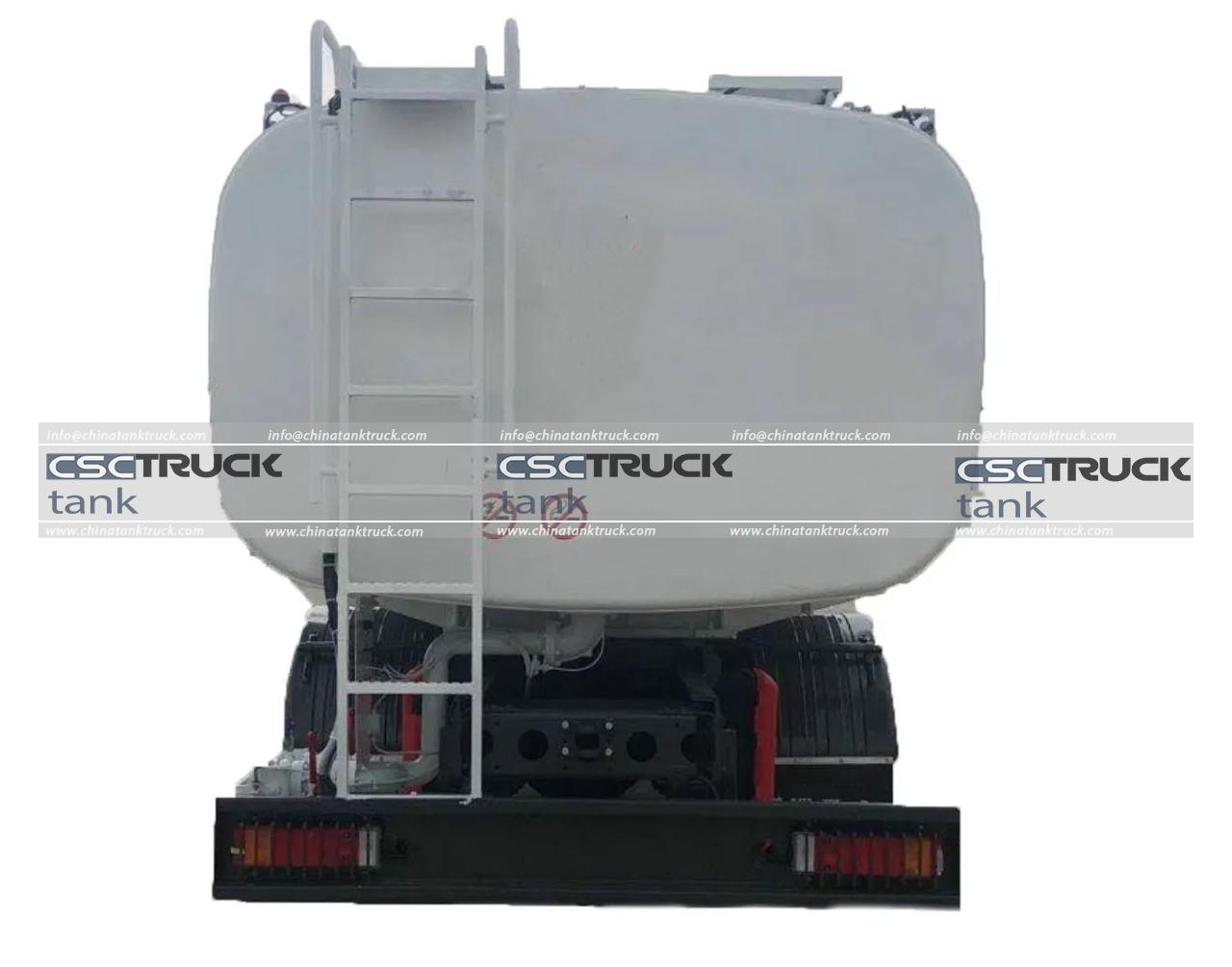

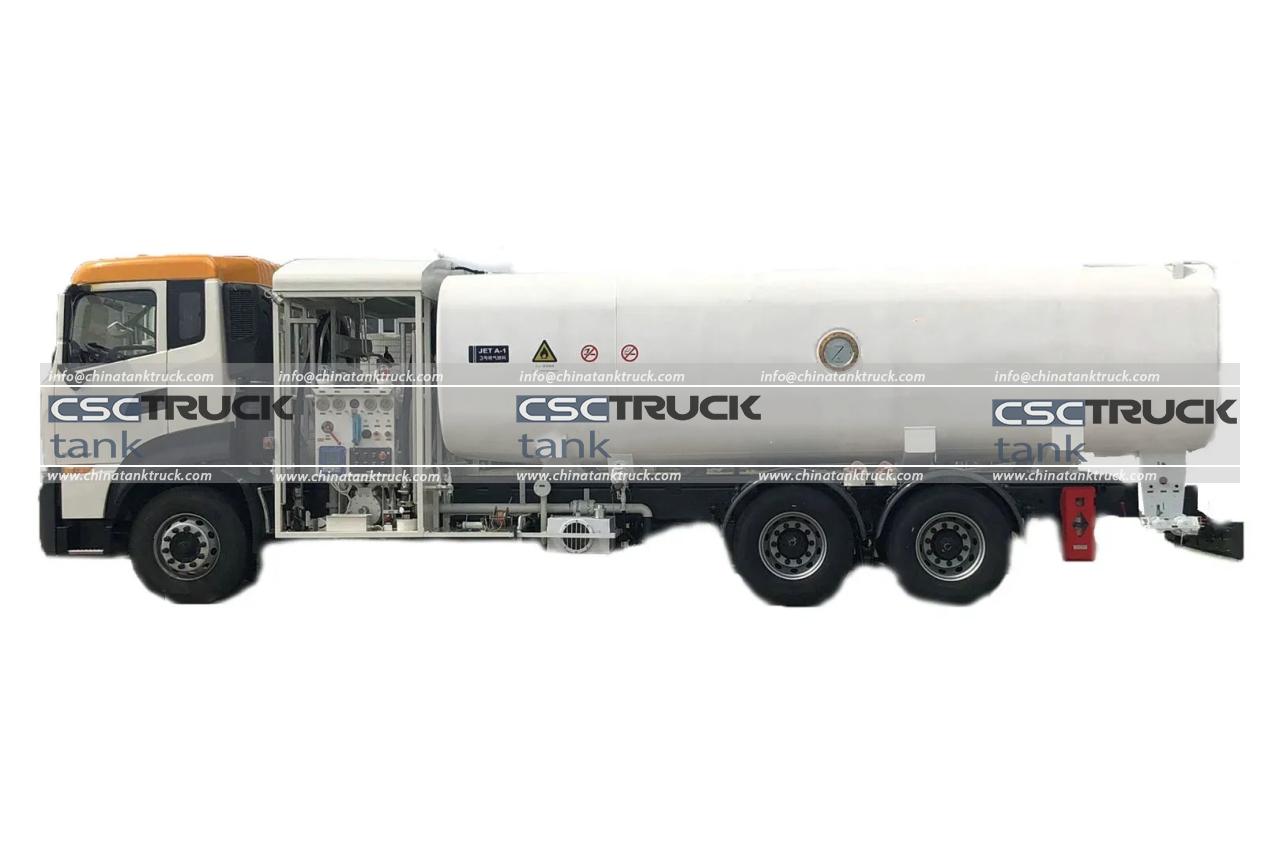
An aviation refueler is a critical piece of airport ground support equipment designed to safely transport, store, filter, meter, and deliver aviation fuel to aircraft. Whether it is used at a major international airport, regional airfield, private aviation facility, military base, or business jet terminal, choosing the right refueling truck can have a significant impact on operating costs, fueling efficiency, safety, and long-term fleet reliability.
However, buying a cost-effective aviation refueler does not simply mean selecting the truck with the lowest purchase price. A truly economical refueler should provide the right capacity, reliable fuel-delivery performance, reasonable maintenance costs, long service life, and appropriate safety equipment.
CSCTRUCK China Tank Truck is a professional manufacturer of specialized tank trucks and commercial vehicles, including aviation refuelers, fuel tankers, chemical tank trucks, and customized liquid transport vehicles. The company offers aviation refuelers in different capacities and chassis configurations for various airport applications. For example, its product range includes 4,000-liter small aircraft refuelers, 10,000-liter aircraft refuelers, 12,000-liter Jet A-1 refuelers, and larger-capacity models.
If you are planning to purchase an aircraft refueler, the following ten tips can help you achieve a better balance between purchase cost, performance, safety, and total cost of ownership.
1. Determine the Required Fuel Capacity
The first step is to determine how much fuel the refueler actually needs to carry.
A small airport serving private aircraft and helicopters may not need a 20,000- or 30,000-liter refueler. A compact 4,000- or 5,000-liter truck may provide sufficient capacity while offering better maneuverability and lower purchase and operating costs.
In contrast, airports serving commercial airlines may require 10,000-, 12,000-, 20,000-liter, or larger refuelers to reduce the number of fueling trips.
CSCTRUCK China Tank Truck, for example, offers a 4,000-liter small aircraft refueling truck as well as 10,000-liter and 12,000-liter configurations.
The best capacity is therefore not necessarily the largest one. Choose a capacity based on daily fuel demand, aircraft types, fueling frequency, available storage facilities, and apron operating conditions.
2. Calculate Total Cost of Ownership
The purchase price is only one part of the cost of an aviation refueler.
Before placing an order, consider:
- Initial purchase price
- Fuel consumption
- Tire costs
- Routine maintenance
- Filter replacement
- Pump maintenance
- Hose and nozzle replacement
- Spare parts availability
- Insurance and registration
- Operator training
- Downtime and repair costs
A truck that costs slightly more initially but has better fuel economy and easier maintenance may ultimately be much cheaper over a 10-year operating period.
This is particularly important for airports where refuelers operate every day and accumulate high annual mileage and operating hours.
3. Select the Right Chassis
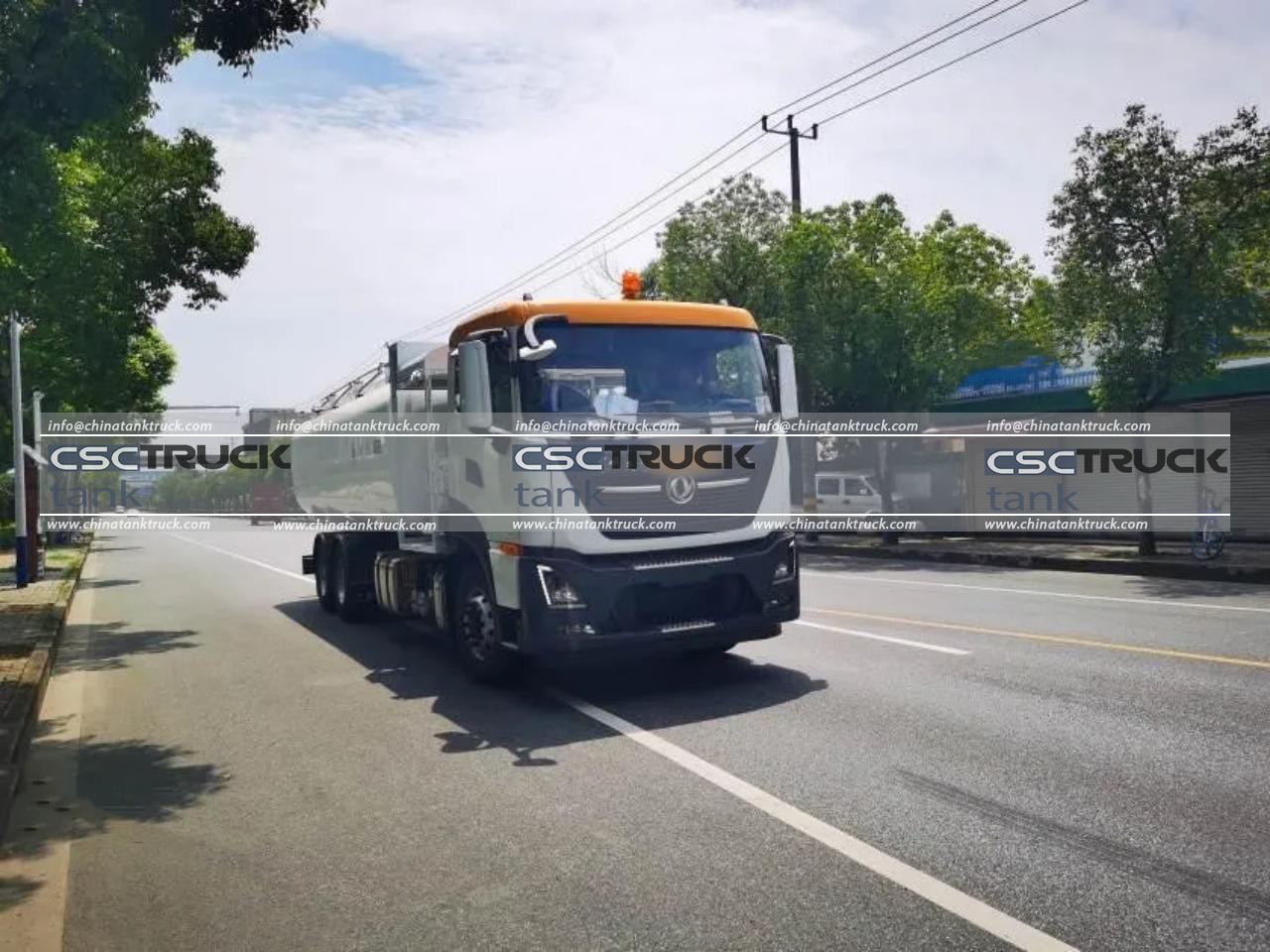
The chassis affects vehicle reliability, payload capacity, maneuverability, fuel economy, and maintenance costs.
Popular chassis options include HOWO, ISUZU, Dongfeng, SITRAK, Foton, MAN, Mercedes-Benz, Volvo, and other established commercial vehicle brands.
For example, CSCTRUCK China Tank Truck‘s ISUZU FTR 12,000-liter aircraft refueler uses a 4×2 configuration, a 205-hp engine, an 8-speed manual transmission, and a 12,000-liter tank.
For airport operations, the chassis should have sufficient payload capacity without being unnecessarily oversized. A correctly matched chassis can reduce fuel consumption, tire wear, and maintenance expenses.
4. Don’t Compromise on Fuel Filtration
Fuel quality is one of the most important considerations when purchasing an aviation refueler.
Aircraft fuel must remain clean and free from water, dirt, rust, and other contaminants. Therefore, the refueler should be equipped with an appropriate filtration and water-separation system.
Aviation refuelers commonly incorporate fuel filters, water separators, pumps, meters, valves, hoses, and nozzles as part of the fuel-delivery system.
Saving money by choosing an inadequate filtration system can create much greater costs later through fuel contamination, equipment damage, operational delays, or aircraft-related problems.
For this reason, filtration should be treated as an essential investment rather than an optional upgrade.
5. Choose the Appropriate Fueling Flow Rate
Fueling speed directly affects airport turnaround time.
A refueler with insufficient flow capacity may take too long to service an aircraft, particularly during busy periods. However, selecting an unnecessarily high-capacity pump can also increase equipment cost and may not provide practical benefits for smaller aircraft.
For example, CSCTRUCK China Tank Truck‘s 4,000-liter small aircraft refueler is designed with a refueling flow of approximately 100–150 L/min and pipeline pumping flow of up to 700 L/min.
When specifying the pump, consider aircraft type, fueling method, airport procedures, hose configuration, required pressure, and expected daily workload.
6. Prioritize Safety Equipment
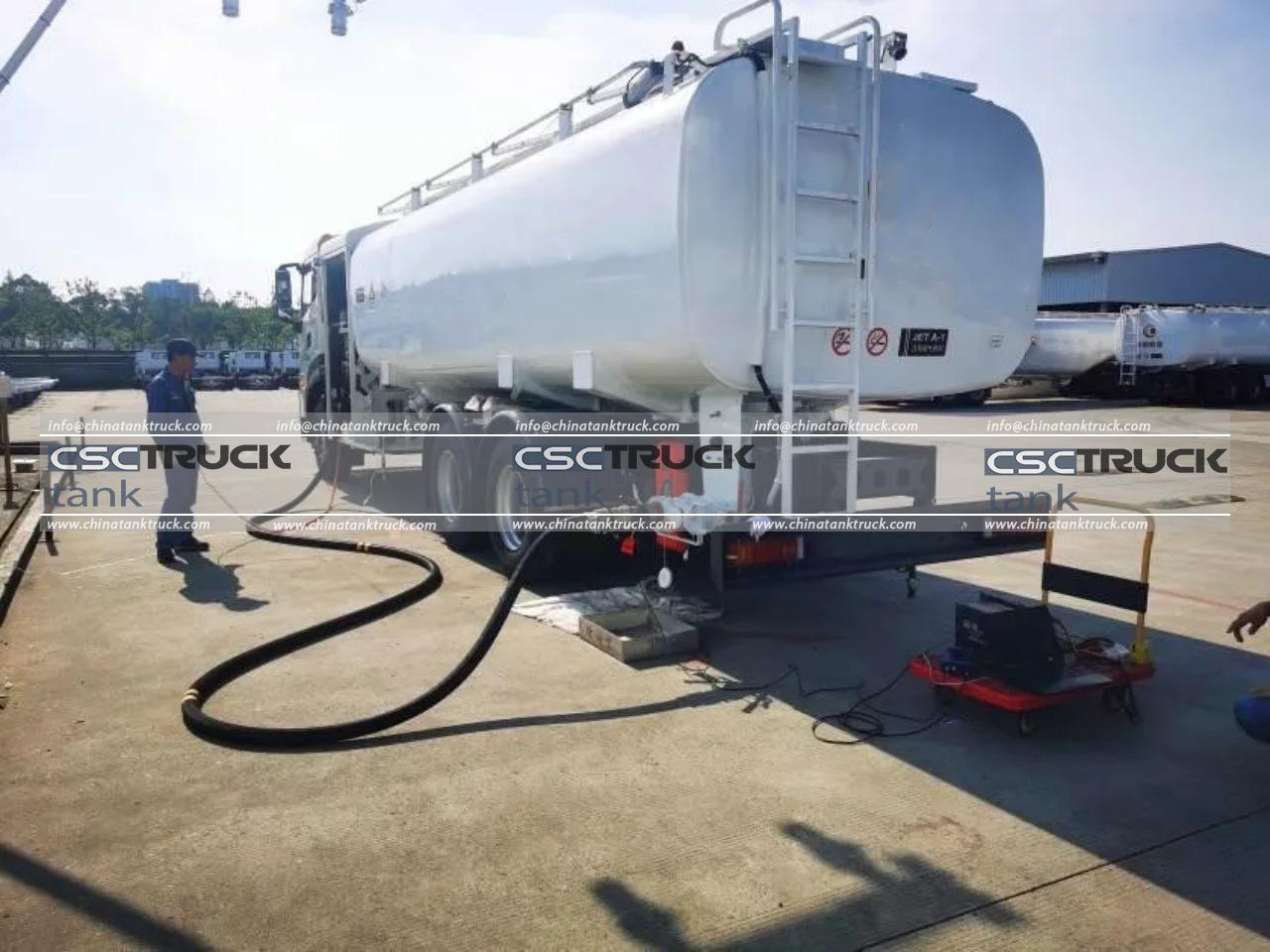
Aviation fuel is highly flammable, so safety should never be sacrificed to reduce the purchase price.
Important safety features can include:
- Grounding and bonding systems
- Emergency shut-off devices
- Safety valves
- Overfill protection
- Fire extinguishing equipment
- Pressure control
- Fuel filtration
- Reliable electrical systems
- Properly designed hoses and nozzles
International airport fueling operations follow strict safety practices because fuel spills, static discharge, contamination, and equipment failures can create serious hazards.
When comparing suppliers, request a detailed list of safety equipment rather than simply comparing truck prices.
7. Select a Suitable Tank Material
Tank material can affect weight, corrosion resistance, durability, fuel compatibility, and lifecycle cost.
Aluminum alloys are widely used for aviation fuel applications because they offer a combination of corrosion resistance and relatively low weight. CSCTRUCK China Tank Truck, for example, lists aluminum alloy tank options including 5086 and 5454 on some aviation refueler models.
Stainless steel can also be considered, depending on the application and specification requirements.
The right material should be selected according to the fuel type, local regulations, operating environment, required payload, and expected service life.
8. Check Local and International Compliance Requirements
A cost-effective truck is useless if it cannot legally or operationally be used at the target airport.
Before purchasing, confirm applicable requirements concerning:
- Vehicle registration
- Airport operating regulations
- Fueling equipment standards
- Electrical systems
- Grounding and bonding
- Tank construction
- Fire protection
- Emissions
- Fuel filtration
- Metering accuracy
Airport fueling equipment may need to satisfy relevant international and local requirements, including standards and guidance associated with organizations such as JIG, Energy Institute, IATA, and applicable fire-safety regulations.
Ask the manufacturer to provide technical documentation and certificates before finalizing the purchase.
9. Consider Spare Parts and After-Sales Support
A low-cost aviation refueler can become an expensive investment if spare parts are difficult to obtain.
Before buying, ask the manufacturer:
- Are common spare parts readily available?
- How long does delivery normally take?
- Is technical support available remotely?
- Are operation and maintenance manuals supplied?
- Can the manufacturer provide replacement pumps, valves, meters, filters, and hoses?
- Is operator training available?
CSCTRUCK China Tank Truck states that it provides customized solutions, OEM/ODM services, export support, spare parts, maintenance assistance, and after-sales service.
For airports operating far from the manufacturer’s home market, reliable spare-parts support can be just as important as the original purchase price.
10. Compare Customized Configurations Instead of Standard Prices
Finally, don’t compare aviation refuelers only by their advertised prices.
Two trucks with the same tank capacity may have completely different specifications. One may include a more advanced filtration system, a higher-quality pump, better metering equipment, a stronger chassis, additional safety equipment, or more durable tank materials.
A customized configuration can sometimes reduce the total cost by eliminating unnecessary equipment while ensuring that essential components are properly specified.
CSCTRUCK China Tank Truck supports customized and non-standard manufacturing, allowing customers to select different capacities, chassis, tank materials, fueling systems, and equipment according to their operational requirements.
Conclusion
Buying a cost-effective aviation refueler requires more than finding the lowest quotation. The best purchasing decision considers the complete lifecycle of the vehicle, including capacity, chassis, fuel consumption, filtration, fueling speed, safety, tank material, regulatory compliance, maintenance, spare parts, and after-sales service.
For smaller airports, a compact refueler can provide an economical combination of maneuverability and sufficient fuel capacity. For commercial airports, a larger-capacity aircraft refueler may reduce fueling trips and improve turnaround efficiency.
CSCTRUCK China Tank Truck provides a broad range of aviation refueling solutions, from small-capacity aircraft refuelers to heavy-duty airport fuel trucks. Its products can be configured for different airport environments and customer requirements, making it possible to balance investment cost with long-term operational performance.
Ultimately, the most cost-effective aviation refueler is not necessarily the cheapest truck. It is the vehicle that delivers reliable fueling performance, meets applicable safety requirements, minimizes downtime, and continues to provide economical service throughout its working life.