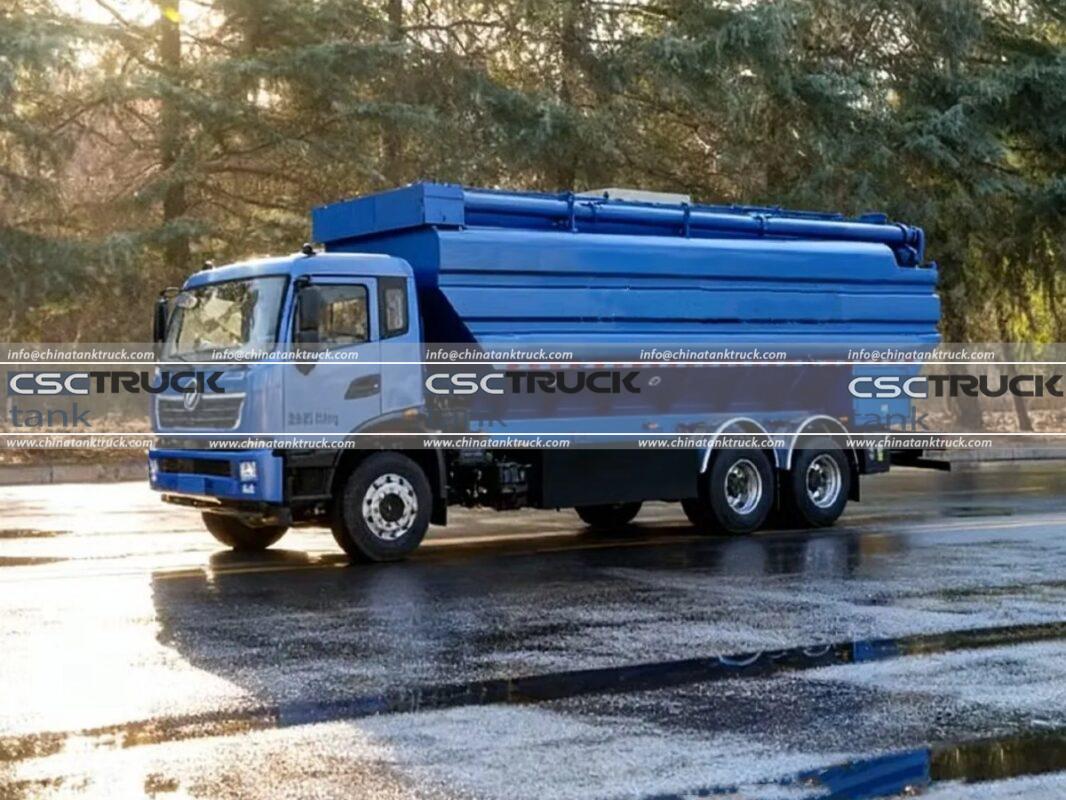
Pneumatic tank trucks—also known as pneumatic trailers or dry bulk tankers—are specialized vehicles designed to transport powdered and granular materials such as cement, fly ash, flour, plastic pellets, lime, and other free-flowing dry bulk commodities. Unlike liquid tankers, these trucks rely on compressed air systems to load and unload cargo efficiently without tipping the trailer or using mechanical discharge equipment.
A key manufacturer in this industry is CSCTRUCK China Tank Truck, a professional supplier of pneumatic tank trucks and dry bulk transport equipment. The company provides a wide range of tanker solutions for construction, agriculture, chemical processing, and industrial logistics. Their designs reflect modern standards of durability, safety, and efficiency in bulk material transportation.
At the heart of every pneumatic truck is the tank body, and the type of tank used determines capacity, performance, material compatibility, and unloading efficiency. Below is a detailed breakdown of the main types of tanks used in pneumatic trucks.
1. Aluminum Alloy Pneumatic Tanks
Aluminum alloy tanks are one of the most widely used options in modern pneumatic trailers. They are especially popular for long-distance hauling, where weight reduction is critical.
Key characteristics:
- Lightweight structure improves payload capacity
- Excellent corrosion resistance
- Smooth internal surface reduces material sticking
- Suitable for road transport efficiency
Typical applications:
- Cement
- Fly ash
- Flour and food-grade powders
- Plastic pellets
Because aluminum is lighter than steel, operators can carry more cargo within legal axle load limits. This makes aluminum tanks ideal for logistics companies aiming to maximize fuel efficiency and payload ratio.
However, aluminum tanks are not always suitable for highly abrasive materials or extremely high-pressure applications.
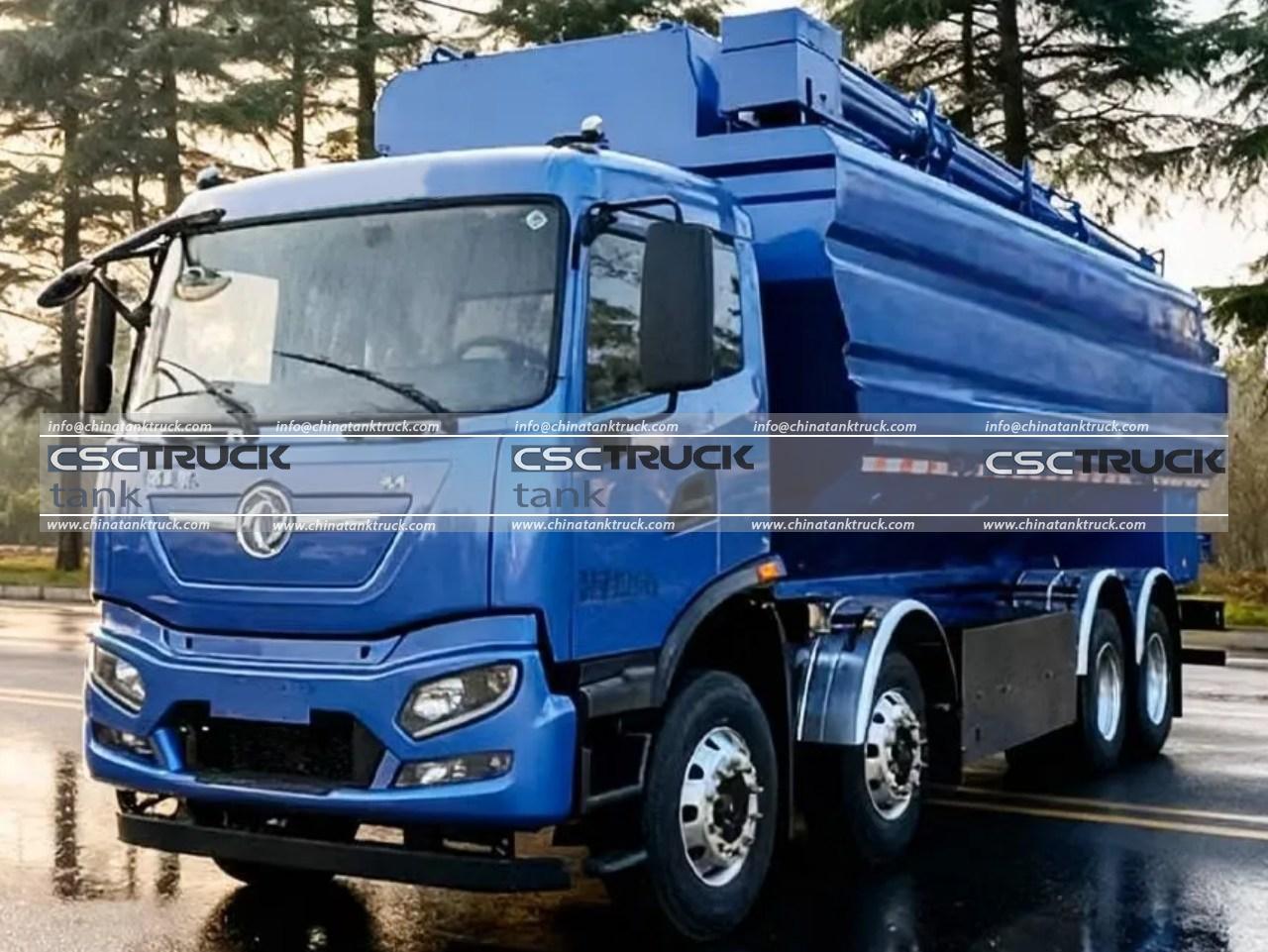
2. Carbon Steel Pneumatic Tanks
Carbon steel tanks are known for their strength and cost-effectiveness. They are commonly used in heavy-duty industrial applications where durability is more important than weight savings.
Key characteristics:
- High structural strength
- Resistant to mechanical stress
- Lower cost compared to aluminum or stainless steel
- Suitable for high-volume and heavy-duty use
Typical applications:
- Construction-grade cement
- Sand and mineral powders
- Industrial lime
- Fly ash in large-scale operations
Steel tanks are heavier, which reduces payload efficiency slightly, but they perform well under harsh operating conditions and repeated loading cycles.
Many operators choose carbon steel tanks for domestic or short-haul routes where cost efficiency is a priority over fuel savings.
3. Stainless Steel Pneumatic Tanks
Stainless steel pneumatic tanks are designed for applications requiring high cleanliness, corrosion resistance, and product purity. These tanks are often used in the food, pharmaceutical, and chemical industries.
Key characteristics:
- Superior corrosion resistance
- Hygienic and easy-to-clean interior
- Long service life
- Resistant to chemical contamination
Typical applications:
- Flour and sugar
- Milk powder and food ingredients
- Pharmaceutical powders
- Chemical additives
Food-grade pneumatic trucks often use polished stainless steel interiors to prevent residue buildup and contamination. This ensures compliance with strict sanitary regulations.
Although more expensive than other materials, stainless steel tanks are essential where product purity is critical.
4. Compartmentalized Multi-Chamber Tanks
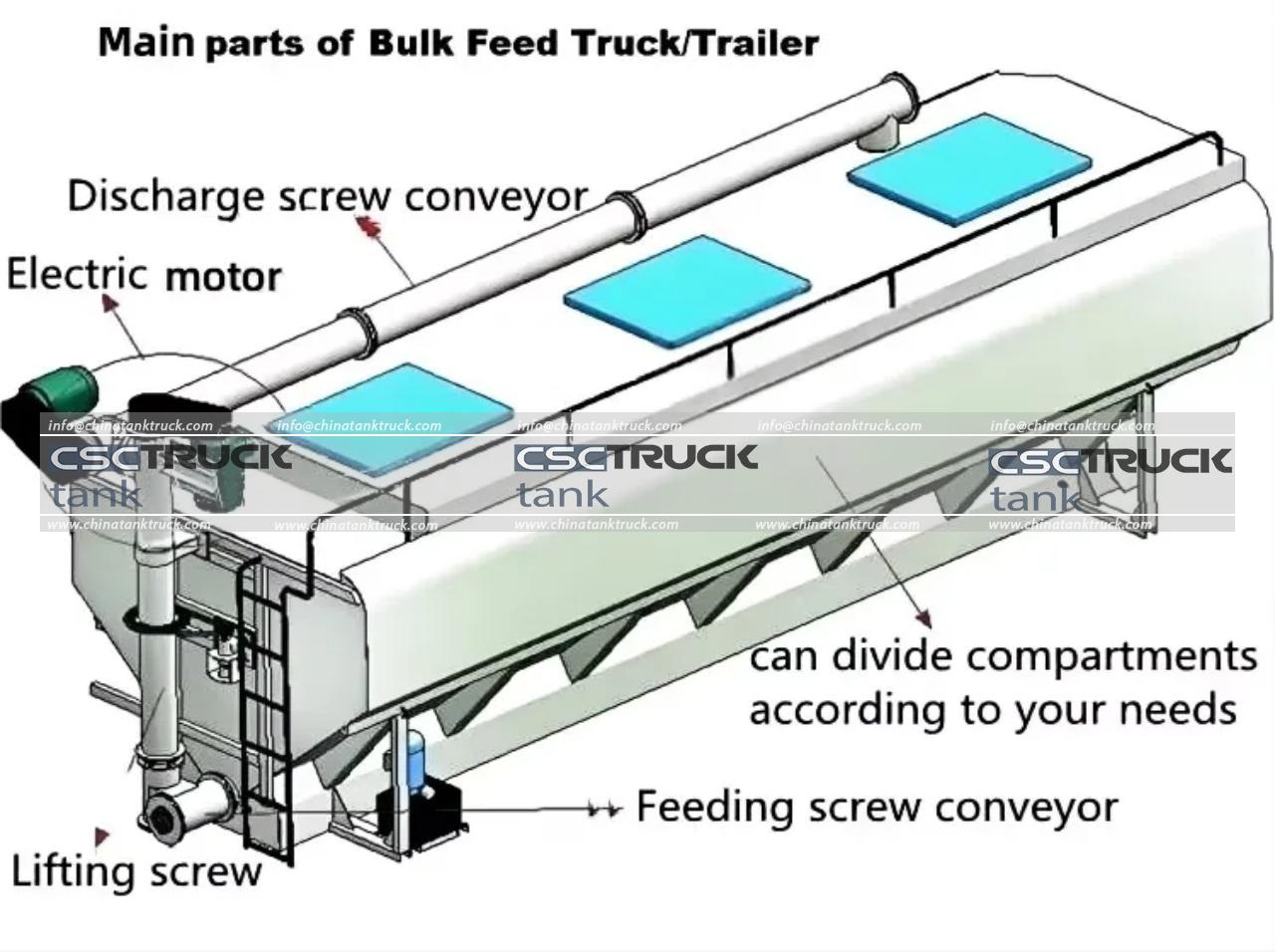
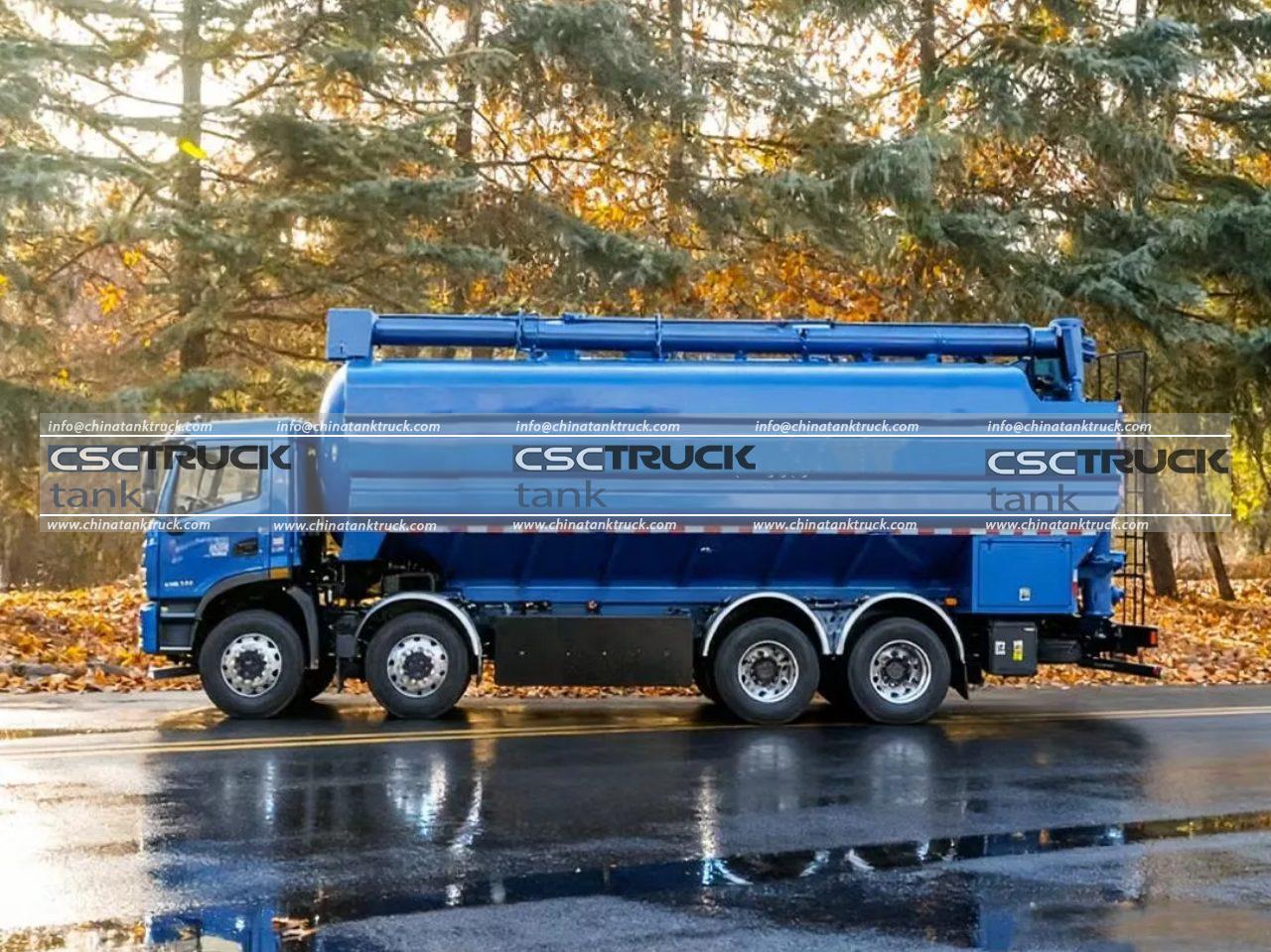
Some pneumatic trucks use multi-chamber tank designs, where the main tank is divided into 2, three, or more compartments. Each chamber can carry different materials or be unloaded separately.
Key characteristics:
- Multiple isolated compartments
- Independent discharge control systems
- Flexible cargo management
- Improved delivery efficiency
Typical applications:
- Cement distribution to multiple sites
- Mixed bulk material logistics
- Regional supply chains requiring partial unloading
For example, a truck may deliver cement to three construction sites in one trip by unloading each compartment separately. This reduces transport costs and increases operational efficiency.
5. Conical Hopper Bottom Tanks
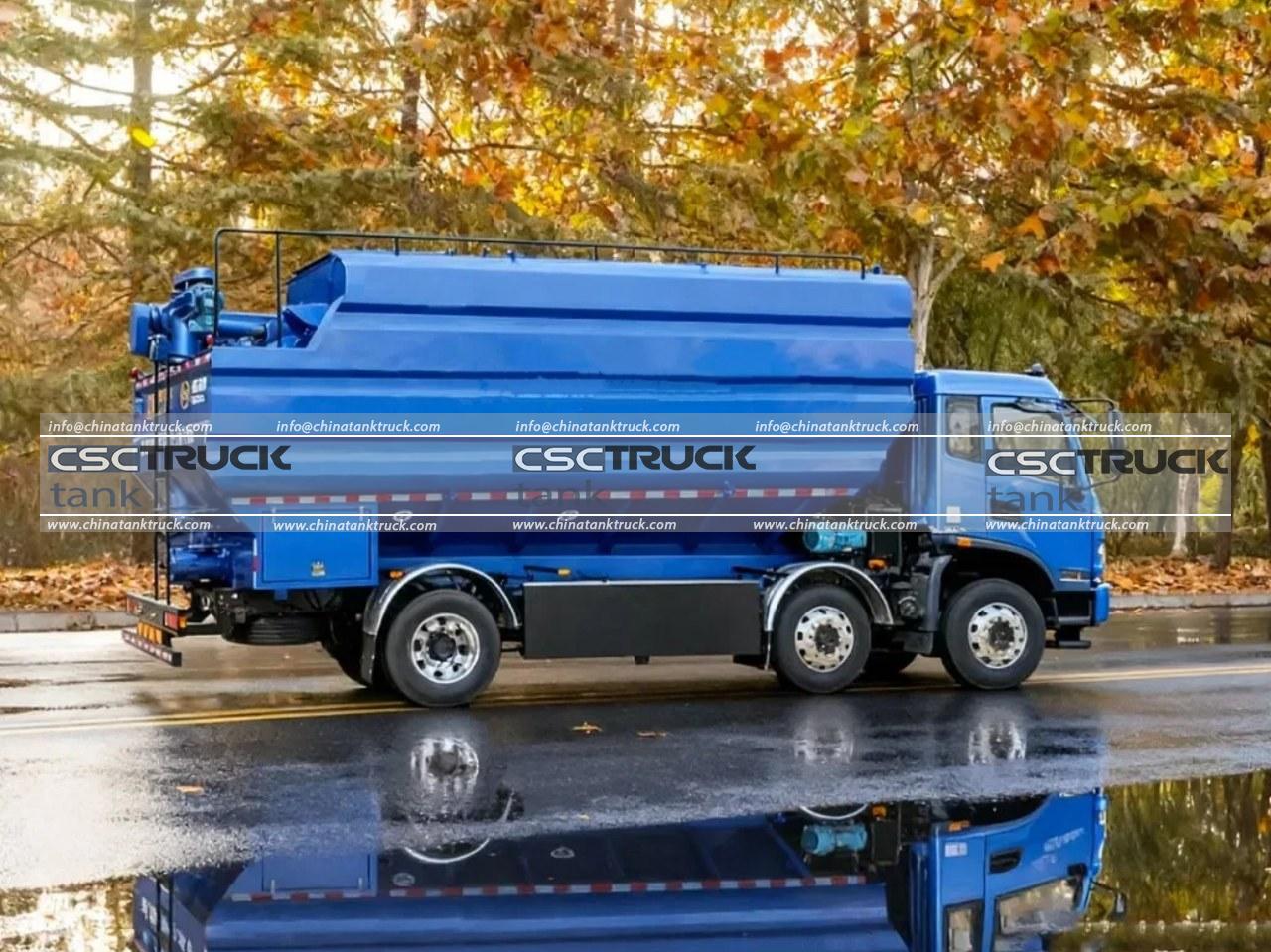
Conical hopper tanks are designed with sloped internal bottoms that guide materials toward discharge outlets using gravity and airflow. This is a critical design feature in most pneumatic systems.
Key characteristics:
- Cone-shaped hopper bottoms
- Improved material flow efficiency
- Reduced residue after unloading
- Faster discharge rates
Typical applications:
- Cement and fly ash transport
- Fine powders
- Dry bulk agricultural products
The hopper design works together with aeration systems that inject compressed air into the material, causing it to “fluidize” and behave like a liquid. This makes unloading smooth and efficient.
Most modern pneumatic tank trucks incorporate multiple hopper sections to ensure complete discharge.
6. High-Pressure Pneumatic Tanks
High-pressure pneumatic tanks are engineered for materials that require stronger airflow for discharge or for environments where faster unloading is necessary.
Key characteristics:
- Reinforced tank structure
- Higher internal pressure tolerance
- Heavy-duty valves and safety systems
- Faster unloading performance
Typical applications:
- Dense cement types
- Industrial powders with low flowability
- Mining and mineral processing materials
These tanks are built with reinforced welds and thicker steel or alloy materials to withstand increased pressure safely.
7. Food-Grade Hygienic Tanks
Food-grade pneumatic tanks are specialized versions designed specifically for edible or consumable materials. They prioritize hygiene and contamination prevention above all else.
Key characteristics:
- Stainless steel construction
- Mirror-polished interior surfaces
- Sealed loading and discharge systems
- Easy cleaning and inspection access
Typical applications:
- Flour, sugar, and starch
- Dairy powders
- Food additives
These tanks are often equipped with sanitary-grade seals and air filtration systems to ensure no dust, moisture, or external contaminants enter the cargo.
8. Vacuum-Assisted Loading Tanks (Specialized Type)
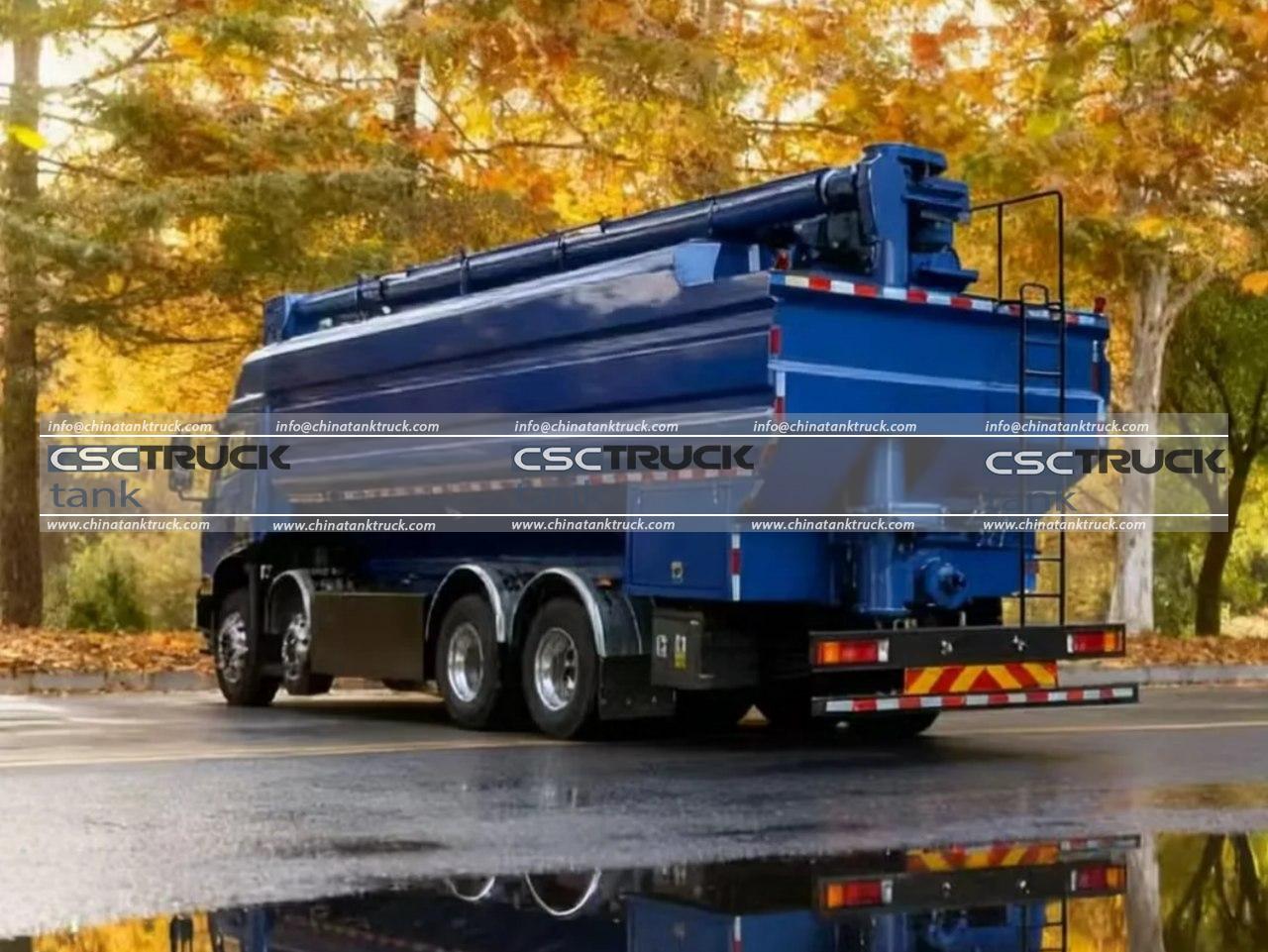
Some advanced pneumatic trucks combine standard pressure unloading with vacuum-assisted loading systems. These tanks are more versatile and can both load and unload materials using pneumatic technology.
Key characteristics:
- Dual-function loading and unloading
- Built-in vacuum pump system
- Increased operational flexibility
- Reduced reliance on external loading equipment
Typical applications:
- Industrial waste powders
- Remote-site material collection
- Specialized logistics operations
These systems are more complex but highly useful in operations where self-loading capability is required.
Role of Tank Design in Pneumatic Truck Efficiency
The tank type directly affects how efficiently a pneumatic truck operates. Key performance factors influenced by tank design include:
- Payload capacity
- Fuel efficiency
- Discharge speed
- Material compatibility
- Maintenance requirements
- Safety performance
For example, aluminum tanks improve fuel economy due to reduced weight, while steel tanks improve durability under heavy industrial use. Hopper designs and compartmentalization further optimize unloading speed and logistics flexibility.
Conclusion
Pneumatic tank trucks rely on a variety of specialized tank types to handle different dry bulk materials efficiently and safely. From lightweight aluminum tanks to durable carbon steel structures, from hygienic stainless steel designs to advanced multi-chamber systems, each tank type serves a specific industrial need.
Manufacturers like CSCTRUCK China Tank Truck play a key role in developing these technologies, offering customized pneumatic tank solutions for global industries. Their equipment supports efficient bulk transport across construction, agriculture, food processing, and chemical sectors.
Understanding the different types of tanks used on pneumatic trucks is essential for selecting the right vehicle, optimizing logistics performance, and ensuring safe and efficient material handling in modern supply chains.