
Milk and other liquid products may appear similar from a transportation perspective, but they often require very different types of tank trucks. A milk tank truck is specifically designed to transport fresh milk under hygienic and temperature-controlled conditions, while a standard tank truck can be configured for many other liquids, including water, fuel, chemicals, edible oils, and industrial fluids.
The differences are mainly related to tank material, hygiene, insulation, cleaning, transfer equipment, and cargo requirements. Understanding these differences is important for dairy farms, milk collection companies, food processors, logistics operators, and tank truck buyers.
What Is a Milk Tank Truck?
A milk tank truck, also called a milk tanker or bulk milk tanker, is a specialized vehicle designed to collect and transport raw milk from dairy farms or collection centers to dairy processing plants.
Unlike a general-purpose tanker, a milk tanker is designed around food hygiene and product protection. The tank normally uses food-grade stainless steel, while insulation helps limit temperature changes during transportation. Sanitary pumps, valves, hoses, manholes, and cleaning systems can also be incorporated into the vehicle.
Milk is highly perishable, so transportation is not simply a matter of moving a liquid from 1 location to another. The vehicle must help prevent contamination and maintain suitable conditions throughout loading, transportation, and unloading.
In Canada, for example, the National Dairy Code specifies requirements for bulk milk transport vehicles, including corrosion-resistant, smooth, non-toxic, readily cleanable milk-contact surfaces and tank construction that limits temperature increases under specified conditions.
What Is a Standard Tank Truck?
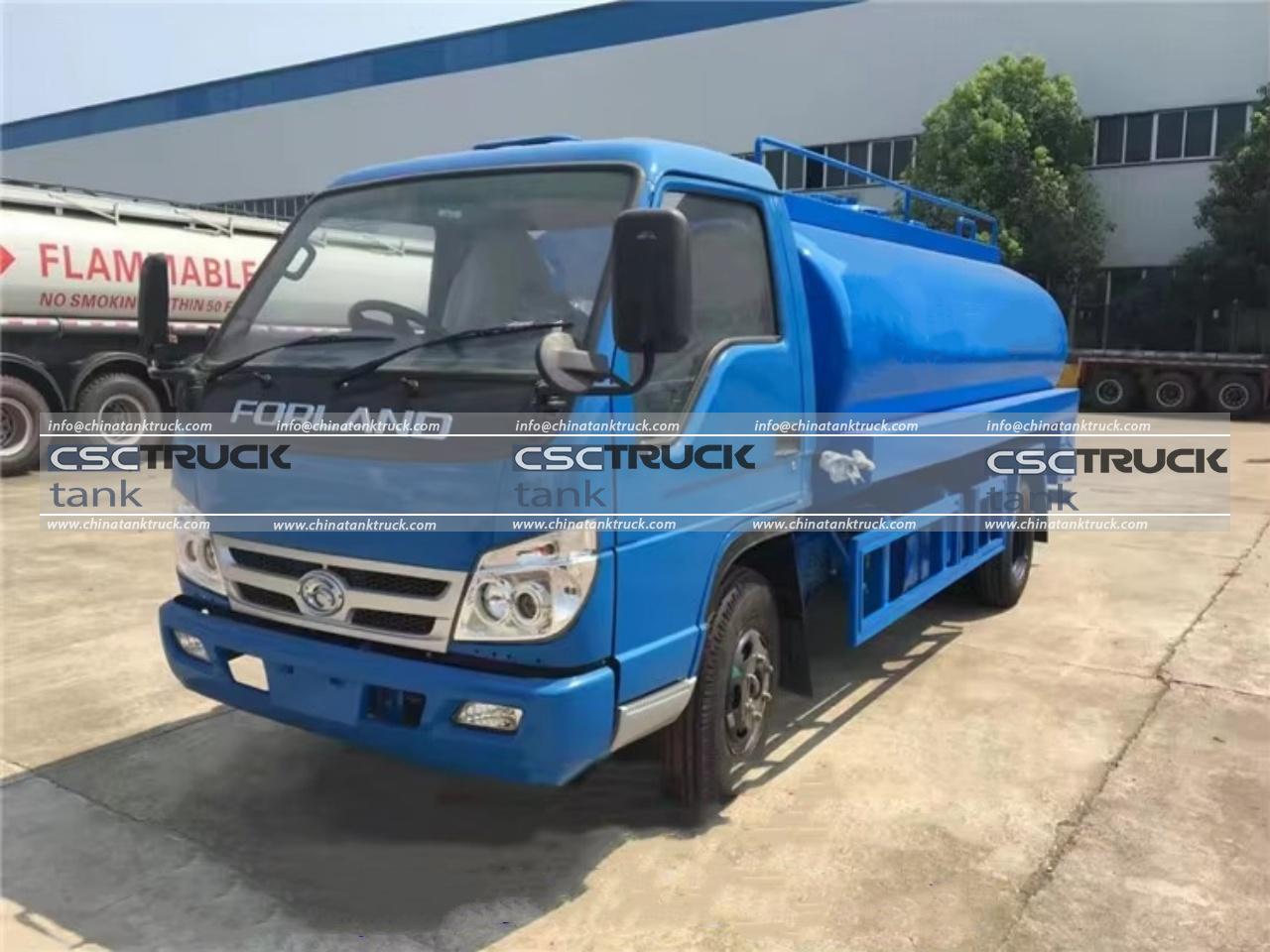
A standard tank truck is a broader category of vehicle used to transport liquid cargo. Its design depends heavily on the material being transported.
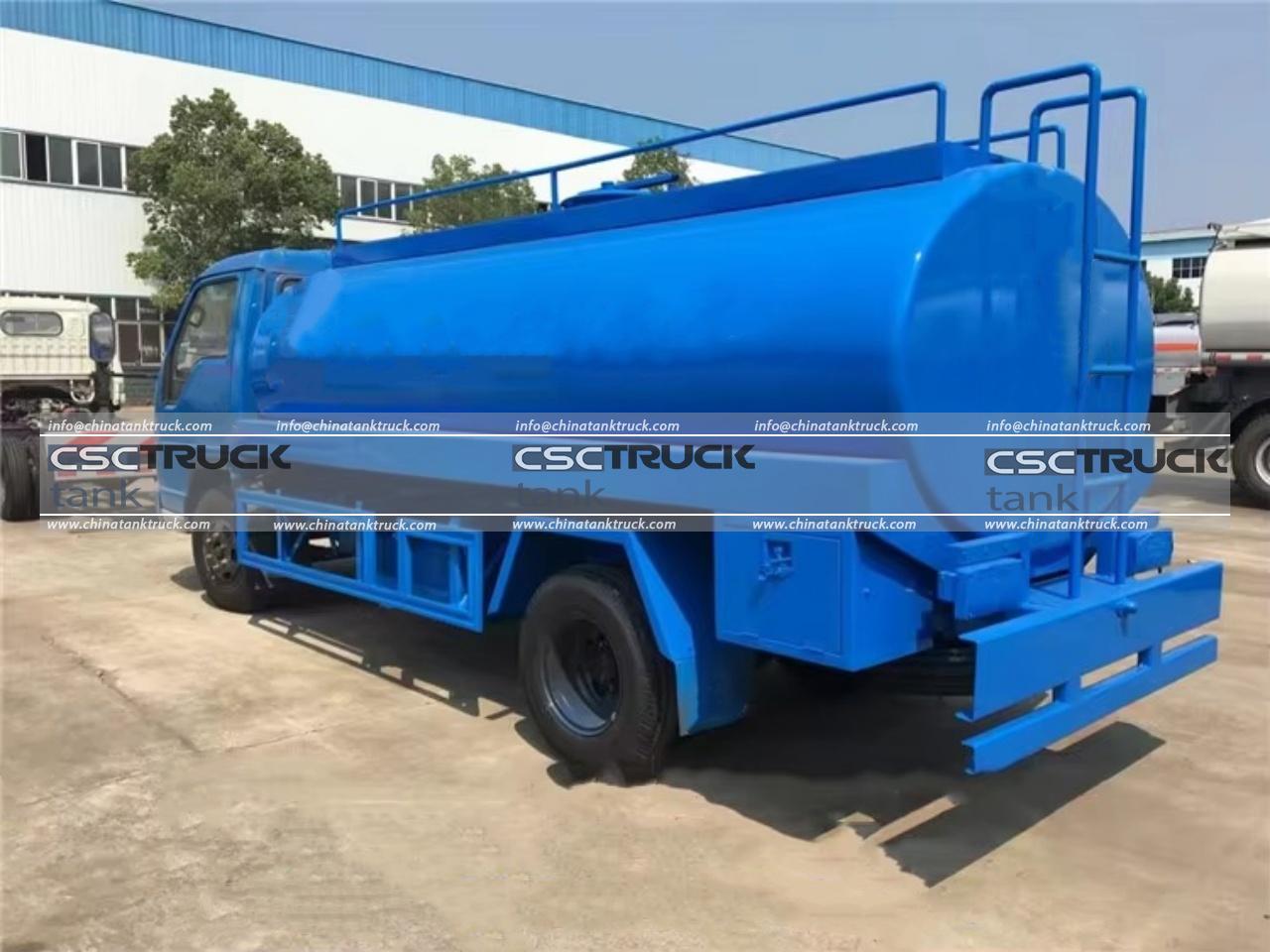
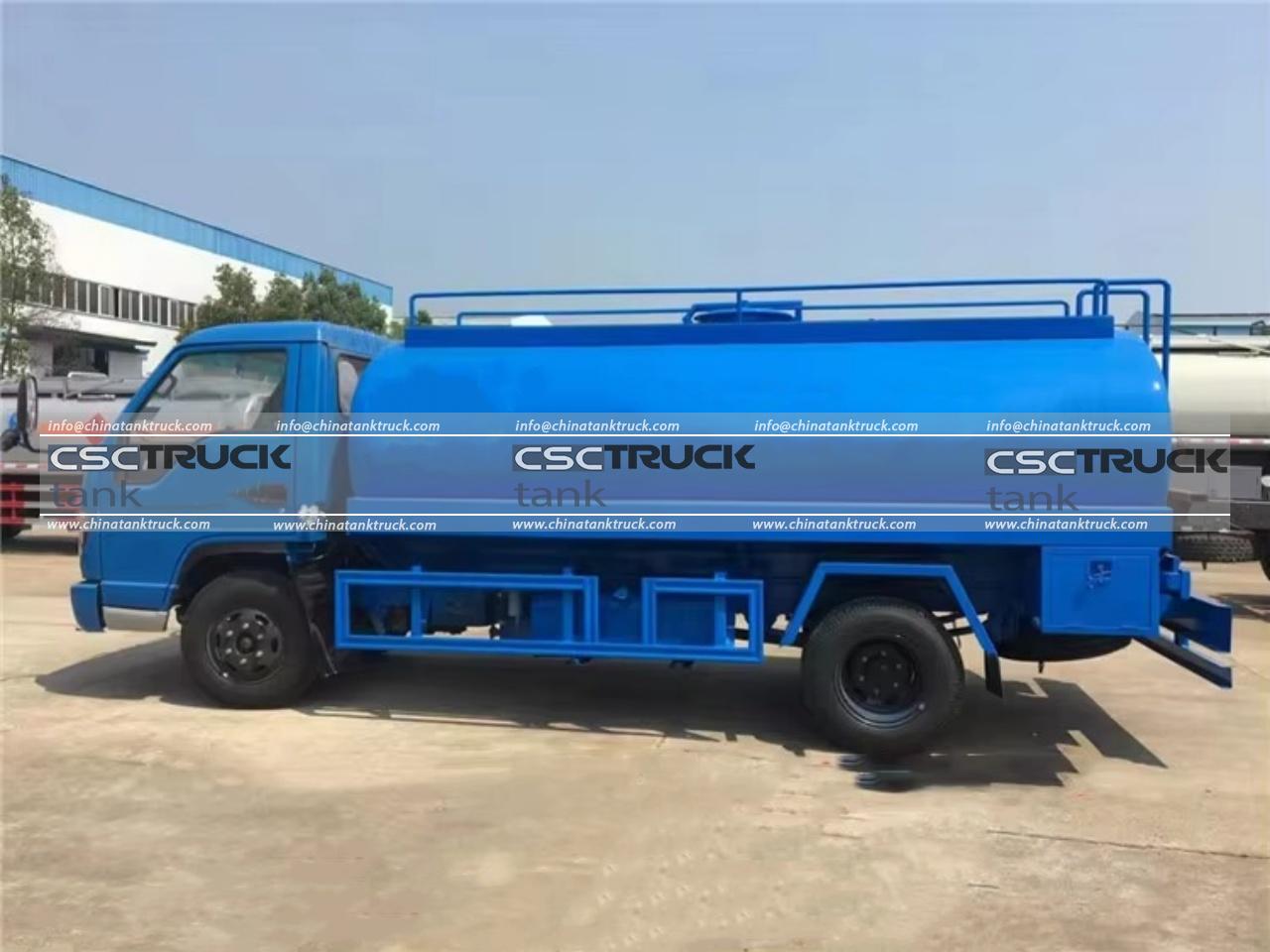
For example, a water tanker may use a carbon-steel or stainless-steel tank depending on the application. A fuel tanker requires equipment and materials suitable for petroleum products, while a chemical tanker may require specialized corrosion-resistant materials.
Therefore, there is no single specification for every standard tank truck.
A standard tanker generally focuses on:
- Liquid transportation capacity
- Structural strength
- Payload efficiency
- Pumping and unloading
- Cargo-specific safety
- Road transportation performance
- Corrosion or chemical resistance where necessary
A standard tank truck can be highly specialized, but it is not automatically suitable for transporting milk.
Milk Tank Truck vs. Standard Tank Truck: Key Differences
The major differences can be summarized as follows:
| Feature | Milk Tank Truck | Standard Tank Truck |
|---|---|---|
| Main cargo | Raw milk and dairy liquids | Water, fuel, chemicals, oil, and other liquids |
| Tank material | Usually food-grade stainless steel | Depends on the cargo |
| Hygiene requirements | Very high | Application-dependent |
| Internal surface | Smooth, sanitary and easy to clean | Depends on cargo |
| Insulation | Commonly required | Depends on application |
| Cleaning | Frequent washing and sanitation | Depends on cargo |
| Transfer system | Sanitary pump, valves and hoses | Cargo-specific equipment |
| Cross-contamination control | Extremely important | Varies according to cargo |
| Typical users | Dairy farms, milk processors, collection companies | Water suppliers, fuel companies, chemical industries, logistics companies |
The most important distinction is that a milk tanker is designed around food safety, whereas a standard tanker is designed around the physical and chemical characteristics of its particular cargo.
1. Tank Material
One of the most visible differences is the tank material.
Milk tank trucks commonly use food-grade stainless steel, such as SUS304/304 2B, because it provides corrosion resistance, durability, cleanability, and a suitable surface for food-contact applications.
The inside of the tank should be smooth and free from unnecessary cavities or areas where milk residues can accumulate. This makes cleaning and sanitation easier.
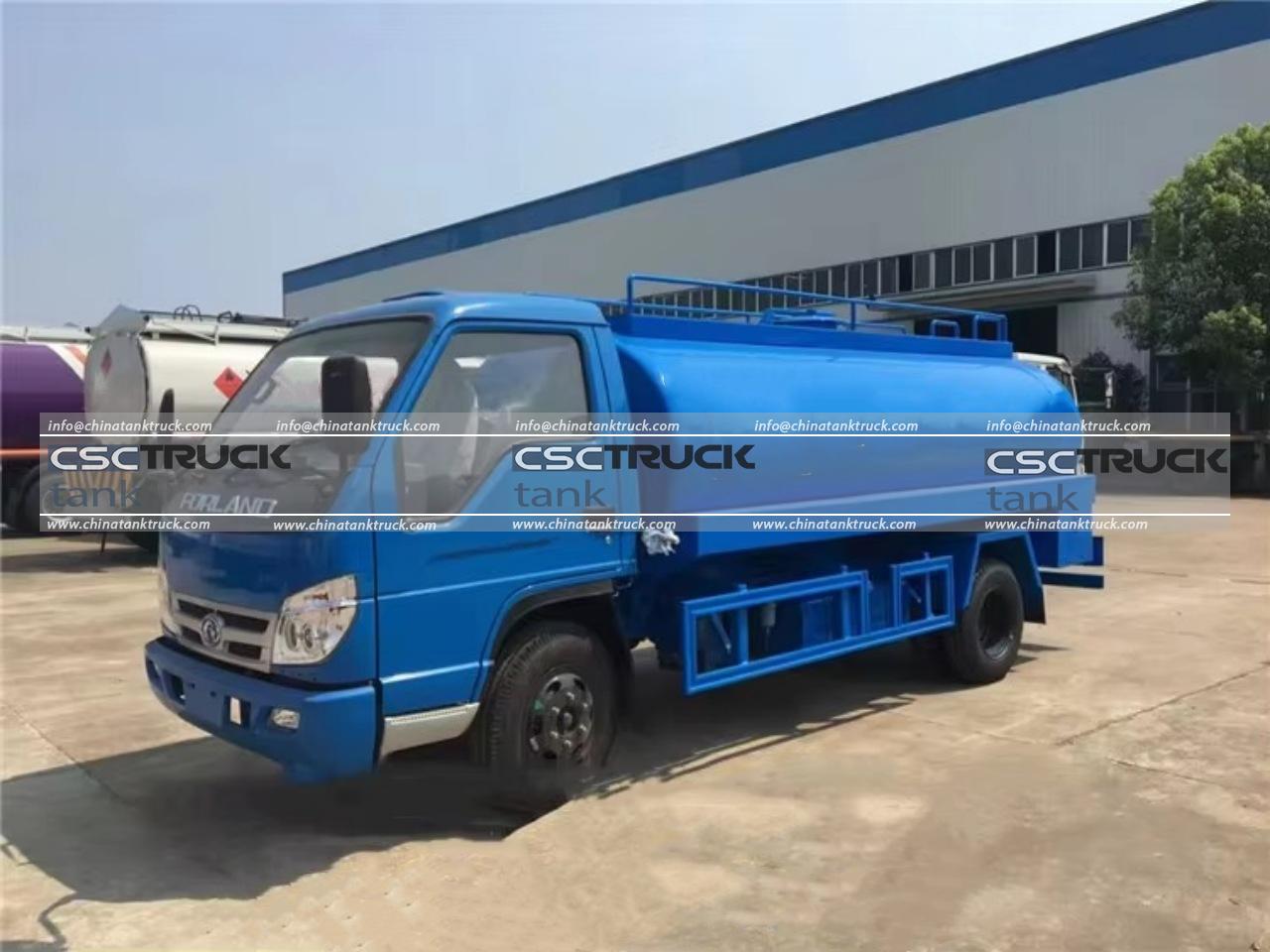
Standard tank trucks, on the other hand, may use carbon steel, stainless steel, aluminum, or other materials depending on the cargo.
For example:
- Water tanker: May use carbon steel or stainless steel.
- Fuel tanker: Often uses aluminum or steel depending on design and regulations.
- Chemical tanker: May require specialized stainless steel or corrosion-resistant materials.
- Milk tanker: Normally requires food-compatible materials for milk-contact surfaces.
Therefore, simply changing the label on a standard tanker does not make it suitable for dairy transportation.
2. Hygiene and Sanitary Design
Hygiene is perhaps the biggest difference between the 2 vehicle types.
Milk contains nutrients such as proteins, fats, sugars, minerals, and water. Residues left inside a tank can support microbial growth. For this reason, milk transportation equipment must be designed for thorough cleaning and sanitation.
A milk tank truck may include:
- Food-grade stainless-steel tank
- Smooth internal surfaces
- Sanitary valves
- Food-grade gaskets
- Sanitary hoses
- Hygienic manholes
- Proper drainage
- Cleaning or CIP equipment
- Dedicated milk pump
A standard tanker does not necessarily require this level of sanitary construction.
For example, a tanker designed for industrial water may prioritize capacity and pumping efficiency rather than food-contact hygiene. A fuel tanker will have an entirely different equipment configuration based on the properties of petroleum products.
3. Insulation and Temperature Control
Temperature is another important difference.
Fresh milk needs careful temperature management because excessive temperature increases can accelerate deterioration and microbial growth. Milk tankers therefore commonly use insulated tank bodies to reduce temperature changes during transportation.
A typical insulated tank may use a double-wall structure with polyurethane or another suitable insulation layer.
A standard tank truck may or may not require insulation.
For example:
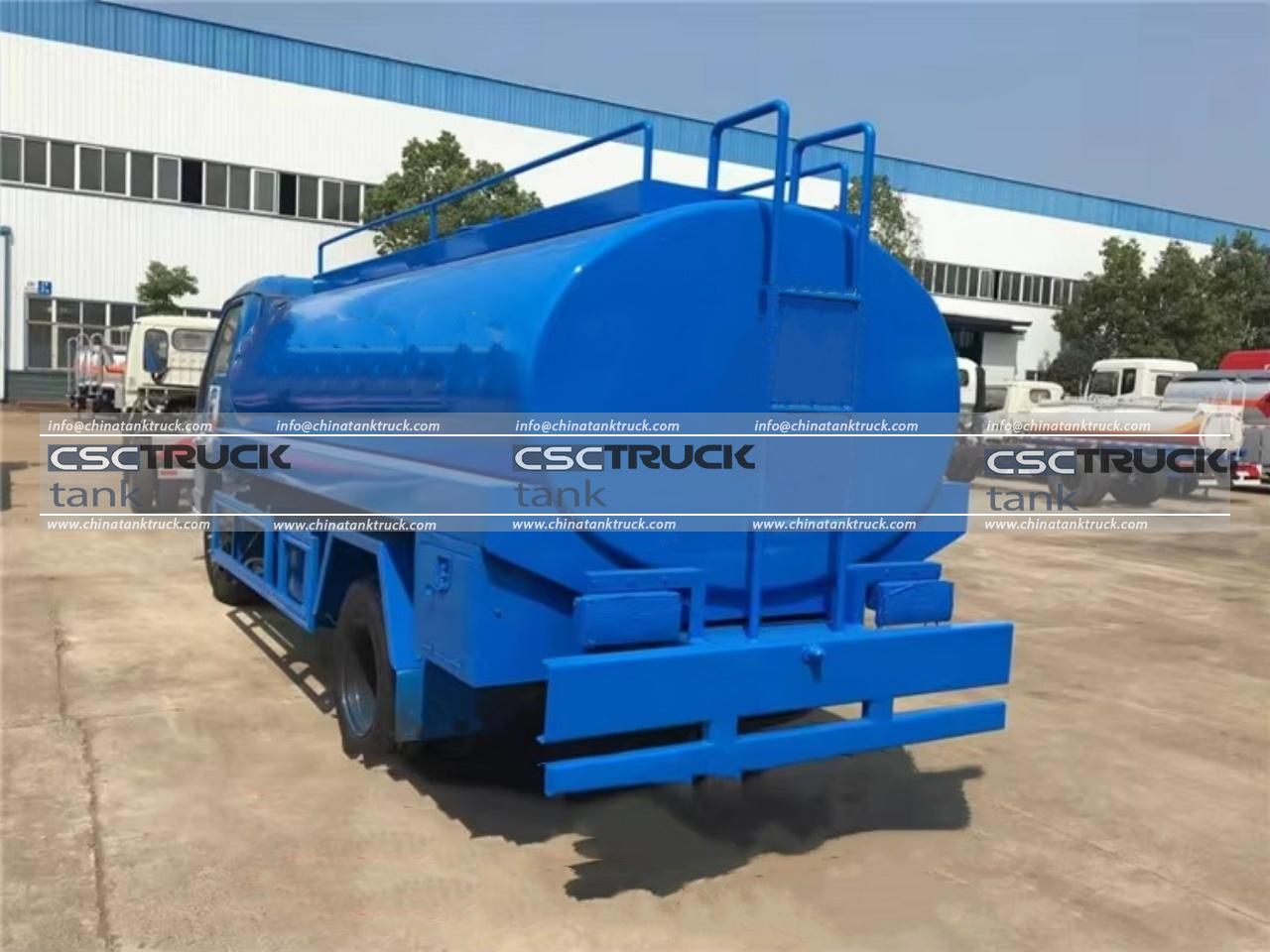
- A water tanker generally does not need thermal insulation.
- A fuel tanker normally focuses on safe fuel transportation rather than dairy temperature management.
- A chemical tanker may require heating or insulation depending on the chemical.
- A milk tanker commonly requires insulation to help maintain the desired product conditions.
Thus, insulation is not simply an optional upgrade—it is part of the transportation system for many dairy applications.
4. Cleaning Requirements
Milk tankers require frequent and thorough cleaning because the vehicle comes into direct contact with a food product.
After unloading, the tank and associated transfer equipment need to be cleaned and sanitized before the next suitable load. Some configurations can incorporate CIP (Clean-in-Place) equipment, which allows internal surfaces to be cleaned using circulating water and cleaning solutions.
Standard tank trucks also require cleaning, but the procedure depends on the cargo.
A water tanker may require comparatively simple washing, while a chemical tanker may require a specialized decontamination procedure.
This means the cleaning system should always be matched to the cargo rather than selected solely according to tank capacity.
5. Pumping and Transfer Equipment
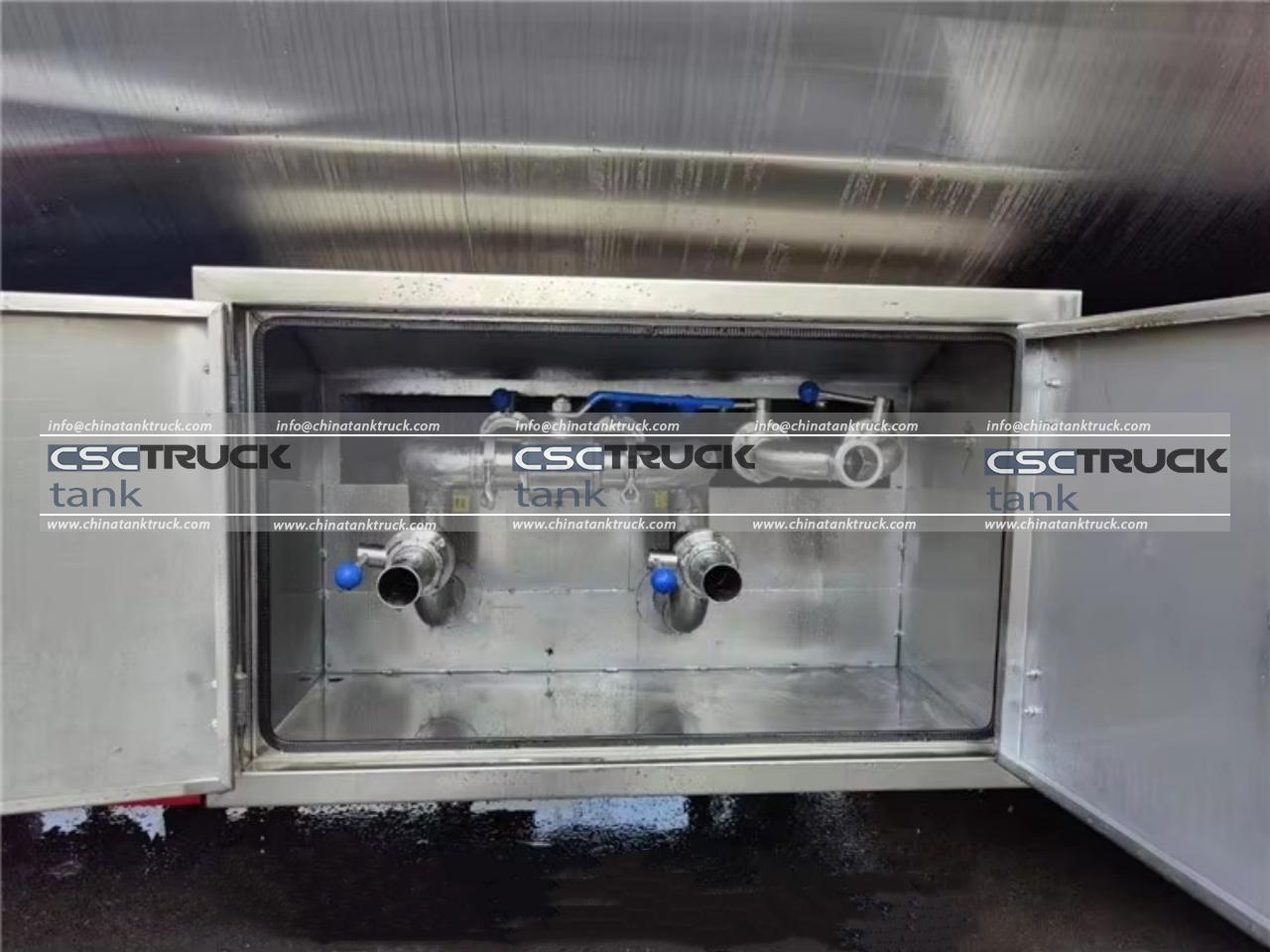
Milk tank trucks use equipment designed for hygienic product transfer.
Milk can be pumped from a farm’s bulk storage tank into the tanker and later transferred into processing equipment through sanitary pipelines, hoses, valves, and outlets. This reduces unnecessary handling during transportation.
Standard tank trucks also commonly use pumps, but the equipment varies considerably.
A fuel tanker may require fuel-specific loading and unloading equipment. A water tanker may use a high-flow water pump, while a chemical tanker requires equipment compatible with the chemical being transported.
Therefore, the pump should be selected according to the cargo, not simply according to the truck size.
6. Tank Capacity and Configuration
Milk tank trucks are available in a wide range of capacities.
Small vehicles can be useful for farm collection and rural routes, while larger tankers can transport substantial quantities between collection centers and processing plants. Current CSCTRUCK China Tank Truck configurations include milk tank trucks ranging from smaller collection vehicles to models with capacities such as 5,000, 6,000, 10,000, 18,000, and 25,000 liters.
Standard tank trucks also come in many capacities, but the ideal size depends on the cargo, chassis, road conditions, payload limits, and local regulations.
When purchasing a tanker, buyers should therefore consider both tank volume and legal payload capacity.
Can a Standard Tank Truck Be Used for Milk?
In general, a standard tanker should not be assumed to be suitable for milk transportation.
The vehicle needs to meet the applicable requirements for food-contact surfaces, hygiene, cleaning, temperature management, and dairy transportation.
For example, Canadian dairy requirements specify that bulk milk trucks should be used exclusively for milk, dairy by-products, or potable water unless otherwise authorized by the regulatory authority.
This illustrates an important point: Milk transportation is a specialized application, not simply another type of liquid cargo operation.
How to Choose the Right Milk Tank Truck
When purchasing a milk tanker, buyers should evaluate several factors:
1. Required Capacity
Determine the daily milk collection volume and transportation distance before choosing the tank size.
2. Tank Material
Check the stainless-steel grade and ensure that the milk-contact surfaces are appropriate for the intended application.
3. Insulation
Consider the local climate, transportation distance, milk loading temperature, and applicable regulations.
4. Sanitary Equipment
Evaluate valves, hoses, pumps, manholes, outlets, gaskets, and cleaning systems as one complete system.
5. Chassis
The chassis should match the payload, road conditions, driving environment, and availability of local maintenance services.
6. Customization
Depending on the project, buyers may need different tank capacities, compartments, pumps, insulation specifications, chassis brands, drive configurations, or cleaning systems.
CSCTRUCK China Tank Truck Milk Tanker Solutions
CSCTRUCK China Tank Truck is a Chinese manufacturer and exporter of specialized tank trucks for different liquid and bulk transportation applications.
Its product range includes milk tank trucks, water tankers, fuel tank trucks, chemical tankers, LPG tankers, and other specialized transportation vehicles. The company’s milk tanker range includes different chassis, capacities, and configurations for dairy transportation.
CSCTRUCK China Tank Truck‘s milk tank trucks can be configured with food-grade stainless-steel tanks, insulation, sanitary transfer equipment, cleaning systems, and other options according to project requirements.
For international customers, customization can be particularly important because dairy transportation conditions differ according to road infrastructure, climate, collection distances, local regulations, and dairy-processing facilities.
Conclusion
The difference between a milk tank truck and a standard tank truck goes far beyond the shape or size of the tank.
A milk tanker is specifically designed for food hygiene, sanitary transfer, temperature protection, easy cleaning, and contamination control. A standard tanker is a broader category whose design depends on the liquid being transported.
For dairy operations, important purchasing factors include food-grade stainless steel, insulation, sanitary fittings, cleaning systems, pump configuration, capacity, chassis selection, and applicable regulations.
For water, fuel, chemicals, or other industrial liquids, a different tank design may be more appropriate. Selecting the tanker according to the actual cargo and operating conditions helps ensure that the vehicle performs safely and efficiently throughout its service life.
For customers looking for customized dairy transportation equipment, CSCTRUCK China Tank Truck provides milk tanker configurations for different capacities, chassis types, and operating requirements, helping buyers develop a tank truck solution suited to their specific transportation application.