
Pneumatic tank trucks are essential vehicles for transporting and unloading dry bulk materials, including cement, fly ash, lime powder, flour, and other powdered products. By using compressed air to fluidize and discharge bulk materials, these trucks can achieve efficient and relatively clean unloading operations. However, the pneumatic conveying process depends on carefully controlled tank pressure. If the pneumatic tank truck tank is over-pressurized, the consequences can range from equipment damage and production delays to serious safety incidents.
CSCTRUCK China Tank Truck is a professional manufacturer of tank trucks and specialized commercial vehicles. The company develops equipment for transporting liquids, gases, and dry bulk materials and emphasizes engineering, quality control, and customized vehicle solutions. Its pneumatic tank truck range includes configurations designed for dry bulk transportation and unloading, with pressure-related components such as pressure relief valves and pneumatic systems integrated into the vehicle design.
What Does Over-Pressurization Mean?
Over-pressurization occurs when the internal pressure inside the pneumatic tank rises above the tank’s specified operating pressure or safe working limit. A pneumatic tank truck uses compressed air to create pressure inside the tank. This pressure helps move dry bulk material toward the discharge outlet. Under normal conditions, the air compressor, valves, pressure gauge, and relief devices work together to maintain a controlled pressure level.
The problem begins when air continues entering the tank faster than it can escape or when the material discharge system becomes restricted. For example, a blocked discharge pipe, incorrectly operated valve, malfunctioning pressure regulator, or excessive compressor output can cause the internal pressure to rise rapidly.
The important point is that a pneumatic tank is a pressure-containing structure. It is not designed to tolerate unlimited pressure. Every tank has defined design and operating parameters, so exceeding them creates increasing stress on the tank shell, dished ends, welds, fittings, and connected piping.
The First Result: Pressure Relief Devices May Activate
The first protective response to over-pressurization should normally come from the tank’s pressure protection system. A pressure relief valve or similar safety device is designed to open when pressure reaches a specified threshold, allowing excess air to escape.
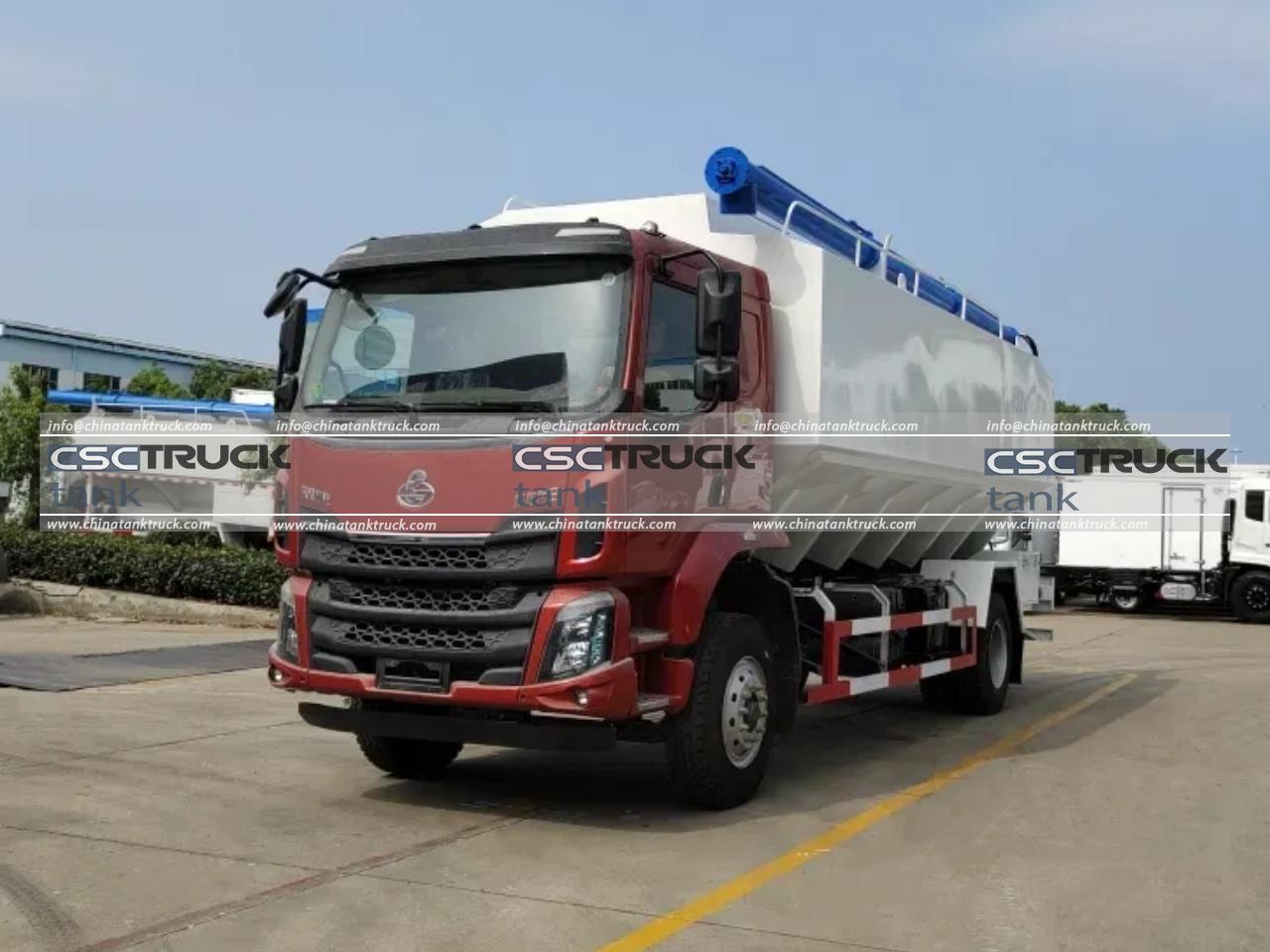
For example, CSCTRUCK China Tank Truck‘s published pneumatic tank truck specifications include pressure relief valves installed on the air line and on the piping connected to the tank top. The same specification also identifies a pressure gauge and pneumatic system components as part of the truck configuration.
When a relief valve opens, operators may hear a sudden release of compressed air. The pressure gauge may also show a rapid reduction. This is an important warning that the pneumatic system has reached an abnormal pressure condition.
However, a relief valve should not be treated as a normal operating control. Repeated activation indicates that the truck has a system problem that requires investigation. If the valve is blocked, incorrectly adjusted, damaged, or unable to release pressure quickly enough, the situation can become much more dangerous.
Tank Shell Stress Can Increase
If excessive pressure continues to build, the tank shell experiences higher mechanical stress. The shell, end caps, weld seams, and structural components must resist the internal force generated by compressed air.
At moderate levels of over-pressure, the tank may suffer no immediately visible damage. However, repeated pressure events can contribute to fatigue. Over time, repeated stress may affect weld areas, fittings, and other pressure-containing components.
This is why a tank that has experienced serious over-pressurization should not simply be returned to service because it “looks normal.” A qualified inspection may be necessary to determine whether the pressure event has affected the tank or its safety components.
Seals and Valves May Leak
One of the most common practical consequences of over-pressurization is damage to seals and valve components. Pneumatic tank trucks rely on numerous connections, including manhole covers, discharge valves, air lines, and pipe fittings.
Excessive pressure can place additional force on sealing surfaces. Weak or worn gaskets may begin to leak. Valve seats can also be damaged, especially if pressure rises suddenly or the valve is operated under abnormal conditions.
For a dry bulk tanker, an air leak can create a serious operational problem. The truck may lose pressure during unloading, increasing unloading time and reducing efficiency. Operators may then attempt to compensate by increasing compressor output, potentially making the original problem worse.
Discharge Performance Can Become Unstable
Over-pressurization does not always mean faster unloading. In fact, excessive pressure can make the pneumatic discharge process unstable.
Dry bulk materials need appropriate air flow and pressure to fluidize and move efficiently. If pressure is too high, material may move unevenly through the discharge system. The truck may experience sudden surges, irregular material flow, or excessive dust generation at the receiving end.
A blocked or partially blocked discharge line is especially dangerous. The compressor may continue supplying air while the material cannot leave the tank. In this situation, pressure can rise quickly. Simply increasing engine speed or compressor output is not an appropriate solution.
The Worst Case: Structural Failure
The most serious consequence of extreme over-pressurization is structural failure of the pressure vessel. If the internal pressure exceeds the tank’s safe design limits and protective systems fail, the tank shell or a pressure-containing component may rupture.
A sudden release of compressed air can create a powerful pressure event. The tank itself may be damaged, and nearby personnel can be exposed to flying debris, high-velocity air, or uncontrolled material discharge.
The severity of an incident depends on the tank design, pressure level, condition of the equipment, and material being transported. Regardless of the specific vehicle, over-pressurization must always be treated as a serious abnormal condition.
What Should Operators Do?
If the pressure gauge shows an abnormal increase, the operator should follow the truck’s established emergency procedure. In general, the pneumatic system should be stopped safely, and personnel should remain clear of the tank and discharge equipment.
Operators should never attempt to open a manhole, remove a fitting, or disconnect a hose while the tank is pressurized. The tank must be fully depressurized according to the manufacturer’s operating procedures before inspection or maintenance begins.
After a significant over-pressure event, the pressure relief valve, gauge, compressor, air lines, discharge piping, and tank structure should be inspected by qualified personnel. The cause must be identified before the truck returns to normal operation.

How Can Over-Pressurization Be Prevented?
Prevention begins with correct operation and regular maintenance. Operators should monitor the pressure gauge continuously during pneumatic unloading and remain within the manufacturer’s specified operating range.
The compressor should be maintained and adjusted correctly. Pressure relief valves must be inspected to ensure they are not blocked or damaged. Discharge pipes and hoses should be checked for material buildup and restrictions. Valves should be operated in the correct sequence.
Operator training is equally important. Many pressure incidents are caused not by a single component failure, but by a combination of blocked lines, incorrect valve operation, and poor pressure monitoring.
Conclusion
So, what happens if a pneumatic tank truck tank is over-pressurized? The pressure relief system may activate, but continued over-pressure can damage seals, valves, and pneumatic components, reduce unloading performance, increase structural stress, and in extreme cases lead to dangerous tank failure.
The safest approach is to treat pressure control as a critical part of pneumatic tank truck operation. Proper equipment design, reliable pressure protection, routine inspection, and trained operators all work together to prevent serious incidents.
With its focus on specialized tank truck manufacturing, engineering capabilities, and customized solutions, CSCTRUCK China Tank Truck provides pneumatic tank truck options for demanding dry bulk transportation applications. For businesses evaluating pneumatic tank trucks, understanding pressure control is an important step toward selecting and operating equipment safely and efficiently.
