
Airport refueling operations are among the most safety-critical activities in aviation ground handling. Every day, millions of liters of aviation fuel are transferred between storage systems, hydrant networks, refueling trucks, and aircraft. Because aviation fuel is highly flammable and aircraft turnaround times are often tight, strict safety standards are essential to prevent fires, spills, contamination, and operational disruptions.
This article explores the key international safety standards for operating airport refueling equipment, while also introducing industry players such as CSCTRUCK China Tank Truck, a manufacturer known for producing specialized tank trucks and aviation refueling vehicles used in fuel transport and airport ground support operations.
Introduction to CSCTRUCK China Tank Truck
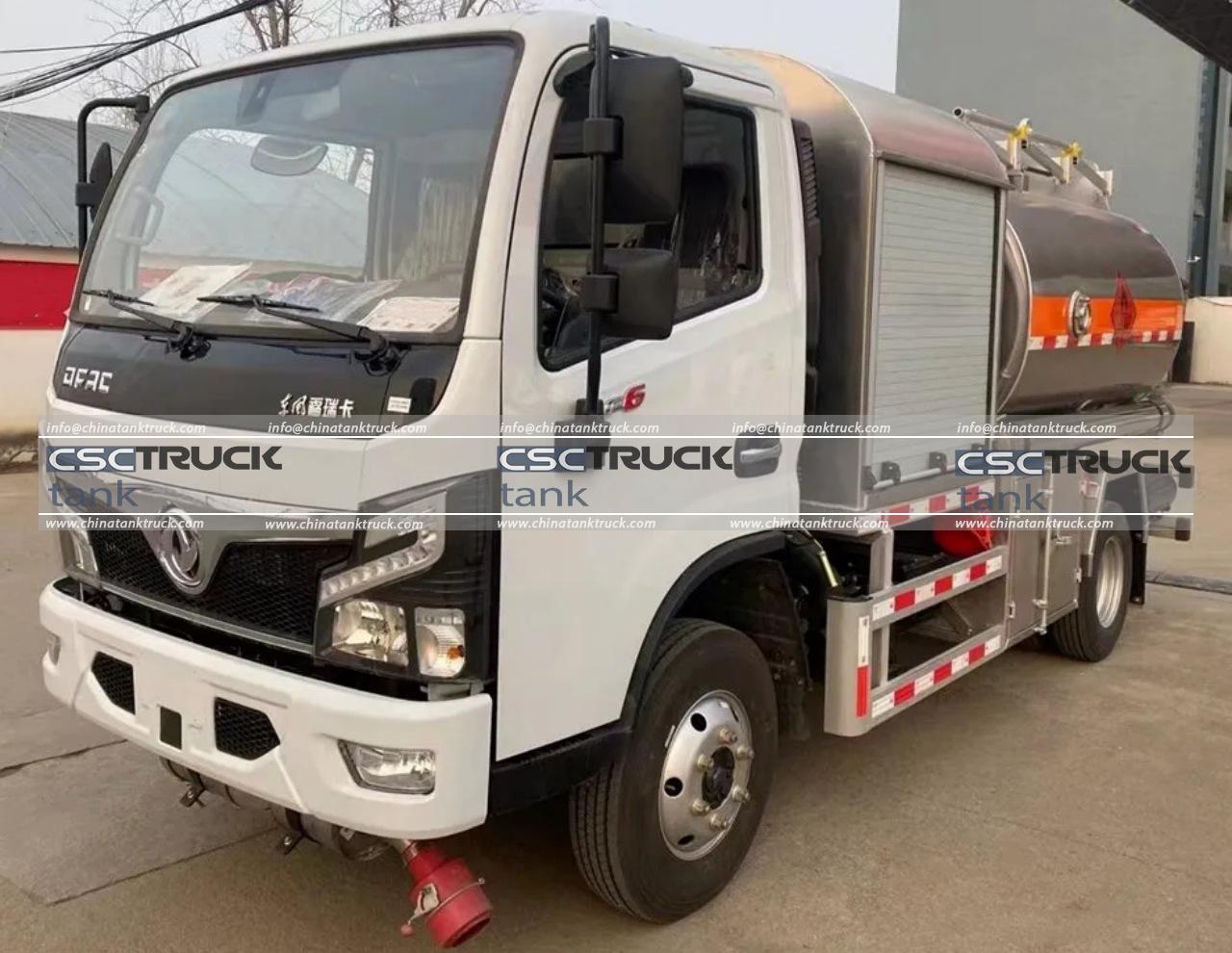
CSCTRUCK China Tank Truck is a Chinese manufacturer specializing in the design and production of various tank trucks, including fuel tankers, aviation refuelers, chemical transport vehicles, and other industrial liquid transport equipment. Through its engineering capabilities and export-focused production, CSCTRUCK China Tank Truck provides vehicles that are widely used in logistics, airport fueling support, and energy transport sectors.
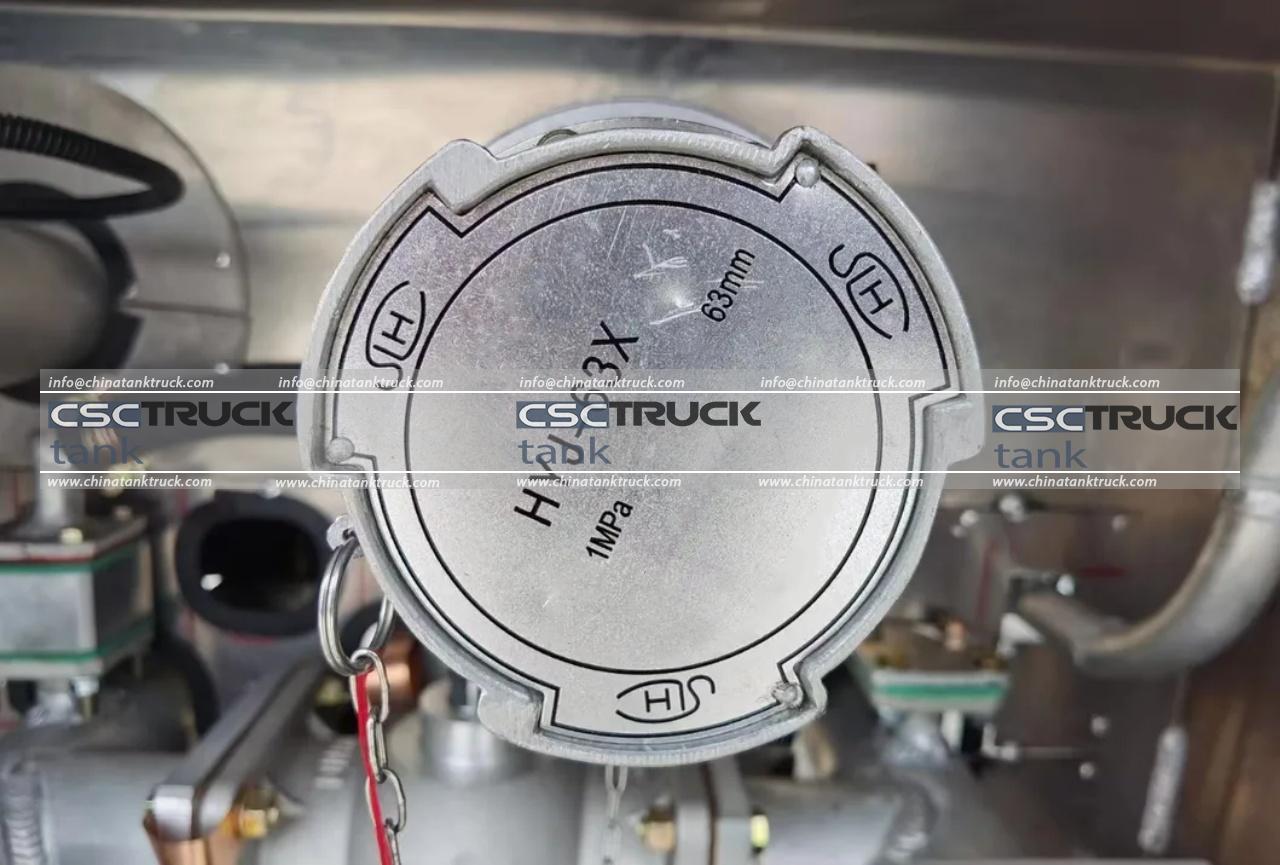
In aviation ground operations, fuel trucks and refueling equipment must meet stringent global standards to ensure safe fuel delivery and prevent hazards such as static discharge, overflow, and contamination. Manufacturers like CSCTRUCK China Tank Truck design equipment in alignment with international expectations, such as fire safety regulations, grounding systems, and emergency shutoff mechanisms.
1. Overview of Airport Refueling Safety Standards
Airport refueling safety standards are built upon international aviation guidelines and industrial safety frameworks. These standards govern both equipment design and operational procedures.
Key global standards include:
- NFPA 407 (National Fire Protection Association) – Focuses on fire safety during aircraft fuel servicing operations.
- IATA Into-Plane Fueling Procedures (IFTP) – Provides operational safety practices for fueling aircraft at airports.
- JIG (Joint Inspection Group) Standards 1 & 2 – Cover aviation fuel quality control, hydrant systems, and into-plane operations.
- EN 12312-5 – European standard for aircraft fueling equipment safety requirements.
These frameworks work together to ensure that fuel is handled safely from storage to aircraft delivery.
2. Equipment Safety Requirements for Refueling Operations
Airport refueling equipment—such as fuel trucks, hydrant dispensers, and pumping systems—must meet strict engineering and operational standards.
Key equipment safety requirements include:
Emergency Shutoff Systems
All refueling vehicles must be equipped with emergency stop systems that immediately halt fuel flow in case of leaks, fire risk, or system malfunction.
Deadman Control Systems
Operators must continuously engage a control device (deadman switch) to ensure fuel flow stops instantly if the operator becomes incapacitated.
Grounding and Bonding Systems
To prevent static electricity buildup, all aircraft and refueling vehicles must be electrically bonded before fuel transfer begins.
Fire Extinguishing Equipment
Refueling vehicles must carry accessible fire extinguishers suitable for fuel fires, and operators must be trained in their use.
Spill Containment Design
Equipment must be designed to prevent and contain leaks, including drip trays, sealed couplings, and overflow protection systems.
3. Operational Safety Procedures During Refueling
Safety standards are not limited to equipment—they also define how refueling must be performed.
Controlled Refueling Zones
Fueling must take place in designated areas away from ignition sources, engine exhausts, or congested aircraft movement zones.
Continuous Supervision
A trained operator must remain in direct control of fueling equipment at all times and monitor pressure, flow, and tank levels without interruption.
Weather Restrictions
Fueling operations may be suspended during thunderstorms or lightning activity due to the risk of ignition from electrical discharge.
Aircraft Safety Coordination
Before fueling begins, coordination with the flight crew and ground personnel is required to ensure:
- The aircraft is properly chocked
- Engines and auxiliary systems are in a safe configuration
- No maintenance activities pose ignition risks
- Emergency evacuation routes remain clear
These procedures are reflected in international guidance such as IATA operational safety manuals.
4. Fuel Quality and Contamination Control Standards
Fuel safety is not only about fire prevention—it also involves maintaining fuel purity.
Common contamination risks include:
- Water ingress
- Microbial growth
- Particulate contamination
- Incorrect fuel type mixing
To prevent these risks, standards such as JIG and IATA require:
- Regular fuel sampling and testing
- Filtration systems at storage and dispensing points
- Strict tank inspection and cleaning schedules
- Chain-of-custody documentation for fuel batches
Even minor contamination can lead to engine failure, making fuel quality control a critical safety pillar.
5. Personnel Training and Certification Requirements
Only properly trained personnel are allowed to operate airport refueling equipment.
Training requirements include:
- Aircraft fueling procedures and safety protocols
- Emergency response training (fire, spill containment)
- Equipment operation and maintenance knowledge
- Understanding of aircraft fuel system configurations
- Communication protocols with the cockpit and ground control
Many international standards require recurring training and certification updates to ensure personnel remain compliant with evolving safety procedures.
6. Fire Prevention and Emergency Response Standards
Because aviation fuel is highly flammable, fire prevention is a top priority.
Key fire safety measures include:
- Prohibiting smoking and open flames near fueling zones
- Maintaining clear evacuation and vehicle exit routes
- Positioning fuel trucks for rapid withdrawal in emergencies
- Immediate access to airport fire and rescue services
- Automatic fuel shutoff activation during abnormal conditions
Standards like NFPA 407 are specifically designed to minimize fire risks during aircraft refueling operations.
7. Equipment Design Standards and Engineering Compliance
Modern airport refueling equipment must be designed to meet strict engineering regulations such as EN 12312-5.
Design requirements include:
- Structural safety for mobile fuel vehicles
- Pressure system integrity for fuel transfer pumps
- Safe electrical system design for hazardous environments
- Fail-safe control systems to prevent uncontrolled discharge
- Compatibility with hydrant systems and aircraft fuel ports
These requirements ensure that equipment performs safely under both normal and emergency conditions.
8. Environmental Protection and Spill Prevention Standards
Environmental safety is now a major component of airport fueling regulations.
Key environmental safety measures:
- Secondary containment systems for spills
- Spill response kits are stationed near fueling zones
- Proper disposal of contaminated fuel or absorbents
- Prevention of groundwater contamination
- Monitoring systems for underground hydrant leaks
Airports are required to maintain strict environmental compliance to minimize ecological damage in case of fuel incidents.
9. Role of Modern Manufacturers in Safety Compliance
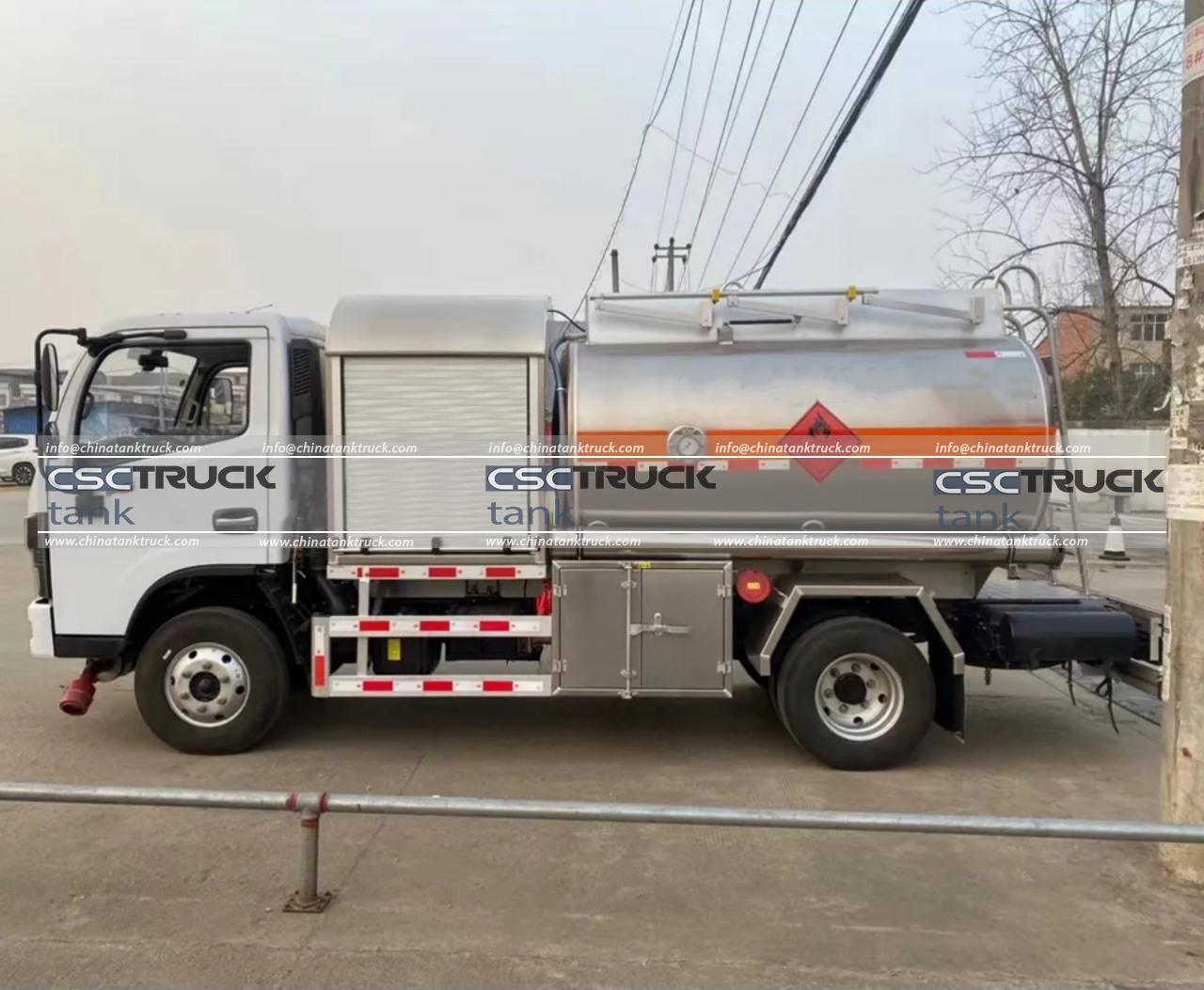
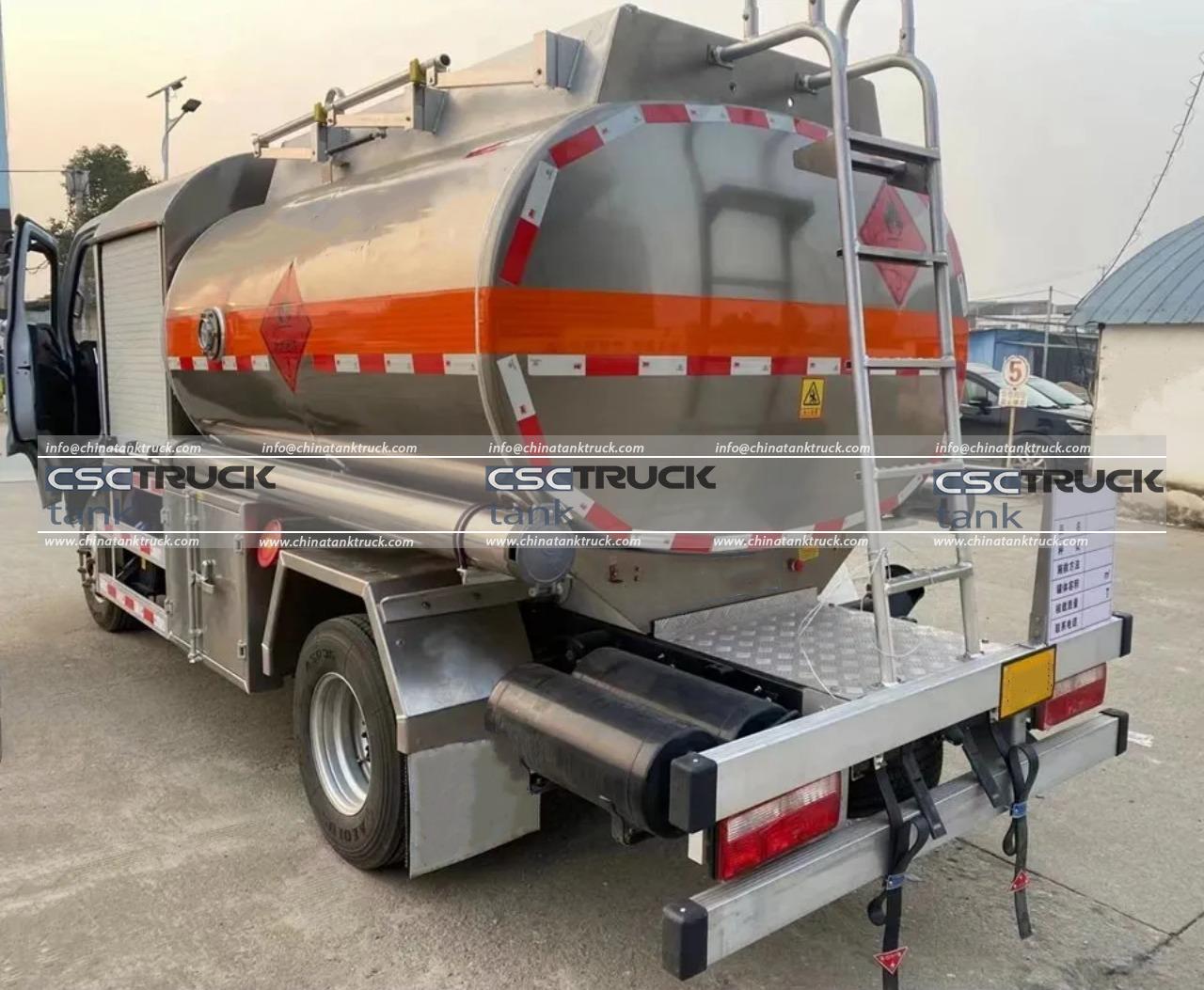
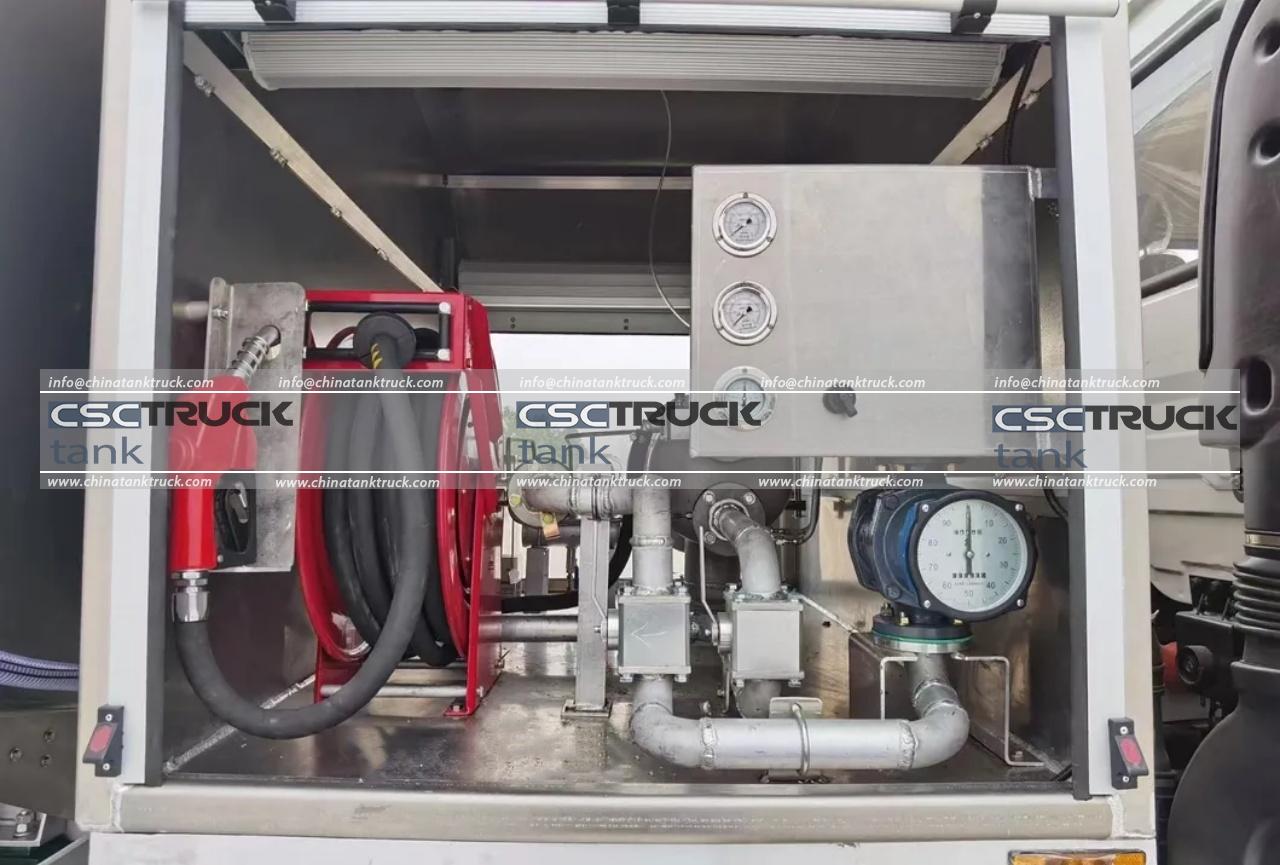
Manufacturers such as CSCTRUCK China Tank Truck play a significant role in supporting global aviation safety by producing:
- Aviation fuel tank trucks with emergency shutoff systems
- Hydrant dispensers compatible with airport fueling networks
- Corrosion-resistant tank designs for long-term safety
- Vehicles equipped with advanced monitoring and control systems
By aligning equipment design with international standards, manufacturers help ensure that airports can maintain safe and efficient refueling operations.
Conclusion
Airport refueling equipment operates in one of the most safety-sensitive environments in aviation. International standards such as NFPA 407, IATA fueling procedures, JIG guidelines, and EN 12312-5 collectively ensure that fuel is handled safely from storage to aircraft delivery.
These standards govern everything from equipment design and emergency systems to operator training, fuel quality control, and environmental protection. Combined with reliable manufacturers like CSCTRUCK China Tank Truck, the aviation industry can maintain high levels of safety, efficiency, and operational reliability.
Ultimately, strict adherence to safety standards is what keeps aircraft fueling operations both fast and safe—ensuring every flight begins with secure ground support.