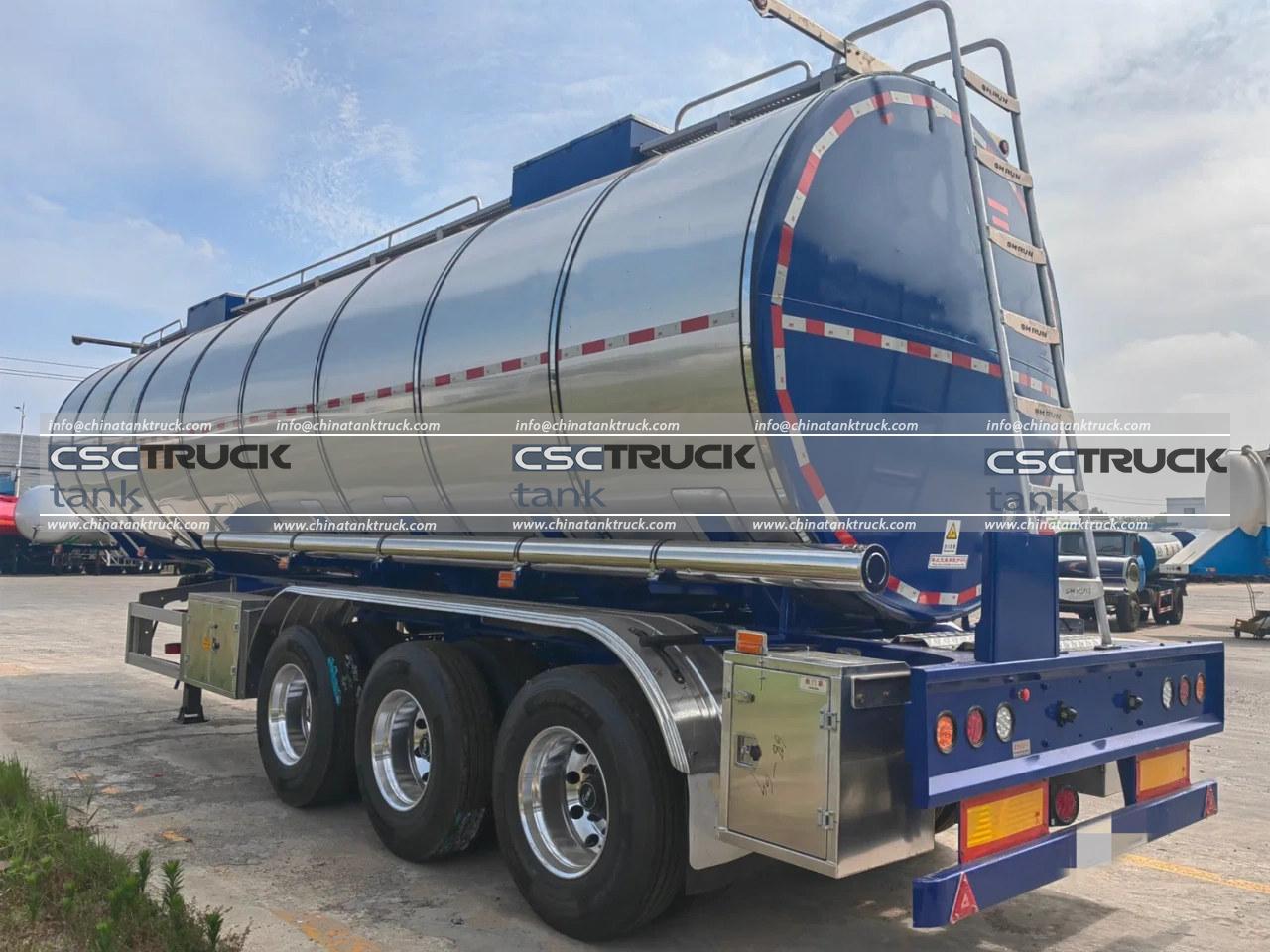

A water tank trailer is a mobile transport unit designed for hauling, storing, and dispensing fresh or non-potable water wherever fixed water supply systems are unavailable. These trailers are engineered with a durable frame, a cylindrical or elliptical tank, and a pump system that enables controlled water discharge for industrial, agricultural, municipal, and emergency applications. Depending on the model, water tank trailers range from small utility trailers with a few hundred liters of capacity to large semi-trailers that can carry 20,000–40,000 liters of water for heavy-duty operations. Their flexibility, mobility, and ability to operate in remote locations make them indispensable equipment for organizations relying on portable water logistics.
1. What Is a Water Tank Trailer?
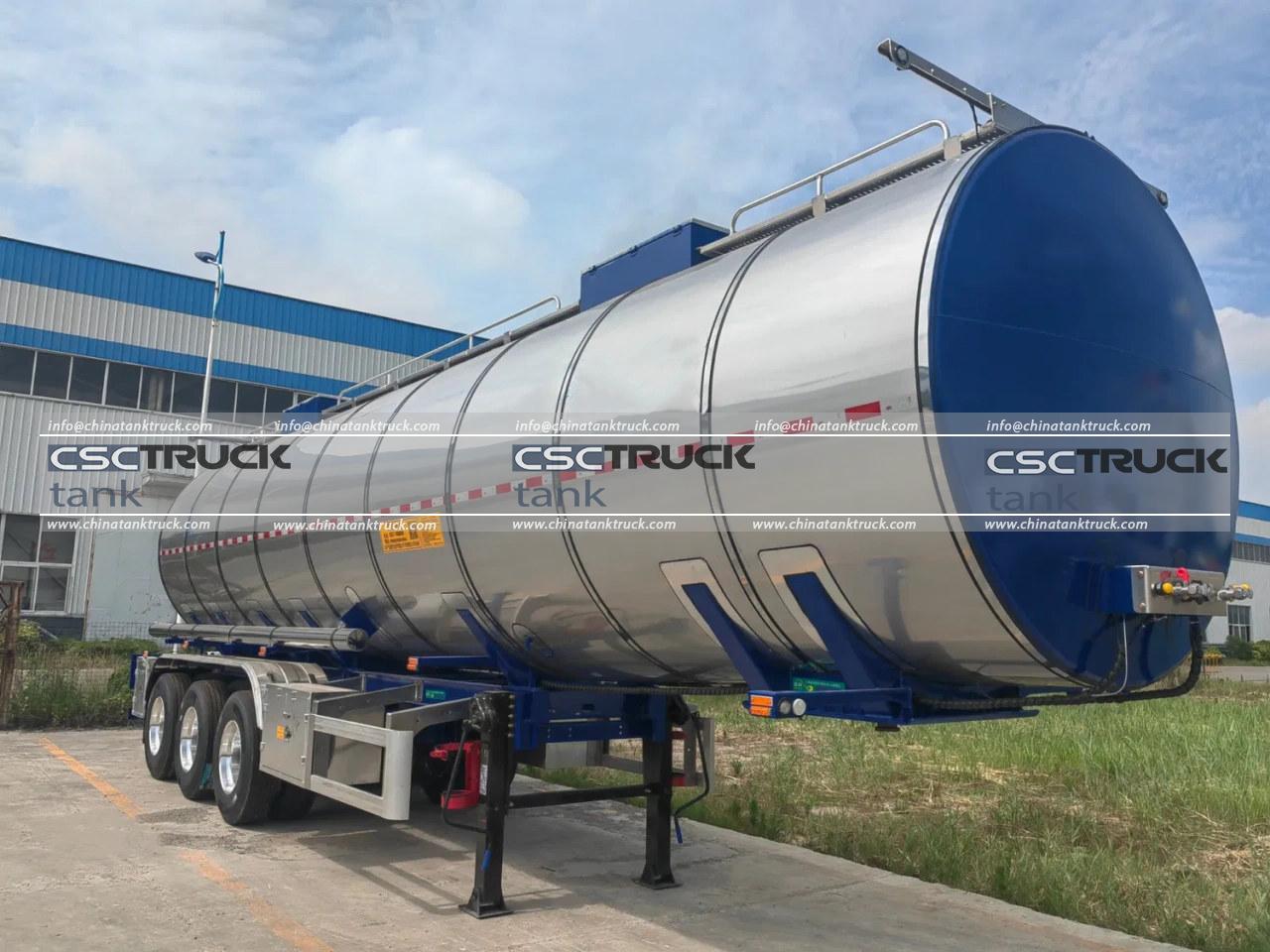
A water tank trailer is a towable unit equipped with a water storage tank mounted on a wheeled chassis, designed to be pulled by a truck, tractor, or semi-tractor. The tank is commonly constructed from carbon steel, stainless steel, aluminum, or polyethylene, depending on intended use and water quality requirements. Steel tanks are preferred for construction and dust suppression, stainless steel for potable drinking water, and polyethylene for lightweight agricultural and utility applications.
Key components usually include:
- Tank body – holds the water; available in various materials and shapes.
- Chassis and suspension – provide structural support and durability.
- Pump and motor system – gasoline, diesel, or PTO-driven pumps that pressurize the water for spraying or discharge.
- Spray bars and nozzles – used for dust control and road wetting.
- Valves and outlets – allow controlled filling and releasing of water.
- Safety accessories – ladders, top manholes, anti-slip platforms, and emergency shutoff valves.
The trailer’s engineering ensures safe water transport, stability during towing, and efficient water discharge systems for diverse field operations.
2. Mobile Water Supply Uses
Water tank trailers serve a broad range of industries due to their versatility and ability to deliver water on-site. Below are the primary applications:
A. Construction and Roadwork Operations
In construction environments, water tank trailers are essential for:
- Dust suppression at job sites, quarries, and access roads.
- Soil compaction, where water is sprayed to achieve proper density.
- Concrete mixing, supplying water to portable mixers.
- Equipment cleaning, especially for machinery exposed to mud or cement.
Spray bars and high-volume pumps ensure even distribution of water over large surfaces.
B. Agriculture and Farming
Agricultural users rely on water tank trailers for:
- Crop irrigation in remote fields where pipeline access is limited.
- Livestock watering during grazing or transportation.
- Fire protection around barns, hay storage areas, and farmhouses.
- Chemical dilution and field spraying, using water to mix herbicides or fertilizers.
Their mobility is highly beneficial for large farms and ranches spread across vast land areas.
C. Municipal and Community Services
Water tank trailers play a critical role in local government and utility sectors for:
- Street cleaning, including high-pressure flushing of roads.
- Park and landscape irrigation, especially in urban green spaces.
- Hydrant flushing or pipeline testing, supplying controlled water flow.
- Event water supply, supporting festivals and outdoor public gatherings.
Municipal fleets often use stainless steel tanks for sanitary handling.
D. Firefighting Support
In wildfire-prone areas, water tank trailers act as mobile water reserves. They:
- Transport bulk water to remote fire zones.
- Support rural fire brigades that lack hydrants.
- Refill firefighting vehicles or backpack sprayers.
- Provide strategic water staging points during emergency operations.
Some are equipped with high-pressure fire pumps and hose reels for rapid deployment.
E. Emergency and Disaster Relief
During natural disasters such as earthquakes, droughts, or floods, water tank trailers deliver potable water to affected communities. Their fast-mobilization capability makes them ideal for:
- Temporary drinking water supply.
- Sanitation support (handwashing stations, temporary shelters).
- Medical and humanitarian operations.
Trailers used for potable water follow strict hygiene and disinfection protocols.
F. Industrial and Mining Operations
Industries and mines require massive quantities of water for:
- Dust control on mining roads.
- Equipment washing.
- Cooling processes.
- Water supply for remote work camps.
Heavy-duty water tank semi-trailers with reinforced frames and high capacity are commonly used in these sectors.
3. Maintenance Checklist
Proper maintenance is crucial to ensure water tank trailers deliver consistent performance, remain compliant with safety standards, and avoid contamination—especially when transporting potable water. Below is a complete maintenance checklist covering structural, mechanical, and sanitary aspects.
A. Tank Body Maintenance
- Inspect for corrosion, cracks, and dents
Regularly check weld seams, reinforcement rings, and tank walls. For stainless steel or polyethylene tanks, look for stress fractures or UV degradation. - Clean inner tank surfaces
- For potable water, follow strict sanitation practices using approved cleaning agents.
- For construction or agricultural use, remove sediment buildup that can clog valves or pumps.
- Check manhole gaskets and seals
Replace worn seals to prevent water leakage and contamination. - Test pressure relief devices
Ensure functional venting to avoid excessive internal pressure.
B. Pump, Motor, and Spray System Maintenance
- Pump lubrication and inspection.
Grease bearings, check impeller condition, and ensure no abnormal noise or vibration. - Motor and drive system
- Inspect belts, pulleys, and drive shafts.
- Verify fuel levels for gasoline/diesel engines.
- Ensure PTO (power take-off) connections operate smoothly.
- Spray bars, hoses, and nozzles
Flush them regularly to prevent clogging from dirt or mineral deposits. - Valve operation test
Open and close all valves to confirm smooth operation and leak-free performance.
C. Trailer Chassis and Running Gear
- Check the frame and mounting brackets
Look for loose bolts, weld cracks, or structural deformation. - Suspension system inspection
Evaluate leaf springs, airbags, and shock absorbers for wear. - Tires and wheel bearings
- Maintain proper tire pressure.
- Inspect for tread wear and sidewall cracks.
- Grease wheel bearings periodically.
- Brakes and lighting system
Ensure all lights, indicators, and braking mechanisms are functional.
D. Hygiene and Water Quality Control
- Disinfection schedule
Potable water tanks should be disinfected after every trip or every 48–72 hours. - Avoid cross-contamination
Never mix potable water operations with industrial or chemical applications. - Sample testing
Periodically test water quality to ensure compliance with safety standards.
E. Documentation and Safety Records
- Log each inspection with dates and technician notes.
- Keep pump and tank manuals for reference.
- Follow manufacturer maintenance intervals for components like pumps, motors, and seals.
Conclusion
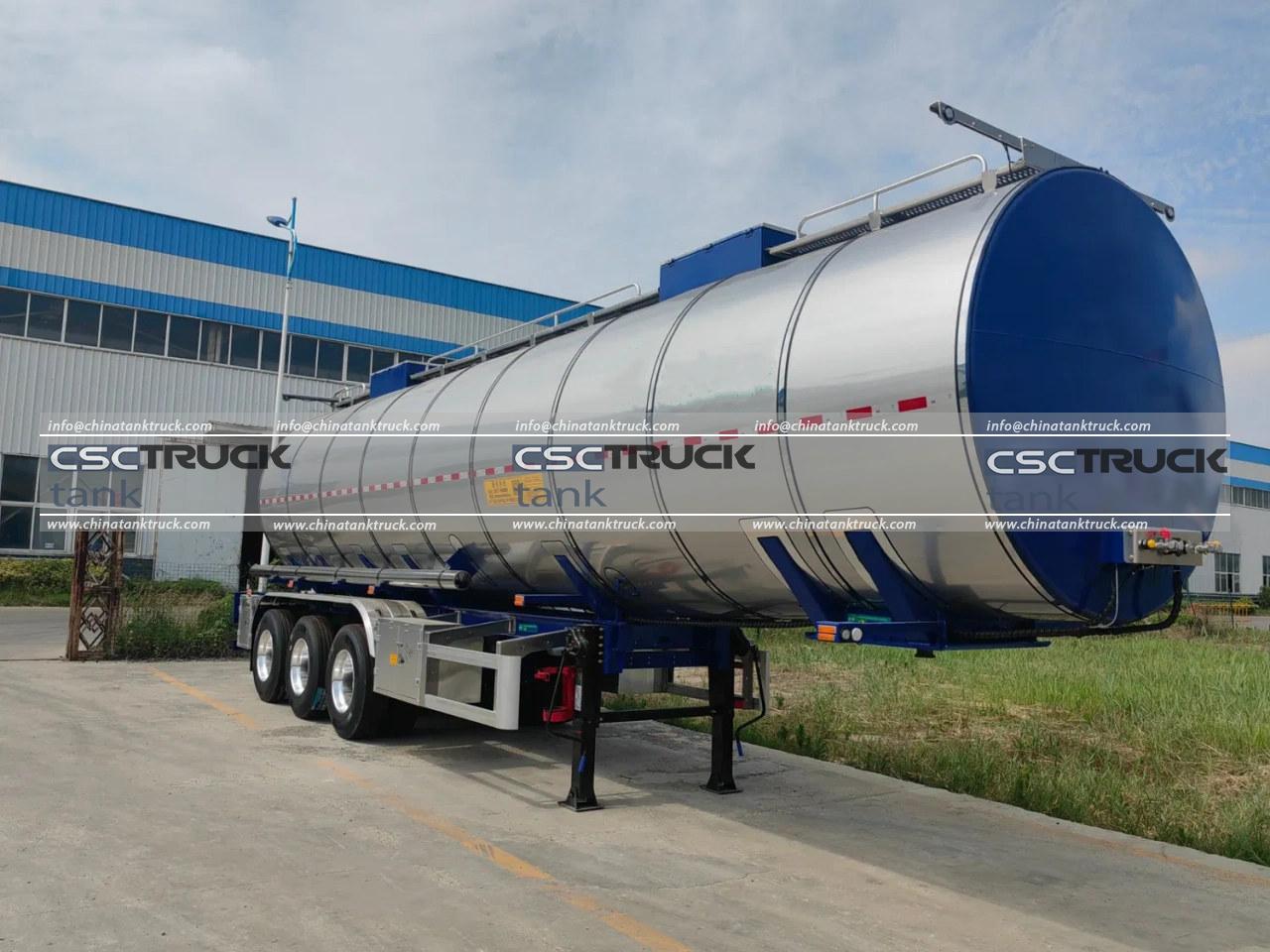
A water tank trailer is a powerful and versatile solution for mobile water supply across construction, agriculture, municipal services, firefighting, and disaster relief operations. By combining high-capacity water storage with a reliable pumping system, these trailers ensure water can be delivered precisely where it is needed, even in remote or infrastructure-limited environments. Proper maintenance—covering the tank body, pump system, chassis, and hygienic handling practices—ensures long service life, safe operation, and dependable water quality. For organizations that rely on efficient portable water logistics, a well-maintained water tank trailer is an invaluable asset that delivers performance, reliability, and operational flexibility.