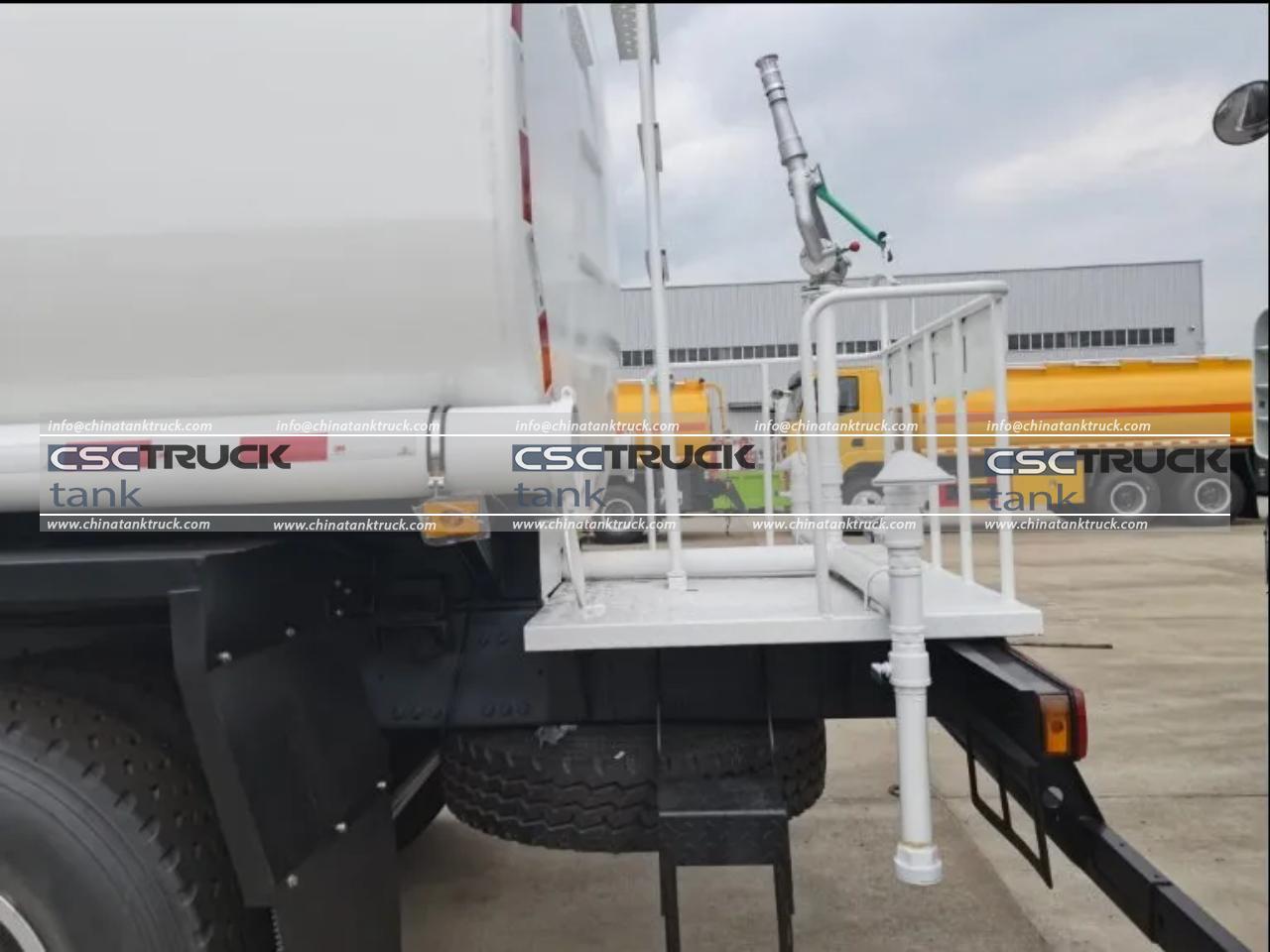

A stainless steel tank truck is a specialized vehicle designed with a fully stainless steel tank body for hauling food-grade liquids, chemicals, pharmaceuticals, and other high-purity liquid products that demand superior hygiene and corrosion resistance. Unlike carbon-steel or aluminum tank trucks, stainless steel variants offer enhanced durability, chemical inertness, and the ability to withstand frequent cleaning and sterilization cycles—making them vital in industries where product purity and sanitary conditions are non-negotiable. As global logistics for sensitive liquids continue to expand, stainless steel tank trucks have become essential assets for companies requiring safe, contamination-free, and long-lasting transport solutions.
1. Definition of a Stainless Steel Tank Truck
A stainless steel tank truck is a road transport vehicle equipped with a cylindrical or elliptical tank constructed from stainless steel grades such as SS304, SS316L, or food-grade 304L. These tanks are engineered for high corrosion resistance, excellent structural strength, and easy sanitization. The design typically includes:
- Single or multi-compartment tanks
enabling the transport of different liquid products simultaneously. - Insulated or non-insulated structures,
depending on the temperature sensitivity of the cargo. - CIP (Clean-in-Place) systems
for internal automated washing and sanitization. - Pressure, vacuum, or atmospheric configurations,
depending on whether the liquids require controlled environments during transport.
Stainless steel tank trucks are manufactured to meet international sanitation and safety standards such as 3-A, FDA, GMP, ADR, and food-grade ISO norms, ensuring they can be used for all hygienic and chemical-safe delivery operations.
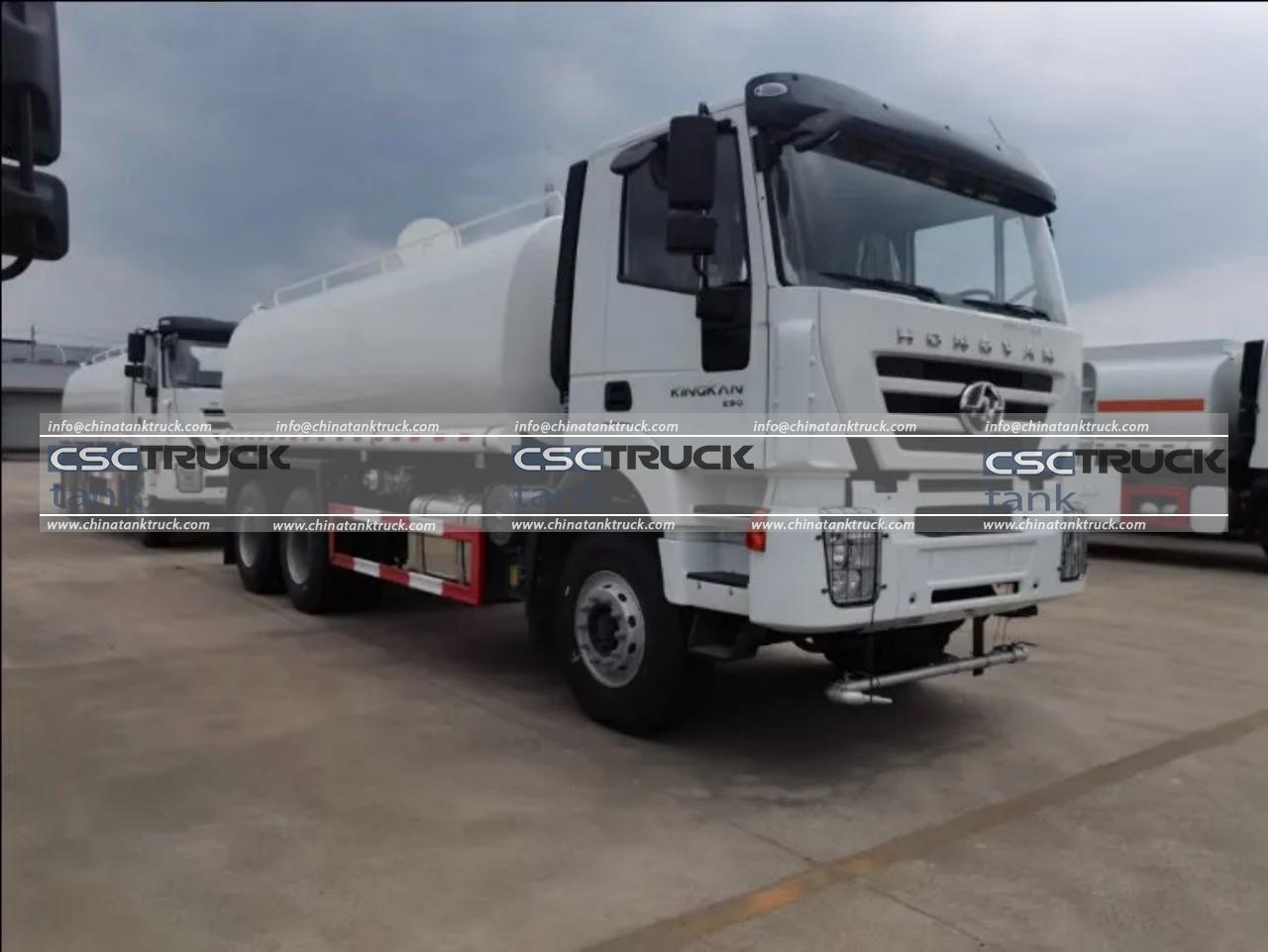
2. Hygienic Cargo Uses of Stainless Steel Tank Trucks
One of the primary advantages of stainless steel tank trucks is their versatility in transporting hygienic, temperature-sensitive, or chemically pure cargo. Below are the major categories of transport applications.
2.1 Food-Grade Liquid Transport
Stainless steel is the preferred material in the food and beverage industry because it is non-reactive, resists contamination, and allows intensive cleaning. These trucks are widely used for:
- Milk and dairy products
- Potable water
- Edible oils and fats
- Fruit juices and beverages
- Liquid sugar, glucose, honey, and syrups
- Beer, wine, and alcohol
The smooth inner tank walls prevent bacterial growth and enable rapid draining with no residue, which is critical for preventing cross-contamination between different food loads.
2.2 Pharmaceutical and Medical-Grade Liquids
Pharmaceutical industries rely on stainless steel tank trucks to transport substances requiring strict purity control, such as:
- Liquid medicines
- Medical-grade purified water
- Ethanol and alcohol solutions
- Vitamin and supplement liquids
High-grade stainless steels like 316L are used because they resist corrosion from both acidic and alkaline solutions and meet GMP hygiene requirements.
2.3 Chemical and Corrosive Liquid Transport
Many chemicals react with carbon steel or aluminum but remain stable in stainless steel tanks. The trucks are used for:
- Acids and alkalis with low to medium corrosiveness
- Organic solvents
- Cleaning chemicals
- Industrial alcohols and emulsions
- Detergents and liquid industrial additives
The corrosion resistance of stainless steel ensures the cargo remains uncontaminated and the tank maintains a long service life even when exposed to harsh chemicals.
2.4 High-Purity Industrial Liquids
For industries like electronics, cosmetics, biotechnology, and food processing, stainless steel tank trucks deliver liquids such as:
- Ultra-pure water
- Liquid flavors and fragrances
- Cosmetic bases and surfactants
- High-accuracy chemical formulations
The tanks can be polished to mirror-like finishes (RA < 0.6 µm) to avoid microbe buildup and ensure the highest standards of product purity.
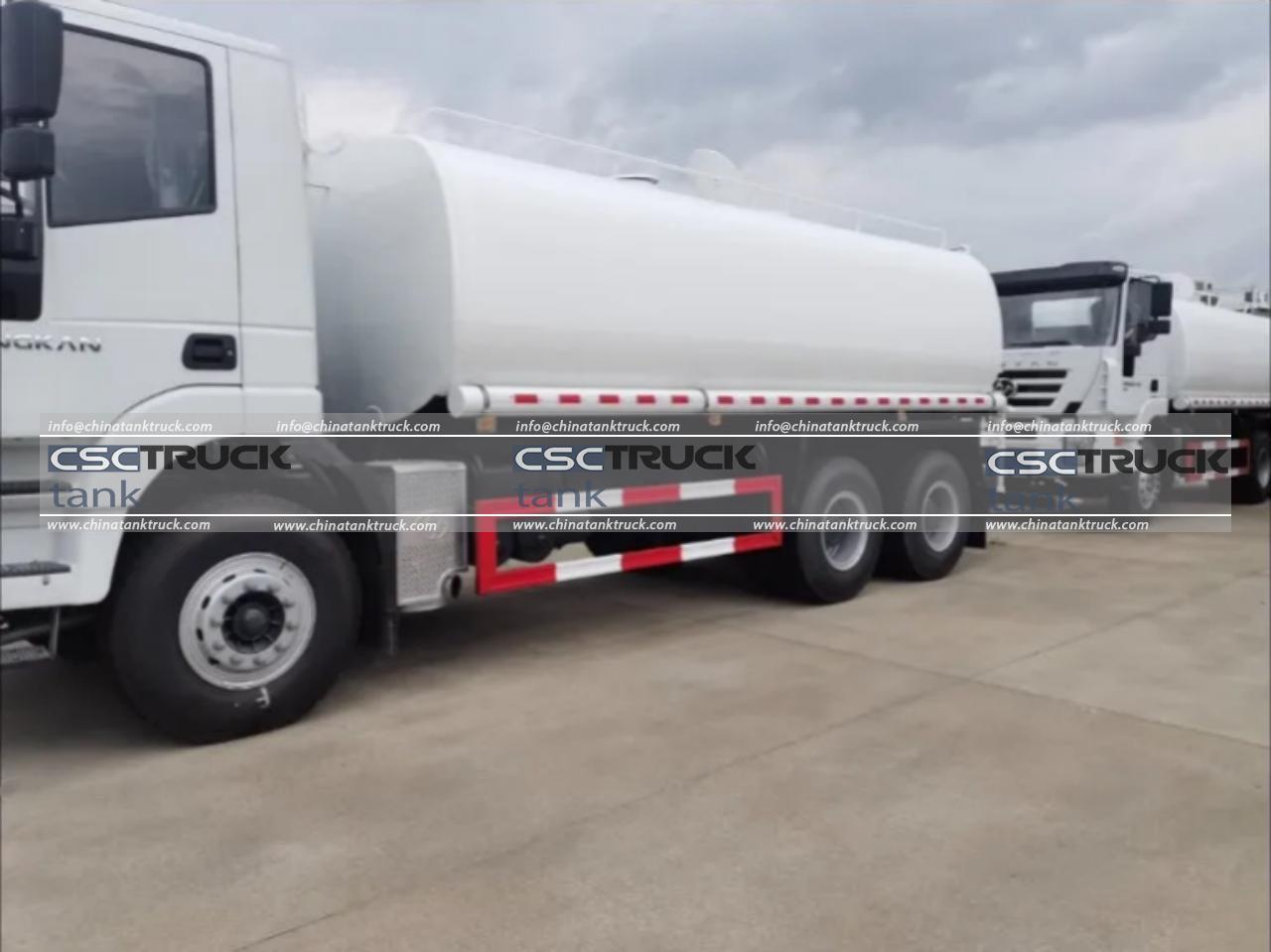
3. Corrosion-Free Maintenance Procedures
Although stainless steel provides excellent corrosion resistance, proper maintenance is essential to preserve the sanitary, chemical-free, and long-lasting performance of the tank. Below are the critical corrosion-free maintenance procedures.
3.1 Routine Cleaning and Sanitization
Daily or post-trip cleaning is vital for all food-grade and chemical carriers.
- Use CIP systems with hot water and food-grade detergents.
- For dairy or sugary loads, ensure a pre-rinse at 40–50°C followed by an alkaline wash to remove residues.
- Perform a final rinse with purified or softened water to avoid mineral deposits.
Disinfect with steam, UV sanitizers, or approved chemical disinfectants when transporting pharmaceutical or high-purity liquids.
3.2 Mirror Polishing and Passivation
Stainless steel surfaces benefit significantly from electropolishing or mechanical mirror polishing, which:
- Removes microscopic contaminants
- Reduces bacterial retention
- Smoothens weld lines
- Enhances corrosion resistance
Passivation using nitric or citric acid solutions restores the chromium oxide protective layer, preventing rust formation.
3.3 Inspection of Welds, Valves, and Fittings
Since weld joints are the most vulnerable areas, regular inspection is necessary:
- Check for pitting, discoloration, or micro-cracks.
- Examine manholes, valves, hoses, and discharge pipelines for chemical damage.
- Replace gaskets and sanitary seals that show signs of wear or hardening.
Food-grade silicone or EPDM seals are recommended for hygienic applications.
3.4 Preventing Chloride-Induced Corrosion
Chloride-rich environments, including road salts or salty liquids, can harm stainless steel. Preventive steps include:
- Rinsing exterior surfaces after winter operations
- Avoiding the use of chloride-containing cleaning chemicals
- Applying protective surface coatings when frequently operating in coastal areas
For long-term chloride exposure, 316L stainless steel is preferred due to its higher molybdenum content.
3.5 Temperature and Pressure Maintenance
For temperature-sensitive cargo, insulated stainless steel tanks may include:
- Heating systems (steam, hot water, electric coils)
- Cooling jackets for certain chemicals or beverages
Regularly test pressure relief valves, calibration gauges, and heating components to avoid thermal stress, which can weaken stainless steel over time.
3.6 Documentation & Compliance Maintenance
Maintaining regulatory compliance is essential:
- Keep updated cleaning logs
- Perform periodic testing per ADR, DOT, or food safety regulations
- Ensure calibration of measurement instruments
- Conduct annual tank integrity and pressure tests
Proper documentation helps prevent cross-contamination claims and proves adherence to safety standards.
Conclusion
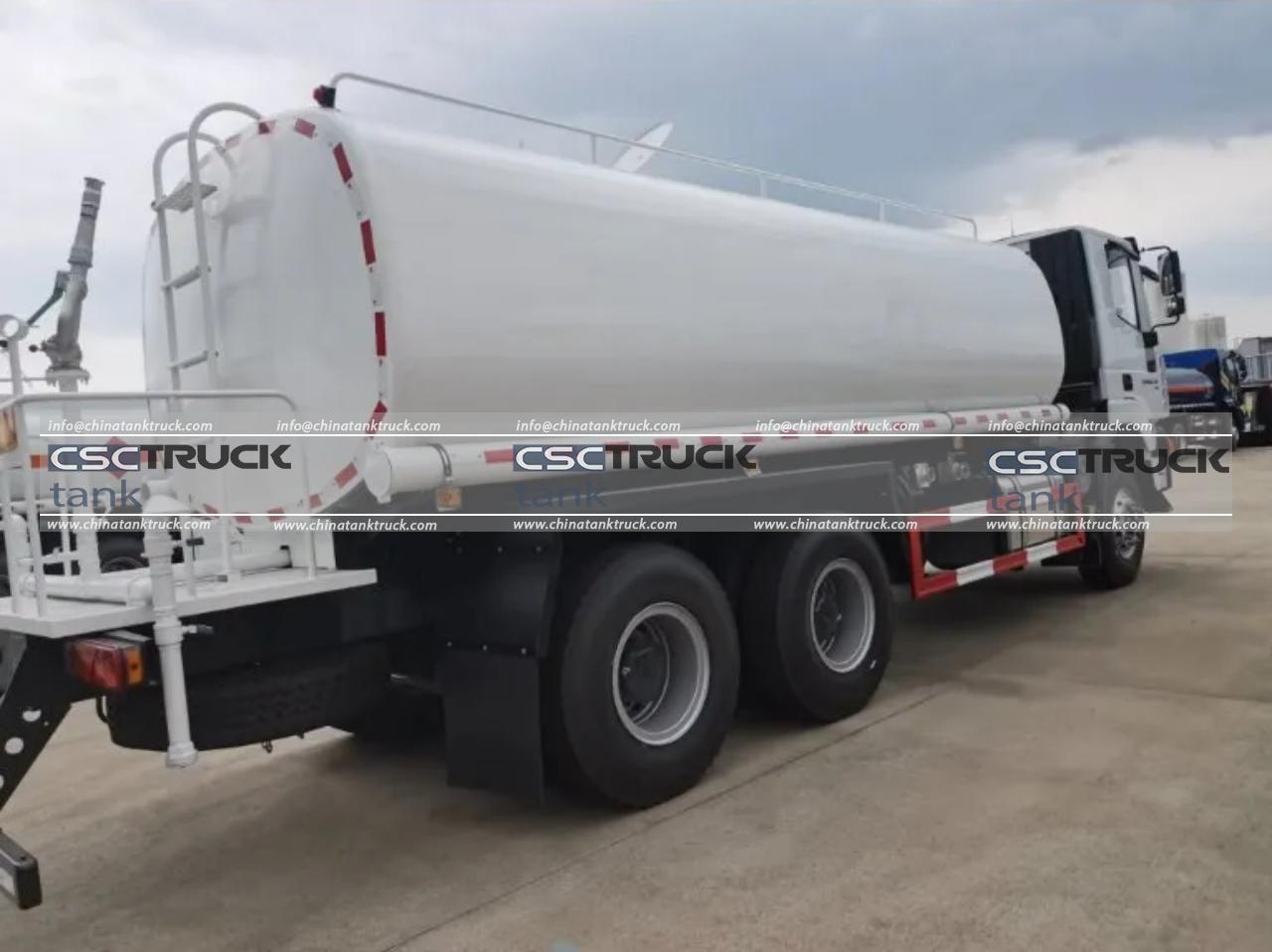
A stainless steel tank truck is a hygienic, safe, and highly durable liquid transport vehicle designed for industries that demand product purity, chemical resistance, and long service life. From food and beverage transport to pharmaceuticals and specialty chemicals, these trucks offer unmatched performance due to their corrosion-resistant stainless steel construction and advanced sanitation capabilities. By implementing systematic cleaning, passivation, inspection, and corrosion-prevention procedures, operators can ensure that stainless steel tank trucks remain reliable, compliant, and contamination-free for many years. For any operation where hygiene and purity are top priorities, stainless steel tank trucks remain the industry standard for efficient and safe liquid transport.