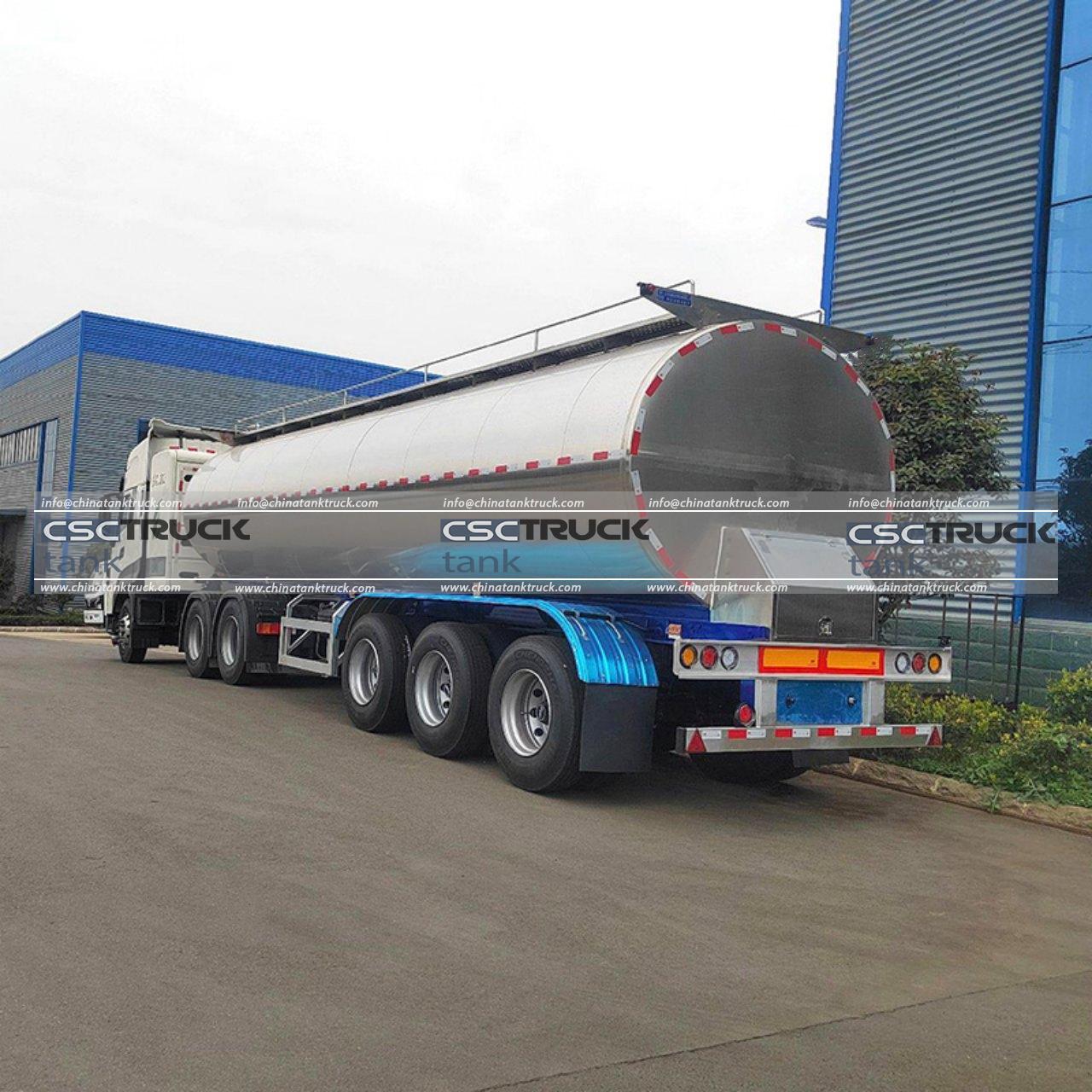

A sanitary tank trailer is a specialized transport vehicle engineered to safely carry food-grade liquids under the most stringent hygiene standards. Designed with smooth stainless-steel surfaces, advanced insulation, and sanitary fittings, these trailers ensure that milk, edible oils, juice concentrates, liquid sugar, and other consumable liquids reach their destination without contamination. As a critical link in the food supply chain, sanitary tank trailers play a vital role in maintaining the purity, safety, and integrity of products consumed daily across global markets.
Because food materials are highly sensitive to temperature fluctuations, cross-contamination, and microbial growth, these trailers are built with strict adherence to food-safety codes such as EHEDG, 3-A Sanitary Standards, FDA, and EU food-contact regulations. Their design and maintenance routines aim to keep the internal environment sterile, smooth, and free from residues that could compromise quality. Below, we explore in detail what defines a sanitary tank trailer, where it is used in food-grade logistics, and the essential hygiene maintenance requirements needed to keep it operating reliably.
1. What Is a Sanitary Tank Trailer?
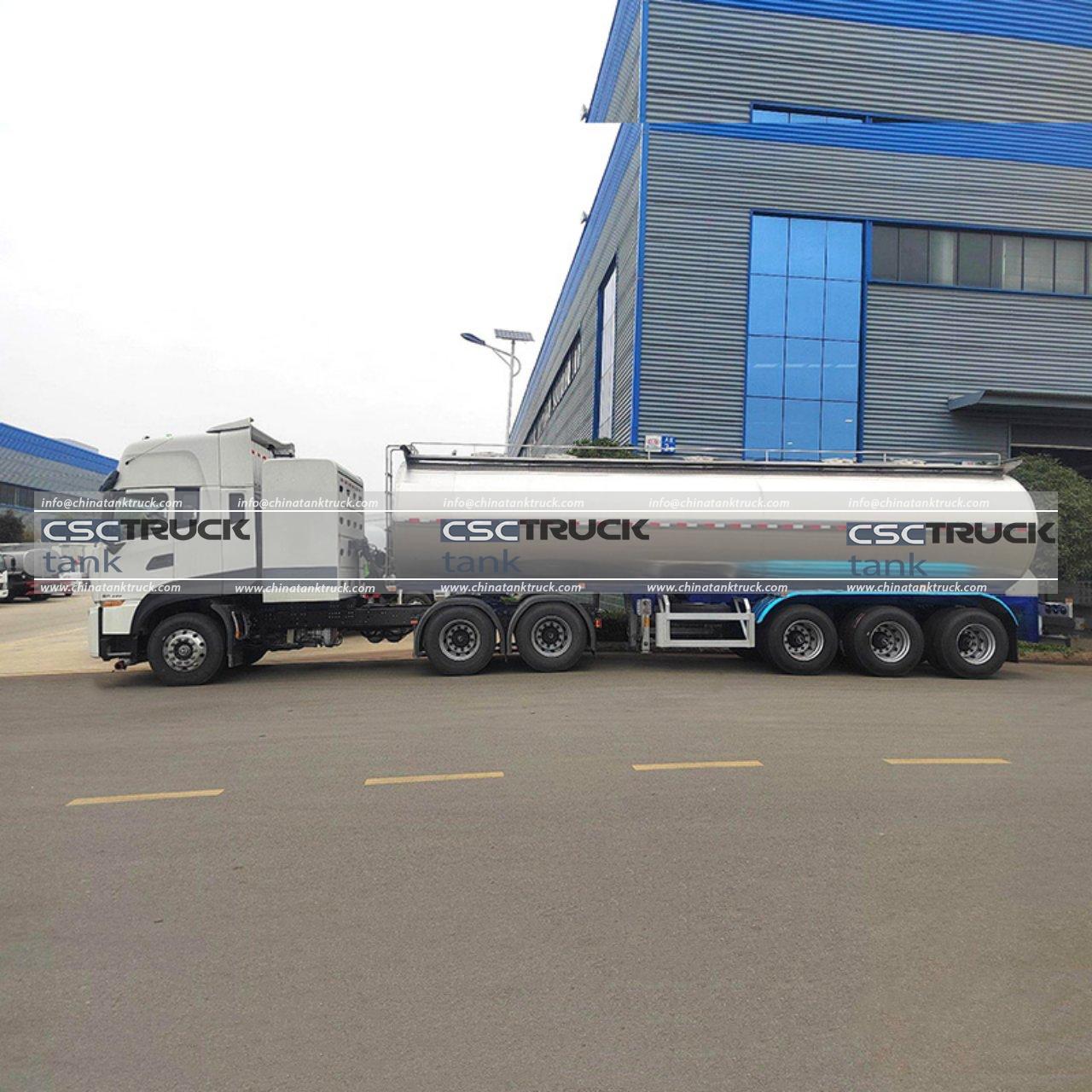
A sanitary tank trailer is a food-grade stainless steel tanker constructed specifically for the hygienic handling of edible liquids. Unlike standard chemical or fuel tank trailers, sanitary models use high-purity stainless steel (typically 304 or 316L) for superior corrosion resistance, sterilization capability, and non-reactivity. They also incorporate sanitary design principles such as:
Key Features of a Sanitary Tank Trailer
1. Food-Grade Stainless Steel Construction
The entire tank interior is polished to a mirror-like finish (usually 0.4–0.8 μm Ra) to minimize surface roughness. This prevents residue buildup and supports rapid cleaning and drying.
2. Insulated or Heated Tank Body
Many food-grade liquids must be transported at controlled temperatures. Insulated jackets or in-built heating coils help maintain product temperature for liquids like chocolate, glucose, and edible oils.
3. Hygienic Piping and Valves
Connections, valves, and fittings follow sanitary design to allow complete drainage and eliminate dead zones where bacteria can grow. They are usually tri-clamp or quick-clean types.
4. Sealed Manholes and Vents
The manholes include hermetic seals to prevent dust, moisture, or external contaminants from entering the tank. Pressure-relief vents ensure safe operation.
5. CIP (Cleaning-in-Place) Capability
Most sanitary tank trailers are equipped with CIP spray balls or nozzles, enabling internal cleaning using automated high-pressure water and detergent injection.
6. Single-Compartment Configuration
To avoid cross-contamination and simplify sanitizing procedures, most sanitary tank trailers feature 1 large compartment, although multi-compartment models exist for certain operations.
Because of these features, sanitary tank trailers maintain product integrity from loading to delivery, ensuring food products remain safe, tasty, and compliant with regulatory standards.
2. Food-Grade Transport Applications
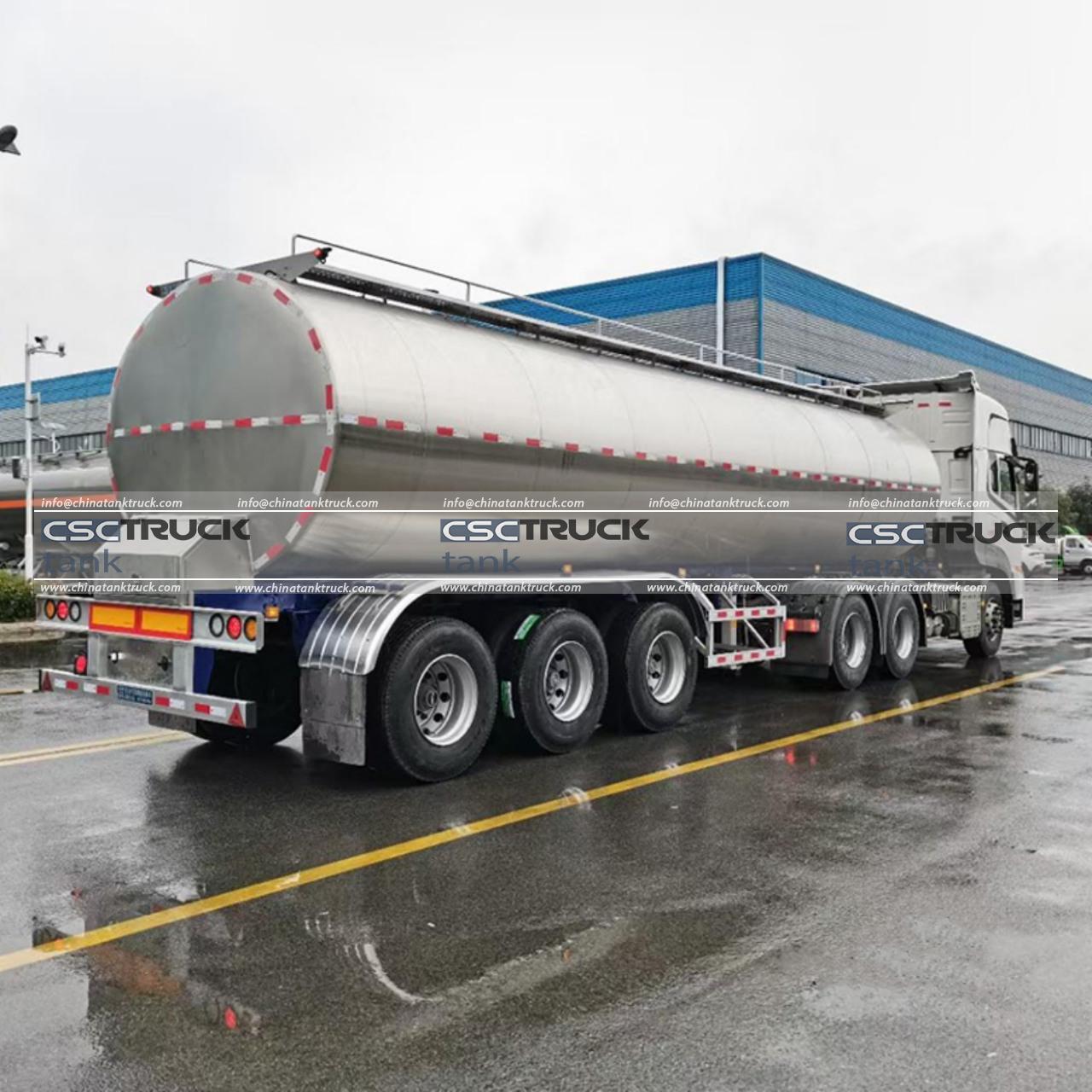
Sanitary tank trailers serve a wide range of industries within the food and beverage sector. Their superior hygiene characteristics make them suitable for any material that humans ingest or that will be processed into consumable products.
Key Applications of Sanitary Tank Trailers
1. Dairy and Milk Transport
Milk is one of the most widely carried food-grade liquids. Sanitary tank trailers maintain stable temperatures, prevent spoilage, and keep bacterial activity minimal.
2. Edible Oils and Fats
Vegetable oil, palm oil, coconut oil, and shortening require hygienic transport, often with heat-retention systems to prevent solidification.
3. Sugar Syrups and Liquid Sweeteners
High-viscosity liquids like glucose, fructose, and molasses need smooth, polished tank walls and efficient discharge systems to ensure complete unloading.
4. Juice and Beverage Concentrates
Fruit juice concentrates are sensitive to environmental contamination and temperature changes. Insulated sanitary tank trailers ensure stable transport conditions.
5. Water and Beverage Ingredients
Food processors often require bulk deliveries of purified water, flavor bases, and beverage additives. Sanitary trailers prevent impurities from entering the supply chain.
6. Alcohol and Fermentation Liquids
Beer wort, wine must, ethanol blends, and other fermentation-related liquids are often carried in sanitary conditions to protect flavor and microbiological stability.
7. Liquid Egg and Dairy Derivatives
Products like liquid egg, cream, and whey demand exceptional hygiene to prevent bacterial growth, making sanitary trailers indispensable.
8. Chocolate and Cocoa Liquids
To transport chocolate and cocoa butter in liquid form, tankers include heating systems to maintain flow and ensure smooth unloading.
9. Food-Grade Chemicals
Vinegar, citric acid solutions, and other consumable additives require transport in trailers certified as food-grade.
In all these applications, sanitary tank trailers ensure that the food supply chain remains uncontaminated and efficient from the factory to distribution centers.
3. Hygiene Maintenance for Sanitary Tank Trailers
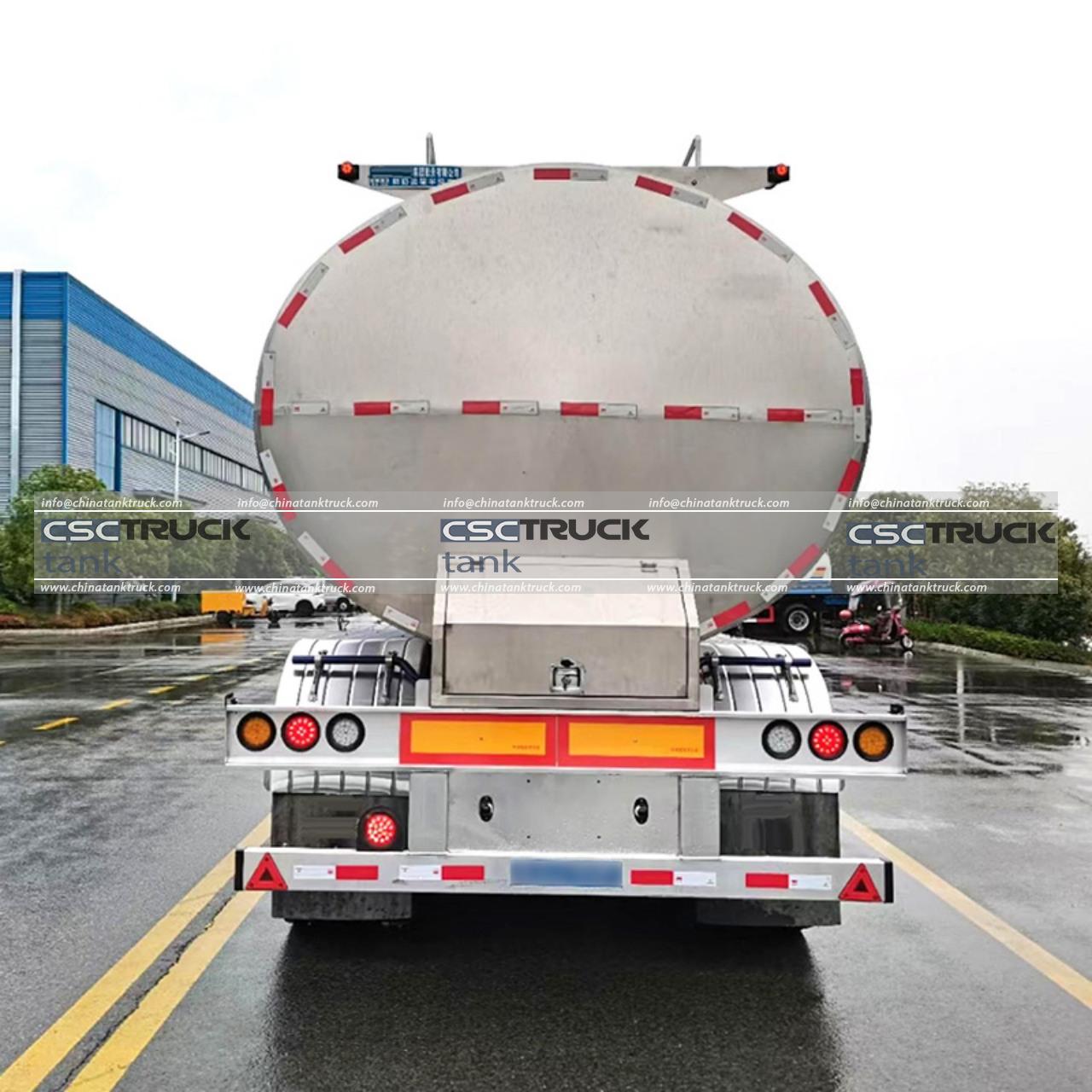
Food-grade transport demands the highest level of hygiene, and proper maintenance is the only way to guarantee cleanliness, product integrity, and regulatory compliance. Hygiene maintenance includes cleaning, sanitization, inspection, and documentation.
Below is a comprehensive maintenance checklist.
A. Cleaning and Sanitization Procedures
1. Pre-Cleaning Inspection
Before cleaning, operators should inspect the tank interior, valves, and piping for residue and verify whether the last cargo is compatible with the next load.
2. Cleaning-In-Place (CIP) System Operation
Most sanitary trailers use automated CIP systems that perform:
- High-pressure water rinse
- Detergent wash (caustic or neutral, depending on cargo)
- Hot water or steam rinse
- Final sterile rinse
CIP ensures uniform cleaning of interior surfaces and reduces manual labor.
3. Manual Cleaning (When Required)
If residues remain—especially with sticky cargoes like syrup or chocolate—manual brushing or hand-scrubbing of targeted areas is necessary using:
- Food-safe brushes
- Non-corrosive sanitizers
- Hot water flushing
4. Sanitization
After cleaning, tanks must be sanitized using food-grade chemicals or steam to kill microorganisms and prepare the trailer for the next load.
B. Drying and Ventilation
A sanitary tank must be completely dry before loading to avoid bacterial growth and chemical reactions. Air-drying fans or heated blowers are often used to remove moisture from the interior.
C. Valve, Hose, and Fitting Maintenance
Valves, hoses, gaskets, and fittings must be:
- dismantled regularly
- cleaned separately
- inspected for cracks or wear
- replaced when damaged
Food-grade hoses require special care because they are common contamination points.
D. Preventive Maintenance and Inspections
Routine inspections ensure long-term reliability. Operators should:
- Monitor insulation condition
- Check heating systems and temperature controls
- Inspect weld seams for cracks or roughness
- Verify CIP nozzles function properly
- Ensure seals and gaskets remain tight
All repair work must be performed using food-grade components.
E. Regulatory Compliance Documentation
Food-grade transport must be traceable. Operators should maintain:
- Cleaning logs
- Sanitization records
- Cargo history
- Inspection and repair reports
- Temperature monitoring data
These documents help pass audits and ensure compliance with food-safety standards.
Conclusion
A sanitary tank trailer is a specialized vehicle essential for the safe, contamination-free transportation of food-grade liquids. Its high-quality stainless-steel construction, smooth internal surfaces, hygienic fittings, and optional insulation or heating systems make it ideal for transporting milk, edible oils, juices, syrups, purified water, and many more consumable liquids.
To keep these trailers functioning safely and efficiently, operators must follow strict hygiene maintenance protocols that include regular cleaning, sanitization, drying, component inspections, and proper documentation. By combining advanced engineering with rigorous hygiene practices, sanitary tank trailers help ensure that food products reach consumers in the safest and freshest condition possible.