
Introduction: Choosing the Right Aviation Refueler for Safe and Efficient Aircraft Fueling
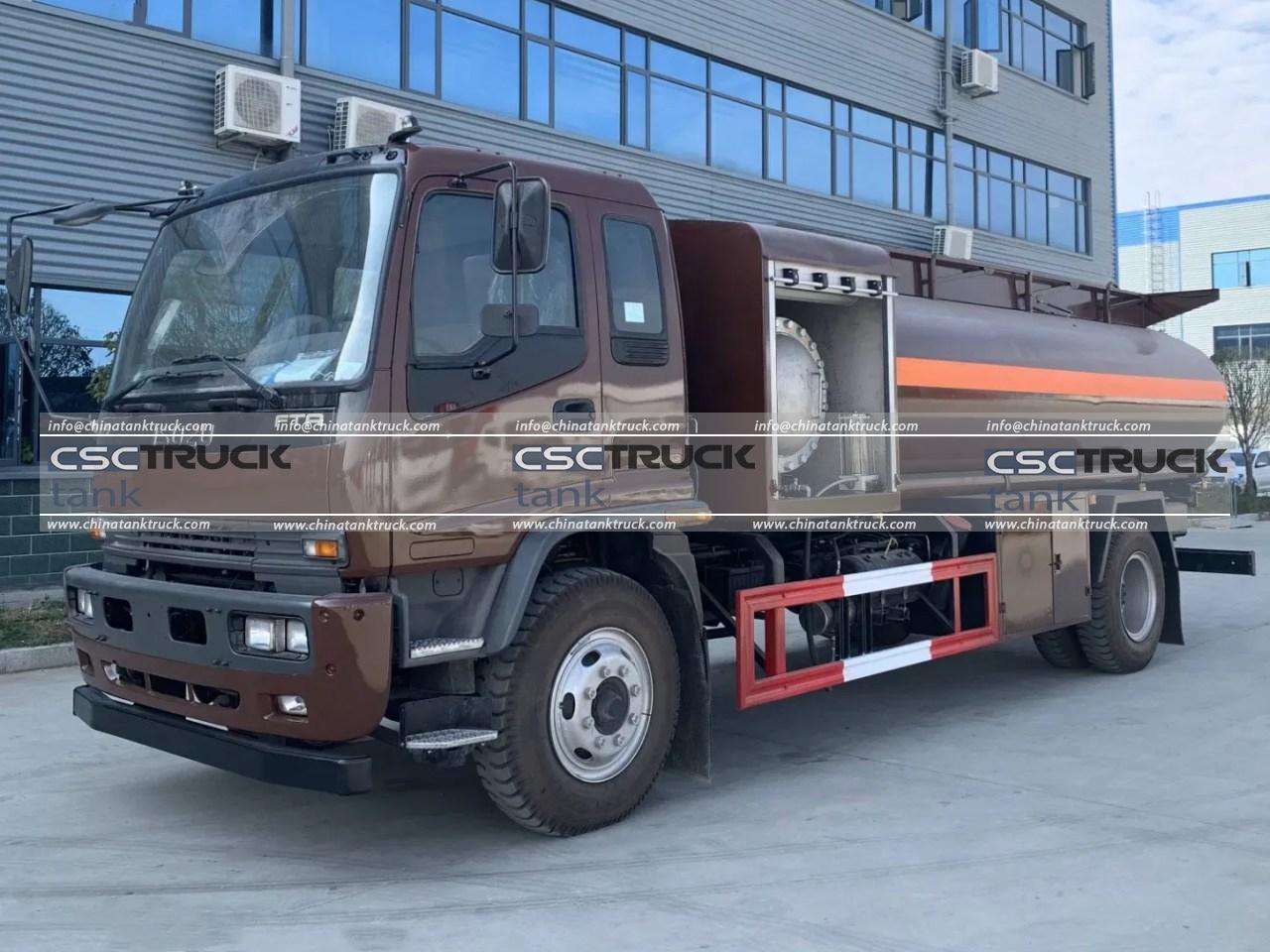
An aviation refueler is one of the most important ground support vehicles at airports, military bases, and aviation facilities. Unlike ordinary fuel tank trucks, aviation refuelers are specially designed to deliver aviation fuel safely, quickly, and accurately to aircraft. They must meet strict requirements for fuel cleanliness, operational reliability, flow efficiency, and safety protection.
Selecting the right aviation refueler requires careful consideration of many factors, including fuel capacity, chassis performance, refueling system configuration, safety equipment, maintenance requirements, and manufacturer experience.
CSCTRUCK China Tank Truck is a professional manufacturer specializing in tank trucks and special-purpose vehicles. With experience in producing fuel transportation vehicles and customized tanker solutions, CSCTRUCK China Tank Truck provides aviation refuelers designed for different airport applications, offering reliable performance, flexible configurations, and professional manufacturing support.
Before investing in an aviation refueler, buyers should understand the following ten key points to ensure they select the most suitable vehicle for their operations.
1. Determine the Required Fuel Capacity
The first factor to consider when buying an aviation refueler is tank capacity. Aviation refuelers are available in different sizes depending on airport requirements, aircraft types, and daily fueling volume.
Small airports or private aviation facilities may only require compact refuelers with capacities of several thousand liters, while international airports handling commercial aircraft often need large-capacity units ranging from 20,000 liters to more than 60,000 liters.
When selecting capacity, consider:
- Number of aircraft served daily
- Aircraft fuel tank size
- Average refueling frequency
- Available storage facilities
- Airport traffic volume
Choosing the correct capacity helps improve operational efficiency while avoiding unnecessary investment in an oversized vehicle.
2. Check Aircraft Compatibility
Different aircraft require different refueling systems and fuel delivery specifications. Before purchasing an aviation refueler, confirm that the truck is compatible with the aircraft models you plan to service.
Important compatibility factors include:
- Fuel type requirements
- Refueling pressure
- Flow rate
- Coupling standards
- Underwing or overwing refueling capability
For example, commercial passenger aircraft usually require high-flow pressure fueling systems, while smaller private aircraft may use simpler configurations.
A properly configured aviation refueler ensures faster fueling operations and reduces risks caused by incorrect equipment matching.
3. Understand the Refueling System Configuration
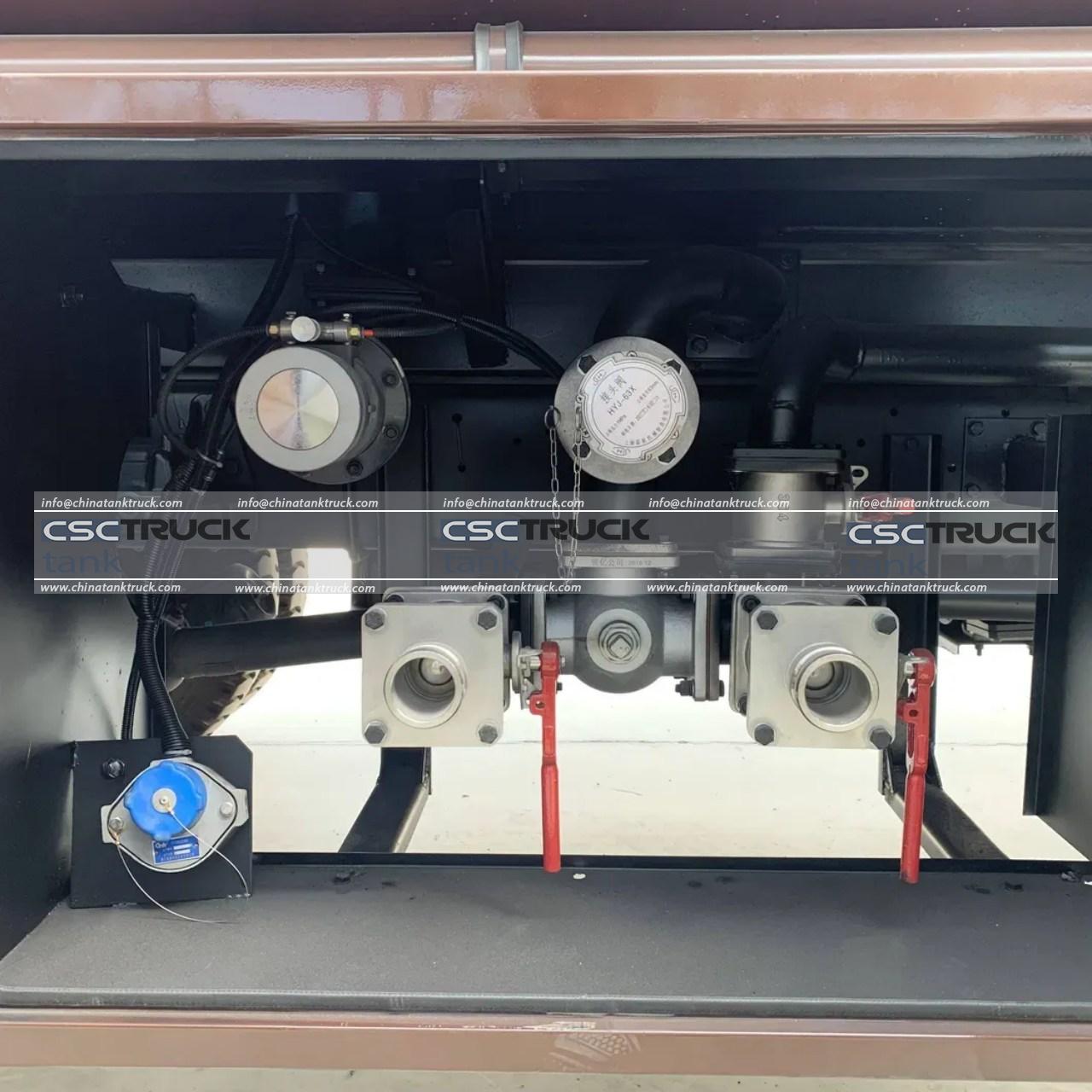
The refueling system is the core component of an aviation refueler. A high-quality system should provide stable fuel delivery, accurate measurement, and reliable filtration.
Key components include:
Fuel Pump
The pump determines fuel delivery speed and pressure. A powerful and reliable pump allows efficient aircraft servicing.
Flow Meter
A precise flow meter ensures accurate fuel measurement and helps operators monitor fuel delivery.
Filtration System
Aviation fuel must remain extremely clean. High-quality filters remove water and contaminants before fuel enters the aircraft.
Hoses and Reels
Durable hoses and efficient hose reels improve operator convenience and reduce maintenance problems.
Before purchasing, carefully review the specifications of every major component.
4. Select a Reliable Truck Chassis
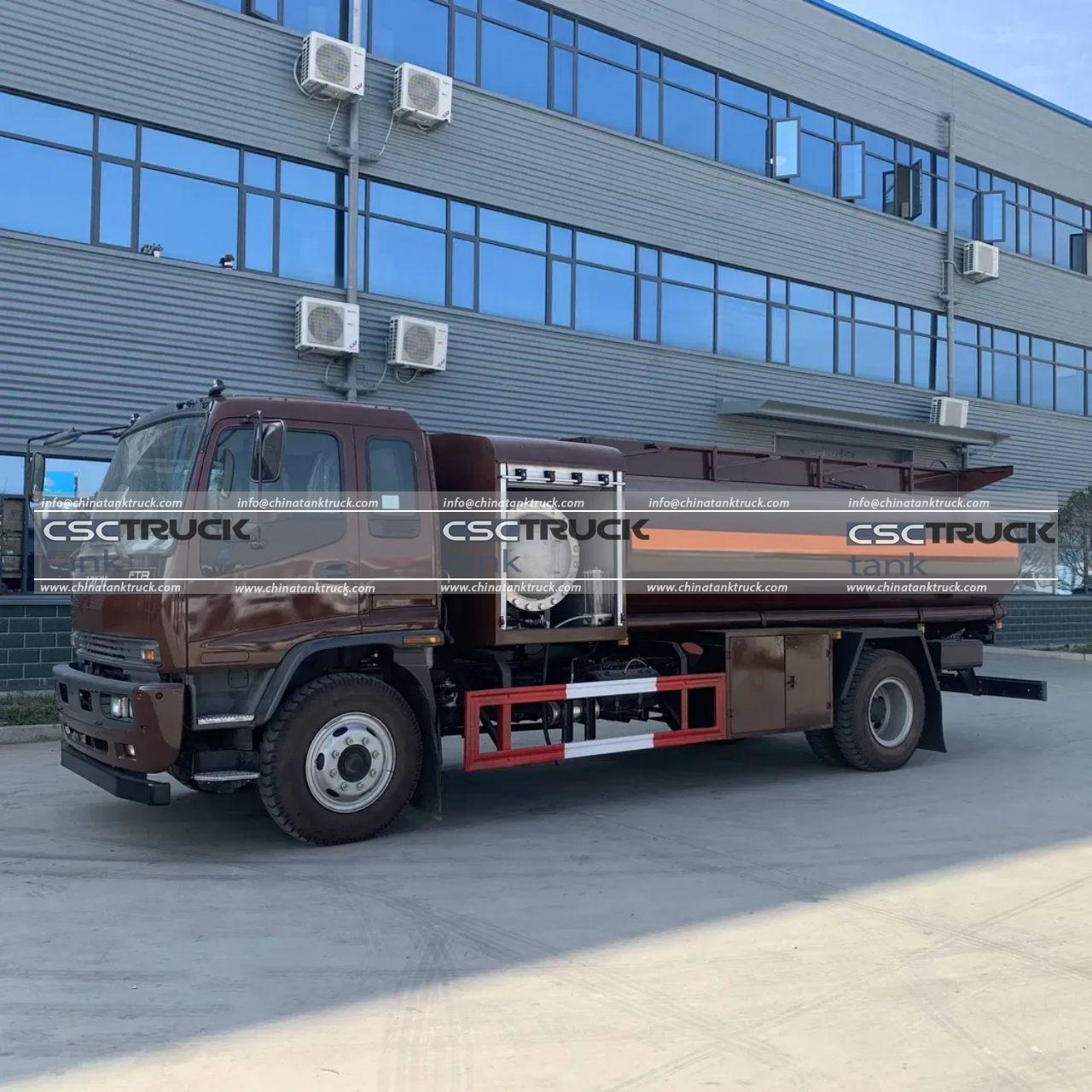
The chassis determines the mobility, durability, and operating cost of an aviation refueler.
Common chassis options include:
- HOWO
- SHACMAN
- MAN
- Mercedes-Benz
- Volvo
- Scania
The ideal chassis depends on:
- Airport road conditions
- Required payload capacity
- Climate conditions
- Maintenance availability
- Local service support
For airports with heavy daily operations, a powerful chassis with strong suspension, reliable braking systems, and excellent fuel economy can significantly reduce downtime.
5. Pay Attention to Safety Features
Safety is the most important consideration when purchasing an aviation refueler because aviation fuel is highly flammable.
A professional aviation refueler should include:
- Emergency shut-off system
- Static electricity grounding system
- Anti-overflow protection
- Fire extinguishing equipment
- Safety valves
- Pressure protection devices
- Explosion-proof electrical components
Operators should also check whether the vehicle complies with relevant airport safety standards and local regulations.
A well-designed safety system protects aircraft, personnel, and airport infrastructure.
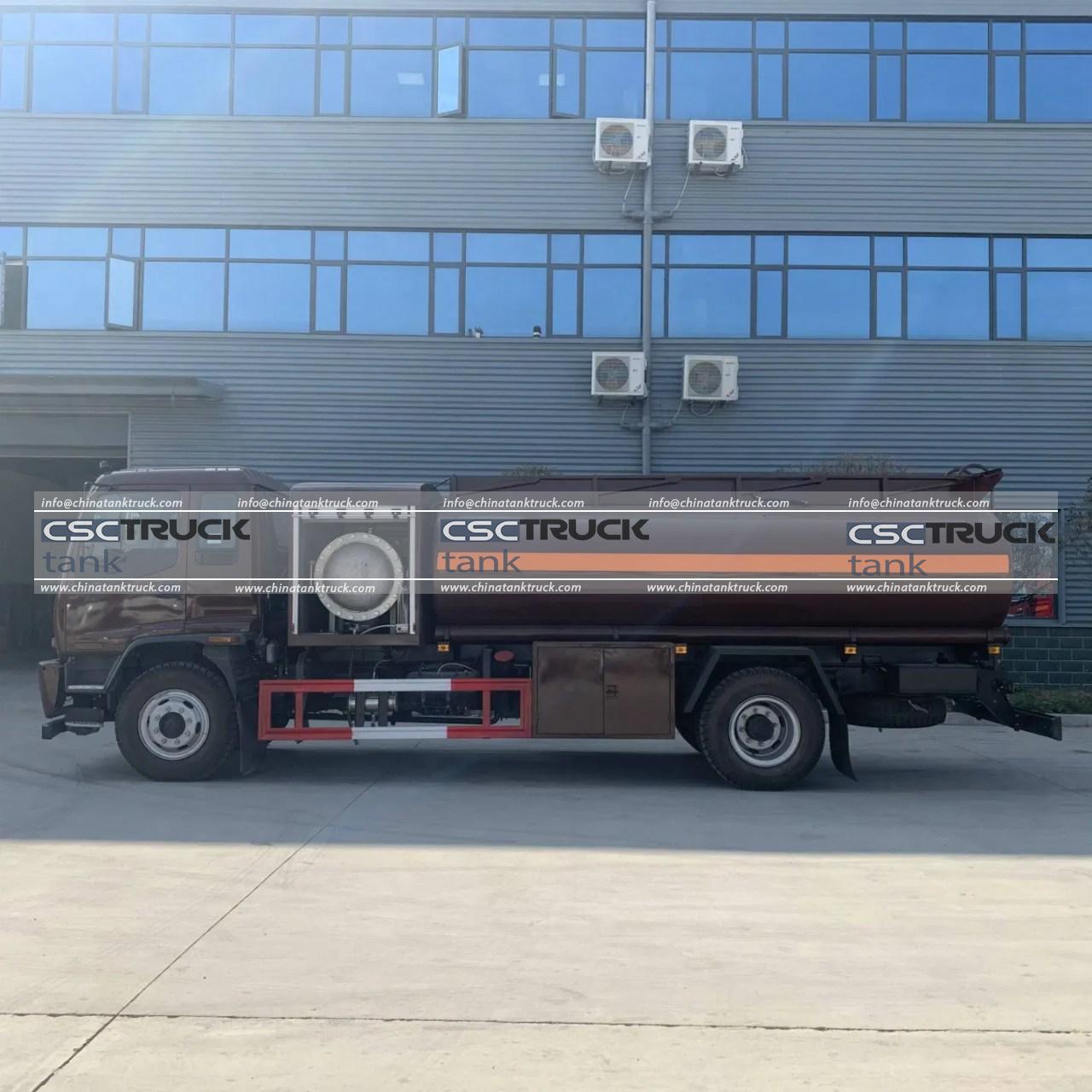
6. Consider Tank Material and Manufacturing Quality
The fuel tank structure directly affects durability and fuel safety.
Common tank materials include:
- Aluminum alloy
- Stainless steel
- Carbon steel with protective coating
Aluminum alloy tanks are widely used because they are lightweight and corrosion-resistant, helping reduce vehicle weight and improve fuel efficiency.
Manufacturing quality is equally important. Buyers should check:
- Welding quality
- Tank thickness
- Internal cleaning process
- Corrosion protection
- Pressure testing procedures
A poorly manufactured tank can create serious safety risks during long-term operation.
7. Evaluate Maintenance Requirements
An aviation refueler operates frequently, so easy maintenance is essential.
Before buying, ask the manufacturer about:
- Spare parts availability
- Maintenance intervals
- Technical support
- Warranty policies
- Training services
A vehicle with simple maintenance procedures can reduce operating costs and increase service availability.
Manufacturers with strong engineering teams and after-sales support can provide better long-term value.
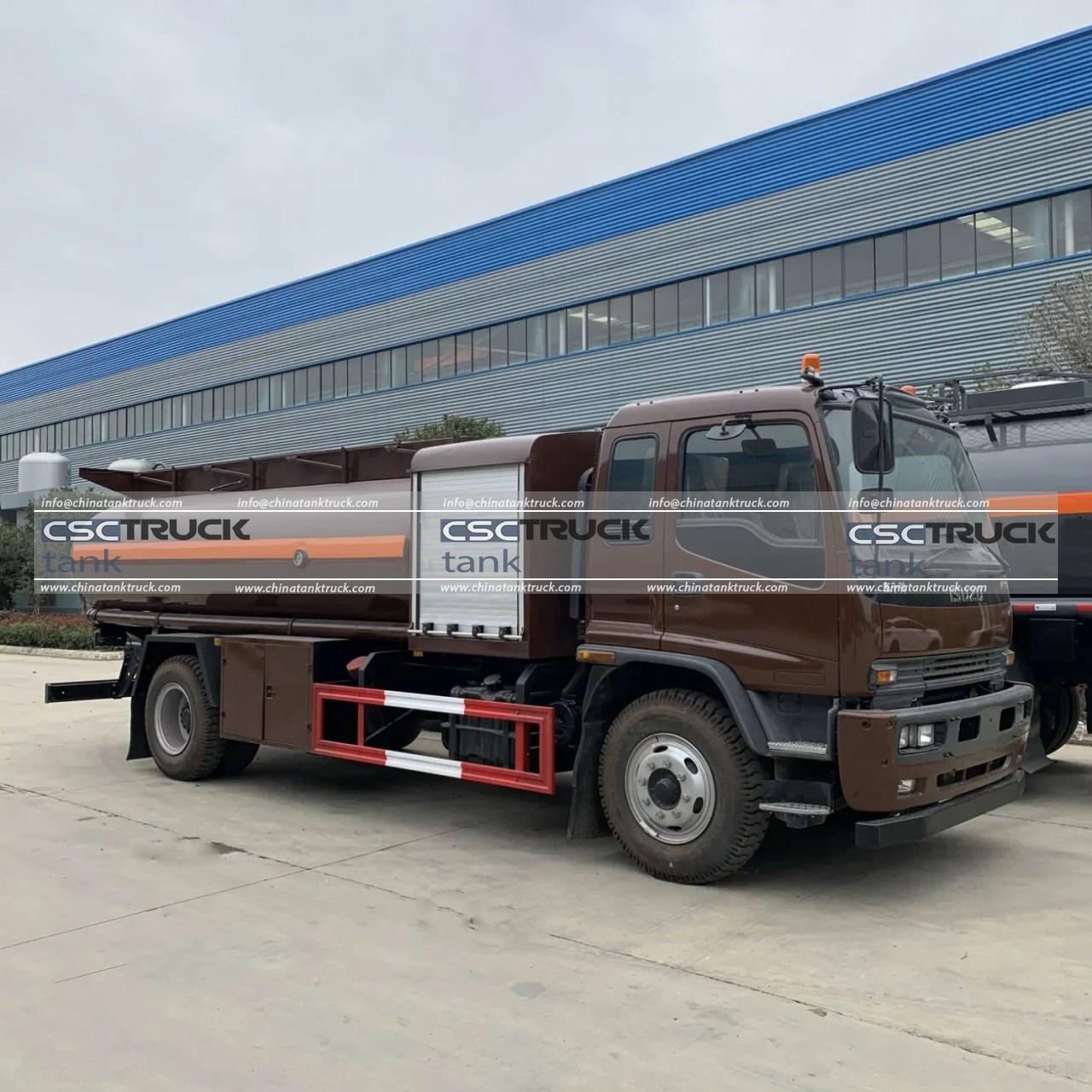
8. Consider Airport Operating Environment
Every airport has different working conditions. The right aviation refueler should match the local environment.
Consider:
Climate
Cold regions may require special systems for low-temperature operation, while hot climates require improved cooling and heat-resistant components.
Terrain
Airports with large areas may require vehicles with higher mobility and stronger chassis performance.
Regulations
Different countries may have specific requirements for fuel vehicles, emissions, and safety equipment.
A customized aviation refueler configuration is often the best solution for special operating environments.
9. Choose an Experienced Manufacturer
The manufacturer’s experience plays a major role in product quality and reliability.
A professional aviation refueler manufacturer should provide:
- Engineering design capability
- Quality control procedures
- Custom manufacturing
- Export experience
- Technical documentation
CSCTRUCK China Tank Truck has extensive experience in manufacturing specialized vehicles, including various tanker trucks and customized transportation solutions. The company focuses on quality control, engineering development, and international vehicle supply.
Working with an experienced supplier helps ensure better vehicle performance and smoother international delivery.
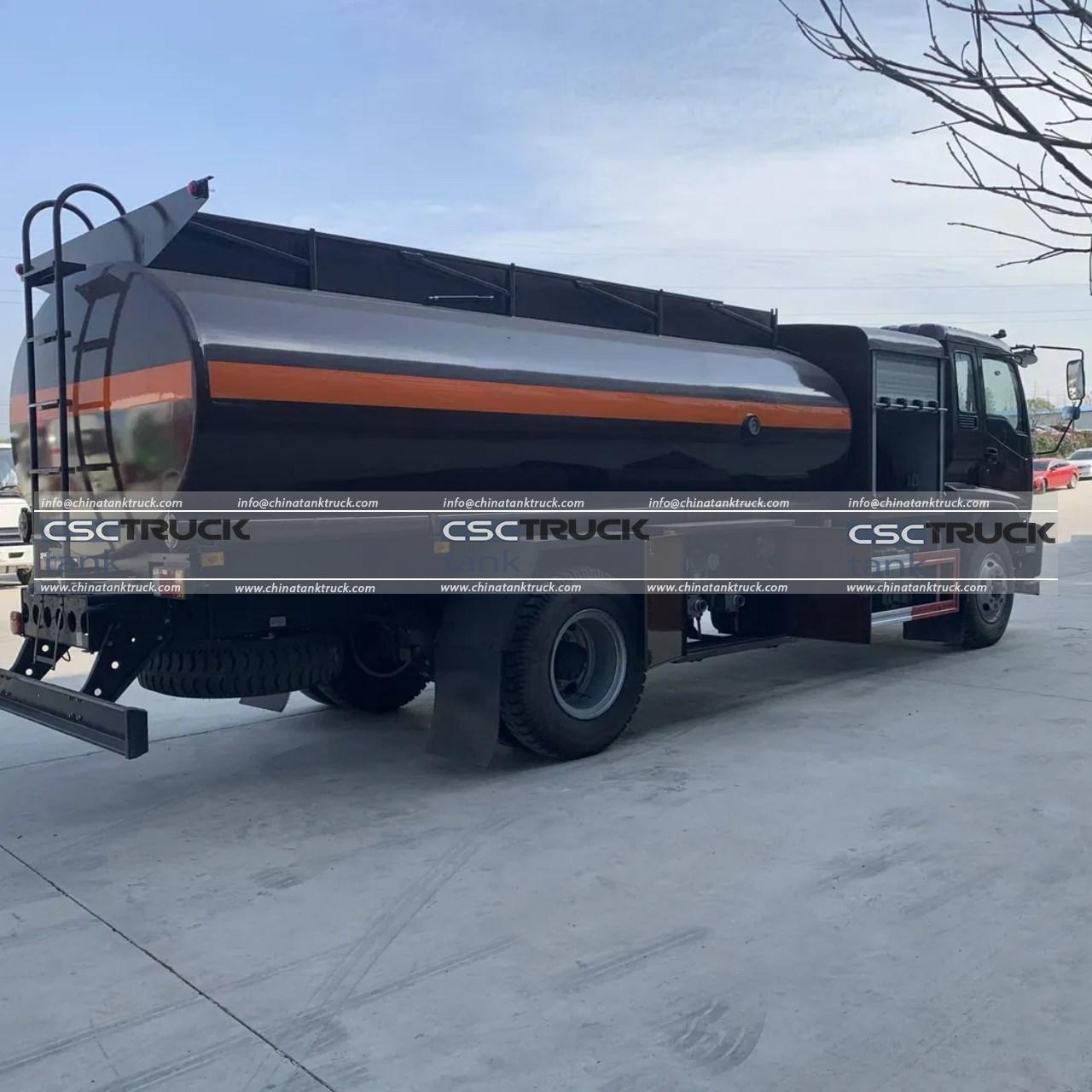
10. Compare Total Ownership Cost
The purchase price is only one part of the investment. Buyers should evaluate the total cost throughout the vehicle’s service life.
Important cost factors include:
- Initial purchase price
- Fuel consumption
- Maintenance expenses
- Spare parts cost
- Downtime losses
- Service life
A cheaper aviation refueler may create higher costs if it requires frequent repairs or has poor reliability.
A high-quality vehicle with efficient systems can provide better long-term economic benefits.
Conclusion
Buying an aviation refueler is a major investment that requires careful planning. The right vehicle should not only provide sufficient fuel capacity but also ensure safe operation, reliable performance, easy maintenance, and compatibility with airport requirements.
Before making a purchase decision, buyers should evaluate fuel capacity, aircraft compatibility, refueling equipment, chassis selection, safety systems, manufacturing quality, maintenance support, operating conditions, manufacturer experience, and total ownership costs.
By choosing a professional supplier such as CSCTRUCK China Tank Truck, customers can obtain customized aviation refueling solutions designed to meet different airport and aviation industry needs. With proper selection and configuration, an aviation refueler can deliver years of safe, efficient, and dependable service.