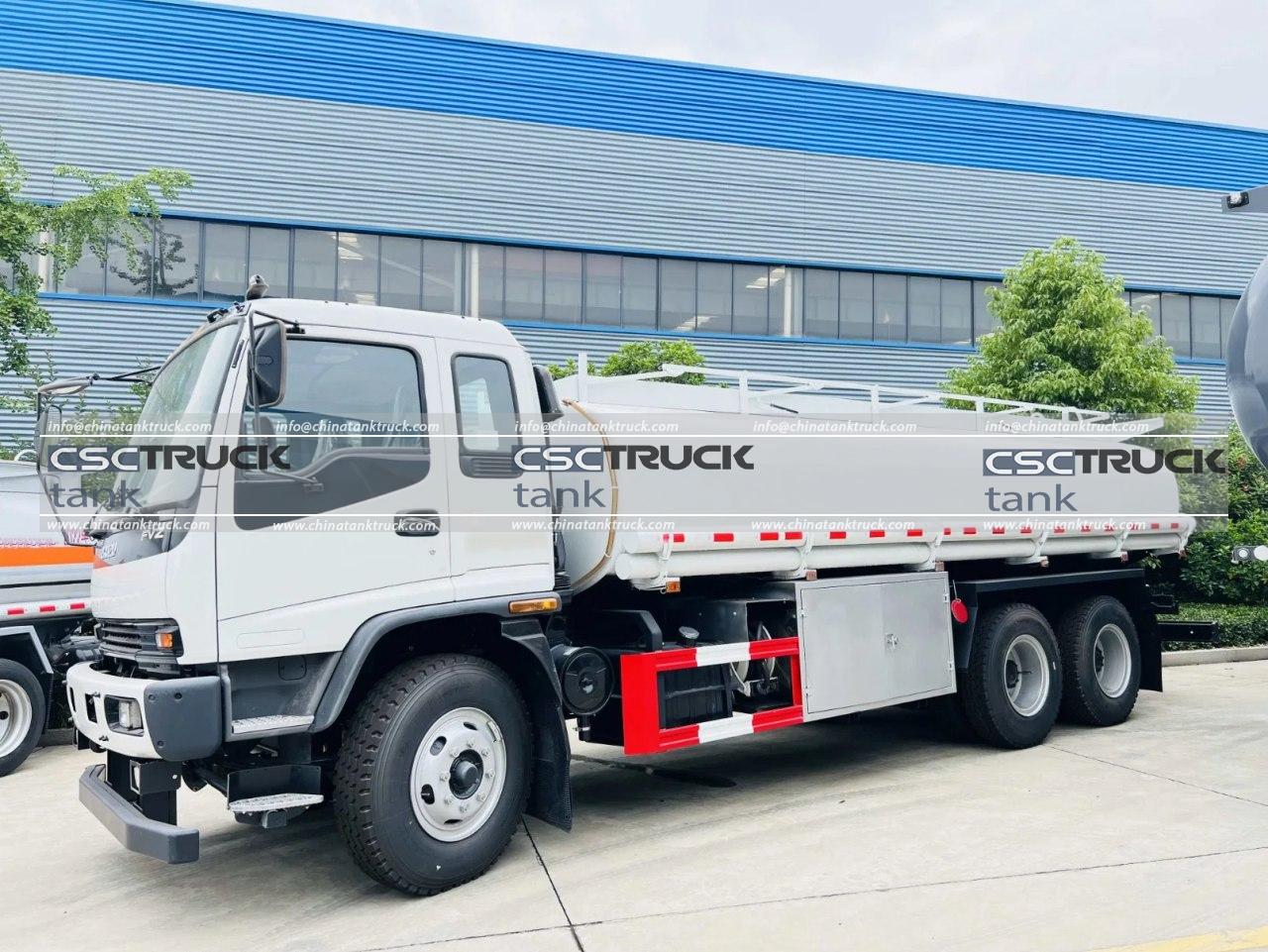

A milk tank truck is a specialized vehicle designed for the safe, hygienic, and temperature-controlled transport of raw or processed milk from dairy farms to processing plants, distribution centers, or retail outlets. Unlike standard liquid tankers, milk tank trucks are built with strict food-grade requirements, insulated tank bodies, and corrosion-resistant materials to ensure the milk remains fresh, uncontaminated, and at an optimal temperature during transit. As dairy supply chains demand rapid, clean, and efficient transportation, these vehicles play a crucial role in maintaining product quality from farm to table.
Milk is an extremely perishable commodity that can spoil quickly if exposed to heat, bacteria, or contaminants. Therefore, the design, operation, and maintenance of milk tank trucks must adhere to stringent sanitation and quality control standards. This article explains what milk tank trucks are, highlights their major applications in dairy logistics, and outlines the essential sanitary maintenance procedures needed to keep them operating safely and efficiently.
Meaning of a Milk Tank Truck
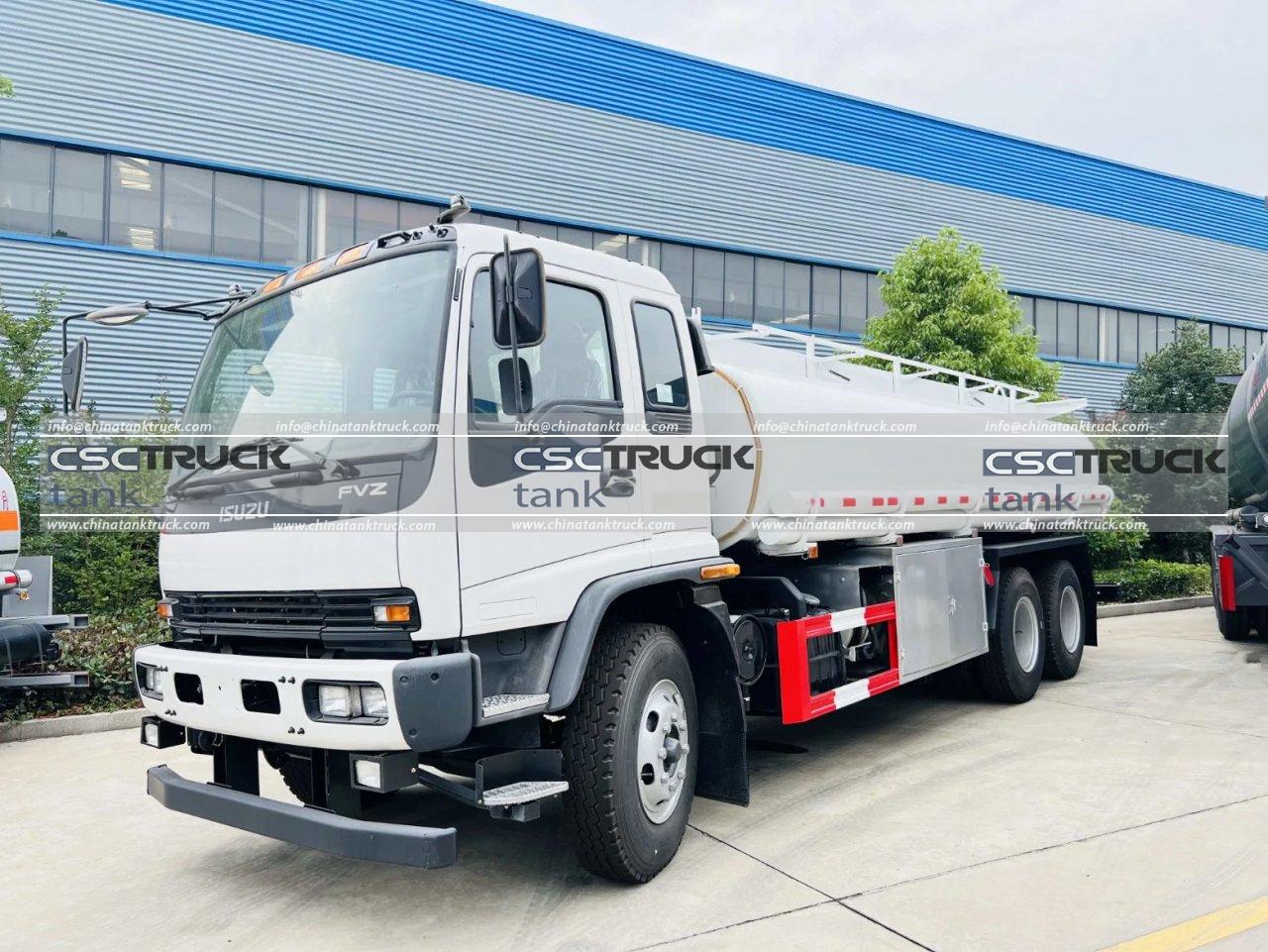
A milk tank truck, also known as a dairy tanker or milk tanker truck, is a road vehicle fitted with an insulated, stainless-steel tank specifically built for transporting milk in bulk. These tanks are usually cylindrical or elliptical in shape and mounted on a rigid truck chassis or semi-trailer frame. The tank is constructed from food-grade stainless steel (typically SS304 or SS316) to prevent corrosion, bacterial growth, and chemical reactions that could contaminate the milk.
Key features of milk tank trucks include:
- Insulated double-wall tank body to maintain low temperatures (typically below 4°C) without active cooling systems.
- Smooth interior surfaces with polished, food-grade finishing to prevent bacterial adhesion.
- Multiple independent compartments, allowing transport of different grades or batches of milk at once.
- CIP (Clean-in-Place) systems are equipped on many modern tankers for automatic sanitary cleaning.
- Temperature monitoring equipment to track milk conditions during transit.
- Stainless-steel piping and valves built for hygienic milk transfer during loading and unloading.
These design characteristics ensure that raw milk is preserved in its highest quality, meeting both food-safety standards and dairy industry regulations.
Dairy Transport Applications of Milk Tank Trucks
Milk tank trucks serve as essential links in the dairy supply chain, connecting farms, collection points, and processing facilities. Their applications span a wide range of operational needs:
1. Farm-to-plant milk collection
The most common application is collecting raw milk directly from dairy farms and delivering it to processing factories. Trucks may operate on fixed routes, stopping at multiple farms to gather milk from cooling tanks. Insulation ensures minimal temperature variations throughout the journey.
2. Transporting milk between processing facilities
Large dairy companies often have multiple plants specializing in particular product lines—cheese, yogurt, butter, UHT milk, and more. Milk tank trucks transport bulk milk or semi-processed dairy liquids between these sites, ensuring immediate transfer and maintaining freshness for further processing.
3. Distribution of processed liquid milk
Some milk tank trucks deliver pasteurized or standardized milk to dairies, packaging units, or commercial customers. These trucks require even stricter cleanliness because they handle product ready for human consumption.
4. Transporting specialty dairy liquids
Milk tank trucks are also used for hauling:
- Cream
- Skim milk
- Whey
- Buttermilk
- Concentrated milk mixtures
Multicompartment tanks allow these liquids to be transported simultaneously without mixing.
5. Long-distance bulk dairy transport
With insulated tanks, milk can be transported over several hours or even overnight without a significant temperature rise. This allows dairies to centralize processing operations and expand supply networks.
Sanitary Maintenance Procedures for Milk Tank Trucks
Proper sanitation is the most critical factor in milk tanker operation. Milk is highly sensitive to bacterial contamination, and even small hygiene failures can lead to spoilage, safety hazards, or regulatory violations. Therefore, milk tank trucks follow strict sanitary maintenance procedures before and after each trip.
Below are the essential sanitary maintenance steps:
1. Pre-Cleaning Preparation
Before sanitation begins, the tanker should undergo:
- Complete drainage of milk residues from the tank, valves, hoses, and pump.
- Visual inspection for cracks, dents, residues, or faulty fittings.
- Removal of detachable components such as end caps, gaskets, and screens for individual cleaning.
Preparation ensures no hidden residues compromise cleaning effectiveness.
2. Clean-in-Place (CIP) System Cleaning
Most modern milk tank trucks use automated CIP systems, which clean the interior surfaces without manual entry. A typical CIP cycle includes:
a. Pre-rinse
- Warm water (35–45°C) flushes out remaining milk residue.
- Removes up to 90% of organic material.
b. Alkaline wash
- Hot caustic solution (70–80°C) circulates for 10–20 minutes.
- Breaks down fats, proteins, and organic films.
c. Intermediate rinse
- Cold or warm water removes chemical residues before acid cleaning.
d. Acid wash
- Acid solution removes mineral deposits (milkstone).
- Restores smooth interior surfaces.
e. Final rinse
- Clean potable water ensures the complete removal of chemicals.
f. Sanitizing step
- Chemical sanitizers (like chlorine dioxide or peracetic acid) or hot water at 85–90°C may be used before loading.
CIP systems ensure consistent, repeatable, and verifiable sanitation cycles.
3. Manual Cleaning (when required)
Manual cleaning is necessary when:
- Tanks lack CIP systems.
- Heavy residue buildup occurs.
- Inspections detect unclean areas.
Procedures include:
- Scrubbing interior surfaces with food-grade brushes.
- Cleaning piping, hoses, and valves separately.
- Ensuring no abrasive materials are used to avoid damaging stainless-steel surfaces.
4. External Tank and Equipment Cleaning
Hygiene also extends beyond the internal tank. Drivers and operators should:
- Wash the tank’s exterior to remove dirt, mud, and road contaminants.
- Clean the pump housing, hose reels, loading ports, and manhole covers.
- Sanitize protective clothing and handling gear.
Maintaining the entire vehicle promotes overall food-safety compliance.
5. Regular Maintenance of Fittings and Components
Key components that require routine inspection and servicing include:
- Valves and gaskets (to prevent leaks and bacterial traps)
- Manhole seals
- Pumps and flow meters
- Temperature monitoring devices
- Insulation layers, which may degrade over time
All parts must be kept in optimal condition to guarantee both cleanliness and transport safety.
6. Documentation and Compliance
Milk tank truck operators must follow:
- HACCP (Hazard Analysis and Critical Control Points) systems
- Dairy sanitation regulations
- Vehicle cleaning logs
- Milk sampling and temperature records
Accurate documentation is essential for traceability and quality assurance in the dairy industry.
Conclusion
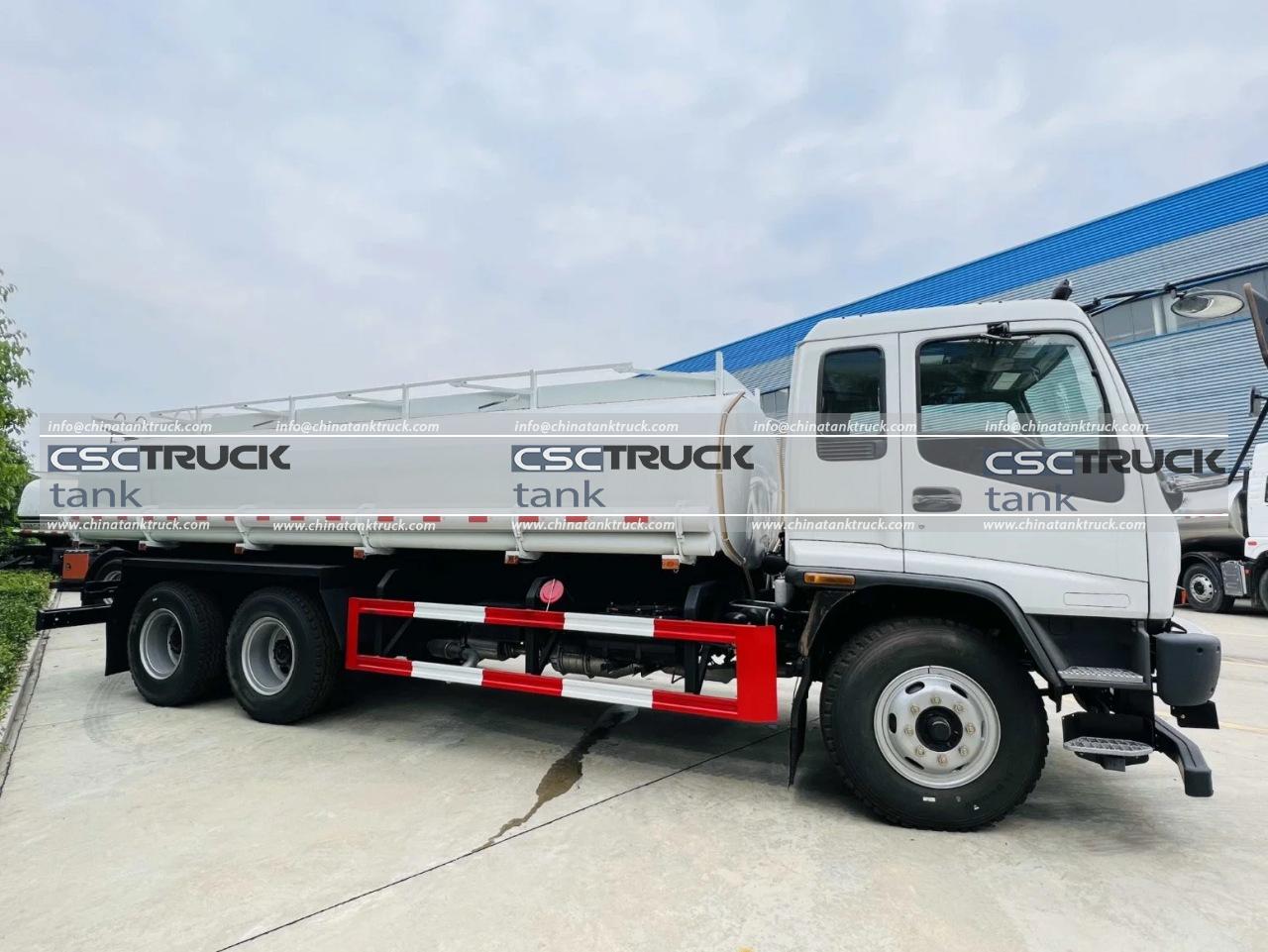
A milk tank truck is a highly specialized food-grade transport vehicle essential to the dairy supply chain. Built with stainless steel tanks, superior insulation, and hygienic design features, these trucks ensure that raw and processed milk reaches its destination fresh, safe, and contamination-free. Their applications include farm collection, inter-plant transport, long-distance hauling, and delivery of multiple dairy liquids.
To uphold the strict quality requirements of the dairy sector, sanitary maintenance procedures are indispensable. From CIP cleaning cycles and manual wash processes to equipment inspections and regulatory compliance, every step ensures that the milk tank truck remains in peak operating condition. Ultimately, these vehicles help preserve the integrity of dairy products and support consistent, reliable delivery from farms to consumers.