
The seamless supply of Liquefied Petroleum Gas (LPG), predominantly propane, to homes, businesses, and industrial sites relies on a specialized, highly regulated, and indispensable vehicle: the propane tank truck. These mobile pressure vessels are the crucial link between bulk storage facilities and the end-user, playing a vital role in the global energy infrastructure. The transportation of a volatile, highly flammable substance like propane demands not only robust engineering but also rigorous maintenance protocols and specialized operational practices to ensure safety and efficiency at every turn.
⛽ Defining the Propane Tank Truck
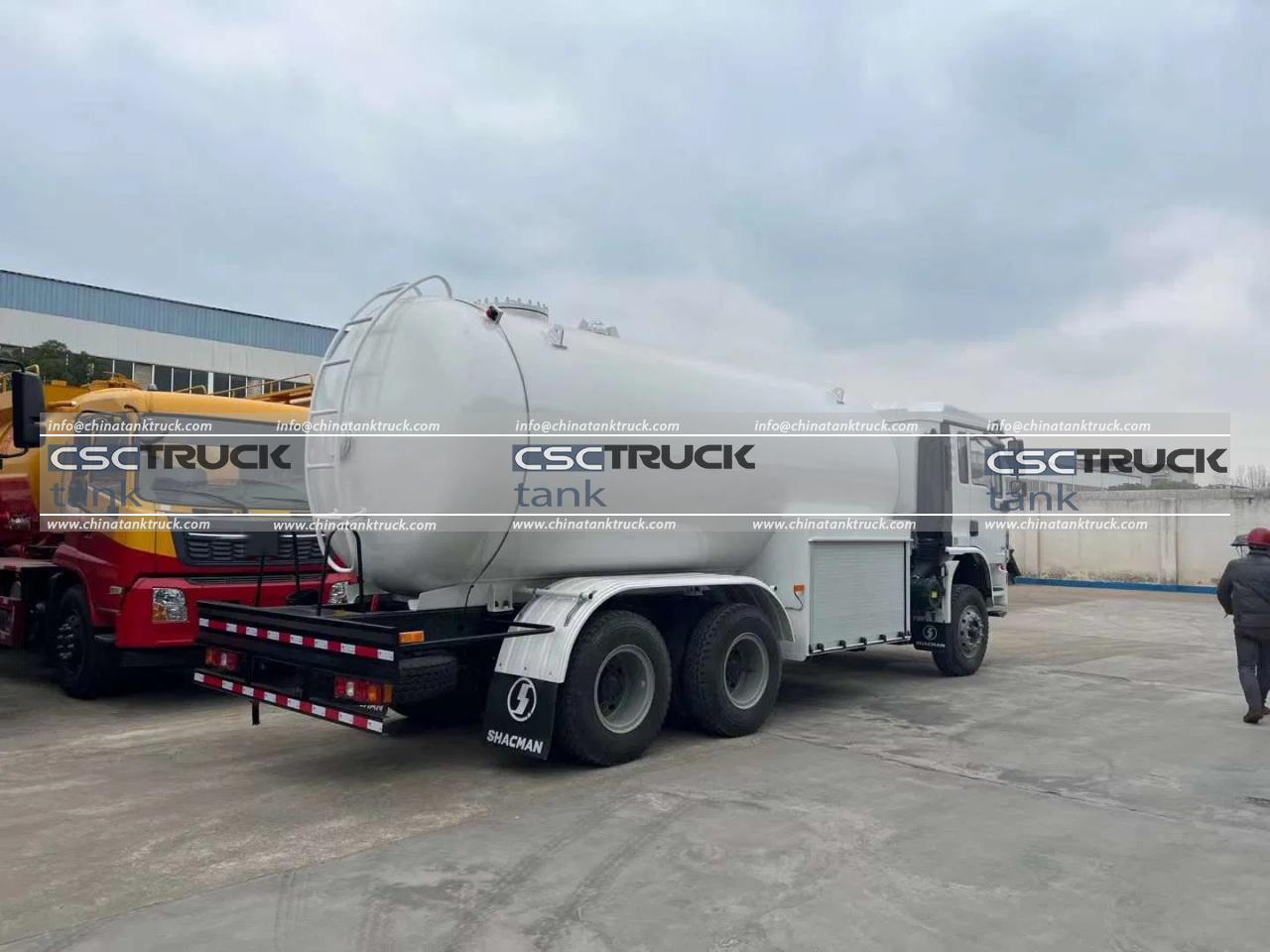
A propane tank truck, often simply called an LPG truck or a tanker truck, is a specialized commercial vehicle designed for the safe and efficient transportation of liquefied petroleum gas. The key feature of this vehicle is the pressure vessel—a large, cylindrical tank mounted onto a truck chassis.
Key Design and Engineering
The design of a propane tank is governed by strict international and national standards, such as those set by the American Society of Mechanical Engineers (ASME) in the United States or various European Directives (e.g., ADR, EN12493).
-
Pressure Vessel (Tank): The tank itself is the heart of the vehicle, constructed from high-strength carbon steel or stainless steel to withstand the high internal pressures required to keep propane in a liquid state (typically between 1.6 to 2.5 MPa or 16 to 25 bar). Propane is stored as a liquid to maximize the amount of energy transported.
-
Valves and Piping: An array of complex valves is integral to safe operation. These include:
-
Pressure Relief Valves: Essential safety devices that automatically vent excess pressure to prevent tank rupture in high-temperature conditions.
-
Emergency Shut-off Valves: Used for rapid isolation of the tank and delivery system in case of an emergency.
-
Fill and Discharge Valves: Dedicated connections for loading and unloading the product
-
-
Transfer System: Most delivery trucks are equipped with a powerful pump or compressor system, often driven by a hydraulic motor or the truck’s Power Take-Off (PTO), to facilitate the quick and safe transfer of liquid propane into customer storage tanks.
-
Metering System: For accurate billing, delivery trucks (especially smaller ones) include a flow meter to precisely measure the volume of LPG dispensed.
Types of Propane Tank Trucks
Propane trucks come in several configurations tailored to different distribution needs:
-
Bobtail Trucks: These are the most common type for local delivery. They are smaller, rigid trucks with the tank mounted directly on a short wheelbase chassis. Their capacity typically ranges from 1,000 to 5,000 gallons. Their maneuverability makes them ideal for navigating residential streets and accessing small business or residential customer sites.
-
Transport/Bulk Tank Trucks: These are much larger tractor-trailer combinations used for bulk hauling—moving large volumes of propane from refineries or major storage terminals to regional distribution depots, or supplying major industrial customers. Their capacity can be significantly higher, often exceeding 10,000 gallons.
-
Specialty Dispenser Trucks: These vehicles are sometimes fitted with dispensing systems, similar to a gas station pump, specifically for refueling autogas (LPG-powered) vehicles, such as commercial fleets, taxis, and forklifts.

🏘️ LPG Distribution Uses
Propane tank trucks are the indispensable delivery mechanism for Liquefied Petroleum Gas, an incredibly versatile energy source with applications across multiple sectors.
Residential and Commercial Heating
The most recognized use for propane is as a fuel for heating. In rural areas or places without access to natural gas pipelines, propane is the primary source for heating homes, providing hot water, and running appliances. Propane trucks deliver directly to permanent residential storage tanks. Similarly, commercial entities like restaurants, hotels, and laundromats rely on bulk propane for cooking, heating, and other utility needs.
Industrial Applications
In the industrial sector, LPG serves as a clean, efficient fuel for a variety of high-demand processes:
-
Manufacturing: Fueling industrial ovens, kilns, and boilers.
-
Construction: Providing temporary heat for construction sites or curing materials.
-
Forklifts: Propane is a popular, low-emission fuel for indoor and outdoor forklifts, as it burns cleaner than gasoline and diesel.
Agricultural Sector
The agricultural industry depends heavily on propane for key operations:
-
Crop Drying: Propane burners are essential for rapidly and efficiently drying harvested grains and crops to prevent spoilage.
-
Greenhouse Heating: Maintaining precise temperatures in greenhouses, especially during colder months.
-
Livestock Heating: Providing heat for poultry and swine housing.
Automotive Fuel (Autogas)
As a cleaner-burning alternative to gasoline, propane is widely used as an automotive fuel, known as autogas. Propane trucks ensure a consistent supply to fleets and public autogas stations, contributing to reduced carbon emissions.
🛠️ Key Maintenance Procedures for Propane Tank Trucks
Due to the hazardous nature of the cargo (a pressurized, flammable gas), propane tank trucks are subject to stringent federal and industry maintenance and inspection requirements. A comprehensive maintenance program is critical to preventing leaks, ensuring operational efficiency, and, above all, maximizing public safety.
1. Tank and Pressure System Integrity Checks
The integrity of the high-pressure tank and its related components is paramount.
-
Periodic Internal and External Inspections: Tanks must undergo mandatory internal and external inspections at set intervals, often every 5 to 10 years, as required by regulatory bodies like the Department of Transportation (DOT). This includes visual inspection for corrosion, dents, or structural damage.
-
Hydrostatic Testing: Periodically, the tank is subjected to a hydrostatic test, where it is filled with water and pressurized beyond its maximum working pressure to confirm its structural soundness and ensure it can safely handle its rated pressure.
-
Relief Valve Testing/Replacement: The pressure relief valves must be regularly inspected and tested to ensure they actuate precisely at their designated pressure setting. Malfunctioning relief valves are a critical safety risk.
2. Piping, Hoses, and Component Inspection
The components that handle the transfer of propane require constant vigilance.
-
Hose Inspection: Delivery hoses are subjected to high pressure and repeated use. They must be inspected daily for cuts, abrasions, bulges, and coupling integrity. Hoses have mandatory replacement dates and must be taken out of service when they expire or are damaged.
-
Valve Functionality: All manual and pneumatic valves, including the emergency shut-off systems, must be checked regularly for proper operation, smooth action, and freedom from leaks. Leak testing using a specialized solution is a routine requirement.
-
Pump and Meter Calibration: The propane pump must be inspected for leaks and operational efficiency. The flow meter must be regularly calibrated to ensure the precise volume of gas is being delivered, which is essential for accurate billing and regulatory compliance.
3. Chassis and Safety Equipment
A safe delivery operation starts with a well-maintained truck chassis and emergency gear.
-
Brakes, Tires, and Suspension: Propane trucks are heavy-duty vehicles, and their braking systems, tires, and suspension must be in peak condition to handle the weight and ensure safe stopping and handling.
-
Emergency Devices: All safety and emergency equipment must be accessible and functional. This includes:
-
Fire Extinguishers: Checked for proper charge and condition.
-
First-Aid Kits and Spill Kits: Fully stocked and readily available.
-
Emergency Shutoff Switches: Tested to confirm they instantly activate the safety systems.
-
-
Corrosion Control: Given the exposure to road salt and harsh weather, the chassis, frame, and tank exterior must be monitored for corrosion. Proper anti-corrosion coatings and regular cleaning are essential to extend the vehicle’s lifespan and safety.
Propane tank trucks are much more than just transport vehicles; they are sophisticated, high-pressure systems engineered for the safe delivery of a critical energy source. Their successful operation—and the reliable distribution of LPG—hinges entirely on adhering to strict regulatory standards and implementing comprehensive, preventative maintenance programs. This dedication to safety and meticulous upkeep is what secures the energy supply for millions of consumers worldwide.
