
⛽ LNG Skid Station: Meaning, Fueling Applications, and Operation & Maintenance Tips
The global shift towards cleaner energy sources has propelled Liquefied Natural Gas (LNG) into the spotlight as a viable alternative to traditional fossil fuels. LNG, which is natural gas cooled to about -162℃(-260℉) and stored as a cryogenic liquid, occupies only about 1/600th of the volume of natural gas in its gaseous state. This makes it significantly easier and more cost-effective to transport and store large quantities.
At the forefront of making this fuel accessible for transportation and industrial use is the LNG Skid Station. These compact, modular refueling units are crucial components in the expanding LNG supply chain, facilitating its use across various sectors and supporting a lower-emission future.
🏗️ What is an LNG Skid Station?
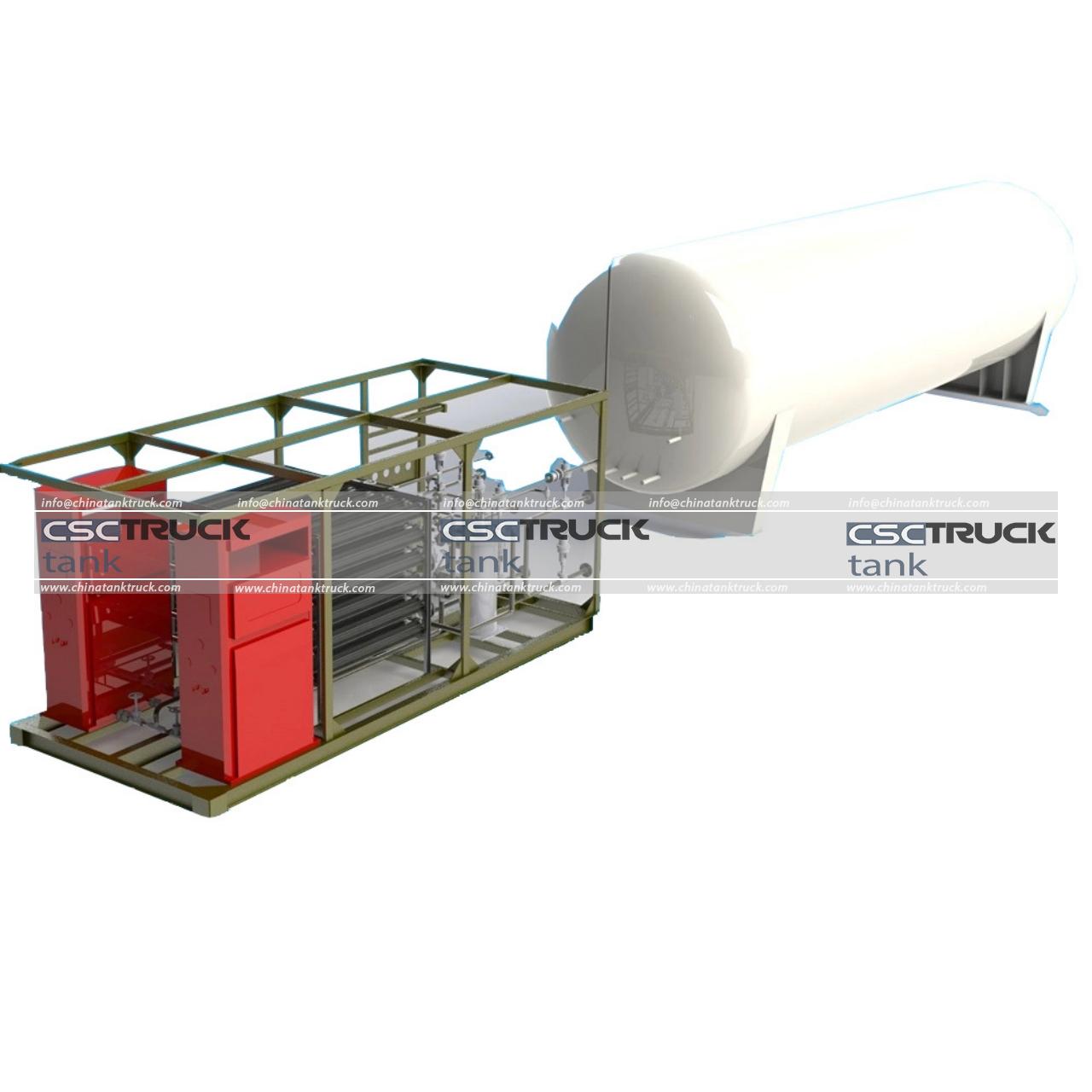
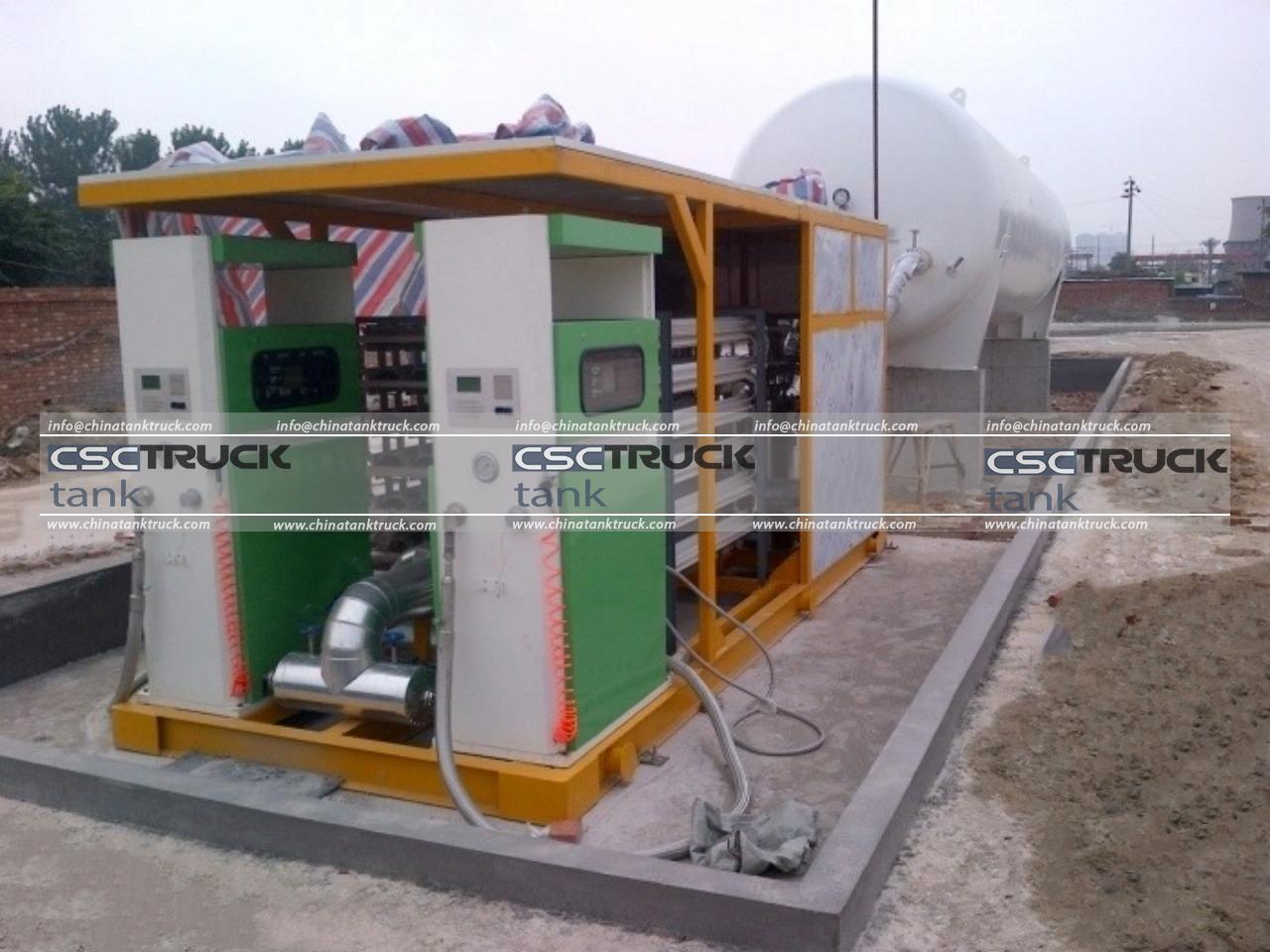
An LNG Skid Station is a complete, modular, and self-contained unit designed for the storage, dispensing, and sometimes, the vaporization of Liquefied Natural Gas. The term “skid” refers to the fact that all necessary components—including the cryogenic storage tank, piping, pumps (often for high-pressure applications), vaporizers, flow meters, and control systems—are mounted onto a single, movable steel frame or platform.
Key Characteristics of a Skid Station
-
Portability and Modularity: Since the entire system is mounted on a skid, it can be manufactured off-site and easily transported and deployed at different locations. This plug-and-play design significantly reduces installation time and civil works on-site.
-
Compact Footprint: Skid stations are engineered to minimize space, making them ideal for locations with limited real estate, such as existing fleet depots or smaller industrial sites.
-
Safety Integration: Given the cryogenic and volatile nature of LNG, these stations are built with robust safety features, including comprehensive insulation, pressure relief systems, emergency shut-down (ESD) systems, and gas/flame detection equipment, all designed to meet stringent international safety codes.
-
Scalability: While smaller than full-scale LNG plants, skid stations can be designed in various capacities to meet different fueling demands, offering a flexible solution for growing energy needs.
🚚 LNG Fueling Applications
The LNG skid station’s mobility and efficiency have made it a cornerstone in the rapid development of LNG as a transport and industrial fuel. Its applications primarily revolve around heavy-duty and long-haul operations where energy density is crucial.
1. Road Transportation (Heavy-Duty Vehicles – HDVs)
This is perhaps the most prominent application. Long-haul trucks, which consume vast amounts of fuel and are major contributors to road emissions, are increasingly transitioning to LNG. LNG skid stations serve as public or private fleet refueling depots along major transport corridors.
-
Logistics Fleets: Companies operating large fleets of transport vehicles utilize on-site skid stations for efficient and cost-effective refueling, enabling them to meet environmental mandates and reduce operating costs.
-
Cryogenic Pumps: Stations serving HDVs often incorporate high-pressure cryogenic pumps to dispense the fuel quickly and meet the pressure requirements of the vehicle’s onboard LNG tanks.
2. Marine Bunkering
LNG is a key transition fuel for the maritime industry, helping ships meet stricter emissions regulations (like IMO 2020). LNG skid stations can be used in ports or terminals to provide ship-to-shore or truck-to-ship LNG bunkering.
-
Coastal and Inland Vessels: Smaller-scale, mobile LNG skids can be loaded onto barges or trucks to service vessels, offering flexible bunkering options without the need for large, fixed bunkering infrastructure.
3. Industrial and Remote Power Generation
In regions lacking pipeline infrastructure, or for sites requiring a reliable, non-interruptible energy supply, an LNG skid station can provide a temporary or permanent fuel source.
-
Peak Shaving and Distributed Power: The LNG is stored, and a regasification unit (often part of the skid or a separate module) converts the liquid back into natural gas for use in power generators or industrial processes (e.g., heating, boilers).
-
Temporary Construction/Mining Sites: The portable nature of the skid allows it to be moved to remote industrial sites, offering a cleaner fuel source than diesel.
🛠️ Operation & Maintenance Tips for LNG Skid Stations
Operating and maintaining an LNG skid station is a specialized task that demands strict adherence to safety protocols due to the cryogenic temperatures and inherent flammability of methane. Effective maintenance is vital for ensuring reliability, safety, and regulatory compliance.
Operation Best Practices
-
Strict Safety Protocols: All personnel must be trained in cryogenic handling, fire suppression, and emergency procedures. Personal Protective Equipment (PPE), including cryogenic gloves and face shields, must be mandatory during any fueling or maintenance operation.
-
Pressure and Temperature Monitoring: Continuous, real-time monitoring of the storage tank’s internal pressure and temperature is essential. LNG will naturally warm up and vaporize, causing pressure to increase (Boil-Off Gas – BOG). Operators must manage BOG using pressure-building circuits or vaporizers to maintain optimal operating pressure.
-
Hose and Coupling Checks: Before every refueling cycle, inspect the flexible cryogenic hoses and couplings for any wear, damage, or contamination to prevent leaks during transfer.
-
Emergency System Checks: Regularly test the Emergency Shut-Down (ESD) system, gas detectors, and fire suppression systems to ensure they are fully functional and can isolate the fuel supply immediately in an emergency.
Essential Maintenance Tips
A well-balanced maintenance program for an LNG skid station should primarily focus on preventive and predictive maintenance to maximize uptime and safety.
| Component Category | Preventive Maintenance Task | Frequency |
| Storage Tank & Insulation | Visual Inspection of the tank shell, vacuum jacket, external coatings, and foundations for ice build-up, cracks, or corrosion. Verify the integrity of the Super-Insulation (vacuum). | Quarterly/Annually |
| Cryogenic Pumps & Compressors | Vibration and Thermal Monitoring (Predictive Maintenance) to detect bearing wear or misalignment. Check seals and lubricating oil levels. Functional Tests of the cryogenic pump. | Monthly/Biannually |
| Piping, Valves, and Fittings | Tightness Testing of all liquid and gas phase piping, especially at operating pressure. Check for leaks using a gas detector or soapy solution (never on cold lines). Actuator Testing for motorized valves. | Quarterly |
| Instrumentation & Controls | Calibration of all pressure gauges, temperature sensors, and flow meters to ensure dispensing accuracy and safety compliance. Verification of SCADA/PLC system logic. | Annually |
| Safety Systems (ESD, Detectors) | Functional Testing of gas detectors (methane), flame detectors, and the main ESD button/logic to ensure rapid, fail-safe shutdown. Alarm Management checks. | Monthly |
The Importance of Cryogenic Integrity
The most critical maintenance aspect is preserving the cryogenic integrity of the system. The double-walled, vacuum-insulated design of the storage tank and piping is what keeps the LNG liquid. Any breach in the vacuum or degradation of the insulation will lead to excessive boil-off, product loss, and unsafe surface temperatures. Regular vacuum checks are paramount.
Documentation and Compliance
Maintaining detailed logs of all operational checks, refueling events, maintenance actions, and safety training is not just a best practice—it is a regulatory requirement. Compliance with standards like NFPA 59A (Standard for the Production, Storage, and Handling of Liquefied Natural Gas) is essential for the safe and legal operation of the station.
📈 Conclusion
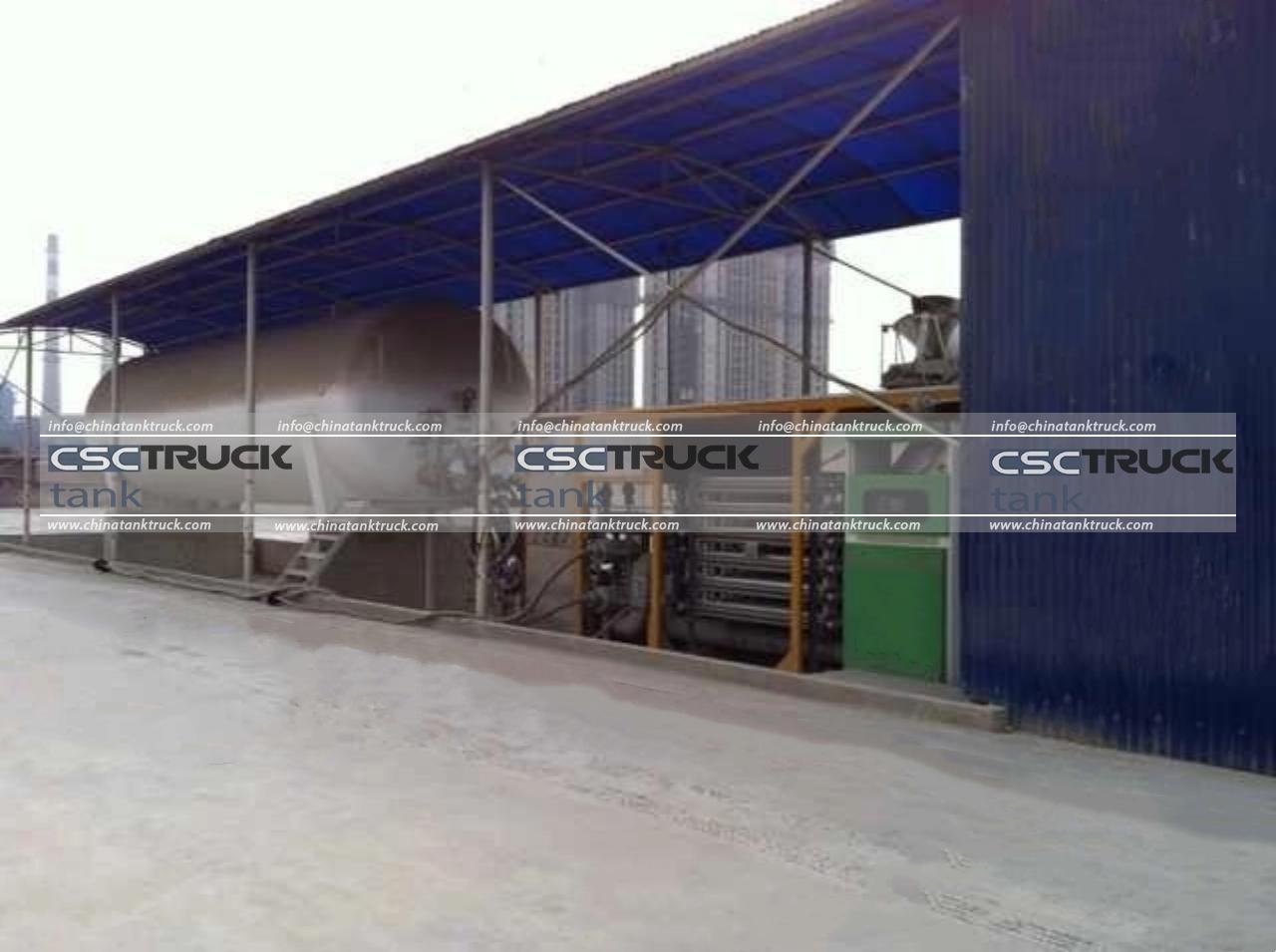
The LNG skid station represents a nimble and effective solution for decentralizing the distribution of Liquefied Natural Gas. By providing a safe, modular, and reliable means of storing and dispensing this cleaner-burning fuel, these stations are pivotal in expanding the use of LNG across the heavy-duty transport and industrial sectors. With continued focus on rigorous operation, proactive maintenance, and unwavering safety compliance, LNG skid stations will play an increasingly vital role in supporting the world’s transition to lower-carbon energy networks.