Milk is one of the most temperature-sensitive products in the food supply chain. From the dairy farm to the processing plant, it must be collected, transported, and handled under hygienic conditions while maintaining appropriate temperature control. For businesses planning dairy transportation, 2 common options may appear suitable: a milk tank truck and a refrigerated truck.
However, these vehicles are designed for different transportation tasks. A milk tank truck is specifically engineered to transport liquid milk in a sanitary tank, while a refrigerated truck normally transports packaged or boxed dairy products inside a temperature-controlled cargo body.
So, which is better for transporting milk? In most cases, a milk tank truck is the better choice for bulk raw milk transportation, while a refrigerated truck is more suitable for packaged milk and other finished dairy products.
What Is a Milk Tank Truck?
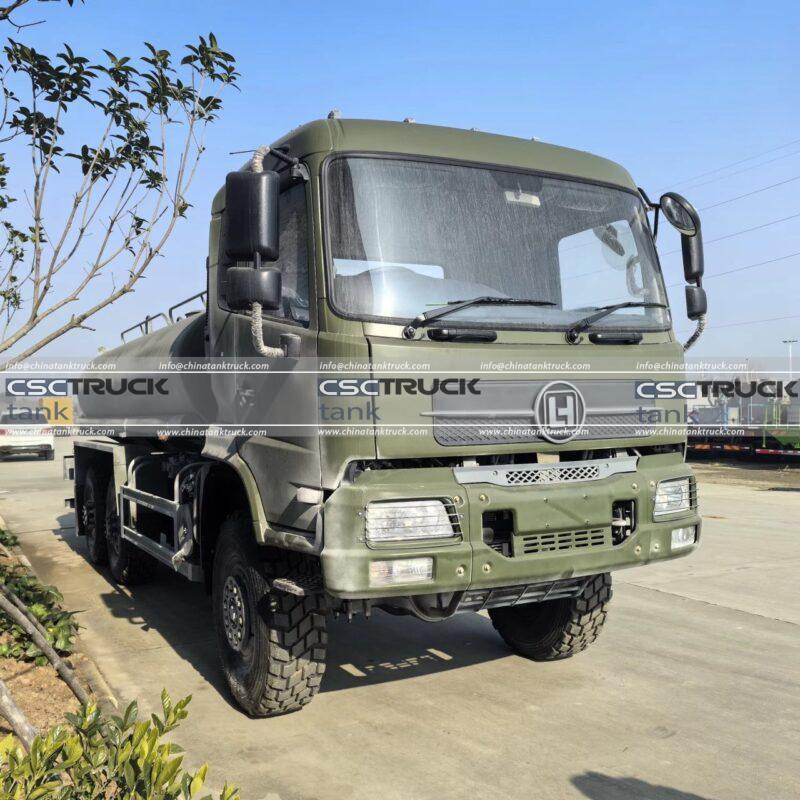
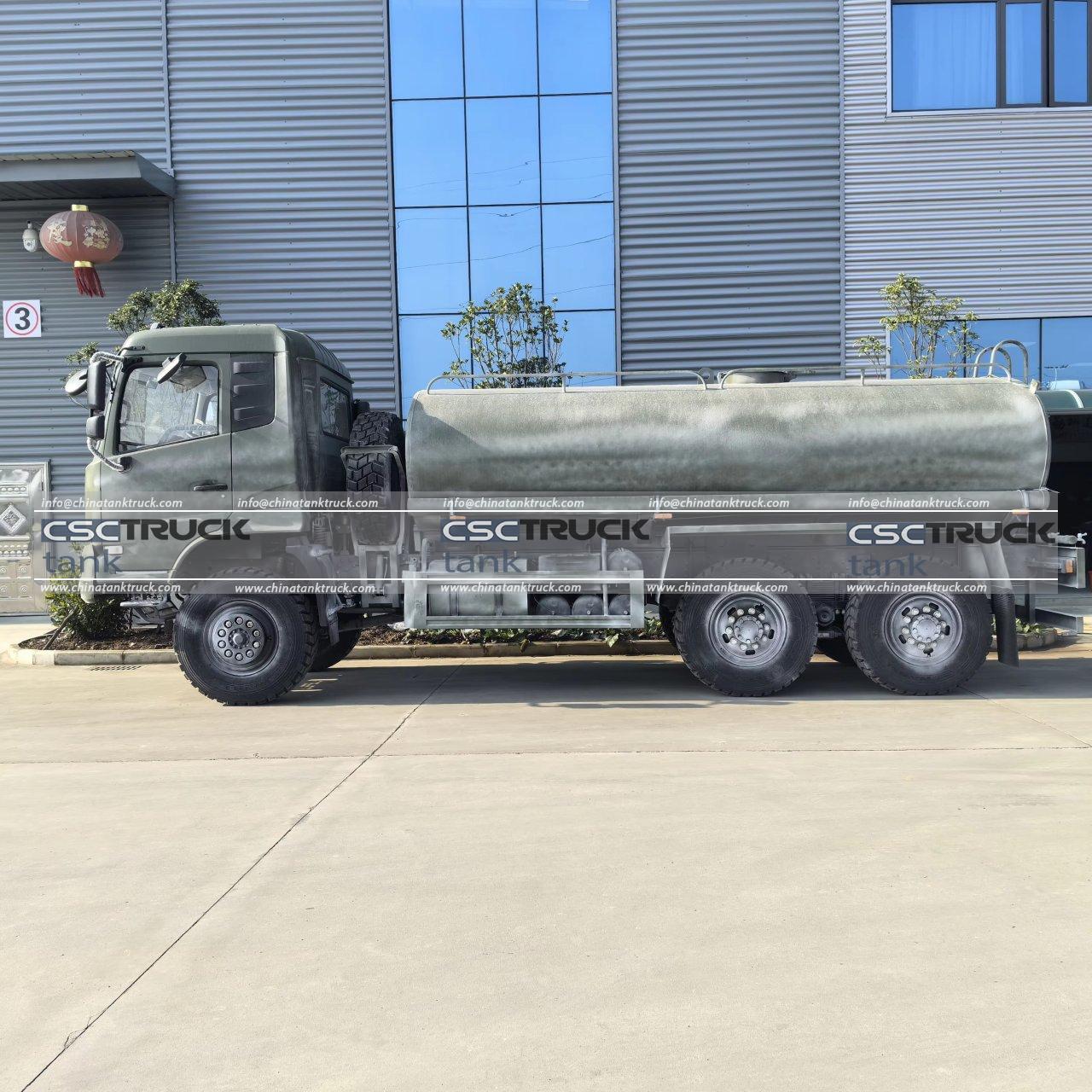
A milk tank truck is a specialized tanker designed to collect and transport liquid milk, particularly raw milk, from dairy farms, collection centers, or storage facilities to processing plants.
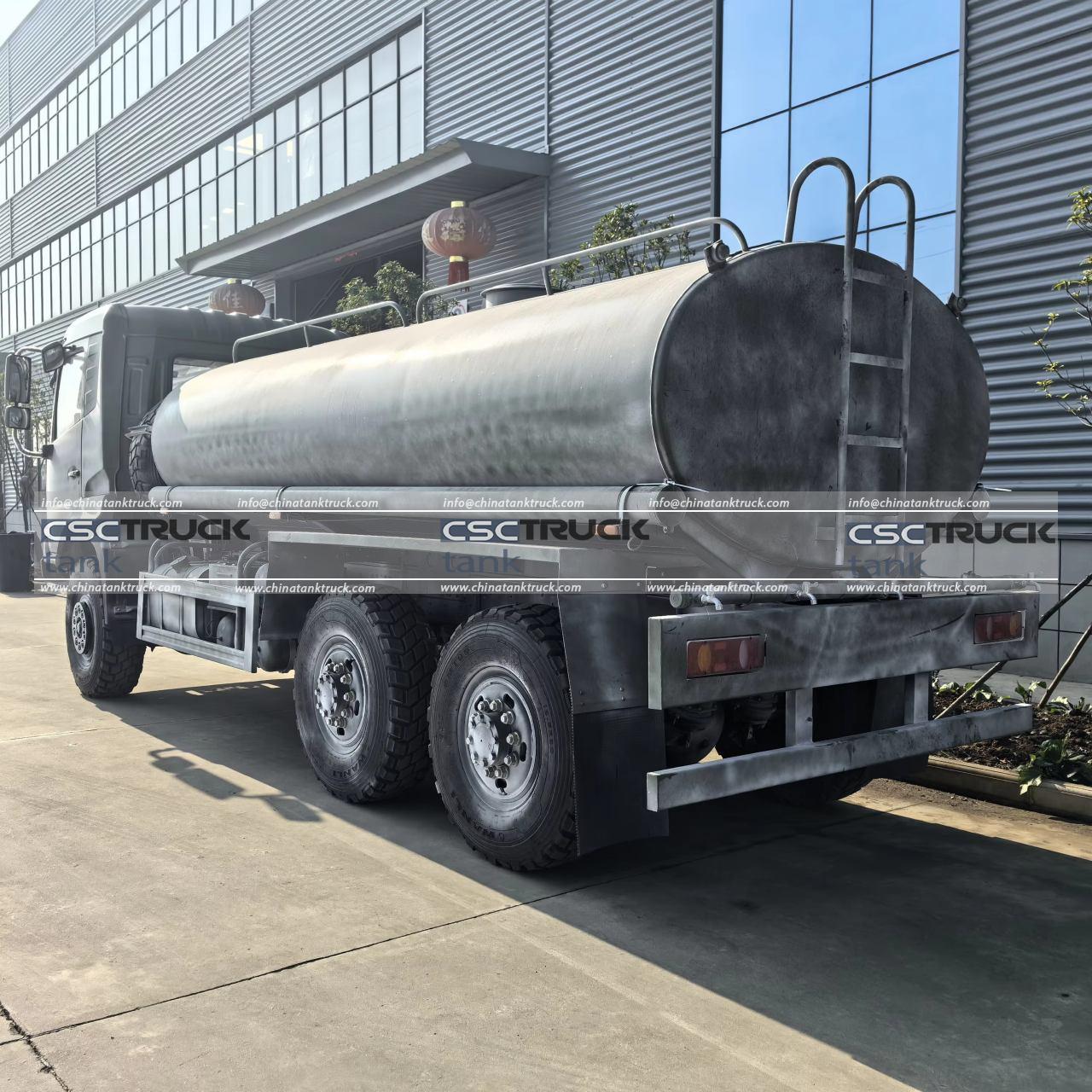
The milk is loaded directly into a dedicated stainless-steel tank rather than individual containers. The tank is normally insulated to reduce heat transfer and help maintain the milk at a suitable temperature during transportation.
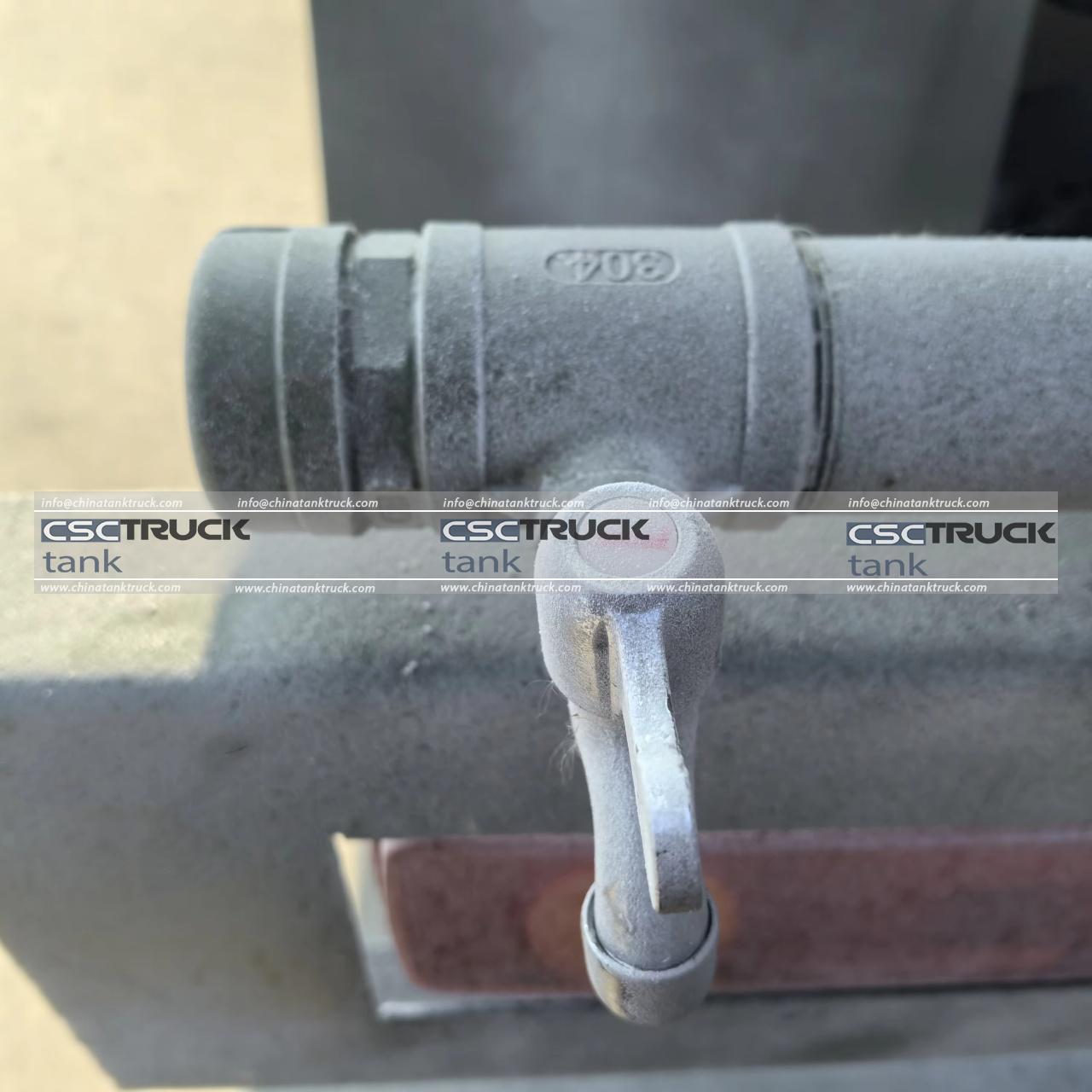
Hygiene is one of the most important characteristics of a milk tank truck. Food-grade stainless steel, sanitary valves, smooth internal surfaces, hygienic fittings, and cleaning systems help reduce the risk of contamination.
Milk tank trucks are available in different capacities and chassis configurations. For example, CSCTRUCK China Tank Truck offers milk tank truck models ranging from smaller vehicles for local collection to larger units, including a 25,000-liter 304 stainless-steel milk tank truck. Its product range also includes 5,000-liter, 6,000-liter, and 10,000-liter milk transportation trucks.
What Is a Refrigerated Truck?
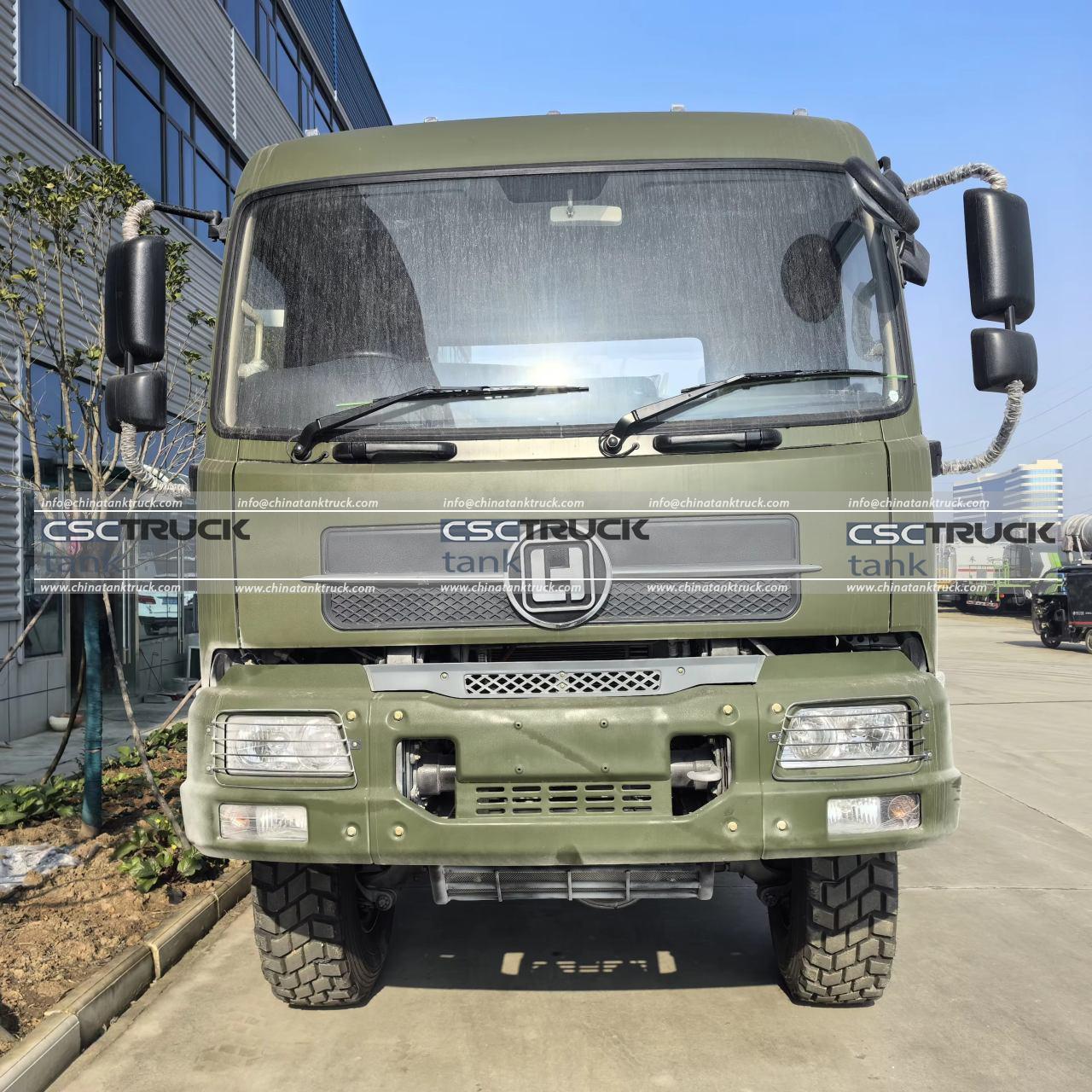
A refrigerated truck, sometimes called a reefer truck, is a vehicle equipped with an insulated cargo body and refrigeration system. Unlike a milk tank truck, it generally carries packaged products rather than bulk liquids.
For example, refrigerated trucks can transport:
- Bottled milk
- Yogurt
- Cheese
- Butter
- Ice cream
- Cream
- Other chilled foods
- Frozen dairy products
The cargo area is designed to maintain a controlled temperature throughout transportation. Depending on the vehicle and application, the refrigeration unit can provide cooling or freezing conditions.
A refrigerated truck is therefore especially useful after milk has been processed, packaged, and prepared for distribution to supermarkets, restaurants, wholesalers, or other customers.
Milk Tank Truck vs. Refrigerated Truck: Key Differences
The biggest difference is what each vehicle transports.
A milk tank truck transports bulk liquid milk, while a refrigerated truck generally transports packaged dairy products.
| Feature | Milk Tank Truck | Refrigerated Truck |
|---|---|---|
| Main cargo | Bulk liquid milk | Packaged/chilled dairy products |
| Tank/body | Stainless-steel sanitary tank | Insulated cargo box |
| Primary application | Farm-to-plant transportation | Plant-to-distributor/retailer transportation |
| Temperature control | Insulation and, depending on design, cooling system | Mechanical refrigeration |
| Hygiene requirements | Very high | High |
| Loading method | Tank inlet and sanitary piping | Rear/side cargo doors |
| Unloading method | Pump, valve, or sanitary outlet | Manual or palletized unloading |
| Best for raw milk | Yes | Generally no |
| Best for packaged milk | No | Yes |
| Bulk transportation efficiency | Excellent | Limited |
Why Is a Milk Tank Truck Better for Raw Milk?
If your business needs to transport raw milk from farms to a dairy processing plant, a milk tank truck is generally the more appropriate solution.
1. Designed for Bulk Liquid Transportation
A milk tank truck eliminates the need to package raw milk into individual containers before transportation. Milk can be pumped directly from the farm’s storage tank into the tanker.
At the processing plant, the milk can then be transferred directly into receiving equipment. This reduces unnecessary handling and can improve transportation efficiency.
2. Better Hygienic Design
Raw milk requires careful hygienic handling because contamination can affect product quality and food safety.
Milk tank trucks use food-grade stainless-steel tanks and sanitary components designed for contact with milk. The smooth tank interior also makes cleaning and sanitization easier.
Some specialized milk tank trucks can incorporate CIP (Clean-in-Place) systems or other cleaning arrangements, allowing operators to clean internal surfaces without completely dismantling the system.
3. Efficient for Large Volumes
For farms, milk collection centers, and dairy processors handling thousands of liters per trip, a tanker is much more efficient than transporting hundreds of individual containers.
Large-capacity tank trucks can collect milk from multiple farms before delivering the combined load to a processing facility, depending on the collection route and operational requirements.
4. Reduced Product Handling
Every additional handling step can create opportunities for contamination, leakage, or product loss. Bulk transportation allows milk to remain within a controlled sanitary system from loading through unloading.
When Is a Refrigerated Truck Better?
Although a milk tank truck is better for bulk raw milk, a refrigerated truck has important advantages for finished dairy products.
1. Packaged Milk Distribution
Once milk has been pasteurized, homogenized, processed, and packaged into bottles or cartons, a refrigerated truck is usually more practical.
The products can be loaded onto pallets or placed in crates and transported directly to distribution centers, supermarkets, restaurants, and other customers.
2. Multiple Dairy Products
A refrigerated truck can carry different packaged dairy products in the same cargo compartment, subject to appropriate temperature and loading requirements.
This makes it useful for distributors that need to deliver milk, yogurt, cheese, cream, and similar products on established delivery routes.
3. Flexible Loading and Unloading
The box-body design makes refrigerated trucks convenient for palletized cargo. Forklifts, pallet jacks, and loading docks can be used to speed up loading and unloading.
This is an important advantage for retail distribution, where a vehicle may need to make several stops during a single route.
Which Vehicle Keeps Milk Colder?
This question requires some clarification.
A refrigerated truck typically has an active refrigeration system designed to continuously remove heat from the cargo compartment. A milk tank truck, meanwhile, relies heavily on insulated tank construction and the temperature of the milk when it is loaded. Some milk tankers can also be equipped with cooling systems depending on the application.
For raw milk collection, the goal is generally to prevent the temperature from rising excessively during transportation rather than simply making the milk as cold as possible.
The most suitable vehicle therefore depends on the stage of the dairy supply chain.
Farm → Processing Plant: Milk tank truck
Processing Plant → Distribution Center: Refrigerated truck
Distribution Center → Retailer: Refrigerated truck
Which Is More Cost-Effective?
The answer depends on the transportation model.
For bulk raw milk collection, a milk tank truck can be more economical because it carries large volumes efficiently and reduces packaging requirements. It is especially suitable for regular farm-to-plant routes.
For packaged dairy distribution, a refrigerated truck is more cost-effective because the vehicle can transport different finished products and make multiple deliveries.
Businesses should consider:
- Required capacity
- Transportation distance
- Number of collection points
- Product packaging
- Temperature requirements
- Loading and unloading infrastructure
- Cleaning requirements
- Fuel and refrigeration costs
- Local food transportation regulations
Choosing a vehicle based only on purchase price can result in higher operating costs later.

How to Choose the Right Milk Transportation Vehicle
Start by identifying what form of milk or dairy product you need to transport.
If you are collecting raw milk directly from dairy farms, choose a sanitary milk tank truck. Pay particular attention to tank material, insulation, capacity, sanitary fittings, valves, pump configuration, cleaning system, and chassis specifications.
If you are distributing bottled or packaged milk, a refrigerated truck will usually be the better option. In this case, focus on refrigeration capacity, temperature range, insulation performance, cargo volume, door configuration, and delivery requirements.
For international buyers, chassis brand, driving configuration, emission standard, spare-parts availability, and local road conditions should also be considered.
Why Choose CSCTRUCK China Tank Truck?
CSCTRUCK China Tank Truck is a Chinese manufacturer and exporter specializing in tank trucks and trailers for different liquid and bulk transportation applications. Its product range includes milk tank trucks, fuel tank trucks, water tankers, chemical tank trucks, LPG tankers, and other specialized vehicles.
For milk transportation applications, CSCTRUCK China Tank Truck offers stainless-steel milk tank trucks in different capacities, including models designed for smaller local collection operations and larger-volume transportation. The company states that it can customize tank capacity, materials, compartments, pumps, and chassis brands according to customer requirements.
CSCTRUCK China Tank Truck also provides export documentation and international logistics support, with stated experience serving customers in more than 50 countries. Its website indicates a typical delivery period of approximately 25–35 working days, depending on order quantity and customization requirements.
For dairy companies, milk collection centers, farms, and food-processing businesses looking for a dedicated bulk milk transportation solution, a customized stainless-steel milk tank truck can provide a practical combination of capacity, hygiene, durability, and transportation efficiency.

Conclusion
So, milk tank truck vs. refrigerated truck—which is better?
There is no universal winner because the 2 vehicles serve different stages of the dairy supply chain.
A milk tank truck is better for transporting bulk raw milk from farms and collection centers to processing plants. Its sanitary stainless-steel tank, bulk-loading capability, insulation, and specialized unloading system make it particularly suitable for this application.
A refrigerated truck is better for transporting packaged milk and finished dairy products. Its insulated cargo body and active refrigeration system make it ideal for distribution from processing plants to warehouses, supermarkets, restaurants, and other customers.
For companies moving raw milk in bulk, selecting a purpose-built milk tank truck is usually the most efficient approach. With different capacities and customization options available, CSCTRUCK China Tank Truck can provide milk transportation solutions designed around the customer’s route, capacity, chassis, and operational requirements.