
A milk tank truck is an important part of the dairy supply chain because it transports raw milk from farms, collection points, or dairy facilities to processing plants. Since milk is highly perishable and can support the growth of microorganisms, proper cleaning and sanitation of the tank, hoses, pumps, valves, and other product-contact components are essential.
So, how often should a milk tank truck be cleaned? In most dairy operations, the milk-contact tank and equipment should be cleaned and sanitized after each milk collection or unloading cycle, according to the applicable food-safety procedures and local regulations. Cleaning frequency may also increase when the vehicle carries milk under special conditions, experiences contamination, or remains unused for an extended period.
Why Does a Milk Tank Truck Need Frequent Cleaning?
Raw milk contains nutrients, proteins, fats, minerals, and water that can provide an environment for microorganisms to grow. After milk is unloaded, a thin layer of milk residue can remain on the internal tank surface, valves, pipes, pumps, and hoses.
If this residue is not removed promptly, it can become difficult to clean and may contribute to bacterial growth, unpleasant odors, biofilm formation, and cross-contamination.
For this reason, cleaning a milk tank truck is not simply a cosmetic procedure. It is a critical part of maintaining milk quality and protecting the food-processing chain.
A properly maintained cleaning program helps:
- Remove milk residues and organic deposits
- Reduce bacterial and microbial contamination
- Prevent cross-contamination between loads
- Control odors and deposits
- Maintain the hygienic condition of stainless-steel surfaces
- Protect milk quality during transportation
- Extend the service life of tanks, pumps, valves, and hoses
How Often Should a Milk Tank Truck Be Cleaned?
1. Clean After Each Milk Transportation Cycle
The most important rule is to clean the milk-contact system after each completed transportation cycle, particularly after milk has been unloaded at the dairy plant.
This generally includes the tank interior, milk outlet, valves, pumps, hoses, fittings, and other components that come into contact with milk.
Leaving milk residue inside the tank until the next collection can make cleaning much more difficult. Therefore, cleaning should normally be performed as soon as practical after unloading.
For a vehicle operating several collection or delivery cycles per day, this means the tank may need to be cleaned and sanitized multiple times during a working day.
2. Sanitize Before the Next Use
Cleaning and sanitizing are related but different processes.
Cleaning removes milk, fat, protein, minerals, and other physical residues. Sanitizing is intended to reduce microorganisms to an acceptable level.
After the cleaning process has been completed, the milk-contact surfaces should be sanitized according to the dairy’s approved sanitation procedure before the vehicle is returned to service.
The exact chemicals, concentration, temperature, contact time, and procedures should follow the equipment manufacturer’s instructions and the applicable food-safety requirements.
3. Perform Additional Cleaning When Necessary
A fixed cleaning schedule is important, but operators should not rely on time intervals alone.
Additional cleaning or sanitation may be necessary if:
- Milk has remained inside the tank longer than expected.
- The truck has transported a contaminated or rejected load.
- The tank develops an unusual odor.
- Visible milk deposits or discoloration are found.
- The vehicle has been parked for an extended period.
- Hoses, valves, or pumps become contaminated.
- Cleaning chemicals or rinse water were not used correctly.
- Inspection identifies residue or hygiene problems.
In these situations, the vehicle should be cleaned again before transporting another milk load.
What Parts of a Milk Tank Truck Need Cleaning?
Cleaning should cover all milk-contact surfaces rather than only the main tank.
Milk Tank Interior
The inside of the tank is the primary cleaning area. Milk residues can accumulate around seams, welds, outlets, corners, manholes, and other areas where liquid may remain.
Stainless steel is commonly used for milk tanks because it provides a durable, corrosion-resistant, smooth surface suitable for hygienic applications.
Milk Pipes and Hoses
Milk hoses and pipelines can retain product after unloading. They should therefore be incorporated into the cleaning procedure rather than treated as separate accessories.
Operators should also regularly inspect hoses for cracks, damage, aging, or other conditions that could affect hygiene.
Pumps and Valves
Milk pumps, valves, fittings, and connections can contain small areas where milk residue accumulates. These components should be cleaned according to the manufacturer’s procedures.
Tank Outlet and Manhole
The outlet and manhole areas deserve particular attention because they can be exposed to environmental contamination during loading, unloading, inspection, and maintenance.
What Is the Typical Milk Tank Cleaning Process?
A common cleaning program may include several stages:
1. Pre-rinse: Water is used to remove loose milk residues and prepare the tank for the main cleaning stage.
2. Alkaline cleaning: An appropriate alkaline detergent is used to remove milk fat, proteins, and organic deposits.
3. Intermediate rinse: The tank and product-contact components are rinsed to remove detergent and loosened residues.
4. Acid cleaning: Where required, an acid-based cleaning step can help remove mineral deposits and milkstone.
5. Final rinse: The system is rinsed thoroughly according to the approved procedure.
6. Sanitization: An appropriate food-contact sanitizer is applied according to its approved concentration and contact time.
7. Drainage and inspection: Remaining water is drained, and the equipment is inspected before the truck returns to operation.
Many modern milk tank trucks can be designed to support Clean-in-Place (CIP) systems, allowing internal surfaces and connected product-contact components to be cleaned without completely dismantling the tank.
How Does Cleaning Frequency Affect Milk Quality?
Cleaning frequency directly affects the hygiene of milk transportation.
Even if raw milk is collected at a controlled temperature, poor tank hygiene can introduce contamination into the transportation process. Bacteria may multiply when milk residues remain on surfaces, especially when cleaning is delayed or incomplete.
A clean tank also helps prevent contamination from one load affecting a subsequent load. This is particularly important when a truck serves multiple farms or collection points during the same operating period.
For dairy operators, cleaning should therefore be considered part of the overall cold-chain and food-safety management system rather than an occasional maintenance task.
Does a Milk Tank Truck Need Deep Cleaning?
Yes. In addition to routine cleaning after each transportation cycle, operators should establish periodic inspection and deeper maintenance procedures.
The exact frequency depends on operating conditions, the truck’s design, the cleaning system, the type of milk transportation, and applicable regulations.
Deep cleaning may involve inspecting difficult-to-reach areas, removing and inspecting selected fittings, checking hoses and gaskets, examining welds and tank surfaces, and verifying that the CIP system is functioning correctly.
Cleaning records should also be maintained. These records can include the cleaning date and time, vehicle identification, cleaning method, chemical information, operator, and inspection results.
Choosing a Hygienic Milk Tank Truck
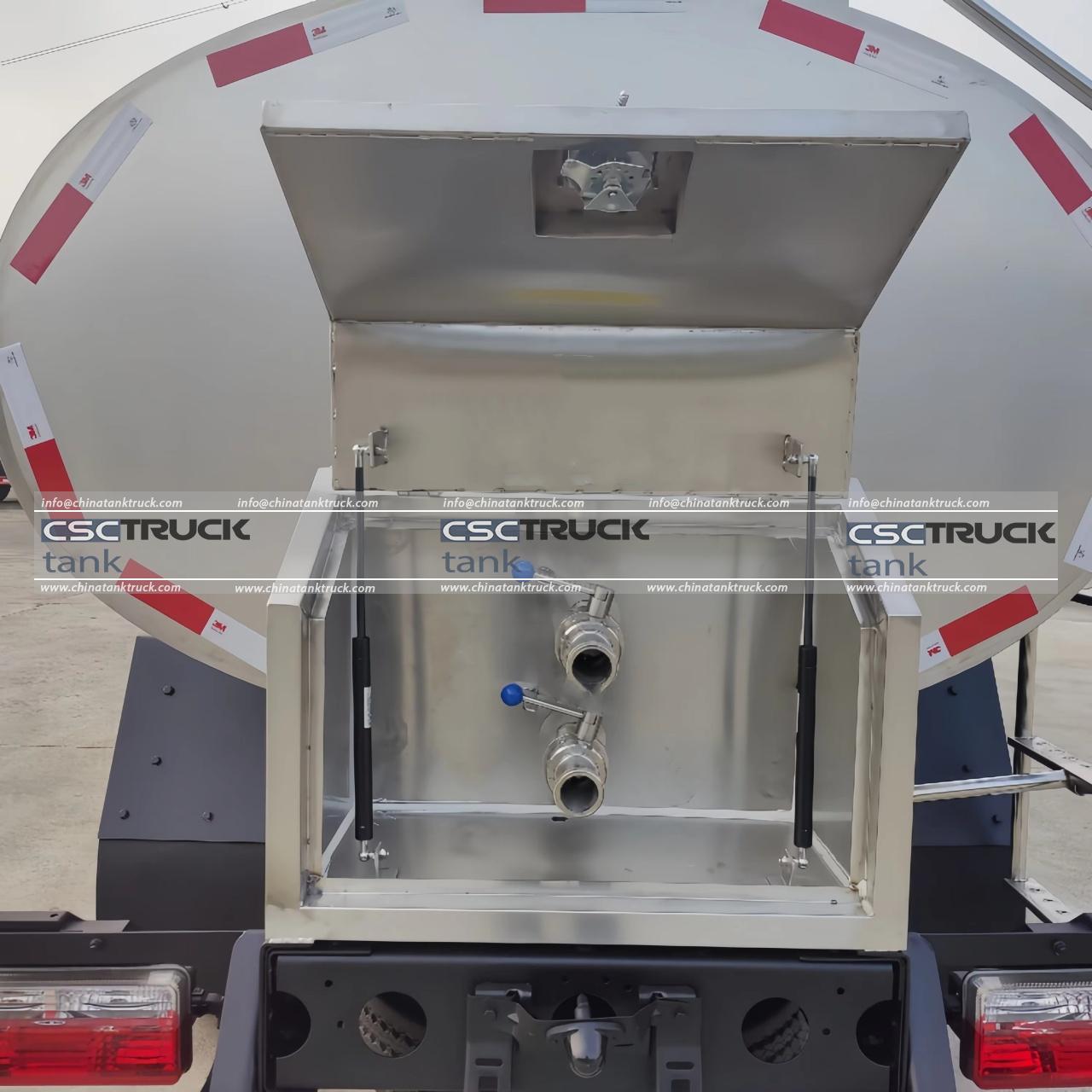
When purchasing a milk tank truck, buyers should consider more than tank capacity and chassis specifications. The tank’s material, internal finish, insulation, piping design, valves, pump system, cleaning accessibility, and CIP compatibility can all affect long-term hygiene.
A well-designed milk tanker should minimize areas where milk can accumulate and make routine cleaning as efficient as possible.
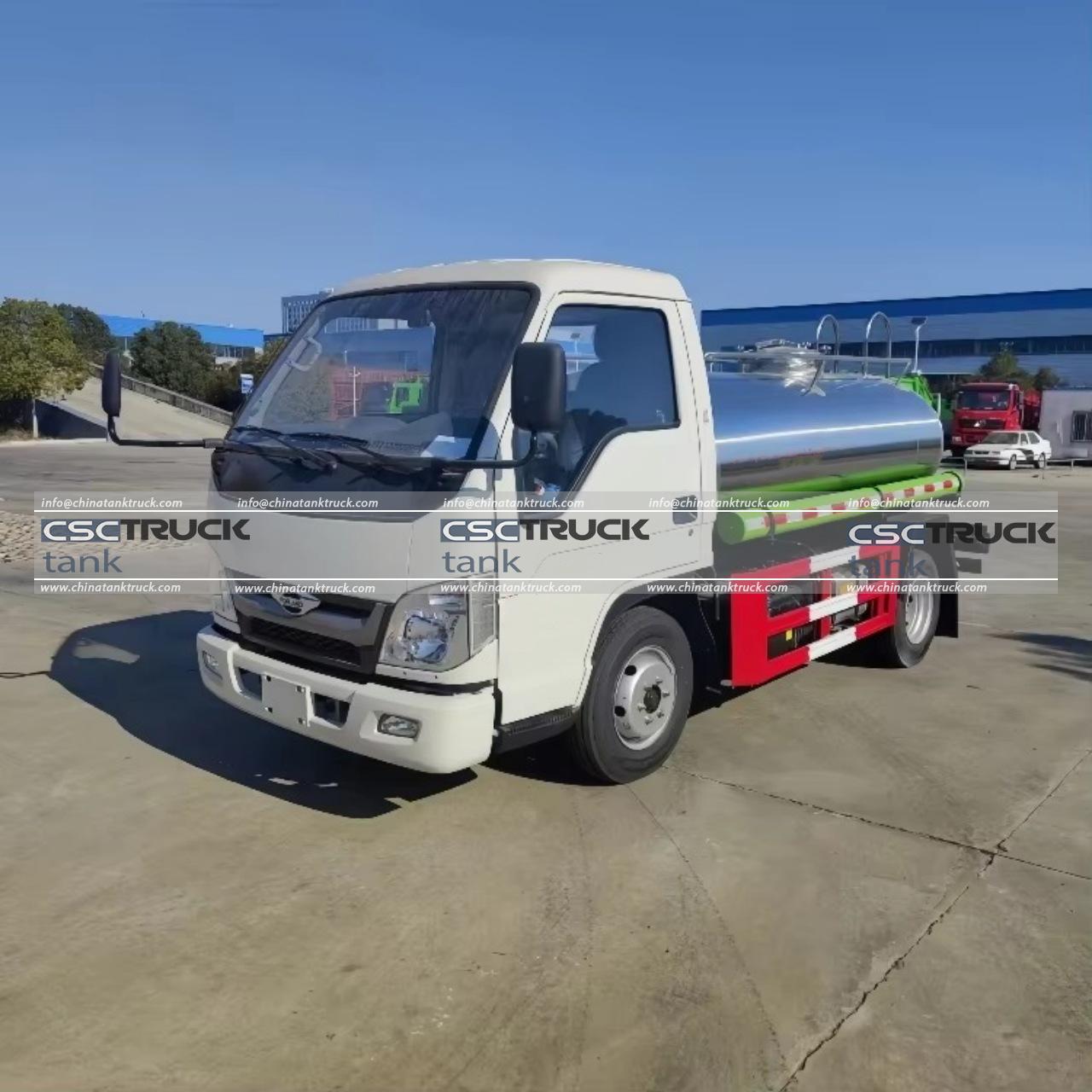
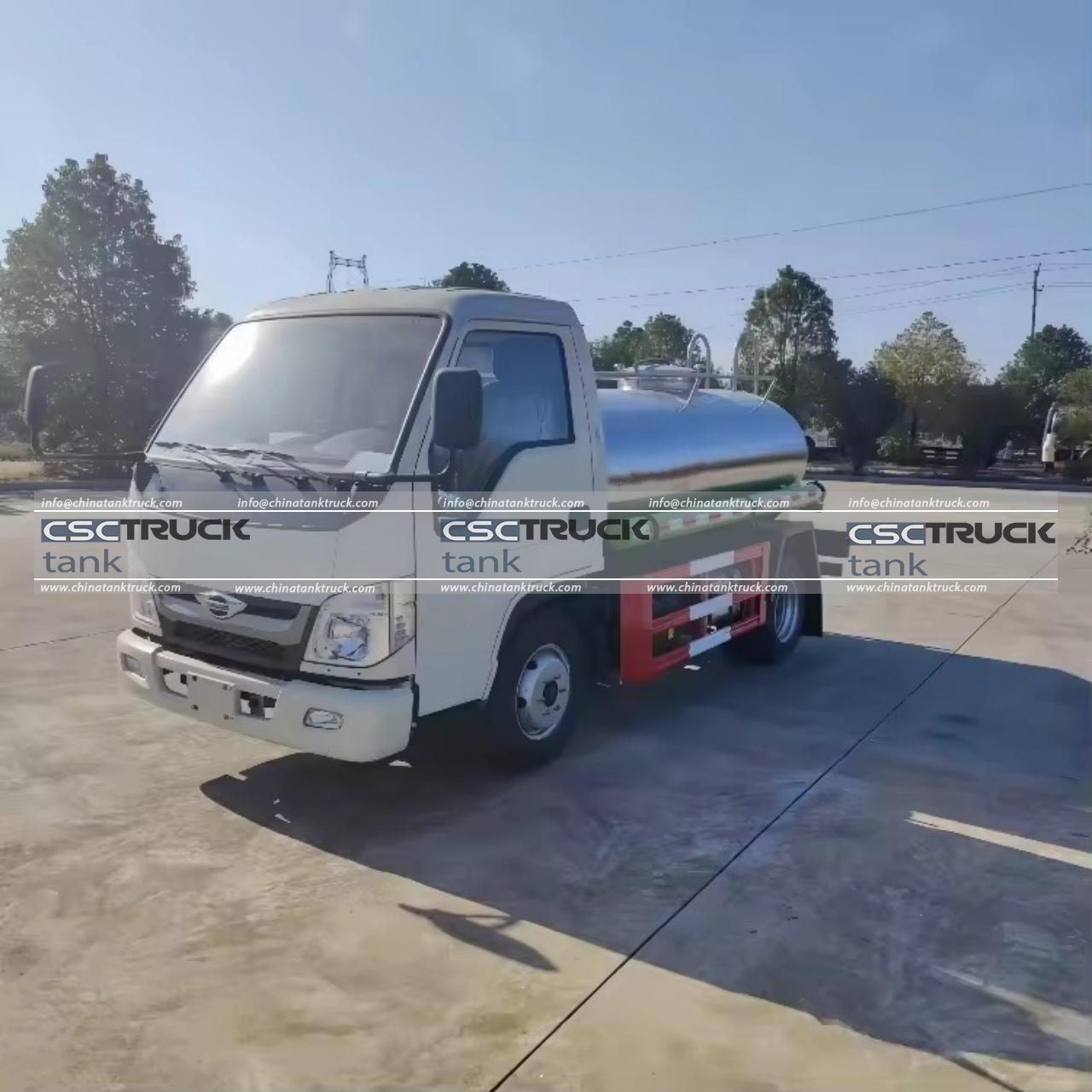
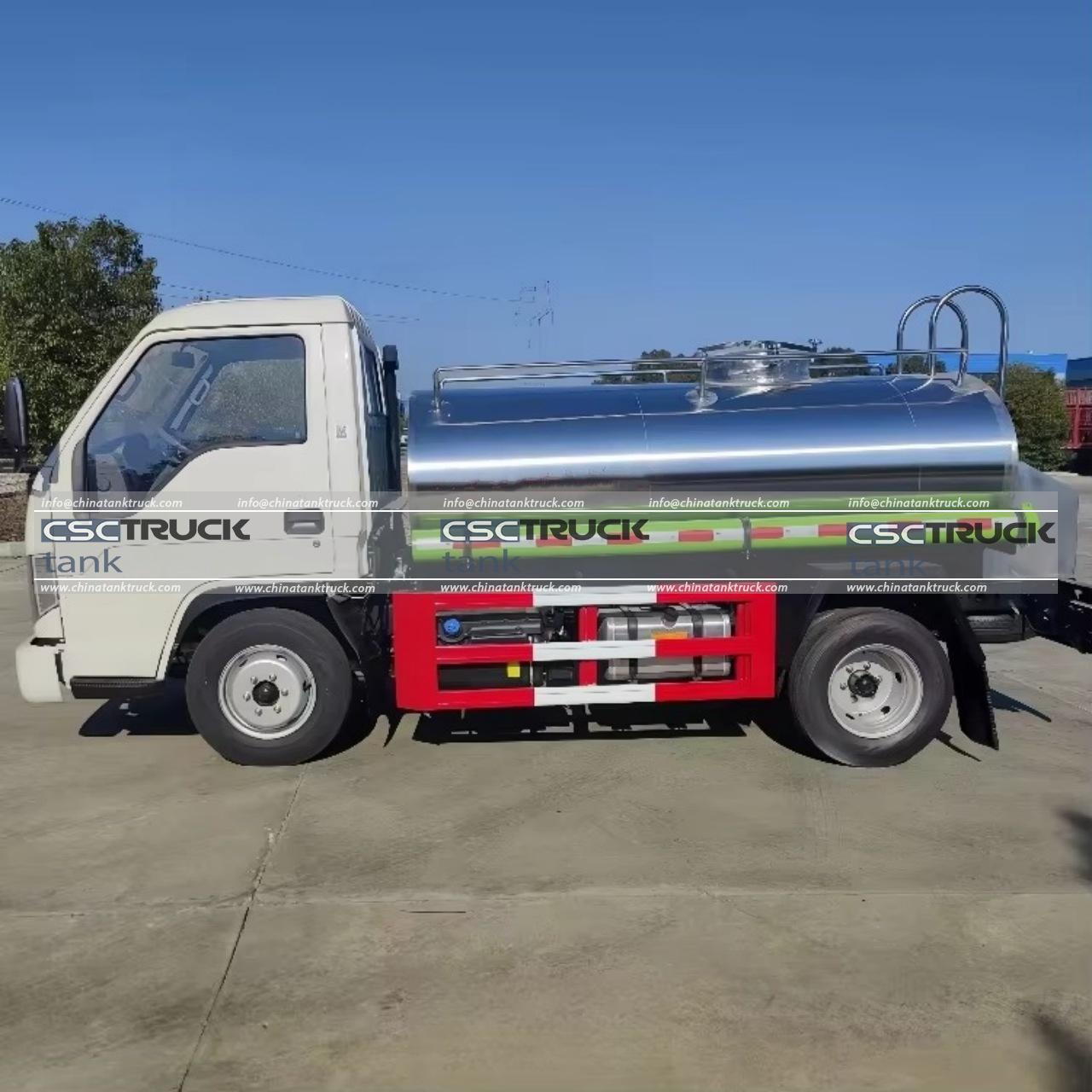
CSCTRUCK China Tank Truck is a Chinese manufacturer and supplier of specialized tank trucks, offering milk tank trucks designed for dairy transportation applications. Its product range focuses on customized tank-truck solutions, with options for different capacities, chassis brands, tank materials, configurations, and customer requirements. Buyers can discuss technical specifications, transportation conditions, and customization requirements with the manufacturer when selecting a suitable milk tanker.
Conclusion
So, how often should a milk tank truck be cleaned? The general principle is straightforward: The milk-contact system should normally be cleaned and sanitized after each milk transportation or unloading cycle, with additional cleaning whenever contamination or other hygiene risks occur.
Regular cleaning of the tank interior, hoses, pumps, valves, outlets, and other product-contact components helps prevent residue buildup and microbial contamination. A combination of proper cleaning procedures, sanitation, inspection, maintenance, and accurate cleaning records provides a stronger foundation for safe raw milk transportation.