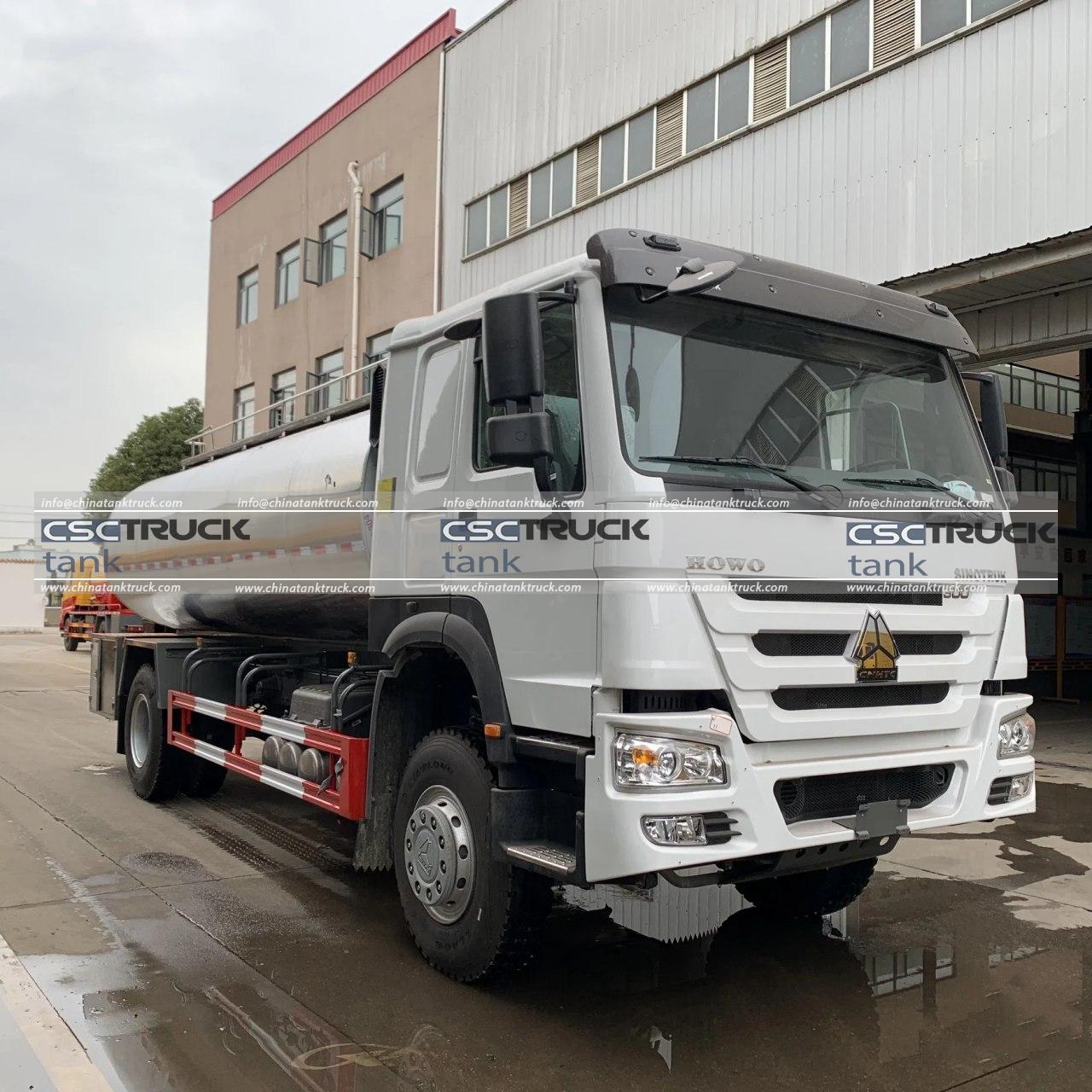

Raw milk is highly perishable and can become contaminated or deteriorate rapidly if it is not handled under controlled conditions. From the dairy farm to the milk collection center and processing plant, transportation is therefore an important part of the dairy food-safety chain. A properly designed raw milk tank truck must protect the milk from contamination, excessive temperature changes, poor sanitation, and unnecessary exposure during loading, transportation, and unloading.
The exact requirements vary by country and local dairy regulations. For example, the U.S. FDA’s Grade “A” Pasteurized Milk Ordinance (PMO) specifies requirements for bulk milk pickup tankers, including closed manholes and temperature-control provisions. FDA guidance also emphasizes protecting raw milk tank trucks from contamination and temperature extremes, and washing and sanitizing them after use.
For dairy farms, milk collection companies, processors, and fleet operators, understanding the following requirements can help ensure safer and more reliable raw milk transportation.
1. Use a Dedicated Food-Grade Milk Tank Truck
Raw milk should be transported in a tanker specifically designed for dairy applications rather than an ordinary water, fuel, or industrial liquid tanker.
A dedicated milk tank truck normally includes a food-grade stainless-steel tank, sanitary pipelines, hygienic valves, suitable loading and unloading connections, thermal insulation, and a milk transfer system. CSCTRUCK China Tank Truck notes that raw milk tank trucks are different from ordinary tankers because they require greater attention to food hygiene, cleanability, insulation, and cross-contamination prevention.
The tanker should also be operated in accordance with the regulations applicable to the destination country and dairy supply chain.
2. Use Suitable Food-Grade Stainless Steel
The tank’s product-contact surfaces are directly exposed to raw milk, so material selection is critical.
Food-grade stainless steel is commonly used because it offers corrosion resistance, durability, a smooth surface, and good cleanability. SUS304 stainless steel is widely used for milk tank applications, while other grades such as SUS316 may be specified when greater corrosion resistance is required.
A safe milk tanker should have:
- Food-contact-compatible stainless steel
- Smooth internal surfaces
- High-quality welds
- Minimal areas where milk residue can accumulate
- Hygienic manholes and fittings
- Proper drainage
- Sanitary valves and pipelines
CSCTRUCK China Tank Truck‘s current milk tanker range includes configurations using stainless-steel tanks, including 304 stainless steel models.
3. Maintain Proper Milk Temperature
Temperature control is one of the most important requirements for raw milk transportation. Raw milk should be cooled rapidly after milking and kept within the temperature limits required by applicable regulations and the dairy processor.
The milk tanker itself normally helps prevent temperature increases rather than relying entirely on active refrigeration. An insulated tank reduces heat transfer between the milk and the outside environment.
Important considerations include:
- Milk temperature at loading
- Transportation distance
- Ambient temperature
- Tank insulation performance
- Loading and unloading time
- Temperature monitoring
- Local legal temperature limits
For example, the FDA’s 2023 PMO specifies that a cooling system used in connection with bulk milk pickup should cool milk to 7°C (45°F) or less, alongside other applicable requirements. Local regulations may differ, so operators should always verify the rules in their jurisdiction.
4. Keep the Tank Clean and Sanitized
A milk tanker must be thoroughly cleaned and sanitized because milk residues can support microbial growth.
Cleaning should normally take place after each transportation cycle according to the applicable sanitation procedure. FDA inspection guidance states that tank trucks used for raw milk transportation should be washed and sanitized after each use.
A typical cleaning process can include:
- Removing remaining milk
- Pre-rinsing
- Alkaline cleaning
- Intermediate rinsing
- Acid cleaning when required
- Final rinsing
- Sanitization
- Inspection and drainage
A CIP (Clean-in-Place) system can make this process more efficient by circulating cleaning solutions through the tank, pipelines, valves, and other product-contact components.
The internal tank design should also avoid sharp corners and difficult-to-clean dead spaces.
5. Prevent Contamination During Loading
Safe transportation begins before the truck leaves the farm.
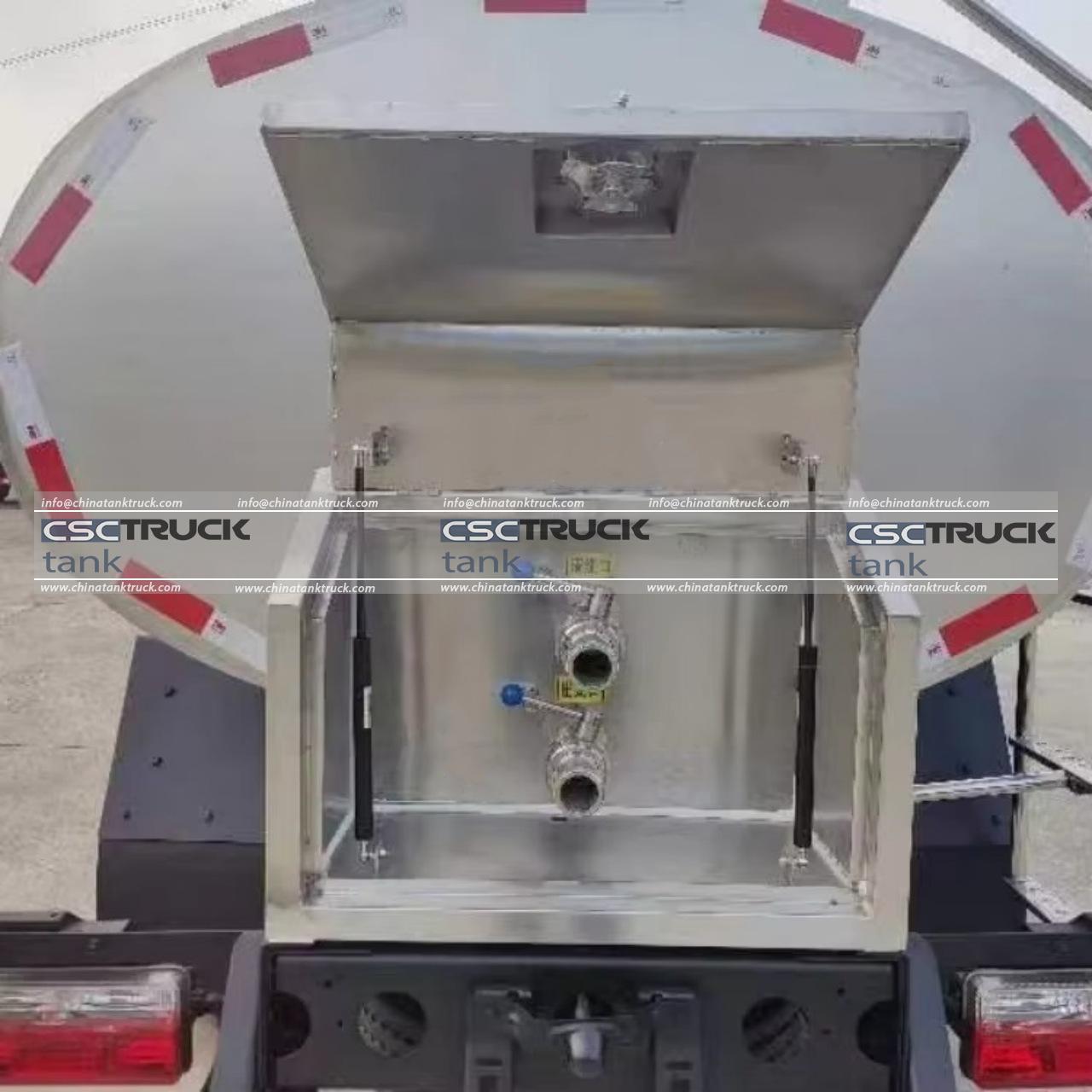
The loading area should be clean, and the milk transfer equipment should be sanitary. Hoses, pumps, valves, and connections that contact milk should be designed for food applications and maintained properly.
The tanker manhole and other openings should remain closed whenever they are not required for an approved operation. The PMO, for example, requires bulk milk pickup tanker manholes to remain closed except for limited circumstances such as sampling and examination under suitable environmental conditions.
Operators should also minimize the time that milk is exposed to the surrounding environment.
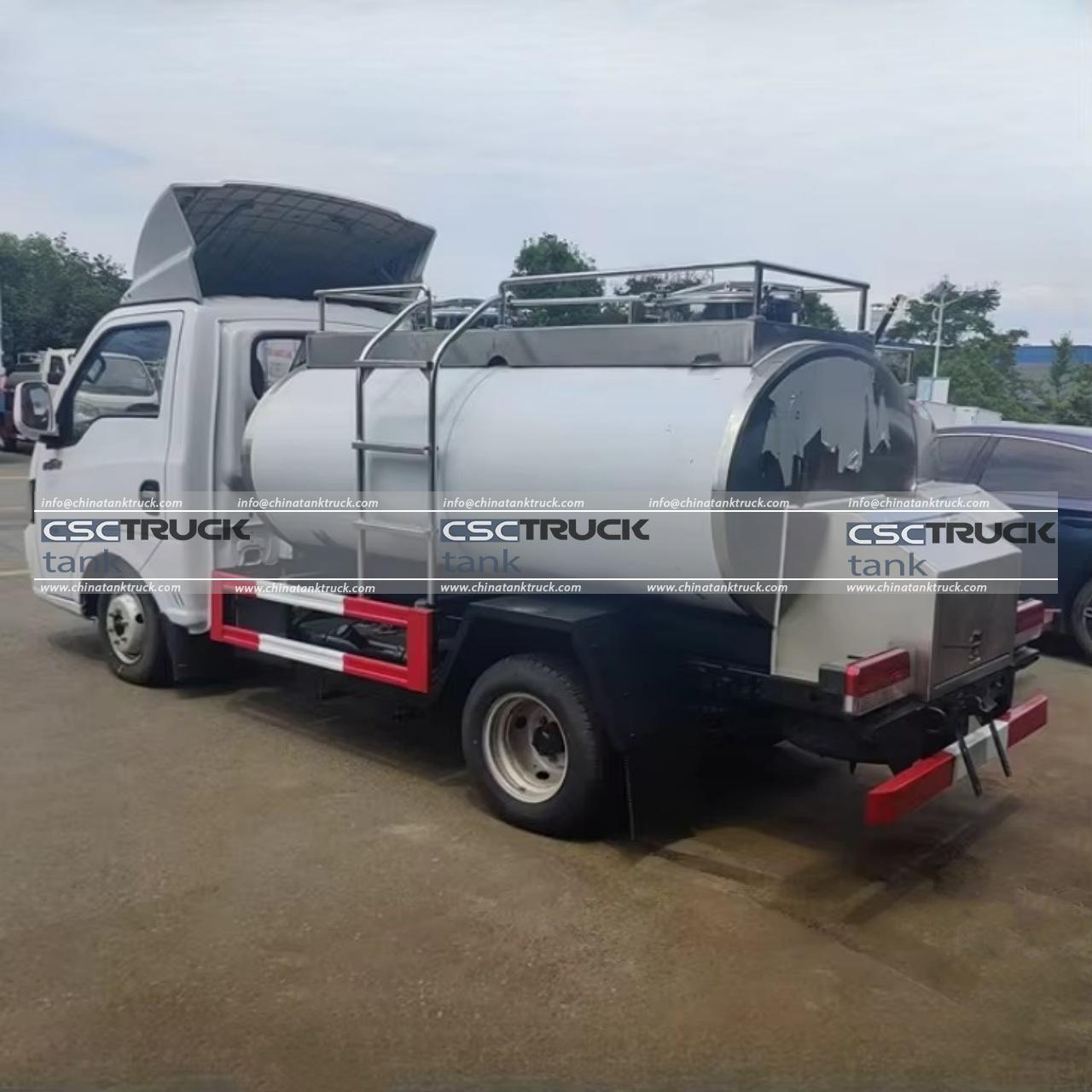
6. Use Sanitary Pumps, Hoses, and Valves
The tank itself is only 1 part of a safe milk transportation system.
Milk-contact components should include hygienic:
- Milk pumps
- Transfer hoses
- Pipelines
- Valves
- Gaskets
- Couplings
- Sampling points
- Tank outlets
These components must be compatible with the cleaning and sanitation procedures used by the dairy operation.
Poor-quality hoses or damaged gaskets can become contamination points even when the stainless-steel tank itself is properly maintained.
7. Prevent Cross-Contamination
A milk tanker should not be treated like a general-purpose liquid tanker.
The vehicle should not carry incompatible products or substances that could contaminate milk. Equipment used for milk transportation should be properly cleaned and sanitized before reuse.
Cross-contamination can occur through:
- Dirty hoses
- Unclean pumps
- Improperly cleaned tanks
- Shared equipment
- Open tank openings
- Contaminated loading areas
- Poor personnel hygiene
For this reason, dedicated dairy transportation equipment is generally preferable.
8. Protect the Tank During Transportation
The tank should protect its contents from external contamination and excessive temperature fluctuations.
The FDA states that tank trucks used to transport raw milk should be constructed and operated to protect their contents from contamination and temperature extremes.
The tanker should therefore be properly sealed during transportation. Operators should also avoid unnecessary stops and delays because longer transportation times can increase temperature-management challenges.
For long-distance routes or hot climates, buyers should pay particular attention to insulation performance and temperature monitoring.
9. Follow Safe Loading and Unloading Procedures
Loading and unloading should be carried out using controlled sanitary procedures.
Before loading, operators should verify that:
- The tank has been properly cleaned
- The tank is suitable for use
- Product-contact equipment is sanitary
- The previous load has been completely removed
- Connections are clean
- The milk meets the required acceptance conditions
During unloading, sanitary connections should be used, and unnecessary exposure should be avoided.
FDA food-security guidance also recommends supervising raw milk unloading and reconciling the amount received with the shipping documentation.

10. Monitor Temperature and Transportation Records
Temperature monitoring provides evidence that the cold chain has been maintained.
Depending on local regulations and the dairy company’s quality system, operators may record:
- Milk temperature at collection
- Milk temperature at delivery
- Loading time
- Unloading time
- Route information
- Tank cleaning records
- Vehicle identification
- Milk quantity
- Seal information
Accurate records help dairy processors identify problems and trace milk movements when quality issues occur.
11. Secure Tank Openings and Control Access
Raw milk should be protected not only from accidental contamination but also from unauthorized access.
Tank openings can be locked or sealed when appropriate. FDA food-security guidance recommends using serially numbered seals or locks on tanker openings from the time the tanker is washed until delivery, subject to specified exceptions.
This provides an additional layer of product protection and makes unauthorized opening easier to detect.
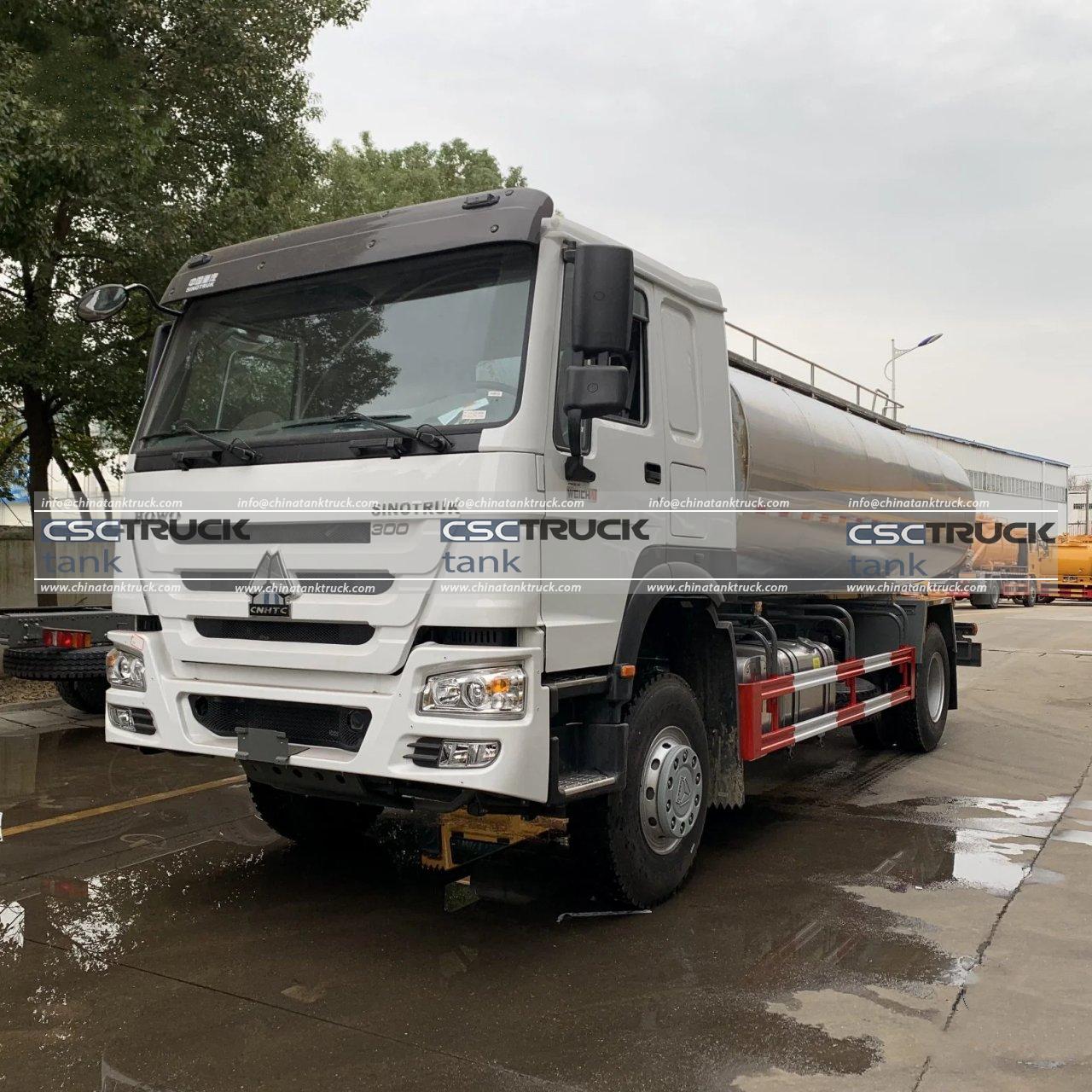
12. Choose the Right Tank Capacity and Chassis
Safety also depends on selecting a tanker appropriate for the transportation route.
Milk is relatively heavy, so a large tank does not automatically mean better transportation efficiency. Buyers must consider:
- Daily milk collection volume
- Route distance
- Road conditions
- Legal GVW and axle limits
- Loading facilities
- Unloading facilities
- Climate
- Required maneuverability
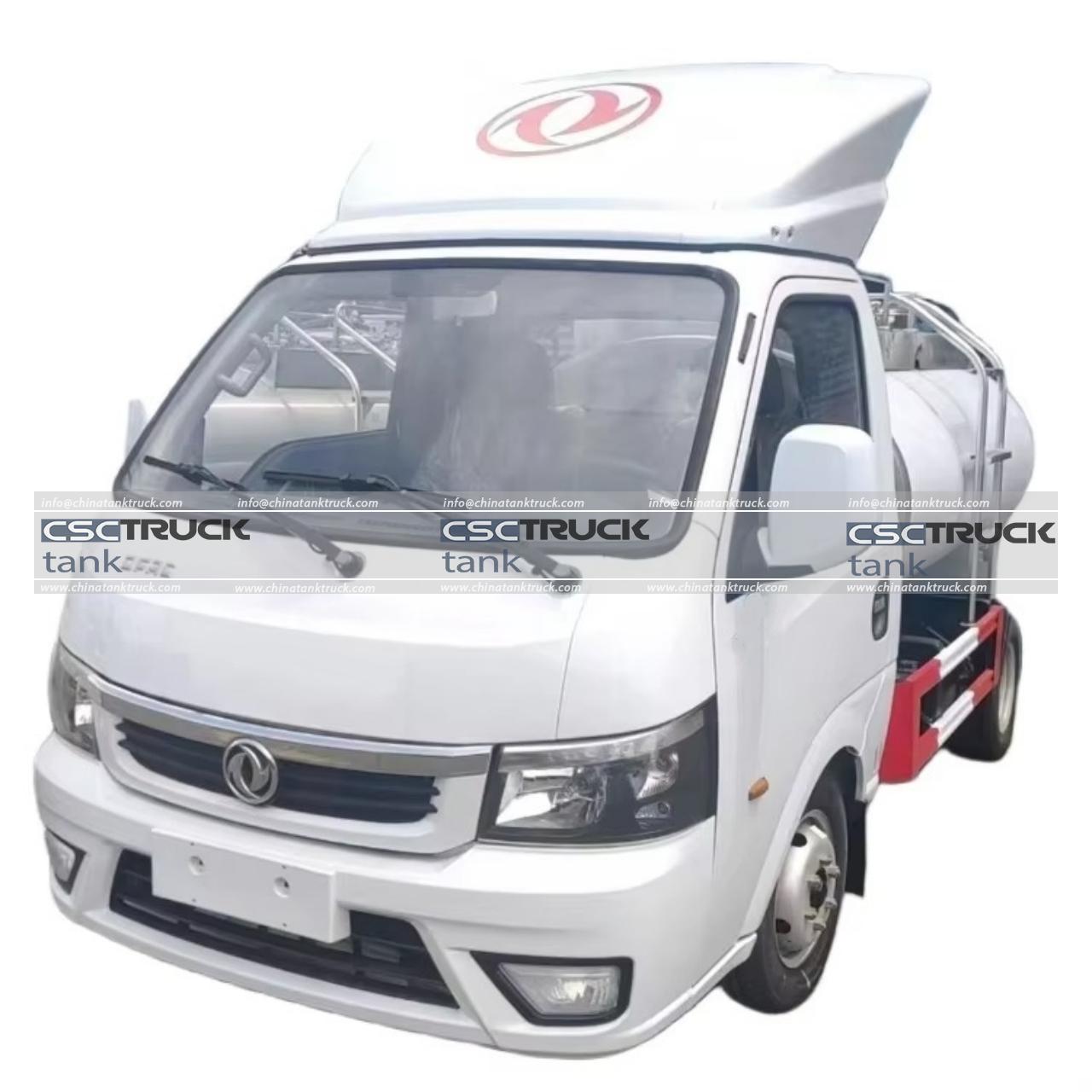
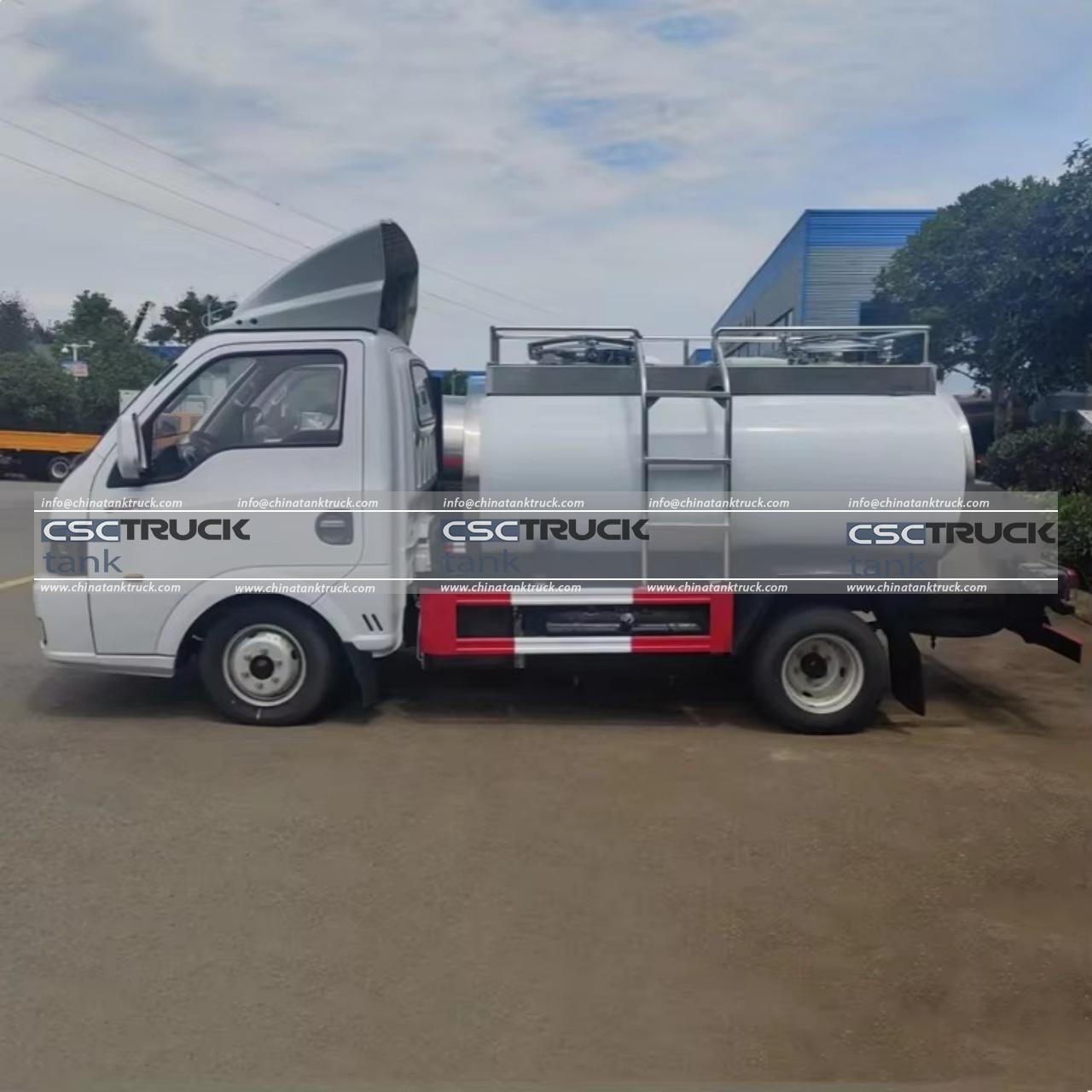
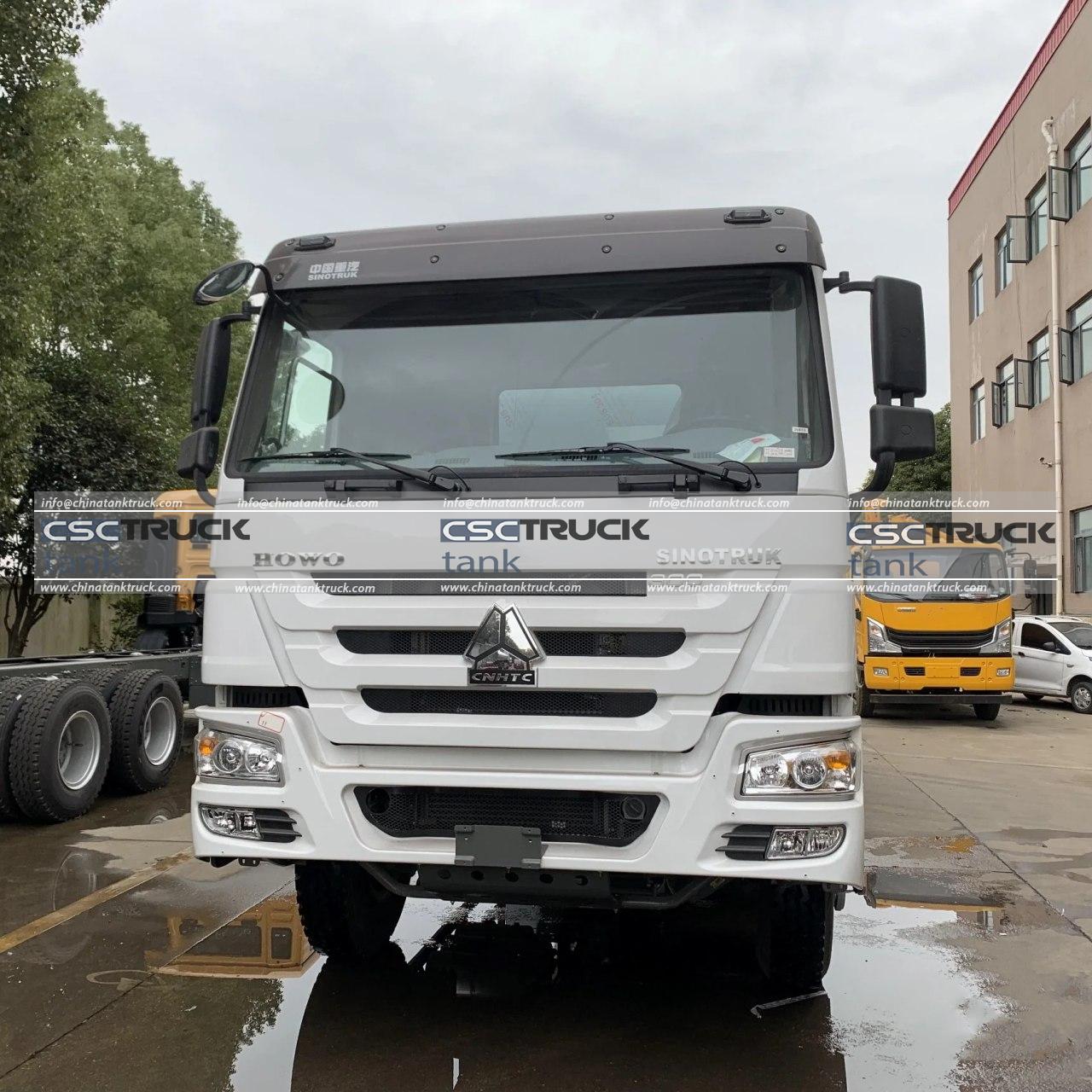
CSCTRUCK China Tank Truck currently offers milk tank truck configurations ranging from smaller collection vehicles to large-capacity tankers, allowing buyers to select different chassis and tank configurations according to their application.
CSCTRUCK China Tank Truck for Raw Milk Transportation
CSCTRUCK China Tank Truck is a Chinese manufacturer and exporter of specialized tank trucks and commercial vehicles. Founded in 2005 in Suizhou, Hubei, the company produces various vehicles, including milk tank trucks, fuel tank trucks, water tankers, chemical tank trucks, LPG tankers, and other specialized vehicles.
For dairy transportation applications, CSCTRUCK China Tank Truck provides milk tanker configurations with different capacities, chassis brands, stainless-steel tank specifications, insulation systems, sanitary fittings, and pumping systems. Its published milk tanker range includes configurations such as 5,000-liter, 6,000-liter, 10,000-liter, 20,000-liter, and 25,000-liter models.
For international buyers, the company can also customize the vehicle according to requirements such as LHD or RHD configuration, tank capacity, chassis, local road conditions, climate, sanitary equipment, and transportation distance.
Conclusion
Safe raw milk transportation requires more than simply placing milk inside a stainless-steel tank. The entire transportation process must protect milk from microbial contamination, temperature abuse, cross-contamination, and unnecessary environmental exposure.
The key requirements include a dedicated food-grade milk tanker, suitable stainless-steel construction, effective insulation, sanitary pumps and hoses, proper cleaning and sanitization, controlled loading and unloading, secure tank openings, temperature monitoring, accurate records, and compliance with local dairy regulations.
For dairy farms, milk collection companies, and processors purchasing a new vehicle, selecting a properly configured milk tank truck is an important part of maintaining the cold chain and protecting raw milk quality from collection through delivery.