
The transportation of bulk animal feed is a critical part of the livestock and agricultural supply chain. Feed manufacturers, distributors, and large-scale farms all require efficient methods to move dry bulk feed from production facilities to storage silos or directly to farms. Among the many transportation solutions available, the pneumatic tank truck has become one of the most efficient and hygienic options for handling powdered and granular feed products.
Modern manufacturers such as CSCTRUCK China Tank Truck have developed advanced pneumatic bulk tank trucks that are designed to transport a wide variety of dry bulk materials safely and efficiently. Founded in 2005, CSCTRUCK China Tank Truck specializes in manufacturing tank trucks for powders, liquids, gases, and other industrial applications. The company serves customers worldwide with customized tank truck solutions, strict quality control, and comprehensive after-sales support, making it a recognized supplier in the global commercial vehicle industry.
The Simple Answer: Yes
Yes, pneumatic tank trucks can transport animal feed, provided the feed is in a dry bulk form suitable for pneumatic loading and unloading.
Typical animal feed products transported by pneumatic tank trucks include:
- Feed meal
- Soybean meal
- Corn meal
- Wheat bran
- Rice bran
- Fish meal
- Alfalfa meal
- Feed additives
- Vitamin and mineral premixes
- Protein concentrates
- Pellet crumbs
- Ground grain mixtures
These materials flow well under compressed air and can be unloaded directly into farm silos without manual handling.
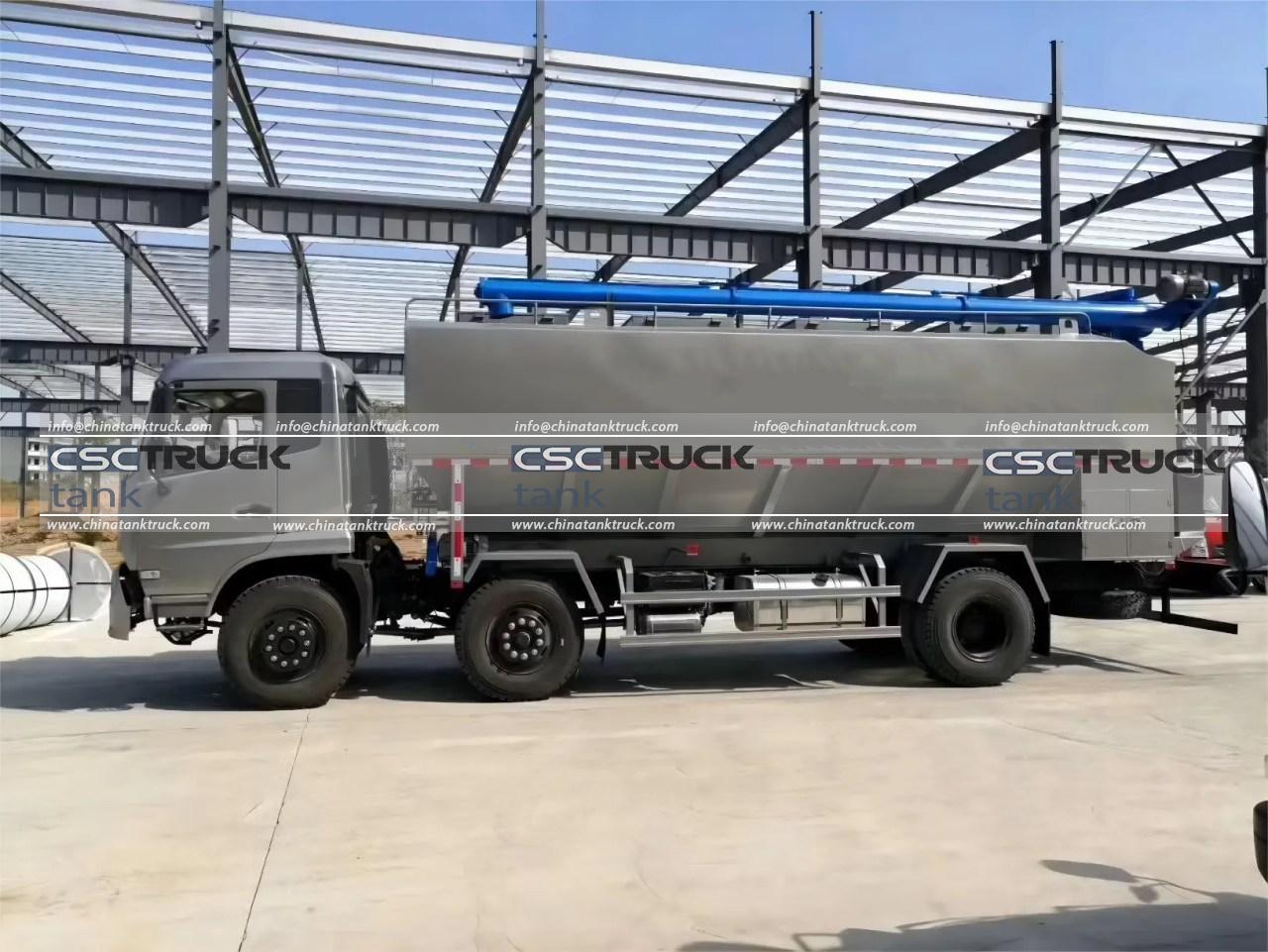
How a Pneumatic Tank Truck Works
A pneumatic tank truck is specifically engineered for transporting dry bulk materials. Unlike dump trucks or walking floor trailers, it uses compressed air to move cargo.
The transportation process generally involves:
- Loading dry feed through the top hatches.
- Sealing the tank to prevent contamination.
- Transporting the feed safely.
- Using an onboard air compressor to generate compressed air.
- Fluidizing the feed material.
- Conveying the feed through discharge pipes into storage silos.
This closed-system design minimizes product loss while keeping the feed clean throughout transportation.
Why Pneumatic Tank Trucks Are Ideal for Animal Feed
1. Excellent Hygiene
Animal feed must remain clean and uncontaminated to protect livestock health.
Pneumatic tank trucks provide:
- Fully enclosed tanks
- Dust-proof loading
- Sealed discharge systems
- Reduced exposure to rain
- Protection from insects and birds
The enclosed design helps preserve feed quality during long-distance transportation.
2. Fast Unloading
Traditional unloading methods often require conveyors or manual labor.
A pneumatic tanker can unload directly into:
- Feed mill silos
- Farm storage bins
- Mixing facilities
- Processing plants
Many loads can be discharged within 30–60 minutes, depending on the product, tank size, compressor capacity, and piping layout.
3. Reduced Material Loss
Animal feed represents a high operating cost.
The sealed pneumatic system minimizes:
- Dust emissions
- Product spillage
- Wind loss
- Moisture contamination
This improves delivery efficiency while reducing waste.
4. Suitable for Long-Distance Transport
Large feed producers often deliver products hundreds of kilometers away.
Pneumatic tank trucks maintain consistent feed quality because the cargo remains enclosed throughout transport.
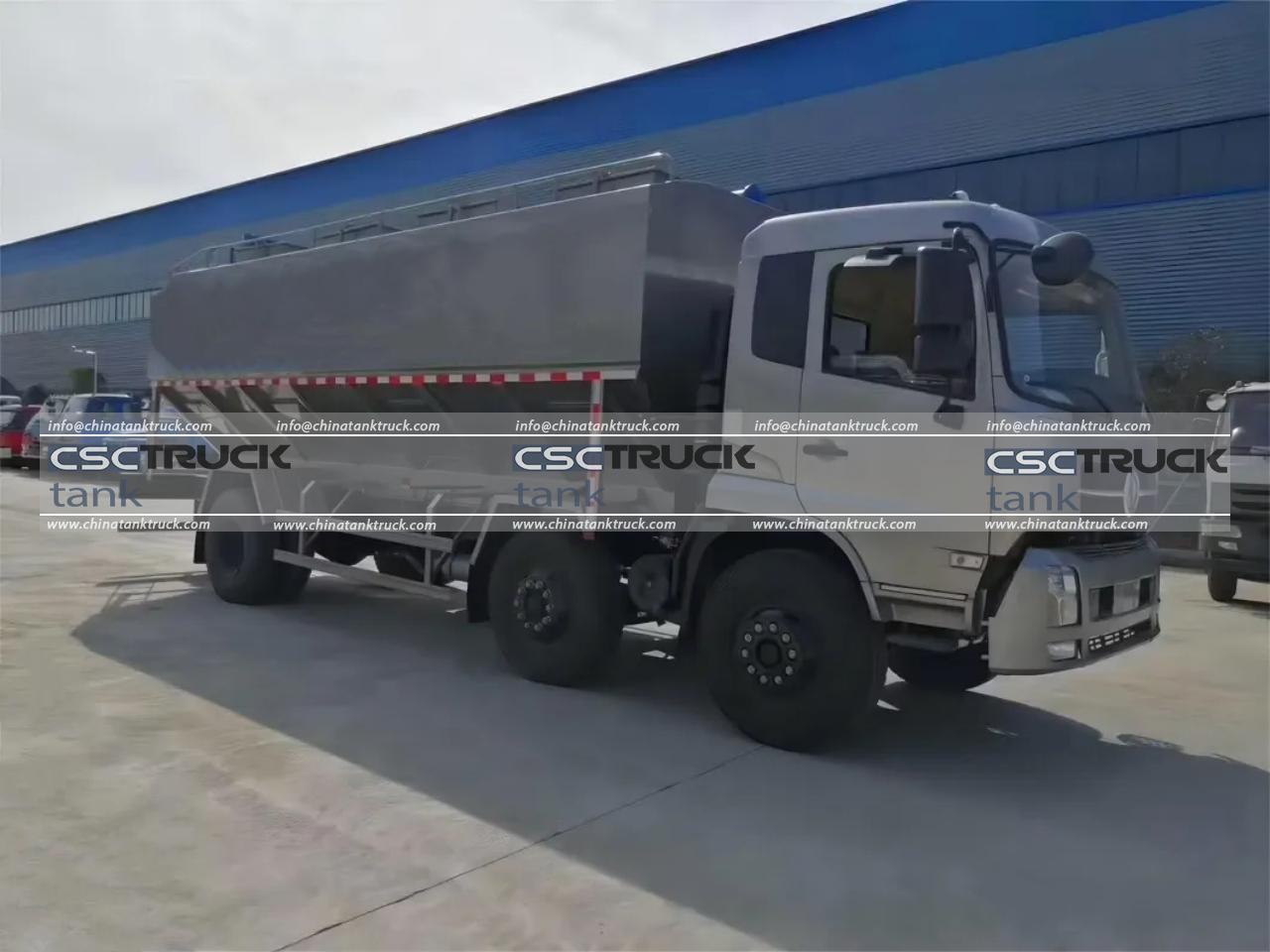
What Types of Animal Feed Can Be Transported?
Several feed products are especially suitable for pneumatic transport.
Powdered Feed
Examples include:
- Soybean meal
- Fish meal
- Milk replacer powder
- Protein supplements
These materials flow easily with compressed air.
Ground Grain
Finely milled grains such as:
- Ground corn
- Ground wheat
- Ground barley
can be transported efficiently.
Bran Products
Agricultural by-products, including:
- Wheat bran
- Rice bran
- Corn bran
are commonly delivered using bulk pneumatic systems.
Feed Additives
High-value additives, including:
- Minerals
- Vitamins
- Amino acids
- Feed enzymes
can be transported in dedicated compartments to prevent cross-contamination.
Can Feed Pellets Be Transported?
Yes—but with some limitations.
Whole feed pellets are more fragile than powders.
If the pneumatic pressure is too high, pellets may:
- Break
- Produce excessive fines
- Lose product quality
Many operators therefore reduce compressor pressure when transporting pellets or choose specialized bulk feed trailers designed specifically for pellet feed.
Ground pellet crumbs, however, are generally well suited for pneumatic transport.
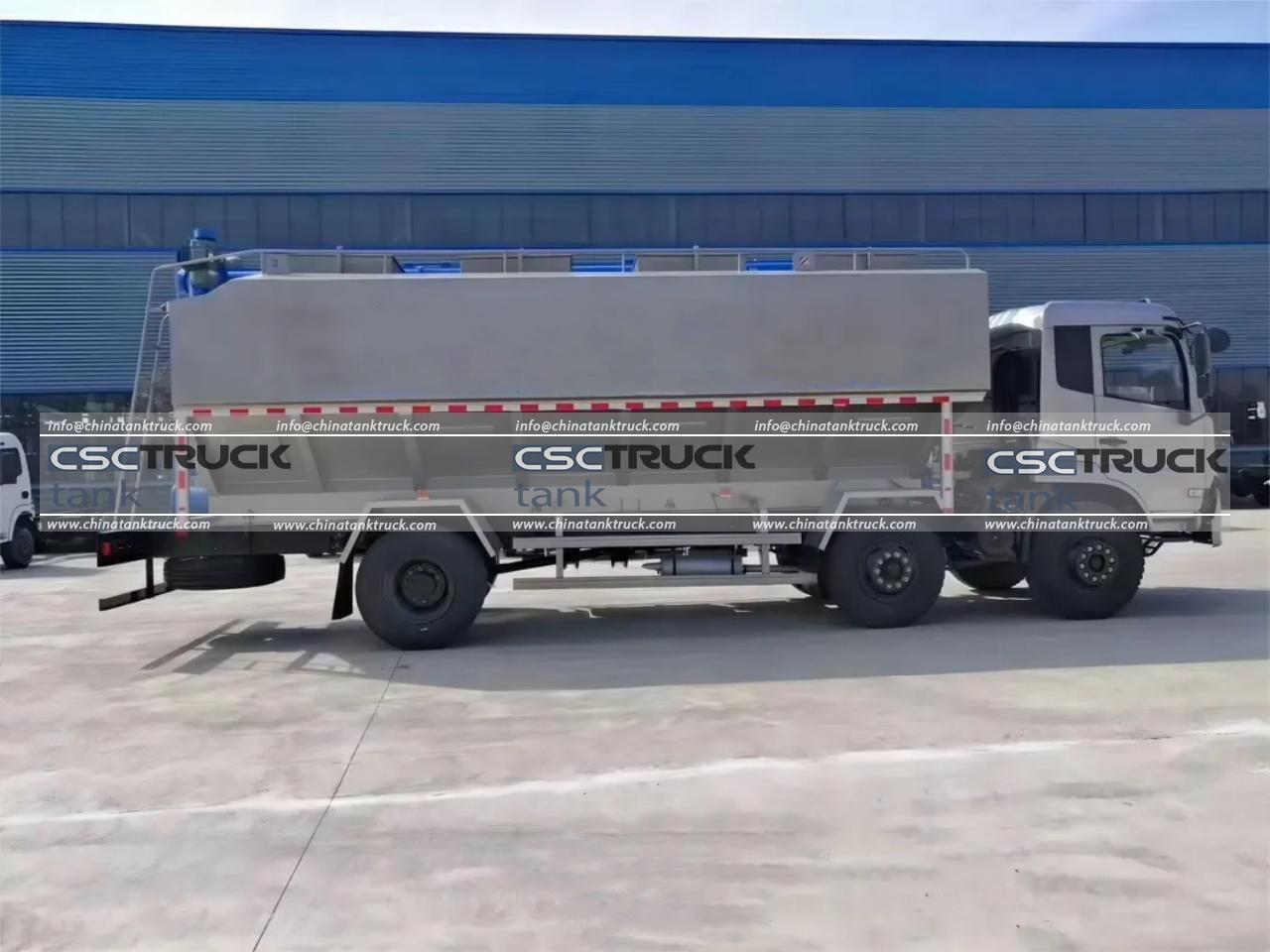
Tank Design Considerations
A pneumatic tank truck used for animal feed typically includes several important features.
Food-Grade Tank Materials
Most manufacturers use:
- Carbon steel with food-grade coatings
- Aluminum alloy
- Stainless steel (for premium applications)
These materials help maintain product cleanliness and resist corrosion.
Multiple Compartments
Some customers transport different feed formulations in a single trip.
Multi-compartment tanks allow the separate storage of:
- Dairy feed
- Poultry feed
- Pig feed
- Mineral supplements
This improves delivery flexibility.
Smooth Interior
Smooth tank walls reduce product residue, making cleaning easier between loads.
Efficient Fluidization
Air pads or fluidizing membranes help keep fine powders flowing smoothly during unloading.
Importance of Cleaning Between Loads
Cross-contamination can create serious problems.
For example:
- Medication residues
- Different protein sources
- Mineral supplements
- Feed additives
may contaminate the next shipment.
Proper cleaning procedures include:
- Complete discharge
- Internal air cleaning
- Tank inspection
- Periodic washing (when appropriate)
- Dedicated vehicles for sensitive products
Many commercial feed companies establish strict sanitation protocols before switching between feed formulations.
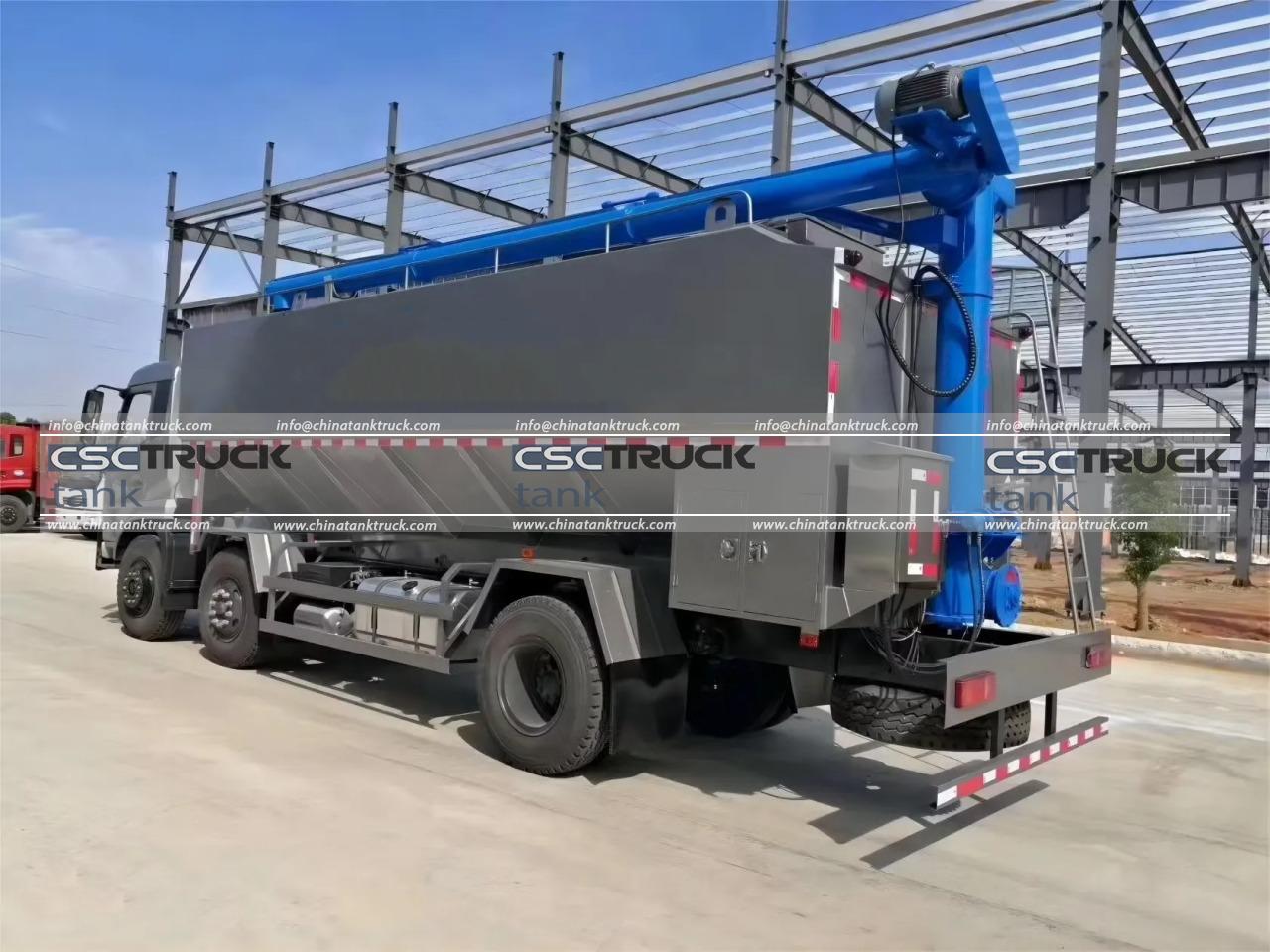
Compressor Requirements
The onboard compressor is one of the most important components.
For feed transportation, operators generally require:
- Stable airflow
- Moderate pressure
- Reliable continuous operation
- Low oil carryover
Oil-free or properly filtered compressed air is preferred to avoid contaminating feed products.
A properly sized compressor also reduces unloading time while preventing excessive pressure that could damage delicate materials.
Benefits for Feed Manufacturers
Using pneumatic tank trucks provides several operational advantages.
These include:
- Lower unloading labor costs
- Faster turnaround
- Cleaner deliveries
- Reduced feed waste
- Improved inventory management
- Greater delivery flexibility
- Better product protection
For large feed mills making multiple daily deliveries, these benefits can significantly improve operational efficiency.
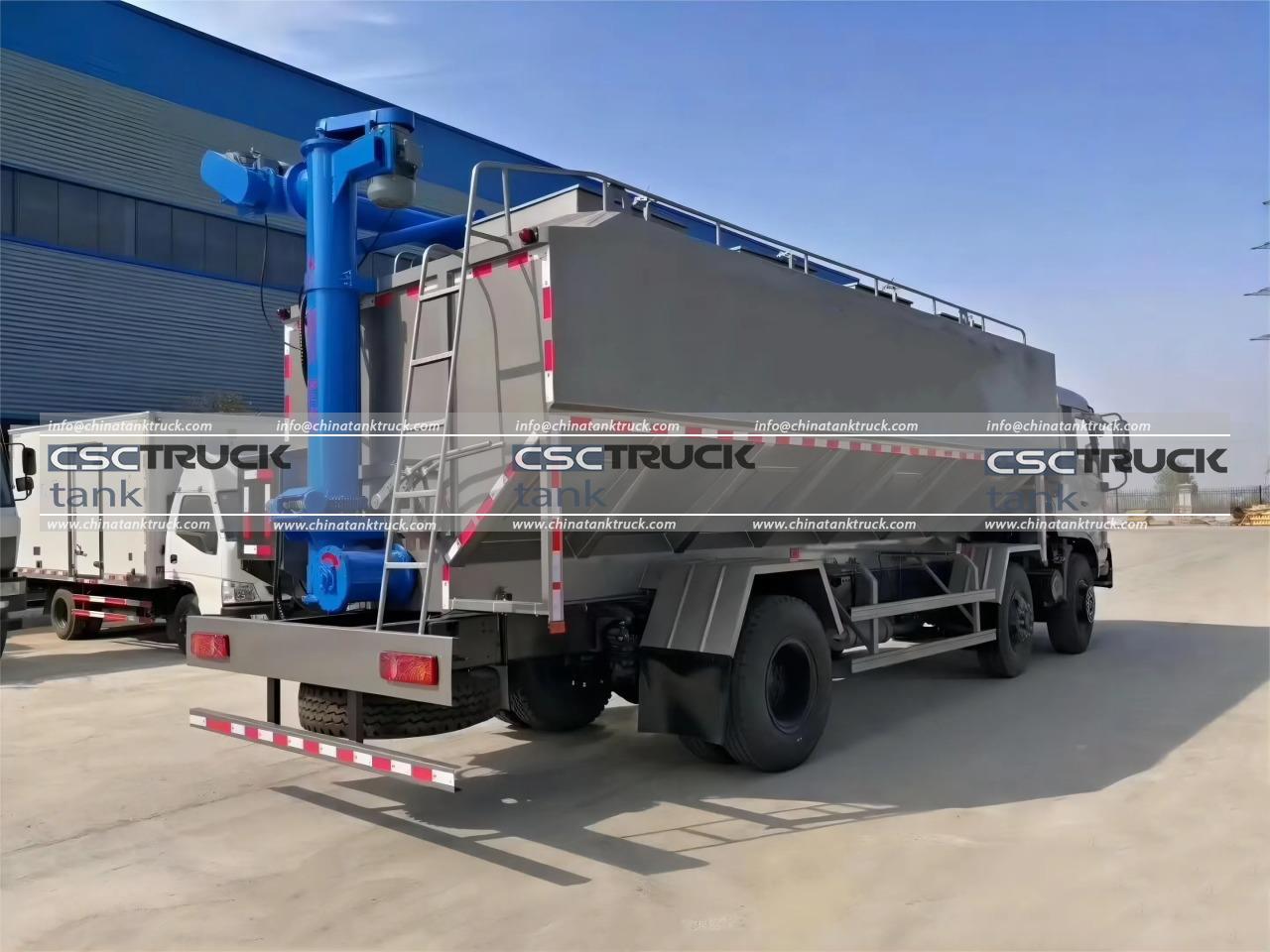
Challenges to Consider
Although pneumatic tank trucks are highly effective, operators should consider several factors.
Moisture Sensitivity
Animal feed absorbs moisture easily.
If moisture enters the tank:
- Flowability decreases.
- Caking may occur.
- Feed quality deteriorates.
Proper sealing is therefore essential.
Product Density
Different feed products have different bulk densities.
Tank loading should account for:
- Maximum legal vehicle weight
- Tank volume utilization
- Product flow characteristics
Abrasive Ingredients
Certain mineral additives can increase equipment wear.
Regular maintenance of:
- Valves
- Pipes
- Compressor systems
- Air pads
helps ensure long service life.
Choosing the Right Pneumatic Tank Truck
When selecting a pneumatic tanker for animal feed, buyers should evaluate:
- Tank capacity
- Number of compartments
- Compressor performance
- Tank material
- Chassis compatibility
- Discharge efficiency
- Cleaning accessibility
- After-sales service
Working with an experienced manufacturer ensures the vehicle can be customized for specific feed products and operational requirements.
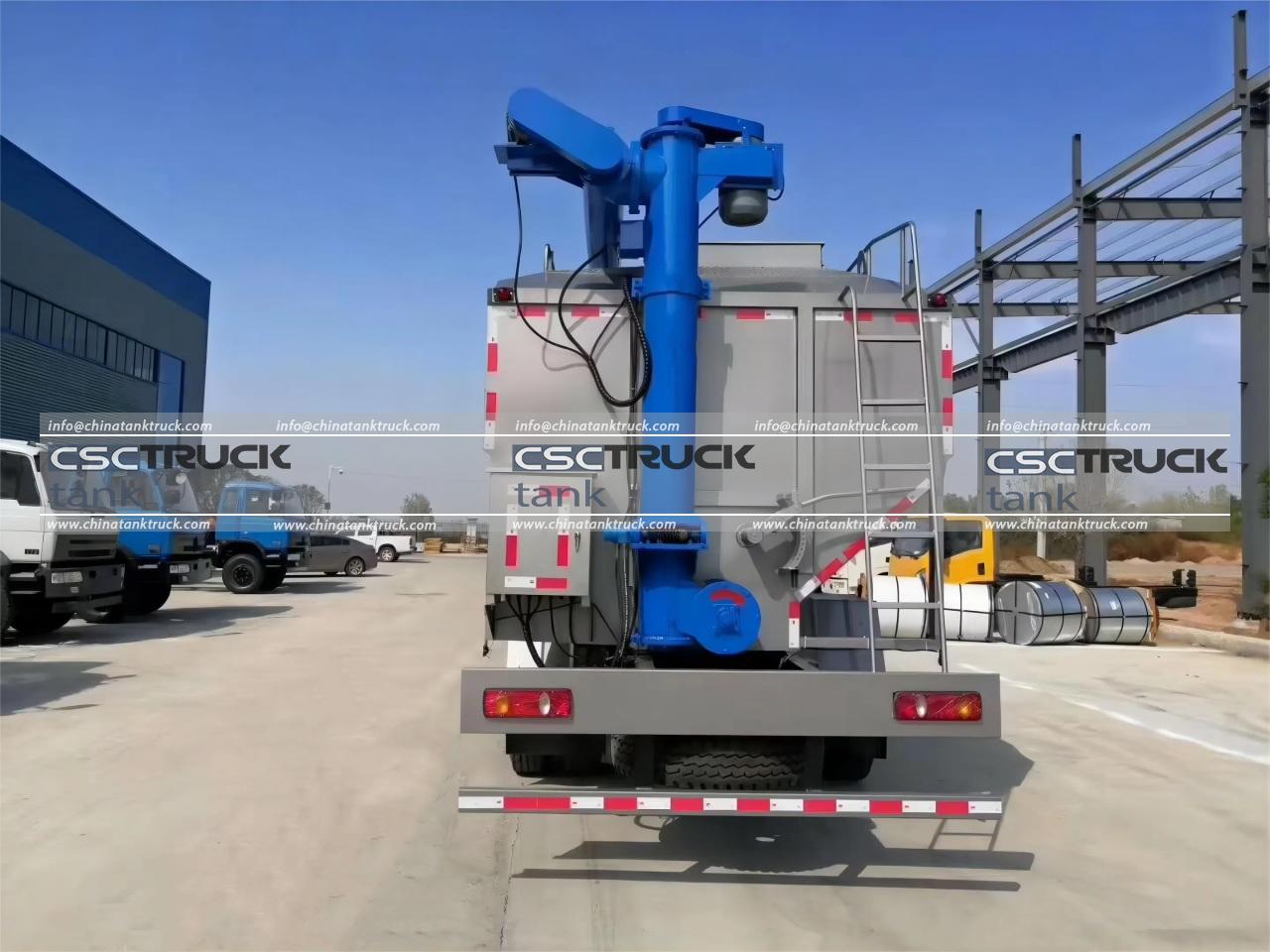
Conclusion
Pneumatic tank trucks are an excellent solution for transporting dry bulk animal feed. Their enclosed design protects feed from contamination, moisture, and product loss while enabling fast, efficient unloading directly into storage silos. Whether transporting soybean meal, wheat bran, feed additives, protein concentrates, or finely ground grain, these vehicles offer reliable performance across the agricultural supply chain.
Manufacturers such as CSCTRUCK China Tank Truck offer a broad range of pneumatic bulk tank trucks designed for safe, efficient, and customizable transport of dry bulk materials. With advanced manufacturing capabilities, quality control systems, and global export experience, CSCTRUCK China Tank Truck provides solutions that help feed producers and logistics companies improve transportation efficiency while maintaining high standards of product quality and safety.