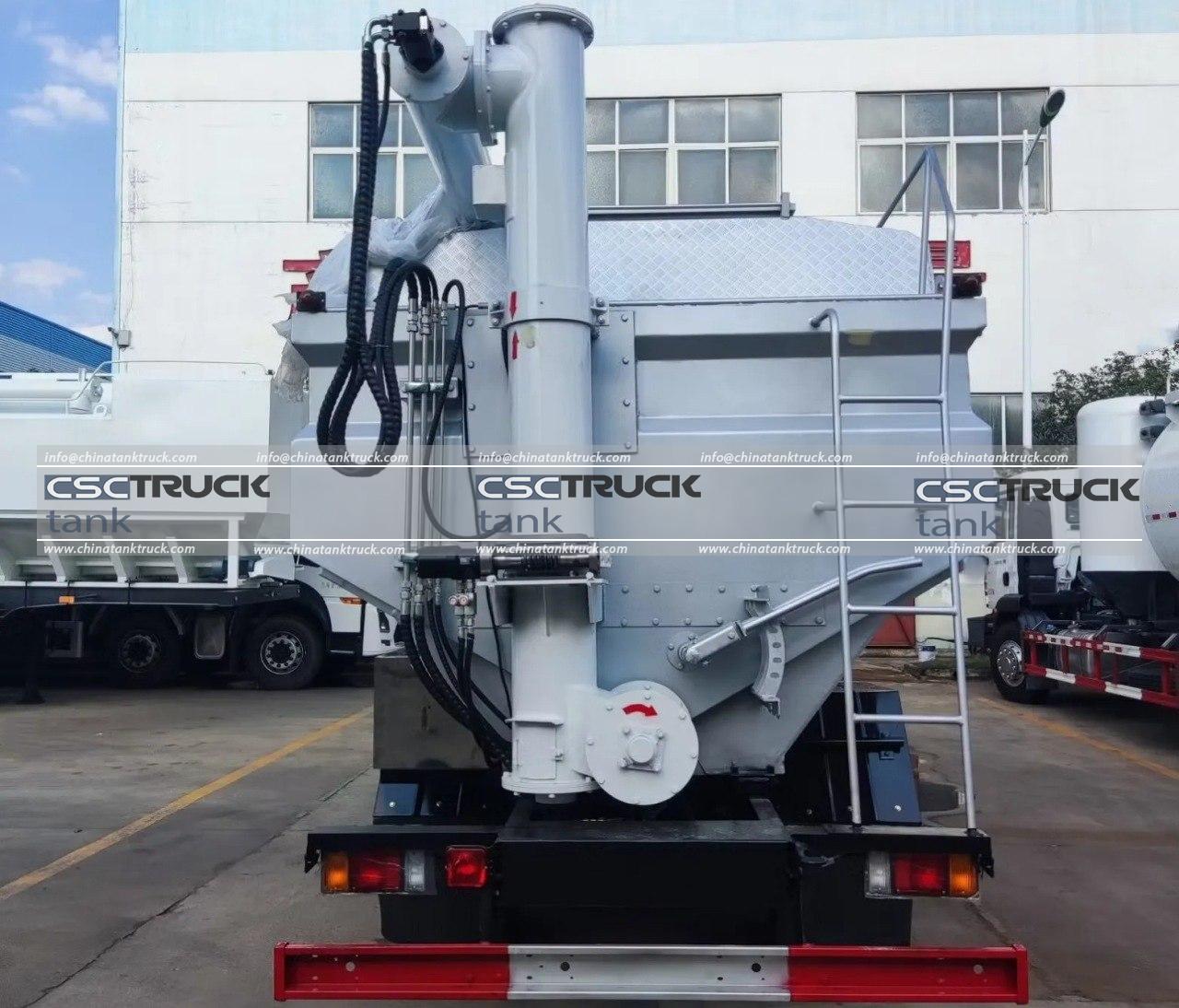
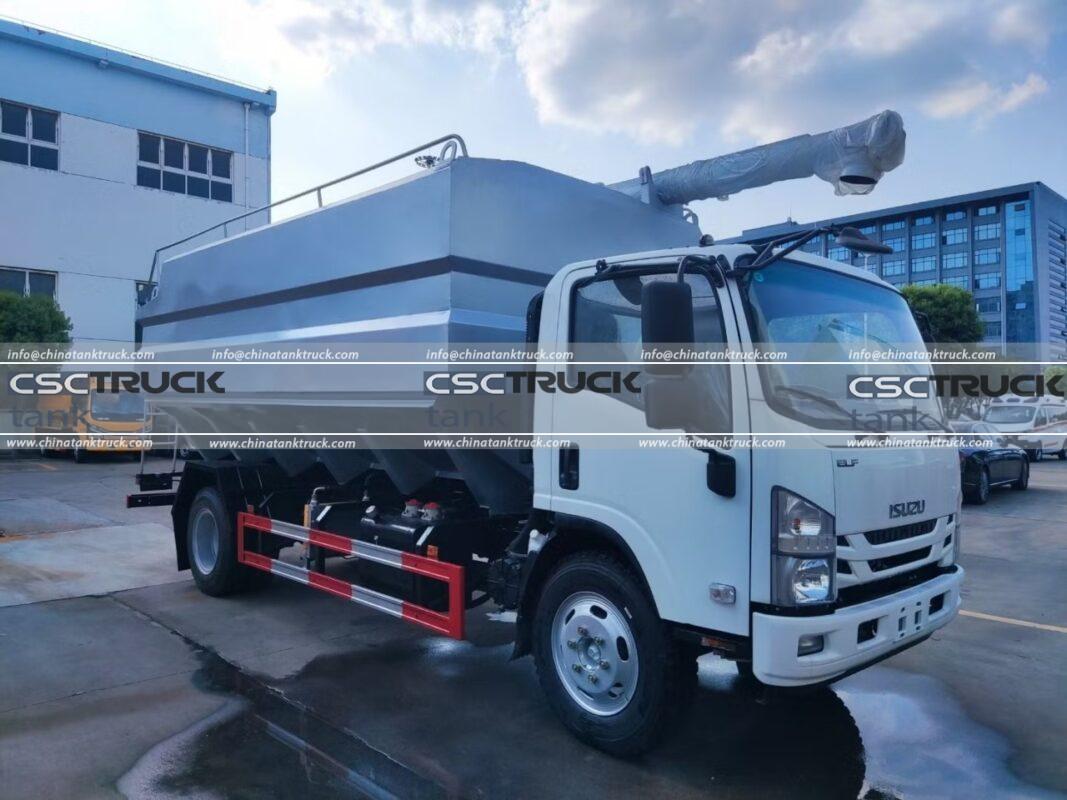
Introduction: CSCTRUCK China Tank Truck – Reliable Pneumatic Tanker Solutions
CSCTRUCK China Tank Truck is a professional manufacturer and supplier specializing in a wide range of tank trucks, including pneumatic tanker trucks, bulk cement tankers, powder transport trucks, fuel tankers, water tankers, and other specialized transportation vehicles. With advanced manufacturing technology, customized chassis options, and strict quality control, CSCTRUCK China Tank Truck provides efficient solutions for industries requiring safe and reliable bulk material transportation.
Pneumatic tankers, also known as pneumatic bulk trailers or dry bulk tank trucks, are widely used for transporting powdered and granular materials such as cement, fly ash, lime, alumina, flour, and other dry commodities. One common question from customers and operators is: Can one person operate a pneumatic tanker?
The short answer is YES, in many cases, one trained operator can operate a pneumatic tanker independently. However, successful single-person operation depends on the tanker design, loading and unloading environment, safety requirements, and the operator’s experience.
What Is a Pneumatic Tanker?
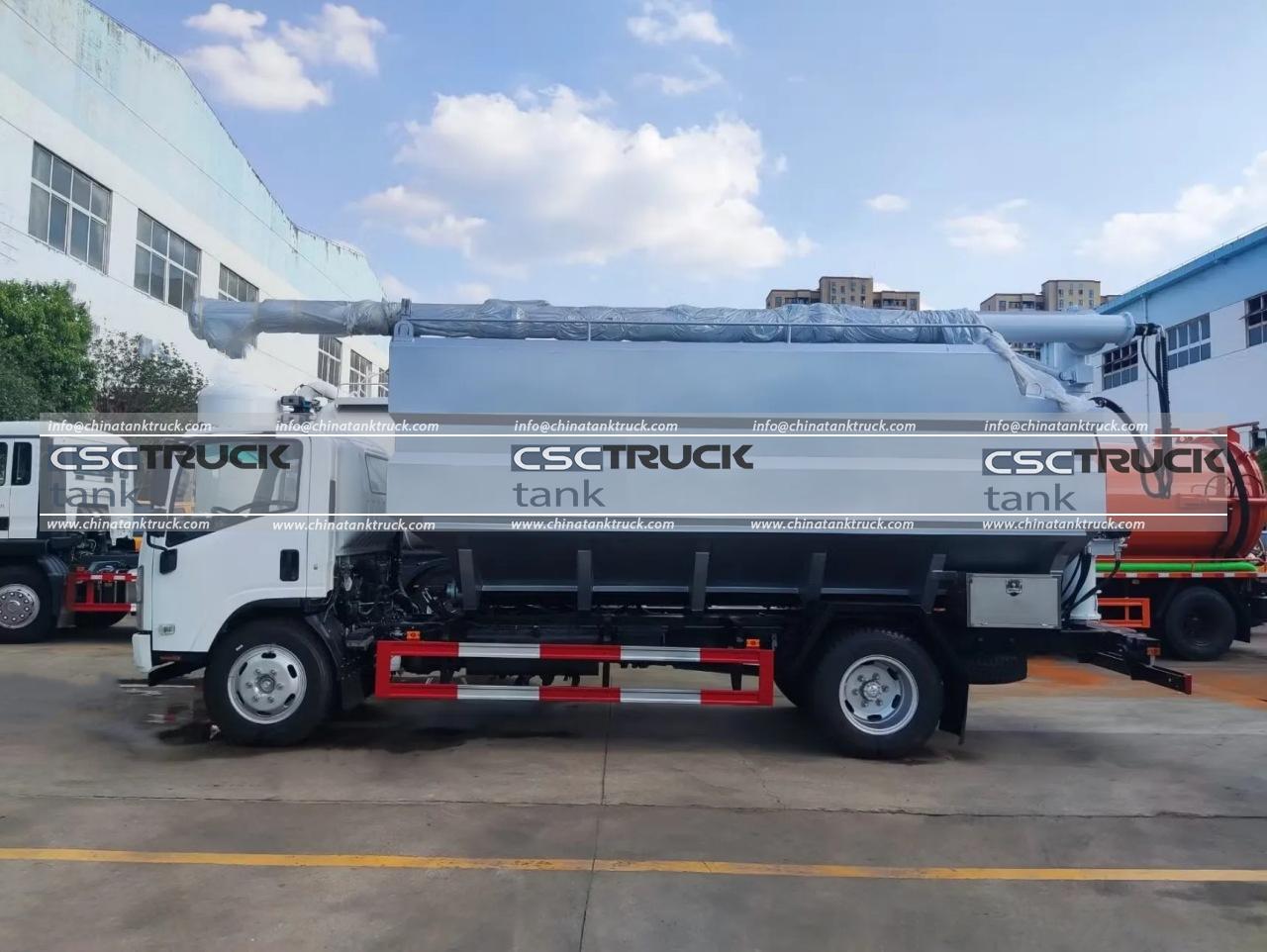
A pneumatic tanker is a specialized vehicle designed to transport dry bulk materials through a sealed tank system. Unlike traditional dump trucks or open containers, pneumatic tankers use compressed air to move materials from the tank to storage facilities.
The main components of a pneumatic tanker include:
- Pressure vessel tank body
- Air compressor or external air supply system
- Air pipes and valves
- Discharge pipeline
- Pressure control system
- Safety relief valves
- Chassis and driving system
During unloading, compressed air enters the tank and creates airflow that fluidizes the dry material. The material then moves through the discharge pipeline into silos or storage equipment.
Common applications include:
- Cement transportation for construction projects
- Fly ash delivery to power plants
- Chemical powder transportation
- Mineral powder handling
- Food-grade powder transport
Because the entire unloading process is highly automated compared with traditional manual handling, pneumatic tankers can often be managed by a single trained person.
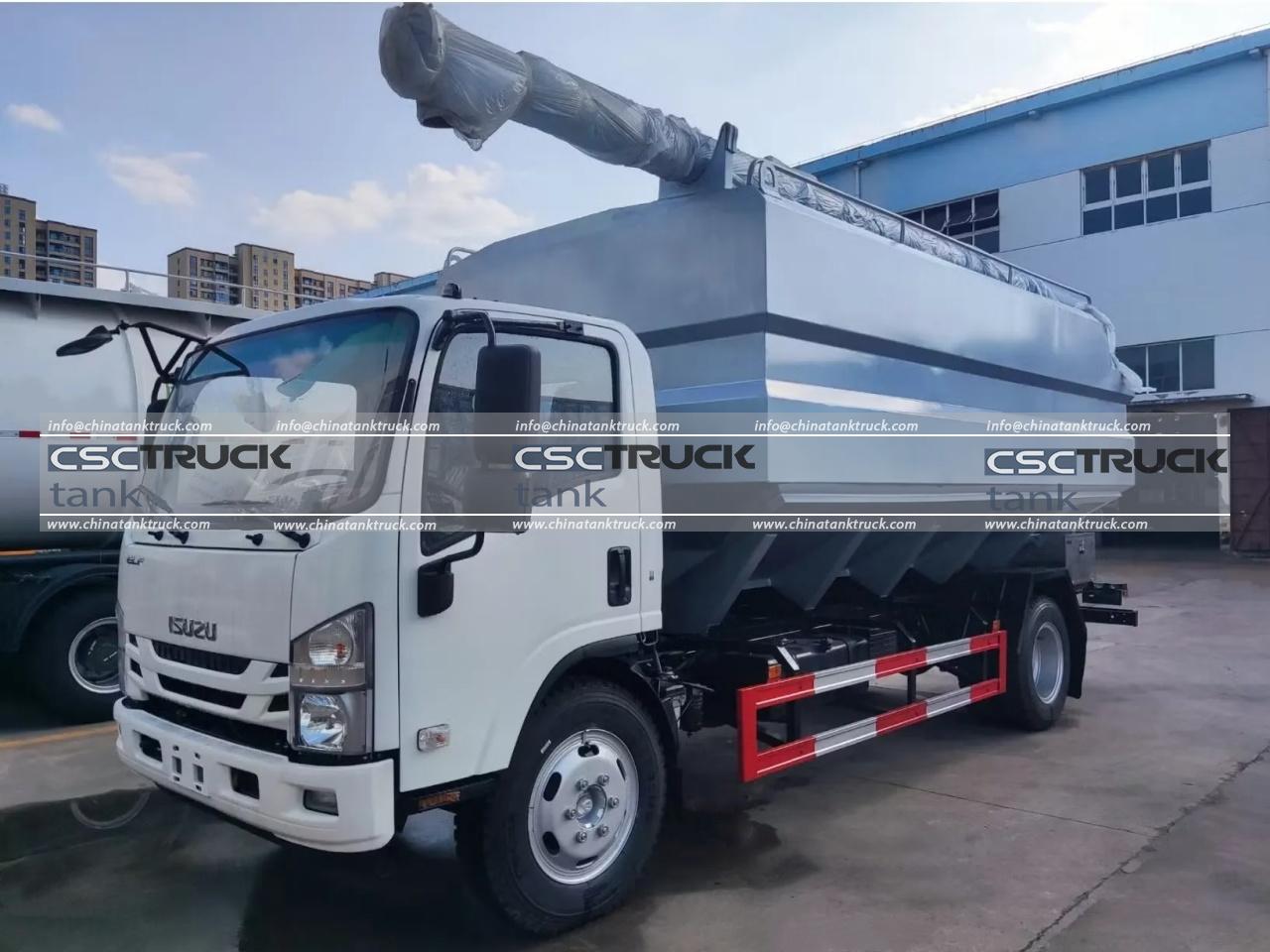
Can One Person Drive and Operate a Pneumatic Tanker?
Yes, a single operator can usually perform the major tasks involved in pneumatic tanker operation.
A typical one-person workflow includes:
1. Driving the Truck
The operator drives the pneumatic tanker from the loading location to the delivery site, similar to other heavy-duty commercial vehicles.
Depending on the country and vehicle configuration, the driver may need appropriate commercial driving qualifications and additional certifications for certain cargo types. Regulations often require operators of specialized transport equipment to receive proper training before independent operation.
2. Loading Inspection
Before loading, the operator normally checks:
- Tank condition
- Pressure gauges
- Valves and pipelines
- Air compressor system
- Safety equipment
- Connection points
A pre-operation inspection helps prevent problems such as air leakage, pressure abnormalities, or unloading failures.
3. Connecting the Unloading System
At the delivery location, one operator can typically:
- Park the truck safely.
- Connect the discharge hose.
- Open the required valves.
- Start the compressor system.
- Monitor pressure and material flow.
Modern pneumatic tankers are designed with centralized controls that simplify operation.
4. Monitoring the Discharge Process
During unloading, the operator monitors:
- Tank pressure
- Air supply
- Material discharge speed
- Pipeline condition
- Compressor performance
The operator must remain nearby because pneumatic unloading involves pressure systems. Proper training is essential, and equipment inspections and safe operating procedures are important for preventing accidents.
Why Can Pneumatic Tankers Be Operated by One Person?
Several design features make single-person operation possible.
1. Automated Control Systems
Modern pneumatic tankers often include:
- Pressure gauges
- Automatic valves
- Remote controls
- Simple control panels
- Safety protection devices
These systems reduce the amount of manual work required.
2. Efficient Unloading Technology
Traditional bulk material transportation may require multiple workers for manual loading and unloading. Pneumatic tankers use compressed air technology, allowing materials to be transferred directly into silos or storage tanks.
This improves:
- Labor efficiency
- Delivery speed
- Cleanliness
- Material recovery rate
3. Integrated Vehicle Design
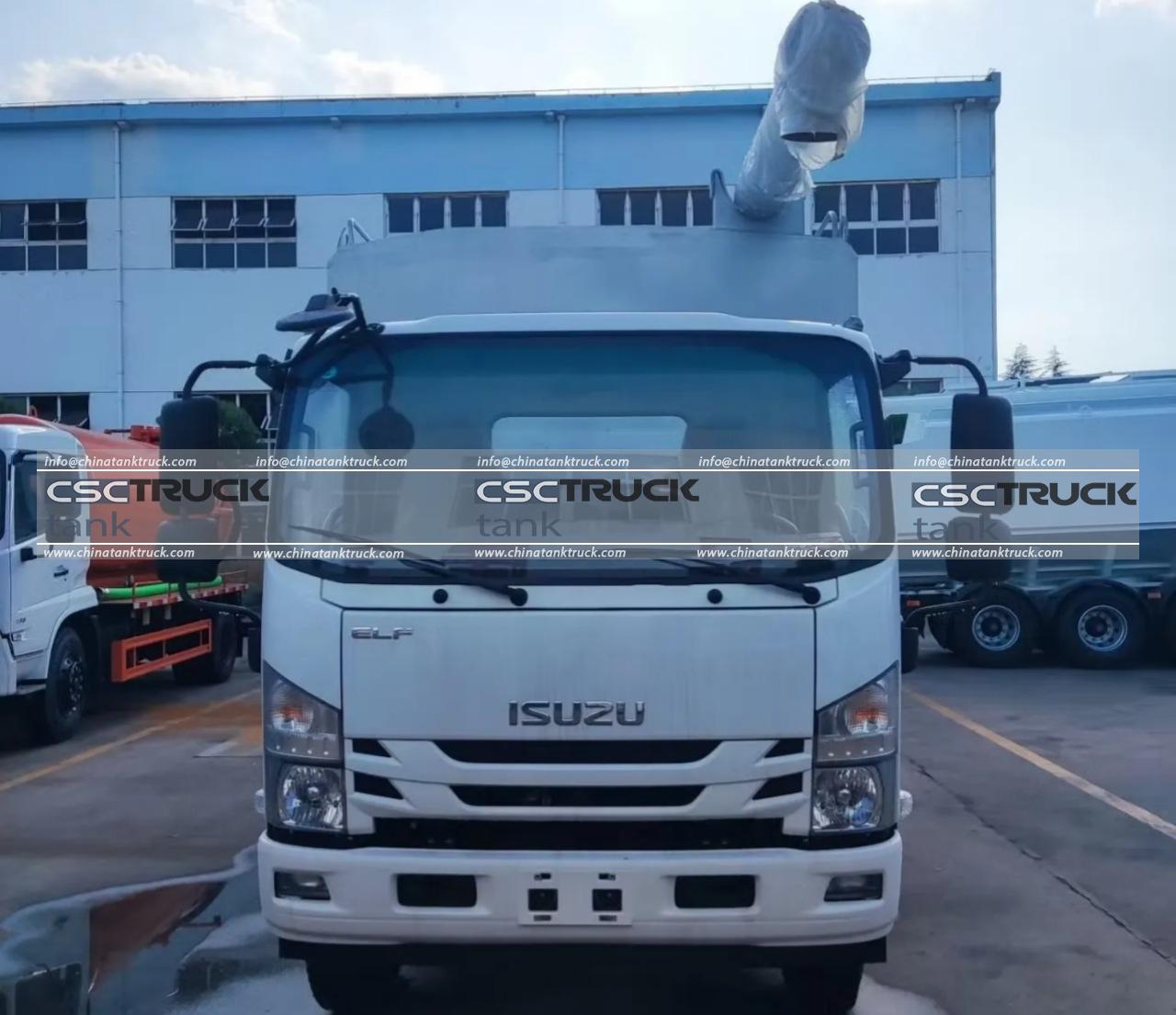
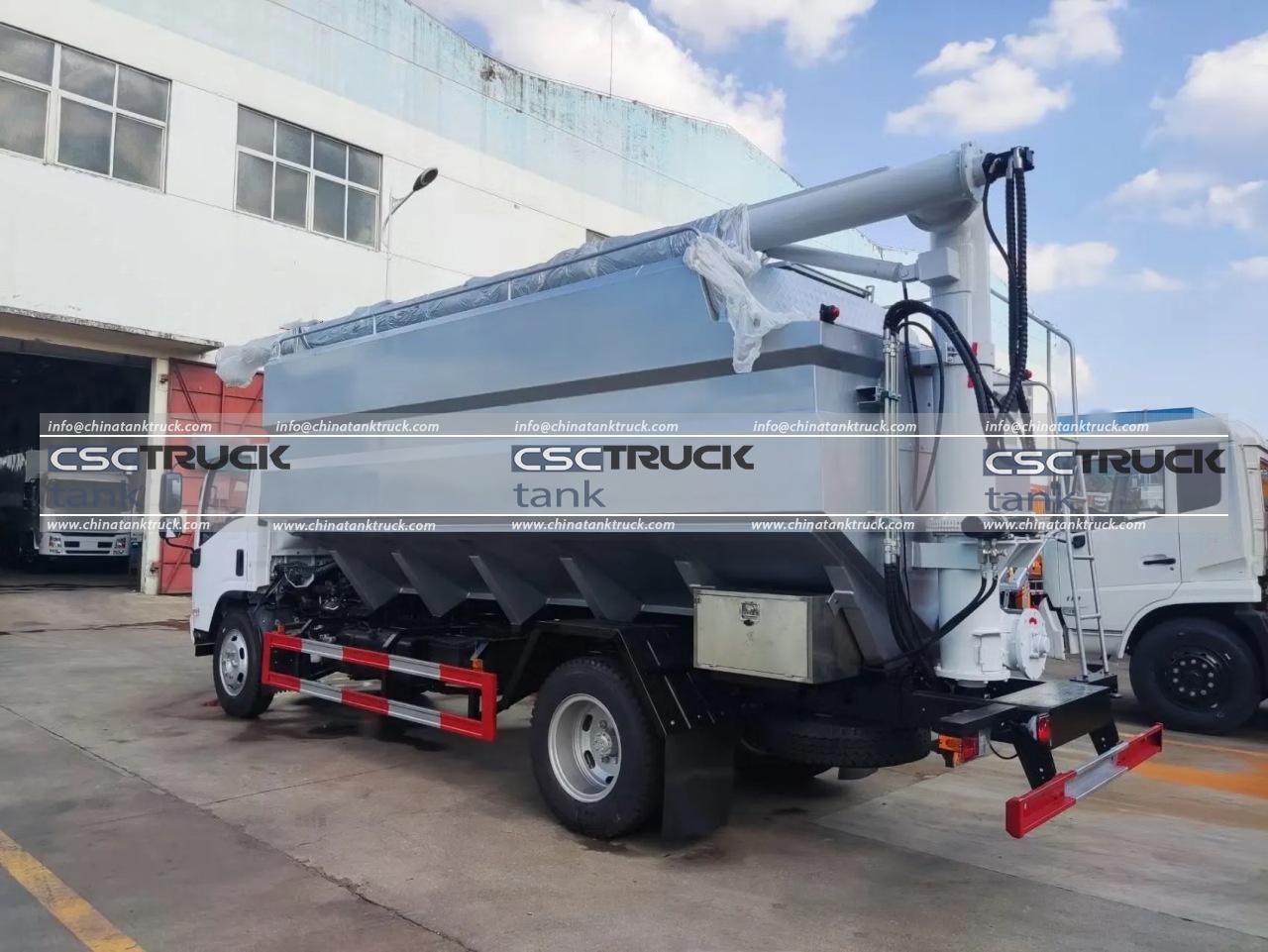
CSCTRUCK China Tank Truck pneumatic tankers can be customized with different chassis brands and capacities according to customer requirements. Common configurations include:
- 4×2 pneumatic tanker trucks
- 6×4 pneumatic tanker trucks
- 8×4 pneumatic bulk trucks
- Semi-trailer pneumatic tankers
Large-capacity models are frequently used for long-distance transportation and industrial applications.
What Skills Does a Single Pneumatic Tanker Operator Need?
Although one person can operate the vehicle, professional skills are required.
A qualified operator should understand:
Vehicle Driving Skills
The driver must know:
- Heavy truck handling
- Braking characteristics
- Turning limitations
- Load distribution effects
A fully loaded pneumatic tanker has significant weight and requires careful driving.
Pressure System Knowledge
The operator should understand:
- Working pressure range
- Valve operation
- Air compressor functions
- Emergency shutdown procedures
Incorrect operation of a pressurized tank system may create safety risks.
Troubleshooting Ability
A single operator should be able to identify common problems:
Slow unloading speed
Possible causes:
- Insufficient air pressure
- Blocked pipeline
- Moist material
- Incorrect valve operation
Pressure instability
Possible causes:
- Air leakage
- Compressor problems
- Valve failure
Basic troubleshooting knowledge reduces downtime.
When Are Two Operators Better?
Although one person can operate many pneumatic tankers, some situations may benefit from two people.
Large Industrial Projects
Large construction sites or mining operations may require additional workers for:
- Traffic guidance
- Hose connection assistance
- Site coordination
Dangerous Materials
If transporting hazardous powders or chemicals, additional safety personnel may be required depending on local regulations.
Complex Delivery Locations
Some facilities have strict unloading procedures requiring communication between the driver and site personnel.
Safety Considerations for Single-Person Operation
Operating alone does not mean operating without safety procedures.
Important safety practices include:
Regular Equipment Inspection
Check:
- Tank pressure system
- Air compressor
- Valves
- Safety devices
- Pipeline connections
Pressure equipment requires periodic inspection and testing according to applicable standards. For example, highway tanks used for regulated transportation may require scheduled testing and compliance checks.
Wear Proper Protective Equipment
Operators may need:
- Safety helmet
- Protective glasses
- Dust mask or respirator
- Gloves
- Safety footwear
This is especially important when transporting dusty materials such as cement or lime.
Follow Correct Unloading Procedures
Operators should never:
- Open pressurized valves suddenly
- Stand near discharge outlets
- Ignore abnormal pressure readings
- Modify safety systems
Advantages of One-Person Pneumatic Tanker Operation
Single-person operation provides several benefits:
Reduced Labor Costs
Companies can complete deliveries with fewer workers.
Higher Transportation Efficiency
One driver can manage both transportation and unloading.
Better Flexibility
Small construction companies and material suppliers can perform deliveries without requiring large crews.
Improved Automation
Modern pneumatic tankers reduce manual handling and improve operational consistency.
Conclusion
A pneumatic tanker can be operated by one person when the vehicle is properly designed, the operator is trained, and safety procedures are followed. Modern pneumatic bulk trucks use advanced pressure systems, automated controls, and efficient unloading technology to make independent operation practical.
However, single-person operation does not eliminate the need for professional training. Drivers must understand vehicle handling, pressure systems, unloading procedures, and safety requirements.
With reliable manufacturing experience and customized solutions, CSCTRUCK China Tank Truck continues to provide pneumatic tanker trucks that help customers worldwide achieve efficient, safe, and cost-effective dry bulk transportation. Whether used for cement, fly ash, mineral powder, or other bulk materials, a well-designed pneumatic tanker can deliver excellent performance with efficient one-person operation.