
Choosing the right milk tank truck manufacturer is an important decision for dairy farms, milk collection companies, food distributors, and dairy processing businesses. A milk tanker is not simply a vehicle with a stainless steel tank. It must protect milk quality, maintain hygienic conditions, meet transportation regulations, and provide reliable performance over many years. Selecting an unsuitable manufacturer may lead to poor insulation, difficult cleaning, excessive maintenance, or compliance problems.
This guide explains the key factors to consider when selecting a milk tank truck manufacturer and introduces how CSCTRUCK China Tank Truck can support buyers looking for reliable and customized milk transportation solutions.
1. Check the Manufacturer’s Industry Experience
The first factor to consider is the manufacturer’s experience in producing specialized tank trucks. A company that mainly manufactures fuel tankers or ordinary water trucks may not fully understand the hygiene, temperature-control, and food-contact requirements of milk transportation.
An experienced milk tank truck manufacturer should understand:
- Food-grade stainless steel construction
- Milk preservation and temperature control
- Smooth internal tank surfaces
- Hygienic loading and unloading systems
- CIP-compatible cleaning requirements
- Tank insulation and thermal performance
- Dairy transportation regulations
Ask the manufacturer how long it has produced milk tankers and whether it has supplied similar vehicles to dairy companies or milk collection operators. Product experience is often more valuable than a low initial quotation.
2. Evaluate Tank Material and Manufacturing Quality
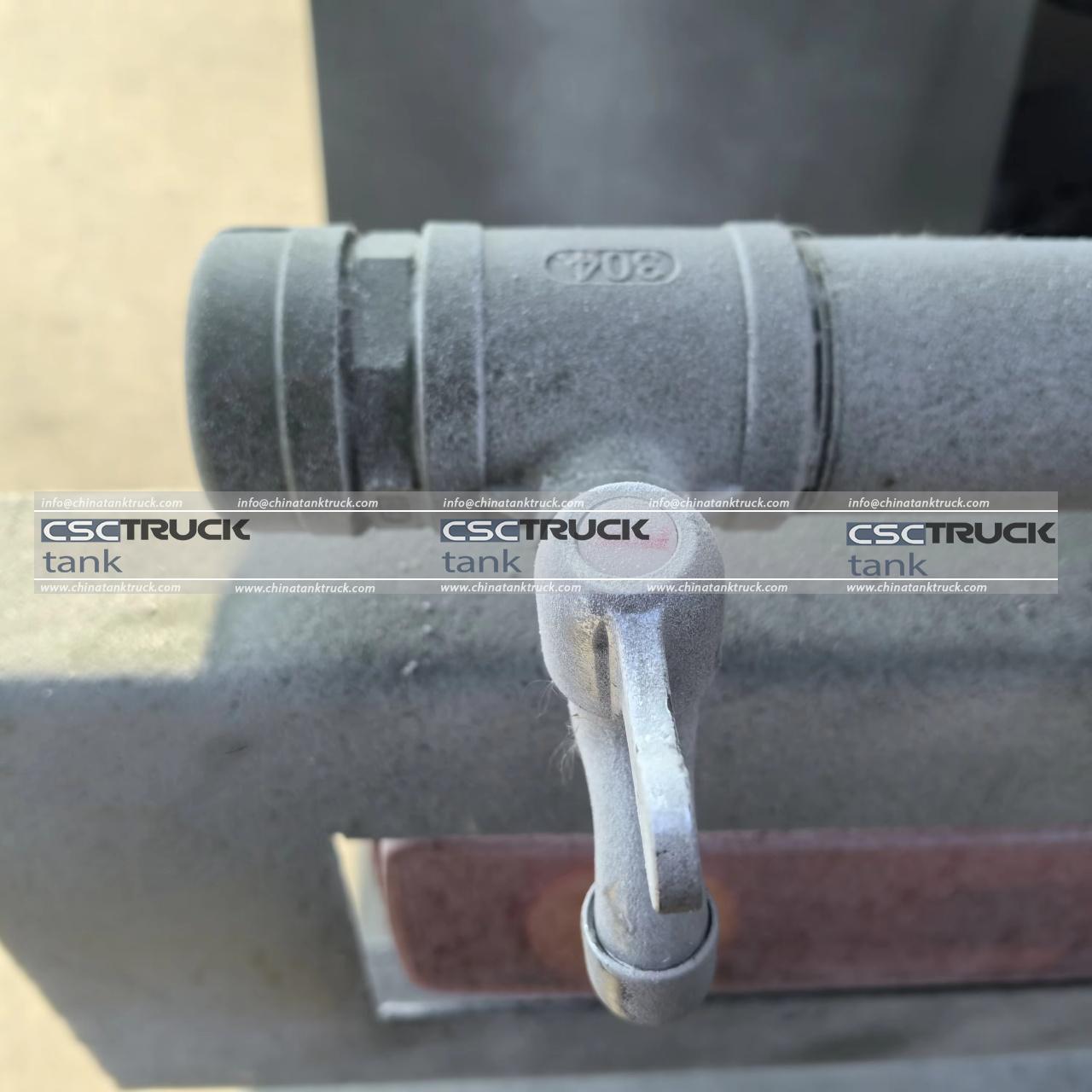
The tank material directly affects milk safety, durability, corrosion resistance, and cleaning efficiency. Most high-quality milk tank trucks use food-grade stainless steel, commonly SUS304, while SUS316 may be selected for applications requiring higher corrosion resistance or more demanding operating conditions.
When comparing manufacturers, ask about:
- Stainless steel grade
- Material thickness
- Internal surface smoothness
- Welding quality
- Tank structure and reinforcement
- Corrosion resistance
- Food-contact suitability
The inside of the tank should be smooth and easy to clean, with minimal dead corners where milk residue or bacteria could accumulate. High-quality welding and polishing are especially important because poor internal finishing can make sanitation difficult.
A professional manufacturer should be able to provide clear material specifications rather than simply describing the tank as “stainless steel.”
3. Confirm Insulation and Temperature-Control Performance
Milk is a perishable product, so temperature management is one of the most important features of a milk tank truck. The manufacturer should offer a tank design that helps maintain milk temperature during collection and transportation.
Ask about:
- Insulation material and thickness
- Tank thermal performance
- Single-wall or double-wall construction
- Refrigeration options, if required
- Temperature monitoring systems
- Expected transportation duration
- Local climate adaptation
Some milk tankers are designed primarily for short-distance collection, while others are intended for longer-distance transportation. A manufacturer should recommend the configuration according to your route length, ambient temperature, milk collection frequency, and required storage conditions.
Do not choose a tank solely because it has a large capacity. A properly insulated tank with suitable temperature-control features is often more important than maximum volume.
4. Review Tank Capacity and Vehicle Configuration
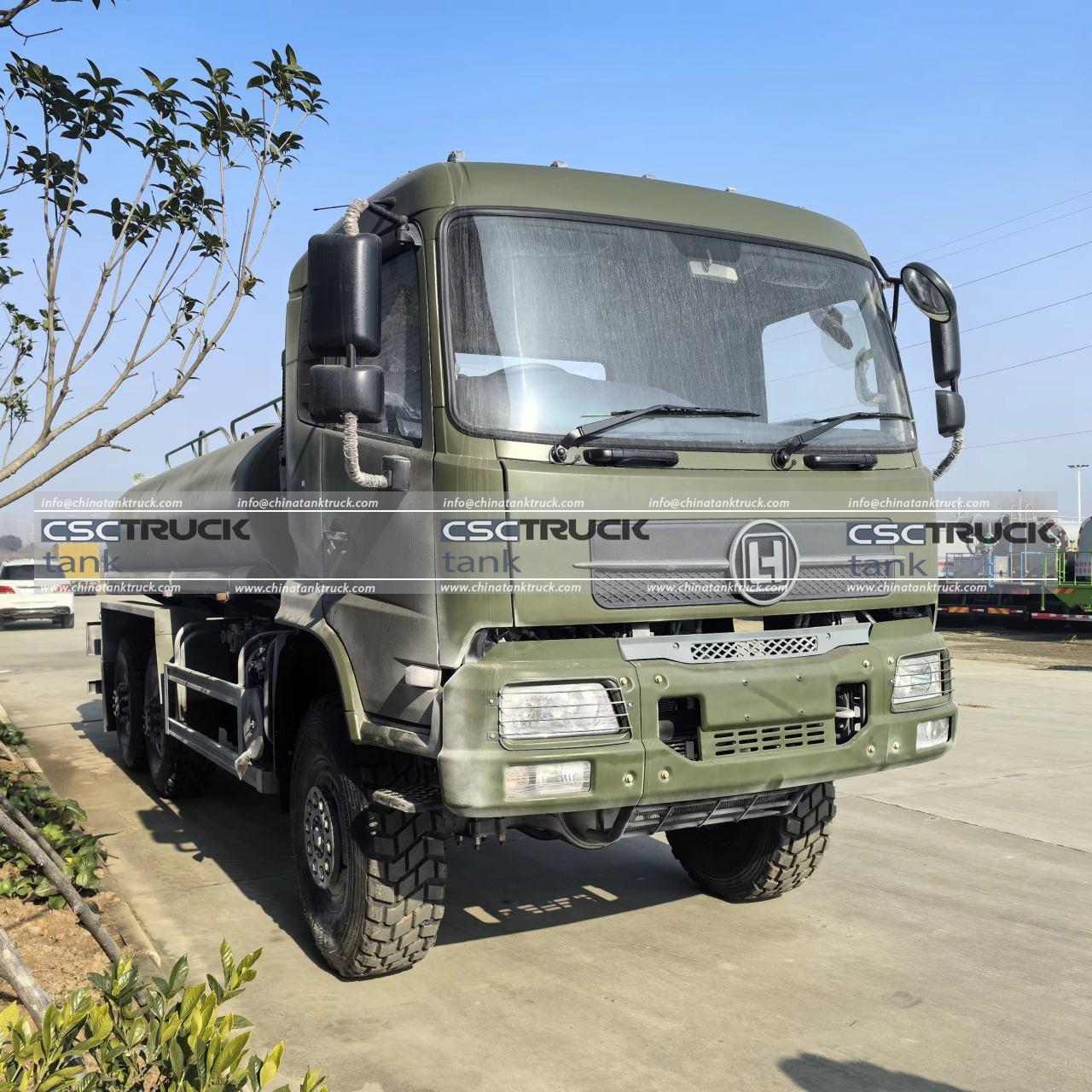
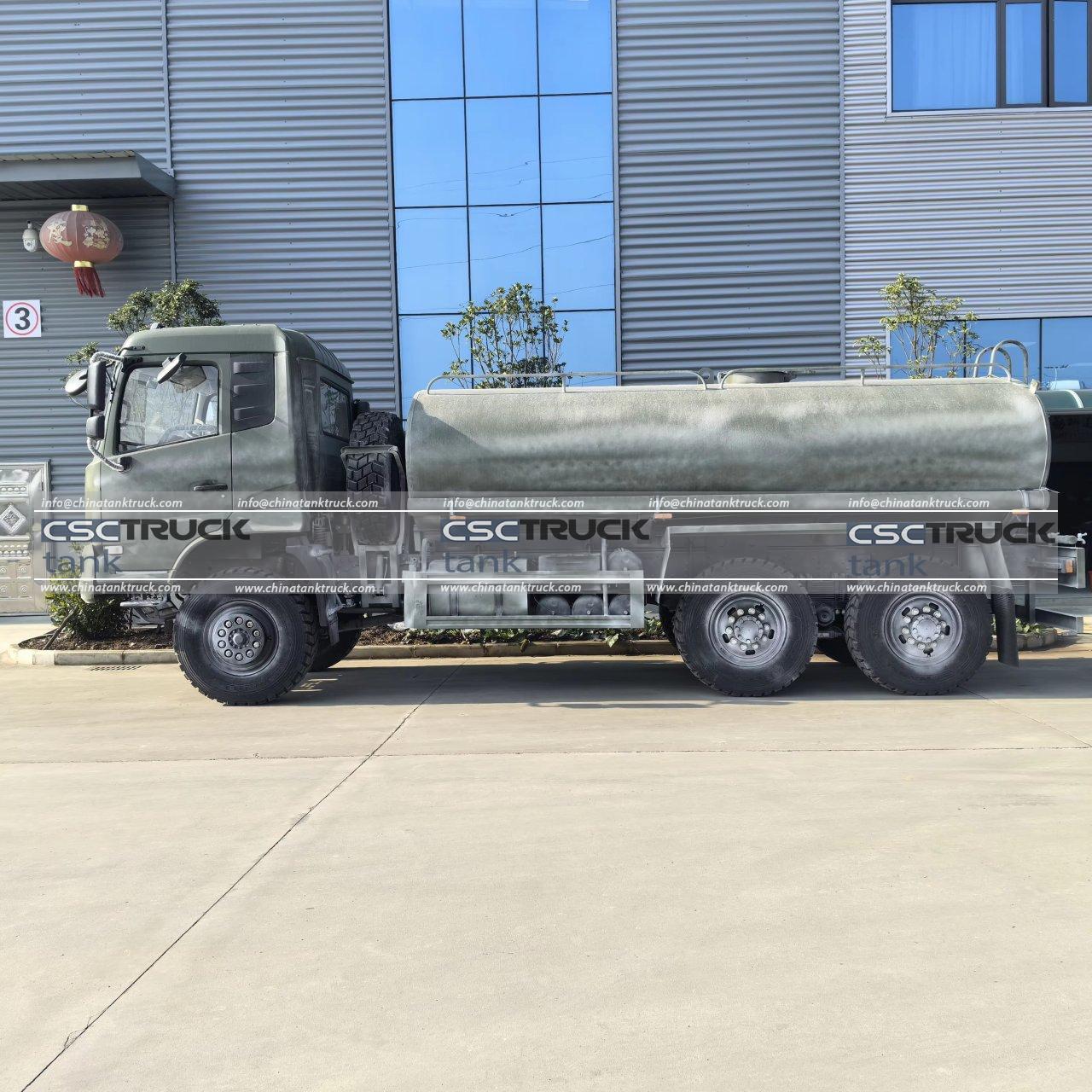
Milk tank trucks are available in different capacities, such as small collection tankers for farms and larger tankers for dairy processors or regional distribution. The correct size depends on your daily milk volume and road conditions.
Consider:
- Required milk capacity
- Chassis payload
- Number of compartments
- Road and bridge restrictions
- Urban or rural operating conditions
- Loading and unloading locations
- Turning radius and maneuverability
A reliable manufacturer should help match the tank volume with the chassis’ legal payload. An oversized tank installed on an unsuitable chassis may create overloading, safety, and registration problems.
Also consider whether you need a 4×2, 6×4, or another chassis configuration based on road conditions and operating distance.
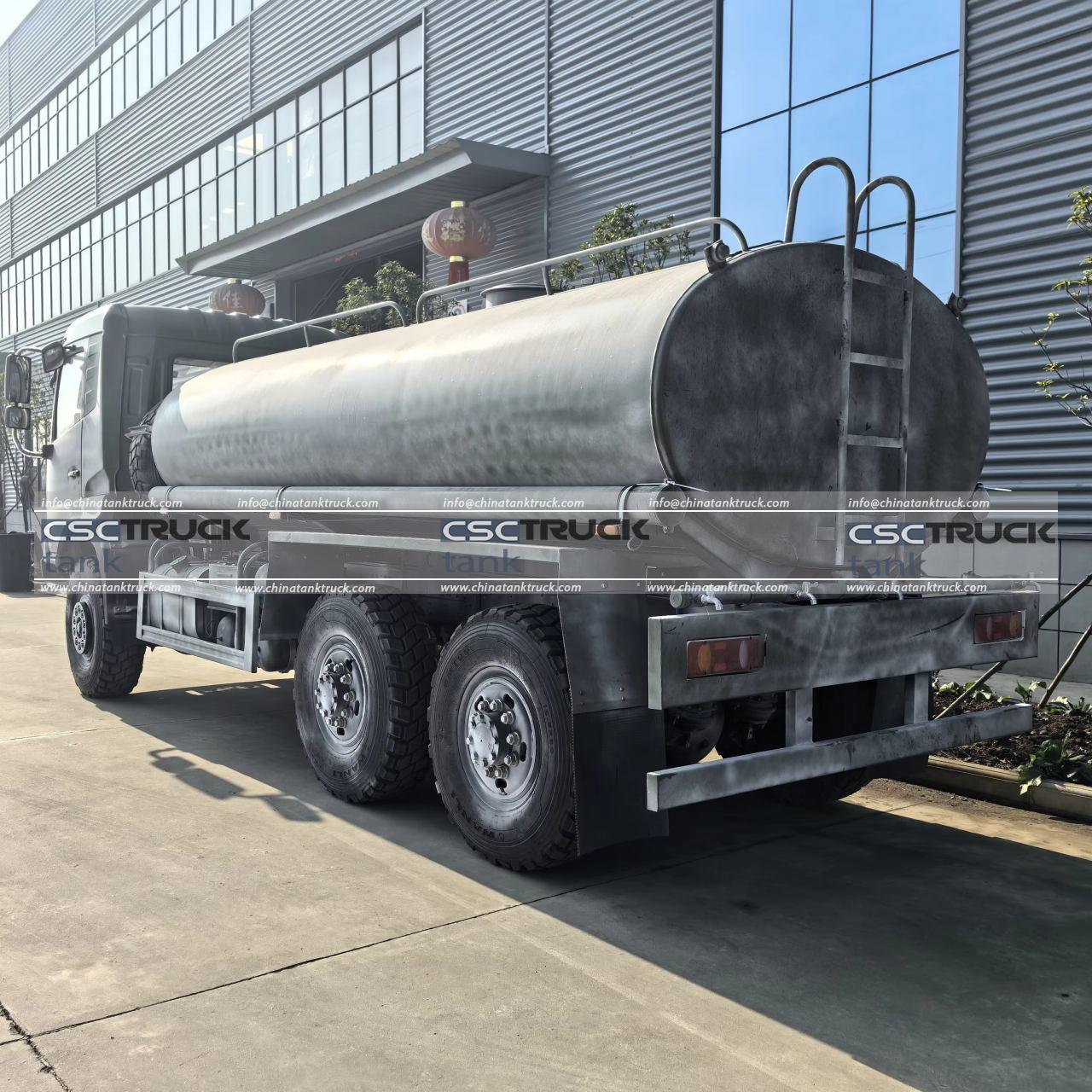
5. Examine Hygiene and Cleaning Features
Milk tankers must be easy to clean and sanitize after each operating cycle. A manufacturer with strong dairy equipment knowledge should pay attention to hygienic design rather than focusing only on tank appearance.
Important features may include:
- Hygienic manholes
- Food-grade valves
- Sanitary pipelines
- Smooth internal tank surfaces
- Drainage design
- CIP cleaning compatibility
- Easy-access inspection points
- Sealed loading and unloading systems
Ask whether the tank can be cleaned efficiently without leaving milk residue in corners, valves, or pipelines. Poor cleaning design can affect milk quality and increase bacterial contamination risks.
The manufacturer should also explain recommended cleaning procedures and maintenance requirements.
6. Verify Customization Capabilities
Different dairy businesses have different operating needs. A good manufacturer should provide customized configurations rather than offering only one standard model.
Customization may include:
- Tank capacity
- Stainless steel grade
- Number of compartments
- Insulation structure
- Pump system
- Milk meter
- Refrigeration equipment
- Hose reels and sanitary fittings
- Chassis brand
- Left-hand-drive or right-hand-drive configuration
- Local electrical and safety requirements
For export customers, the manufacturer should also understand the destination country’s road regulations, emissions standards, chassis preferences, and import requirements.
A company offering OEM and ODM services can be particularly useful when the buyer needs a specialized tanker for a particular dairy collection or distribution system.
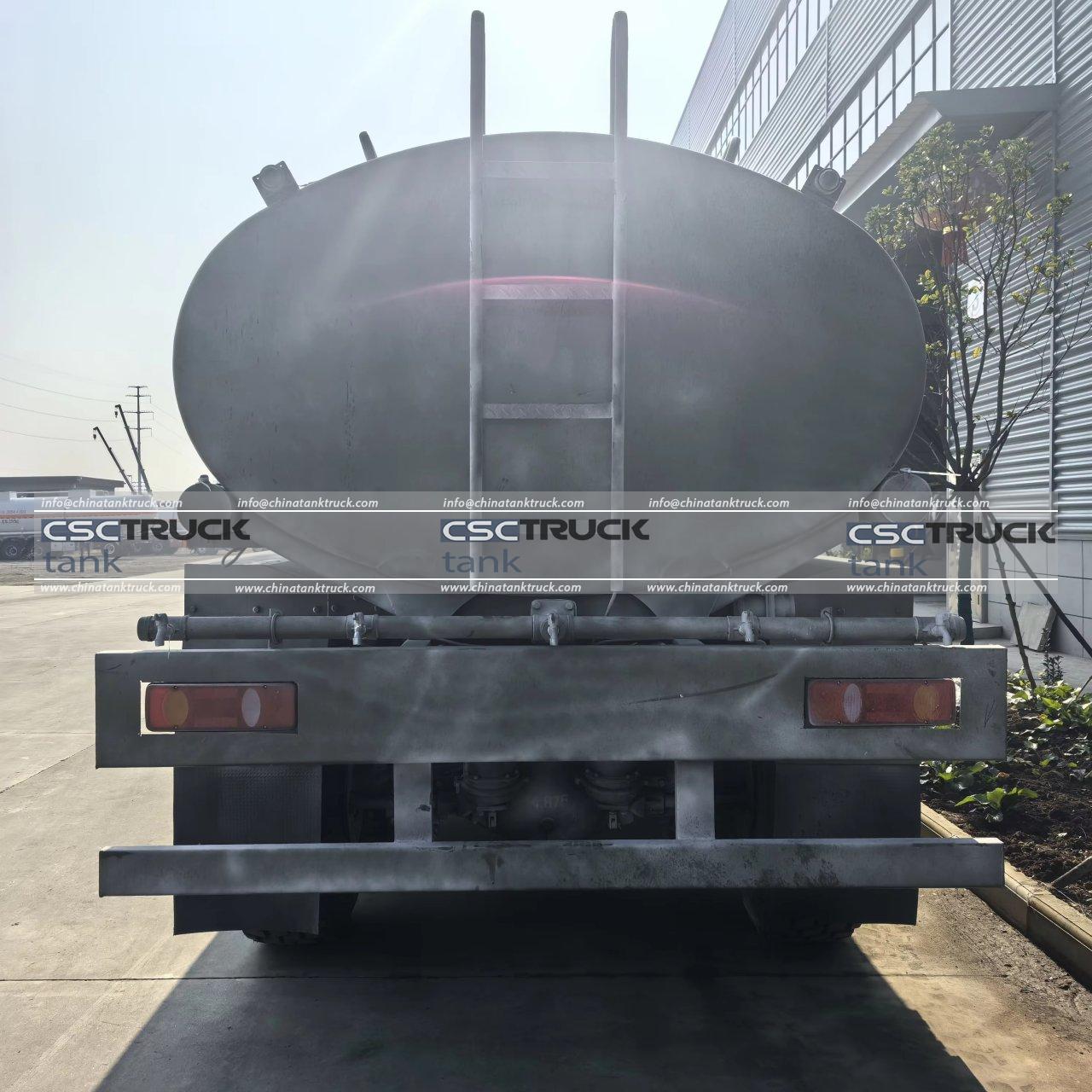
7. Compare Quality Certifications and Factory Capability
Before placing an order, verify whether the manufacturer has a real production facility and documented quality-control procedures. Factory capability affects welding precision, delivery consistency, spare-parts availability, and long-term support.
Look for:
- Factory photographs or video inspections
- Quality management certifications
- Material inspection procedures
- Welding and pressure testing procedures, where applicable
- Production equipment
- Inspection records
- Export experience
- Business licenses and relevant approvals
CSCTRUCK China Tank Truck states that it operates as a direct manufacturer rather than simply a trading company. Its official company information also highlights quality-control systems, specialized vehicle production capabilities, engineering support, and export services.
8. Consider After-Sales Service and Spare Parts
A milk tank truck is a long-term business investment. Even a well-built vehicle may eventually require replacement valves, pumps, seals, sensors, tires, or chassis components.
Ask the manufacturer:
- Is technical support available after delivery?
- Are spare parts supplied internationally?
- How quickly can replacement components be provided?
- Are operation manuals included?
- Is remote troubleshooting available?
- Can the manufacturer assist with maintenance training?
A low purchase price is less attractive if spare parts are difficult to obtain or technical support is unavailable.
9. Compare Total Cost Instead of Only Purchase Price
When choosing a milk tank truck manufacturer, compare the total cost of ownership rather than focusing only on the initial quotation.
Consider:
- Truck purchase price
- Shipping and customs costs
- Fuel consumption
- Cleaning costs
- Maintenance requirements
- Spare-parts availability
- Insulation performance
- Expected service life
- Warranty coverage
- Local registration and compliance costs
A cheaper tanker may become more expensive if it requires frequent repairs or has poor thermal insulation. A higher-quality manufacturer may provide better long-term value through stronger materials, reliable components, and better engineering.
10. Why Consider CSCTRUCK China Tank Truck?
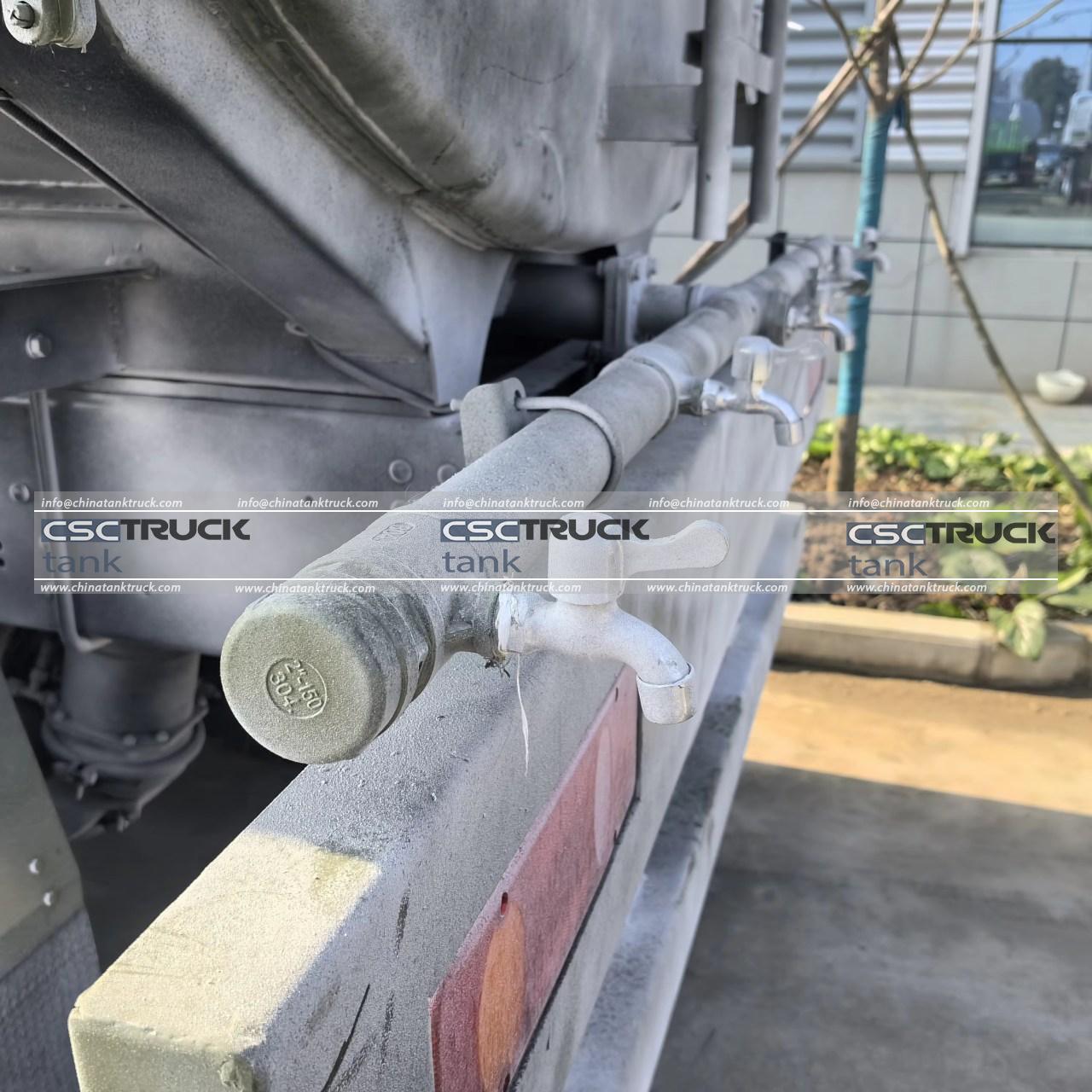
CSCTRUCK China Tank Truck is a Chinese manufacturer of specialized tank trucks and commercial vehicles, established in 2005 in Suizhou, Hubei. Its product range covers various liquid, gas, and powder transportation applications, with customization and export support for international customers.
For buyers looking for a milk tank truck manufacturer, CSCTRUCK China Tank Truck can be considered based on its:
- Direct factory manufacturing model
- Engineering and customization capabilities
- Stainless steel tank truck production experience
- OEM and ODM support
- Export and customs assistance
- Flexible chassis and tank configurations
- Professional sales and after-sales communication
You can learn more about its company background and product capabilities through the official website: CSCTRUCK China Tank Truck
Conclusion
Choosing a milk tank truck manufacturer requires more than comparing prices and tank capacities. Buyers should evaluate manufacturing experience, stainless steel quality, insulation performance, hygiene design, customization capabilities, factory strength, certifications, after-sales service, and total operating costs.
The best manufacturer for your business is one that understands your milk transportation process and can provide a tanker configured for your capacity, climate, road conditions, cleaning requirements, and local regulations. By carefully checking these factors and communicating your technical requirements in advance, you can reduce purchasing risks and invest in a milk tank truck that delivers safe, efficient, and reliable performance for years.