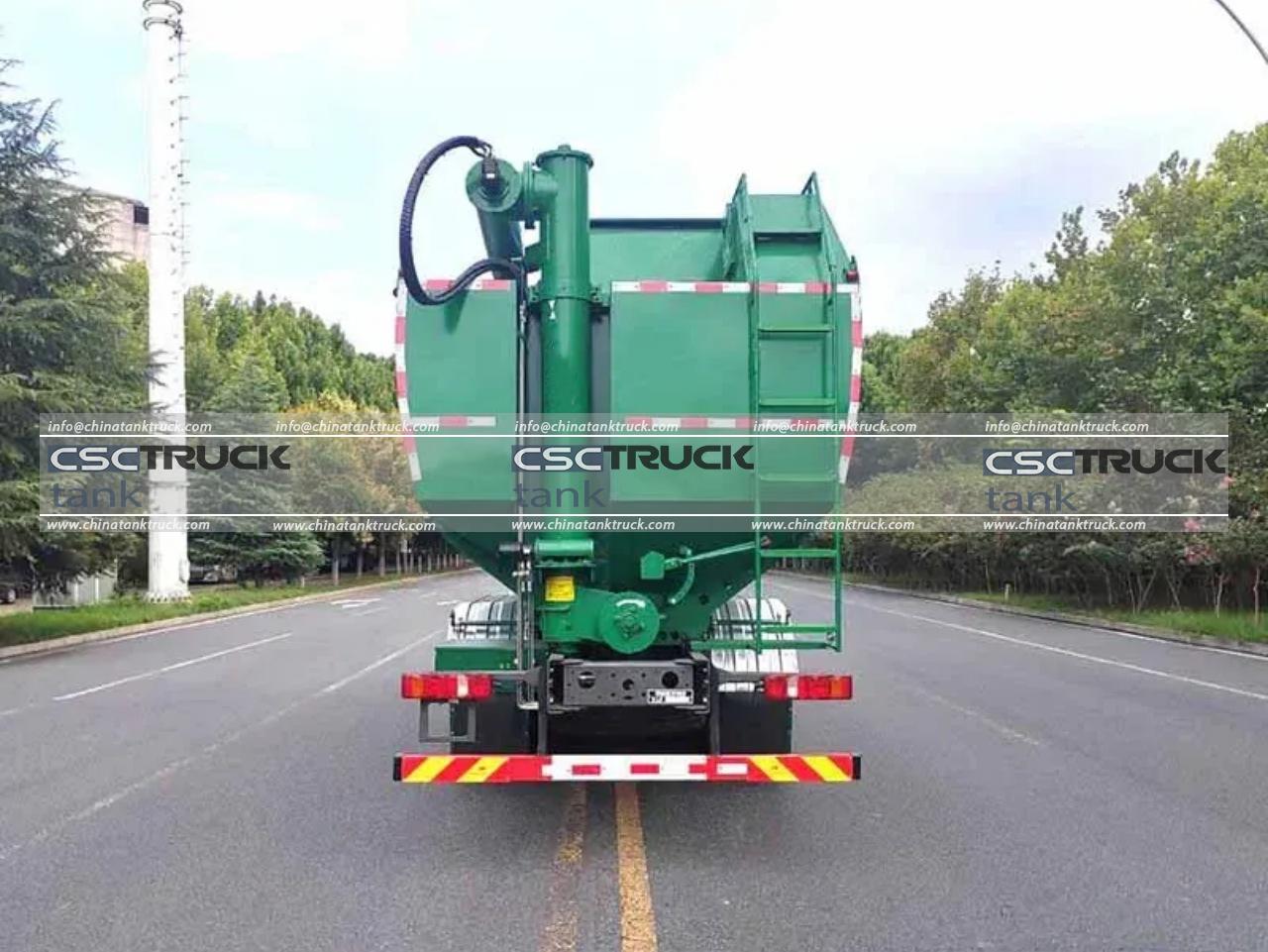

Winter can create serious challenges for pneumatic tankers used to transport and discharge dry bulk materials. Freezing temperatures, moisture, snow, and temperature fluctuations can affect the air compressor, valves, pipelines, filters, and electrical systems. Without proper preparation, a pneumatic tanker may experience pressure loss, frozen components, blocked discharge lines, or costly downtime during the cold season.
CSCTRUCK China Tank Truck is a professional manufacturer and exporter of tank trucks and trailers, offering solutions for fuel, water, chemical, LPG, and dry bulk transportation. Its product range includes pneumatic tank trucks and bulk transport vehicles designed for industrial logistics applications. The company integrates research and development, manufacturing, quality control, and after-sales support, and provides customized tank truck solutions for international customers.
For fleet operators, winterizing a pneumatic tanker is not a single maintenance task. It is a systematic process that protects the complete vehicle and its pneumatic unloading system. So, how do you winterize a pneumatic tanker? The following steps provide a practical guide.
1. Thoroughly Clean and Empty the Tank
The first step in winterization is to empty the pneumatic tanker and clean the tank interior and discharge system. Remaining powder or bulk material can absorb moisture and harden when exposed to freezing temperatures. This may create blockages in the tank outlet, discharge pipe, or aeration system.
After unloading, inspect the tank for residual cement, fly ash, lime, flour, or other transported materials. Pay special attention to corners, discharge outlets, and material collection areas. If cleaning involves water, the tanker must be completely dried before winter storage or operation.
Moisture is one of the biggest enemies of pneumatic equipment in winter. Even a small amount of trapped water can freeze and restrict airflow. Therefore, the cleaning process should always be followed by a careful drying procedure.
2. Drain Moisture from the Air System
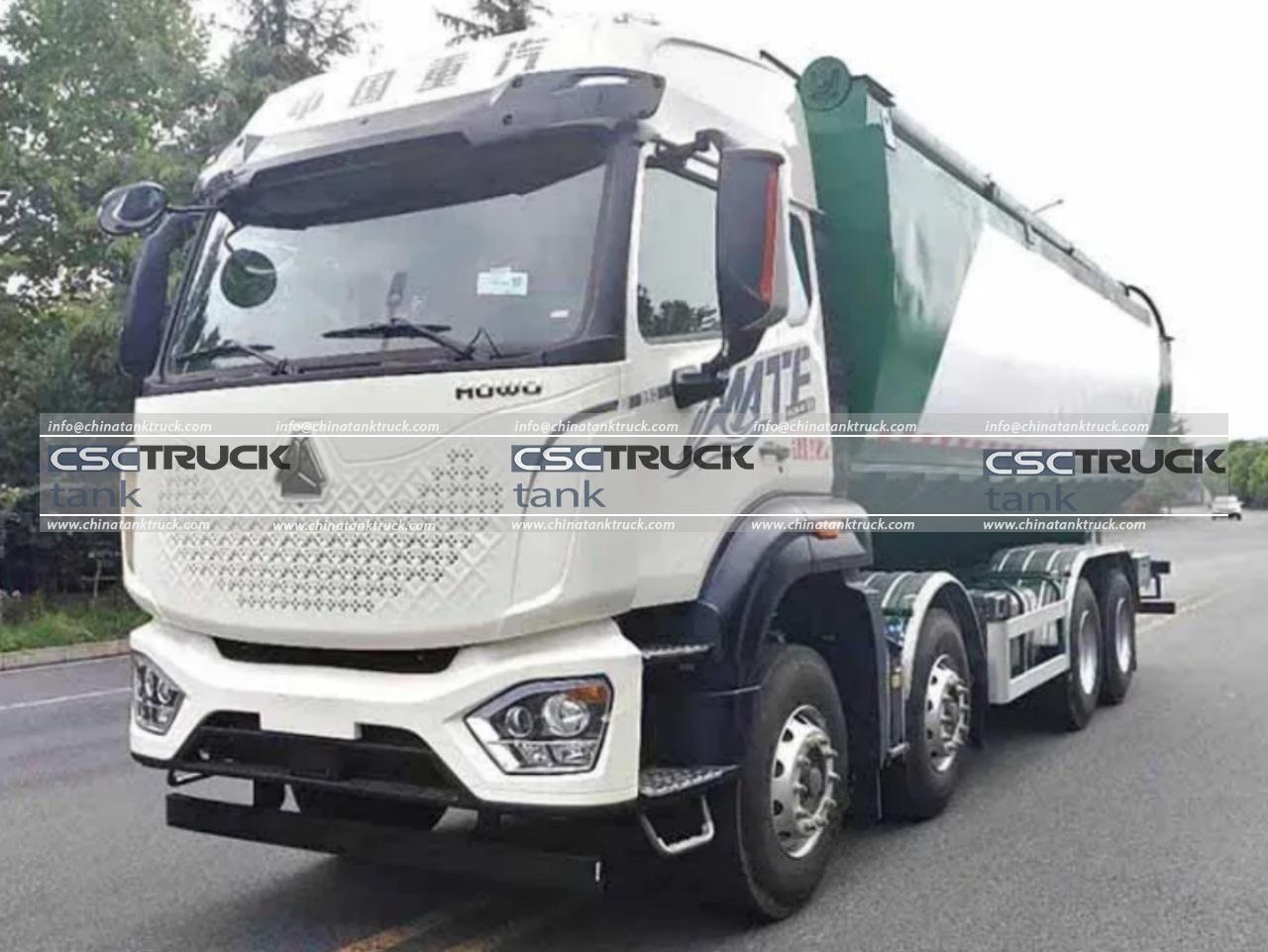
A pneumatic tanker depends on compressed air for efficient material unloading. The air compressor, air lines, air tank, and filters must be protected from water accumulation.
Before winter arrives, drain all moisture from the compressed-air system. Check the air receiver and any moisture separators or air treatment components. Water that remains in the system can freeze and block air passages, causing pressure loss or unstable unloading performance.
Operators should also inspect the air dryer and replace or service it according to the manufacturer’s maintenance requirements. A properly maintained air treatment system helps deliver clean and dry compressed air to the pneumatic tanker.
This step is particularly important for tankers working in regions with frequent temperature changes, where condensation can develop inside the air system.
3. Inspect the Air Compressor and Lubrication System
The air compressor is one of the most important components of a pneumatic tanker. Cold temperatures can make lubricating oil thicker and increase starting resistance.
Inspect the compressor oil level and check the condition of the lubricant. If the compressor manufacturer specifies a cold-weather lubricant or seasonal oil grade, use the correct product. Never choose oil based only on price or general availability.
Before operating the tanker in extremely cold conditions, allow the compressor to warm up according to the equipment manufacturer’s recommendations. Avoid immediately operating the compressor at maximum load after a cold start.
The compressor belt, drive system, fittings, and mounting points should also be checked. Cracked belts or loose components can become more vulnerable in cold weather.

4. Check Valves, Seals, and Discharge Pipes
Valves and seals are especially vulnerable to winter conditions. Rubber seals may become stiff at low temperatures, while moisture around valves can freeze and prevent proper operation.
Inspect the pressure relief valve, air inlet valve, material discharge valve, and other pneumatic control valves. Look for corrosion, damaged seals, and signs of air leakage. A leaking valve can cause pressure loss and reduce unloading efficiency.
The discharge pipe should also be checked for material buildup and moisture. If the tanker has flexible hoses, inspect them for cracks or hardening. Replace damaged components before the winter operating season begins.
For safety reasons, never attempt to force a frozen valve open with excessive pressure or impact. Follow the equipment manufacturer’s approved thawing and maintenance procedures.
5. Protect Filters from Freezing and Blockage
Filters play an important role in protecting the pneumatic system and maintaining stable airflow. During winter, moisture and dust can combine inside a filter and create a serious restriction.
Inspect filter elements before cold-weather operation. Replace dirty, damaged, or saturated filter media as required. Ensure that filter housings are properly sealed and that drain systems function correctly.
If the pneumatic tanker is used for cement or other fine powders, filter maintenance is particularly important because dust accumulation can quickly reduce airflow. CSCTRUCK China Tank Truck‘s pneumatic tanker range is designed for dry bulk transportation applications, making proper filter inspection an essential part of seasonal maintenance.
6. Check Tires, Batteries, and Electrical Components
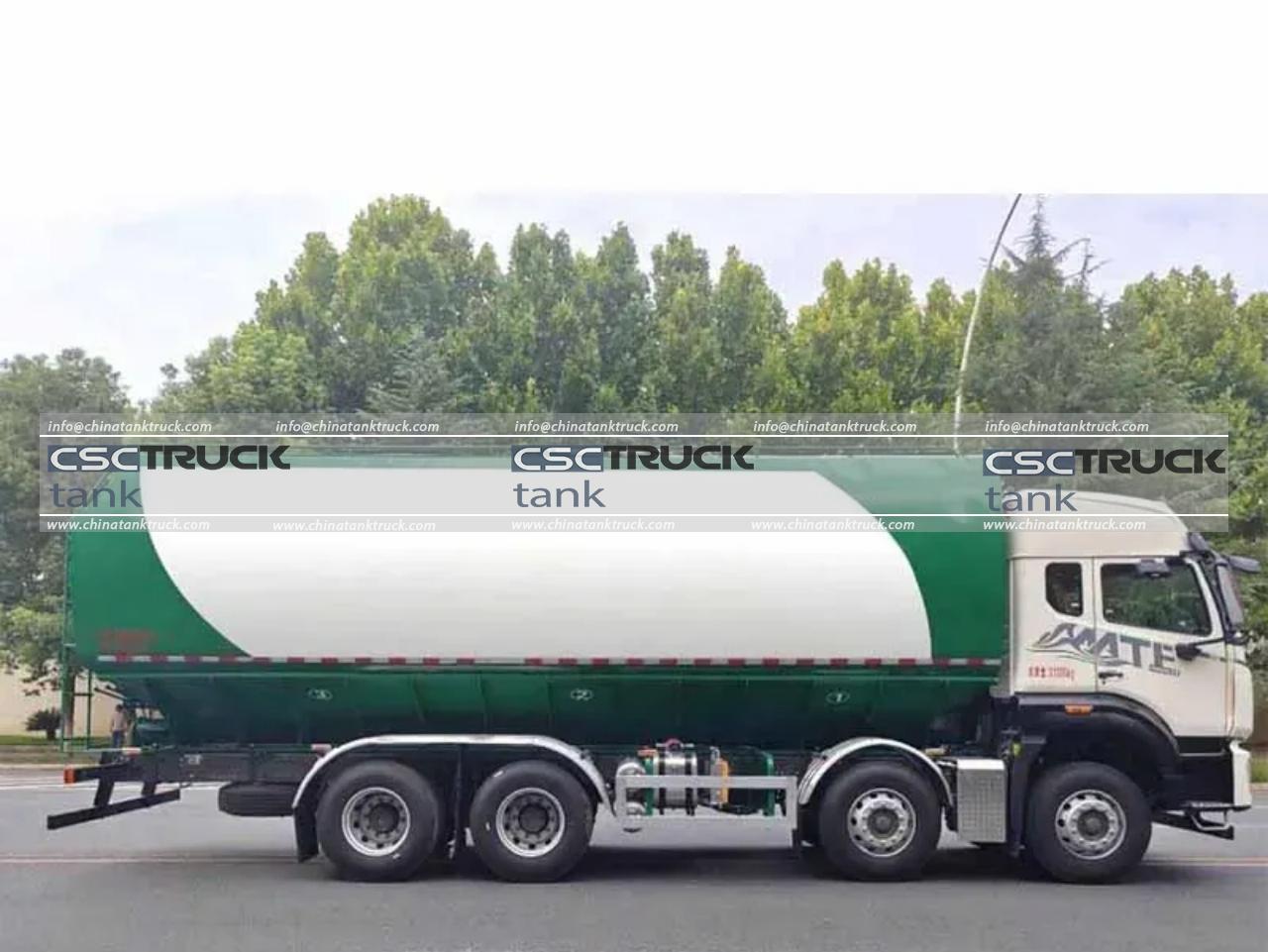
Winterization should also include the truck chassis and electrical system. Cold weather can reduce battery performance and make engine starting more difficult.
Check the battery condition, terminals, and charging system. Clean corrosion from the terminals and ensure the battery is securely mounted. If the vehicle will be stored for an extended period, follow the chassis manufacturer’s battery storage recommendations.
Tire pressure should also be checked because pressure changes as temperatures fall. Inspect the tires for cracks, uneven wear, and damage. Correct tire pressure improves safety, stability, and fuel efficiency.
In addition, check exterior lights, warning lamps, and electrical connections. Snow, ice, and road salt can create additional problems for exposed components.
7. Use Proper Winter Storage Procedures
If the pneumatic tanker will not be used during the winter, proper storage is essential. Park the vehicle on a firm, well-drained surface and, whenever possible, store it under cover.
Keep the tank dry and protect exposed pneumatic components from snow and ice. Do not seal moisture inside the system with temporary covers before the vehicle is completely dry.
The tanker should also be inspected periodically during storage. Look for water accumulation, corrosion, tire pressure loss, and signs of animal or environmental damage.
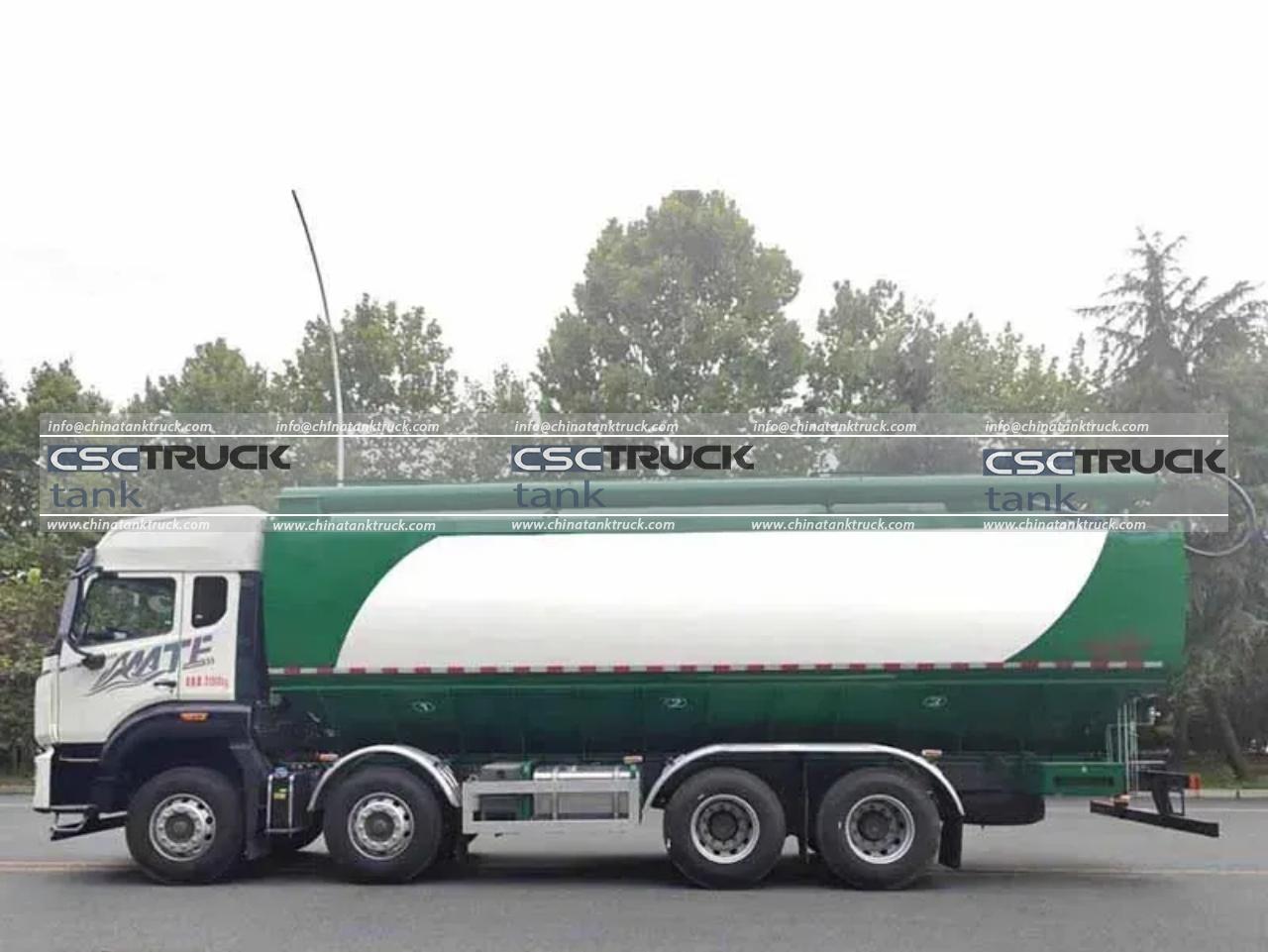
8. Perform a Pre-Season Test
Before returning the pneumatic tanker to full operation, conduct a complete winter inspection and functional test. Start the vehicle, inspect the air system, and check whether the compressor builds pressure normally.
Test the valves and unloading controls according to the manufacturer’s operating procedures. Monitor for abnormal noise, air leakage, pressure fluctuation, or slow discharge performance.
A short controlled test can identify problems before the tanker is sent to a demanding jobsite or long-distance delivery route.
Conclusion
Winterizing a pneumatic tanker means protecting the entire vehicle from cold, moisture, and freezing conditions. The most important tasks include cleaning and drying the tank, draining compressed-air moisture, maintaining the air compressor, inspecting valves and discharge pipes, servicing filters, and checking the chassis and electrical system.
A consistent winter maintenance program can reduce breakdowns, improve unloading reliability, and extend the service life of the tanker. As a professional manufacturer and exporter of pneumatic tank trucks and other specialized tank transport vehicles, CSCTRUCK China Tank Truck supports customized transportation solutions for dry bulk and other industrial applications.
By preparing the pneumatic tanker before temperatures drop, fleet operators can keep their equipment working safely and efficiently throughout the winter season.