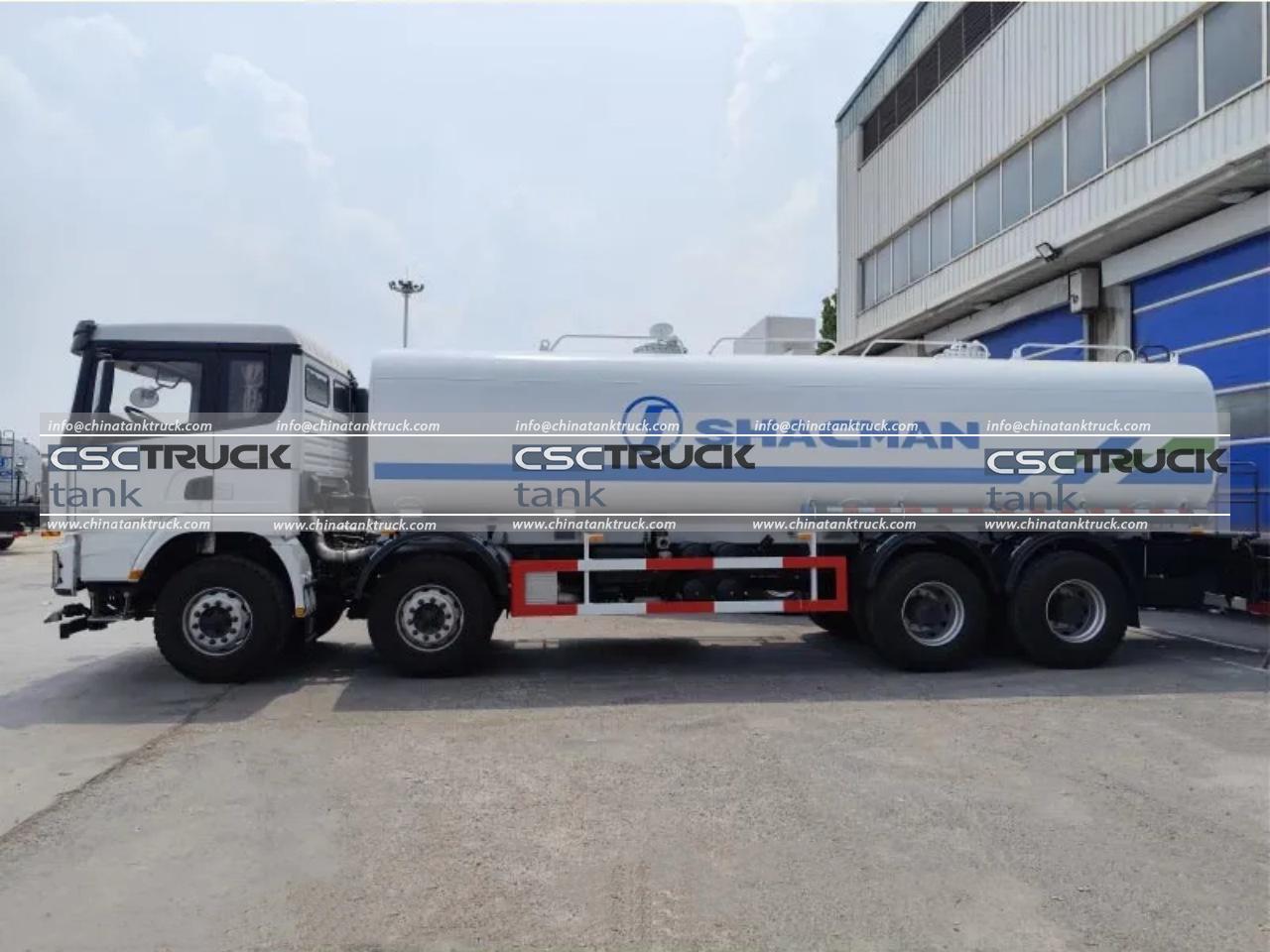

A water tank truck is a specialized heavy-duty vehicle designed to transport, store, and distribute clean or non-potable water to residential, commercial, industrial, agricultural, and emergency sites. Equipped with a dedicated water tank, high-pressure pumping systems, hoses, spray bars, and various dispensing nozzles, these trucks play an essential role in environments where stable or immediate access to water is unavailable. Water tank trucks are widely used for municipal sanitation, road construction, dust suppression, environmental protection, agriculture, and disaster relief. Their versatility, mobility, and reliable control systems make them indispensable in both urban infrastructure projects and remote operations.
Definition of a Water Tank Truck
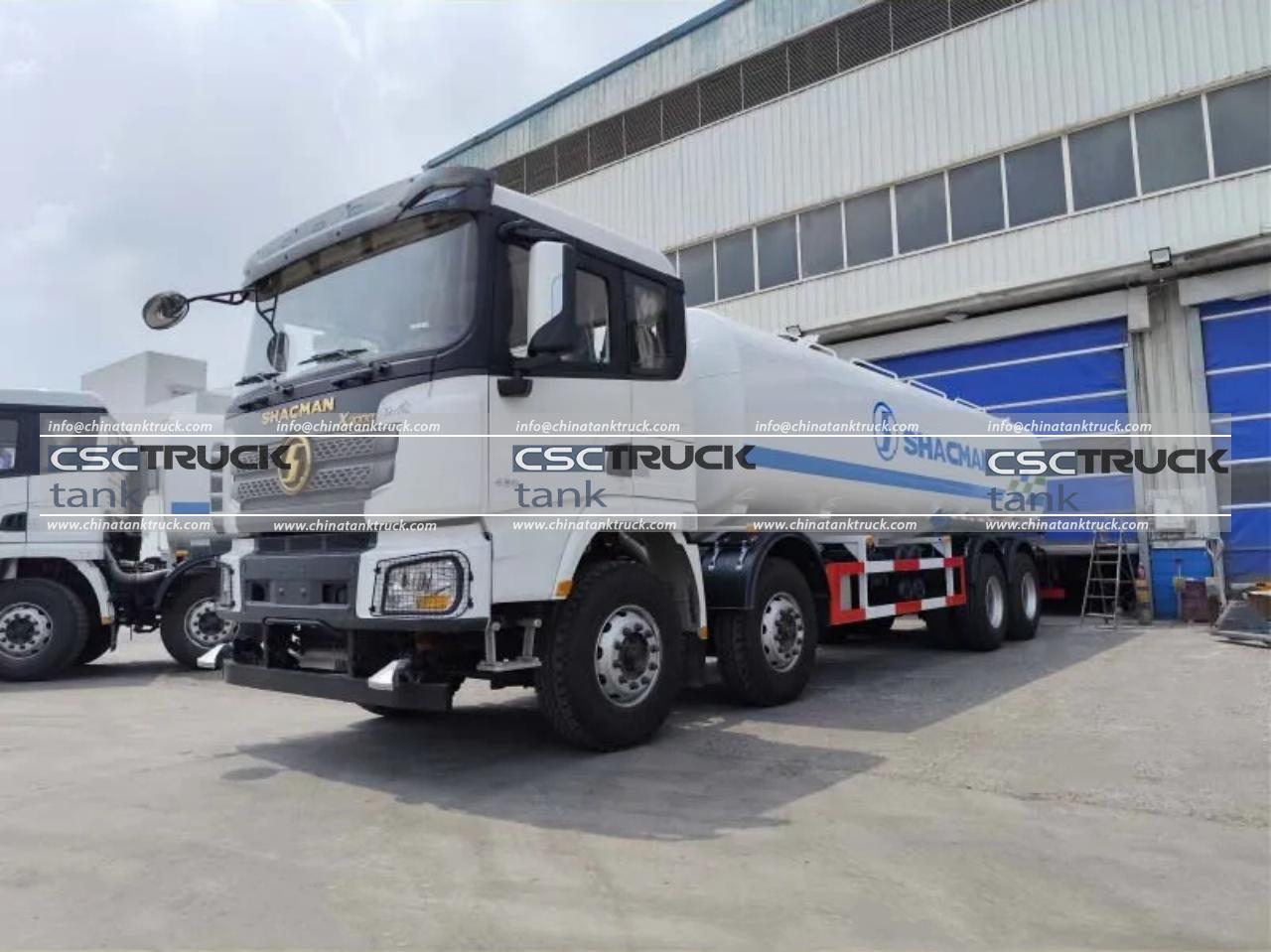
A water tank truck, sometimes called a water bowser, is a truck-mounted water transport system consisting of a sealed water tank, pumping equipment, piping network, spray components, and a robust chassis. Tank capacities generally range from 5,000 liters to 30,000 liters, depending on the vehicle class and operating requirements. The trucks may carry drinking water, construction water, firefighting reserve water, or non-potable water used for dust control and irrigation.
Key defining features include:
- Water Tank Body – Typically made from carbon steel, stainless steel, or polyethylene, with internal baffles to prevent surging during movement.
- Pump System – Driven by PTO (Power Take-Off) or auxiliary engines, enabling suction, transport, and high-pressure discharge.
- Distribution Components – Front/side/rear spray bars, high-pressure water guns, hoses, and hydrant interfaces.
- Chassis Platform – Medium to heavy-duty truck chassis such as SINOTRUK, Foton, Dongfeng, Isuzu, and MAN.
Overall, the purpose of a water tank truck is to deliver controlled volumes of water efficiently, safely, and reliably in diverse working environments.
Water Delivery Applications
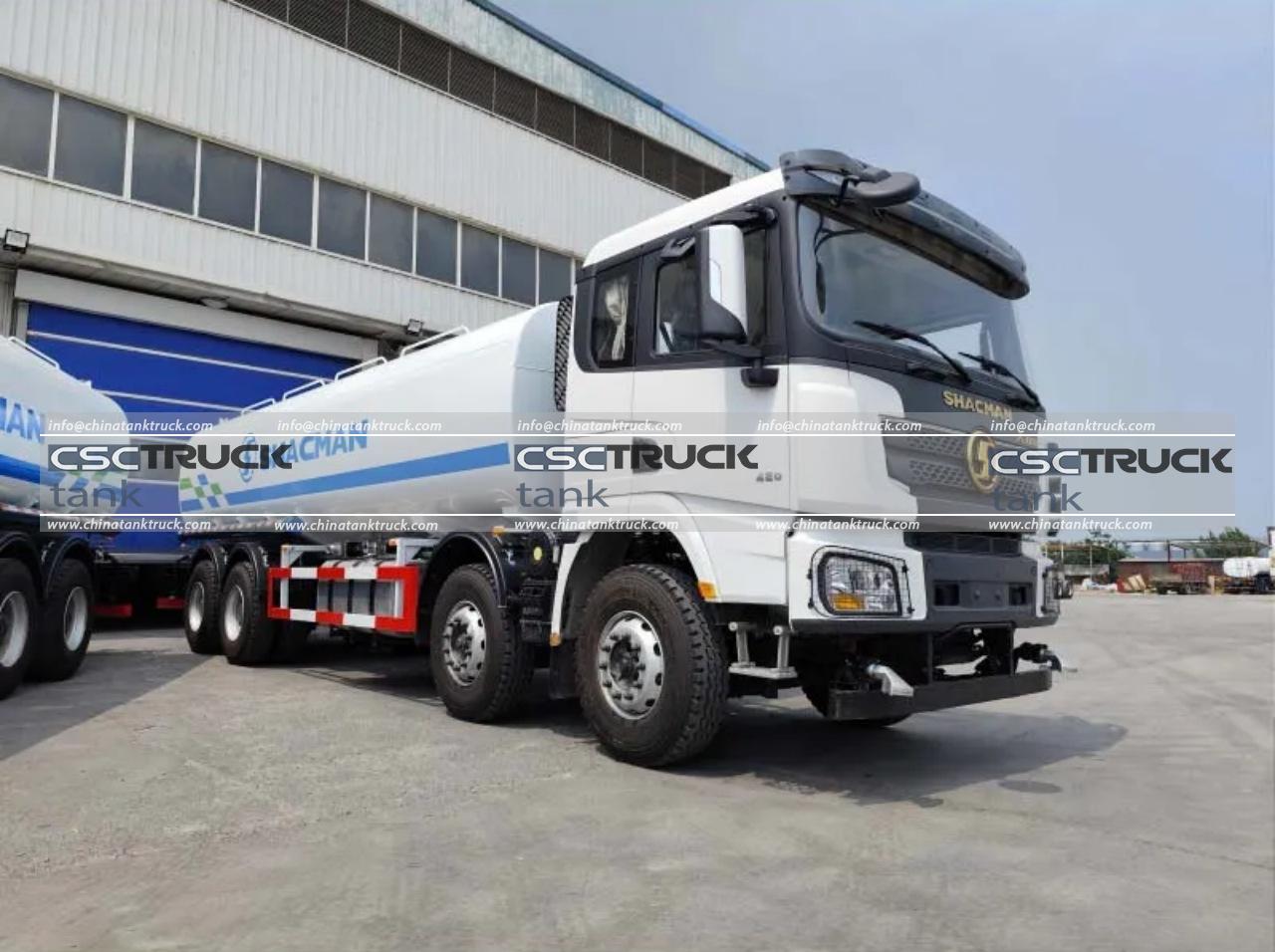
Water tank trucks provide a wide range of applications in municipal management, construction projects, agricultural fields, and emergency response. Their ability to load from various water sources and deliver water precisely where needed makes them vital for daily operational support.
1. Municipal and Urban Sanitation
Cities and municipalities rely heavily on water tank trucks for routine cleaning and maintenance tasks. These include:
- Street washing and road surface cooling
- Public park irrigation
- Cleaning of public spaces, squares, and pedestrian zones
- Supporting sanitation departments during water shortages
High-pressure spray bars and misting systems help remove dust and debris, improving air quality and road cleanliness.
2. Construction and Road Building
In infrastructure projects, water tank trucks are used extensively for:
- Soil compaction and stabilization
- Dust suppression in construction zones
- Filling rollers, mixing concrete, and supplying water to job sites
- Asphalt cooling and pavement preparation
Water trucks ensure construction sites meet environmental dust-control standards and maintain optimal soil moisture levels for compaction equipment.
3. Mining and Quarry Dust Suppression
Mining operations generate large amounts of dust. Water tank trucks deliver high-volume spray coverage to:
- Reduce airborne particles
- Improve visibility and worker safety
- Support haul road maintenance
- Cool machinery and surfaces when required
These trucks may also operate with extended spray bars and high-capacity pumps to handle long working cycles.
4. Agricultural Irrigation and Livestock Watering
Farmers and agricultural contractors use water tank trucks for:
- Irrigating crops in remote fields
- Transporting water to livestock areas
- Filling mobile troughs
- Supporting small-scale fire control on farms
Their ability to work in rural and uneven terrain makes them ideal for decentralized agricultural operations.
5. Emergency Response and Disaster Relief
During wildfires, floods, and droughts, water tank trucks become critical assets:
- Providing emergency firefighting support
- Supplying water to affected communities
- Flushing contaminated drainage systems
- Assisting with temporary water distribution after infrastructure damage
Special firefighting water trucks may carry foam systems, monitors, and high-pressure cannons for rapid response.
6. Industrial and Environmental Applications
Industrial facilities use water trucks for:
- Equipment cleaning
- Cooling and washing operations
- Watering chemical processing zones
- Supplying water to environmental remediation sites
Their mobility and large capacity make them cost-efficient alternatives to fixed piping systems.
Tank and Pump Maintenance Guidelines
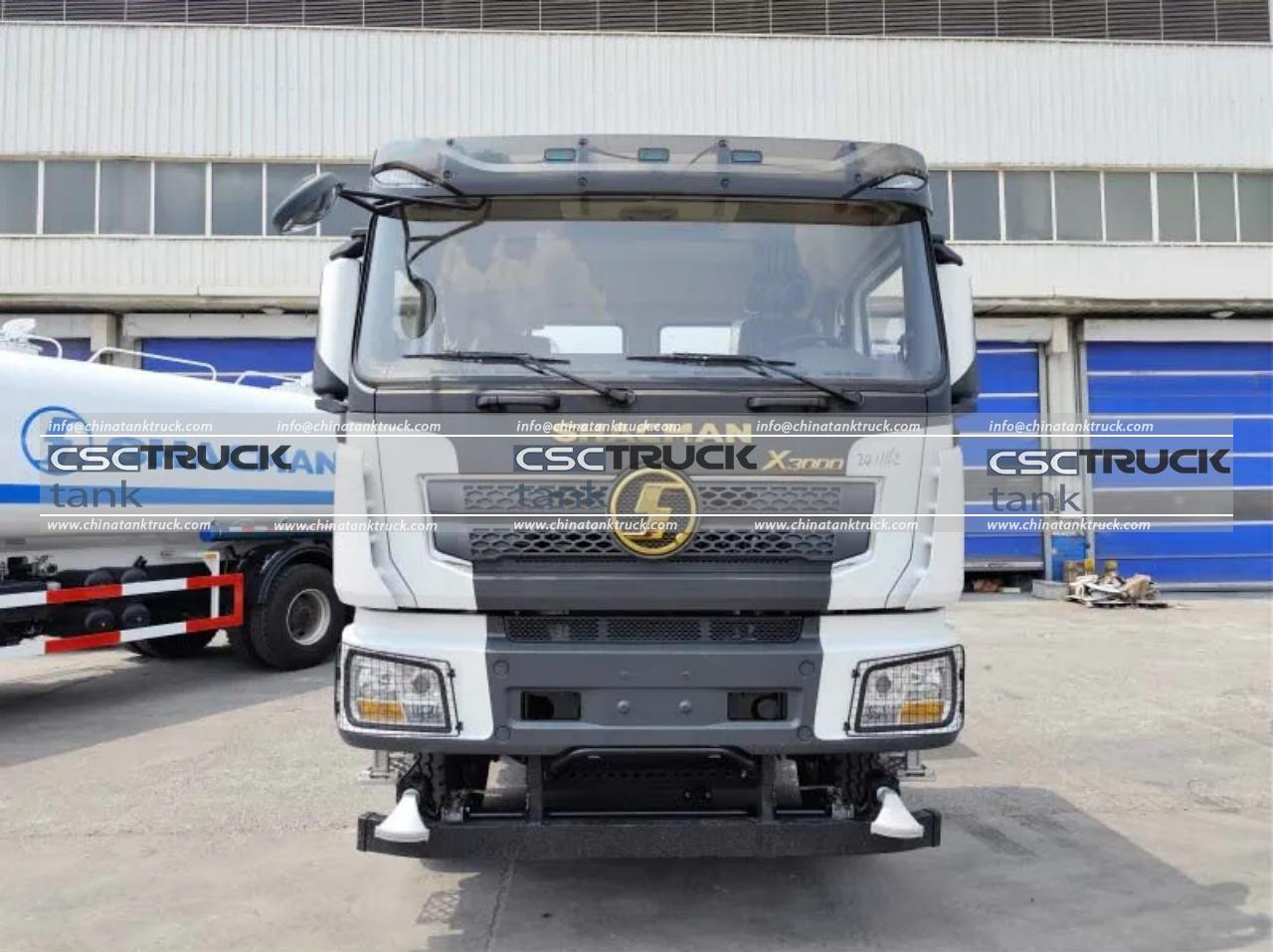
Regular maintenance of the water tank, pump, piping, and spraying systems is essential to ensure longevity, efficiency, and safe operation. Water trucks operate under demanding conditions—dust, vibration, corrosion, and heavy-duty cycles—so preventive maintenance minimizes downtime and repair costs.
1. Water Tank Maintenance
The tank is exposed to water pressure, corrosion, and internal chemical reactions. Proper maintenance includes:
a. Periodic Cleaning
- Clean the interior tank at least every 3–6 months
- Remove sediment, algae, scale, and contaminants
- Use approved disinfectants for potable water tanks
b. Corrosion Prevention
- Inspect carbon-steel tanks for rust
- Reapply anticorrosive coatings as needed
- For stainless-steel tanks, check weld seams for stress corrosion cracks
c. Structural Inspections
- Check baffles for cracking or detachment
- Inspect manholes, inlet caps, and seals for leaks
- Ensure mounting brackets and support beams are secure
2. Pump System Maintenance
Water pumps are the heart of the system, ensuring suction and discharge performance.
a. Pump Lubrication
- Check pump oil levels weekly
- Replace lubricants as recommended by the manufacturer
- Ensure proper belt tension and alignment for belt-driven pumps
b. Suction Line and Filter Checks
- Clean and replace suction strainers
- Check for leaks or loose fittings
- Verify that the suction hose is free from cracks or collapse
c. PTO and Drive System Care
- Inspect PTO shafts for wear
- Ensure the PTO clutch engages smoothly
- Check fluid levels in hydraulic-driven pumps
3. Valve and Pipeline Maintenance
Pipes and valves control water flow and must remain sealed and corrosion-free.
- Inspect pipelines monthly for leaks or corrosion spots
- Tighten loose clamps and bolts
- Replace rubber gaskets showing signs of aging
- Flush the piping system regularly to prevent scale buildup
4. Spray System and Nozzle Upkeep
Spray bars and nozzles ensure efficient water distribution.
- Clean spray nozzles to prevent clogging
- Replace worn or deformed nozzles
- Test rear, side, and front sprays for proper pressure
- Inspect hose reels and coupling joints
5. Chassis and Electrical System
Since water trucks operate in heavy-duty environments:
- Check tire pressure and wear
- Inspect brake lines and suspension components
- Test headlights, work lights, and pump control switches
- Ensure battery terminals are clean and secure
6. Seasonal Maintenance
Special adjustments may be required based on climate:
- Winter: drain pumps and pipelines to prevent freezing
- Summer: check the cooling system and monitor the engine temperature
- Rainy season: inspect waterproof seals and electrical insulation
Conclusion
A water tank truck is a vital vehicle for transporting and distributing water across various industries, including municipal management, construction, agriculture, mining, and emergency response. Its versatility, large capacity, and robust delivery systems make it an indispensable asset for operations requiring a consistent water supply and flexible mobility. By practicing regular maintenance of the tank, pump, pipelines, valves, and chassis, operators can ensure reliable performance, long service life, and safe operation. Proper care not only reduces breakdowns and repair costs but also enhances productivity and job-site efficiency, making the water tank truck a valuable investment for any water-dependent operation.