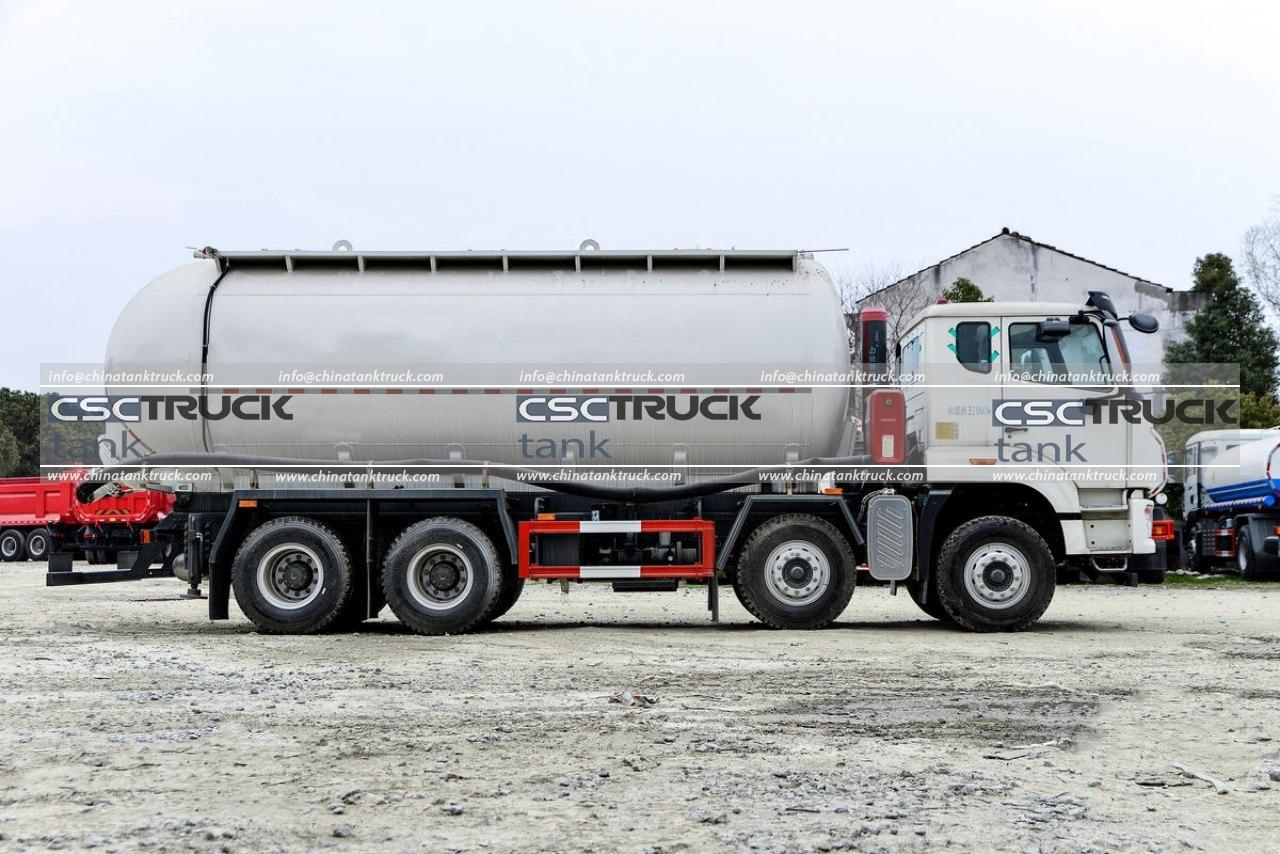

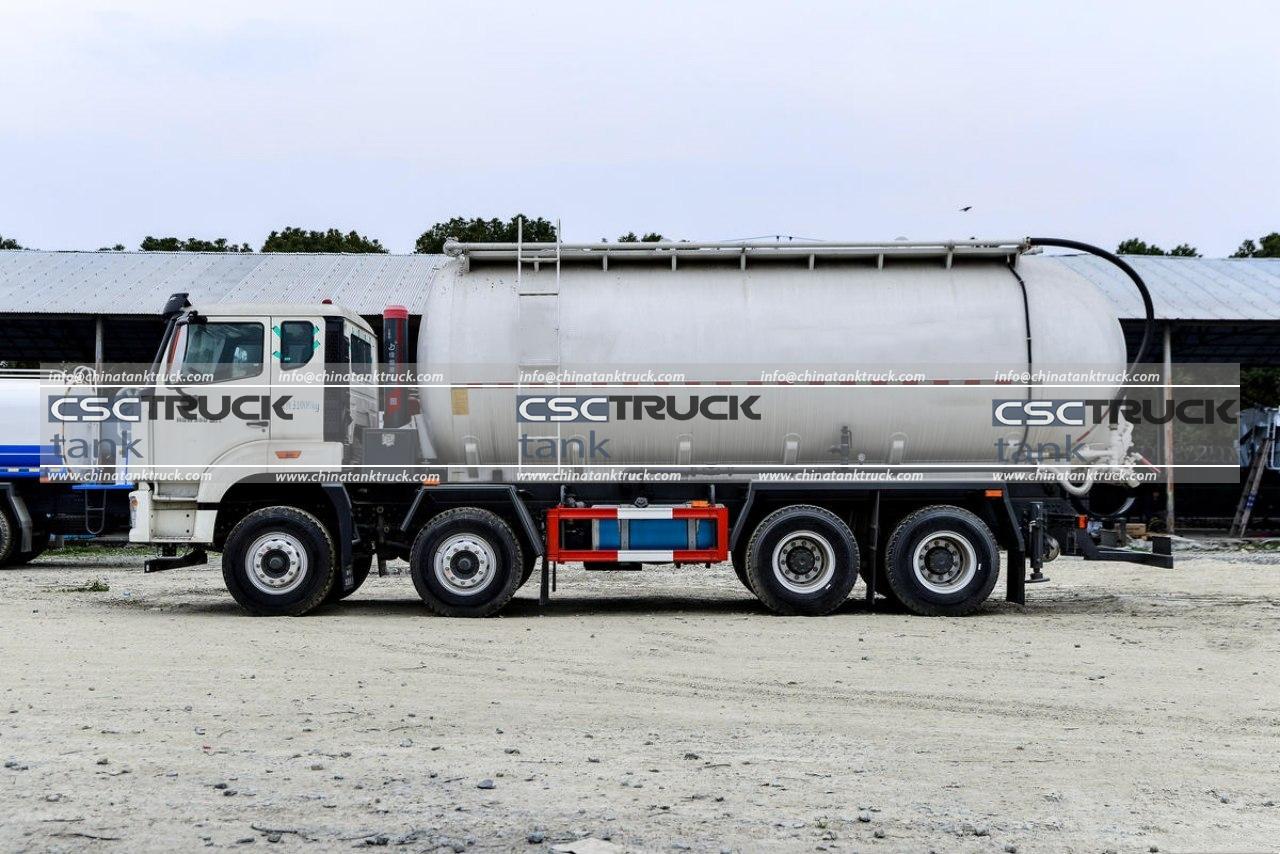
A dry mortar truck is a specialized vehicle designed for the efficient transportation, storage, mixing, and delivery of dry mortar materials used across various construction projects. Dry mortar—typically consisting of cement, sand, additives, and bonding agents—requires strict moisture control and consistent blending to achieve optimal construction performance. Dry mortar trucks, sometimes referred to as dry mix mortar trucks or mortar batching trucks, provide a mobile solution that ensures construction teams always have access to high-quality, ready-mixed mortar with precise consistency.
As demand rises for fast-paced construction, automated building processes, and high-quality masonry finishes, dry mortar trucks have become indispensable equipment across both urban and rural construction environments. This article explores what a dry mortar truck is, its applications in construction material operations, and the essential maintenance guidelines required to keep it performing reliably.
What Is a Dry Mortar Truck?
A dry mortar truck is a vehicle equipped with an on-board mixing system, conveyor components, storage silos, and discharge mechanisms designed specifically to transport and deliver various types of dry mortar mixtures. Unlike traditional mortar mixing methods that require manual blending at the job site, a dry mortar truck automates the process, ensuring efficiency, uniformity, and controlled material quality.
Key Components of a Dry Mortar Truck
- Material Storage Tank / Silo
The sealed storage tank holds dry mortar materials, protecting them from humidity and contamination. Tank capacities typically range from 20 to 40 cubic meters, depending on industry requirements. - Screw Conveyor / Auger System
This component transfers dry mortar from the storage tank to the mixing chamber. It prevents material buildup and ensures consistent, controlled flow. - Mixing Unit
The heart of the truck, the mixing unit, blends dry mortar with water (if needed) to create a uniform mixture. Advanced trucks feature variable-speed mixers and automated water dosing systems for precise control. - Pneumatic or Hydraulic Unloading System
These systems allow fast and dust-free unloading of dry mortar into silos, batching plants, or directly onto construction equipment. - Control Console
The digital control panel manages material flow, mixing speed, water ratio, and discharge pressure, allowing operators to customize mixtures on-site. - Chassis and Power System
Built on a heavy-duty commercial truck chassis, the power system drives the mixer, conveyor, and unloading mechanisms through PTO (power take-off) or an independent engine.
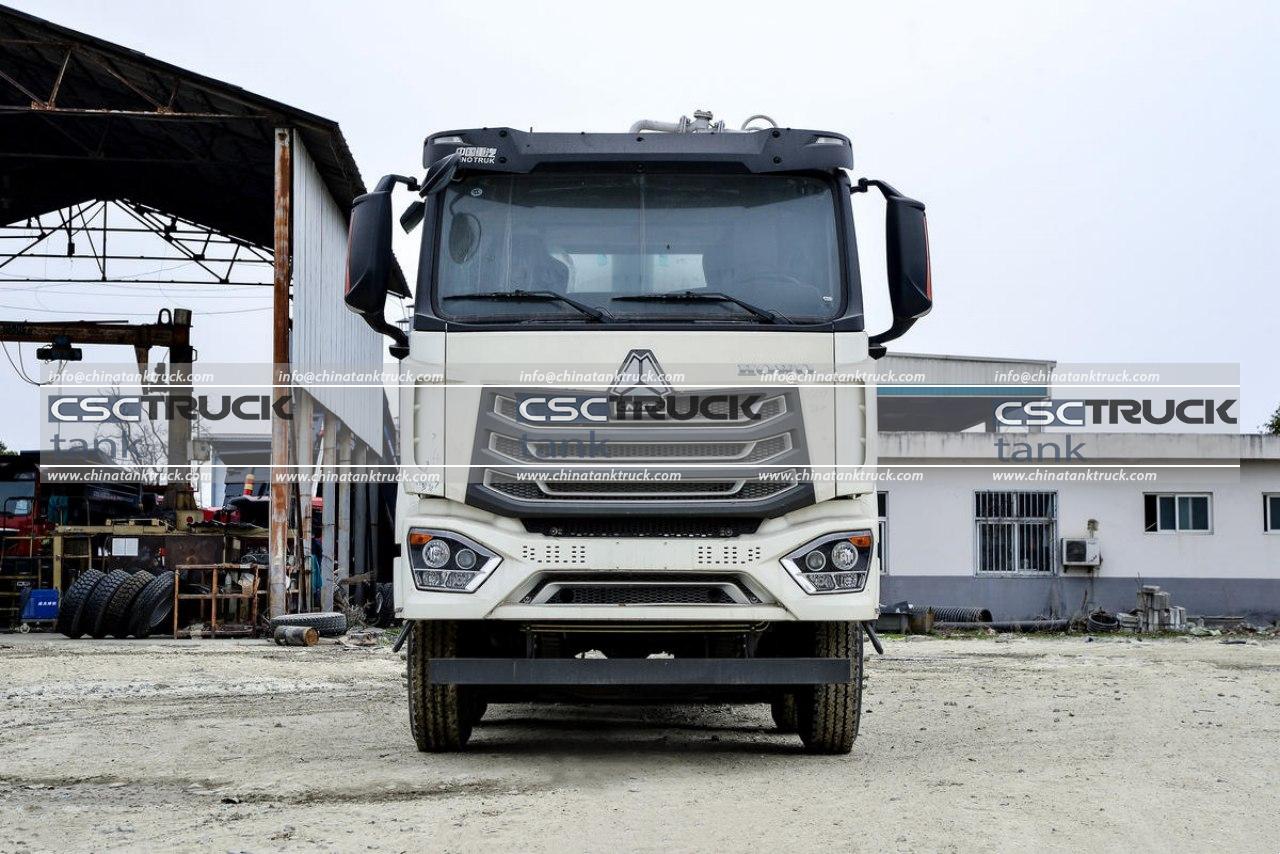
Construction Material Applications of Dry Mortar Trucks
Dry mortar trucks play a vital role in several construction processes by providing consistent, ready-to-use material for various applications. Their capability to store and mix large quantities of mortar onsite makes them indispensable in both small-scale and large-scale building projects.
1. Masonry and Bricklaying Projects
Bricklayers require mortar mixtures that offer strong adhesion and easy trowel application. A dry mortar truck can supply high-quality bonding mortar in continuous batches, preventing construction delays and ensuring cleaner, more uniform brickwork.
2. Plastering and Rendering Works
Dry mortar trucks deliver plastering mortars used for wall smoothing, interior finishing, and surface leveling. The consistent mixing process ensures a smooth application texture, which is crucial for achieving decorative and protective building finishes.
3. Tile Adhesives and Grouts
Modern construction often involves extensive tile installations. Dry mortar trucks can deliver specialized dry mixes such as tile adhesives, waterproofing grouts, and floor screeds, providing a reliable supply that maintains bonding strength and durability.
4. Road Construction and Infrastructure Projects
In road construction, mortar is used for curbstone installation, drainage channel installation, and fine repairs. Dry mortar trucks enhance productivity by supplying accurate mixtures directly at the roadside.
5. Prefabricated Building Systems
With the rise of prefabricated and modular building systems, dry mortar trucks are increasingly used in delivering pre-mixed mortars for joint filling, structural bonding, and assembly tasks within prefab construction lines.
6. Industrial Construction and Repair Works
Dry mortar trucks provide materials for industrial flooring, structural reinforcement, and high-performance coating applications, ensuring strength and chemical resistance where required.
Advantages of Using Dry Mortar Trucks
Modern construction companies choose dry mortar trucks because they offer operational, economic, and quality-based advantages:
- Higher Production Efficiency – Automated mixing eliminates manual processes, speeding up construction timelines.
- Consistent Material Quality – Uniform mixture ratios improve structural performance and reduce defects.
- Reduced Labor Costs – Operators require minimal manual labor compared to onsite batching.
- Dust-Free Operation – Advanced pneumatic unloading minimizes environmental impact and enhances safety.
- Lower Material Waste – Exact flow control reduces spillage and over-mixing.
- Flexible Adaptation – Suitable for various mortar types, including structural mortar, tile adhesive, masonry mortar, and finishing mortar.
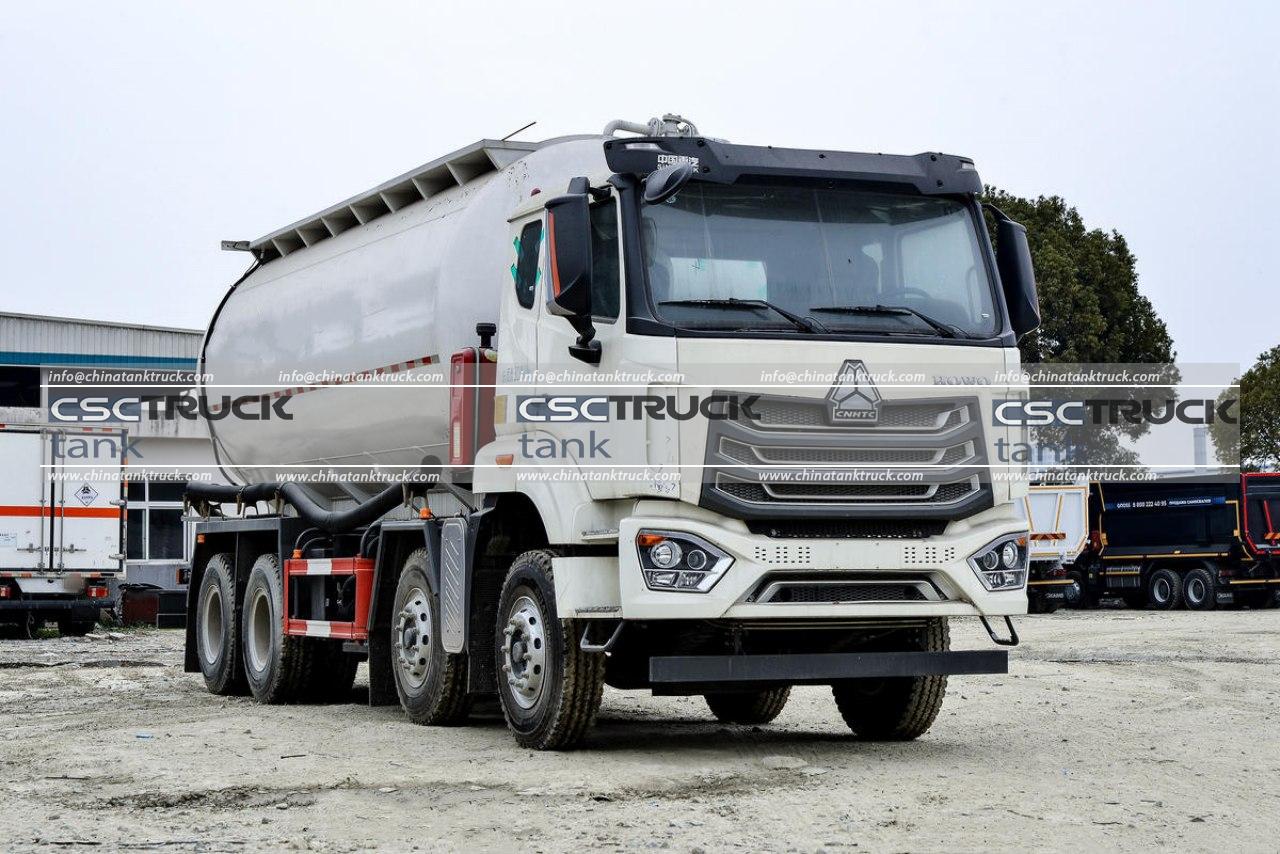
Maintenance Guidelines for Dry Mortar Trucks
To ensure safe operation and maximize the lifespan of a dry mortar truck, routine maintenance is essential. Neglecting maintenance can lead to mechanical breakdowns, decreased efficiency, and inconsistent material quality. Below are key maintenance tasks every operator should follow.
1. Daily Cleaning and Inspection
After each day’s operation, the mixing chamber, screw conveyor, and discharge outlets must be cleaned thoroughly to prevent residue buildup. Unclean systems can cause blockages, reduce flow efficiency, and affect mixture quality.
Inspect the following daily:
- Hoses and pipes for cracks
- Electrical connections
- Control panel settings
- Silo seals to prevent moisture entry
2. Lubrication of Moving Components
Dry mortar trucks rely heavily on moving parts such as augers, bearings, and hydraulic systems. Apply manufacturer-recommended lubricants regularly, especially for:
- Screw augers
- Hydraulic pumps
- PTO drive shafts
- Rotary joints
Lubrication prevents friction damage and extends component lifespan.
3. Check Pneumatic and Hydraulic Systems
For trucks that use pneumatic pressure unloading, ensure:
- Filters are clean
- Air compressors work efficiently
- Pressure valves are calibrated correctly
Hydraulic systems must be inspected for:
- Leaks
- Pressure drops
- Low hydraulic fluid levels
4. Monitor the Mixing System
The mixer should operate at a stable speed without unusual noise. Routine checks include:
- Mixing blade wear
- Water dosing system accuracy
- Motor temperature and vibration levels
A malfunctioning mixer can compromise mortar quality, leading to construction defects.
5. Tank and Silo Maintenance
Prevent moisture ingress by regularly checking:
- Manhole covers
- Air vents
- Rubber sealing rings
- Anti-corrosion coatings inside the tank
Moisture can cause clumping and cement hardening, resulting in costly tank cleaning or refurbishment.
6. Engine and Chassis Care
Follow standard heavy-duty truck maintenance procedures:
- Oil and filter changes
- Brake system checks
- Tire pressure monitoring
- Cooling system inspections
A strong, reliable chassis ensures safe and stable vehicle operation across construction sites.
7. Scheduled Professional Servicing
Manufacturers recommend periodic servicing at authorized workshops. These inspections may include:
- Complete system recalibration
- Replacement of worn belts and bearings
- Electrical system diagnostics
- Structural integrity evaluation of the tank
Conclusion
A dry mortar truck is a highly efficient and versatile vehicle designed to support modern construction workflows by delivering pre-mixed mortar consistently and reliably. Its applications span from masonry and plastering to road construction, prefabricated buildings, and industrial projects. With automated mixing, dust-free unloading, and precise control, it significantly improves construction productivity and material quality.
Proper maintenance—covering cleaning, lubrication, system checks, and scheduled servicing—is essential to ensure the truck’s long-term efficiency and operational safety. By following these maintenance guidelines, construction companies can maximize their investment and continuously deliver high-quality mortar across diverse building environments.