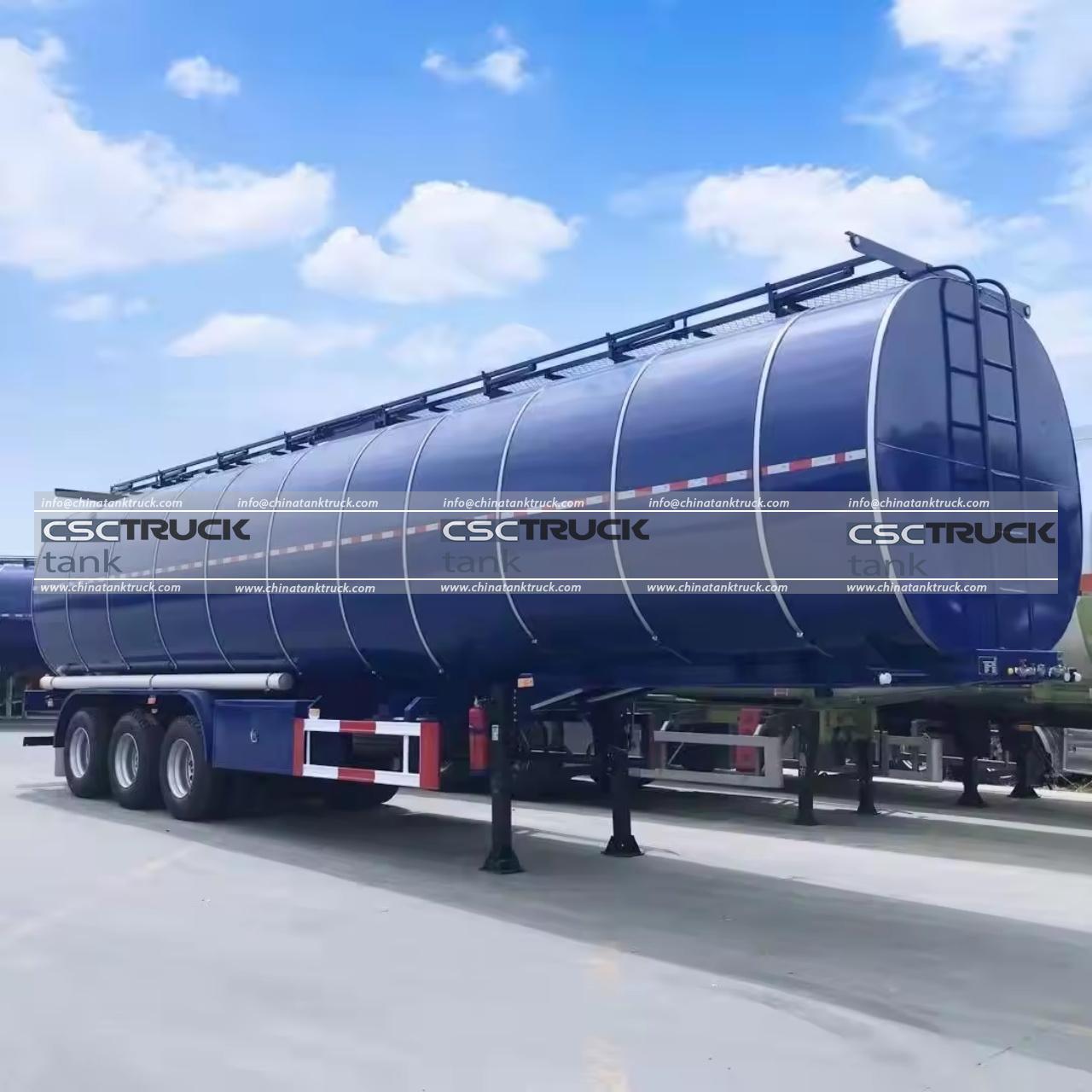

A fuel transport trailer is a specialized road-going tank trailer designed to safely haul large volumes of liquid fuels such as gasoline, diesel, kerosene, aviation fuel, and other petroleum products. These trailers are essential assets in fuel supply chains, enabling efficient bulk transport from refineries to fuel depots, gas stations, industrial facilities, and remote job sites. Built for durability, stability, and safety, fuel transport trailers are engineered to meet strict industry, regulatory, and environmental standards. Their construction commonly includes high-strength carbon steel, aluminum alloy, or stainless-steel tanks with multi-compartment configurations, allowing transportation of different fuel grades in one trip.
In today’s fuel distribution networks, where timely delivery and regulatory compliance are critical, fuel transport trailers play an indispensable role in connecting upstream fuel sources with end-users. This article explains what a fuel transport trailer is, highlights the major applications in bulk fuel hauling, and provides a complete preventive maintenance guide to ensure safety, efficiency, and long-term performance.
What Is a Fuel Transport Trailer?
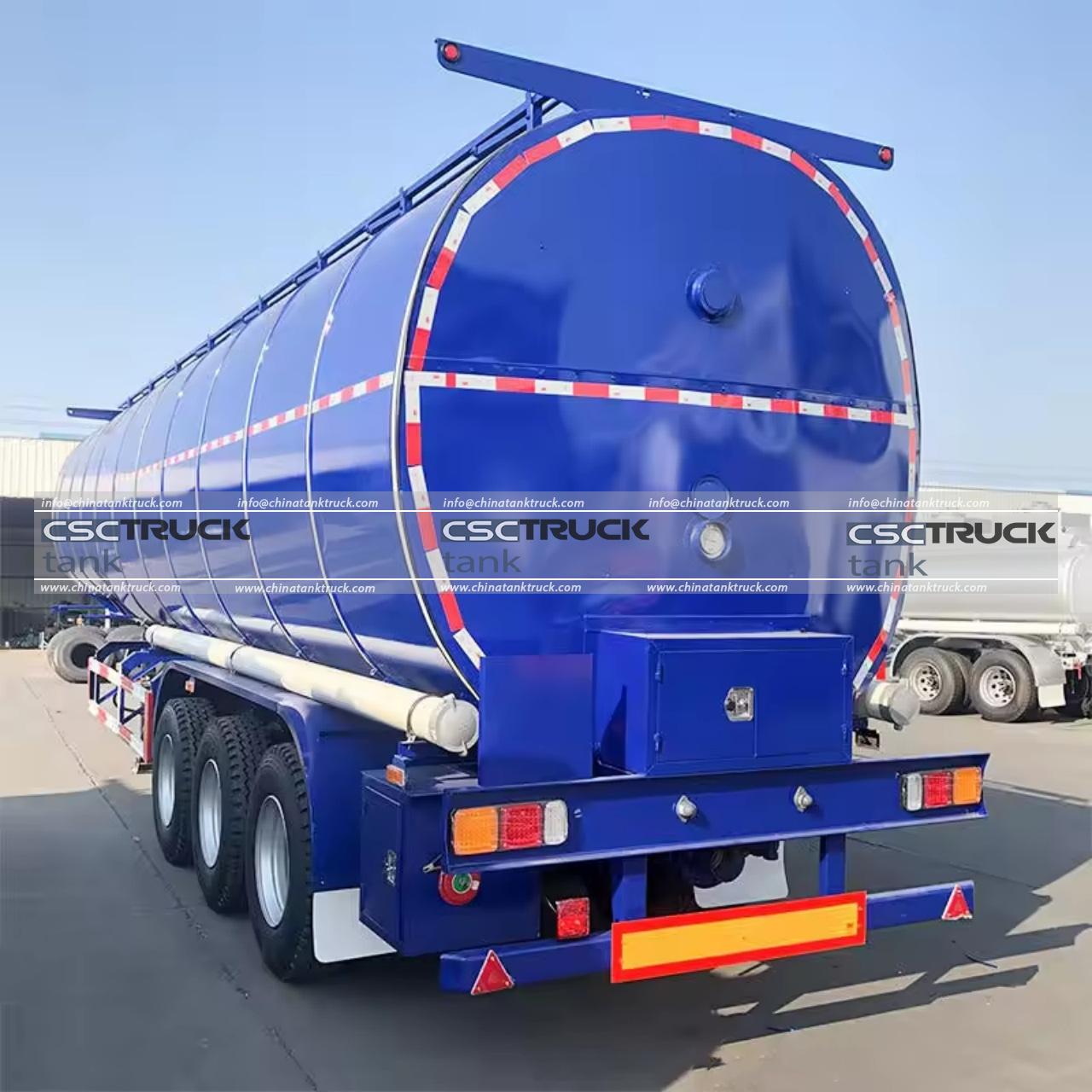
A fuel transport trailer—often called a tanker trailer or fuel tanker semi-trailer—is a towable tank unit designed for bulk liquid fuel transportation. It is typically connected to a tractor truck via a fifth-wheel coupling. Tank capacities typically range from 20,000 to 60,000 liters (approximately 5,000 to 16,000 gallons), depending on regional regulations, road limits, and application needs.
Key Design Features
1. Cylindrical or Elliptical Tank Design
Fuel trailers commonly use cylindrical or elliptical cross-sections to provide superior structural strength, reduce sloshing, and lower the trailer’s center of gravity. This design enhances safety during acceleration, braking, and cornering.
2. Multi-Compartment Tank Structure
To transport multiple fuel types simultaneously, the trailer may include 2 to 6 separate compartments, each with independent loading and unloading systems.
3. High-strength Materials
- Carbon steel: Used for durability and cost efficiency.
- Aluminum alloy: Lightweight, corrosion-resistant, and improves payload capacity.
- Stainless steel: Ideal for higher-purity fuels or corrosive products.
4. Safety Systems and Technology
Modern trailers include emergency shutoff valves, rollover protection, vapor recovery systems, anti-overfill sensors, grounding systems, and fire-resistant components.
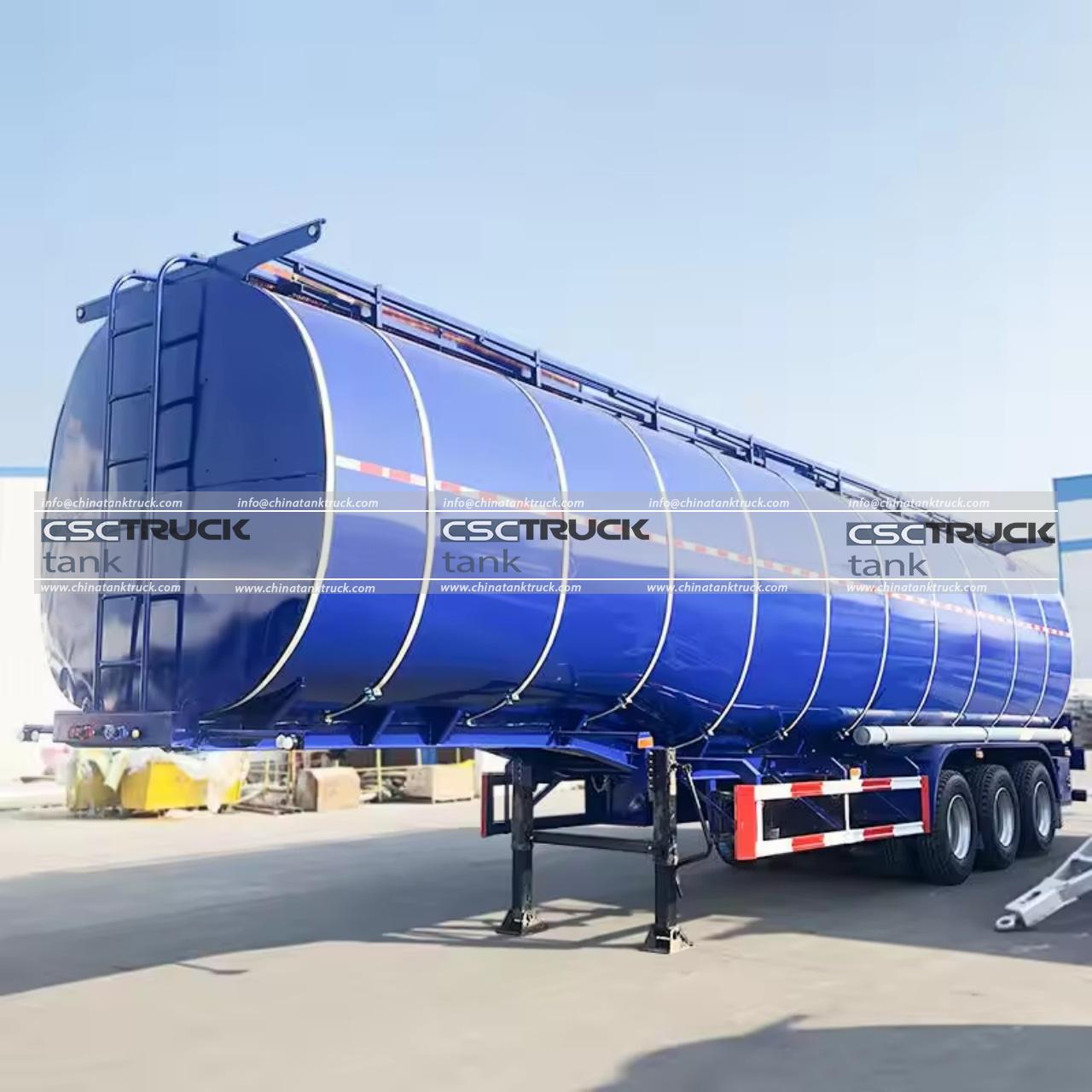
Bulk Fuel Hauling Uses of a Fuel Transport Trailer
Fuel transport trailers serve a wide range of industries that depend on reliable fuel delivery. Their versatility makes them essential in commercial, industrial, agricultural, and emergency operations.
1. Gas Station Fuel Supply
The most common application is the transport of gasoline and diesel from refineries or distribution terminals to retail fuel stations. Multi-compartment designs allow delivery of multiple fuel grades—regular, premium, and diesel—in a single trip, reducing operating costs.
2. Industrial and Manufacturing Facilities
Factories, mining operations, and large-scale industrial plants require a constant fuel supply to operate machinery, generators, and heavy equipment. Fuel trailers deliver bulk fuel directly to on-site storage tanks to ensure continuous operations.
3. Construction and Infrastructure Projects
Construction zones often operate in remote or undeveloped locations without permanent fuel infrastructure. Fuel trailers transport diesel and other fuels to support heavy machinery, including excavators, cranes, and generators.
4. Agricultural Operations
Large farms and agricultural enterprises rely on fuel trailers to supply diesel for tractors, harvesters, irrigation systems, and seasonal equipment.
5. Aviation and Airport Support
Fuel trailers are sometimes used as feeder units to supply airport fuel farms or deliver aviation gasoline (AVGAS) and Jet-A to small airstrips, heliports, and remote aviation facilities.
6. Emergency Response and Disaster Relief
During natural disasters, fuel transport trailers deliver fuel to emergency generators, rescue equipment, mobile hospitals, and evacuation centers.
7. Oilfield, Refinery, and Pipeline Operations
Fuel trailers support oilfield equipment, drilling rigs, pipeline pumps, and refinery operations where a reliable, uninterrupted fuel supply is critical.
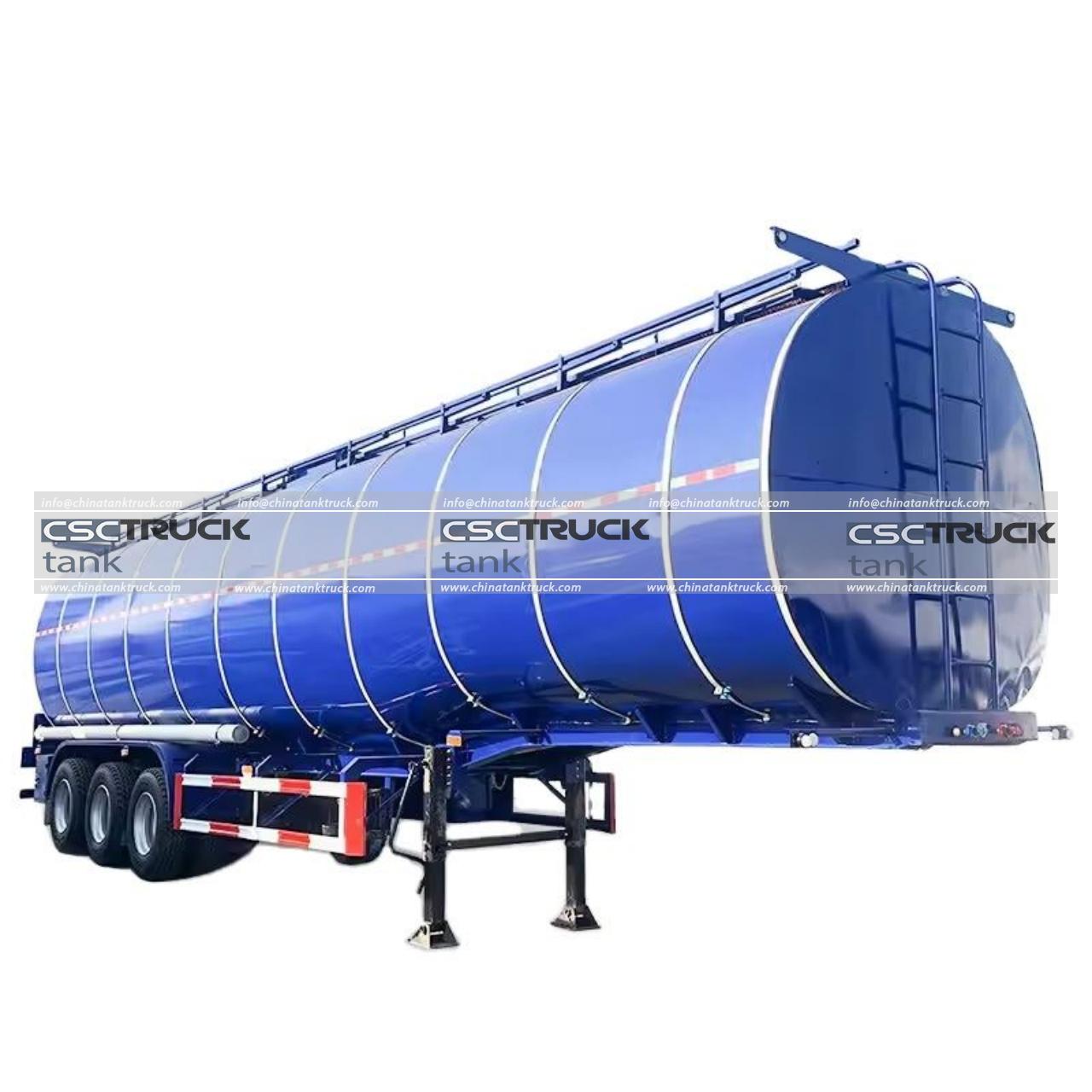
Preventive Maintenance Guide for Fuel Transport Trailers
Preventive maintenance is vital for ensuring the operational reliability, safety, and longevity of fuel transport trailers. Proper upkeep also helps comply with global transportation regulations and reduces the risk of leaks, contamination, and accidents.
Below is a comprehensive preventive maintenance guide.
1. Tank and Body Inspection
- Check for cracks, corrosion, dents, or deformation on the tank shell and framework.
- Inspect weld seams, tank braces, and mounting brackets.
- Confirm that internal baffles are intact (if applicable).
- Ensure exterior paint or anti-corrosion coating is undamaged.
Frequency: Weekly visual inspection; detailed inspection every 3–6 months.
2. Valves, Vents, and Fittings
Fuel trailers rely on multiple valves and fittings for safe loading/unloading.
- Inspect bottom valves, API adapters, manhole covers, and pressure-vacuum vents for leaks.
- Check the gaskets and seals for wear or drying out.
- Ensure vapor recovery fittings are functional.
- Tighten loose bolts and replace damaged components.
Frequency: Monthly, with additional checks before every loading.
3. Hose System Maintenance
Fuel hoses must remain clean, flexible, and leak-free.
- Inspect for cuts, cracks, abrasions, or swelling.
- Test hose couplings for tightness.
- Flush hoses regularly to prevent fuel residue buildup.
- Store hoses properly to avoid kinking or damage.
Frequency: Weekly inspection; hose replacement annually or as recommended.
4. Pumping and Metering System
Trailers equipped with onboard pumps require special attention.
- Inspect pump shafts, seals, belts, and motor components.
- Lubricate moving parts per manufacturer guidelines.
- Verify the accuracy of meters and flow indicators.
Frequency: Monthly or after heavy-use cycles.
5. Braking System
Fuel trailers are heavy, and proper braking is essential.
- Check brake pads, drums, discs, and air-brake chambers.
- Test the air lines and valves for leaks.
- Confirm correct air pressure settings.
- Inspect ABS wiring and sensors.
Frequency: Every 5,000–10,000 km or monthly.
6. Suspension and Axles
- Inspect axle alignment, bearings, suspension springs, and bushings.
- Lubricate bearings and moving joints.
- Monitor uneven tire wear, which may indicate suspension issues.
Frequency: Every 3 months.
7. Tires and Wheels
Fuel trailers typically operate under full-load conditions, making tire maintenance critical.
- Maintain correct tire pressure based on load.
- Inspect for cracks, bulges, punctures, or uneven wear.
- Retorque wheel nuts regularly.
- Rotate tires at scheduled intervals.
Frequency: Weekly.
8. Electrical and Lighting System
- Test headlights, brake lights, tail lights, and indicator lights.
- Inspect wiring for wear, corrosion, or chafing.
- Ensure grounding systems and static discharge cables are fully functional.
Frequency: Monthly, and before every long haul.
9. Safety Equipment Checks
Fuel transport trailers are legally required to carry critical safety equipment.
Ensure the following are onboard and functional:
- Fire extinguishers
- Grounding cables
- Emergency shutoff system
- Reflective markings and placards
- Spill kits and absorbent materials
Frequency: Before every operation.
Conclusion
A fuel transport trailer is a key asset in the fuel supply chain, designed to safely move bulk quantities of gasoline, diesel, and other petroleum products. These trailers support a wide range of industries, from transportation and construction to agriculture and emergency services. Proper preventive maintenance—including tank inspections, valve checks, hose care, suspension servicing, and safety system upkeep—ensures long-term reliability, safety, and regulatory compliance. By understanding its uses and maintaining its systems effectively, operators can maximize the performance and service life of their fuel transport trailers while minimizing costly downtime and safety risks.