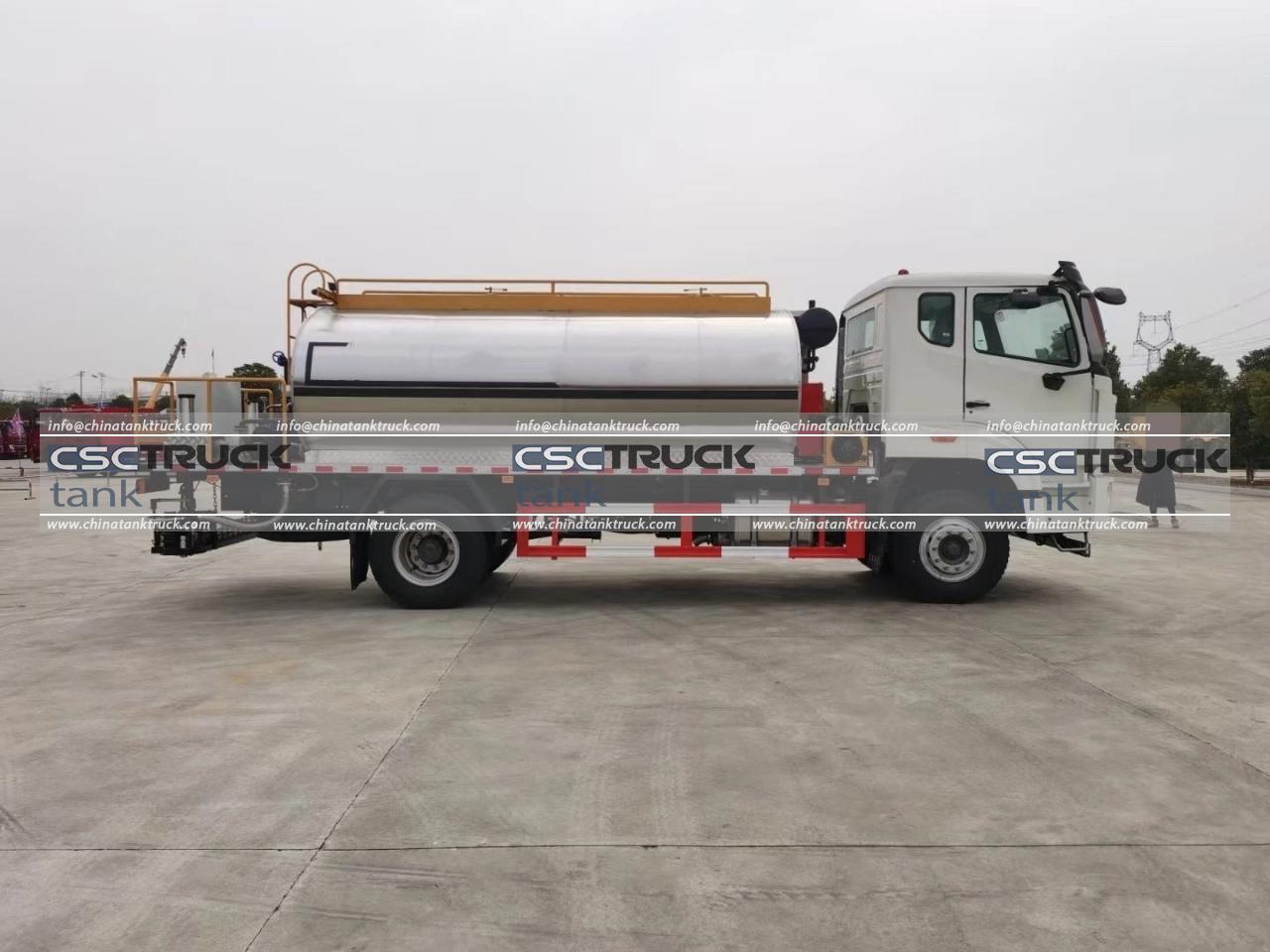

An asphalt tank truck, also known as an asphalt distributor truck or bitumen transport truck, is a specialized vehicle designed to safely transport, heat, and apply hot asphalt materials used in road construction, pavement maintenance, and infrastructure development. These trucks play a critical role in ensuring asphalt arrives at job sites at the correct temperature and consistency for efficient paving, sealing, and surfacing. As roadbuilding demands precision and reliability, asphalt tank trucks provide the technological advantage needed to maintain quality and productivity.
This article explores what an asphalt tank truck is, its major applications in hot asphalt transport and distribution, and the essential maintenance practices required for its heating and insulation systems.
What Is an Asphalt Tank Truck?
An asphalt tank truck is a purpose-built vehicle equipped with an insulated tank designed to store and transport liquid asphalt, bitumen, or asphalt emulsion. Since asphalt must remain at a high temperature (typically 140°C–190°C depending on the grade), the truck features thermal insulation, burner-based heating systems, temperature control units, and mixing capabilities to keep the product stable during transportation.
Key Features of Asphalt Tank Trucks
- Insulated Tank Structure
Multi-layer insulation—often rock wool, polyurethane, or aluminum-wrapped insulation—minimizes heat loss and keeps the asphalt at the desired temperature for long periods. - Efficient Heating Systems
Most trucks feature diesel or gas burners, conduction oil heating, or electric resistance heating to maintain or increase asphalt temperature. - Agitation or Circulating Pumps
To maintain asphalt uniformity and prevent settling, a circulation system continuously moves liquid within the tank. - Asphalt Pumping and Spraying System
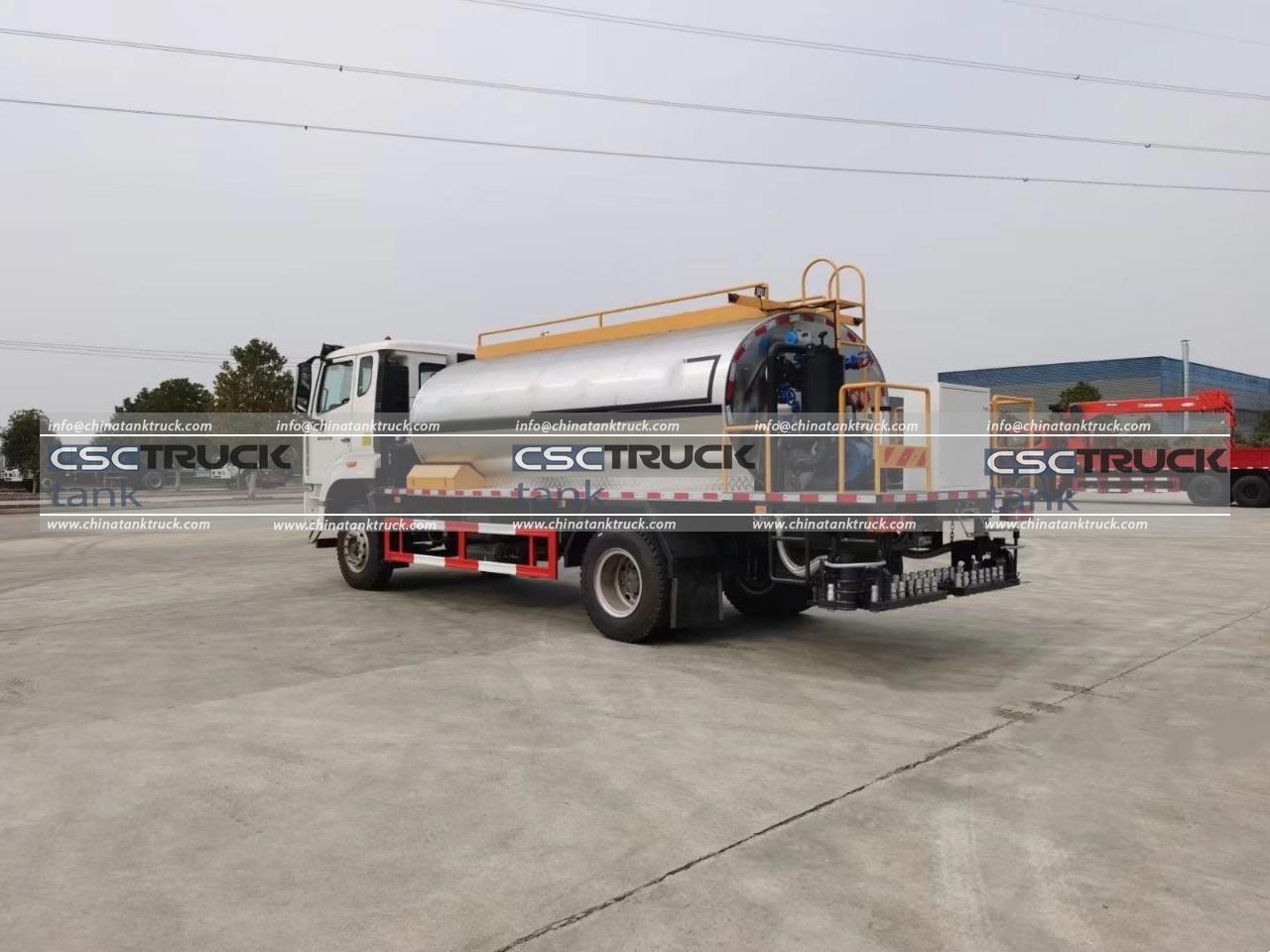
Distribution trucks include a spray bar, pumps, and nozzle control systems for precise asphalt spraying during road construction tasks. - Advanced Temperature Monitoring
Truck-mounted thermometers, automatic temperature regulators, and control panels provide real-time temperature feedback for safer operations. - Safe Loading and Unloading Mechanisms
Heavy-duty piping, valves, and pumping systems ensure spill-free and efficient loading/unloading at asphalt plants or job sites.
As a combination of transport, heating, and distribution technology, asphalt tank trucks are indispensable in modern road construction logistics.
Hot Asphalt Transport Uses
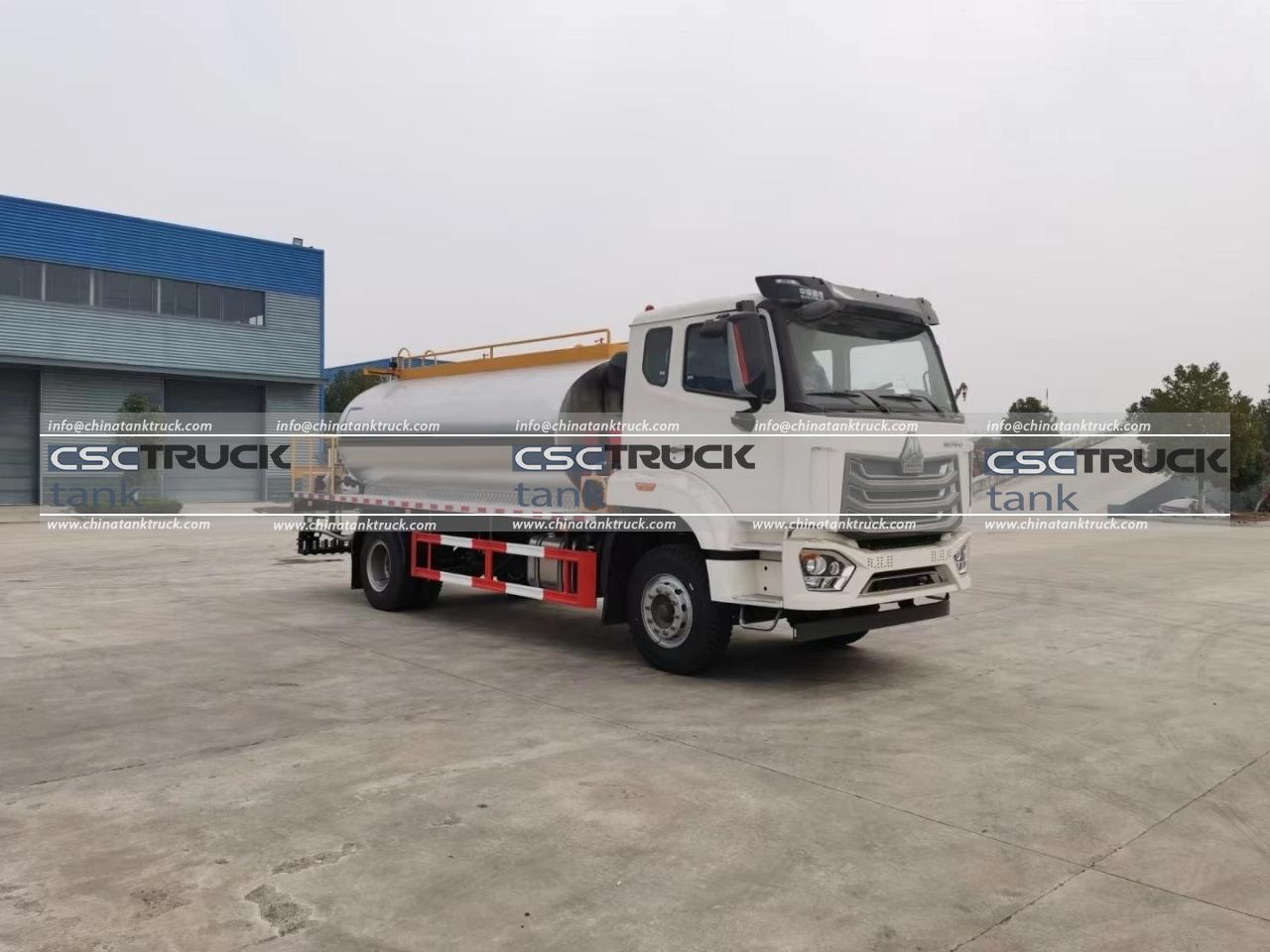
Asphalt tank trucks support a wide range of construction, maintenance, and industrial applications involving hot liquid asphalt. Their primary function is to deliver asphalt from production plants to field sites while maintaining its temperature and application readiness.
1. Road Construction and Paving
In large-scale road construction, asphalt must reach the job site in a workable state to ensure proper paving and compaction. Asphalt tank trucks deliver hot bitumen used as:
- A binder in asphalt mixtures
- A tack coat for bonding new layers
- A prime coat for stabilizing base layers
- A seal coat for waterproofing surfaces
By maintaining consistent temperature, these trucks prevent premature cooling that can compromise pavement quality.
2. Road Maintenance and Surface Treatment
Municipalities and contractors rely heavily on asphalt distributor trucks for:
- Crack sealing operations
- Pavement sealing and waterproofing
- Asphalt spraying and patching
- Surface dressing
- Blacktop rejuvenation
Accurate spraying systems help distribute asphalt evenly, extending pavement life and reducing long-term maintenance costs.
3. Hot Asphalt Transportation Between Facilities
Many projects require hot asphalt to be transported from refineries or asphalt mixing plants to satellite depots or construction zones. Asphalt tank trucks ensure:
- Thermal efficiency during long-distance transport
- Reduced heat-up time before paving
- Safe handling of high-temperature materials
Their insulation and heating technology significantly lowers fuel consumption and operational delays.
4. Industrial and Waterproofing Projects
Outside roadbuilding, hot asphalt is essential in:
- Roofing applications
- Waterproof membrane installation
- Industrial flooring
- Protective coatings for tanks and pipelines
Asphalt tank trucks make it possible to supply consistent-quality liquid asphalt to these industrial facilities.
Heating System Maintenance Requirements
Proper maintenance of an asphalt tank truck’s heating system is essential to ensure safe operations, efficient heating performance, and long service life. Neglecting maintenance can result in system failure, inconsistent heating, or unsafe working conditions.
Below are the key areas of heating system upkeep.
1. Burner System Maintenance
Most asphalt tank trucks rely on diesel or gas burners. To keep them operating efficiently:
- Inspect burners weekly for soot buildup, debris, or flame irregularities.
- Clean fuel nozzles to prevent clogging and uneven flame distribution.
- Check fuel lines and filters for leaks, blockages, or deterioration.
- Ensure proper ignition performance by testing spark plugs and ignition coils.
- Verify airflow delivery to maintain proper combustion efficiency.
A clean, well-tuned burner uses less fuel and maintains more stable heating.
2. Heat Conduction Oil System Care
If the truck uses conduction oil heating:
- Monitor oil levels regularly to prevent overheating of heating coils.
- Check the condition of heat-transfer oil, replacing it when darkened or degraded.
- Inspect circulation pumps and ensure smooth operation without vibration or noise.
- Examine heating coils for corrosion or scale buildup that affects heat transfer.
Heat conduction oil systems require consistent monitoring but are known for stable, uniform heating.
3. Electrical Heating Element Maintenance
In electric asphalt tank systems:
- Inspect heating cables or rods for signs of wear or exposure.
- Test the electrical resistance to confirm proper function.
- Verify insulation integrity to avoid electrical hazards.
- Check control panel functionality, including thermostats and relays.
Electrical systems are clean and efficient, but must be maintained to prevent electrical faults.
4. Insulation System Inspection
Thermal insulation is crucial for minimizing heat loss. Maintenance includes:
- Checking for insulation damage due to weathering, moisture, or mechanical impact.
- Repairing aluminum jackets or outer protective layers as needed.
- Replace insulation material when it becomes compressed or saturated.
Proper insulation reduces fuel consumption and ensures temperature stability during transport.
5. Asphalt Pump and Piping System Care
The pumping and circulation systems are essential for both heating and unloading.
Routine tasks include:
- Lubricating pump bearings to reduce friction and prevent overheating.
- Cleaning pipes and valves to remove asphalt residue.
- Checking pump seals for leaks caused by high-temperature wear.
- Ensuring valves operate smoothly without blockage.
- Cleaning spray bars and nozzles in distributor trucks for uniform application.
Regular cleaning after each use prevents asphalt from solidifying in the system.
6. Temperature Control and Monitoring Devices
Accurate temperature control is crucial for safe operation.
Maintenance includes:
- Calibrating sensors and thermometers to ensure accuracy.
- Checking wiring and connectors on control panels.
- Testing automatic shutdown features to ensure safety during overheating.
- Inspecting thermostat and controller functionality for proper operation.
Reliable temperature monitoring helps prevent asphalt overheating and tank damage.
Conclusion
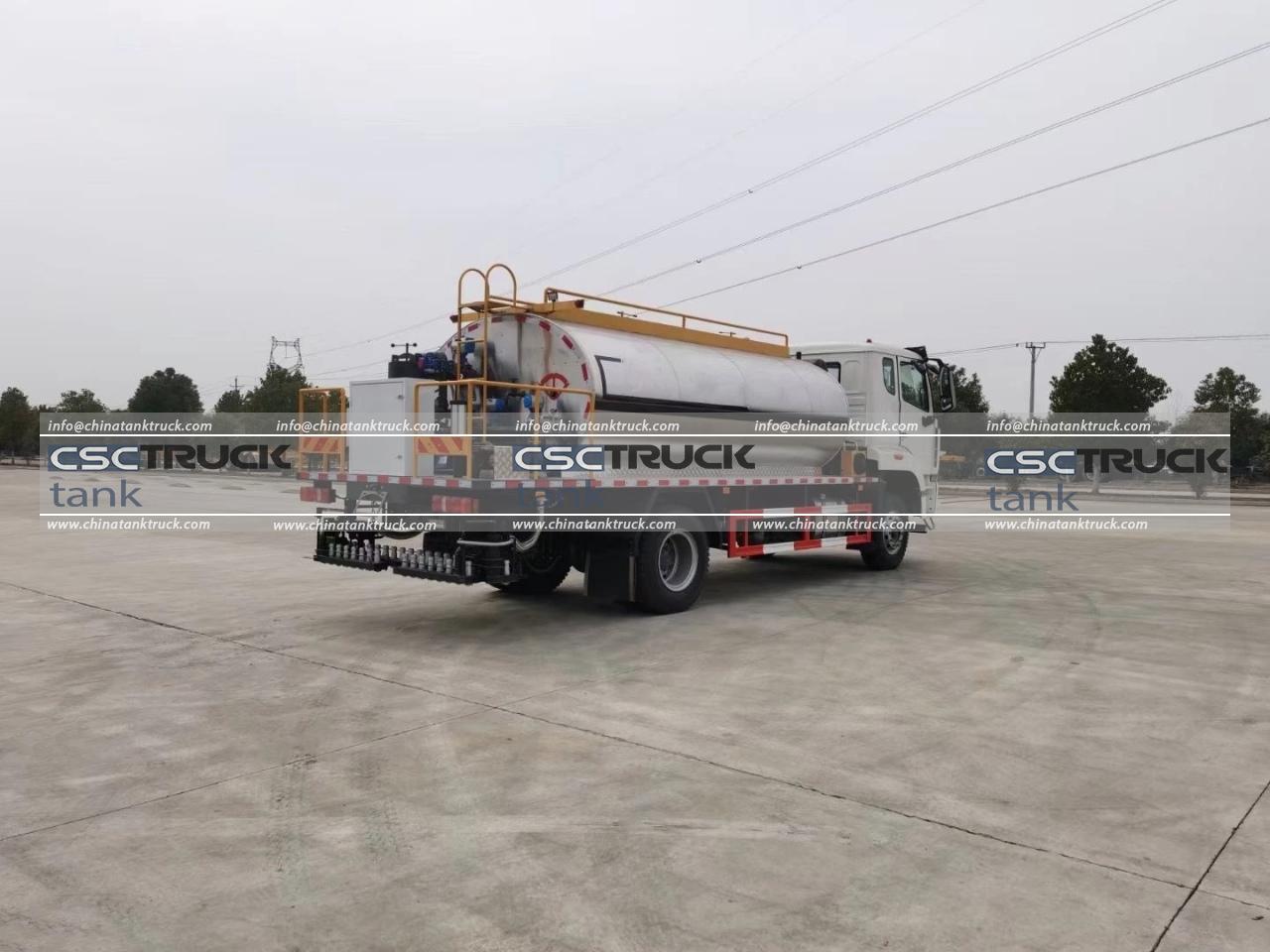
Asphalt tank trucks are essential equipment in modern road construction and maintenance operations, making it possible to transport and apply hot asphalt safely and efficiently. Their design—featuring insulated tanks, advanced heating systems, and precision pumping mechanisms—ensures that asphalt remains at the correct temperature and consistency from the plant to the paving site. With wide applications in roadbuilding, industrial waterproofing, and logistics, these trucks play a vital role in enhancing construction productivity and ensuring pavement quality.
However, long-term performance depends heavily on regular maintenance, especially of the heating system. By routinely inspecting burners, monitoring heat conduction oil, maintaining insulation, cleaning pumps and pipes, and ensuring accurate temperature controls, operators can maximize efficiency, reduce costs, and ensure safe operations.