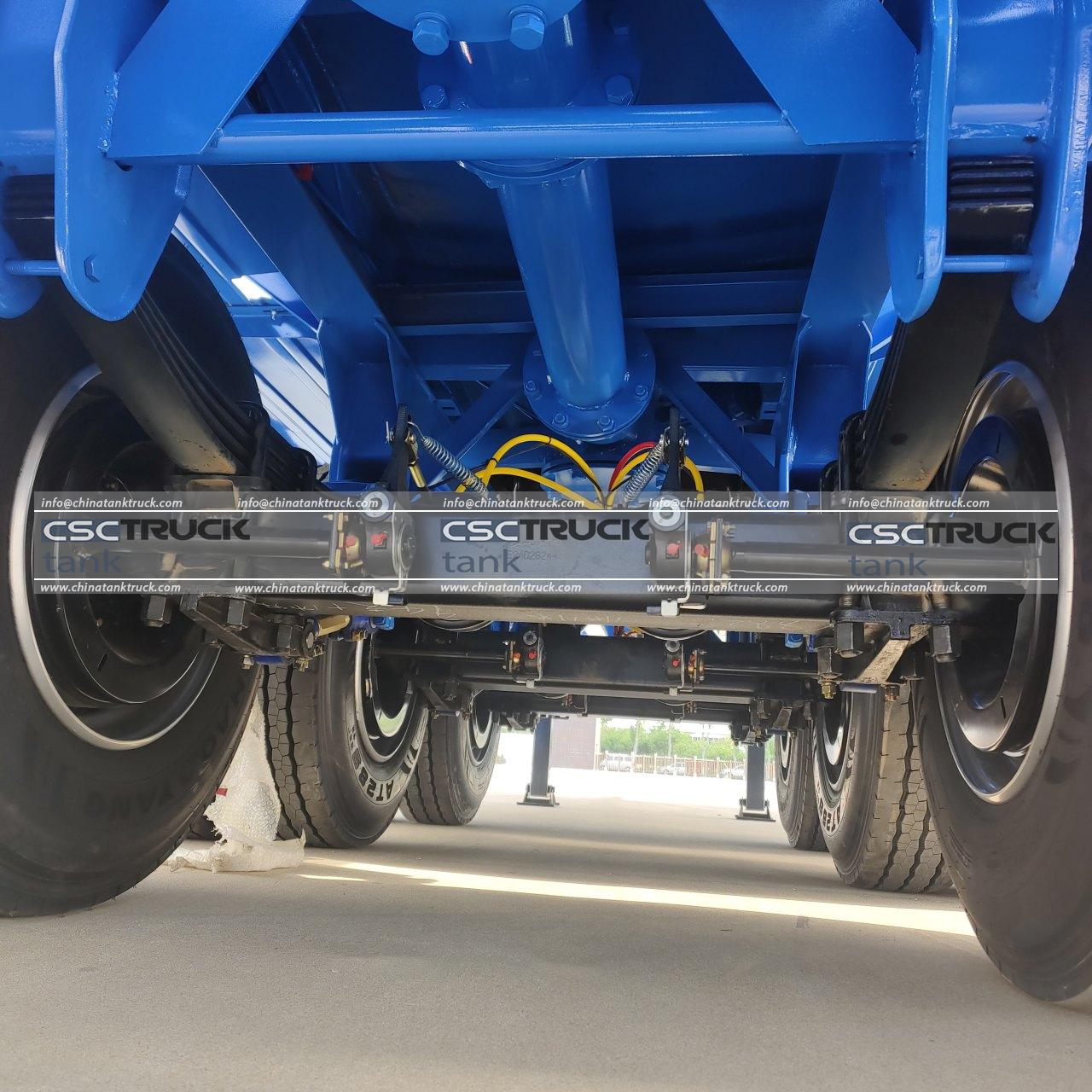

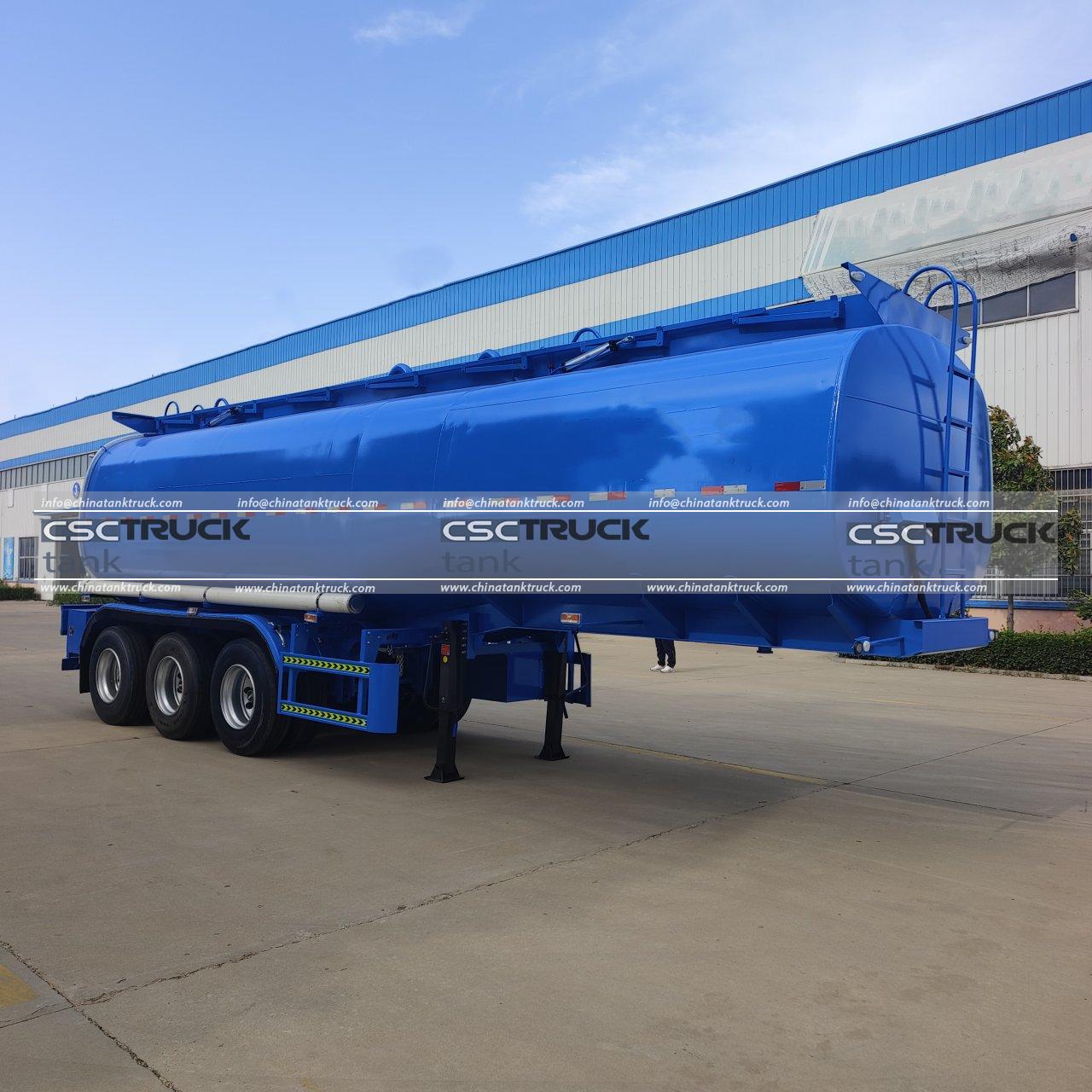
An aluminum tank trailer is a specialized semi-trailer designed for transporting liquid or gas cargo using a tank body made primarily from aluminum alloy. These trailers are widely used in industries such as petroleum, chemical distribution, food-grade liquid transport, and industrial logistics. Their lightweight design, high corrosion resistance, and improved payload efficiency make them a preferred choice for companies seeking cost-effective and reliable bulk liquid transportation. Understanding what an aluminum tank trailer is, how it functions, and how to maintain it ensures optimal operational performance, safety, and longevity.
What Is an Aluminum Tank Trailer?
An aluminum tank trailer is a tanker semi-trailer constructed largely from aluminum alloy, including the tank shell, heads, and often the chassis components. Depending on the application, aluminum tank trailers may be single-compartment or multi-compartment, and can be configured as:
- Fuel tank trailers (diesel, gasoline)
- Chemical tank trailers (non-corrosive chemicals)
- Food-grade liquid tankers (edible oils, milk, beverages)
- LPG/LNG variants (with additional pressure-rated construction)
Key Features of Aluminum Tank Trailers
- Lightweight Construction
Aluminum is about one-third the density of steel, significantly reducing the trailer’s tare weight. This allows operators to haul more product per trip. - Corrosion-Resistant Tank Body
Aluminum alloys have natural oxidation resistance, making them ideal for transporting liquids prone to causing rust in steel tanks. - Seamless or Welded Tank Shell Design
Most manufacturers use advanced welding techniques (TIG/MIG) to ensure smooth, leak-proof joints. - Multi-Compartment Options
Allows the transport of different products within one trailer, increasing delivery flexibility. - Smooth Inner Surface
Enhances unloading efficiency and makes cleaning easier—an essential feature for fuel and food-grade transport.
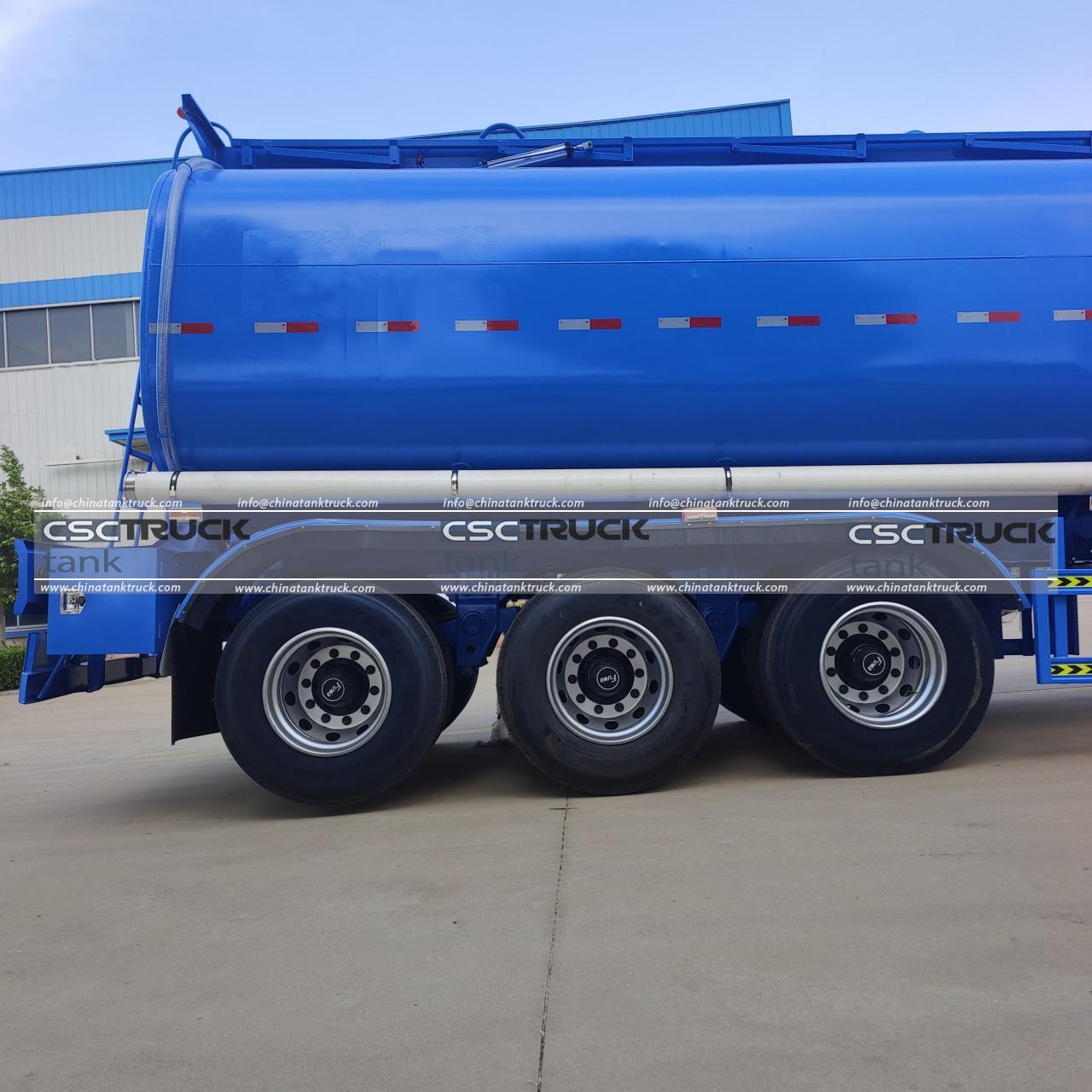
Transport Advantages of Aluminum Tank Trailers
Aluminum tank trailers offer multiple operational advantages that help logistics companies improve efficiency, reduce fuel consumption, and maintain product quality. Below are the major benefits.
1. Higher Payload Capacity
The biggest advantage of aluminum tank trailers is the dramatic reduction in tare weight. A typical aluminum tanker can be 1–2 tons lighter than an equivalent carbon steel model. This weight savings translates directly to:
- Higher legally allowable payload.
- Reduced trips for the same transport volume.
- Better revenue per kilometer.
For fuel distributors, this means more liters per trip—boosting overall fleet productivity.
2. Excellent Corrosion Resistance
Aluminum naturally forms an oxide layer that prevents corrosion. This makes aluminum tank trailers ideal for transporting:
- Petroleum products
- Edible liquids
- Non-corrosive chemicals
- Certain solvents
Unlike steel tanks, aluminum tanks do not require extensive internal coatings or anti-corrosion treatments, reducing long-term maintenance costs.
3. Improved Fuel Efficiency
A lighter trailer requires less power to haul. Operators commonly achieve:
- Lower fuel consumption
- Reduced tire wear
- Lower engine strain on the truck
In long-distance transport, these fuel savings significantly impact profitability.
4. Better Heat Dissipation
Aluminum dissipates heat faster than steel. This property improves safety during fuel transport by minimizing temperature build-up, particularly in:
- Gasoline distribution
- Hot climates
- Long-haul operations
It also enhances product stability and prevents excessive pressure fluctuations inside the tank.
5. Lower Operating Costs Over the Trailer’s Lifetime
While aluminum trailers may have a higher upfront cost, the total cost of ownership is typically lower because:
- They require less anti-corrosion maintenance.
- They provide better fuel economy.
- They reduce operational downtime.
- They offer higher resale value due to material durability.
This makes aluminum tank trailers a smart investment for fleet owners, balancing long-term performance and cost efficiency.
6. Smooth Cleaning and Product Purity
For food-grade and fuel transport, a clean interior is essential. Aluminum tank trailers often feature polished internal walls, which provide:
- Easier cleaning and sanitization
- Reduced residue and contamination risk
- Faster turnaround between loads
This is particularly important for companies transporting beverages, milk, or edible oils.
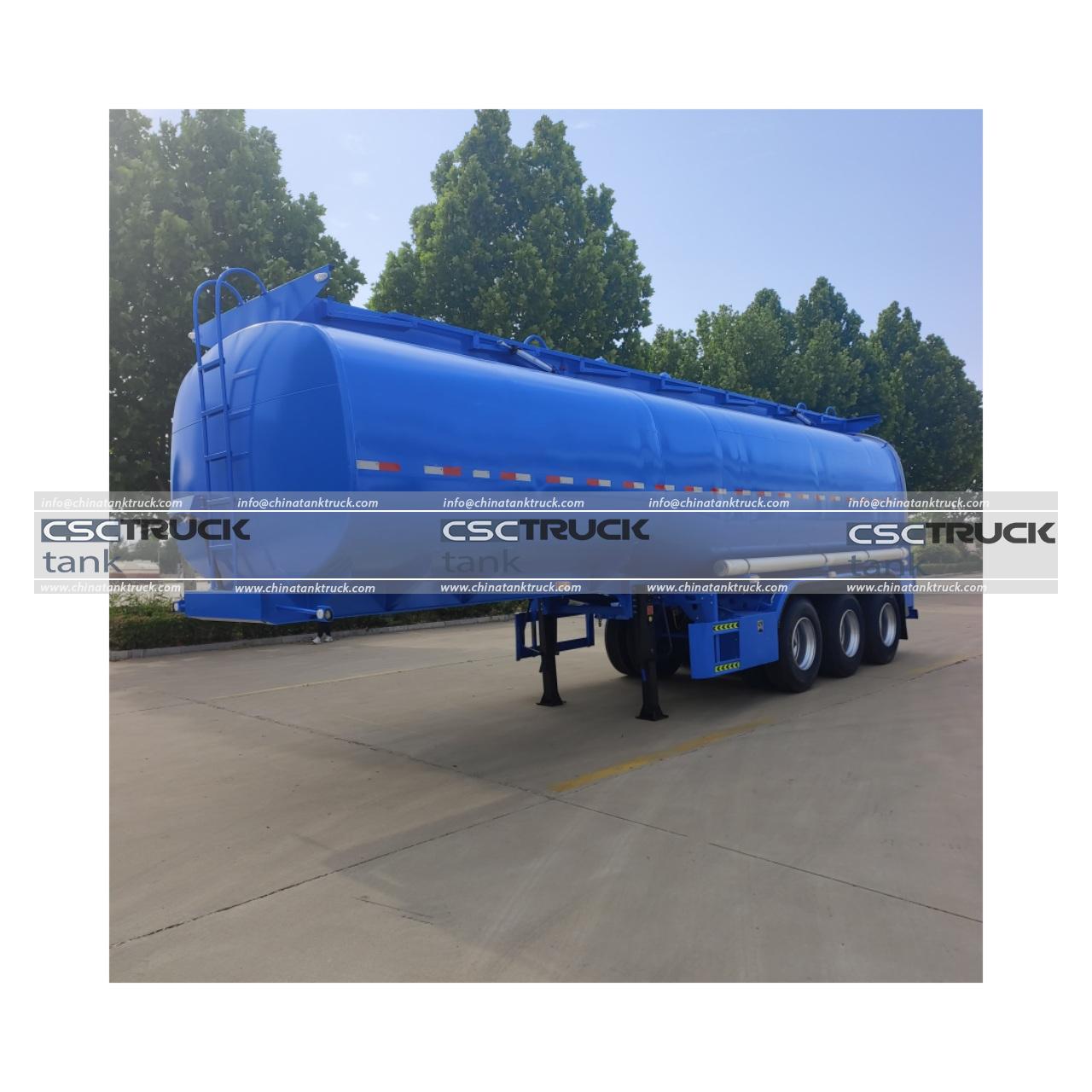
Maintenance Essentials for Aluminum Tank Trailers
To ensure safety, reliability, and long service life, aluminum tank trailers must undergo regular preventive maintenance. While aluminum is naturally durable, it still requires specific care to maintain structural integrity and avoid premature wear.
Below are the key maintenance essentials every operator should follow:
1. Visual Inspection for Cracks and Weld Integrity
Aluminum is strong but less fatigue-resistant than steel. Operators should check:
- Weld seams
- Tank heads
- Manhole areas
- Baffles and reinforcements
- Mounting brackets
Any signs of cracking or stress deformation should be addressed immediately to prevent tank failure.
2. Cleaning and Residue Removal
Regular cleaning prevents product contamination, corrosion from residues, and clogging of valves. Key areas to clean include:
- Internal tank walls
- Manhole covers
- Discharge valves
- Piping systems
For food-grade transport, sanitization must follow strict hygiene standards.
3. Valve, Pump, and Hose Inspection
Since many aluminum tank trailers are used for fuel or chemical delivery, their auxiliary equipment must remain in perfect working condition.
Inspect regularly:
- Bottom loading valves
- Emergency shutoff valves
- Pumps and meters
- Loading/unloading hoses
- Gaskets and seals
Replace worn or leaking components promptly.
4. Check for Galvanic Corrosion
Although aluminum does not rust, it can suffer galvanic corrosion when in contact with dissimilar metals like steel or copper in the presence of moisture. Inspect:
- Metal joints
- Mounting bolts
- Hose fittings
Use approved insulating materials to avoid metal-to-metal reactions.
5. Pressure Testing and Leak Detection
For pressurized or hazardous cargo, periodic leak testing ensures compliance and safety. Perform:
- Hydrostatic tests (where applicable)
- Air pressure leak checks
- Valve integrity tests
Document all tests for compliance with transport regulations.
6. Chassis and Suspension Maintenance
Even if the tank is aluminum, the trailer’s running gear still requires standard maintenance:
- Tire pressure and wear
- Brake systems
- Suspension bushings
- Kingpin and fifth-wheel plate
- Axles and bearings
Proper chassis care ensures smooth, stable operation under full load.
7. Protect the Tank Surface
Although aluminum is corrosion-resistant, surface damage should still be avoided. Maintain the exterior by:
- Keeping the surface clean
- Polishing periodically
- Avoiding abrasive chemicals
- Touching up protective coatings (if applied)
A well-maintained exterior enhances durability and resale value.
Conclusion
An aluminum tank trailer is a high-performance solution for transporting liquids, fuels, and food-grade products. With its lightweight construction, excellent corrosion resistance, and superior fuel efficiency, it offers significant operational advantages over steel tankers. However, to ensure long-term reliability and safety, proper maintenance—including weld inspections, valve checks, leak detection, and cleaning—must be carried out consistently.
For companies seeking a cost-effective, durable, and efficient transport solution, the aluminum tank trailer remains one of the best options available in the logistics and bulk liquid transport industry.