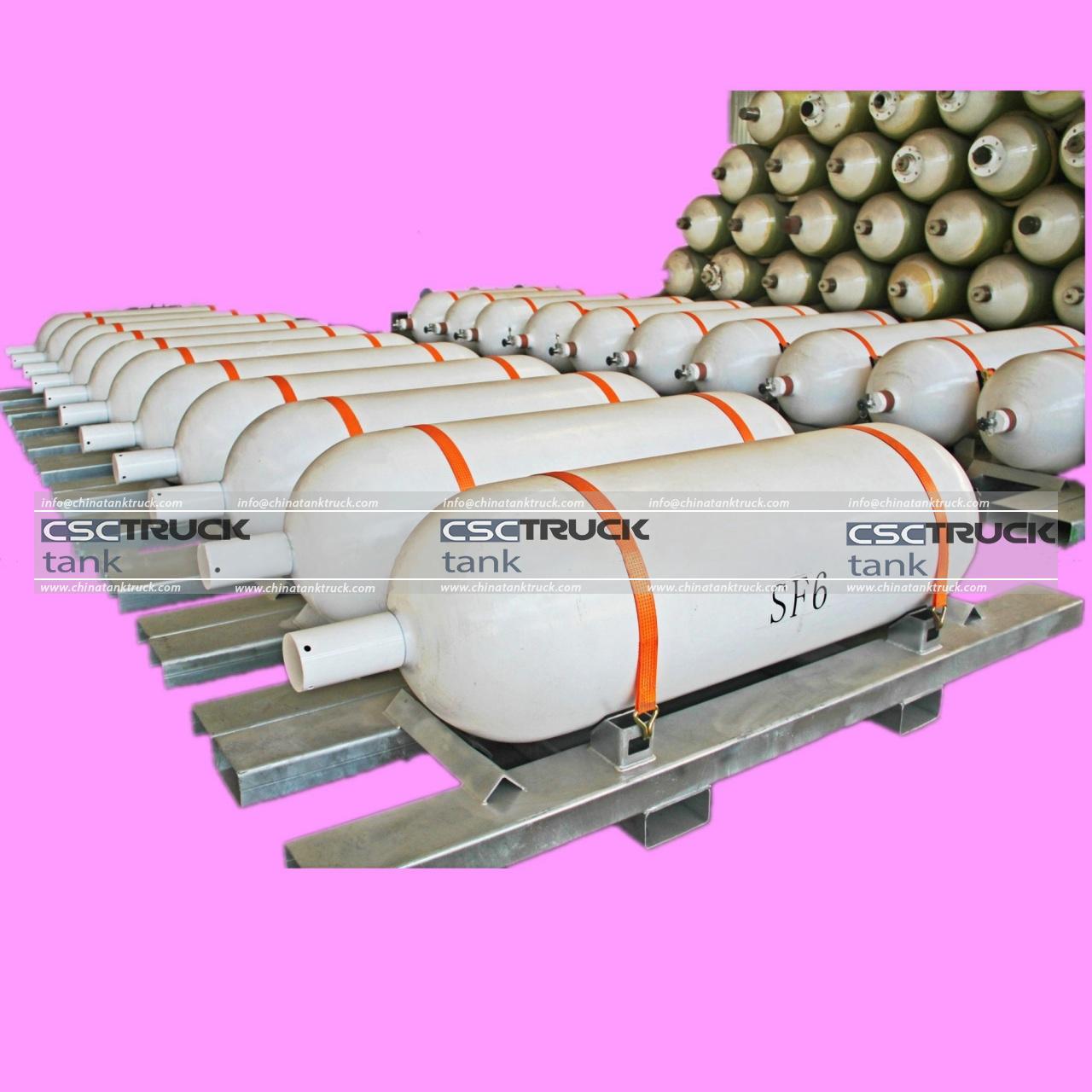

Industrial gas cylinders are vital components in the global supply chain of gases used in manufacturing, healthcare, food processing, laboratories, and energy production. Whether storing oxygen, nitrogen, argon, carbon dioxide, hydrogen, or specialty gases, these high-pressure vessels must maintain safety, reliability, and performance under demanding conditions. However, as users across industries continue to provide feedback, manufacturers and regulators are identifying new areas for improvement — from cylinder design and materials to monitoring technology and logistics systems. The following article compiles user suggestions for making industrial gas cylinders more secure, efficient, and sustainable for modern industrial applications.
1. Enhancing Cylinder Material and Construction Durability
One of the most common user recommendations concerns the improvement of cylinder materials to reduce weight while maintaining strength and resistance to corrosion or fatigue. Traditional steel cylinders, while durable, are heavy and prone to rust over time if not properly maintained. Many users now favor aluminum alloy and composite cylinders, which offer significant advantages in portability, longevity, and corrosion resistance.
Composite cylinders, typically made from carbon fiber wrapped around an aluminum liner, are especially popular for high-purity or medical gases. They can handle high pressures — up to 700 bar — while reducing overall weight by nearly 40%. Users have noted that these lightweight cylinders improve handling safety during transport and reduce strain for workers who manually move them.
Another suggestion is the use of improved surface coatings — such as epoxy or zinc-rich paints — and internal linings to prevent chemical reactions with stored gases. For corrosive or reactive gases, stainless steel and special alloys such as Monel or Inconel are recommended for long-term stability.
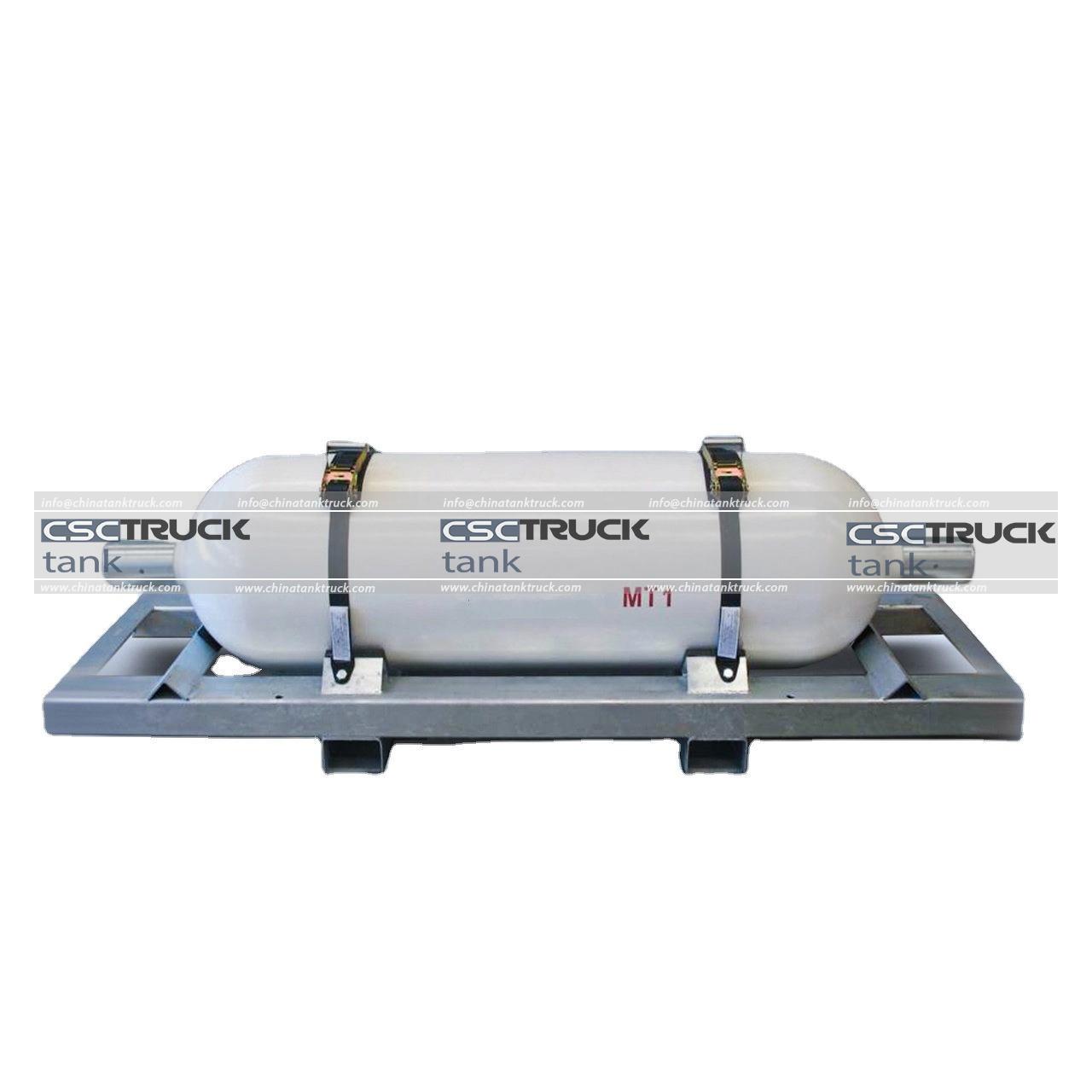
2. Implementing Smart Cylinder Tracking and Monitoring Systems
Industrial users are increasingly calling for digital monitoring and identification systems to improve the traceability and safety of gas cylinders. In many industrial facilities, keeping track of thousands of cylinders — each filled with different gases and pressure levels — is a logistical challenge. Misidentification or lack of inspection data can lead to safety hazards and costly downtime.
To address this, users suggest integrating RFID tags, barcodes, or QR codes directly into the cylinder body or valve assembly. These can store critical data such as manufacturing date, gas type, fill pressure, and maintenance history. When connected to a centralized management system, companies can easily scan cylinders to confirm their status before use.
Some advanced models already include IoT (Internet of Things) sensors that monitor pressure, temperature, and leak detection in real time. This allows operators to remotely check gas levels or detect potential failures early. Users believe that as these smart monitoring systems become more affordable, they will greatly improve cylinder fleet management and operational safety.
3. Improving Cylinder Valve and Regulator Safety
A key safety concern raised by users involves valve design and protection. Cylinder valves are the most vulnerable components — if damaged or improperly handled, they can lead to gas leaks or even explosions. Many users suggest that every cylinder be equipped with valve guards or caps that are permanently attached and easy to secure during transport.
Moreover, users recommend that manufacturers improve pressure relief device (PRD) technology to ensure consistent performance across temperature ranges. PRDs are essential for releasing excess pressure in case of fire or overheating, but users report that some devices fail to activate or vent inconsistently under extreme conditions.
Another user suggestion is to develop automatic shut-off or flow-restricting valves that limit the amount of gas released in the event of a rupture or accidental opening. This technology could prevent large-scale leaks, particularly in facilities handling flammable gases like hydrogen or acetylene.
For regulators and connectors, users recommend universal fitting designs that reduce the risk of cross-threading or connecting incompatible equipment. A move toward global standardization in valve and regulator interfaces would simplify operations across multinational industries.
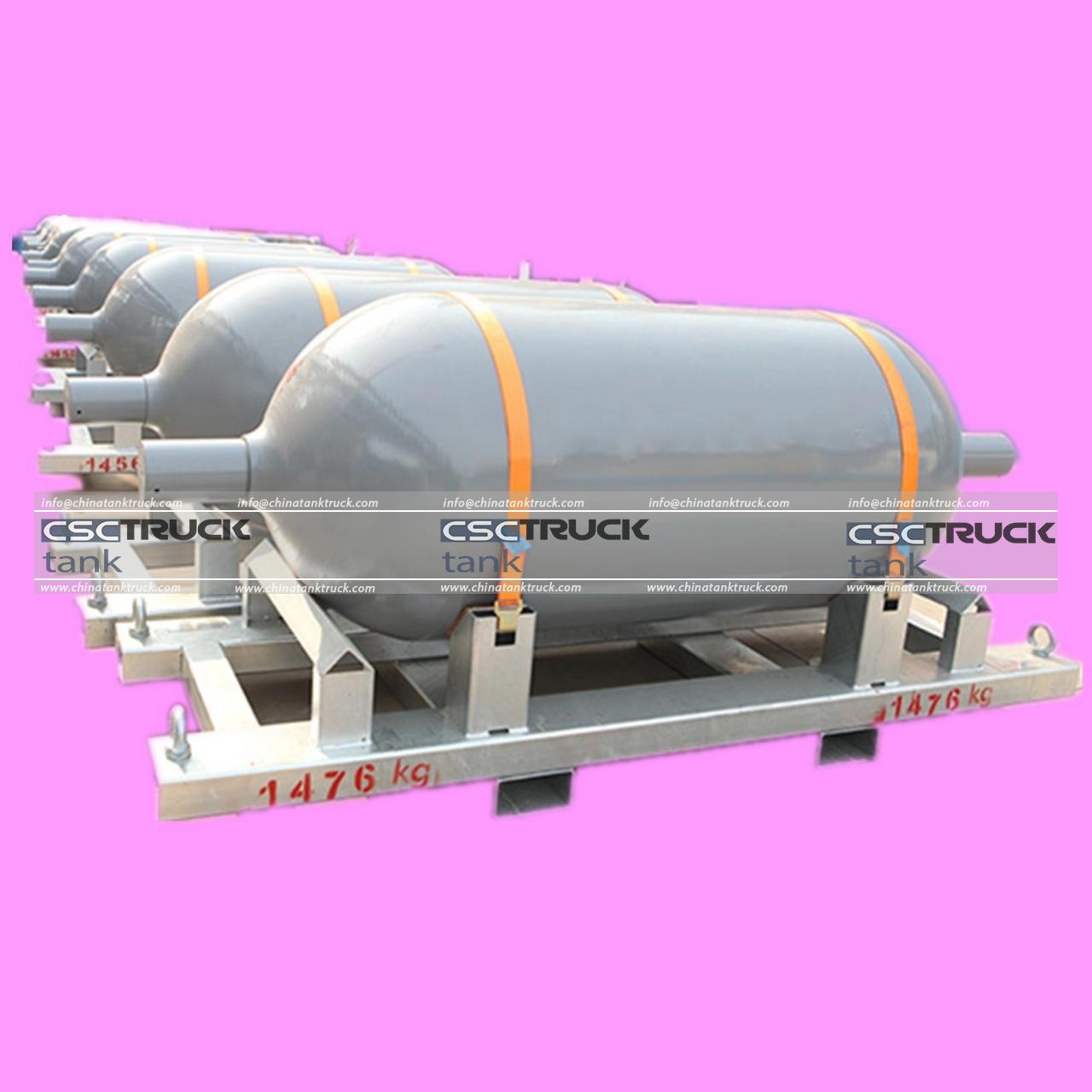
4. Simplifying Cylinder Maintenance and Inspection
Proper maintenance and inspection are critical for safe gas cylinder operation. Users suggest that manufacturers and suppliers offer simplified inspection procedures, along with visual indicators to show whether a cylinder is within its service period. For example, using color-coded labels or LED indicators that signal inspection due dates can reduce human error and increase compliance with safety regulations.
In addition, some users advocate for modular valve systems that can be replaced or serviced without depressurizing the entire cylinder. This approach can reduce maintenance downtime and extend cylinder life.
Users also recommend on-site ultrasonic or digital inspection tools for detecting microcracks, wall thinning, or valve leaks without needing to empty or disassemble the cylinder. Such technologies would make inspection faster and less disruptive to production schedules.
5. Promoting Safer Cylinder Handling and Storage Practices
Feedback from users consistently highlights the need for better handling and storage systems to reduce workplace accidents. Industrial gas cylinders, due to their high pressure, must be stored upright, secured, and away from heat sources — but improper stacking or inadequate restraints remain common causes of incidents.
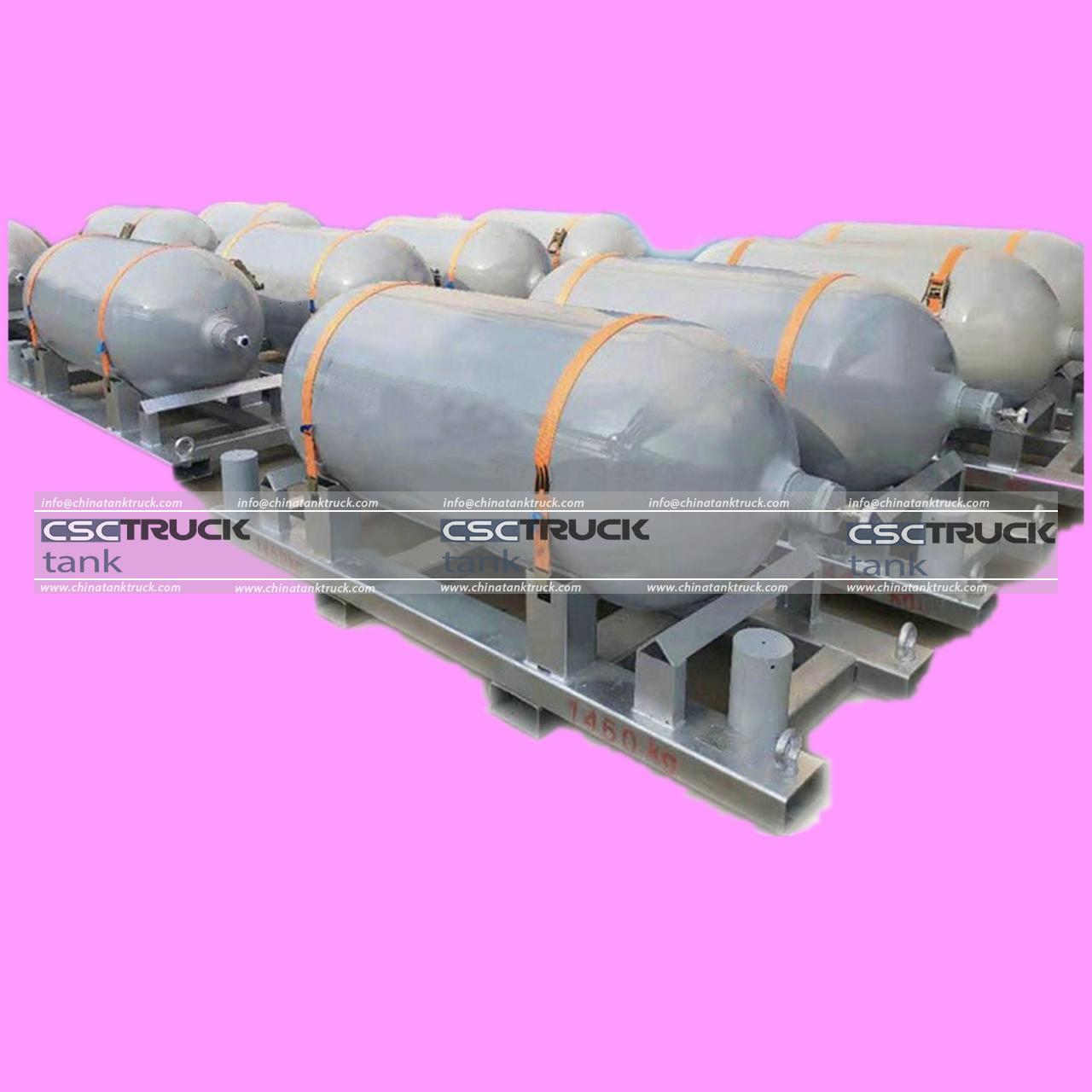
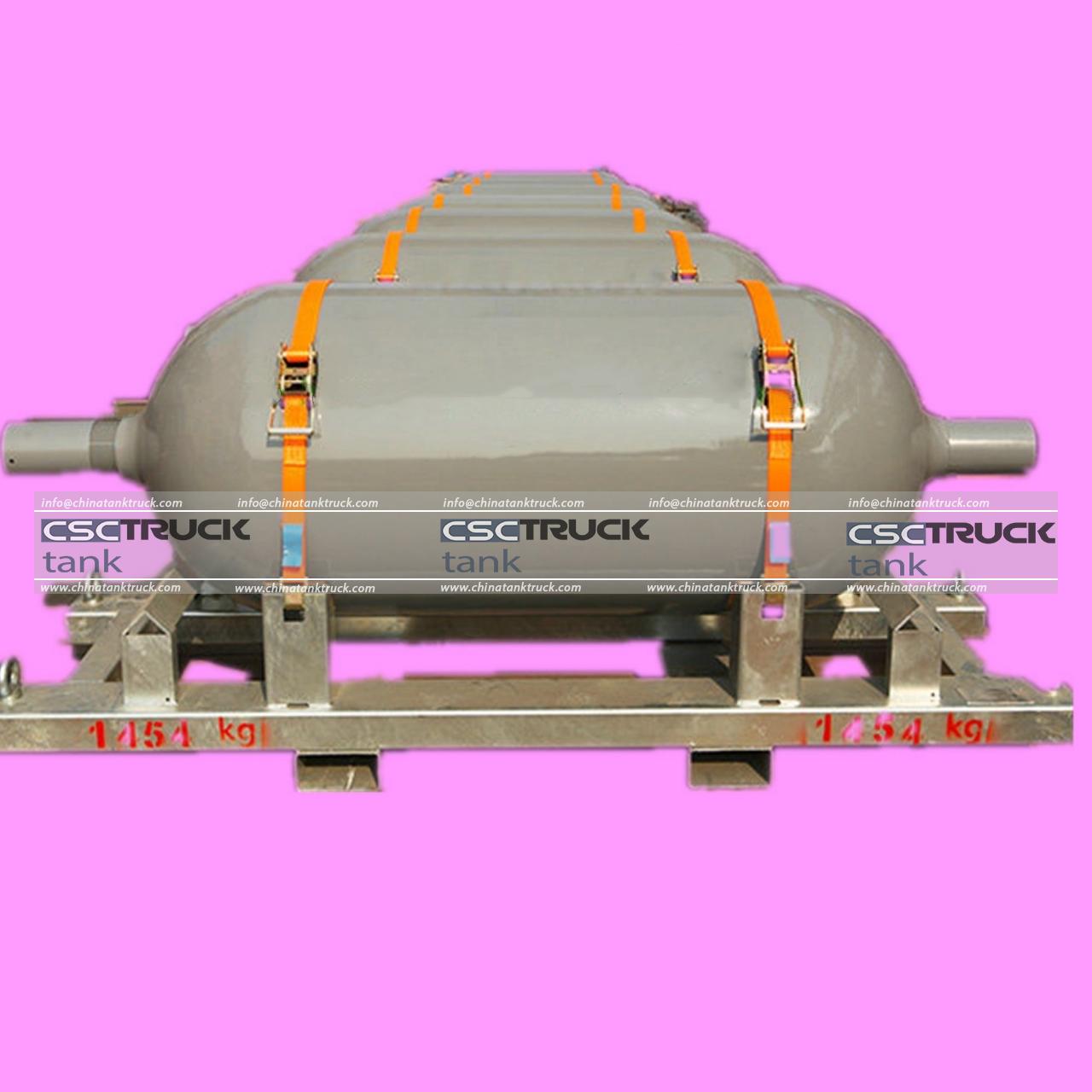
Users suggest that facilities adopt dedicated cylinder racks, trolleys, and securing brackets to minimize movement during storage and transport. Some also propose shock-absorbing bases or collars that protect cylinders from impacts when moved by forklift or hand truck.
In terms of labeling, users recommend clearer, color-coded identification systems that distinguish between full, empty, and in-use cylinders. This simple measure can prevent accidental misuse and streamline inventory rotation.
Training programs should also be reinforced, ensuring that employees are aware of safe handling procedures for specific gases, including flammable or toxic types.
6. Increasing Environmental Sustainability
Environmental awareness is growing across the gas industry, and users are encouraging manufacturers to improve cylinder recyclability and lifecycle management. Instead of scrapping cylinders after their service period, users suggest implementing refurbishment and recertification programs to extend usability while maintaining safety.
Additionally, the use of eco-friendly coatings, recyclable materials, and low-emission manufacturing processes can help reduce the carbon footprint of cylinder production. Some companies are experimenting with hydrogen-compatible composite materials, which can prevent hydrogen embrittlement and support the future of clean energy storage.
Users also recommend optimized gas filling and return logistics to reduce unnecessary transportation and waste. A coordinated return program using GPS-tracked cylinders could significantly improve efficiency and sustainability.
7. Strengthening International Standards and Compliance
Users operating across multiple countries often face challenges due to varying safety standards and certification requirements. While organizations like ISO, DOT, and UN regulate cylinder manufacturing and transport, there are still regional differences that complicate international operations.
Many users call for greater harmonization of cylinder standards, including unified testing procedures, labeling conventions, and material codes. This would simplify cross-border logistics, reduce duplication in testing, and enhance overall safety.
Furthermore, users encourage closer collaboration between manufacturers, regulators, and end users to ensure that standards evolve alongside new materials and technologies. By integrating user feedback into design and regulation, the industry can create more practical and effective safety frameworks.
Conclusion
Industrial gas cylinders are fundamental to global industrial operations, yet their safety and reliability depend on continuous innovation and user collaboration. Based on extensive feedback, users prioritize lightweight yet durable materials, smart monitoring systems, improved valve safety, easier inspection processes, enhanced storage solutions, environmental sustainability, and stronger international standards.
By addressing these areas, manufacturers and regulators can make industrial gas storage not only more secure and efficient but also more adaptable to the changing demands of modern industries — from clean energy to advanced manufacturing. Ultimately, embracing user-driven improvements ensures that industrial gas cylinders remain reliable partners in supporting safe, sustainable, and high-performance operations worldwide.