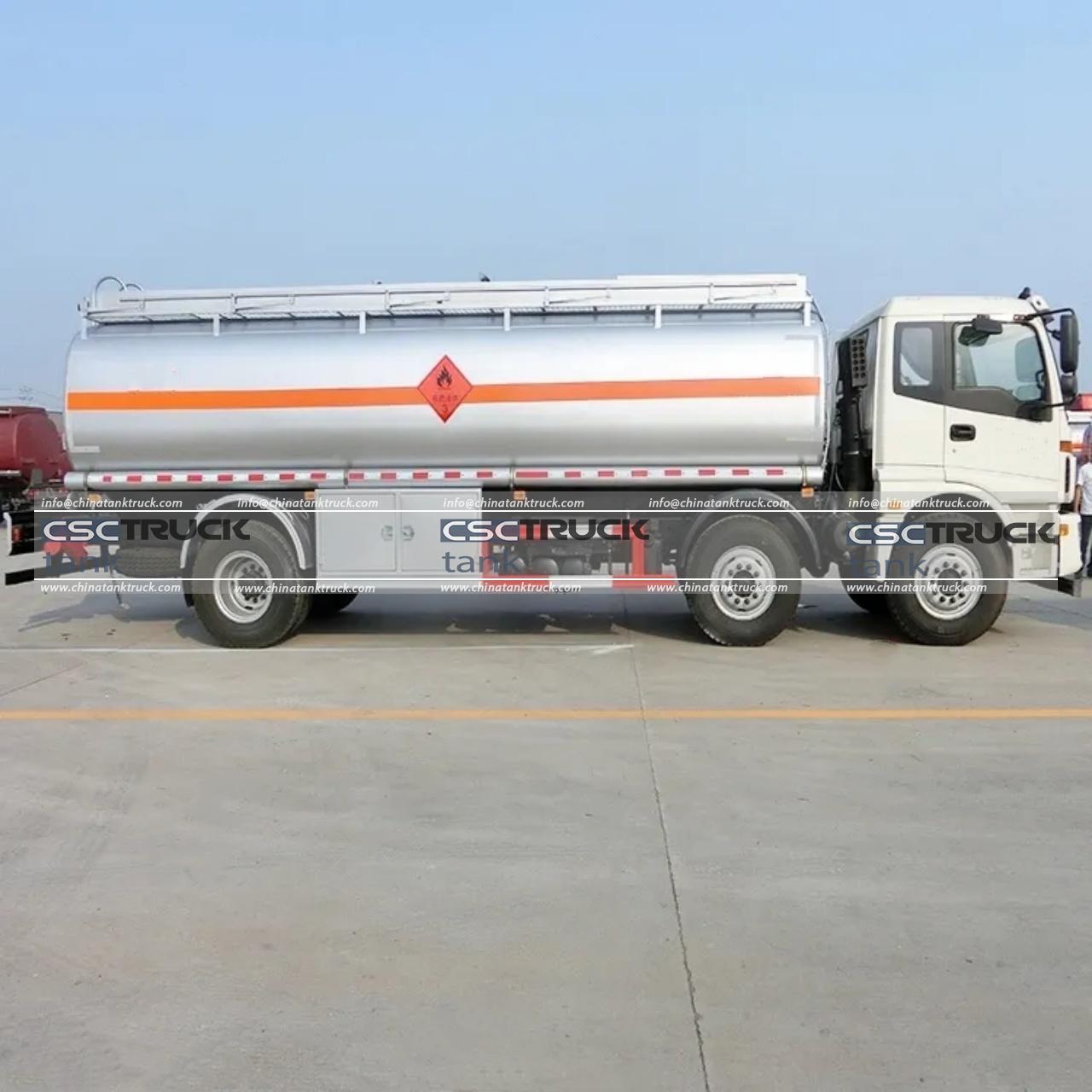

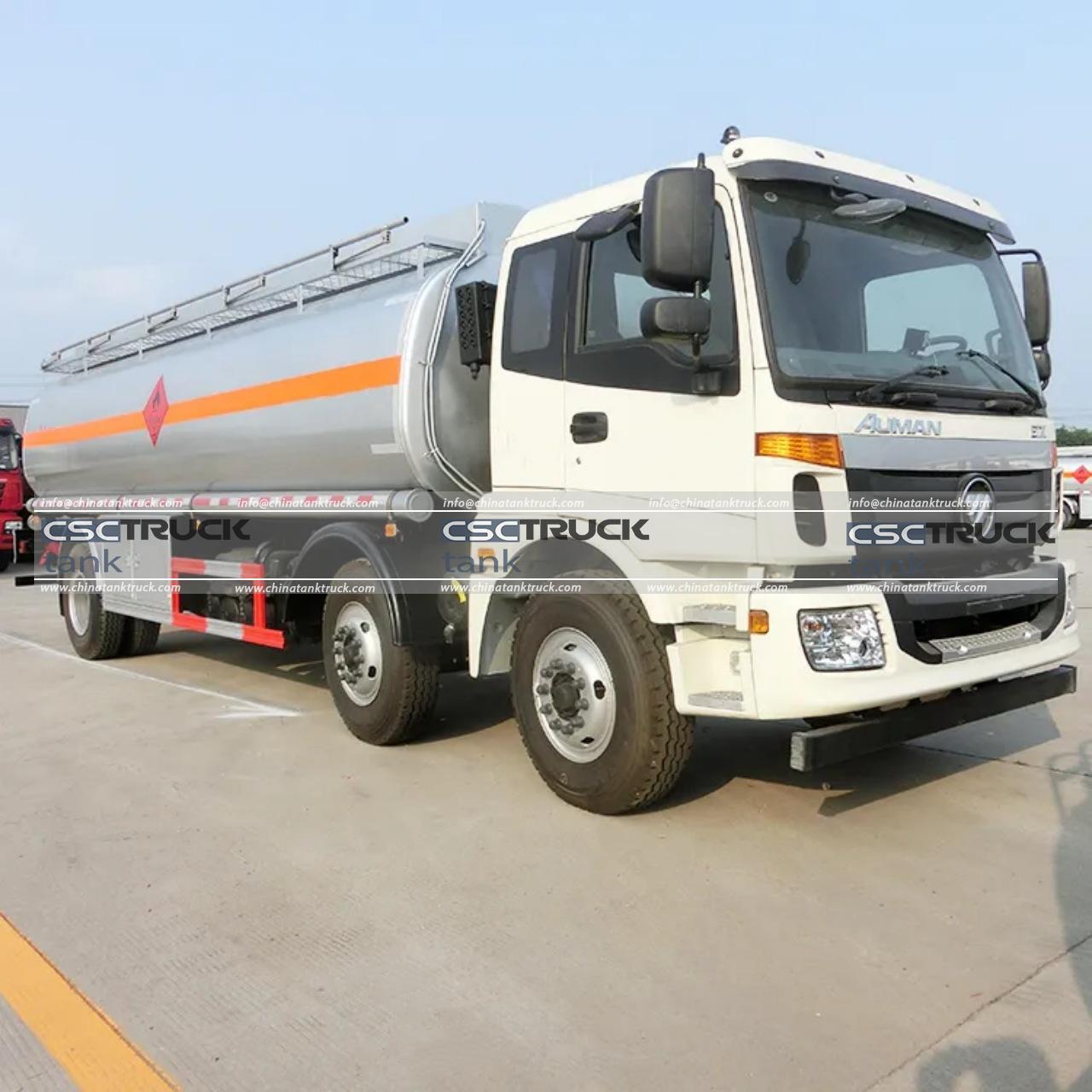
A fuel tank truck, also known as a fuel tanker or refueling truck, is a specialized vehicle designed to safely transport liquid fuels such as gasoline, diesel, kerosene, aviation fuel, and other petroleum-based products. These vehicles play a critical role in global supply chains, ensuring the continuous and efficient distribution of energy resources to fueling stations, commercial fleets, remote sites, airports, industrial plants, and residential heating fuel customers. Due to the flammable and hazardous nature of their cargo, fuel tank trucks are engineered with strict safety standards, advanced pumping systems, and durable tank structures to minimize risk during transportation and refueling operations.
This article explores the key definition of a fuel tank truck, its diverse applications in fuel delivery, and the essential maintenance tips required to keep these vehicles safe, efficient, and compliant with industry regulations.
1. Definition of a Fuel Tank Truck
A fuel tank truck is a road vehicle equipped with a cylindrical or elliptical tank specifically designed for the transport of liquid fuels. These tanks are typically manufactured using carbon steel, stainless steel, or aluminum alloy, depending on the weight, corrosion resistance, and specific fuel requirements.
Fuel tank trucks come in a variety of capacities, ranging from 3,000 liters for urban delivery to more than 40,000 liters for highway fuel transport trailers. Smaller fuel tankers often feature multiple compartments, enabling them to carry and deliver different grades of fuel simultaneously, such as diesel and gasoline.
Key components of a typical fuel tank truck include:
- Tank body with anti-wave baffles
- Fuel pump or gravity discharge system
- Flow meters and emergency shut-off valves
- Fire-safe fittings and anti-static grounding
- Manhole covers and top/bottom loading interfaces
- Hoses, hose reels, and nozzle assemblies
These features work together to ensure safe transport, efficient loading/unloading, and compliance with global safety standards such as ADR, DOT, and ASME.
2. Uses in Fuel Delivery
Fuel tank trucks are indispensable in the petroleum logistics chain. Their wide range of uses covers almost every segment of fuel distribution and on-site refueling.
2.1. Fuel Station Supply
The most common use for fuel tank trucks is supplying gasoline service stations. These trucks travel from fuel depots or refineries to gas stations, replenishing underground tanks with various fuel types. Multi-compartment designs allow efficient delivery of multiple fuel grades in one trip.
2.2. On-Site Refueling for Fleets
Construction companies, logistics fleets, mining operations, and agricultural enterprises often rely on tank trucks for on-site refueling services. This eliminates equipment downtime, increases operational efficiency, and provides a mobile fuel supply solution for heavy machinery and transport fleets operating in remote or temporary locations.
2.3. Aviation Fuel Delivery
Fuel tank trucks equipped as aviation refuelers deliver Jet-A or aviation gasoline directly to aircraft. These vehicles feature specialized filtration systems, grounding cables, and precise metering to ensure safe and contamination-free fueling under strict aviation safety regulations.
2.4. Emergency Fuel Delivery
During power outages, natural disasters, or weather disruptions, fuel tank trucks serve critical roles in delivering diesel to:
- Backup generators
- Emergency vehicles
- Hospitals
- Data centers
- Municipal infrastructure
Their mobility enables quick deployment where fuel access is urgently needed.
2.5. Heating Fuel Delivery
In regions relying on diesel-based home heating, fuel tank trucks are used to deliver heating oil directly to residential properties and commercial buildings. These trucks often feature long hose reels and metering systems designed for accurate billing.
2.6. Industrial and Marine Fueling
Industries such as manufacturing, shipping, and marine services use fuel tank trucks to supply fuel for:
- Boilers
- Heavy machinery
- Fishing vessels
- Dock operations
The flexibility of road-based delivery allows for timely refueling even in areas without pipeline access.
3. Essential Maintenance Tips for Fuel Tank Trucks
Maintenance is crucial for fuel tank trucks due to the hazardous nature of their cargo, the strict regulations governing fuel transportation, and the high operational demands placed on both the chassis and tank system. Proper upkeep not only enhances safety but also extends vehicle lifespan and reduces operational costs.
Here are the essential maintenance tips operators must follow:
3.1. Regular Tank Inspection and Cleaning
Fuel tanks must be inspected regularly for structural integrity, corrosion, and contamination. Key points include:
- Internal and external corrosion checks
- Inspection of anti-wave baffles
- Integrity of welds and seams
- Cleaning of the tank interior to prevent residue buildup
Different fuels may require different cleaning protocols to avoid contamination between loads.
3.2. Check Valves, Pumps, and Metering Systems
Since fuel tank trucks rely heavily on pumping systems, proper maintenance of mechanical and electronic components is essential. Operators should conduct routine checks of:
- Fuel pumps
- Pressure systems
- Flow meters and gauges
- Safety valves
- Emergency shut-off controls
Any malfunction can lead to fuel leakage, inaccurate delivery, or major safety risks.
3.3. Maintain Safety and Anti-Static Features
Fuel vapors are flammable, making static control critical. Ensure:
- Grounding cables are functional
- Anti-static straps are intact
- Vapor recovery systems operate correctly
- Fire extinguishers and emergency equipment are in place
All safety indicators and alarms must be tested periodically to guarantee full functionality.
3.4. Inspect Hoses and Connectors
Hoses, gaskets, and connectors are directly involved in fuel transfer and are prone to wear and cracking. Regular inspection helps prevent:
- Leaks
- Fuel spills
- Pressure loss during discharge
Replace damaged hoses immediately and store them properly on reels to reduce kinks and abrasion.
3.5. Chassis and Engine Maintenance
The truck chassis requires standard heavy-vehicle maintenance, including:
- Daily brake and tire inspections
- Engine oil and coolant checks
- Proper torqueing of bolts and suspension parts
- Transmission and differential fluid replacement
Because tank trucks carry heavy loads, suspension systems and braking components need more frequent attention than ordinary trucks.
3.6. Compliance with Regulations and Certifications
Fuel transport is governed by stringent regulations. Operators must ensure:
- ADR/DOT compliance tests are up to date
- Tank pressure testing is performed as required
- Calibration of meters meets legal standards
- Records of inspections and maintenance are documented
Regular compliance helps avoid legal penalties and ensures safe operation.
Conclusion
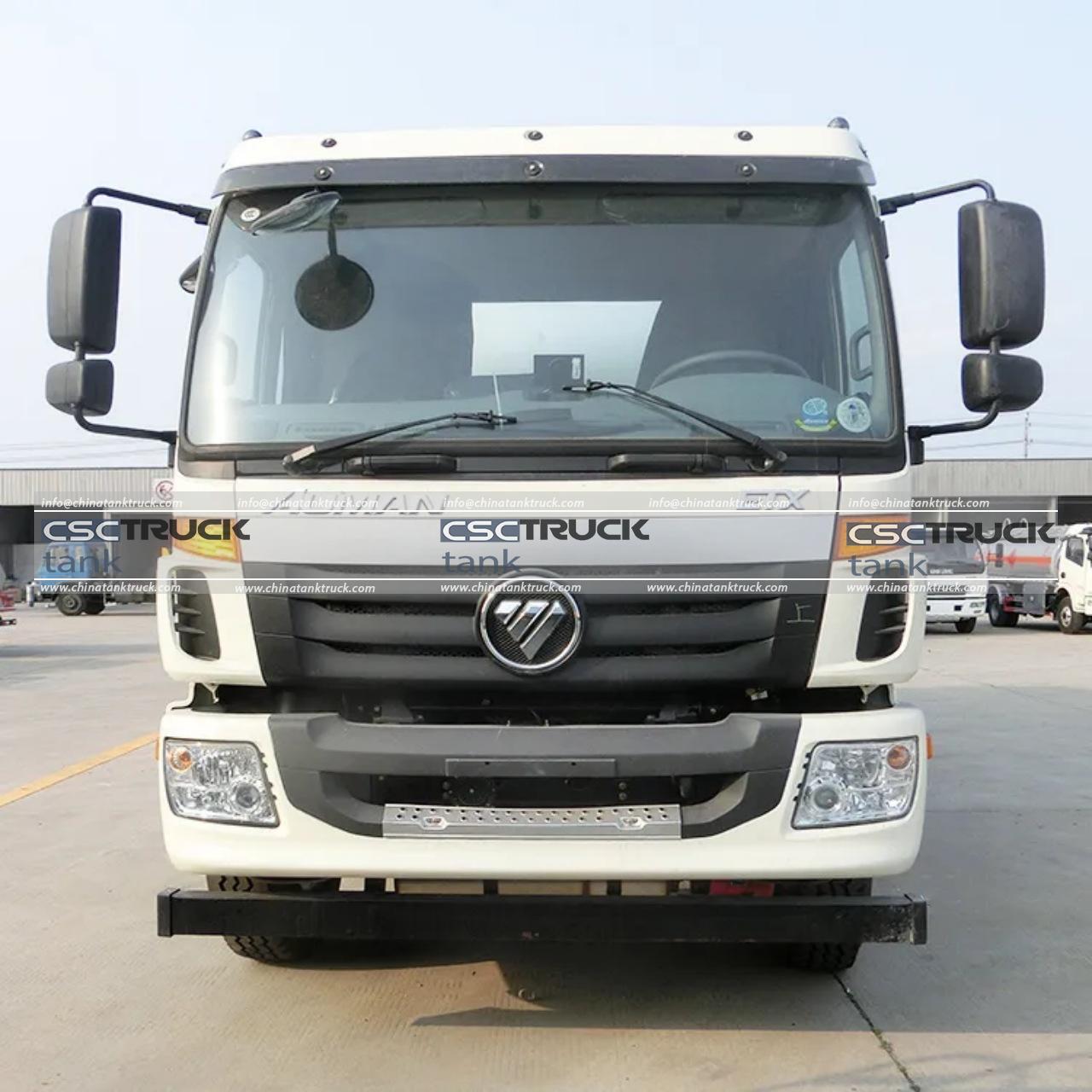
Fuel tank trucks play a vital role in the global energy supply chain, enabling safe and efficient transport of fuel to gas stations, airports, industrial sites, and remote locations. Their design incorporates advanced safety, pumping, and containment technologies to handle hazardous petroleum products with precision and reliability. To ensure long-term performance and operational safety, regular maintenance—including tank inspection, pump servicing, hose checks, safety system testing, and chassis upkeep—is essential.
By understanding their definition, uses, and essential maintenance requirements, operators and businesses can maximize the efficiency, safety, and service life of fuel tank trucks in demanding fuel delivery operations.