
UN Portable Tanks play a crucial role in the global movement of hazardous and non-hazardous liquids, gases, and powders. Designed under the guidelines of the United Nations Recommendations on the Transport of Dangerous Goods, these tanks ensure uniform safety and compliance across international borders. Over the years, users from the chemical, gas, and petroleum industries have provided valuable feedback, highlighting both strengths and improvement opportunities in terms of design, operation, and global transport safety. Their insights offer important guidance for manufacturers, operators, and regulators striving for higher efficiency and safety in international logistics.
1. Understanding the Role of UN Portable Tanks
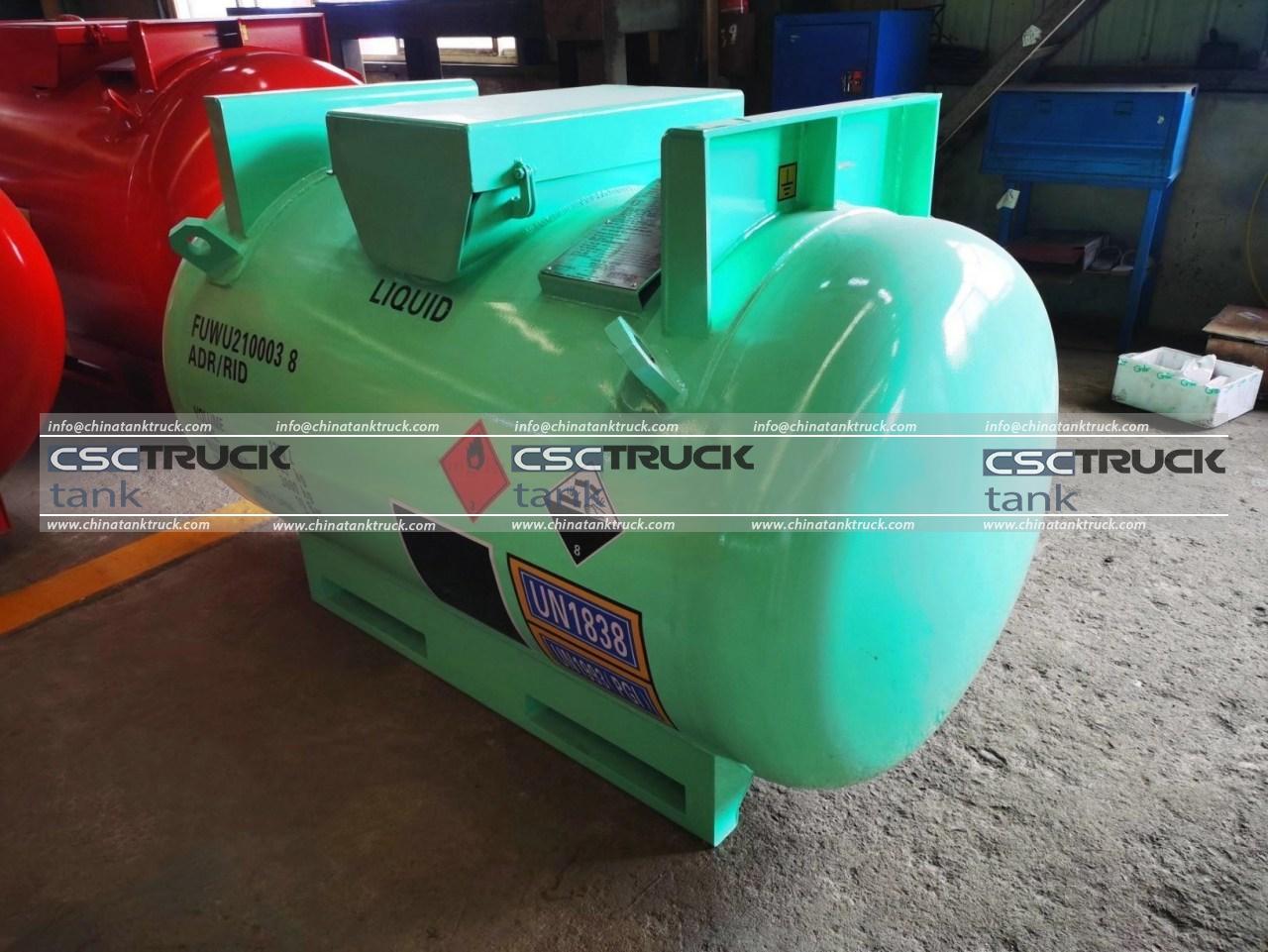
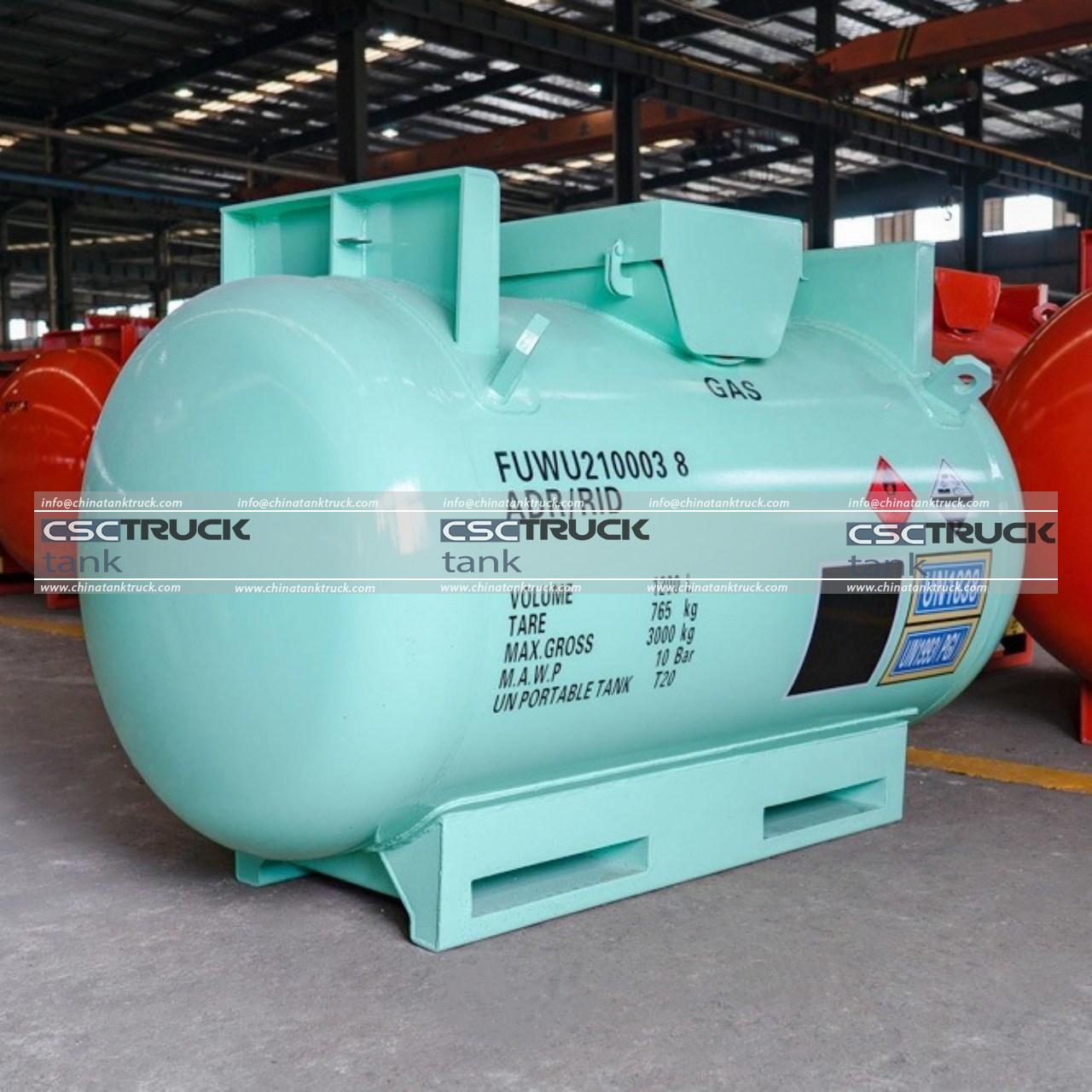
UN Portable Tanks are standardized pressure vessels approved for the international transport of liquids and gases via multiple modes—road, rail, and sea. They are categorized under the “T” codes (e.g., T11, T14, T50), each specifying parameters such as pressure rating, material compatibility, and test requirements.
The tanks are often constructed from stainless steel or specialized alloys to handle a wide range of substances, including flammable liquids, corrosive chemicals, and liquefied gases. Their robust design, coupled with UN certification, ensures they can be safely interchanged between shipping lines, rail systems, and road carriers without modification.
From a user perspective, the biggest advantage is global acceptance. A UN Portable Tank built to standard can be transported across countries without facing varying national design restrictions. However, users also emphasize the need for careful maintenance, periodic inspections, and awareness of international regulatory updates to maintain compliance.

2. User Experiences on Safety and Structural Integrity
Users consistently highlight the exceptional structural durability of UN Portable Tanks. The reinforced cylindrical bodies and frame structures are built to withstand severe handling during multimodal transport. Operators report that tanks typically maintain integrity even under challenging sea freight conditions—such as high stacking pressures or dynamic impact during loading.
However, feedback also points out that while the tanks themselves are strong, ancillary fittings like valves, gaskets, and safety relief devices require regular attention. A minor leak in a valve or a compromised gasket can result in cargo loss or contamination, potentially breaching international safety standards.
Many users have called for the integration of digital pressure and temperature sensors to provide real-time monitoring. Such smart features would enable operators to track internal conditions remotely, especially during long ocean voyages, ensuring early detection of any pressure anomalies or temperature deviations.
3. Compliance and Inspection Practices
Compliance is the cornerstone of UN Portable Tank operation. According to user feedback, adherence to inspection intervals and test procedures—such as the 2.5-year intermediate inspection and the 5-year hydraulic test—is critical not only for certification but also for preventing incidents.
Users emphasize the importance of partnering with qualified inspection agencies accredited under international frameworks such as ADR, IMDG, and CSC. Many transport operators have adopted digital record systems to track inspection schedules, ensuring no tank misses its compliance window.
One frequently discussed challenge is documentation uniformity. Although the UN system standardizes design codes, inspection certificates, test reports, and marking formats can differ slightly by country. Users suggest that a global digital registry for UN Portable Tank certifications could streamline customs checks and port inspections, reducing administrative delays while improving transparency.

4. Material Selection and Corrosion Resistance
From the user’s standpoint, material performance remains one of the most critical aspects of long-term safety. Stainless steel (particularly grades like 316L and 304L) is widely used because of its corrosion resistance and ability to handle diverse cargoes—from acids to flammable solvents.
Operators transporting highly corrosive substances, such as hydrochloric acid or hydrogen fluoride, often request lining or coating solutions like PTFE or rubber linings to extend tank life and prevent reaction between the cargo and tank wall.
Feedback also shows growing interest in duplex and super-duplex stainless steels, which offer higher resistance to pitting and stress corrosion cracking in marine environments. Although these materials increase manufacturing costs, users consider the investment worthwhile for operations involving frequent sea transport or aggressive cargoes.
5. User Suggestions for Design and Maintenance Efficiency
Field users often focus on design improvements that simplify cleaning, inspection, and loading operations. A common recommendation is larger manhole access openings for better internal inspection and easier cleaning between different cargoes.
Some operators advocate for modular valve systems that can be replaced quickly without extensive disassembly. This modularity could significantly reduce downtime and maintenance costs.
Another practical suggestion involves improving insulation systems for tanks transporting temperature-sensitive liquids. Insulated or steam-heated UN Portable Tanks are essential for cargoes like bitumen or certain food-grade materials. Users note that improved insulation materials can reduce heat loss during long trips, saving energy and maintaining cargo integrity.
In addition, the use of protective frames with corner castings that conform to ISO standards has received positive feedback. These frames not only enhance stacking safety but also simplify intermodal transfers using standard container handling equipment.
6. International Transport Safety – Lessons from Operations
The global nature of UN Portable Tank use means they face diverse regulatory environments, handling conditions, and climatic exposures. Users transporting hazardous materials across continents report that training of personnel is as important as tank design. Misuse of valves, improper loading procedures, or neglect of venting requirements can compromise even the safest equipment.
Operators suggest regular safety workshops and certification programs for drivers, loaders, and logistics coordinators to ensure that everyone involved understands the tank’s pressure systems, emergency features, and labeling requirements.
Additionally, feedback from marine transport users emphasizes the importance of cargo securing systems during sea voyages. Even a small movement of a heavy tank during rough weather can cause mechanical stress. Modern container twist-lock systems and double stacking protocols have proven effective in minimizing these risks.
To enhance safety further, several operators propose the use of smart identification tags with RFID or QR technology. These would store essential information such as cargo type, inspection status, and owner details, improving traceability and emergency response in case of incidents.
7. Environmental and Regulatory Trends
With global environmental standards tightening, users have also expressed growing concern about emissions, leaks, and energy consumption. Tanks with high-quality fittings and pressure control systems help minimize fugitive emissions during loading and unloading.
Furthermore, international regulations such as the IMDG Code and ADR are continuously updated to reflect new environmental policies. Users recommend that tank owners maintain active communication with regulatory bodies and manufacturers to stay informed about revisions in labeling, packaging groups, and compatibility rules.
Some forward-thinking operators are also exploring carbon-efficient logistics chains, where UN Portable Tanks are reused across multiple trips instead of single-use packaging. This not only reduces waste but also improves the overall sustainability of global liquid and gas transport.

8. Conclusion – Building a Safer and Smarter Future
User feedback paints a clear picture: UN Portable Tanks are a cornerstone of safe and efficient international liquid and gas transport. Their global recognition, structural resilience, and compliance framework have earned them trust across industries. However, continuous improvement remains essential.
From the integration of digital monitoring systems and enhanced materials to streamlined global certification records, users are calling for innovations that make these tanks even safer, smarter, and more sustainable.
Ultimately, maintaining compliance, enforcing regular inspections, and investing in training are not just regulatory obligations—they are shared commitments to global transport safety. The collaboration between users, manufacturers, and regulators will ensure that UN Portable Tanks continue to meet the evolving demands of international trade while upholding the highest standards of safety and environmental responsibility.