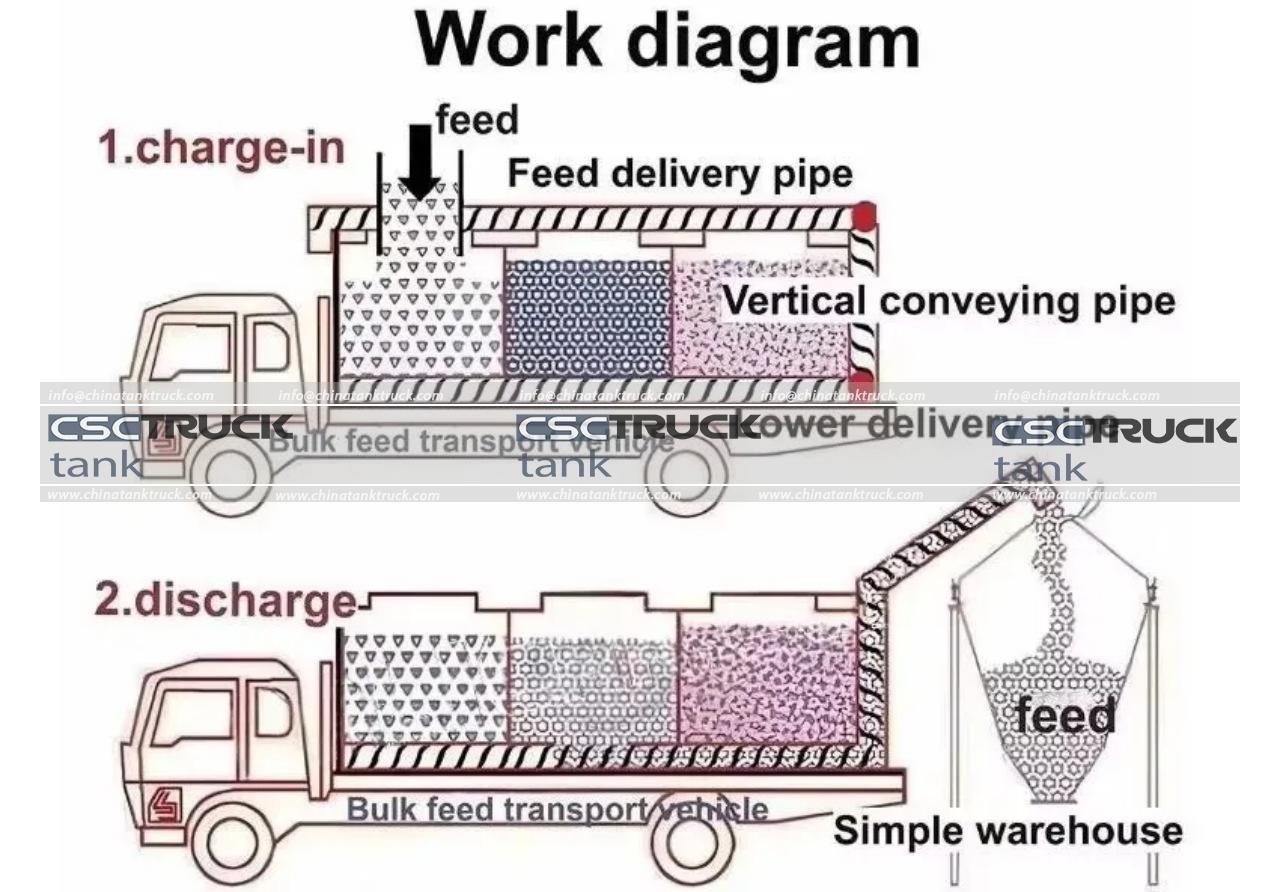

Pneumatic tank trucks are specialized vehicles designed to transport and discharge dry bulk materials such as cement, fly ash, lime, flour, plastic pellets, and other powders or granular products. Unlike conventional bulk trucks, pneumatic tank trucks use compressed air to fluidize and move materials through pipelines, allowing cargo to be transferred directly into silos or storage systems. This closed and controlled unloading process can improve efficiency, reduce material loss, and minimize dust exposure.
For fleet owners and operators, however, owning the right pneumatic tank truck is only the beginning. Proper loading, driving, unloading, inspection, and maintenance are essential for safe operation and low operating costs. Below are 10 practical tips to help operators achieve safer, more efficient, and more economical pneumatic tank truck operation.
1. Understand the Cargo Before Loading
The first step toward safe operation is knowing exactly what material the truck will transport. Different powders and granular materials have different characteristics, including bulk density, moisture sensitivity, flowability, abrasiveness, and contamination requirements.
Cement, fly ash, lime, flour, and plastic pellets, for example, may require different handling procedures. Moisture-sensitive materials should be protected from water and condensation, while food-grade products may require stricter cleanliness controls.
Before loading, confirm the material specification, required tank capacity, loading procedure, and unloading destination. Never assume that a pneumatic tanker configured for one material is automatically suitable for another.
2. Never Exceed the Rated Payload or Tank Capacity
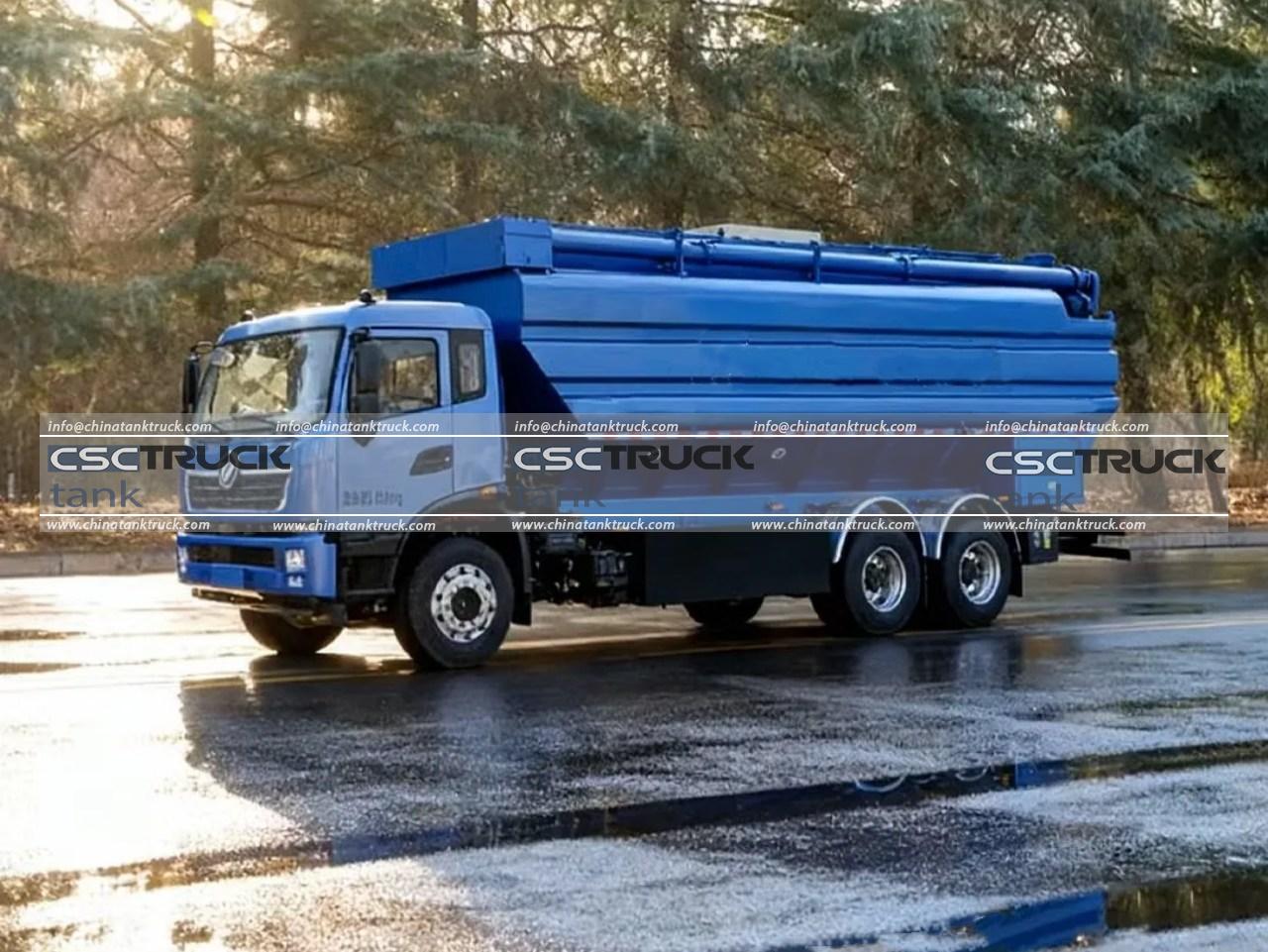
Overloading a pneumatic tank truck can increase braking distance, tire wear, fuel consumption, and stress on the chassis and suspension. It can also create additional risks during loading and unloading.
Operators should always follow the manufacturer’s rated payload, tank volume, axle-load limits, and applicable road regulations. A larger tank does not necessarily mean that the vehicle should always be filled to its maximum volume.
The optimal loading quantity should consider both material density and legal vehicle weight. Proper load distribution is also important because an uneven load can negatively affect vehicle stability and handling.
3. Inspect the Tank and Pneumatic System Before Every Trip
A pre-trip inspection can prevent many expensive breakdowns and safety incidents. Before starting work, check the tank body, manholes, valves, pipelines, hoses, pressure gauges, air compressor, PTO system, discharge outlets, and safety devices.
Pay particular attention to signs of:
- Air leakage
- Damaged hoses or fittings
- Loose connections
- Cracks or corrosion
- Abnormal pressure-gauge readings
- Valve damage
- Compressor oil leakage
- Unusual noises or vibration
Because the pneumatic system operates under pressure, even a small defect can affect unloading performance or create a safety hazard.
4. Operate the Compressor at the Correct Pressure
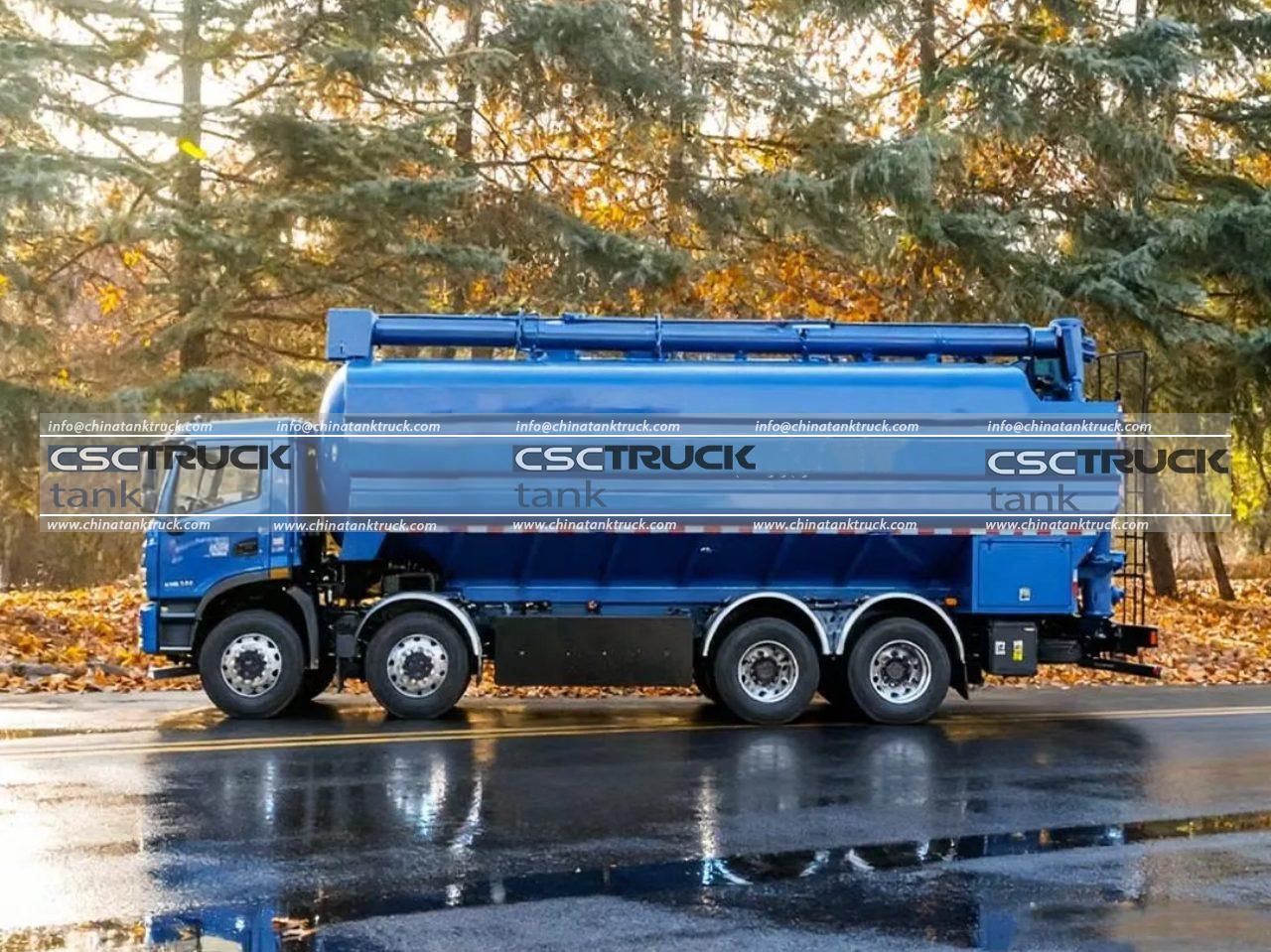
Compressed air is the heart of a pneumatic tank truck’s unloading system. The compressor supplies the air required to fluidize and convey the dry bulk material. PTO-driven compressors are widely used because they can provide a practical and efficient power source for pneumatic unloading.
However, operators should never assume that higher pressure means faster unloading. The operating pressure must remain within the manufacturer’s specified limits.
Excessive pressure can place unnecessary stress on the tank, valves, pipelines, and other components. Insufficient pressure, on the other hand, may cause slow discharge or material blockage.
Always follow the truck manufacturer’s recommended pressure, airflow, and compressor operating procedures.
5. Use the Correct Loading and Unloading Procedure
Efficient unloading requires more than simply starting the compressor. The operator should follow the correct sequence for opening valves, activating aeration systems, establishing air pressure, and transferring material.
Before unloading, ensure that:
- The truck is parked on a stable surface.
- The discharge hose is correctly connected.
- All connections are secure.
- The receiving silo or storage system is ready.
- The correct discharge valve is selected.
- Pressure remains within the specified range.
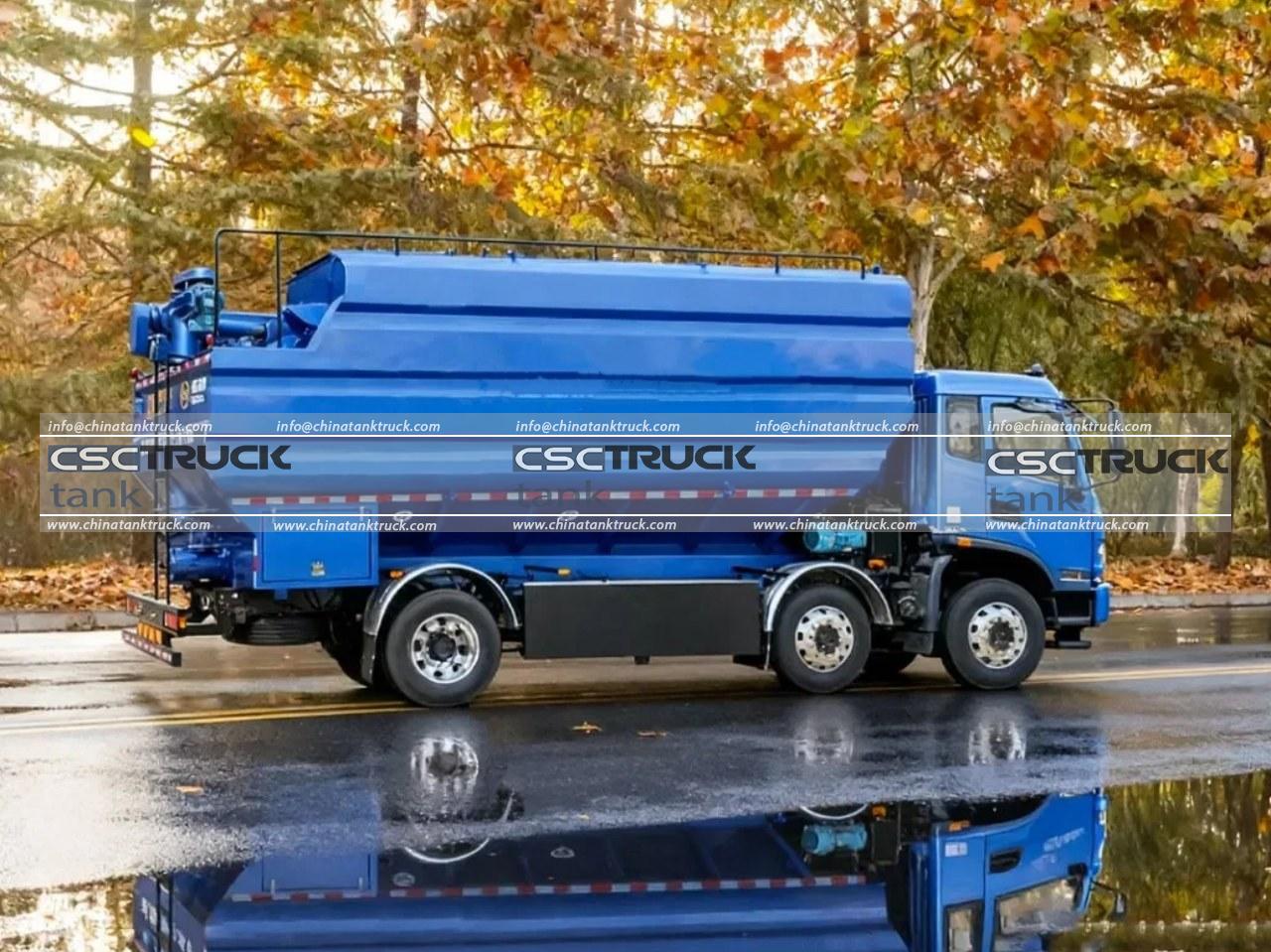
Pneumatic discharge systems can move dry bulk materials directly into silos without external lifting or tipping equipment, which helps reduce handling time and material contamination.
6. Keep Moisture Out of the Tank
Moisture is one of the biggest enemies of pneumatic bulk transportation. Water can cause powders to clump together, reduce flowability, block pipelines, and make cleaning more difficult.
After loading or unloading, operators should ensure that tank covers, manholes, valves, and connections are properly sealed. The air system should also be maintained to prevent excessive moisture from entering the material-transfer system.
If the truck transports materials that are particularly sensitive to humidity, additional moisture-control measures may be necessary.
7. Avoid Unnecessary Idling and Excessive Engine Speed
Operating costs are strongly influenced by fuel consumption and compressor operating time. During pneumatic unloading, the engine must provide power to the compressor through the PTO system on many configurations, but excessive engine speed is not automatically better.
Operators should use the manufacturer’s recommended PTO and engine speed. Running the engine faster than necessary can increase fuel consumption, heat generation, and component wear without providing meaningful improvements in unloading performance.
Efficient operation means achieving the required unloading rate with the minimum practical energy consumption.
8. Clean the Tank and Pipeline System Regularly
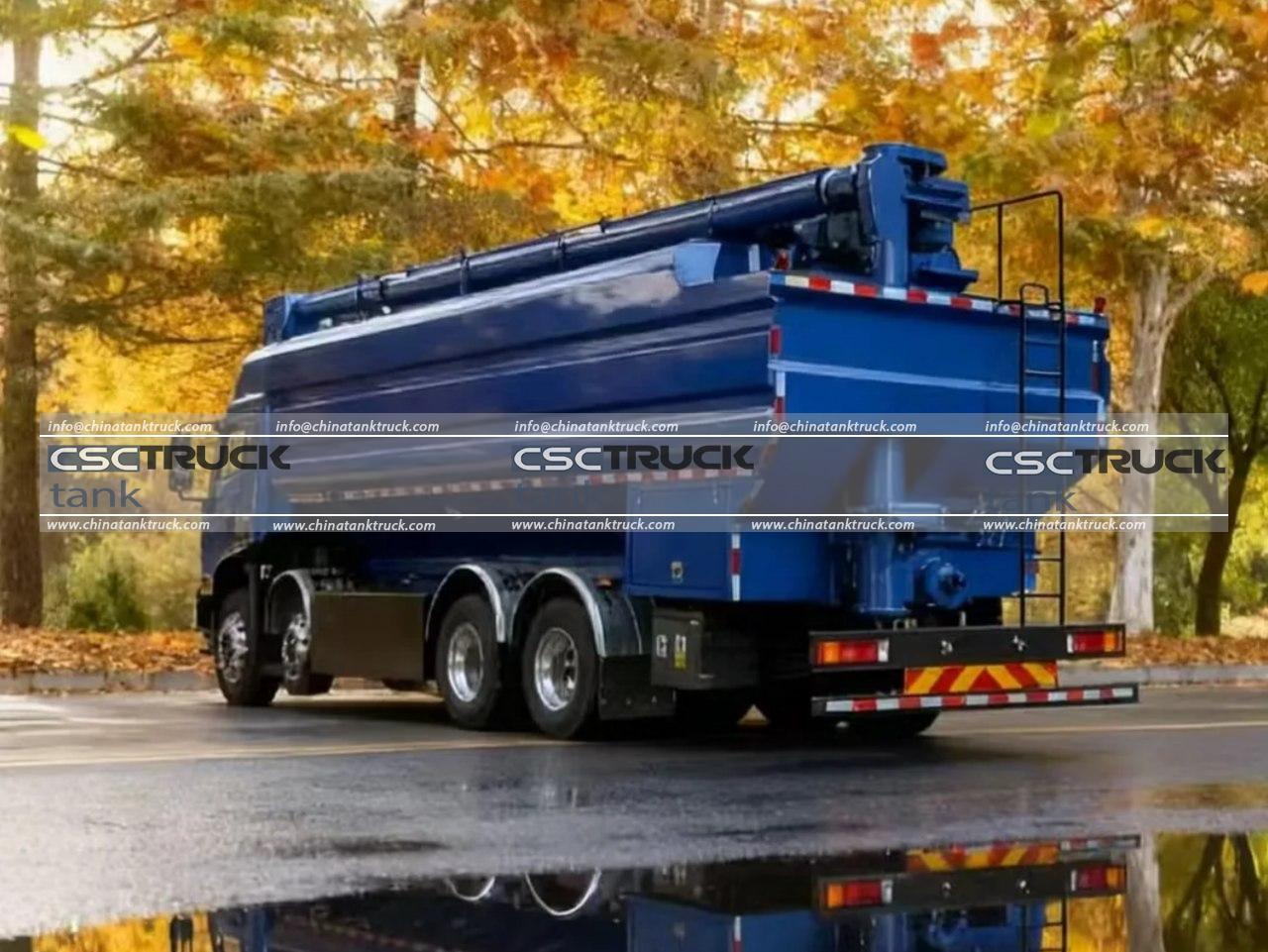
Residual material left inside the tank or discharge pipeline can cause contamination, blockages, and reduced capacity. This is particularly important when the vehicle transports different materials.
A proper cleaning schedule should include the tank interior, discharge lines, valves, hoses, filters, and other material-contact components. The cleaning method should be appropriate for the material being transported and should not introduce moisture when dry cleaning is required.
For food, chemical, or other sensitive applications, cleaning and contamination-control procedures should follow the relevant industry requirements.
9. Follow a Preventive Maintenance Schedule
Waiting until a compressor, valve, or pipeline fails is usually more expensive than replacing a worn component during scheduled maintenance.
A preventive maintenance program should cover:
- Compressor lubrication and inspection
- PTO system checks
- Air hoses and fittings
- Pressure gauges
- Safety valves
- Discharge valves
- Tank and pipeline inspection
- Tires and brakes
- Suspension components
- Engine and transmission
- Electrical systems
Maintenance intervals should be based on the manufacturer’s recommendations, operating hours, mileage, cargo type, and working environment.
Regular maintenance can reduce unexpected downtime and extend the service life of the truck.
10. Train Drivers and Operators Properly
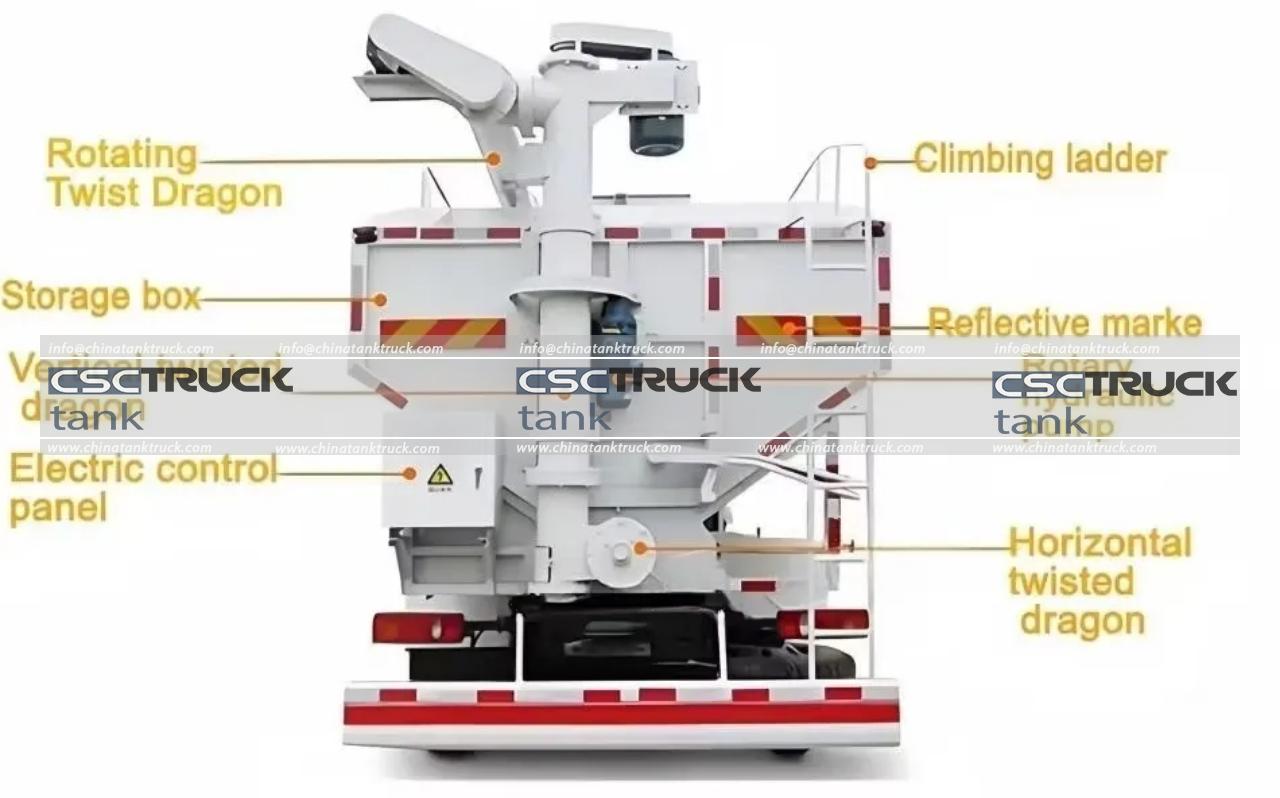
Even a high-quality pneumatic tank truck can become inefficient or unsafe when operated incorrectly. Drivers and operators should receive practical training covering vehicle driving, pneumatic-system operation, loading, unloading, emergency procedures, and basic troubleshooting.
Operators should understand what normal compressor pressure, unloading speed, and equipment sounds look like. Early recognition of abnormal conditions can prevent minor problems from becoming major failures.
Training should also emphasize personal safety. Operators should never stand unnecessarily near pressurized connections or attempt to disconnect a hose before the system has been completely depressurized.
CSCTRUCK China Tank Truck: Reliable Solutions for Bulk Material Transport
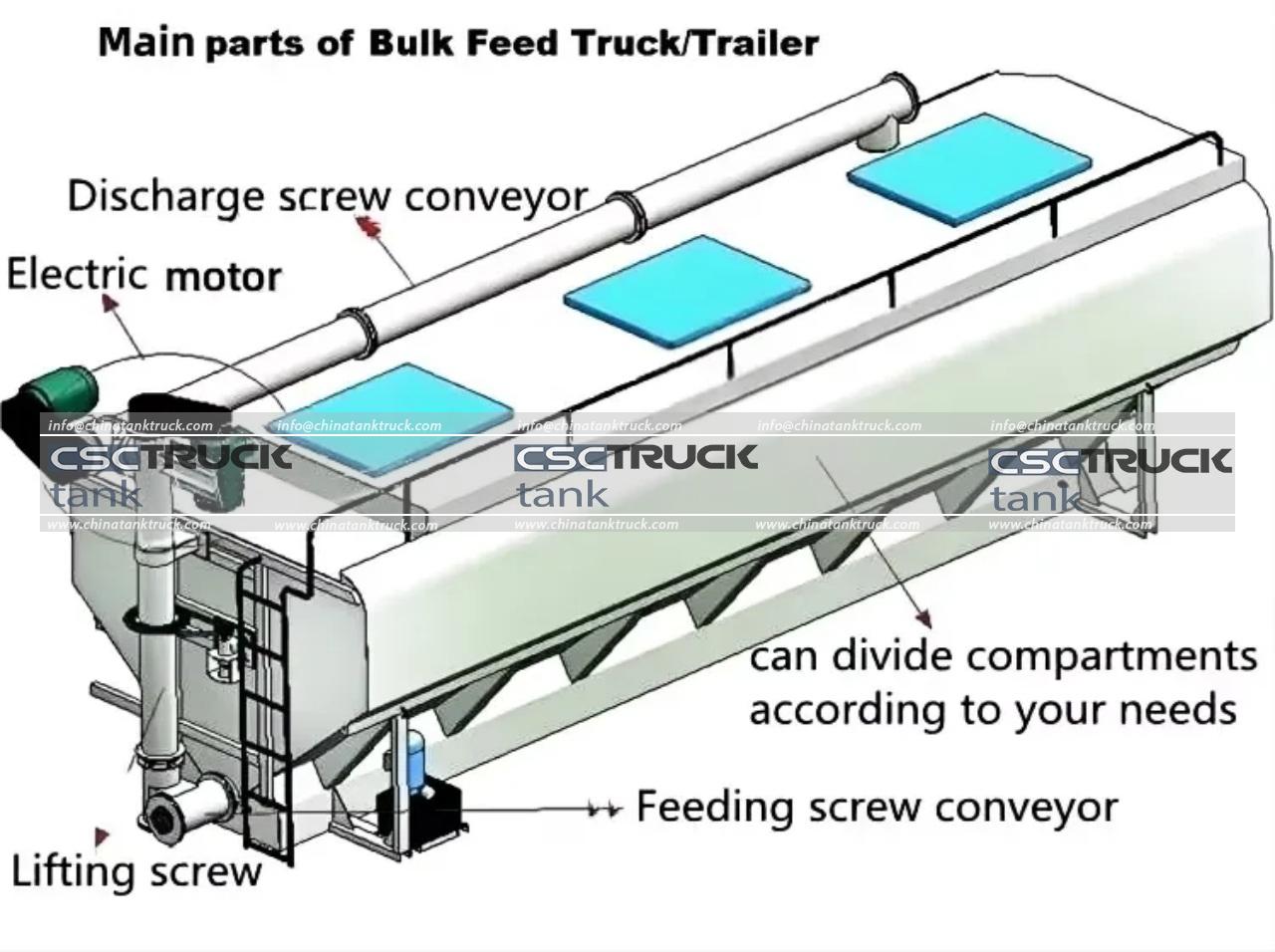
CSCTRUCK China Tank Truck is a China-based manufacturer and exporter of specialized tank trucks and trailers, offering solutions for fuel, water, chemical, LPG, asphalt, and dry bulk transportation. Its product range includes pneumatic and bulk-feed trucks in various capacities and configurations, including 22 CBM, 30 CBM, 40 CBM, 45 CBM, and larger pneumatic tank vehicles.
CSCTRUCK China Tank Truck focuses on customized vehicle solutions based on customer requirements such as tank capacity, chassis brand, material, discharge configuration, and operating conditions. The company states that its vehicles undergo quality inspections that can include pressure testing, welding checks, leak testing, and surface treatment before delivery. It also provides export documentation and technical support for international customers.
For buyers and fleet operators, choosing the right pneumatic tank truck should therefore involve more than comparing tank volume or purchase price. Compressor performance, pressure-system design, payload, chassis selection, material compatibility, maintenance requirements, and after-sales support can all influence the vehicle’s total cost of ownership.
Conclusion
Safe and economical pneumatic tank truck operation depends on a combination of proper equipment, trained operators, correct procedures, and preventive maintenance. Understanding the cargo, respecting payload and pressure limits, inspecting the pneumatic system, controlling moisture, optimizing compressor operation, and maintaining the vehicle regularly can significantly improve reliability and productivity.
For businesses transporting cement, fly ash, lime, flour, plastic pellets, and other dry bulk materials, a properly configured pneumatic tank truck can provide fast, controlled, and efficient material transfer. With the right operating practices and a reliable manufacturer such as CSCTRUCK China Tank Truck, fleet owners can reduce downtime, control operating expenses, extend vehicle service life, and achieve safer bulk-material transportation.