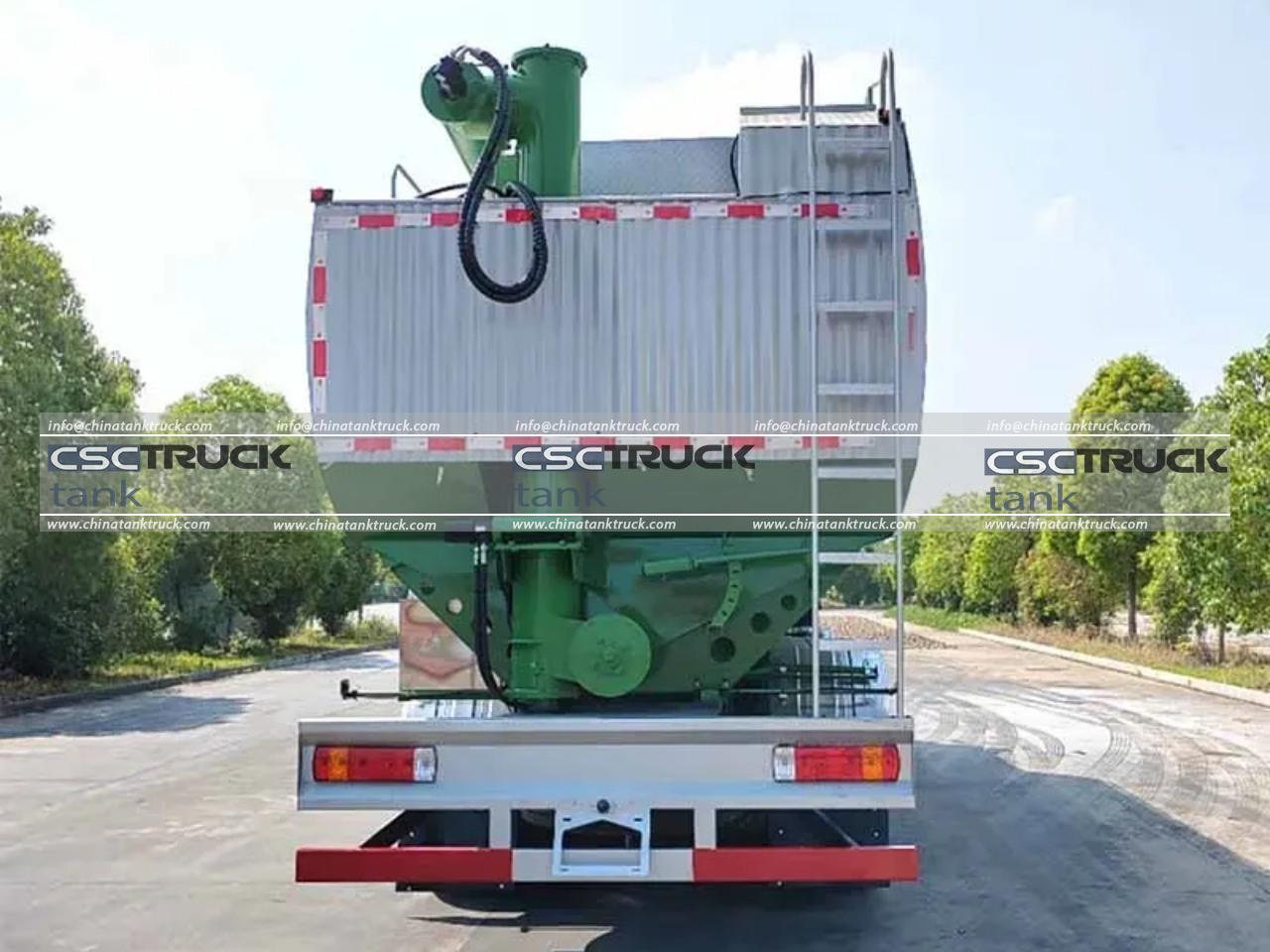

Pneumatic tankers, also known as dry bulk tankers or bulk powder tank trucks, are specially engineered vehicles designed to transport dry, free-flowing powdered and granular materials. They are widely used in industries such as construction, cement manufacturing, chemical processing, food production, and agriculture. One of the most common questions buyers ask is: What is the typical volume of a pneumatic tanker? The answer depends on the material being transported, weight regulations, axle configuration, and the customer’s operational requirements.
Manufacturers such as CSCTRUCK China Tank Truck provide a wide range of pneumatic tanker solutions with customizable capacities to meet different industries and transportation standards. Founded in 2005, CSCTRUCK China Tank Truck specializes in manufacturing tank trucks for transporting powders, liquids, gases, and other bulk materials. The company exports customized tank trucks worldwide and offers various chassis options, tank materials, and unloading systems designed to improve transportation efficiency and reliability.
Understanding Pneumatic Tanker Volume
The volume of a pneumatic tanker refers to the internal capacity of the tank, usually measured in cubic meters (m³). Unlike liquid tankers, dry bulk tankers are often limited more by the weight of the cargo than by the available space. Therefore, selecting the correct tank volume requires balancing cargo density with legal gross vehicle weight limits.
For example:
- Lightweight materials require larger tank volumes.
- Heavy powders require smaller tanks to remain within legal weight limits.
- Different countries have different road weight regulations that influence tanker design.
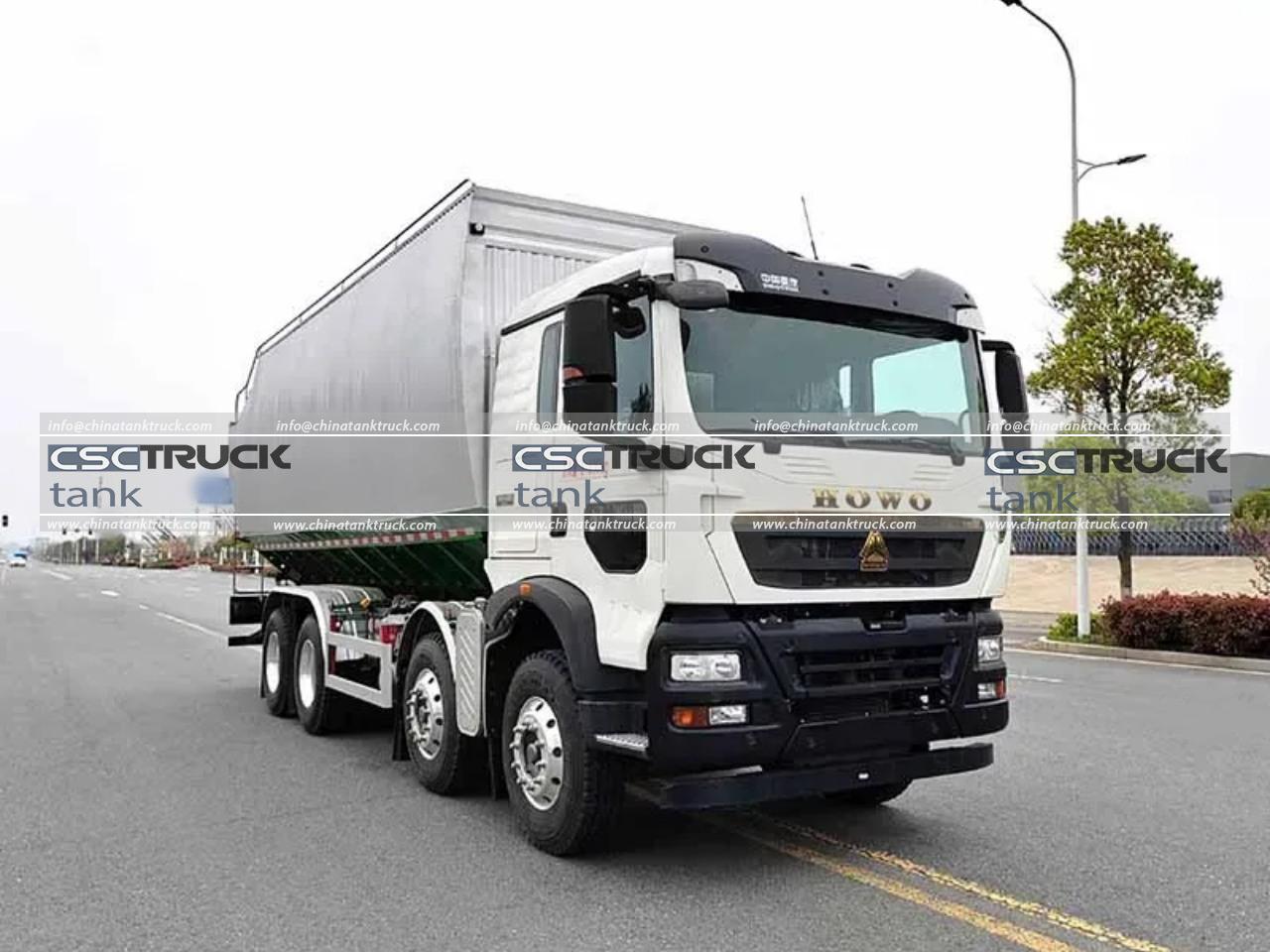
Common Pneumatic Tanker Volumes
Most pneumatic tankers fall within the following capacity ranges:
| Tank Volume | Typical Application |
|---|---|
| 20–25 m³ | Dense materials such as cement, lime, silica sand |
| 28–35 m³ | General-purpose dry bulk transport |
| 35–45 m³ | Fly ash, flour, chemical powders |
| 45–55 m³ | Plastic pellets, food powders, animal feed |
| 55–70 m³ | Lightweight bulk materials and long-distance transport |
The most commonly ordered pneumatic tanker capacities are:
- 30 m³
- 35 m³
- 40 m³
- 45 m³
- 50 m³
These sizes provide an excellent balance between payload, unloading efficiency, and road compliance.
Why Tank Volume Varies
Several factors determine the appropriate pneumatic tanker volume.
1. Material Density
Density is the most important consideration.
Examples include:
| Material | Approximate Bulk Density |
|---|---|
| Cement | 1.2–1.5 t/m³ |
| Fly ash | 0.8–1.0 t/m³ |
| Flour | 0.5–0.7 t/m³ |
| Plastic pellets | 0.55–0.75 t/m³ |
| Carbon black | 0.3–0.5 t/m³ |
| Lime powder | 0.9–1.2 t/m³ |
A tanker carrying dense cement reaches its legal weight limit much sooner than one carrying lightweight plastic pellets.
For instance:
- A 30 m³ tanker may carry approximately 36–40 tonnes of cement (subject to local regulations).
- The same tanker may carry only about 18 tonnes of flour because flour occupies much more space.
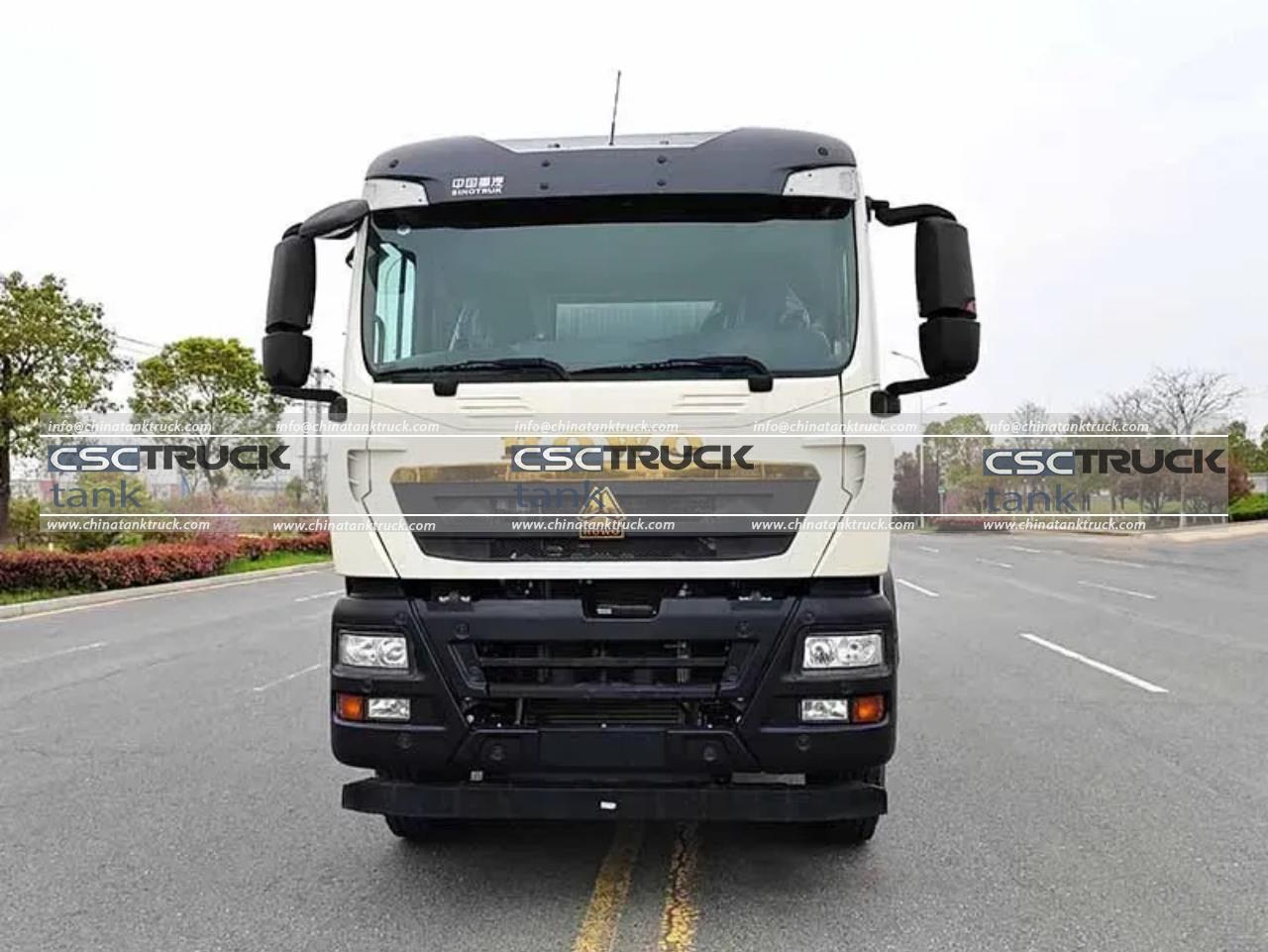
Typical Volumes by Industry
Cement Industry
Cement is among the heaviest dry bulk products.
Typical tank sizes:
- 28–35 m³
- 30 m³ is extremely popular
These tankers maximize payload without exceeding axle weight restrictions.
Fly Ash Transport
Fly ash has a lower density than cement.
Typical capacities:
- 35–45 m³
Larger tanks increase transportation efficiency while remaining within legal weight limits.
Food Industry
Food-grade pneumatic tankers transport products such as:
- Flour
- Sugar
- Starch
- Milk powder
- Cocoa powder
Typical capacities:
- 40–55 m³
The larger volume allows operators to transport lighter products economically.
Chemical Powders
Chemical powders vary greatly in density.
Typical capacities:
- 30–50 m³
Manufacturers often customize compartment sizes and unloading systems according to the specific chemical.
Plastic Pellets
Plastic resin pellets are lightweight.
Typical capacities:
- 45–60 m³
Large aluminum tanks are commonly selected to maximize payload.
Influence of Tank Material
Tank construction also affects usable volume.
Carbon Steel
Advantages:
- Lower purchase cost
- High structural strength
- Suitable for cement and minerals
Disadvantages:
- Heavier
- Slightly lower payload
Aluminum Alloy
Advantages:
- Much lighter
- Larger legal payload
- Corrosion resistant
- Excellent for food and plastics
Disadvantages:
- Higher initial cost
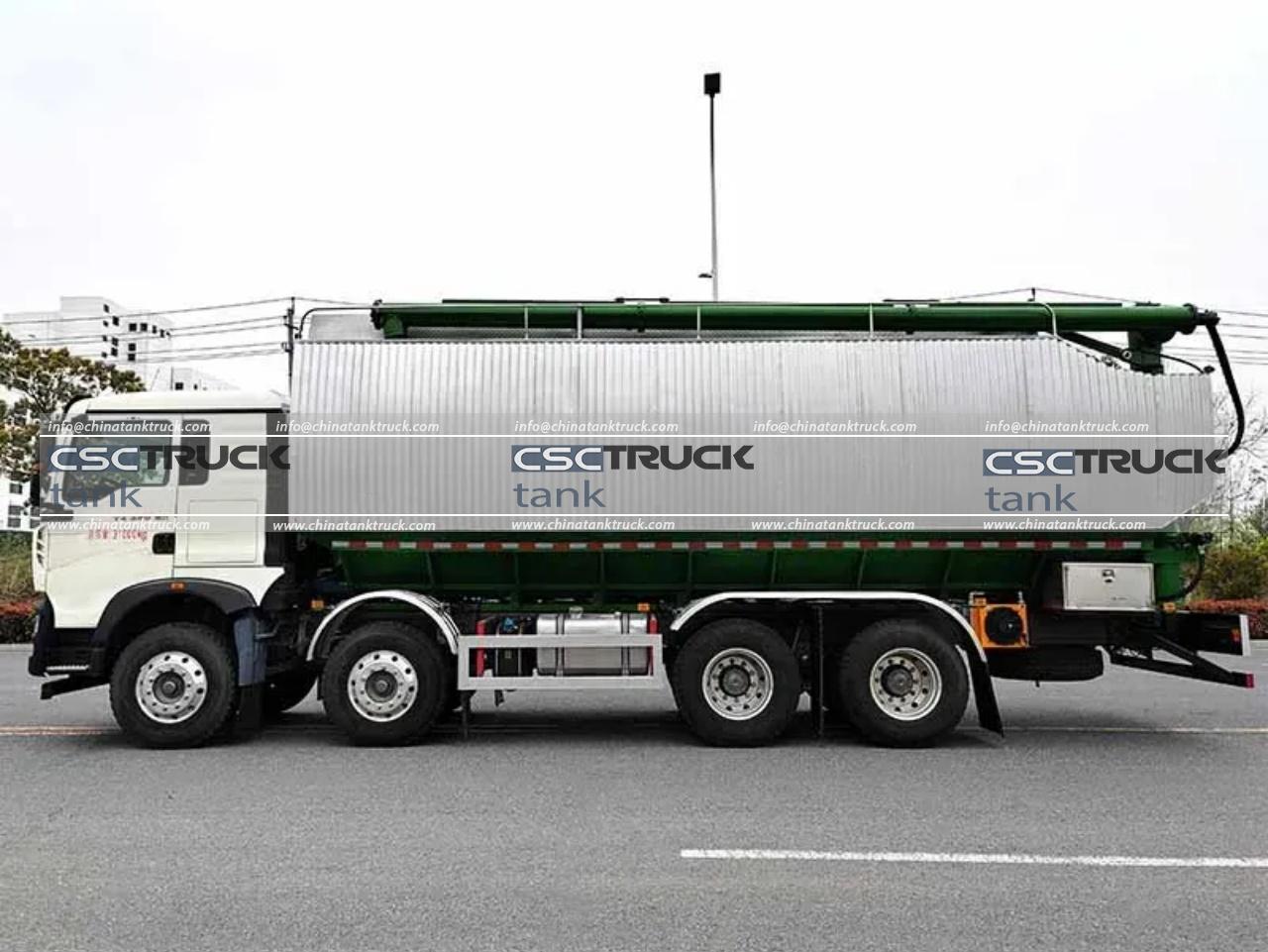
Because aluminum tanks weigh less, manufacturers can build larger-volume pneumatic tankers while remaining within legal weight restrictions.
Axle Configuration and Volume
Tank size is closely related to the chassis and trailer configuration.
Typical examples include:
2-Axle Tankers
- 20–30 m³
- Regional deliveries
- Lower payload
3-Axle Semi-Trailers
- 30–55 m³
- Most common worldwide
- Excellent balance between capacity and maneuverability
4-Axle Tankers
- 50–70 m³
- High-volume transportation
- Suitable where regulations permit higher gross weights
Does Larger Always Mean Better?
Not necessarily.
Selecting the largest possible tank is not always the most economical choice.
Potential disadvantages include:
- Higher purchase price
- Increased turning radius
- More difficult loading in confined spaces
- Possible under-utilization when transporting dense materials
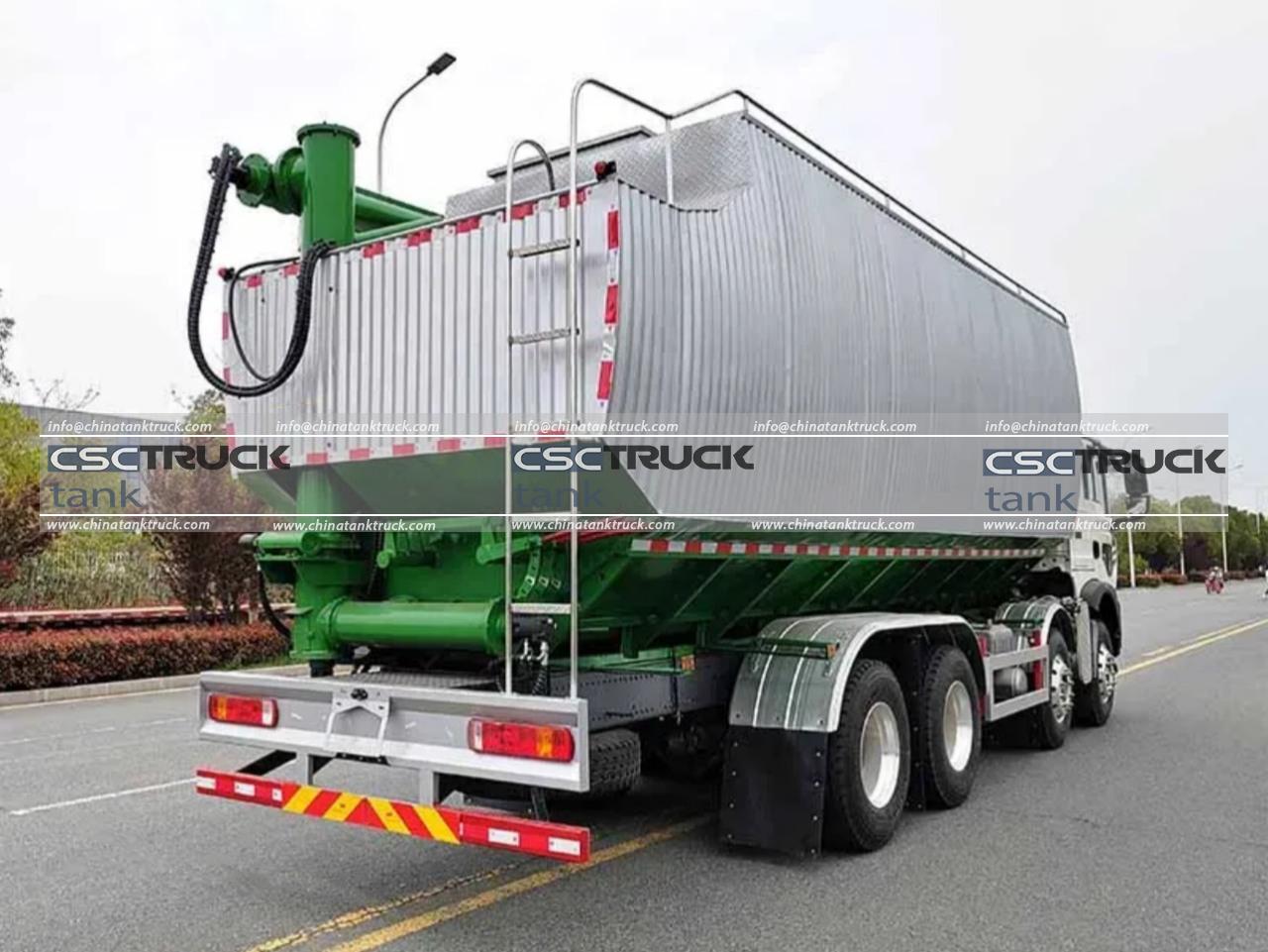
A properly sized tanker often provides lower operating costs and better overall efficiency.
Compartment Design
Modern pneumatic tankers may include:
- Single-compartment tanks
- Two compartments
- Three compartments
Multiple compartments allow operators to transport different products during the same trip while preventing contamination.
Although compartmentalization reduces the usable volume of each section slightly, it greatly improves operational flexibility.
How Manufacturers Customize Volume
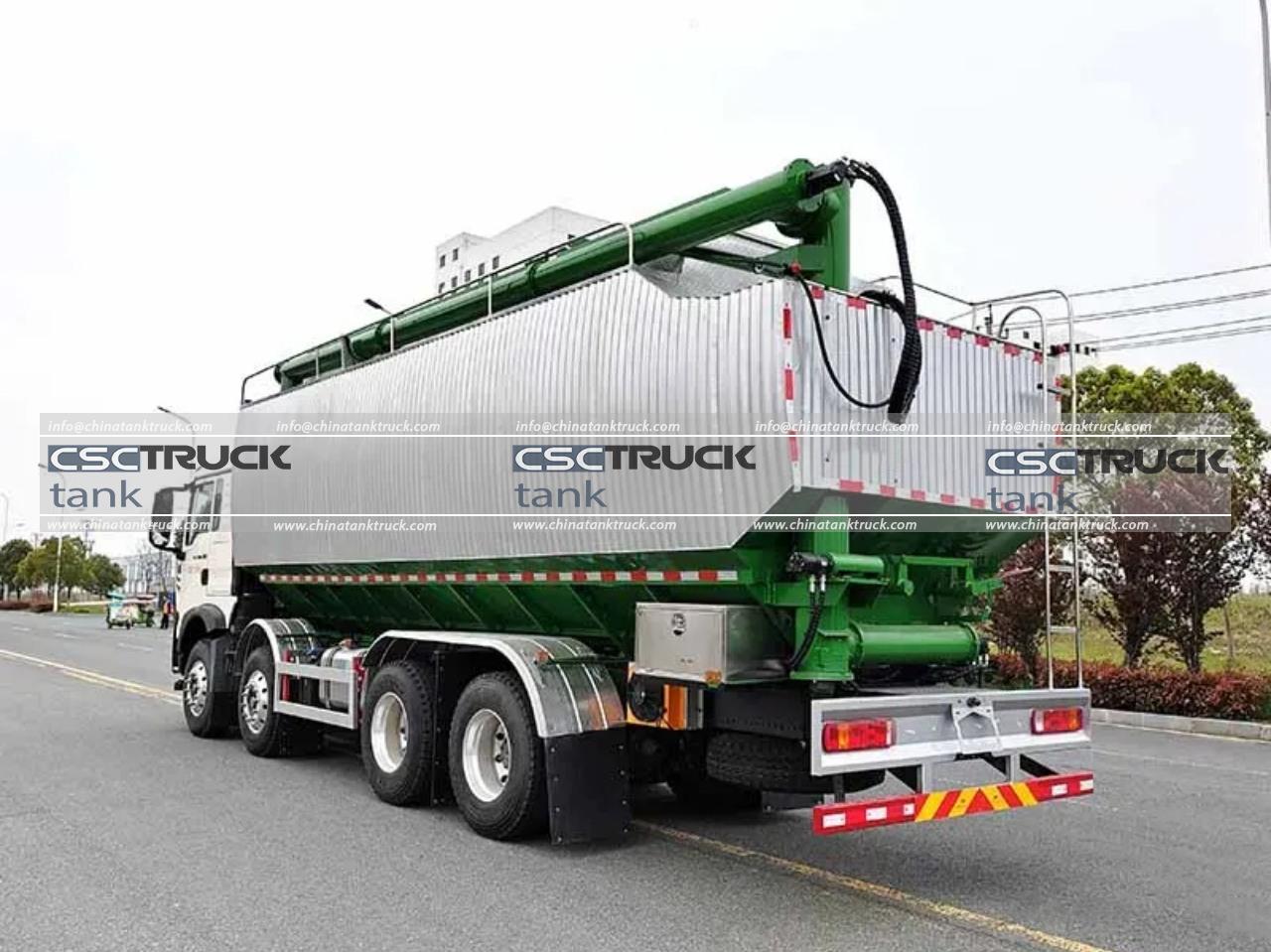
Professional manufacturers like CSCTRUCK China Tank Truck offer customized pneumatic tankers rather than one-size-fits-all designs. Buyers can specify:
- Tank volume
- Tank diameter
- Number of compartments
- Carbon steel or aluminum construction
- Air compressor capacity
- PTO-driven or auxiliary compressor systems
- Fluidized bed design
- Discharge pipeline arrangement
- Chassis brand and axle configuration
This customization ensures the tanker matches the customer’s cargo characteristics, transportation routes, and local regulations.
Choosing the Right Tank Volume
When selecting a pneumatic tanker, buyers should evaluate several key factors:
- Cargo density – Heavier materials generally require smaller tank volumes.
- Annual transportation volume – Higher demand may justify larger-capacity tankers.
- Road weight regulations – Ensure compliance with local axle-load and gross vehicle weight limits.
- Loading and unloading facilities – Verify compatibility with silo heights, compressors, and pneumatic conveying systems.
- Transport distance – Larger tanks can improve efficiency for long-haul operations by reducing the number of trips.
Working with an experienced manufacturer helps optimize these factors and ensures the selected tanker provides the best balance of payload, efficiency, and long-term operating costs.
Conclusion
The typical volume of a pneumatic tanker ranges from 20 to 70 cubic meters, with 30–50 m³ being the most common for commercial applications. The ideal capacity depends on the density of the material, transportation regulations, payload requirements, and the intended industry. Dense products such as cement generally require smaller tanks, while lightweight materials like plastic pellets, flour, and animal feed benefit from larger-volume designs.
Rather than choosing the largest available tanker, operators should focus on selecting a volume that maximizes legal payload while maintaining efficient unloading and economical operation. Manufacturers such as CSCTRUCK China Tank Truck provide customized pneumatic tanker solutions with various tank capacities, materials, and unloading systems to meet the diverse needs of construction, chemical, food, and agricultural industries. With the right tank volume and configuration, businesses can improve transport efficiency, reduce operating costs, and ensure safe, reliable delivery of dry bulk materials.