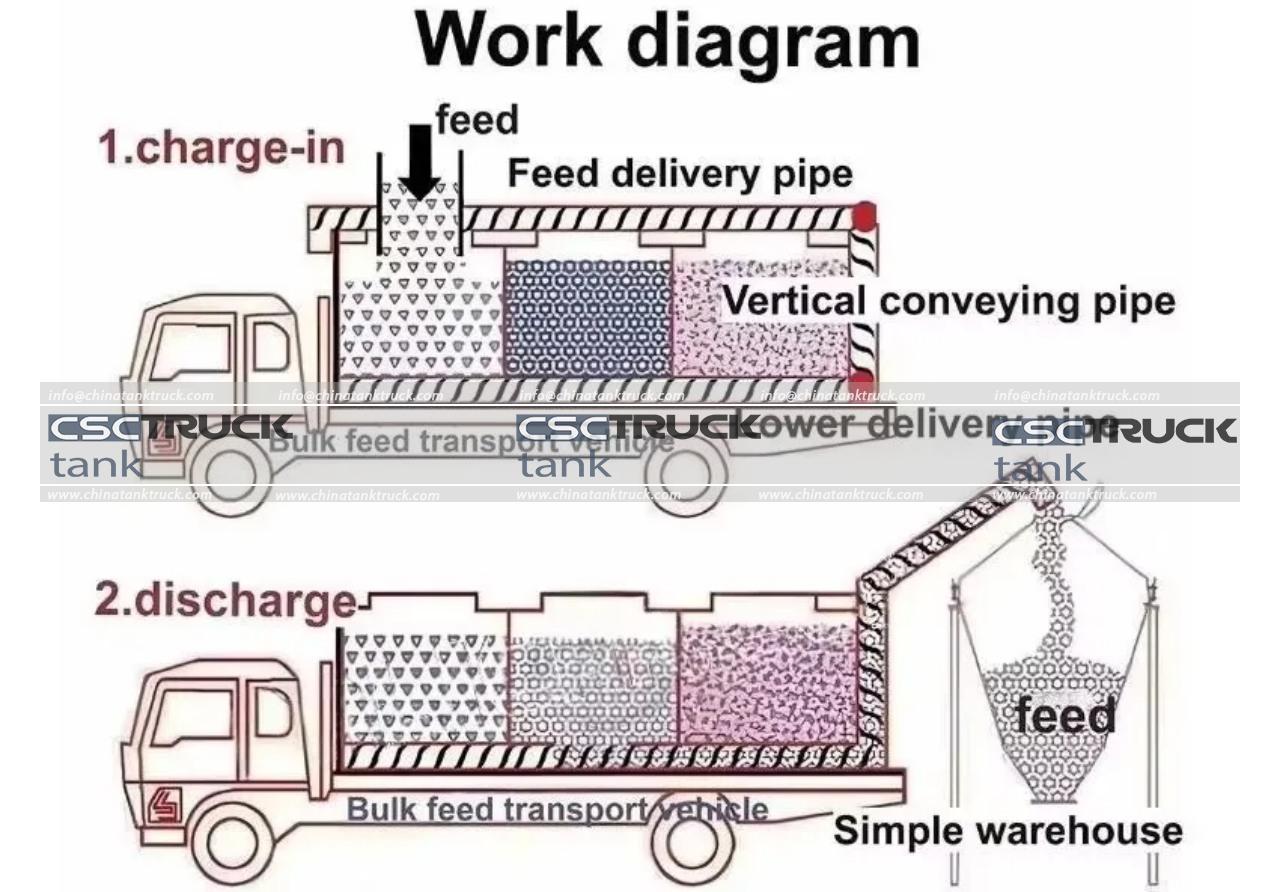

Pneumatic tank trucks are specialized bulk transport vehicles designed to carry dry powder and granular materials such as cement, fly ash, lime powder, flour, plastic pellets, and chemical powders. Using compressed air, these trucks unload cargo quickly without mechanical conveyors, making them indispensable for industries including construction, agriculture, mining, food processing, and chemical manufacturing.
Choosing the right pneumatic tank truck is one of the most important decisions for fleet operators. Among the most common configurations are 30m³ and 50m³ pneumatic tank trucks. While both perform the same basic function, they differ significantly in carrying capacity, payload, vehicle dimensions, operating costs, maneuverability, and ideal applications.
As a professional Chinese manufacturer of tank trucks and bulk transport equipment, CSCTRUCK China Tank Truck designs and manufactures a wide range of pneumatic tank trucks with customized tank volumes, premium steel construction, reliable air compressor systems, and multiple chassis options for customers worldwide. Founded in Suizhou, Hubei, the company supplies specialized tank trucks for industries ranging from construction to chemical transportation while offering customized configurations and international after-sales support.
Understanding Pneumatic Tank Truck Capacity
The “m³” designation refers to the internal volume of the tank rather than its payload weight. The actual amount of material transported depends on the bulk density of the cargo.
For example:
- Cement: approximately 1.2–1.5 t/m³
- Fly ash: approximately 0.8–1.0 t/m³
- Lime powder: approximately 0.9–1.2 t/m³
- Flour: approximately 0.5–0.7 t/m³
- Plastic pellets: approximately 0.55–0.75 t/m³
This means a 50m³ tanker does not always carry exactly 20m³ more product than a 30m³ tanker in terms of weight, because legal axle load limits often become the determining factor.
Tank Volume Difference
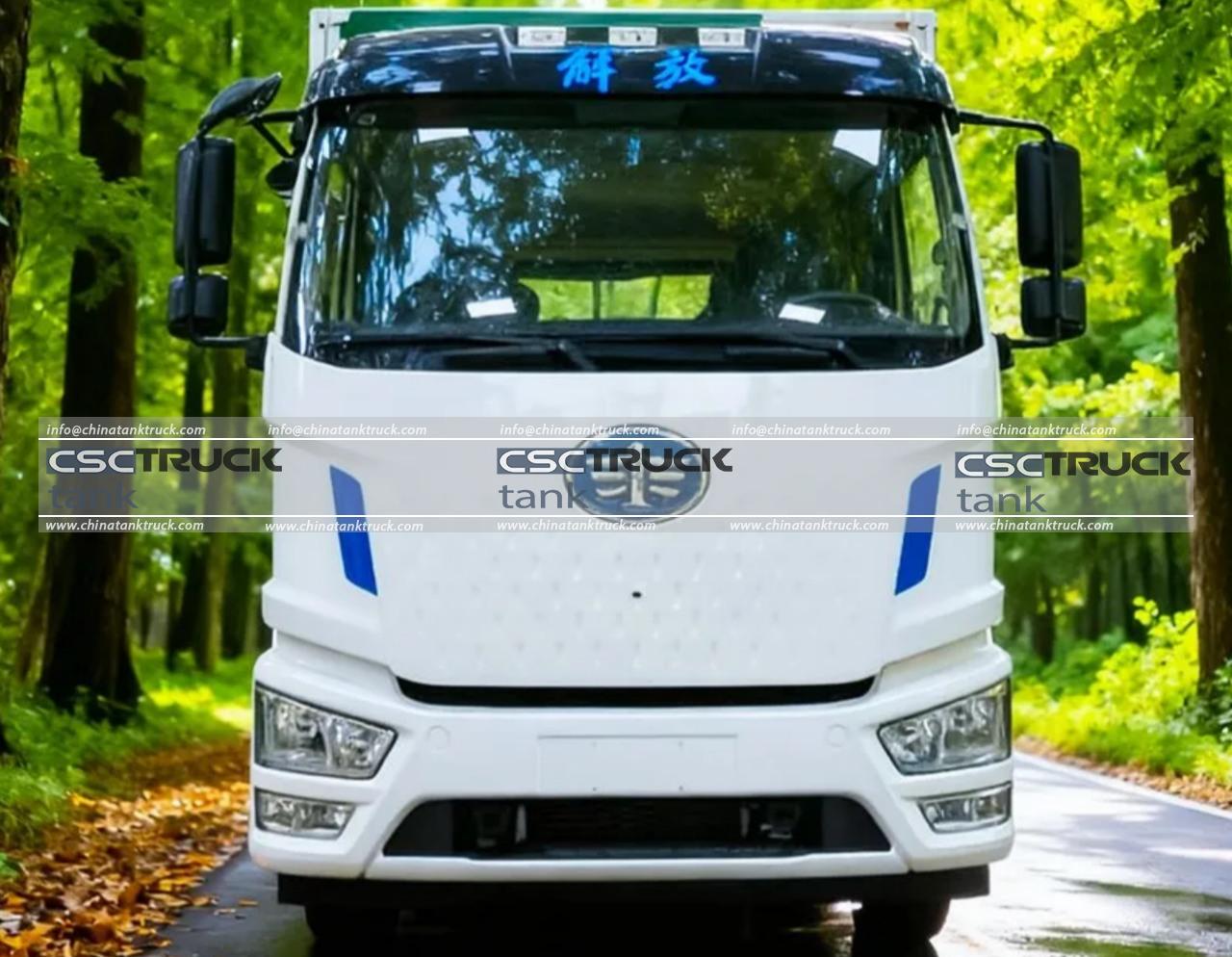
The most obvious distinction is storage capacity.
A 30m³ pneumatic tank truck offers medium capacity suitable for regional transportation and urban deliveries.
A 50m³ pneumatic tank truck provides substantially greater internal volume, allowing operators to transport larger quantities of lightweight bulk materials in a single trip.
For low-density products such as fly ash or plastic pellets, the additional 20m³ significantly increases transport efficiency.
Payload Comparison
Payload depends on both tank volume and material density.
Typical examples include:
30m³ Tank
- Cement: approximately 30–38 tons (subject to local regulations)
- Fly ash: approximately 24–30 tons
- Flour: approximately 15–21 tons
50m³ Tank
- Cement: legal weight restrictions may prevent utilizing the full volume
- Fly ash: approximately 40–50 tons, where regulations permit
- Plastic pellets: much higher volumetric utilization
In many countries, road weight regulations limit the maximum gross vehicle weight, meaning the 50m³ tank is particularly advantageous for transporting lightweight bulk materials rather than dense powders.

Vehicle Size
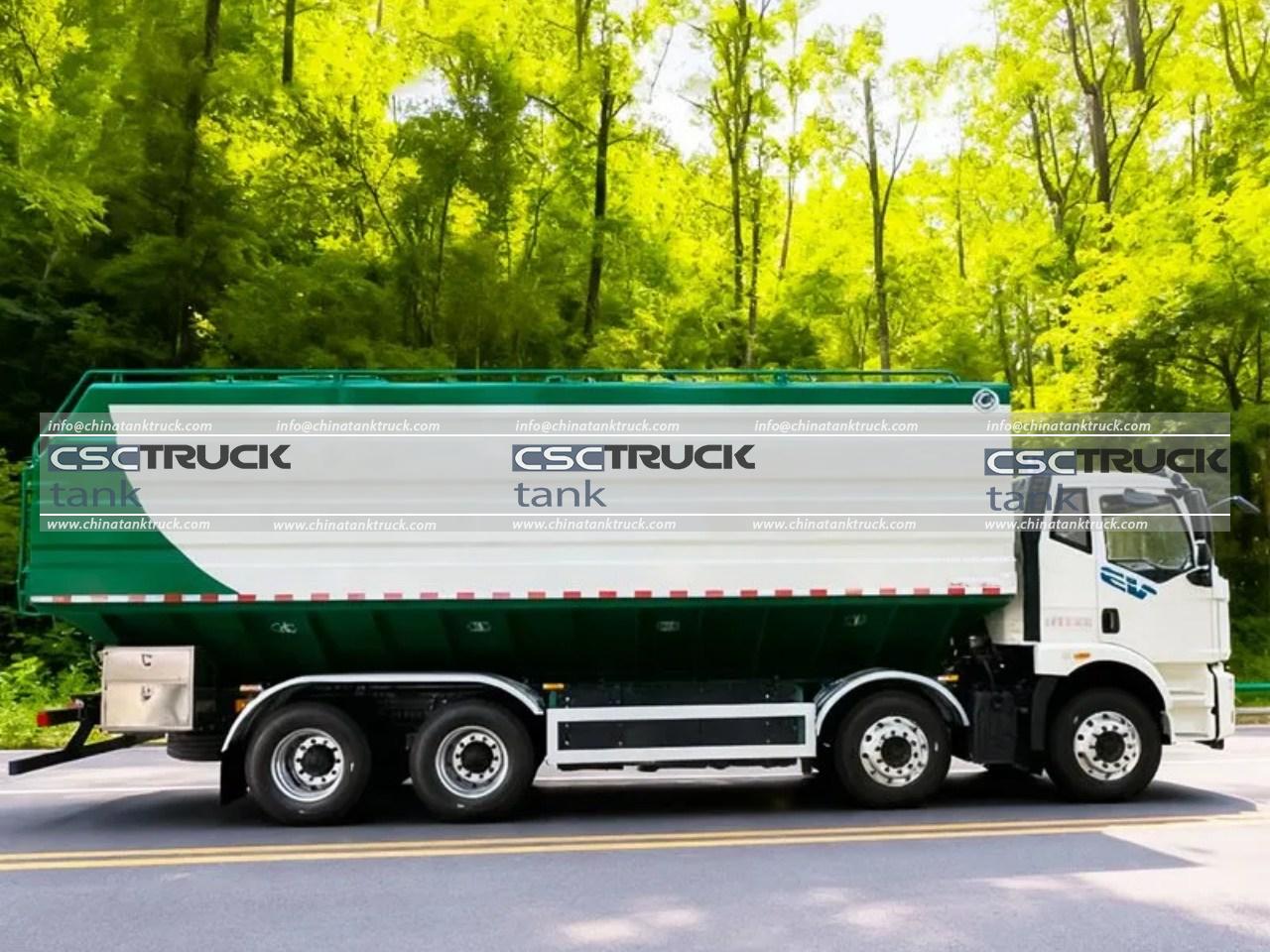
The larger tank naturally requires a larger chassis.
A typical 30m³ truck generally features:
- Shorter wheelbase
- Better turning radius
- Easier urban operation
- Reduced parking space requirements
A 50m³ truck usually includes:
- Longer chassis
- Additional axles
- Greater overall length
- Larger turning radius
This makes the larger model better suited for highways and industrial sites than crowded city environments.
Maneuverability
One of the biggest operational differences lies in maneuverability.
30m³ Pneumatic Tank Truck
Advantages include:
- Easier driving in cities
- Better access to narrow factory roads
- Lower risk when navigating construction sites
- Simpler reversing and parking
50m³ Pneumatic Tank Truck
Advantages include:
- Excellent long-distance efficiency
- Fewer trips required
- Better productivity for bulk transportation
However, drivers require more experience because larger vehicles demand greater care during cornering and reversing.
Transportation Efficiency
Efficiency often determines fleet profitability.
For companies making multiple deliveries to nearby customers, a 30m³ truck may complete more trips each day due to its agility.
For long-distance transportation between cement plants, power stations, ports, or distribution centers, a 50m³ truck often reduces:
- Fuel consumption per ton transported
- Driver labor costs
- Highway toll costs per ton
- Overall logistics expenses
The higher cargo capacity improves transportation economics over long distances.
Unloading Performance
Both truck sizes generally use similar unloading principles:
- PTO-driven air compressor
- Air pipelines
- Fluidized bed
- Pneumatic discharge system
Because the unloading equipment is similar, discharge time depends more on compressor capacity, pipeline layout, cargo type, and unloading distance than on tank volume alone.
Large 50m³ trucks may require slightly longer unloading times due to the increased cargo quantity, but modern high-capacity compressors minimize this difference.
Fuel Consumption
Fuel economy varies considerably.
A 30m³ pneumatic tanker generally consumes less fuel because:
- Lower vehicle weight
- Reduced rolling resistance
- Smaller engine requirements
A 50m³ tanker consumes more fuel per trip but often less fuel per transported ton.
For fleets focused on maximizing transport efficiency, fuel consumption should always be evaluated on a cost-per-ton basis rather than liters per trip.
Initial Purchase Cost
Larger trucks naturally require higher investment.
A 30m³ pneumatic tank truck usually costs less because it features:
- Smaller tank
- Shorter chassis
- Fewer axles
- Lower material consumption during manufacturing
A 50m³ model typically includes:
- Larger tank body
- Heavy-duty suspension
- Additional structural reinforcement
- Higher-capacity chassis
- Larger tires and braking systems
Although the purchase price is higher, many operators recover the additional investment through improved transport efficiency.
Maintenance Requirements
Maintenance requirements are similar for both sizes, including:
- Compressor servicing
- Air filter replacement
- Safety valve inspection
- Pipeline leak checks
- Tank pressure testing
- Lubrication of PTO components
However, larger vehicles generally incur:
- Higher tire replacement costs
- Increased brake maintenance
- Greater suspension wear
- Higher annual operating expenses
Proper preventive maintenance remains essential regardless of tank size.
Ideal Applications
30m³ Pneumatic Tank Truck
Best suited for:
- Urban construction projects
- Ready-mix concrete plants
- Small cement distributors
- Food-grade powder transportation
- Regional logistics
- Frequent delivery routes
50m³ Pneumatic Tank Truck
Ideal for:
- Cement factories
- Fly ash transportation
- Mining operations
- Bulk chemical transportation
- Port logistics
- Long-distance freight
- Large industrial customers
Which One Should You Choose?
The choice depends entirely on operational requirements.
Choose a 30m³ pneumatic tank truck if your business requires flexibility, city driving, frequent unloading, shorter routes, or transportation of heavier materials where legal weight limits are quickly reached.
Choose a 50m³ pneumatic tank truck if your priority is maximizing transport efficiency for lightweight bulk products over long distances, reducing logistics costs per ton, and minimizing the number of trips.
Fleet operators should also consider local road regulations, bridge weight restrictions, customer unloading facilities, and available parking space before making a purchasing decision.
Conclusion
Both 30m³ and 50m³ pneumatic tank trucks play important roles in bulk powder transportation. The 30m³ model excels in flexibility, maneuverability, and regional deliveries, while the 50m³ model offers superior efficiency for high-volume, long-distance transportation of lightweight materials. Understanding cargo density, payload regulations, operating routes, and fleet objectives is essential to selecting the right vehicle.
Manufacturers such as CSCTRUCK China Tank Truck offer both 30m³ and 50m³ pneumatic tank trucks with customizable configurations, advanced pneumatic unloading systems, and reliable chassis options to meet the diverse needs of global customers. Whether transporting cement, fly ash, flour, or chemical powders, selecting the appropriate tank capacity can significantly improve operational efficiency, reduce transportation costs, and maximize return on investment.